• 검색 결과가 없습니다.

Port site infiltration of local anesthetic after laparoendoscopic single site surgery for benign adnexal disease

N/A
N/A
Protected

Academic year: 2022

Share "Port site infiltration of local anesthetic after laparoendoscopic single site surgery for benign adnexal disease"

Copied!
7
0
0

로드 중.... (전체 텍스트 보기)

전체 글

(1)

https://doi.org/10.5468/ogs.2017.60.5.455 pISSN 2287-8572 · eISSN 2287-8580

Introduction

Laparoscopy has several benefits compared to laparotomy in gynecologic surgery including reductions in operative morbid- ity, recovery time, and hospital stay [1]. There have been con- tinuous efforts to develop less invasive procedures with reduced number and size of incisions. Laparoendoscopic single site surgery (LESS) is a technique in which 3 or 4 laparoscopic instru- ments are placed through a single umbilical incision [2-5]. LESS is widely applicable, safe, and effective for surgical manage- ment of benign conditions involving the uterus and adnexa, as well as malignancies [6-12].

Port site infiltration of local anesthetic after

laparoendoscopic single site surgery for benign adnexal disease

Jung Eun Kim, Seung-Hyuk Shim, Meari Dong, Hyojin Lee, Han Sung Hwang, Han Sung Kwon, Sun Joo Lee, Ji Young Lee, In Sook Sohn, Soo-Nyung Kim, Soon-Beom Kang

Department of Obstetrics and Gynecology, Konkuk University School of Medicine, Seoul, Korea

Objective

To determine whether local bupivacaine injection into the incision site after gynecologic laparoendoscopic single site surgery (LESS) improves postoperative pain.

Methods

This prospective cohort study included consecutive 158 patients who had LESS for benign adnexal disease from March 2013 to December 2015. Chronologically, 82 patients (March 2013 to August 2014) received no bupivacaine (group 1) and 76 (August 2014 to December 2015) received a bupivacaine block (group 2). For group 2, 10 mL 0.25%

bupivacaine was injected into the 20 mm-incision site through all preperitoneal layers after LESS completion. Primary outcome is postoperative pain score using the visual analog scale (VAS).

Results

There was no difference in clinicopathological characteristics between the groups. Operating time (expressed as median [range], 92 [55–222] vs. 100 [50–185] minutes, P=0.137) and estimated blood loss (50 [30–1,500] vs. 125 [30–

1,000] mL, P=0.482) were similar between the groups. Post-surgical VAS pain scores after 3 hours (3.5 [2–6] vs. 3.5 [2–5],

P=0.478), 6 to 8 hours (3.5 [2–6] vs. 3 [1–8], P=0.478), and 16 to 24 hours (3 [2–4] vs. 3 [1–7], P=0.664) did not differ

between groups.

Conclusion

Bupivacaine injection into the trocar site did not improve postoperative pain after LESS. Randomized trials are needed to evaluate the benefits of local bupivacaine anesthetic for postoperative pain reduction.

Keywords: Local anesthesia; Laparoscopy; Pain; Minimally invasive surgical procedures

Articles published in Obstet Gynecol Sci are open-access, distributed under the terms of the Creative Commons Attribution Non-Commercial License (http://creativecommons.

org/licenses/by-nc/3.0/) which permits unrestricted non-commercial use, distribution, and reproduction in any medium, provided the original work is properly cited.

Copyright © 2017 Korean Society of Obstetrics and Gynecology Received: 2017.2.8. Revised: 2017.4.18. Accepted: 2017.5.15.

Corresponding author: Seung-Hyuk Shim

Department of Obstetrics and Gynecology, Konkuk University School of Medicine, 120-1 Neungdong-ro, Gwangjin-gu, Seoul 05030, Korea Tel: +82-2-2030-7647 Fax: +82-2-2030-7748

E-mail: [email protected]

http://orcid.org/0000-0001-8043-2257

(2)

Several randomized trials have reported similar perioperative outcomes following conventional laparoscopy and LESS. How- ever, wound aesthetics was better in the LESS group since the surgical scar is concealed within the umbilicus [13,14]. Inter- estingly, LESS caused similar or worse pain scores compared to conventional laparoscopy [13-15]. Hence, optimization of postoperative pain management should be considered in LESS. Several studies investigated various techniques to im- prove postoperative pain relief after laparoscopic gynecologic surgery, including the injection of local anesthetic agents into the incision sites [16,17].

Past studies have shown the effects of local bupivacaine injection on postoperative pain relief of conventional laparo- scopic surgery with 3 or 4 laparoscopic ports or after laparot- omy [16,18-21]. The impact of local bupivacaine injection on postoperative pain after LESS has not been evaluated. There- fore, we evaluated whether injection of local bupivacaine into the umbilical incision site improves postoperative pain after LESS for benign adnexal disease.

Materials and methods

1. Patients

For this prospective cohort study, 158 consecutive patients with benign adnexal diseases who were treated with LESS from March 2013 to December 2015 at our institution were enrolled into a prospective registry designed to assess perioperative out- comes. The registry study was approved by the Institutional Re- view Board (KUH1040039). Data was accessed anonymously.

Inclusion criteria are planned LESS for benign lesions, age ≥18 years, and American Society of Anesthesiologists (ASA) score 1 or 2. Patients were divided into 2 groups, chronologically. From March 2013 to August 2014, 82 patients who underwent LESS did not receive local bupivacaine injection into the incision site and were assigned to group 1. Thereafter to December 2015, an additional 76 consecutive patients who underwent LESS received bupivacaine injection. We evaluated demographic, clinicopathological, and follow-up data of all patients. Each patient underwent preoperative laboratory evaluation includ- ing serum cancer antigen-125, physical examination, and pelvic ultrasound or computed tomography.

2. Surgical procedure

All surgeries were performed by a single surgeon (SH Shim).

After general anesthesia, the patient was placed in the dorsal lithotomy position. A Cohen cannula was used for uterine manipulation and was handled by the second assistant. An approximately 2 cm intraumbilical skin incision was made, and a single port device (Glove port; Nelis, Bucheon, Korea) was installed transumbilically. Rounded distention of the ab- domen after initial pneumoperitoneum was made adequately.

The adnexal surgeries were performed with the monopolar or bipolar forceps, atraumatic forceps, scissors, toothed grasper, and a suction-irrigator. The tissue was placed in a 10 mm endobag and removed from the pelvic cavity via the 20 mm incision site. The inserted single port device was removed from the abdominal wall. Group 1 did not receive local injec- tion and group 2 received 10 mL of 0.25% bupivacaine (100 mg) into the 20 mm trocar incision site at the end of LESS.

Injecting the local anesthetic through all preperitoneal layers provided a full-thickness local injection. Bupivacaine (0.25%) was injected with a 22G needle. The fascia of the 20 mm puncture site was closed layer by layer with a 2-0 polyglactin suture (Vicryl, Ethicon Inc., Somerville, NJ, USA). The skin was closed by interrupted sutures with 3-0 resorbable monofila- ment suture (Monosyn, B. Braun, Melsungen, Germany).

3. Postoperative protocol and follow-up

Postoperative pain therapy was composed of either intra- venous narcotics via patient-controlled analgesia and/or nonsteroidal anti-inflammatory oral pain medication per the standard postoperative pain medication protocol used at our center. Whenever a patient requested additional analgesics, meticulously registered parenteral analgesics (tramadol hydro- chloride, 50 mg intravenously) were given. A 5-day discharge course of thrice-daily oral nonsteroidal anti-inflammatory drugs was dispensed. The postoperative instructions included the specific recommendation to avoid sexual intercourse for 2 weeks after the procedure. The first ambulatory visit was at 1 month after discharge and included an assessment primarily on the surgical wound state and a general physical examina- tion. The patient was asked about food tolerance, the pres- ence of fever, dyspareunia, and evolution of postoperative pain. Subsequent follow-up visits were scheduled at 6 months and 1 year after the surgery and included a physical examina- tion and transvaginal ultrasonography.

4. Outcome measures

The primary outcome was postoperative pain assessed us-

(3)

ing the visual analog scale (VAS). The secondary outcomes were operating time (initial incision to skin closure), estimated blood loss, transfusion, change in hemoglobin (from before the surgery to the first postoperative day), additional analge- sic requirements, and perioperative complications. To evaluate postoperative pain, the patients were asked to rate the inten- sity of pain using a VAS ranging from 1 (absence of pain) to 10 (worst pain possible) immediately after the surgery in the recovery unit and at 3, 8, 16, and 24 hours after surgery [14].

A registered nurse queried patients about their pain on a reg- ular schedule. To measure blood loss, the aspirator and blood-

absorbent gauze were collected and weighed, and the weight of the lost blood was estimated by subtracting the weight of the intact gauze from the total measured weight. Periopera- tive complications were defined as any adverse event requir- ing additional medical or surgical therapeutic interventions during surgery and within 30 days after surgery.

5. Statistical analysis

The sample size was calculated before study initiation. This hypothesis was defined by comparing the mean VAS pain scores between the 2 groups. A mean difference between the

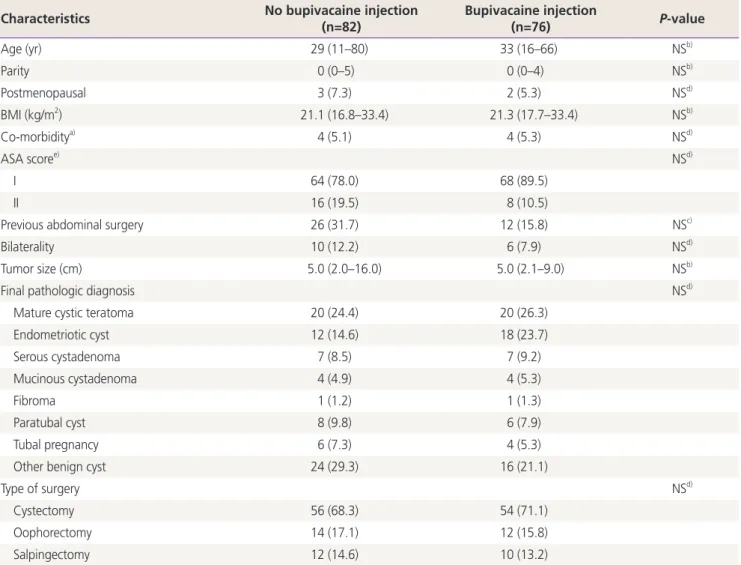
Table 1. Clinicopathological characteristics of patients

Characteristics No bupivacaine injection

(n=82)

Bupivacaine injection

(n=76) P-value

Age (yr) 29 (11–80) 33 (16–66) NSb)

Parity 0 (0–5) 0 (0–4) NSb)

Postmenopausal 3 (7.3) 2 (5.3) NSd)

BMI (kg/m2) 21.1 (16.8–33.4) 21.3 (17.7–33.4) NSb)

Co-morbiditya) 4 (5.1) 4 (5.3) NSd)

ASA scoree) NSd)

I 64 (78.0) 68 (89.5)

II 16 (19.5) 8 (10.5)

Previous abdominal surgery 26 (31.7) 12 (15.8) NSc)

Bilaterality 10 (12.2) 6 (7.9) NSd)

Tumor size (cm) 5.0 (2.0–16.0) 5.0 (2.1–9.0) NSb)

Final pathologic diagnosis NSd)

Mature cystic teratoma 20 (24.4) 20 (26.3)

Endometriotic cyst 12 (14.6) 18 (23.7)

Serous cystadenoma 7 (8.5) 7 (9.2)

Mucinous cystadenoma 4 (4.9) 4 (5.3)

Fibroma 1 (1.2) 1 (1.3)

Paratubal cyst 8 (9.8) 6 (7.9)

Tubal pregnancy 6 (7.3) 4 (5.3)

Other benign cyst 24 (29.3) 16 (21.1)

Type of surgery NSd)

Cystectomy 56 (68.3) 54 (71.1)

Oophorectomy 14 (17.1) 12 (15.8)

Salpingectomy 12 (14.6) 10 (13.2)

Values are presented as median (range) or number (%).

BMI, body mass index; ASA, American Society of Anesthesiologists; NS, non-significant.

a)Including hypertension, diabetes mellitus, anemia with a hemoglobin level 10 g/dL, and symptomatic cardiovascular, pulmonary, hepatic, and renal diseases; b)Mann-Whitney U-test; c)Chi-squared test; d)Fisher’s exact test. e)ASA scores are defined as following: I, healthy person; II, mild systemic disease; III, severe systemic disease; IV, severe systemic disease that is a constant threat to life; V, a moribund person who is not ex- pected to survive without the operation; VI, a declared brain-dead person whose organs are being removed for donor purposes.

(4)

2 groups of 2 VAS pain scores was deemed clinically relevant, and the standard deviation was expected to be 3.5, based on the previous published report [17]. Given these assumptions, a sample size of 65 subjects per group provided 90% statisti- cal power to detect a mean difference of 2 VAS pain scores points between the groups at any given time point using a 2-sided test having a significance level of 0.05. Taking into account for potential loss of patients to follow-up, a total of 158 patients were recruited.

Normally distributed continuous variables were presented as means (standard deviations). Non-normally distributed variables were presented as medians (ranges or interquartile ranges). Mean values between the groups were compared us- ing Student’s t-test for normally distributed data or the Mann- Whitney U-test for non-normally distributed data. Frequency distributions were compared using a χ

2

test or Fisher’s exact test. A P-value <0.05 according to 2-sided tests indicated a significant difference. All analyses were performed using

SPSS, version 19.0 (SPSS Inc., Chicago, IL, USA).

Results

During the study period, a total of 158 patients who under- went LESS for benign adnexal disease met inclusion criteria (76 received bupivacaine block, and 82 did not). Table 1 sum- marizes the clinical characteristics of patients in both groups.

The median age was 29 vs. 33 years in groups 1 and 2. The median body mass index was 21.1 and 21.3 kg/m

2

in groups 1 and 2, respectively. There was no difference in preoperative size of adnexal mass and bilaterality between the 2 groups.

The most common pathology was a mature cystic teratoma followed by endometriotic cyst in both groups.

No cases required conversion to laparotomy in both groups.

An additional trocar was required for 2 patients in group 2.

Operating times (expressed as median [range], 92 [55–222]

Table 2. Comparison of surgical outcomes between the 2 groups

Characteristics No bupivacaine injection

(n=82)

Bupivacaine injection

(n=76) P-value

Operating time (min) 92 (55–222) 100 (50–185) NSa)

Estimated blood loss (mL) 50 (30–1,500) 125 (30–1,000) NSa)

Change in hemoglobin (gm/dL) 1.3 (0.1–4.1) 1.4 (0.2–2.9) NSa)

Transfusion required 8 (9.8) 2 (2.6) NSb)

Conversion to laparotomy 0 0 -

Need for additional trocar(s) 0 2 (2.6) NSb)

Perioperative complication 0 1 (1.3) NSb)

Values are presented as median (range) or number (%).

NS, non-significant.

a)Mann-Whitney U-test; b)Fisher’s exact test.

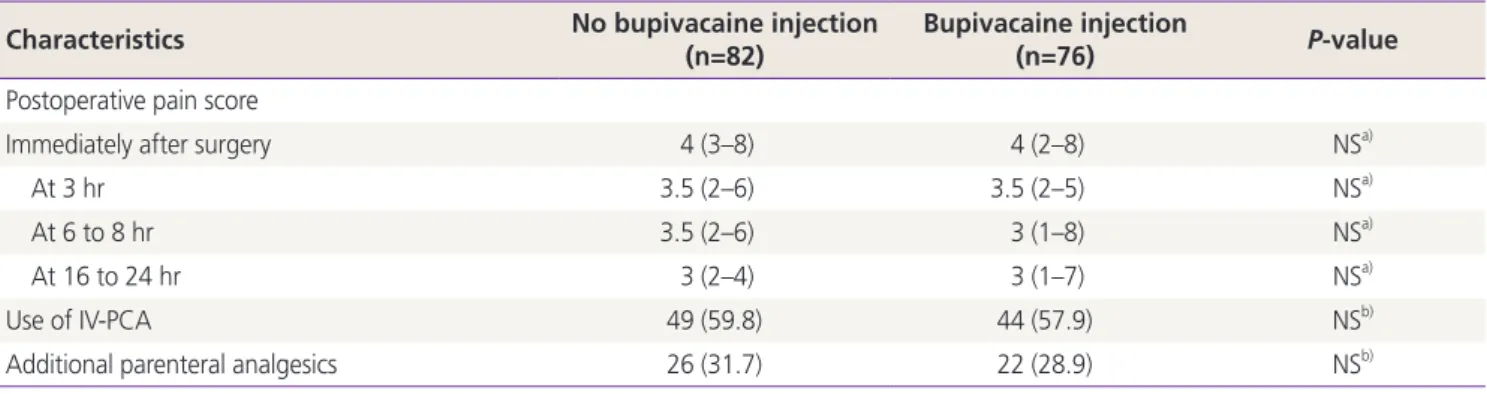
Table 3. Comparison of self-reported VAS pain scores of the transvaginal and conventional groups

Characteristics No bupivacaine injection

(n=82)

Bupivacaine injection

(n=76) P-value

Postoperative pain score

Immediately after surgery 4 (3–8) 4 (2–8) NSa)

At 3 hr 3.5 (2–6) 3.5 (2–5) NSa)

At 6 to 8 hr 3.5 (2–6) 3 (1–8) NSa)

At 16 to 24 hr 3 (2–4) 3 (1–7) NSa)

Use of IV-PCA 49 (59.8) 44 (57.9) NSb)

Additional parenteral analgesics 26 (31.7) 22 (28.9) NSb)

Values are presented as median (range) or number (%).

VAS, visual analog scale; NS, non-significant; IV-PCA, intravenous patient-controlled analgesia

a)Mann-Whitney U-test; b)Chi-squared test.
(5)

vs. 100 [50–185] minutes, P=0.137) and estimated blood losses (50 [30–1,500] vs. 125 [30–1,000] mL, P=0.482) were similar between the groups. Perioperative complications oc- curred only in one patient in group 2 (Table 2). The patient had postoperative ileus that was conservatively managed.

Post-surgical VAS pain scores after 3 hours (expressed as median [range], 3.5 [2–6] vs. 3.5 [2–5], P=0.478), 6 to 8 hours (3.5 [2–6] vs. 3 [1–8], P=0.478), and 16 to 24 hours (3 [2–4] vs. 3 [1–7], P=0.664) did not differ between the groups (Table 3). Moreover, additional analgesics required was simi- lar between the groups (26/82 [31.7%] vs. 22/76 [28.9%],

P=0.790).

Discussion

Pain is expected after all surgical procedures; nonetheless, it is undesirable [22]. Effective management of postsurgical pain is related to shortened hospital stay, earlier mobilization, re- duced costs, and patient satisfaction. Therefore, the manage- ment of postoperative pain should be considered as one of the priorities in routine surgical practice.

In the present study, the injection of bupivacaine in the inci- sion site did not improve postoperative pain after LESS for be- nign adnexal disease. No significant difference was found in secondary outcomes including operating time and estimated blood loss. Although postsurgical local anesthetic injection is commonly practiced during laparoscopic surgery, this study indicates that local anesthesia might not provide a significant reduction in postoperative pain compared with no anesthetic injection.

To the best of our knowledge, the present study is the first prospective cohort study that evaluates the effect of local bupivacaine injection on pain after gynecologic LESS. Gyne- cologic studies evaluating the effect of local anesthesia injec- tion on pain after conventional laparoscopic procedures have yielded varying results [16,23-26]. Theoretical backgrounds for the use of local anesthetic are blocking the input of nox- ious stimuli that trigger neuronal excitability and inhibiting the nervous system sensitization [24]. Several studies have shown the benefit of bupivacaine in reducing postoperative pain after conventional laparoscopic gynecologic surgery or mini-laparotomy when intraperitoneal administration is used [17,21]. Meanwhile, the incisional sites injection alone did not demonstrate significant benefit [16,27]. These outcomes cor-

relate with our results.

One reason for not finding statistically significant pain relief was that the use of local anesthetics injection into the port site had a limited focus of action at the port site. While this may be important, the factors which induce postoperative pain after laparoscopic surgery are variable. Peripheral and central sensitization, intra-abdominal trauma, residual pneu- moperitoneum, and phrenic nerve irritation by residual carbon dioxide can also result in pain, in addition to incisional trauma at port sites [28,29]. Infiltration of trocar sites with a local analgesic probably does not reduce the severity of alternative sources of pain. This could confound the results of the study.

Other pain-relieving laparoscopic techniques studied so far included intraperitoneal aerosolization of bupivacaine and heated humidified insufflation gas [30,31]. Of these, a recent meta-analysis reported that intraperitoneal analgesia in laparoscopic gastric procedures and cholecystectomy mini- mizes overall pain and opioid use [32]. Like these procedures, visceral pain after gynecologic surgery may gain analogous benefit from intraperitoneal analgesia. Laparoscopic gyne- cologic surgeries are often performed to treat endometriosis and/or pelvic pain, which are reflected in pelvic nerve density and distribution, hence they are different from the common visceral pain of general surgery [33]. According to a recent randomized trial, multimodal analgesia with combined ropi- vacaine administration (port-site injection plus intraperitoneal nebulization) may be effective for postoperative pain relief in conventional laparoscopic adnexal surgery but not in uterine surgery [34].

This study has several limitations worth noting. This study

was performed in a single institution and all surgeries were

performed by a single surgeon, which may limit the general-

izability of the present findings. However, this could also be

viewed a strength since this protocol avoided inappreciable

variations such as differences in surgical techniques between

different institutions or surgeons, and also provided reliability

of outcomes with consistency. As pain is a subjective finding,

patient self-reporting is the best indicator of pain. Thus, this

study deliberately used individual patients’ pain assessment

to act as their own control, which also served to control con-

founding variables like a history of chronic pelvic pain. Anoth-

er limitation of the study is its non-randomized study design

feature. Although all the consecutive patients undergoing

LESS are included in the analysis and the clinicopathological

variables are well-balanced between the 2 groups, we could

(6)

not control confounding factors inherent in observational studies. The outcomes of the present study should be inter- preted with caution and be confirmed in future randomized trials.

In conclusion, the use of local bupivacaine anesthesia does not significantly improve postoperative pain relief in gyneco- logic LESS. Future randomized controlled trials are needed to further elucidate the effects of local bupivacaine anesthetic in terms of postoperative pain. Further studies using a wide range of gynecologic surgeons may add generalizability to the study procedure.

Conflict of interest

No potential conflict of interest relevant to this article was reported.

References

1. Medeiros LR, Rosa DD, Bozzetti MC, Fachel JM, Fur- ness S, Garry R, et al. Laparoscopy versus laparotomy for benign ovarian tumour. Cochrane Database Syst Rev 2009:CD004751.

2. Rattanalappaiboon D, Werawatakul Y, Tharnprisan P, Prasit M. Intraperitoneal lidocaine for decreasing intra- operative pain during postpartum tubal resection in Sri- nagarind Hospital. J Med Assoc Thai 2012;95:477-81.

3. Gupta N, Dadhwal V, Mittal S. Combined intraperitoneal instillation and port site infiltration of local anaesthetic (bupivacaine) for postoperative analgesia in women un- dergoing daycare diagnostic gynaecological laparoscopy.

Eur J Obstet Gynecol Reprod Biol 2012;161:109-10.

4. Yim GW, Lee M, Nam EJ, Kim S, Kim YT, Kim SW. Is single-port access laparoscopy less painful than conven- tional laparoscopy for adnexal surgery? A comparison of postoperative pain and surgical outcomes. Surg Innov 2013;20:46-54.

5. Lee YY, Kim TJ, Kim CJ, Park HS, Choi CH, Lee JW, et al.

Single port access laparoscopic adnexal surgery versus conventional laparoscopic adnexal surgery: a compari- son of peri-operative outcomes. Eur J Obstet Gynecol Reprod Biol 2010;151:181-4.

6. Behnia-Willison F, Foroughinia L, Sina M, McChesney P.

Single incision laparoscopic surgery (SILS) in gynaecolo- gy: feasibility and operative outcomes. Aust N Z J Obstet Gynaecol 2012;52:366-70.

7. Fagotti A, Bottoni C, Vizzielli G, Gueli Alletti S, Scambia G, Marana E, et al. Postoperative pain after conventional laparoscopy and laparoendoscopic single site surgery (LESS) for benign adnexal disease: a randomized trial.

Fertil Steril 2011;96:255-259.e2.

8. Takeda A, Imoto S, Mori M, Nakano T, Nakamura H. Iso- baric laparoendoscopic single-site surgery with wound retractor for adnexal tumors: a single center experience with the initial 100 cases. Eur J Obstet Gynecol Reprod Biol 2011;157:190-6.

9. Escobar PF, Bedaiwy MA, Fader AN, Falcone T. Laparo- endoscopic single-site (LESS) surgery in patients with be- nign adnexal disease. Fertil Steril 2010;93:2074.e7-10.

10. Fader AN, Rojas-Espaillat L, Ibeanu O, Grumbine FC, Es- cobar PF. Laparoendoscopic single-site surgery (LESS) in gynecology: a multi-institutional evaluation. Am J Obstet Gynecol 2010;203:501.e1-6.

11. Fader AN, Escobar PF. Laparoendoscopic single-site surgery (LESS) in gynecologic oncology: technique and initial report. Gynecol Oncol 2009;114:157-61.

12. Kim WC, Lee JE, Kwon YS, Koo YJ, Lee IH, Lim KT. Lapa- roendoscopic single-site surgery (LESS) for adnexal tumors:

one surgeon’s initial experience over a one-year period. Eur J Obstet Gynecol Reprod Biol 2011;158:265-8.

13. Hoyer-Sørensen C, Vistad I, Ballard K. Is single-port laparoscopy for benign adnexal disease less painful than conventional laparoscopy? A single-center randomized controlled trial. Fertil Steril 2012;98:973-9.

14. Teoh AY, Chiu PW, Wong TC, Poon MC, Wong SK, Leong HT, et al. A double-blinded randomized con- trolled trial of laparoendoscopic single-site access versus conventional 3-port appendectomy. Ann Surg 2012;256:909-14.

15. Prasad A, Mukherjee KA, Kaul S, Kaur M. Postoperative pain after cholecystectomy: conventional laparoscopy versus single-incision laparoscopic surgery. J Minim Ac- cess Surg 2011;7:24-7.

16. Tam T, Harkins G, Wegrzyniak L, Ehrgood S, Kunselman

A, Davies M. Infiltration of bupivacaine local anesthetic

to trocar insertion sites after laparoscopy: a randomized,

double-blind, stratified, and controlled trial. J Minim In-

vasive Gynecol 2014;21:1015-21.

(7)

17. Roy KK, Subbaiah M, Naha M, Kumar S, Sharma JB, Jahagirdar N. Intraperitoneal bupivacaine for pain relief after minilaparoscopy in patients with infertility. Arch Gynecol Obstet 2014;289:337-40.

18. Zupi E, Marconi D, Sbracia M, Solima E, Zullo F, Dauri M, et al. Is local anesthesia an affordable alternative to general anesthesia for minilaparoscopy? J Am Assoc Gy- necol Laparosc 2000;7:111-4.

19. Zullo F, Pellicano M, Cappiello F, Zupi E, Marconi D, Nappi C. Pain control after microlaparoscopy. J Am As- soc Gynecol Laparosc 1998;5:161-3.

20. Pellicano M, Zullo F, Di Carlo C, Zupi E, Nappi C. Postop- erative pain control after microlaparoscopy in patients with infertility: a prospective randomized study. Fertil Steril 1998;70:289-92.

21. Buck L, Varras MN, Miskry T, Ruston J, Magos A. In- traperitoneal bupivacaine for the reduction of postop- erative pain following operative laparoscopy: a pilot study and review of the literature. J Obstet Gynaecol 2004;24:448-51.

22. Alexander JI. Pain after laparoscopy. Br J Anaesth 1997;79:369-78.

23. Marks JL, Ata B, Tulandi T. Systematic review and meta- analysis of intraperitoneal instillation of local anesthetics for reduction of pain after gynecologic laparoscopy. J Minim Invasive Gynecol 2012;19:545-53.

24. Einarsson JI, Sun J, Orav J, Young AE. Local analgesia in laparoscopy: a randomized trial. Obstet Gynecol 2004;104:1335-9.

25. Ghezzi F, Cromi A, Bergamini V, Raffaelli R, Crotti S, Seg- redini R, et al. Preemptive port site local anesthesia in gynecologic laparoscopy: a randomized, controlled trial.

J Minim Invasive Gynecol 2005;12:210-5.

26. Lam KW, Pun TC, Ng EH, Wong KS. Efficacy of preemp- tive analgesia for wound pain after laparoscopic opera- tions in infertile women: a randomised, double-blind

and placebo control study. BJOG 2004;111:340-4.

27. Savaris RF, Chicar LL, Cristovam RS, Moraes GS, Miguel OA. Does bupivacaine in laparoscopic ports reduce postsurgery pain in tubal ligation by electrocoagula- tion? A randomized controlled trial. Contraception 2010;81:542-6.

28. Mouton WG, Bessell JR, Otten KT, Maddern GJ. Pain af- ter laparoscopy. Surg Endosc 1999;13:445-8.

29. Tsai HW, Wang PH, Yen MS, Chao KC, Hsu TF, Chen YJ. Prevention of postlaparoscopic shoulder and upper abdominal pain: a randomized controlled trial. Obstet Gynecol 2013;121:526-31.

30. Alkhamesi NA, Peck DH, Lomax D, Darzi AW. Intraperi- toneal aerosolization of bupivacaine reduces postopera- tive pain in laparoscopic surgery: a randomized prospec- tive controlled double-blinded clinical trial. Surg Endosc 2007;21:602-6.

31. Ott DE, Reich H, Love B, McCorvey R, Toledo A, Liu CY, et al. Reduction of laparoscopic-induced hypothermia, postoperative pain and recovery room length of stay by pre-conditioning gas with the Insuflow device: a pro- spective randomized controlled multi-center study. JSLS 1998;2:321-9.

32. Kahokehr A, Sammour T, Soop M, Hill AG. Intraperi- toneal use of local anesthetic in laparoscopic cholecys- tectomy: systematic review and metaanalysis of ran- domized controlled trials. J Hepatobiliary Pancreat Sci 2010;17:637-56.

33. Howard FM. Endometriosis and mechanisms of pelvic pain. J Minim Invasive Gynecol 2009;16:540-50.

34. Saccardi C, Gizzo S, Vitagliano A, Noventa M, Micaglio

M, Parotto M, et al. Peri-incisional and intraperito-

neal ropivacaine administration: a new effective tool

in pain control after laparoscopic surgery in gynecol-

ogy: a randomized controlled clinical trial. Surg Endosc

2016;30:5310-8.

수치

Table 1. Clinicopathological characteristics of patients
Table 3. Comparison of self-reported VAS pain scores of the transvaginal and conventional groups

참조

관련 문서

나아가서, 이러한 열에너지가 다른 형태의 에너지와 상호 변환될 수 있다고 생각되기 시작했다... 에너지 보존

전류가 자기장을 만든다면 전류가 흐르는 도선과 자석을 가까이 하는 것은, 자석과 자석을 가까이 하는 것과 비슷한 효과를 나타낼 것이라 생각했다.... 패러데이는

이 물음에 대한 간단한 답은 다음과 같다: 현상 믿음 p가 지각경험 e의 내용을 정확히 기술하면 p는 참이다.. 따라서 주어진 인식주체가 e에 접근 할

S는 p를 믿음에 있어서 정당화되었다= df S의 믿음 p는 인식적 미덕만 있고 어떤 인식적 악덕도 없는 인지과정 C에 의해 산출되었다. C는 인식적 미덕이다=

그러나, 이 변화는 역설적으로 시간을 통해 보존되는 통일성을 전제하는 것이다... 다발이론에 대한 반론1: 변화 속

Postoperative adhesion formation and reproductive outcome using interceed ® after ovarian surgery: a randomized trial in the rabbit model.. Adhesion reformation

저는 아직 어리지만, 백범 선생님처럼 나라를 위해 봉사하고 싶습니다.. 백범 선생님도 우리의 조국이 다시 독립이 된

Mao Zedong 김일성 Joseph Vissarionovich Stalin...