161
Serum Uric Acid is Associated with Cardiovascular Events in Patients with Coronary Artery Disease
Jang-Ho Bae, MD1, Dae-Woo Hyun, MD1, Taek-Geun Kwon, MD1, Hyun-Ju Yoon, MD1, Amir Lerman, MD2 and Charanjit S Rihal, MD2
1Division of Cardiology, Konyang University Hospital, Daejeon, Korea
2Mayo Clinic, Rochester, MN, USA
ABSTRACT
Background and Objectives:Whether uric acid is a predictor of cardiovascular events remains controversial. We sought to evaluate the effects of the serum uric acid levels on major adverse cardiovascular events (MACEs) in the patients with coronary artery disease (CAD). Subjects and Methods:The study population consisted of 660 consecutive patients with CAD, and they were followed up for a mean of 27 months (maximum: 62 months). The recorded MACEs included acute myocardial infarction (AMI), stroke, coronary artery bypass graft, percutaneous coronary intervention (PCI) due to de novo lesion during follow up, congestive heart failure (CHF) and sudden cardiac death. Results:In the CAD patients with a uric acid level ≤3.88 mg/dL (the lowest quartile), as compared with those CAD patients with uric acid levels >5.74 mg/dL (the highest quartile), the MACE rate increased from 7.2% to 20.1%. On univariate Cox regression analysis, the highest uric acid quartile was a predictor of AMI, CHF and MACE. The absolute serum uric acid level was predictive of PCI, CHF and MACE. Multivariate Cox regression analysis showed that the independent predictors of MACE were presentation with acute coronary syndrome (HR 1.70, 95% CI: 1.04 to 2.78, p=0.033), multi-vessel disease (HR 2.43, 95% CI: 1.44 to 4.12, p=0.001), and the uric acid levels (HR 1.22, 95% CI: 1.05 to 1.43, p=0.010), and the highest uric acid quartile (HR 2.54, 95% CI: 1.58 to 4.10, p<0.001). Conclusion:The serum uric acid level and multi-vessel disease are associated with subsequent cardiovascular events in the patients with CAD. (Korean Circulation J 2007;37:161-166)
KEY WORDS:Uric acid;Coronary artery disease;Prognosis.
Introduction
Elevated serum uric acid is an end product of purine metabolism, and this reflects increased xanthine oxidase activity. Serum uric acid has been shown to be correlated with endothelial dysfunction, cardiovascular disease and insulin resistance.1-4) It has been recently reported that serum uric acid is an independent predictor of mortality for patients with coronary artery disease(CAD) and morbidity, including acute myocardial infarction(AMI) or congestive heart failure(CHF). A causal role of serum uric acid in the development of CAD has not postulated and it was not related to death from cardiovascular disease or death from all causes, according to the Fra-
mingham heart study.5-8) It remains unclear whether serum uric acid is associated with major adverse cardio- vascular outcomes(MACE) as well as mortality in patients with CAD.
To test the hypothesis that the uric acid level could predict cardiac morbidity and morality, we performed this study to evaluate the predictive value of serum uric acid on the subsequent MACEs such as death, AMI, stroke, CHF, percutaneous coronary intervention(PCI) and coronary artery bypass graft(CABG) surgery in 660 consecutive patients with CAD.
Subjects and Methods Data collection
All the patients who were undergoing coronary angio- graphy at the Konyang University Hospital were pro- spectively enrolled in a registry that includes baseline demographics and the clinical and angiographic charac- teristics. These patients visited the hospital once or twice per two months or they were contacted 6 and 12 months
Received:December 26, 2006 Revision Received:February 23, 2007 Accepted:February 28, 2007
Correspondence:Jang-Ho Bae, MD,Division of Cardiology, Konyang Uni- versity Hospital, 685 Gasuwon-dong, Seo-gu, Daejeon 302-718, Korea Tel: 82-42-600-9400, Fax: 82-42-600-9420
E-mail: [email protected]
after the procedure and yearly thereafter by trained research technicians.
Following approval by the hospital ethics committee, the data base was searched for all the patients who had at least 30% luminal stenosis according to coronary angiography and they had their laboratory data available, including the serum uric acid levels within 2 weeks of performing their procedures, and the procedures were done between June 2000 and June 2001 at Konyang University Hospital in Daejeon, Korea. These dates were chosen as our practice remained relatively stable with regards to the adjunctive medical therapies(in particular clopidogrel) and stent types(bare metal) if they underwent PCI. For patients who underwent two procedures during the study period, only the first procedure was included.
Baseline data on the patients was available from the database, including their clinical characteristics and the medication used. Hypertension was defined as a blood pressure ≥140/90 mmHg or the use of antihypertensive medications. Diabetes was defined as a fasting glucose level of ≥126 mg/dL, a nonfasting glucose level of
≥200 mg/dL, a reported history of diabetes or the
current use of diabetes medication. AMI was defined as increased myocardial enzyme concentrations with typical chest pain that persisted >30 minutes or electrocardio- graphic changes(including ischemic ST-segemnt depres- sion, ST-segment elevation or pathologic Q waves). CHF was diagnosed by the Framingham criteria. Those pa- tients who refused authorization for medical records research were excluded, and an informed consent was obtained from all enrolled patients.
Follow up was achieved mainly through the data base and a chart review(574, 87.0%) and telephone calls(86, 13.0%) at 6 months and yearly after the procedure. The measured outcomes were cardiac death, AMI(defined by an increase in the cardiac biomarkers), CHF(new symptoms of CHF or increased symptoms of CHF that required treatment), PCI or CABG of de novo lesion, and stroke.
Statistical analysis
Continuous variables are summarized as means±SDs.
Discrete variables are presented as group percentages.
Kaplan-Meier estimates were used to describe the survival
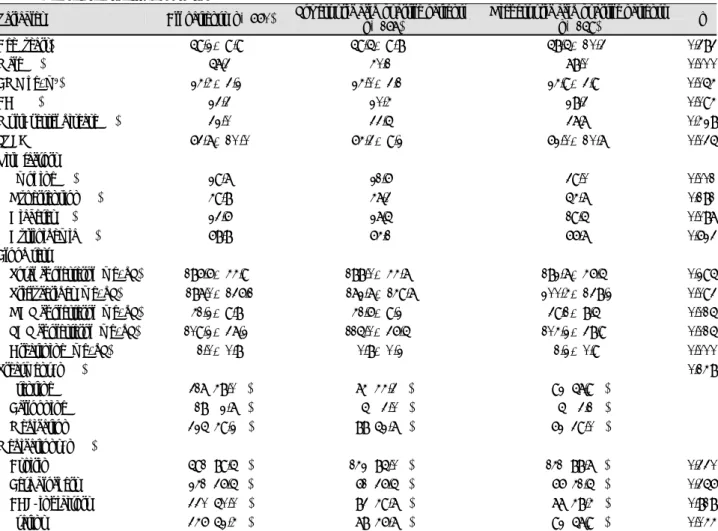
Table 1. Demographics of study population
Variables All patients (n=660) Lowest uric acid quartile patients (n=167)
Highest uric acid quartile patients
(n=159) p
Age (years) 059.2±9.900 059.5±9.800 058.5±10.30 0.383
Male (%) 57.3 40.1 78.0 0.000
BMI (kg/m2) 024.4±3.200 024.0±3.100 024.9±3.900 0.054
ACS (%) 23.3 20.4 28.3 0.094
Multi-vessel disease (%) 32.0 33.5 37.7 0.428
LVEF 063.7±10.00 064.3±9.200 062.0±10.70 0.035
Risk factors
Smoking (%) 29.7 21.6 39.0 0.001
Hypertension (%) 49.8 47.3 54.7 0.181
Diabetes (%) 23.6 27.5 19.5 0.087
Dyslipidemia (%) 68.8 64.1 66.7 0.623
Blood test
Total cholesterol (mg/dL) 186.6±44.90 188.0±44.70 182.7±46.50 0.295
Triglycerides (mg/dL) 187.0±136.1 172.7±149.7 200.4±138.2 0.093
HDL cholesterol (mg/dL) 041.2±9.800 041.6±9.200 039.1±8.500 0.015 LDL cholesterol (mg/dL) 109.2±37.20 115.0±36.50 104.2±38.90 0.015
Creatinine (mg/dL) 001.0±0.800 000.8±0.200 001.2±0.900 0.000
Treatment, n (%) 0.148
Stenting 317 (48.0%) 074 (44.3%) 092 (57.9%)
Ballooning 018 (02.7%) 005 (03.0%) 005 (03.1%)
Medication 325 (49.2%) 088 (52.7%) 062 (39.0%)
Medications, n (%)
Aspirin 591 (89.5%) 142 (85.0%) 141 (88.7%) 0.330
Beta blockers 241 (36.5%) 061 (36.5%) 066 (41.5%) 0.356
ACE-inhibitors 330 (50.0%) 083 (49.7%) 077 (48.4%) 0.818
Statins 346 (52.4%) 078 (46.7%) 092 (57.9%) 0.044
Data are expressed as mean±SD. BMI: body mass index, ACS: acute coronary syndrome, LVEF: left ventricular ejection fraction, H(L)DL: high (low) density lipoprotein, ACE: angiotensin converting enzyme. The number (percent) of patients and level of serum uric acid in each quartiles are; quartile 1=167 (25.3%), ≤3.88 mg/dL; quartile 2=164 (24.8%), >3.88 mg/dL and ≤4.85 mg/dL; quartile 3=170 (25.8%), >4.85 mg/dL and ≤5.74 mg/dL; quartile 4=159 (24.1%), >5.74 mg/dL
rates. For the time-to-event analyses, follow-up began at the date of discharge. One-way analysis of variance, Pearson’s chi-squared tests and log-rank tests were used to test the significance of group differences.
Cox regression analysis was used to estimate the hazard ratios for the serum uric acid levels and the other clinical variables. Patients in the the lowest quartile were desig- nated as the reference group. Statistical significance was accepted as p less than 0.05.
Results Patient population(Table 1)
The study population consisted of 660 consecutive patients with angiographically proven CAD, and these patients had at least one serum uric acid measurement within 2 weeks of the procedure during the study period.
The study population was divided into four groups according to the quartiles of the serum uric acid levels.
The lowest quartile was a serum uric acid level ≤3.88 mg/dL(n=167, 25.3%), the second quartile was 3.88 mg/dL <serum uric acid ≤4.85 mg/dL(n=164, 24.8%), the third quartile was 4.85mg/dL <serum uric acid level
≤5.74 mg/dL(n=170, 25.8%), and the highest quartile was a serum uric acid level >5.74 mg/dL(n=159, 24.1%), respectively.
The median follow up was 27 months(range: -1 to 62 months).
Compared with the lowest quartile patients, the highest quartile patients had a higher proportion of male pati- ents, a lower left ventricular ejection fraction, less smo-
kers, lower levels of high-density and low-density lipo- protein cholesterol and a higher serum creatinine level.
There were no significant differences in the mean age, body mass index, the diagnosis, the traditional athe- rosclerotic risk factors, treatment and the prescribed me- dications among each of the quartile groups.
Outcomes
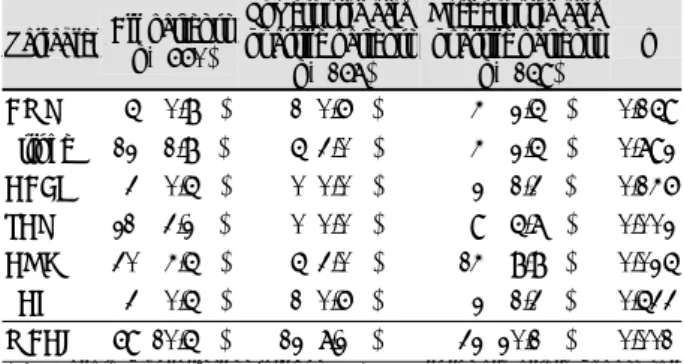
At the end of the follow up period, there were 3 cardiac deaths, 5 AMIs, 3 CABGs, 21 PCIs, 30 CHFs and 12 strokes. In all, 69 patients experienced at least one MACE event(Table 2). There were 7 noncardiac deaths.
The MACE-free survival curves demonstrated a signi- ficant divergence of the highest uric acid quartile group from that of the third, second and the lowest quartiles
Table 2.Major adverse cardiovascular events according to the quartiles of serum uric acid
Variables All patients (n=660)
Lowest uric acid quartile patients
(n=167)
Highest uric acid quartile patients
(n=159) p
AMI 05 (00.8%) 01 (0.6%) 04 (02.5%) 0.159 Stroke 12 (01.8%) 05 (3.0%) 04 (02.5%) 0.792 CABG 03 (00.5%) 00 (0.0%) 02 (01.3%) 0.146 PCI 21 (03.2%) 00 (0.0%) 09 (05.7%) 0.002 CHF 30 (04.5%) 05 (3.0%) 14 (08.8%) 0.025 SCD 03 (00.5%) 01 (0.6%) 02 (01.3%) 0.533 MACE 69 (10.5%) 12 (7.2%) 32 (20.1%) 0.001 AMI: acute myocardial infarction, CABG: coronary artery bypass sur- gery, PCI: percutaneous coronary intervention, CHF: congestive heart failure, SCD: sudden cardiac death, MACE: major adverse cardio- vascular events. See table 1 for serum uric acid quartiles
Fig. 1. Kaplan-Meier curve for event-free cumulative survival according to the quartiles of the serum uric acid levels. A: for all major adverse cardio- vascular events. B: for acute myocardial infarction. C: for percutaneous coronary intervention. D: for congestive heart failure. See table 1 for the serum uric acid quartiles, and the figures on the X-axis represent months.
60 50 40 30 20 10 0 1.0
0.9
0.8
0.7
0.6
0.5
0.0
Quartile 1 Quartile 2 Quartile 3
Quartile 4
Event-free cumulative survival
p of log rank statistics Quartile
2 3 4
1 0.258 0.828 0.024
2 0.337 0.001
3
0.015
A 0 10 20 30 40 50 60
1.00
0.90
0.80
0.00
p of log rank statistics Quartile
2 3 4
0.3201 0.312 0.155
2
0.037 3
0.035 Quartile 1 Quartile 2 Quartile 3
Quartile 4
B
60 50 40 30 20 10 0 1.00
0.90
0.00
Quartile 1
Quartile 2 Quartile 3
Quartile 4
Event-free cumulative survival
p of log rank statistics Quartile
2 3 4
1 0.007 0.026 0.002
3
0.257
0.80 2
0.526 0.629
C 0 10 20 30 40 50 60
1.00
0.90
0.80
0.00
Quartile 4 Quartile 3 Quartile 1
Quartile 2
p of log rank statistics Quartile
2 3 4
0.7191 0.553 0.024
2 0.390 0.011
3
0.0890
D
Months Months
Months Months
(Fig. 1). The highest quartile group demonstrated a significant difference in AMI survival from that of the second and third quartile groups. The lowest quartile group required PCI least frequently. In terms of CHF, the quartile 4 showed a lower survival curve than did quartiles 1 and 2. However, there were no significant differences among each group in terms of cardiac death, stroke and CABG, including noncardiac death.
Covariates
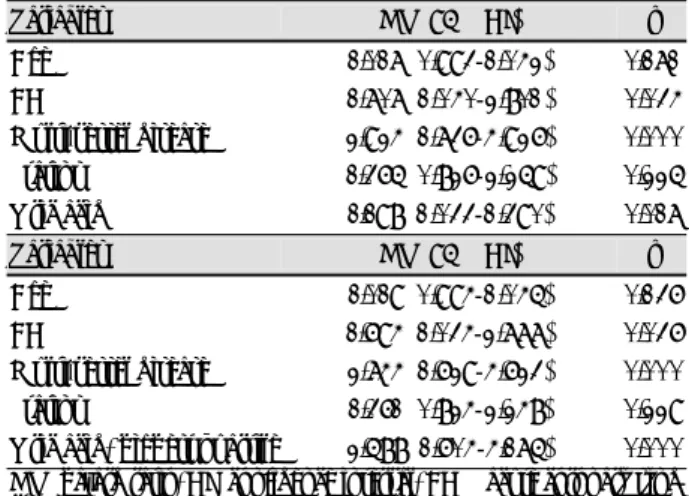
Univariate analysis revealed that MACE was associated with age, acute coronary syndrome(ACS) at presentation, multi-vessel disease, the uric acid level, the highest uric acid quartile and statin use(Table 3). The relevant base- line clinical and angiographic characteristics were inclu- ded in a multivariable model. These characteristics inclu- ded age, ACS, multi-vessel disease, the uric acid levels (or uric acid quartiles) and medications. Those variables showed a p of at least p<0.1 in Table 3. Patients on statin showed a higher incidence of MACE than those patients without statin, which was opposite to the already reported concept. We thought the reason for this was
that the study subjects who were on statin had a higher incidence of ACS and multi-vessel disease(28.6% vs 17.5%, p=0.001, 39.3% vs 23.9%, p=0.000, respectively) than those subjects who were not on statin. However, the association between statin use and MACE did not show any significance after multivariate analysis.
On multivariable analysis, ACS(HR 1.7), multi-vessel disease(HR 2.9), the serum uric acid level(HR 1.2), and the highest uric acid quartile(HR 2.5) were all related to an increased risk of MACE(Table 4). The highest uric acid quartile was associated with an increased risk of AMI(HR 13.0) and CHF(HR 2.8), as well as any MACE (2.9). Serum uric acid was associated with an increased risk of PCI(HR 1.3) and CHF(HR 1.3), as well as any type of MACE(HR 1.2). A trend toward increased cardiac mortality(HR 1.7, p=0.081) was found(Table 5).
Discussion
The main findings of this study are: i) Increased serum uric acid(highest quartile vs. lowest quartile) is associa- ted with almost a 3-times increased MACE rate(7.2% vs.
Table 3. Hazard ratio of clinical variables for major adverse cardiovas- cular events by univariate Cox regression analysis
Variables (n=660) HR (95% CI) p
Age 1.025 (1.000-1.050) 0.048
Male 0.810 (0.504-1.302) 0.385 Female 1.234 (0.768-1.983) 0.385
BMI 0.988 (0.914-1.068) 0.764
ACS 2.442 (1.513-3.941) 0.000
Multi-vessel disease 3.750 (2.294-6.129) 0.000 Risk factors
Smoking 1.159 (0.705-1.906) 0.561 Hypertension 1.204 (0.750-1.933) 0.443 Diabetes 0.918 (0.518-1.626) 0.769 Dyslipidemia 0.905 (0.533-1.537) 0.713 Blood test
Total cholesterol 1.003 (0.998-1.008) 0.221 Triglycerides 1.000 (0.999-1.002) 0.790 HDL cholesterol 0.991 (0.965-1.018) 0.508 LDL cholesterol 1.002 (0.996-1.009) 0.466 Creatinine 1.146 (0.964-1.363) 0.123 Uric acid 1.215 (1.049-1.408) 0.009 Uric acid, highest quartile 2.887 (1.798-4.636) 0.000
LVEF 0.987 (0.966-1.010) 0.262
Medication Aspirin 2.507 (0.788-7.975) 0.120
Beta blockers 1.511 (0.940-2.429) 0.088 ACE-inhibitors 1.563 (0.959-2.546) 0.073 Statins 1.718 (1.050-2.812) 0.031 HR: hazard ratio, CI: confidence interval, BMI: body mass index, ACS: acute coronary syndrome, H(L)DL: high (low) density lipopro- tein, LVEF: left ventricular ejection fraction, ACE: angiotensin con- verting enzyme
Table 5.Hazard ratio (HR) of the highest uric acid quartile and serum uric acid level for major adverse cardiovascular events (MACE) by uni- variate Cox regression analysis
Highest quartile of serum
uric acid Serum uric acid level MACE
HR (95% CI) p HR (95% CI) p AMI 12.997 (1.452-116.312) 0.022 1.466 (0.894-2.403) 0.129 Stroke 01.644 (0.495-5.463)00 0.417 0.762 (0.508-1.141) 0.187 CABG06.491 (0.588-71.591)00.127 1.397 (0.734-2.660) 0.308 PCI 02.316 (0.975-5.502)000.057 1.304 (1.007-1.689) 0.044 CHF 02.840 (1.386-5.822)000.004 1.269 (1.020-1.581) 0.033 SCD 00.538 (0.065-4.472)000.127 1.695 (0.937-3.067) 0.081 Total 02.887 (1.798-4.636)000.000 1.215 (1.049-1.408) 0.009 CI: confidence interval, AMI: acute myocardial infarction, CABG: co- ronary artery bypass graft surgery, PCI: percutaneous coronary inter- vention, CHF: congestive heart failure, SCD: sudden cardiac death Table 4.Independent factors of major adverse cardiovascular events by multivariate Cox regression analysis (p>0.10 to remove in table 3)
Variables HR (95% CI) p
Age 1.017 (0.993-1.042) 0.171
ACS 1.707 (1.040-2.801) 0.034
Multi-vessel disease 2.924 (1.736-4.926) 0.000 Statins 1.365 (0.826-2.259) 0.225 Uric acid 1.198 (1.033-1.390) 0.017
Variables HR (95% CI) p
Age 1.019 (0.994-1.045) 0.136
ACS 1.694 (1.034-2.777) 0.036
Multi-vessel disease 2.744 (1.629-4.623) 0.000 Statins 1.361 (0.824-2.248) 0.229 Uric acid, highest quartile 2.588 (1.604-4.175) 0.000 HR: hazard ratio, CI: confidence interval, ACS: acute coronary synd- rome
20.1%, respectively). This is mainly due to CHF and not mortality; ii) the uric acid quartile is a predictor of AMI, CHF and MACE, and the absolute serum uric acid level is a predictor of PCI, CHF and MACE; iii) multivariate Cox regression analysis showed that the independent factors of MACE are ACS, multi-vessel disease, the uric acid levels and the highest uric acid quartile.
The important implication from our findings is that an increased serum uric acid level(>5.74 mg/dL) should be considered in the risk assessment for future MACEs in the patients with CAD. Such patients may require more aggressive secondary prevention measures.
The role of uric acid as a prognostic factor for pati- ents with CAD
Recent studies have suggested a role for serum uric acid as a predictor of mortality for patients with CAD, as well as an association between serum uric acid and other cardiovascular diseases.5)6)9)10) On the other hand, the Framingham heart study failed to disclose an asso- ciation between serum uric acid and the development of CAD, death from cardiovascular disease or death from all causes.8) However, uric acid is known to be related to insulin resistance, endothelial dysfunction and the car- diovascular risk factors.2)3)9)11)12) Taken together, whether hyperuricemia is causally related to CAD has still not been clearly shown, although statistical adjustments sug- gest a strong independent correlation.5)6) Our study results did not show the role of uric acid as a predictor of mortality for patients with CAD, and this was unlike the previous studies.5)6) But it was similar to the Framing- ham heart study.8)
Serum uric acid and the uric acid quartiles were signi- ficantly correlated with CHF in our study, although they showed a significant, but weak association with the de- velopment of AMI or PCI, respectively. The increased serum uric acid level reflects increased xanthine oxidase activity that produces more oxygen free radicals.1)13) This increased oxidative stress may induce endothelial dysfunc- tion of the small myocardial vessels, and then myocardial dysfunction.4) Oxidative stress-induced breakdown of nitric oxide can blunt the Frank-Starling response in the heart,14) and it may be a mechanism of decreased heart function via hyperuricemia. The predictive role of uric acid for the development of heart failure in patients with CAD was also evident in a recent study performed on patients with AMI.6)
Although there is still controversy about the associa- tion between serum uric acid and CAD,8)9)11) the present study demonstrates the highest uric acid quartile was associated with the development of AMI and the ten- dency for an increased need for PCI in the CAD patients in routine clinical practice, while serum uric acid was associated with the need for PCI and the tendency for an increased risk of cardiac death. These associations
are related to the progression of the underlying CAD.
Although the exact mechanisms of developing hyperu- ricemia and CAD are not fully understood and the value of therapies aimed at lowering uric acid levels is unproven, the associations of developing hyperuricemia and CAD with insulin resistance, endothelial dysfunction and increased oxidative stress are clear.2)3)9)11) The higher rates of AMI and the increased need for PCI, as related to serum uric acid in our study results, are exactly the same as that observed in hypertensive patients who had satisfactory control of their blood pressure.10)
Study limitations
There were a small number of cardiac deaths, which might possibility have excluded the association between mortality and serum uric acid in this study population.
The other limitation was the possibility of a selection bias because the study population mainly consisted of referred patients from local clinics, and these patients underwent coronary angiography. However, our results demonstrated the clinical significance of serum uric acid in those patients.
Conclusion
In summary, this observational study demonstrates that the serum uric acid level, acute coronary syndrome and multi-vessel disease are associated with MACEs in patients with CAD. Cardiac patients with hyperuricemia may require more aggressive secondary prevention to prevent the development of future cardiac events.
REFERENCES
1) Hare JM, Johnson RJ. Uric acid predicts clinical outcomes in heart failure: insights regarding the role of xanthine oxidase and uric acid in disease pathophysiology. Circulation 2003;107:1951-3.
2) Mercuro G, Vitale C, Cerquetani E, et al. Effect of hyperuricemia upon endothelial function in patients at increased cardiovascular risk. Am J Cardiol 2004;94:932-5.
3) Ward HJ. Uric acid as an independent risk factor in the treat- ment of hypertension. Lancet 1998;352:670-1.
4) Cicoira M, Zanolla L, Rossi A, et al. Elevated serum uric acid levels are associated with diastolic dysfunction in patients with dilated cardiomyopathy. Am Heart J 2002;143:1107-11.
5) Bickel C, Rupprecht HJ, Blankenberg S, et al. Serum uric acid as an independent predictor of mortality in patients with angiogra- phically proven coronary artery disease. Am J Cardiol 2002;89:
12-7.
6) Kojima S, Sakamoto T, Ishihara M, et al. Prognostic usefulness of serum uric acid after acute myocardial infarction (the Japanese Acute Coronary Syndrome Study). Am J Cardiol 2005;96:489-95.
7) Anker SD, Doehner W, Rauchhaus M, et al. Uric acid and survival in chronic heart failure: validation and application in metabolic, functional, and hemodynamic staging. Circulation 2003;107:
1991-7.
8) Culleton BF, Larson MG, Kannel WB, Levy D. Serum uric acid and risk for cardiovascular disease and death. Ann Intern Med 1999;131:7-13.
9) Rich MW. Uric acid: is it a risk factor for cardiovascular disease?
Am J Cardiol 2000;85:1018-21.
10) Alderman MH, Cohen H, Madhavan S, Kivlighn S. Serum uric acid and cardiovascular events in successfully treated hypertensive patients. Hypertension 1999;34:144-50.
11) Moriarity JT, Folsom AR, Iribarren C, Nieto FJ, Rosamond WD.
Serum uric acid and risk of coronary heart disease. Ann Epide- miol 2000;10:136-43.
12) Yoo TW, Sung KC, Kim YC, et al. The relationship of the hyper- tension, insulin resistance, and metabolic syndrome in the serum uric acid level. Korean Circ J 2004;34:874-82.
13) McCord JM. Oxygen-derived free radicals in postischemic tissue injury. N Engl J Med 1985;312:159-63.
14) Prendergast BD, Sagach VF, Shah AM. Basal release of nitric oxide augments the Frank-Starling response in the isolated heart.
Circulation 1997;96:1320-9.