196
Gender Differences in the Role of Serum Uric Acid for Predicting Cardiovascular Events in Patients with Coronary Artery Disease
Dae-Woo Hyun, MD, Ki-Hong Kim, MD, Hyun-Ju Yoon, MD, Taek-Geun Kwon, MD, Ki-Young Kim, MD and Jang-Ho Bae, MD
Department of Cardiology, Heart Center, Konyang University Hospital, Daejeon, Korea ABSTRACT
Background and Objectives:Serum uric acid has been reported to be an independent risk factor for coronary artery disease (CAD) and a predictor of mortality in patients with CAD. Yet there is gender difference for the serum uric acid levels. We evaluated the influence of the uric acid levels on major adverse cardiovascular events (MACEs) in patients with CAD according to their gender. Subjects and Methods:Of the 777 patients with angiographically proven CAD, 660 patients (378 males, 57.3%) were followed up a median of 18 month (ma- ximum: 61 month). The MACEs included acute myocardial infarction, cerebral infarction, coronary artery bypass graft, percutaneous coronary intervention due to de novo lesion during follow up, new onset congestive heart failure and sudden cardiac death. Results:MACEs in men were associated with acute coronary syndrome (ACS)(odds ratio (OR): 2.03, 95% confidence intervals (CI): 1.01 to 3.96, p=0.038), multi-vessel disease (OR:
3.68, 95% CI: 1.82 to 7.47, p=0.000) and the serum uric acid levels (OR: 1.23, 95% CI: 1.01 to 1.50, p=0.044), according to multivariate Cox regression analysis. For women, MACEs were associated with multi-vessel disease (OR: 2.43, 95% CI: 1.15 to 5.13, p=0.020) and the highest uric acid quartile (OR: 2.64, 95% CI: 1.31 to 5.30, p=0.006) according to multivariate Cox regression analysis. For all patients, the highest uric acid quartile was associated with an increased risk of MACE (p=0.000), and CHF was the major contributor to the observed MACEs (p=0.004). Conclusion:In male patients with CAD, the serum uric acid level is a predictor of cardio- vascular events, and the highest uric acid quartile is a predictor of cardiovascular events in women. (Korean Circulation J 2007;37:196-201)
KEY WORDS:Uric acid;Gender;Coronary artery disease.
Introduction
Elevated serum uric acid(SUA), as an end product of purine metabolism, reflects increased xanthine oxi- dase activity, and this has been shown to be related with endothelial dysfunction, cardiovascular disease and insulin resistance.1-4) It has recently been reported that SUA is an independent predictor of mortality for patients with coronary artery disease(CAD), including acute myocardial infarction(AMI) or congestive heart failure(CHF), although it does not have a causal role in the development of CAD, death from cardiovascular
disease or death from all causes, according to the Fram- ingham heart study.5-8) However, there is a gender dif- ference in the SUA levels and also in the relation bet- ween SUA and cardiovascular disease.9)10)
We performed this study to evaluate the role of the gender differences of the SUA levels on major adverse cardiovascular events(MACE) such as death, myocardial infarction, stroke, CHF, percutaneous coronary inter- vention(PCI) and coronary artery bypass graft(CABG) surgery in 660 consecutive patients who suffered with CAD.
Subjects and Methods
Study design and the patient populationAll the patients who underwent coronary angiography at Konyang University Hospital were enrolled in a re- gistry that included the baseline demographic, clinical and angiographic characteristics. These patients visited
Received:January 30, 2007 Revision Received:February 28, 2007 Accepted:March 26, 2007
Correspondence:Jang-Ho Bae, MD,Department of Cardiology, Heart Center, Konyang University Hospital, 685 Gasoowon-dong, Seo-gu, Daejeon 302-718, Korea
Tel: 82-42-600-9400, Fax: 82-42-600-9420 E-mail: [email protected]
hospital once or twice per two months or they were contacted at 6 and 12 months after the procedure and yearly thereafter.
The data base was searched for all the patients who had at least 30% luminal stenosis according to coronary angiography and who also had their laboratory data available, including the serum uric acid level within two weeks of angiography; all the patients were treated between June 2000 and June 2001 at Konyang Uni- versity Hospital in Daejeon, Korea. These dates were chosen because our practice remained relatively stable with regards to adjunctive medical therapies(in par- ticular clopidogrel) and stent types(bare metal) if they underwent PCI. For patients who underwent two pro- cedures during the study period, only the first proce- dure was included. The baseline data on the patients was available from the database, including the patients’
clinical characteristics and medication use.
Clinical follow-up
Follow up was achieved mainly through the database and a chart review(574, 87.0%), and with telephone calls(86, 13.0%) at 6 months and then yearly after the procedure. The measured outcomes were sudden cardiac death, AMI(defined by an increase in the cardiac bio- markers), CHF(defined by the Framingham criteria for the diagnosis of CHF), PCI or CABG for de novo lesion, and stroke.
Statistical analysis
The data was analyzed separately for the women and men. Continuous variables are summarized as means
±SDs. Discrete variables are presented as group per- centages. Kaplan-Meier estimates were used to describe the survival rates. For the time-to-event analysis, follow- up began at the date of discharge. One-way analysis of variance, Pearson’s chi-squared test and the log-rank test were used to test the significance of group differences.
Cox regression analysis was used to estimate the hazard ratios for the SUA levels and the other clinical variables.
Results
Patient characteristicsOf the 777 patients with angiographically proven CAD, 660 patients(378 males, 57.3%) were followed up for a median of 18 months(maximum: 61 months).
117 patients of the 777 patients were excluded due to loss to follow up, and they had unknown clinical out- comes. The patients’ SUA levels were measured within two weeks of their procedures during the study period.
The study patients were divided into four groups ac- cording to the quartiles of the serum uric acid levels.
For the men, the lowest quartile was SUA(4.30 mg/
dL(n=94, 24.9%), the second quartile was 4.30 mg/
dL<SUA(5.17 mg/dL(n=96, 25.4%), the third quartile was 5.17 mg/dL<SUA(6.13 mg/dL(n=94, 24.9%), and the highest quartile was SUA>6.13 mg/dL(n=94, 24.9%).
For the women, the lowest quartile was SUA (3.51 mg/
dL(n=70, 24.8%), the second quartile was 3.51 mg/
dL<SUA(4.33 mg/dL(n=73, 25.9%), the third quartile was 4.33 mg/dL<SUA(5.11 mg/dL(n=69, 24.5%), and the highest quartile was SUA>5.11 mg/dL(n=70, 24.8%)(Fig. 1). The median follow up was 27 months (maximum: 62 months).
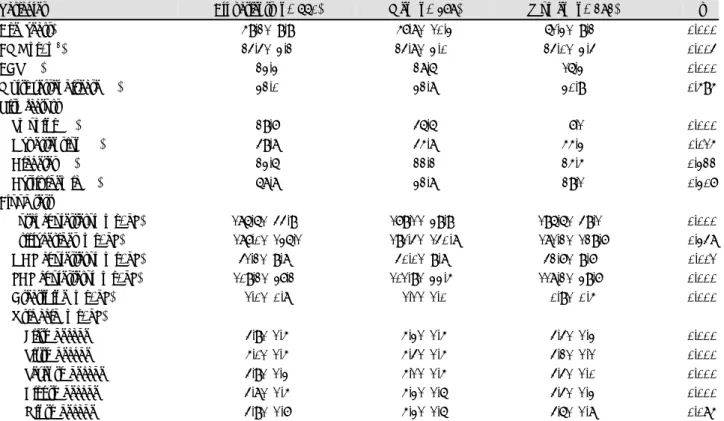
Compared with the women, the men were younger, had a lower body mass index, a greater incidence of acute coronary syndrome, they smoked more, had less hypertensive patients, lower total cholesterol, lower high- density and low-density lipoprotein cholesterol and higher serum creatinine and SUA. Before the eighth decade, the SUA level was significantly higher in the men than in the women, but the SUA was not signifi- cantly different between the genders at the eight and ninth decade(Table 1).
Clinical outcomes
At the end of the follow up period, there were 37 (9.8%) male patients with MACEs, whereas there were 32 female patients(11.3%) patients with MACEs(Table 2). According to the MACE-free survival curves by the SUA quartiles, there was no significant divergence among the quartiles for men. For the women, the highest uric acid quartile group showed a significant divergence from the other three quartiles(Fig. 2).
According to the univariate analysis, the incidence of MACEs for the men was associated with ACS, multi- vessel disease and the SUA level, whereas that of the women was associated with ACS, multi-vessel disease and the highest uric acid quartile(Table 3). Those clinical and laboratory variables predicting the univariate risk with a p≤0.05 were entered into multivariate Cox re- gression analysis. Multivariate analysis revealed that
Fig. 1. Levels of uric acid according to the quartiles of serum uric acid for the men and women.
Serum uric acid (mg/dL)
0 2 4 6 8
Quartile 1 Quartile 2 Quartile 3 Quartile 4 Men
Women
Quartiles of Serum Uric Acid
the predictors of MACE were ACS(OR: 2.029), multi- vessel disease(OR: 3.684) and the SUA level(OR: 1.227) in men, while multi-vessel disease(OR 2.431) and the highest uric acid quartile(OR 2.638) were the predic- tors of MACEs for women(Table 4).
According to the univariate analysis of the highest uric acid quartile for MACE, the highest uric acid quar- tile was associated with an increased risk of all MACEs (p=0.000), and CHF was the major contributor to the observed MACEs(p=0.004). For men, the highest uric
acid quartile was not significantly associated with an increased risk of AMI, stroke, CABG, PCI, CHF, SCD and all MACEs. For women, the highest uric acid quar- tile was significantly associated with an increased risk of CHF(OR: 4.741, p=0.003) and all MACEs(OR:
2.748, p=0.005)(Table 5).
Discussion
The main findings of this study were: 1) the incidence
Table 1. Clinical characteristics of men and women
Variables All patients (n=660) Men (n=378) Women (n=282) p
Age (years) 59.2±9.9 57.8±10.3 61.3±9.20 0.000
BMI (kg/m2) 24.4±3.2 24.8±3.00 24.0±3.40 0.004
ACS (%) 23.3 28.6 16.3 0.000
Multi-vessel disease (%) 32.0 32.8 30.9 0.595
Risk factors
Smoking (%) 29.7 46.6 07.1 0.000
Hypertension (%) 49.8 45.8 55.3 0.015
Diabetes (%) 23.6 22.2 25.5 0.322
Dyslipidemia (%) 68.8 32.8 29.1 0.307
Blood test
Total cholesterol (mg/dL) 186.6±44.90 179.1±39.90 196.6±49.10 0.000 Triglycerides (mg/dL) 187.0±136.1 191.4±140.8 181.2±129.7 0.348
HDL cholesterol (mg/dL) 41.2±9.80 40.0±9.80 42.7±9.70 0.001
LDL cholesterol (mg/dL) 109.2±37.20 101.9±33.50 118.2±39.70 0.000
Creatinine (mg/dL) 1.0±0.8 1.1±1.0 0.9±0.5 0.000
Uric acid (mg/dL)
Fifth decade 4.9±1.5 5.3±1.5 4.4±1.3 0.000
Sixth decade 5.0±1.5 5.4±1.5 4.2±1.1 0.000
Seventh decade 4.9±1.3 5.1±1.5 4.4±1.0 0.000
Eighth decade 4.8±1.5 5.3±1.6 4.4±1.3 0.000
Ninth decade 4.9±1.7 5.3±1.6 4.6±1.8 0.085
BMI: body mass index, ACS: acute coronary syndrome, HDL: high density lipoprotein, LDL: low density lipoprotein
Fig. 2. Kaplan-Meier curve for event-free cumulative survival according to the quartiles of serum uric acid (A: for all patients. B: for men. C: for women). In men, the lowest quartile is SUA ≤4.30 mg/dL (n=94, 24.9%), the second quartile is 4.30 mg/dL<SUA ≤5.17 mg/dL (n=96, 25.4%), the third quartile is 5.17 mg/dL <SUA ≤6.13 mg/dL (n=94, 24.9%), and the highest quartile is SUA>6.13 mg/dL (n=94, 24.9%), respectively. In women, the lowest quartile is SUA ≤3.51 mg/dL (n=70, 24.8%), the second quartile is 3.51 mg/dL<SUA ≤4.33 mg/dL (n=73, 25.9%), the third quartile is 4.33 mg/dL < SUA ≤5.11 mg/dL (n=69, 24.5%), and the highest quartile is SUA>5.11 mg/dL (n=70, 24.8%), respectively. SUA: serum uric acid.
1.0
0.8
0.6
0.4
0.2
0.0
Event-Free cumulative survival
0 10 20 30 40 50 60 Time (months)
0 10 20 30 40 50 60 Time (months)
Quartile 2 Quartile 1 Quartile 3 Quartile 4
0 10 20 30 40 50 60 Time (months)
Quartile 2 Quartile 1 Quartile 3 Quartile 4
Quartile 3 Quartile 1 Quartile 2
Quartile 4 p of Log Rank statistics
Quartile 2 3 4
1 0.258 0.828 0.024
2 0.337 0.001
3
0.015
p of Log Rank statistics Quartile
2 3 4
1 0.860 0.667 0.242
2
0.793 0.351
3
0.495
p of Log Rank statistics Quartile
2 3 4
1 0.826 0.085 0.127
2
0.133 0.138
3
0.007
C B
A
of MACEs was associated with the SUA levels in men, whereas this was associated with the highest uric acid quartile in women. 2) The highest uric acid quartile was associated with MACEs in women, mainly due to
CHF, but it was not associated with MACEs in men.
Recent studies have revealed the role of SUA as a predictor of mortality for patients with CAD, as well as association between SUA and other cardiovascular diseases or CAD.5)6)11)12) However, the Framingham heart study failed to disclose the causal role of SUA in the development of CAD, death from cardiovascular disease or death from all causes.8) Instead, uric acid has quite consistently been shown to be related with insulin re- sistance, endothelial dysfunction and the cardiovascular risk factors.2)3)9)11) These findings represent that the SUA’s role for the mortality of patients with CAD is possibly caused by the uric acid-related disorders.5)6)
The significant role of both the SUA and uric acid quartiles in MACEs of this study was mainly caused by the development of CHF in this study population, although each of these factors also showed a significant, but weak association with the development of AMI or PCI, respectively. An increased SUA level reflects the increased xanthine oxidase activity, which produces more free oxygen radicals.1)14) This increased oxidative
Table 4. Multivariate predictors of MACEs in men and women by Cox regression analysis
Multivariate Cox regression of MACE in men Variables
OR (95% CI) p ACS (%) 2.029 (1.006-3.962) 0.038 Multi-vessel disease (%) 3.684 (1.817-7.468) 0.000 Uric acid 1.227 (1.006-1.497) 0.044 Multivariate Cox regression of
MACE in women Variables
OR (95% CI) p ACS (%) 1.661 (0.769-3.585) 0.196 Multi-vessel disease (%) 2.431 (1.153-5.126) 0.020 Uric acid, highest quartile 2.638 (1.313-5.301) 0.006 OR: odds ratio, CI: confidence interval, ACS: acute coronary syn- drome
Table 3. Hazard ratios of the clinical variables for major adverse cardiovascular events in the men and women by univariate Cox regression analysis Univariate predictors of MACE in men Univariate predictors of MACE in women Variables (n=660)
OR (95% CI) p OR (95% CI) p
Age 1.014 (0.982-1.046) 0.408 1.038 (0.998-1.081) 0.064
BMI 0.951 (0.840-1.077) 0.427 1.032 (0.918-1.159) 0.600
ACS 2.898 (1.515-5.543) 0.001 2.282 (1.092-4.768) 0.028
Multi-vessel disease 4.485 (2.253-8.929) 0.000 2.828 (1.388-5.761) 0.004 Risk factors
Smoking 1.659 (0.860-3.200) 0.131 0.673 (0.160-2.829) 0.589
Hypertension 1.177 (0.617-2.244) 0.621 1.102 (0.541-2.245) 0.790
Diabetes 0.707 (0.295-1.695) 0.437 1.036 (0.477-2.248) 0.930
Dyslipidemia 1.073 (0.538-2.139) 0.842 0.735 (0.317-1.703) 0.473 Blood test
Total cholesterol 1.004 (0.996-1.012) 0.378 1.002 (0.996-1.008) 0.569 Triglycerides 1.001 (0.999-1.003) 0.411 0.999 (0.996-1.002) 0.591 HDL cholesterol 0.985 (0.948-1.024) 0.449 0.988 (0.951-1.028) 0.560 LDL cholesterol 0.998 (0.987-1.008) 0.645 1.005 (0.996-1.013) 0.286 Creatinine 1.136 (0.934-1.382) 0.203 1.328 (0.852-2.070) 0.211 Uric acid 1.273 (1.049-1.545) 0.014 1.264 (0.977-1.635) 0.075 Uric acid, highest quartile 1.903 (0.979-3.699) 0.058 2.748 (1.367-5.524) 0.005 OR: odds ratio, CI: confidence interval, BMI: body mass index, ACS: acute coronary syndrome, HDL: high density lipoprotein, LDL: low density lipoprotein
Table 2. Prevalence of adverse cardiovascular events in the men and women according to the serum uric acid
Variables All patients (n=660) Men (n=378) Women (n=282) p
AMI 05 (0.8%) 03 (0.8%) 02 (0.7%) 0.902
Stroke 12 (1.8%) 07 (1.9%) 05 (1.8%) 0.940
CABG 03 (0.5%) 02 (0.5%) 01 (0.4%) 0.742
PCI 21 (3.2%) 11 (2.9%) 10 (3.5%) 0.645
CHF 30 (4.5%) 15 (4.0%) 15 (5.3%) 0.410
SCD 03 (0.5%) 03 (0.8%) 00 (0.0%) 0.134
AMI: acute myocardial infarction, CABG: coronary artery bypass surgery, PCI: percutaneous coronary intervention, CHF: congestive heart failure, SCD: sudden cardiac death, MACE: major adverse cardiovascular events
stress can induce endothelial dysfunction of the small myocardial vessels, and then myocardial dysfunction.4) In addition, oxidative stress-induced nitric oxide break- down decreases the Frank-Starling response in the heart.14) which is one of the mechanism of decreased heart function by uric acid. SUA may increase in the failing circulation because of increased generation, de- creased excretion or a combination of the 2 factors.
Further, high SUA levels are a strong independent marker of an impaired prognosis for patients with CHF.1)7) SUA probably does not have a causal role in developing a poor prognosis. There have been no cli- nical trials that have specifically examined whether persons with hyperuricemia who are randomized to SUA-lowing therapy, either with allopurinol or a uri- cosuric agent, have a decreased risk of CAD events.
The predictive role of uric acid for the development of heart failure in patients with CAD was also evident in a recent study performed on patients with AMI,6) although there was a difference for uric acid with re- gard to mortality. The exact mechanism of uric acid on the development of CAD is not fully understood. Its association with insulin resistance, endothelial dysfunc- tion and increased oxidative stress are possible me- chanisms.2)3)9)11)15)16)
SUA levels rise steadily with age, with the levels in men beginning to rise during puberty. The SUA levels in women remain lower until menopause, possibly due to the effect of estrogen.17) Although it is unclear how estrogen may lower the SUA levels, it has been observed that the SUA levels increase after menopause and that estrogen may increase the renal clearance of SUA.
Several previous studies also have suggested that SUA may be a stronger predictor of CAD in women than for men.18)19) Moriarity et al9) reported that SUA was directly associated with the incidence of CAD in women and it was not significantly associated with the inci- dence of CAD in men. The incidence rate of CAD in women was increased primarily in the highest quartile of uric acid with there being little difference in the CAD incidence in the lower three quartiles. The relative risk
in women was elevated only for the highest quartile, possibly suggesting a threshold of effect. Estrogen status is a marker of the prognosis for women with suspected CAD,20) and SUA in women patients with CAD is also a predictor of cardiovascular events. Although the direct relationship between estrogen and SUA is not fully understood, estrogen may have an important role for the gender difference in the effects of SUA on future adverse cardiovascular events in the patients with CAD.
It has been shown that hyperuricemia in the general population is associated with all-cause mortality. The- refore, assessing the SUA may be of good general value for both maintaining health and during illness, but the direct effect of uric acid has not yet been assessed in detail.
Conclusion
In summary, for the male patients with CAD, the serum uric acid levels are a predictor of cardiovascular events, and the highest uric acid quartile is a predictor of cardiovascular events in women.
REFERENCES
1) Hare JM, Johnson RJ. Uric acid predicts clinical outcomes in heart failure: insights regarding the role of xanthine oxidase and uric acid in disease pathophysiology. Circulation 2003;107:
1951-3.
2) Mercuro G, Vitale C, Cerquetani E, et al. Effect of hyperuricemia upon endothelial function in patients at increased cardiovascular risk. Am J Cardiol 2004;94:932-5.
3) Ward HJ. Uric acid as an independent risk factor in the treatment of hypertension. Lancet 1998;352:670-1.
4) Cicoira M, Zanolla L, Rossi A, et al. Elevated serum uric acid levels are associated with diastolic dysfunction in patients with dilated cardiomyopathy. Am Heart J 2002;143:1107-11.
5) Bickel C, Rupprecht HJ, Blankenberg S, et al. Serum uric acid as an independent predictor of mortality in patients with angio- graphically proven coronary artery disease. Am J Cardiol 2002;
89:12-7.
6) Kojima S, Sakamoto T, Ishihara M, et al. Prognostic usefulness of serum uric acid after acute myocardial infarction. Am J Cardiol 2005;96:489-95.
7) Anker SD, Doehner W, Rauchhaus M, et al. Uric acid and survival Table 5. Odds ratios of the highest uric acid quartile for major adverse cardiovascular events in the men and women by univariate Cox regression analysis
All patients Men Women
MACE
OR (95% CI) p OR (95% CI) p OR (95% CI) p
AMI 12.997 (1.452-116.312) 0.022 6.021 (0.546-66.405) 0.143 576 (0.000-580000) 0.499 Stroke 1.644 (0.495-5.463) 0.417 1.219 (0.237-6.284) 0.813 0.033 (0.000-235) 0.451 CABG 6.491 (0.588-71.591) 0.127 436 (0.000-885000) 0.479 0.035 (0.000-432903) 0.754 PCI 2.316 (0.975-5.502) 0.057 1.746 (0.511-5.967) 0.374 2.906 (0.835-10.117) 0.094 CHF 2.840 (1.386-5.822) 0.004 1.547 (0.529-4.525) 0.426 4.741(1.681-13.368) 0.003 SCD 0.538 (0.065-4.472) 0.127 1.548 (0.140-17.075) 0.721
Total 2.887 (1.798-4.636) 0.000 1.903 (0.979-3.699) 0.058 2.748 (1.367-5.524) 0.005 OR: odds ratio, CI: confidence interval, MACE: major adverse cardiovascular events, AMI: acute myocardial infarction, CABG: coronary artery bypass graft, PCI: percutaneous coronary intervention, CHF: congestive heart failure, SCD: sudden cardiac death
in chronic heart failure: validation and application in metabolic, functional, and hemodynamic staging. Circulation 2003;107:
1991-7.
8) Culleton BF, Larson MG, Kannel WB, Levy D. Serum uric acid and risk for cardiovascular disease and death. Ann Intern Med 1999;131:7-13.
9) Moriarity JT, Folsom AR, Iribarren C, Nieto FJ, Rosamond WD.
Serum uric acid and risk of coronary heart disease. Ann Epi- demiol 2000;10:136-43.
10) Tuttle KR, Short RA, Johnson RJ. Sex differences in uric acid and risk factors for coronary artery diseae. Am J Cardiol 2001;
87:1411-4.
11) Rich MW. Uric acid: is it a risk factor for cardiovascular disease? Am J Cardiol 2000;85:1018-21.
12) Alderman MH, Cohen H, Madhavan S, Kivlighn S. Serum uric acid and cardiovascular events in successfully treated hypertensive patients. Hypertension 1999;34:144-50.
13) McCord JM. Oxygen-derived free radicals in postischemic tissue injury. N Engl J Med 1985;312:159-63.
14) Prendergast BD, Sagach VF, Shah AM. Basal release of nitric
oxide augments the Frank-Starling response in the isolated heart.
Circulation 1997;96:1320-9.
15) Lee JS, Park HG, Lee YM, Lee YW, Kim SW, Song CS. Observa- tion of the serum uric acid in essential hypertension. Korean Circ J 1987;17:159-67.
16) Yoo TW, Sung KC, Kim YC, et al. The relation of the hyperten- sion, insulin resistance, and metabolic syndrome in the serum uric acid level. Korean Circ J 2004;34:874-82.
17) Nicholls A, Snaith ML, Scot JT. Effect of oestrogen theraphy on plasma and urinary levels of uric acid. Br Med J 1973;1:449-51.
18) Freedman DS, Williamson DF, Gunter EW, Byers T. Relation of serum uric acid to mortality and ischemic heart disease. Am J Epidemiol 1995;141:637-44.
19) Bengtsson C, Lapidus L, Stendahl C, Waldenstrom J. Hyperuri- cemia and risk of cardiovascular disease and overall death: a 12-year follow-up of participants in the population study of women in Gothenburg, Sweden. Acta Med Scand 1988;224:549-55.
20) Morise AP. Assessment of estrogen status as a marker of prognosis in women with symptome of suspected coronary artery disease presenting for stress testing. Am J Cardiol 2006;97:367-71.