• 검색 결과가 없습니다.

Aortic Valve Replacement for Aortic Stenosis in Elderly Patients (75 Years or Older)

N/A
N/A
Protected

Academic year: 2021

Share "Aortic Valve Replacement for Aortic Stenosis in Elderly Patients (75 Years or Older)"

Copied!
6
0
0

로드 중.... (전체 텍스트 보기)

전체 글

(1)

ISSN: 2233-601X (Print) ISSN: 2093-6516 (Online)

Received: June 19, 2018, Revised: July 26, 2018, Accepted: August 2, 2018, Published online: October 5, 2018

Corresponding author: Ho Young Hwang, Department of Thoracic and Cardiovascular Surgery, Seoul National University Hospital, 101 Daehak-ro, Jongno-gu, Seoul 03080, Korea

(Tel) 82-2-2072-3020 (Fax) 82-2-2072-2340 (E-mail) [email protected]

© The Korean Society for Thoracic and Cardiovascular Surgery. 2018. All right reserved.

This is an open access article distributed under the terms of the Creative Commons Attribution Non-Commercial License (http://creativecommons.org/

licenses/by-nc/4.0) which permits unrestricted non-commercial use, distribution, and reproduction in any medium, provided the original work is properly cited.

Aortic Valve Replacement for Aortic Stenosis in Elderly Patients (75 Years or Older)

Bongyeon Sohn, M.D., Jae Woong Choi, M.D., Ho Young Hwang, M.D., Ph.D., Kyung Hwan Kim, M.D., Ph.D., Ki-Bong Kim, M.D., Ph.D.

Department of Thoracic and Cardiovascular Surgery, Seoul National University Hospital, Seoul National University College of Medicine

Background: This study evaluated the early and long-term outcomes of surgical aortic valve replacement (AVR) in elderly patients in the era of transcatheter aortic valve implantation. Methods: Between 2001 and 2018, 94 patients aged ≥75 years underwent isolated AVR with stented bioprosthetic valves for aortic valve stenosis (AS). The main etiologies of AS were degenerative (n=63) and bicuspid (n=21). The median fol- low-up duration was 40.7 months (range, 0.6–174 months). Results: Operative mortality occurred in 2 pa- tients (2.1%) and paravalvular leak occurred in 1 patient. No patients required permanent pacemaker in- sertion after surgery. Late death occurred in 11 patients. The overall survival rates at 5 and 10 years were 87.2% and 65.1%, respectively. The rates of freedom from valve-related events at 5 and 10 years were 94.5% and 88.6%, respectively. The Society of Thoracic Surgeons (STS) score (p=0.013) and chronic kidney disease (p=0.030) were significant factors affecting long-term survival. The minimal p-value approach demon- strated that an STS score of 3.5% was the most suitable cut-off value for predicting long-term survival.

Conclusion: Surgical AVR for elderly AS patients may be feasible in terms of early mortality and post- operative complications, particularly paravalvular leak and permanent pacemaker insertion. The STS score and chronic kidney disease were associated with long-term outcomes after AVR in the elderly.

Key words: 1. Aortic valve replacement 2. Aortic valve stenosis 3. Aged

4. Transcatheter aortic valve implantation

Introduction

Aortic valve stenosis (AS) is the most prevalent valvular heart disease in the elderly [1]. Although surgical aortic valve replacement (SAVR) has been the treatment of choice for patients with severe AS [2], recent guidelines have suggested treatment with transcatheter aortic valve implantation (TAVI) as an alternative to SAVR in high- and even intermediate-

risk patients [3]. In addition, elderly patients have been targeted for TAVI regardless of their risk pro- file [4]. In this new era of TAVI, renewed interest has emerged in the outcomes of SAVR [5-7]. This study was conducted to evaluate the early and long-term outcomes of isolated SAVR in elderly pa- tients and to analyze the factors influencing clinical outcomes.

https://doi.org/10.5090/kjtcs.2018.51.5.322

(2)

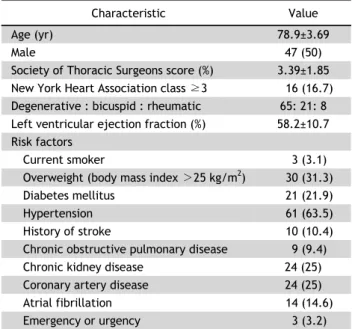
Table 1. Preoperative characteristics and risk factors (N=94)

Characteristic Value

Age (yr) 78.9±3.69

Male 47 (50)

Society of Thoracic Surgeons score (%) 3.39±1.85 New York Heart Association class ≥3 16 (16.7) Degenerative : bicuspid : rheumatic 65: 21: 8 Left ventricular ejection fraction (%) 58.2±10.7 Risk factors

Current smoker 3 (3.1)

Overweight (body mass index >25 kg/m

2

) 30 (31.3)

Diabetes mellitus 21 (21.9)

Hypertension 61 (63.5)

History of stroke 10 (10.4)

Chronic obstructive pulmonary disease 9 (9.4)

Chronic kidney disease 24 (25)

Coronary artery disease 24 (25)

Atrial fibrillation 14 (14.6)

Emergency or urgency 3 (3.2)

Values are presented as mean±standard deviation or number (%).

Methods

1) Patient characteristics

Between January 2001 and February 2018, we re- cruited 94 patients with who were 75 years or older and underwent isolated SAVR at Seoul National University Hospital. Patients who underwent con- comitant operations such as other types of heart valve surgery, arrhythmia surgery, ascending aorta replacement, and coronary artery bypass grafting were excluded, as were those with infective endocarditis. The study protocol was reviewed by the institutional review board, and was approved as a minimal-risk retrospective study (IRB approval no., 1805-138-948) that did not require individual consent. The baseline characteristics of the recruited patients are summarized in Table 1. Their mean age at surgery was 78.9±3.69 years, and 47 patients (50%) were female. The mean Society of Thoracic Surgeons (STS) score was 3.39%±1.85%. Sixteen pa- tients (16.7%) had a New York Heart Association functional classification of III or IV (Table 1).

2) Operative data

All operations were performed using aortic and bi- caval cannulation via a median sternotomy. Aortic valve replacement was performed using a non-evert- ing mattress sutures buttress reinforced with poly- tetrafluoroethylene as a tubule (so-called ‘spaghetti’).

Great care was taken to avoid deep-biting sutures near the commissure between the non- and right coronary cusps to minimize the risk of conduction block. Bovine pericardial valves and porcine valves were used in 79 patients (84.0%) and 15 patients (16.0%), respectively. The sizes of the prosthetic valves were 19 mm, 21 mm, 23 mm, 25 mm, and 27 mm in 17, 25, 38, 12, and 2 patients, respectively.

The mean cardiopulmonary bypass (CPB) and aortic cross-clamp (ACC) times were 152±44 minutes and 95±29 minutes, respectively.

3) Echocardiographic evaluation

Two-dimensional echocardiography and Doppler color-flow imaging were performed in all patients be- fore surgery and during the early postoperative period. Follow-up echocardiographic evaluations were performed at the discretion of the operating surgeon.

4) Anti-thrombotic management

Warfarin anticoagulation with a target international normalized ratio (INR) of 2.0–2.5 was maintained for 3–6 months and life-long after surgery in patients with sinus rhythm and in those with atrial fibrilla- tion, respectively. Since late 2014, however, antipla- telet therapy instead of warfarin anticoagulation has been used for patients with normal sinus rhythm.

5) Evaluation of clinical outcomes

Clinical data were assessed retrospectively, and fol- low-up information was acquired from patients’ elec- tronic medical records. Operative mortality was de- fined as any death within 30 days of surgery or dur- ing the same hospital admission. Chronic kidney dis- ease and acute kidney injury were defined as a glo- merular filtration rate <60 mL/min/1.73 m

2

and a

> 50% increase of the serum creatinine level from

preoperative values, respectively. Postoperative atrial

fibrillation was defined as any short new-onset run

of atrial fibrillation. Low cardiac output syndrome

was defined as a cardiac index <2.0 L/min/m

2

or a

systolic arterial pressure <90 mm Hg requiring in-

otropic support (dopamine or dobutamine) of >5

μg/kg per minute or any need for mechanical circu-

latory support, such as an intra-aortic balloon pump

or extracorporeal membrane oxygenation. Respiratory

(3)

Table 2. Early clinical results (N=94)

Variable No. (%)

Operative mortality 2 (2.1)

Postoperative complications

Atrial fibrillation (new onset) 32 (33.3)

Acute kidney injury 6 (6.3)

Low cardiac output syndrome 4 (4.2)

Bleeding reoperation 4 (4.2)

Respiratory complications 5 (5.2)

Stroke 4 (4.2)

Any paravalvular leak 0

Complete atrioventricular block requiring permanent pacemaker

0

Infective endocarditis 0

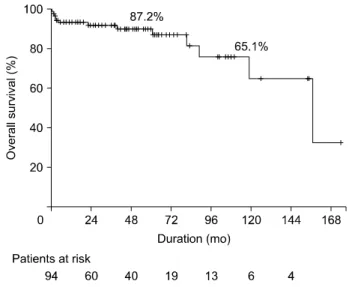
Fig. 1. Kaplan-Meier curve for overall survival.

complications included postoperative pneumonia or

>48 hours of prolonged ventilator support. Patients underwent regular postoperative follow-up at 3- to 4-month intervals at the outpatient clinic. Clinical fol- low-up was terminated on April 30, 2018. If patients did not visit the clinic at the scheduled time, they were contacted by telephone to confirm their condition. The median duration of follow-up was 40.7 months (range, 0.6–174 months). Valve-related events (VREs) were defined according to established guidelines [8] as structural valve deterioration (SVD), non-structural valve dysfunction (NSVD), valve throm- bosis, embolism, bleeding events, prosthetic valve en- docarditis, and cardiac deaths.

6) Statistical analysis

Statistical analyses were performed using IBM SPSS ver. 23.0 (IBM Corp., Armonk, NY, USA). Data are expressed as mean±standard deviation or as me- dians with ranges or proportions, as appropriate.

Survival rates were estimated using the Kaplan–Meier method. Risk factors for time-related events were an- alyzed using the Cox proportional hazard model.

Multi-collinearity was controlled using backward stepwise regression. All preoperative variables pre- sented in Table 1 and the transvalvular pressure gra- dient on early postoperative echocardiography were included in the analyses. Variables with a p-value

< 0.05 in univariate analyses incorporating patient age were subsequently used in the multivariable analysis. All p-values <0.05 were considered to in- dicate statistical significance. The minimal p-value ap- proach was used to estimate an optimal cut-off value

of a continuous variable predicting a time-related event [9].

Results

1) Early outcomes

The operative mortality rate was 2.1% (2 of 94 patients) and involved low cardiac output syndrome and sepsis in each. The postoperative complications included new-onset atrial fibrillation (n=32), acute kidney injury (n=6), low cardiac output syndrome (n=7), and respiratory complications (n=5) (Table 2).

Paravalvular leak was found intraoperatively in 1 pa- tient, but was corrected with a second round of CPB and ACC. None of the other patients showed any de- gree of paravalvular leak on either intraoperative or postoperative echocardiography. There were no in- stances of complete atrioventricular block requiring permanent pacemaker implantation after surgery (Table 2). The mean transvalvular pressure gradient on early postoperative echocardiography was 13.3±5.9 mm Hg.

2) Long-term outcomes

Among the 92 survivors, late death occurred in 11 patients, including 2 cardiac deaths. The overall sur- vival rates at 5 and 10 years were 87.2% and 65.1%, respectively (Fig. 1). Other types of VREs occurred in 5 patients, although there were no instances of SVD or NSVD requiring aortic valve re-intervention.

Bleeding and thromboembolic events occurred in 3

(4)

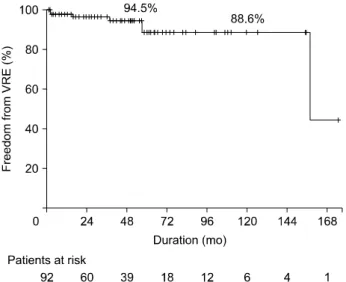
Fig. 2. Kaplan-Meier curve for freedom from valve-related events

(VREs). Fig. 3. Kaplan-Meier curve for overall survival according to the

cut-off value of Society of Thoracic Surgeons (STS) scores.

Table 3. Risk factor analysis for overall survival

Variable

Univariate

analysis Multivariable analysis p-value Hazard ratio (95%

confidence interval) p-value

Age 0.980 0.874 (0.721–1.061) 0.173

Chronic kidney disease

0.005 4.100 (1.149–14.629) 0.030 Society of Thoracic

Surgeons score

0.006 1.455 (1.081–1.958) 0.013

and 2 cases, respectively; gastrointestinal bleeding occurred in 3 patients, of whom 2 were on warfarin due to new-onset atrial fibrillation during follow-up after surgery. Ischemic stroke occurred in 2 patients with atrial fibrillation. Both patients were also on warfarin. They had been anticoagulated properly and the INR was within the target range at the time of the events. The 5- and 10-year rates of freedom from VREs were 94.5% and 88.6%, respectively (Fig. 2).

The mean transvalvular pressure gradient at the last echocardiography was 12.6±7.0 mm Hg.

3) Risk factor analysis for overall survival

The univariate analyses demonstrated that the STS score and chronic kidney disease were risk factors for overall survival. Subsequent multivariate analysis revealed that the STS score and chronic kidney dis- ease remained independent risk factors for overall

survival (Table 3). In the minimal p-value approach, an STS score of 3.5% was the best cut-off value for predicting long-term survival after SAVR (hazard ra- tio, 14.735; 95% confidence interval, 3.228–67.248) (Fig. 3).

Discussion

The present study demonstrated 3 main findings.

First, the early results of SAVR in the elderly were favorable in terms of mortality rate, the incidence of paravalvular leak, and the need for permanent pace- maker implantation. Second, 5- and 10-year survival rates after SAVR were 87.2% and 65.1%, respec- tively, and chronic kidney disease was significantly associated with long-term survival. Thirdly, an STS score of 3.5% was determined to be the best cut-off value with which to predict long-term survival after SAVR in the elderly.

Favorable early and mid-term data, along with im- provements in TAVI results following device mod- ifications and the accumulation of experience, made it possible to expand the indications of this techni- que to intermediate-risk patients [3,4]. Two landmark randomized trials have recently reported outcomes of TAVI in comparison with SAVR in symptomatic AS patients with intermediate surgical risk [10,11].

While these studies demonstrated no significant dif-

ference in the composite outcome of death from any

(5)

cause or disabling stroke, the primary outcomes of these studies still showed differences in the compli- cation profiles between TAVI and SAVR, including the rates of major vascular complications (6.0% versus 1.1%), moderate or severe paravalvular leak (5.3%

versus 0.6%), and permanent pacemaker implanta- tion (25.9% versus 6.6%). In addition, the trans- catheter procedure has often been used in AS pa- tients of advanced age, rather than surgical treatment [12]. These findings have caused a resurgence in in- terest in terms of the outcomes of SAVR in the eld- erly [5-7,13-15]. Previous studies showed that early mortality after SAVR in octogenarians ranged from 0% to 13%, and that the overall survival at 5 years was over 70%. In the present study, only patients with isolated SAVR were included, whereas patients who underwent concomitant cardiovascular surgery and those with infective endocarditis were excluded, in order to present benchmark data of SAVR for pa- tients who also could be considered candidates for TAVI. The operative mortality rate was 2.1%. This is in agreement with previous studies that demon- strated acceptable early mortality rates, even in pa- tients of advanced age. In addition, only 1 patient ex- perienced paravalvular leak, and none of our patients required permanent pacemaker implantation after surgery. These outcomes may represent meaningful advantages of SAVR over TAVI. The long-term results were also favorable, with 10-year survival and VRE-free rates of 65.1% and 88.6%, respectively. The durability of the stented bioprosthesis was excellent, and no SVD or NSVD required re-intervention up to 12 years after surgery. Previous studies have sug- gested that several factors are associated with long-term survival after surgery, including preoperative my- ocardial infarction, urgent or emergent procedures, and combined coronary artery disease [5,14]. In the present study, however, these factors were not asso- ciated with long-term survival because patients who needed combined myocardial revascularization were beyond the scope of the study. The STS score, ini- tially developed to predict perioperative outcomes, has been confirmed to be associated with long-term outcomes after TAVI and cardiac surgery [16].

Similar to the current cut-off STS score of 4%, which was used to classify the intermediate-risk group, the minimal p-value approach showed that an STS score of 3.5% represented the best cut-off value for pre-

dicting the long-term survival rate.

The present study demonstrated that patient age might not be the primary exclusion criterion for SAVR. In addition, recent advances in surgical techni- ques could further improve the results of SAVR in the elderly [17]. Therefore, the choice between TAVI and SAVR should be individualized and not be based on patient age alone, but also on specific patient characteristics, including co-morbidities such as chronic kidney disease.

The present study has several limitations. First, this was a retrospective observational study conducted at a single institution. Second, the number of patients recruited was relatively small, making it difficult to draw definitive conclusions. Finally, the results of the multivariable analysis might be over-fitted due to the small number of events.

Conflict of interest

No potential conflict of interest relevant to this ar- ticle was reported.

References

1. Iung B, Vahanian A. Epidemiology of valvular heart disease in the adult. Nat Rev Cardiol 2011;8:162-72.

2. Brown JM, O’Brien SM, Wu C, Sikora JA, Griffith BP, Gammie JS. Isolated aortic valve replacement in North America comprising 108,687 patients in 10 years: changes in risks, valve types, and outcomes in the Society of Thoracic Surgeons National Database. J Thorac Cardiovasc Surg 2009;137:82-90.

3. Baumgartner H, Falk V, Bax JJ, et al. 2017 ESC/EACTS Guidelines for the management of valvular heart disease.

Eur Heart J 2017;38:2739-91.

4. Cahill TJ, Chen M, Hayashida K, et al. Transcatheter aortic valve implantation: current status and future perspectives.

Eur Heart J 2018;39:2625-34.

5. Langanay T, Flecher E, Fouquet O, et al. Aortic valve re- placement in the elderly: the real life. Ann Thorac Surg 2012;93:70-7.

6. Florath I, Albert A, Boening A, Ennker IC, Ennker J. Aortic valve replacement in octogenarians: identification of high-risk patients. Eur J Cardiothorac Surg 2010;37:

1304-10.

7. Ditchfield JA, Granger E, Spratt P, et al. Aortic valve re- placement in octogenarians. Heart Lung Circ 2014;23:

841-6.

8. Edmunds LH Jr, Clark RE, Cohn LH, Grunkemeier GL, Miller

DC, Weisel RD. Guidelines for reporting morbidity and

(6)

mortality after cardiac valvular operations: the American Association for Thoracic Surgery, Ad Hoc Liaison Commit- tee for Standardizing Definitions of Prosthetic Heart Valve Morbidity. Ann Thorac Surg 1996;62:932-5.

9. Altman DG, Lausen B, Sauerbrei W, Schumacher M.

Dangers of using “optimal” cutpoints in the evaluation of prognostic factors. J Natl Cancer Inst 1994;86:829-35.

10. Leon MB, Smith CR, Mack MJ, et al. Transcatheter or surgi- cal aortic-valve replacement in intermediate-risk patients.

N Engl J Med 2016;374:1609-20.

11. Reardon MJ, van Mieghem NM, Popma JJ, et al. Surgical or transcatheter aortic-valve Replacement in Intermediate-Risk Patients. N Engl J Med 2017;376:1321-31.

12. Wyler von Ballmoos MC, Barker CM, Reul RM, et al. When to SAVR in the age of TAVR?: a perspective on surgical aortic valve replacement in 2018. Cardiovasc Revasc Med 2018;19:139-41.

13. Melby SJ, Zierer A, Kaiser SP, et al. Aortic valve replace- ment in octogenarians: risk factors for early and late mortality. Ann Thorac Surg 2007;83:1651-6.

14. Kolh P, Kerzmann A, Honore C, Comte L, Limet R. Aortic valve surgery in octogenarians: predictive factors for op- erative and long-term results. Eur J Cardiothorac Surg 2007;31:600-6.

15. Lee JW, Kim J, Jung SH, Chung CH, Lee JW. Comparison of the outcomes between surgical aortic valve replacement and transcatheter aortic valve replacement in patients aged above 80. Korean J Thorac Cardiovasc Surg 2017;50:

255-62.

16. Hemmann K, Sirotina M, De Rosa S, et al. The STS score is the strongest predictor of long-term survival following transcatheter aortic valve implantation, whereas access route (transapical versus transfemoral) has no predictive value beyond the periprocedural phase. Interact Cardiovasc Thorac Surg 2013;17:359-64.

17. Miceli A, Gilmanov D, Murzi M, et al. Minimally invasive

aortic valve replacement with a sutureless valve through a

right anterior mini-thoracotomy versus transcatheter

aortic valve implantation in high-risk patients. Eur J

Cardiothorac Surg 2016;49:960-5.

수치

Table 1. Preoperative characteristics and risk factors (N=94)
Table 2. Early clinical results (N=94)
Fig. 2. Kaplan-Meier curve for freedom from valve-related events

참조

관련 문서

Transcatheter aortic valve replacement (TAVR) or transcatheter aortic valve implantation (TAVI) for severe aortic stenosis (AS) is a minimally invasive interventional procedure

Infolding Distortion of Evolut R Valve after Transcatheter Aortic Valve Replacement Min Chul Kim , MD, PhD, Ju Han Kim , MD, PhD, Kyung Hoon Cho , MD, PhD, Doo Sun Sim , MD, PhD,

(D) Advance of transcatheter aortic valve replacement (TAVR) system through the left iliac artery with balloon supporting at right common artery (E) Too deep positioning of

Background: With growing attention to the aortopathy associated with aortic valve diseases, the number of candi- dates for accompanying ascending aorta and/or root replacement

Aortic Valve Replacement Using Balloon Catheter for Thoracic Endovascular Aortic Repair to Patient with Calcified Aorta.. In Sook Kim,

Impact of prosthe- sis-patient mismatch on cardiac events and midterm mor- tality after aortic valve replacement in patients with pure aortic stenosis.. Head SJ, Mokhles MM,

In our study, we observed severe postoperative thrombocytopenia after tissue valve replacement, which is uncommon. Patients who underwent SU-AVR were also

Early and late mortality of patients undergoing aortic valve replacement after previous coronary artery bypass graft surgery.. Park CB, Suri RM, Burkhart HM, Greason KL, Dearani