• 검색 결과가 없습니다.

Risk Factors Influencing Rebleeding after Bronchial Artery Embolization on the Management of Hemoptysis Associated with Pulmonary Tuberculosis

N/A
N/A
Protected

Academic year: 2021

Share "Risk Factors Influencing Rebleeding after Bronchial Artery Embolization on the Management of Hemoptysis Associated with Pulmonary Tuberculosis"

Copied!
9
0
0

로드 중.... (전체 텍스트 보기)

전체 글

(1)

Tuberc Respir Dis 2013;74:111-119

CopyrightⒸ2013. The Korean Academy of Tuberculosis and Respiratory Diseases. All rights reserved.

Risk Factors Influencing Rebleeding after Bronchial Artery Emboliz- ation on the Management of Hemoptysis Associated with Pulmonary Tuberculosis

Hun-Gyu Hwang, M.D.1, Ho-Sung Lee, M.D.2, Jae-Sung Choi, M.D.2, Ki-Hyun Seo, M.D.2, Yong-Hoon Kim, M.D.2, Ju-Ock Na, M.D.2

1Respiratory Devision, Department of Internal Medicine, Soonchunhyang University Gumi Hospital, Soonchunhyang University College of Medicine, Gumi, 2Respiratory Division, Department of Internal Medicine, Soonchunhyang University Cheonan Hospital, Soonchunhyang University College of Medicine, Cheonan, Korea

Background: Hemoptysis due to pulmonary tuberculosis (TB) frequently develops in Korea where the prevalence of TB is intermediate. The effect of bronchial artery embolization (BAE) on the control of massive hemoptysis has been well known. This study is designed to identify the risk factors contributing to rebleeding after BAE in patients with TB.

Methods: We retrospectively evaluated risk factors and the time for rebleeding after BAE in 72 patients presenting with hemoptysis.

Results: The overall immediate success rate of BAE was 93.1% (67 of 72 patients). Of the 29 patients (40.3%) who showed rebleeding after BAE, 13 patients experienced rebleeding within 1 month, and 14 patients between 1 month to 1 year. The existence of a shunt in angiographic finding, aspergilloma, and diabetes mellitus were risk factors of rebleeding after BAE in multivariate analysis.

Conclusion: BAE was very effective for obtaining immediate bleeding control in hemoptysis associated with active TB or post-TB sequelae. It is important to observe whether or not rebleeding occurs up to 1 year of BAE especially in TB patients with aspergilloma, DM, or a shunt. Even rebleeding can be managed well by second BAE.

Key Words: Aspergillosis; Bronchial Arteries; Embolization, Therapeutic; Hemoptysis; Tuberculosis

Address for correspondence: Ju-Ock Na, M.D.

Department of Internal Medicine, Soonchunhyang University Cheonan Hospital, Soonchunhyang University College of Medicine, 31 Suncheonhyang 6-gil, Dongnam-gu, Cheonan 330-930, Korea

Phone: 82-41-570-3666, Fax: 82-41-574-5762 E-mail: [email protected]

Received: Nov. 14, 2012 Revised: Nov. 27, 2012 Accepted: Feb. 15, 2013

CCIt is identical to the Creative Commons Attribution Non-Commercial License (http://creativecommons.org/licenses/by-nc/3.0/).

Introduction

Bronchial artery embolization (BAE) has been estab- lished as an effective and useful means to achieve treat- ment of chronic and recurrent hemoptysis, as well as immediate control of massive hemoptysis and to man- age inoperable patients who had poor pulmonary func-

tion or chronic pulmonary diseases

1-3

. Although there

are several causes of massive hemoptysis as known in

other reports, tuberculosis (TB) is common cause espe-

cially in Korea

4

, where the prevalence of TB is inter-

mediate, 149 rate per 100,000 population/yr compared

with 15 rate per 100,000 population/yr in US in 2011

5

.

Though BAE in TB patients has been studied pre-

viously

6-9

, the result of risk factors associated with TB

activity were not consistent. So, we evaluated the char-

acteristics of hemoptysis and tried to find the risk factors

for rebleeding in patients who underwent BAE to con-

trol hemoptysis associated with active TB or post-TB

sequelae.

(2)

Materials and Methods 1. Patient selection

We retrospectively reviewed consecutive 92 patients who underwent BAE due to hemoptysis in Respiratory Division, Department of Internal Medicine, Soonchun- hyang University, Cheonan Hospital, from 1999 to 2008.

This study was conducted in accordance with require- ment of an Institutional Review Board for such retro- spective analysis of medical records.

2. Data collection

The clinical records of all patients were assessed ret- rospectively, and the following data and images were collected to analyze the activity of TB, recurrence rate, and risk factor for rebleeding: age, sex, clinical features, past history, laboratory findings, sputum study, emboli- zation material, angiographic images, chest roentgen- ography, chest CT scan, and bronchoscopy.

3. Classification of patients and definition

All patients were categorized as active TB or post-TB.

Acitve TB was defined on the basis of acid-fast bacilli (AFB) positive, clinical suspicion or imaging including consolidation, endobronchial spread pattern, or tree-in- bud opacities. TB sequelae was defined on the basis of previous history of TB and AFB-negative with imag- ing including bronchiectasis, calcified nodules or fib- rosis

10

. TB destroyed lung was defined as parenchymal damage to more than one lung lobe due to previous pulmonary TB, but no recent evidence of active TB

11

. Multi-drug resistant TB (MDR TB) was defined as resist- ance to both isoniazid and rifampicin, with or without resistance to any other antituberculous drugs. Immedi- ate control of bleeding was defined as a cessation of bleeding obtained without recurrence within 24 hours of successful BAE

12

. Rebleedings, which was defined as recurrence and/or persistence of bleeding after immedi- ate control, are categorized into two groups according to the time: early-onset, within 1 month; and late-onset, beyond 1 month. Patients were classified according to the amount of greater than 200 mL on admission

13

.

Shunt means pulmonary-bronchial artery shunt in angio- graphic findings.

4. Management

Our conservative medical measures included strict bed rest, nothing by mouth, hemostatics, monitoring of oxygen saturation, respiratory rate, heart rate and blood pressure, the supply of oxygen if needed. Anti-tuber- culous medication included isoniazid, rifampin, etham- butol, and pyrazinamide.

A standardized BAE procedure was used as follows:

a catheter was introduced into the right femoral artery through an introducer sheath using the Seldinger techni- que

3

. Selective bronchial artery angiography was then performed. Embolization was performed when the bronchial arteries appeared to be the source of hemopt- ysis (tortuous hypertrophy, systemic-to-pulmonary shunt, extravasation of contrast material, or peribronchial hy- pervascularisation)

14

. Agents used for embolization in- cluded coils, gelform, polyvinyl alcohol or combination during study period.

5. Data analysis

Data were analysed using the Statistical Package for the Social Sciences version 14.0 (SPSS Inc., Chicago, IL, USA). The groups were compared using Student's t-test or the Mann-Whitney U test for continuous variables and χ

2

test or Fisher's exact test for categorical varia- bles to find the risk factor for recurrence after BAE.

Multivariate analysis was obtained using logistic regress- ion. The Kaplan-Meier survival method was used to esti- mate their recurrence-free probability of the patients af- ter BAE. Cox's regressional hazards model was used to find the independent factors of recurrence-free time. A p<0.05 was considered statistically significant.

Results 1. Study population

We retrospectively reviewed consecutive 92 patients

who underwent BAE due to hemoptysis. Twenty cases

were excluded in which hemoptysis was not associated

(3)

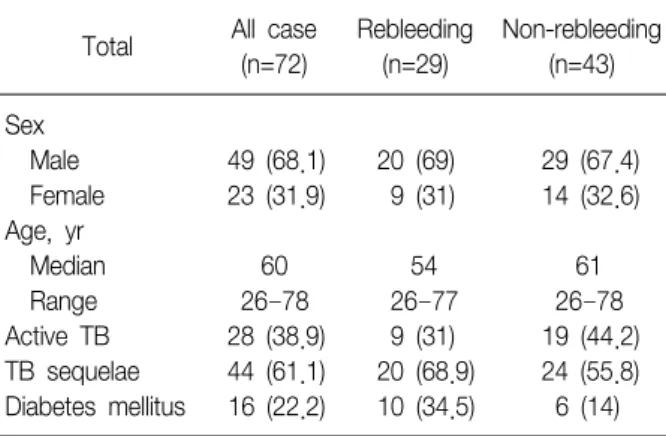
Table 1. Clinical characteristics of groups

Total All case

(n=72)

Rebleeding (n=29)

Non-rebleeding (n=43) Sex

Male 49 (68.1) 20 (69) 29 (67.4)

Female 23 (31.9) 9 (31) 14 (32.6) Age, yr

Median 60 54 61

Range 26–78 26–77 26–78

Active TB 28 (38.9) 9 (31) 19 (44.2) TB sequelae 44 (61.1) 20 (68.9) 24 (55.8) Diabetes mellitus 16 (22.2) 10 (34.5) 6 (14) Values are presented as number (%).

TB: tuberculosis.

Table 2. Analysis of bleeding recurrence after immediate hemostasis

n (%) Overall immediate hemostasis 67 (93.1)

Recurrence rate after BAE 29 (40.3)

Time interval to rebleeding after hemostasis

<1 mo (early onset) 13 (18.1)

>1 mo or <1 yr 14 (19.4)

<1 yr 27 (37.5)

>1 yr 2 (2.8)

BAE: bronchial artery embolization.

with activity or sequelae of TB: metastatic tumor lesion (n=1), emphysema (n=1), leukemia (n=1), lung mass (n=4), pneumonia (n=1), and equivocal cases (n=12).

The patients consisted of 72 (49 men, 68.1%; median age, 60 years; range, 26 to 78 years) (Table 1).

2. Characteristics of rebleeding

The mean amount of bleeding at initial presentation was 210 mL (range, 20 to 2,000 mL). Overall immediate success rate of BAE was 93.1% (67 of 72). The rebleed- ing group consisted of 29 (40.3%) and the non-rebleed- ing group 43 patients (59.7%). The patients with suc- cessful BAE have undergone follow-up for median 13 months (range, 1 to 63 months). Among 29 patients of the rebleeding group, 13 patients experienced re- currence within 1 month, and 14 patients between 1 month to 1 year. Only two cases showed rebleeding be- yond 1 year after initial hemostasis by BAE: bron- chiectasis (n=1) and TB destroyed lung (n=1) managed by conservative medication and BAE, respectively. So, rebleeding after BAE was shown in 27 of 72 cases with- in 1 year (Table 2).

3. Rebleeding risk factors

Active TB patients were 38.9% (n=28) including MDR TB (n=10). Post-TB sequelae included bronchiectasis, TB destroyed lung, aspergilloma, or fibrotic scar change (Table 3). Among five patients who failed to stop bleed-

ing by BAE immediately, two patients died: one patient with active MDR TB showed massive rebleeding died despite second BAE within 30 days after first BAE; an- other patient with active non-MDR TB had massive re- bleeding and expired despite second BAE within 60 days after BAE. In subgroup of 28 patients with active TB, MDR TB showed significantly higher rebleeding than non MDR TB (odds ratio [OR], 7.5; 95% confidence interval [CI], 1.276 to 44.085; p<0.035). Active TB group excluding MDR TB was significantly associated with non-rebleeding (OR, 0.240; 95% CI, 0.061 to 0.949;

p=0.044).

The rate of recurrence based on the underlying pul- monary disease was 40% (10 of 25) for bronchiectasis, 51.6% (16 of 31) for destroyed lung, 100% (6 of 6) for aspergilloma, 36.7% (11 of 30) for fibrotic scar change, and 32.1% (9 of 28) for active TB. Active TB was not associated with risk of rebleeding (OR, 0.57; 95% CI, 0.21 to 1.53; p>0.05). Bronchiectasis, TB destroyed lung, fibrotic change, cavity, age, sex, or amount of he- moptysis were not associated with the risk of recurrence of bleeding (Table 3).

Recurrence rates in the suspected bleeding site based on direct and/or indirect sign in angiographic finding were 50% (15 of 30) for right lung, 21% (4 of 19) for left lung, and 39% (7 of 18) for both lung (p=0.315).

Shunt and neovascularization of angiographic finding were significantly different between rebleeding and non-rebleeding group (OR, 2.91; 95% CI, 1.09 to 7.74;

p<0.031 and OR, 3.07; 95% CI, 1.06 to 8.91; p<0.036,

(4)

Table 3. Analysis of risk factors affecting rebleeding after immediate bleeding control with bronchial artery embolization

Etiology Case (n=72)

n (%)

Rebleeding (n=29) n (%)

Non-rebleeding (n=43)

n (%) Odds ratio (95% CI) Sex

Male 49 (68.1) 20 (69) 29 (67.4) 1.07 (0.39–2.95)

Female 23 (31.9) 9 (31) 14 (32.6)

Active TB 28 (38.9) 9 (31) 19 (44.2) 0.57 (0.21–1.53)

MDR TB 10 (13.9) 6 (20.7) 4 (9.3) 2.54 (0.65–9.97)

Non-MDR TB 18 (25) 3 (10.3) 15 (34.9)

TB sequelae

Bronchiectasis 25 (34.7) 10 (34.5) 15 (34.9) 0.98 (0.37–2.64)

TB destroyed lung 31 (43.1) 16 (55.2) 15 (34.9) 2.29 (0.88–6.02)

Aspergilloma 6 (8.3) 6 (20.7) 0 (0) 2.87 (2.06–3.99)

Fibrotic scar change 30 (41.7) 11 (37.9) 19 (44.2) 0.77 (0.29–2.02)

Cavity 16 (22.2) 8 (27.6) 8 (18.6) 1.67 (0.54–5.11)

Angiographic finding

Shunt 36 (50) 19 (65.5) 17 (39.5) 2.91 (1.09–7.74)

Hypervascularity 59 (86.8) 19 (76.0) 40 (93.0) 0.24 (0.05–1.05)

Extravasation (direct sign) 9 (13.2) 6 (24.0) 3 (7.0) 4.21 (0.95–18.68)

Neovascularization 36 (53.7) 17 (70.8) 19 (44.2) 3.07 (1.06–8.91)

Diabetes mellitus 16 (22.2) 10 (34.5) 6 (14) 3.81 (1.11–13.12)

Amount of bleeding

<200 mL 43 20 (69) 23 (53.5)

>200 mL 29 9 (31) 20 (46.5) 1.93 (0.72–5.19)

CI: confidence interval; TB: tuberculosis; MDR: multi-drug resistant.

Table 4. Risk factors of recurrence after BAE in multi- variate logistic regression analysis

Odds ratio 95% CI p-value

Sex 1.293 0.40–4.18 0.668

Age 1.025 0.98–1.07 0.260

Shunt 3.650 1.06–12.62 0.041*

Aspergilloma 3.557 1.16–10.87 0.026*

DM 4.351 1.19–15.86 0.026*

*Statistically significant with p<0.05.

BAE: bronchial artery embolization; CI: confidence interval; DM:

diabetes mellitus.
respectively). The findings of nonbronchial systemic ar- tery in angiographic examination were not risk factors for rebleeding. Findings of extravasations as direct sign in angiography (the pathognomonic sign of hemor- rhage)

3

were not associated with rebleeding after BAE (OR, 4.21; 95% CI, 0.95 to 18.68).

There were no significant factors which can influence on difference between early-onset group and late-onset group among active TB, destroyed lung, fibrotic change, aspergilloma, diabetes mellitus, shunt, age, sex, amount of bleeding, and embolization material.

Diabetes mellitus (DM) was the factor significantly as- sociated with a risk of rebleeding (OR, 3.81; 95% CI, 1.11 to 13.12). Of 16 patients with DM, 10 patients (62.5%) showed recurrent bleeding: 6 patients (60%) within 1 month and 4 (40%) after 1 month. Among these 10 patients, 4 patients (40%) had active TB, 2 (20%) destroyed lung, 2 (20%) fibrotic change, 1 (10%) bronchiectasis, and 1 (10%) aspergilloma.

Aspergilloma were significantly associated with re-

bleeding after BAE (p=0.003). Aspergillom, DM and ex- istence of shunt in angiographic finding were the risk factors of recurrence after BAE in multivariate logistic regression analysis (Table 4).

Cumulative hemoptysis non-recurrence rate after BAE were 84.7% for 1 month, 76.2% for 2 months, 71.4%

for 6 months, 59.4% for 12 months, 55.7% for 24

months, and 50.6% for 36 months. Recurrence-free time

(5)

Table 5. Independent factors of recurrence-free time after BAE in multivariate analysis using Cox's regressional haz- ards model

Hazard ratios 95% CI p-value

Shunt 1.85 0.83–4.13 0.134

Aspergilloma 4.76 1.78–12.70 0.002*

DM 2.35 1.04–5.27 0.039*

*Statistically significant with p<0.05.

BAE: bronchial artery embolization; CI: confidence interval; DM:

diabetes mellitus.
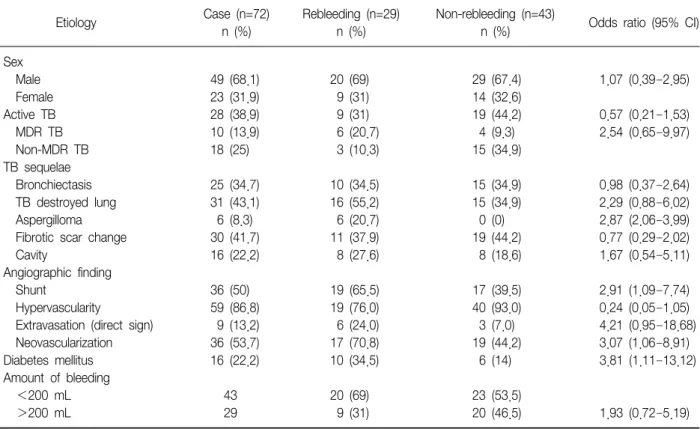
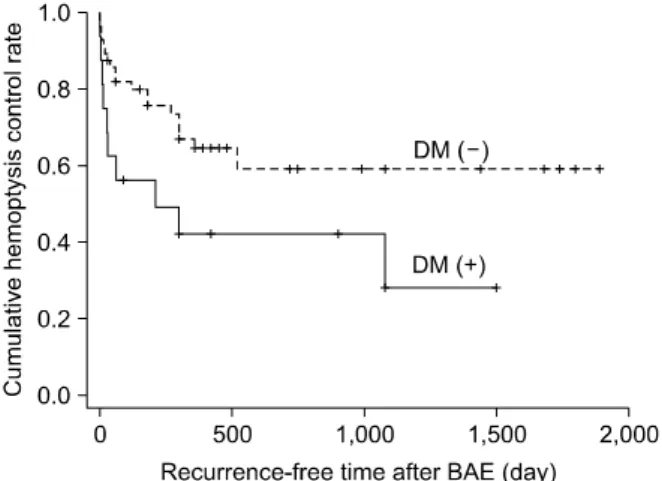
Figure 1. The cumulative hemoptysis control rate as de- picted graphically by the Kaplan-Meier method: p=0.016;

shunt (+) vs. shunt (−). BAE: bronchial artery emboliz- ation.

Figure 2. The cumulative hemoptysis control rate as de- picted graphically by the Kaplan-Meier method: p=0.035;

DM (+) vs. DM (−). DM: diabetes mellitus; BAE: bron- chial artery embolization.

Figure 3. The cumulative hemoptysis control rate as de- picted graphically by the Kaplan-Meier method: p=0.315;

TB vs. post TB sequelae. TB: tuberculosis; BAE: bron- chial artery embolization.

was significantly correlated with shunt in angiographic finding (p=0.016) (Figure 1), DM (p=0.035) (Figure 2), and aspergilloma (p<0.01). TB activity was not asso- ciated with recurrence-free time (p=0.315) (Figure 3).

Independent factors of recurrence-free time after BAE in multivariate analysis using Cox's regressional hazards model were aspergilloma and DM (Table 5).

The subsequent procedures for control of recurrent bleeding are as follows: medical treatment in 15 pa- tients, repeated BAE in 13, operation in one. Complica-

tions arising after BAE included: chest pain (n=10), fever (n=4), headache (n=4), cough (n=2), hiccup (n=2), back pain (n=1), urticaria (n=1), and nausea (n=1). Three pa- tients who underwent surgery to manage the rebleeding after BAE include: one with TB, one with fibrotic change, and one with destroyed lung.

Three patients who necessitated mechanical ven- tilation, showed late recurrences: TB (n=2), one of them resulting in death two months after initial BAE; bron- chiectasis (n=1).

Seven patients, who expired during follow-up post

procedure, include 4 patients in rebleeding group and

3 patients in non-bleeding group. Four patients who ex-

pired in rebleeding group are as follows: one patient

with TB expired from pneumonia with septic shock in

(6)

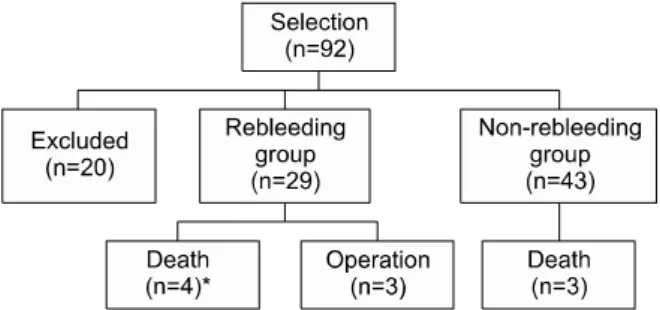
Figure 4. Flowchart of management and outcome after bronchial artery embolization in patients with hemoptysis.

*Three patients died of massive hemoptysis.

48 months, two patients with TB from massive hemopt- ysis within 2 months of BAE; one patient with aspergil- loma (n=1) from massive hemoptysis in 6 months.

Three patients who expired in non-rebleeding group are as follows: destroyed lung (n=2), one from respiratory failure in 12 months, one from pneumonia with acute respiratory distress syndrome in 30 months; fibrosis (n=1), one from respiratory failure without recurrence (Figure 4).

Discussion

Hemoptysis is one of the most common symptoms in patient with respiratory disease and may be a life- threatening condition. Massive hemoptysis occurs in ap- proximately 1.5% of patients presenting with hemopty- sis. The prognosis is poor, and the mortality by bleed- ing or asphyxia reaches 50–60%

15,16

.

BAE is now recognized as the first-line treatment for control of hemoptysis

17,18

. In our study, immediate suc- cess rate was 93.1% (67 of 72 patients), which was sim- ilar to 94% in a report by Swanson et al.

19

compared with earlier report ranged from 75% to 90%

16,20

. In the past, the control of hemoptysis has been obtained using surgical methods including pneumonectomy or lobec- tomy

21

. The main advantage is that surgery can remove the source of bleeding. Massive hemoptysis made it dif- ficult to localize the bleeding point, in which case emer- gency surgery is associated with a high mortality rate 17–35%

16

. Indications for BAE include failure of con- servative management, massive hemoptysis, recurrent

hemoptysis, and elevated surgical risk. Recent surveys suggest a shift from surgery to BAE as a first-line proce- dure in severe hemoptysis

17,18

.

Recurrent bleeding despite apparently adequate em- bolotherapy remains a considerable problem with re- bleeding occurring in 9% to 42% of patients

2,7,19-22

, which is similar to recurrence rate of 40.3% (29 of 72) in this report.

We intended to assess risk factors that affected the rebleeding in patient with TB or post-TB sequelae in country where TB prevalence is intermediate, because active TB and bronchiectasis were known as the most common etiologies of hemoptysis

21,22

. Lee et al.

23

show- ed a significant association between active TB and re- currence after BAE. Active, persistent mucosal inflam- mation, which is a factor identified by Mossi et al.

24

that might lead to recurrence of bleeding, would also be present in airways with active tuberculosis infection. On the other hand, van den Heuvel et al.

8

reported that the presence of active TB amenable to treatment is protective. Chun and Belli

25

showed the favourable out- comes for patients with active TB. Kato et al.

26

reported similar findings with no recurrent cases in their active TB group. Our study showed no association between active TB and recurrence after BAE. In terms of medical treatment, patient with active TB was managed ad- equately in our study.

Besides being a feature of active TB, haemoptysis can also be a manifestation of complications such as cav- itation, fibrosis, bronchiectasis, and mycetoma. In our study, bronchiectasis or destroyed lungs associated with TB were not associated with the risk of rebleeding. But shunt in angiographic finding was significantly asso- ciated with rebleeding. So, it could mean that shunt re- flect significant decreased circulation to the destroyed site with inflammation and vascular exposure rather than bronchiectasis or destroyed lung per se

27,28

. In our study, event time doesn't coincide with second peak for rebleeding which reflects the recruitment of blood sup- ply and neovascularization in 1 to 2 years after BAE which Hayakawa et al.

2

described as the second peak.

Although the initial amount of hemoptysis on admission

(7)

or extravasation as direct sign in angiographic finding were expected to be risk factors for rebleeding, there was no significant association between the volume of hemoptysis and recurrence as in other reports

7,23

. Shunt (36 of 72) or neovascularization (36 of 72) were not associated with death. Shunt was found in 4 of 7 patients who died, and neovasculization in 5 of 7 patients. In patients with shunt or neovascularization in angiographic finding, rebleeding can be managed well by 2nd BAE rather than definitive surgical management. Active TB was not associated with the risk for rebleeding, which means that active TB with he- moptysis can be treated with BAE

8

accompanied by an- ti-tuberculous medication.

The most unfavourable results were shown in pa- tients with aspergilloma, all six of whom suffered re- bleeding (p<0.05). High recurrence rates for patients with aspergilloma have been shown in previous re- port

7,22

. It was shown that patients with aspergilloma of- ten have extensive parasite circulation from different sources, and is likely to be associated with vasculitis in cases of thick vascular cavitary walls

15,27

. In our study, DM was shown to be significantly associated with re- currence after BAE, unlike previous reports to our knowledge. Some study showed increasing cavitation together with increased smear positivity in the diabetic group

29,30

. It is known that DM causes a decrement in lymphocyte activity and a diminution in the number of monocytes and macrophages

31

. One recent study has re- ported low plasma concentrations of rifampicin in dia- betic patients with TB

32

. Even though there are conflict- ing reports regarding the influence of associated DM on the treatment outcome of TB patient, one study showed that type 2 DM was an independent and significant risk factor associated with an unfavorable outcome

29

. This suggests that clinicians must pay attention to possible recurrent hemoptysis in TB patient with associated DM.

It was known BAE was associated with a 5% rate of complications

19

. In our report, complications arising af- ter BAE resolved spontaneously or with oral analgesics.

Other major complications, such as spinal cord ischemia or mediastinal structure necrosis were not encountered.

There was no significant correlation between rebleeding and the use of any particular agents.

In our study, of the 29 patients with rebleeding, 14 patients (48.3%) underwent a second BAE, 12 (41.4%) received supportive medical treatment and three (10.3%) with fibrotic change received surgery. So, most patient with rebleeding (26 of 29, 89.7%) were managed by second BAE or medical treatment with preserving surgery.

The overall mortality rate was 9.7% (7 of 72): 13.8%

(4/29) in rebleeding group and 7% (3 of 43) in non-re- bleeding group, compared with overall mortality of 13%

reported in other study

33

.

The limitations of our study are related to its retro- spective nature and to the fact that it was conducted in one referral center. Nevertheless, our study may pro- vide very useful information for risk assessment and the proper management of rebleeding after BAE in patient with pulmonary disease associated with TB.

In conclusion, BAE was very useful in obtaining im- mediate bleeding control which was slightly better than that in other report. It is important to observe rebleed- ing within 1 year of BAE especially in patients with as- pergilloma and/or DM which are important risk factors to predict rebleeding after BAE. Even rebleeding after BAE can be managed well by second BAE. Those pa- tients should be evaluated who are definitive surgical candidate after undertaking successful BAE in further study.

References

1. Garzon AA, Gourin A. Surgical management of massive hemoptysis: a ten-year experience. Ann Surg 1978;187:

267-71.

2. Hayakawa K, Tanaka F, Torizuka T, Mitsumori M, Okuno Y, Matsui A, et al. Bronchial artery emboliza- tion for hemoptysis: immediate and long-term results.

Cardiovasc Intervent Radiol 1992;15:154-8.

3. Rabkin JE, Astafjev VI, Gothman LN, Grigorjev YG.

Transcatheter embolization in the management of pul- monary hemorrhage. Radiology 1987;163:361-5.

4. Kim BC, Kim JM, Kim YS, Kim SM, Choi WY, Lee KS,

et al. Effect of bronchial artery embolization in the

(8)

management of massive hemoptysis: factors influenc- ing rebleeding. Tuberc Respir Dis 1996;43:590-9.

5. World Health Organization. TB country profile for Rep.

Korea [Internet]. Geneva: World Health Organization;

2011 [cited 2013 Jan 1]. Available from: http://www.

whoint/countries/kor/en.2011.

6. Ramakantan R, Bandekar VG, Gandhi MS, Aulakh BG, Deshmukh HL. Massive hemoptysis due to pulmonary tuberculosis: control with bronchial artery emboliz- ation. Radiology 1996;200:691-4.

7. Kim YG, Yoon HK, Ko GY, Lim CM, Kim WD, Koh Y. Long-term effect of bronchial artery embolization in Korean patients with haemoptysis. Respirology 2006;

11:776-81.

8. van den Heuvel MM, Els Z, Koegelenberg CF, Naidu KM, Bolliger CT, Diacon AH. Risk factors for recur- rence of haemoptysis following bronchial artery embo- lisation for life-threatening haemoptysis. Int J Tuberc Lung Dis 2007;11:909-14.

9. Gross AM, Diacon AH, van den Heuvel MM, Janse van Rensburg J, Harris D, Bolliger CT. Management of life-threatening haemoptysis in an area of high tuber- culosis incidence. Int J Tuberc Lung Dis 2009;13:875- 80.

10. Im JG, Itoh H, Shim YS, Lee JH, Ahn J, Han MC, et al. Pulmonary tuberculosis: CT findings. Early active disease and sequential change with antituberculous therapy. Radiology 1993;186:653-60.

11. Bobrowitz ID, Rodescu D, Marcus H, Abeles H. The destroyed tuberculous lung. Scand J Respir Dis 1974;55:

82-8.

12. Cremaschi P, Nascimbene C, Vitulo P, Catanese C, Rota L, Barazzoni GC, et al. Therapeutic embolization of bronchial artery: a successful treatment in 209 cases of relapse hemoptysis. Angiology 1993;44:295-9.

13. Corey R, Hla KM. Major and massive hemoptysis: re- assessment of conservative management. Am J Med Sci 1987;294:301-9.

14. Yoon W, Kim JK, Kim YH, Chung TW, Kang HK.

Bronchial and nonbronchial systemic artery emboliza- tion for life-threatening hemoptysis: a comprehensive review. Radiographics 2002;22:1395-409.

15. Uflacker R, Kaemmerer A, Neves C, Picon PD. Manage- ment of massive hemoptysis by bronchial artery embo- lization. Radiology 1983;146:627-34.

16. Remy J, Voisin C, Dupuis C, Beguery P, Tonnel AB, Denies JL, et al. Treatment of hemoptysis by emboliza- tion of the systemic circulation. Ann Radiol (Paris) 1974;17:5-16.

17. Haponik EF, Fein A, Chin R. Managing life-threatening hemoptysis: has anything really changed? Chest 2000;

118:1431-5.

18. Fartoukh M, Khalil A, Louis L, Carette MF, Bazelly B, Cadranel J, et al. An integrated approach to diagnosis and management of severe haemoptysis in patients ad- mitted to the intensive care unit: a case series from a referral centre. Respir Res 2007;8:11.

19. Swanson KL, Johnson CM, Prakash UB, McKusick MA, Andrews JC, Stanson AW. Bronchial artery emboliza- tion : experience with 54 patients. Chest 2002;121:789- 95.

20. Uflacker R, Kaemmerer A, Picon PD, Rizzon CF, Neves CM, Oliveira ES, et al. Bronchial artery embolization in the management of hemoptysis: technical aspects and long-term results. Radiology 1985;157:637-44.

21. Mal H, Rullon I, Mellot F, Brugiere O, Sleiman C, Menu Y, et al. Immediate and long-term results of bronchial artery embolization for life-threatening hemoptysis.

Chest 1999;115:996-1001.

22. Remy J, Arnaud A, Fardou H, Giraud R, Voisin C.

Treatment of hemoptysis by embolization of bronchial arteries. Radiology 1977;122:33-7.

23. Lee S, Chan JW, Chan SC, Chan YH, Kwan TL, Chan MK, et al. Bronchial artery embolisation can be equally safe and effective in the management of chronic re- current haemoptysis. Hong Kong Med J 2008;14:14-20.

24. Mossi F, Maroldi R, Battaglia G, Pinotti G, Tassi G.

Indicators predictive of success of embolisation: analy- sis of 88 patients with haemoptysis. Radiol Med 2003;

105:48-55.

25. Chun JY, Belli AM. Immediate and long-term outcomes of bronchial and non-bronchial systemic artery emboli- sation for the management of haemoptysis. Eur Radiol 2010;20:558-65.

26. Kato A, Kudo S, Matsumoto K, Fukahori T, Shimizu T, Uchino A, et al. Bronchial artery embolization for he- moptysis due to benign diseases: immediate and long- term results. Cardiovasc Intervent Radiol 2000;23:351-7.

27. Stoll JF, Bettmann MA. Bronchial artery embolization to control hemoptysis: a review. Cardiovasc Intervent Radiol 1988;11:263-9.

28. Osaki S, Nakanishi Y, Wataya H, Takayama K, Inoue K, Takaki Y, et al. Prognosis of bronchial artery embo- lization in the management of hemoptysis. Respiration 2000;67:412-6.

29. Wang CS, Yang CJ, Chen HC, Chuang SH, Chong IW,

Hwang JJ, et al. Impact of type 2 diabetes on manifes-

tations and treatment outcome of pulmonary tuber-

(9)

culosis. Epidemiol Infect 2009;137:203-10.

30. Hendy M, Stableforth D. The effect of established dia- betes mellitus on the presentation of infiltrative pulmo- nary tuberculosis in the immigrant Asian community of an inner city area of the United Kingdom. Br J Dis Chest 1983;77:87-90.

31. Koziel H, Koziel MJ. Pulmonary complications of dia- betes mellitus: pneumonia. Infect Dis Clin North Am

1995;9:65-96.

32. Nijland HM, Ruslami R, Stalenhoef JE, Nelwan EJ, Alisjahbana B, Nelwan RH, et al. Exposure to rifampi- cin is strongly reduced in patients with tuberculosis and type 2 diabetes. Clin Infect Dis 2006;43:848-54.

33. Ong TH, Eng P. Massive hemoptysis requiring intensive

care. Intensive Care Med 2003;29:317-20.

수치

Table  2.  Analysis  of  bleeding  recurrence  after  immediate hemostasis
Table  3.  Analysis  of  risk  factors  affecting  rebleeding  after  immediate  bleeding  control  with  bronchial  artery  embolization Etiology Case  (n=72) n  (%) Rebleeding  (n=29)n  (%) Non-rebleeding  (n=43)
Figure 2.  The  cumulative hemoptysis  control rate as de- de-picted graphically by the Kaplan-Meier method: p=0.035;
Figure  4.  Flowchart  of  management  and  outcome  after  bronchial artery embolization in patients with hemoptysis.

참조

관련 문서

In our attempt to perform bronchial artery embolization, upper abdominal angiography was required to locate the left bron- chial artery, which in this case was of anomalous

We report a case of a 77-years-old man with persistent hemoptysis due to the right inferior phrenic artery - pulmonary artery anastomosis and pseudoaneurysm... (A) Initial chest

Reconstructed pulmonary embolism CT demon- strated a small sacuular aneurysm in proximal portion of the segmental branch, right upper lobar pulmonary artery and diffuse

After puncturing the femoral artery using the Seldinger method, angiographies of the thoracic aorta, the bronchial arteries, the intercostal arteries, and the systemic collaterals

Conclusion: In cases with more advanced lesions of pulmonary tuberculosis on plain chest PA and a long period from initial diagnosis of pulmonary tuberculosis to

On the third trial of angiography, five hours after the second embolization, coronary angiography showed a CBF (proximal left circumflex arterial branch) from the left

We report a case of a 77-years-old man with persistent hemoptysis due to the right inferior phrenic artery - pulmonary artery anastomosis and pseudoaneurysm... (A) Initial chest X-

Reconstructed pulmonary embolism CT demon- strated a small sacuular aneurysm in proximal portion of the segmental branch, right upper lobar pulmonary artery and diffuse bronchial