Ethics in the Intensive Care Unit
Jae Young Moon, M.D., Ph.D. and Ju-Ock Kim, M.D., Ph.D.
Department of Internal Medicine, Chungnam National University Hospital, Chungnam National University School of Medicine, Daejeon, Korea
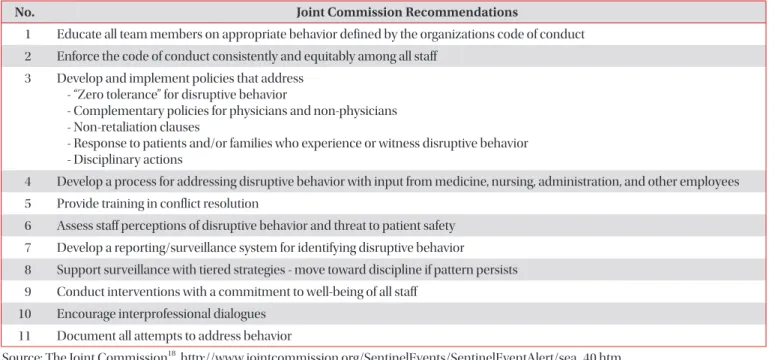
The intensive care unit (ICU) is the most common place to die. Also, ethical conflicts among stakeholders occur frequently in the ICU. Thus, ICU clinicians should be competent in all aspects for ethical decision-making. Major sources of conflicts are behavioral issues, such as verbal abuse or poor communication between physicians and nurses, and end- of-life care issues including a lack of respect for the patient’s autonomy. The ethical conflicts are significantly associated with the job strain and burn-out syndrome of healthcare workers, and consequently, may threaten the quality of care.
To improve the quality of care, handling ethical conflicts properly is emerging as a vital and more comprehensive area.
The ICU physicians themselves need to be more sensitive to behavioral conflicts and enable shared decision making in end-of-life care. At the same time, the institutions and administrators should develop their processes to find and resolve common ethical problems in their ICUs.
Keywords: Ethics; Behavior; Terminal Care; Intensive Care Units
Impact of Ethical Conflicts in the ICU
Today’s health care environment is increasingly complex.
The complexity of technology-driven modern health care, val- ue heterogeneity, individual rights, and the number of choices according to individual values are less conductive to good decision making
1. Despite considerable technologic break- throughs in the provision of intensive care medicine, mortality in the ICU remains high
2and ethical conflicts among stake- holders occur frequently in contemporary health care settings.
These may have negative impacts on healthcare workers, patients, and their families, and lower the quality of intensive care.
In a previous study, over 70% of ICU workers reported per- ceived conflicts, which were often considered severe and were significantly associated with job strain
3. Nurses perceived distressing situations more frequently than physicians did;
additionally, 45% of the registered nurses surveyed reported having left or having considered leaving a position because of moral distress
4. The ICU is one of the places in the hospital where family members suffer. More than two-thirds of family members visiting ICU patients have symptoms of anxiety or depression. In a French study, it was found that 75.5% of fam- ily members and 82.7% of spouses had symptoms of anxiety or depression in a multicenter study including 78 ICUs and 544 family members
5.
Copyright © 2015
The Korean Academy of Tuberculosis and Respiratory Diseases.
All rights reserved.
Introduction
Physicians often experience ethical dilemmas in the clini- cal field. The intensive care unit (ICU) is the most common place of ethical conflicts, and many respiratory physicians face with these conflicts frequently. Recently, the intensive care dedicated system was implemented, and the critical care en- vironment is rapidly changing in Korea. In this paper, we will describe the impact of ethical dilemmas on the quality of care and the role of the ICU physicians with respect to such dilem- mas.
Address for correspondence: Ju-Ock Kim, M.D., Ph.D.
Department of Internal Medicine, Chungnam National University School of Medicine, 266 Munhwa-ro, Jung-gu, Daejeon 301-747, Korea
Phone: 82-42-280-7158, Fax: 82-42-257-5753E-mail: [email protected] Received: Feb. 2, 2015 Revised: Feb. 17, 2015 Accepted: Feb. 23, 2015
cc