• 검색 결과가 없습니다.

The Causes, Prevention, and Management of Gastric Leakage after Laparoscopic Sleeve Gastrectomy: A Review Article JMBS

N/A
N/A
Protected

Academic year: 2021

Share "The Causes, Prevention, and Management of Gastric Leakage after Laparoscopic Sleeve Gastrectomy: A Review Article JMBS"

Copied!
6
0
0

로드 중.... (전체 텍스트 보기)

전체 글

(1)

REVIEW ARTICLE

Received: July 10, 2019, Revised: September 24, 2019, Accepted: September 29, 2019 Corresponding author: Moon-Won Yoo, 88 Olympic-ro 43-gil, Songpa-gu, Seoul 05505, Korea

Department of Gastric Surgery, Asan Medical Center, Ulsan University School of Medicine Tel: +82-2-3010-3484, Fax: +82-2-3010-6701, E-mail: [email protected]

CC

This is an open access article distributed under the terms of the Creative Commons Attribution Non-Commercial License (http://creativecommons.org/licenses/by-nc/4.0) which permits unrestricted non-commercial use, distribution, and reproduction in any medium, provided the original work is properly cited.

The Causes, Prevention, and Management of Gastric Leakage after Laparoscopic Sleeve Gastrectomy: A Review Article

1

Division of Stomach Surgery, Department of Surgery, Asan Medical Center, University of Ulsan College of Medicine, Seoul, Korea,

2

Department of General Surgery, Northern Area Armed Forces Hospital, Hafar Al Batin,

3

Department of General Surgery King Fahad Military Medical Complex, Dhahran,

4

Department of General Surgery, King Saud Medical City, Riyadh, Saudi Arabia

Hussain Alanezi 1,2 , Abdulaziz Alshehri 1,3 , Abdulaziz Alrobiea 4 , Moon-Won Yoo 1

Obesity has been considered a chronic relapsing disease. The increasing number of obese individuals has resulted in an increase in the demand for bariatric surgeries annually. Post-laparoscopic sleeve gastrectomy complications are challenging for both patients and surgeons. Thus, this paper reviews the most common and significant risk factors for leakage occurrence after laparoscopic sleeve gastrectomy and presents new tools, techniques, management options, and recommendations, gathered from newly published articles, for post-laparoscopic sleeve gastrectomy leakage. Causes of post-laparoscopic sleeve gastrectomy leakage include technical factors such as bougie size, transection point, reinforcement materials, and patient co-morbidities as well as ischemic reasons. Ischemic leakage, which is most commonly seen in laparoscopic sleeve gastrectomy, occurs usually after the fourth day, although some leakage may appear earlier within 1-3 days due to technical issues. Use of varied bougie sizes results in similar excess weight loss % at the one-year follow-up.

Buttressing materials also reduce post-laparoscopic sleeve gastrectomy bleeding, but not the leakage rate. Endoscopic stents play a significant role in gastric leakage treatment in post-laparoscopic sleeve gastrectomy patients. Intra-operative or even early postoperative diagnostic tools can help in detecting early leaks, but minor leaks as well as those due to ischemic causes may be missed. In conclusion, laparoscopic sleeve gastrectomy is still one of the most effective bariatric surgeries, exhibiting approximately 70% excess weight loss. Although complications of post-laparoscopic sleeve gastrectomy are severe and may be life-threatening, most patients can be treated conservatively. However, those with persistent fistula require surgical intervention.

Key Words: Bariatric surgery, Gastric fistula, Surgical staplers, Endoscopy, Digestive system, Stents

INTRODUCTION

Obesity has been considered as a chronic relapsing disease [1]. The increasing number of obese individuals has resulted in an increase in the demand for bariatric surgeries annually. Laparoscopic sleeve gastrectomy (LSG) is performed

to re-design and re-size the stomach volume to induce satiety and reduce appetite by fundal ghrelin-producing cell resection [2,3]. The considerable mid-term effectiv- eness of LSG on excess weight loss (EWL) and obesity- related co-morbidities can explain its worldwide success.

A recent bariatric survey reported that 546,368 LSGs have

been performed worldwide, with 171,548 new cases

(2)

reported in 2013, showing an increasing trend by 37% from 2003 to 2013. The review also showed that LSG ranked second as the most widely used technique among other bariatric surgeries worldwide [4]. However, gastric leakage after LSG has been reported, with a mean incidence of 2.1%

(1.1%-5.3%) [5].

Thus, this paper reviewed the most common and significant risk factors for leakage occurrence after LSG and presented the new tools, techniques, management options, and recommendations, gathered from newly published articles, for post-LSG leakage.

DEFINITION OF LEAKAGE

The United Kingdom (UK) Surgical Infection Study Group has proposed a definition of anastomotic leakage as

“the leak of luminal contents from a surgical join among two hollow viscera” [6].

THE INCIDENCE OF GASTRIC LEAKAGE AFTER LSG

In recent years, LSG has become one of the most common and popular surgeries for treating obesity in the United States and Europe. As the patient risk increases, the risk of complication may also increase. Minor surgical complications have a general incidence of 11%, whereas major surgical complications, such as leakage, bleeding, and gastric stenosis, constitute approximately 5% of cases.

The incidence of gastric leakage after LSG is still low, ranging from 1.1% to 5.3%, with a mean incidence of 2.1%

[5]. Although this complication is uncommon, it is still considered as the second most common cause of death in bariatric surgery cases, with an overall mortality rate of 0.4% [7].

CLASSIFICATION OF LEAKAGE

Sarkhosh et al. [8] characterized early, transitional, and late leaks as those occurring at 1-4, 5-9, and at least 10 days post-surgery, respectively. Based on clinical pertinence and data from many publications, they characterized type 1 minor or subclinical leaks as those that are well confined

with no proof of spillage into the pleural or abdominal cavity or systemic clinical appearances that are relatively easily treated medically. Type 2 leaks are defined as those with scattering into the abdominal or pleural cavity or the drains resulting in serious systemic clinical appearances.

Moreover, they also classified leakage according to the clinical and radiological results. Type A leaks are smaller scale apertures without clinical or radiographic proof of leak, whereas type B leaks are those detected radiologically without any clinical finding. Lastly, type C leaks are those showing both radiological and clinical evidence [8].

CAUSES OF LEAKAGE

Gastric leaks can be due to either mechanical or ischemic reasons.

1. Mechanical aspects

Silecchia and Iossa [9] reported that staplers with inappropriate firing and direct traumatic tissue injury are considered as “mechanical and tissular” causes, and the leakage normally occurs at 2 days post-surgery (early leak).

Tissue creeping, stress relaxation, and shearing are modulated by the time factor, as reported by many experts.

Moreover, they found that the optimal technical stapling time is 15 seconds before firing could be performed, thereby, allowing tissue compression and creeping and minimizing the excessive tensile stress [9].

2. Ischemic aspects

Silecchia and Iossa [9] defined ischemic leaks as those occurring at 5 or 6 days postoperatively, and it was discovered that most leaks after LSG occur at the Angle of His. Consequently, most studies on ischemic leaks emphasized the need not to staple all of the tissues near the gastro- esophageal junction (GEJ), keeping in mind the end goal of avoiding ischemic complications associated with the transection of the segmental vascularization in this area.

Moreover, in the universal agreement summit for LSG, 96%

of the panel experts expressed that it is essential to avoid

the gastroesophageal angle for the last stapling [10]. Some

authors have suggested a safety margin of 1-2 cm near the

gastroesophageal point, wherein excessive stapling is

(3)

Fig. 2. Abdominal CT shown contrast leakage outside stapler line.

Fig. 1. Fluoroscopic test shown gastric leakage at stapler line of proximal sleeved gastric wall.

avoided, to reduce the incidence of leakage occurrence [11].

DIAGNOSIS

1. Signs and symptoms

The clinical presentation of gastric leakage could vary in each patient. It may be totally asymptomatic (only detected through a radiological examination) or symptomatic ac- companied with peritonitis, septic shock, multiorgan failure, and death in some cases.

Burgos et al. reported 7 cases of leakage in 214 patients (3.3%), with 5 patients presenting with abdominal pain, fever, tachycardia, tachypnea, and increased laboratory markers of inflammatory processes. Sustained tachycardia is the initial clinical sign observed in the majority of cases with early leakage [12]. Casella et al. [13] reported a 3%

incidence of leakage in 200 patients. In general, the symptoms of gastric leakage include abdominal pain, vomiting, and fever. Only one patient in their study was asymptomatic.

2. Methylene blue test

The methylene blue test is an intraoperative method used to identify leaks that require immediate repair. Most authors have reported the use of this test, although the drain is sometimes removed before the fistula has been

diagnosed. This diagnostic method can be useful only when the result is positive, since a negative finding does not exclude the possibility of a fistula [13,14].

3. Gastrointestinal transit test

This fluoroscopic test is a radiological method that detects the failures in LSG, including suture line leaks (Fig.

1), abnormal and delayed gastric emptying, presence of stenosis or total obstruction, or large gastric residue.

Although there is no consensus on the perfect time to conduct the test, some authors perform it on the first postoperative day, whereas others usually perform it on the third postoperative day. The test being performed within 3 days postoperatively could give rise to a false sense of security, since the leakage mostly appears at 3 days postoperatively [15].

4. Computerized axial tomography (CAT)

The abdominal CAT should be performed with intravenous and oral contrast. CAT has a high sensitivity for detecting postoperative complications and for obtaining functional mapping of the postoperative anatomy.

The usual signs and findings suggestive of leakage are as

follows: extravasation of contrast through the sleeved

gastric wall; fluid collection around the stomach; free intra-

abdominal liquid; presence of the oral contrast material in

the drainage tube; and presence of pneumoperitoneum

(4)

Fig. 4. A longitudinal resection of the stomach against the bougie

tube. Fig. 5. A stapler applied around 1 cm from the angle of His.

Fig. 3. An intraoperative photo showing the first stapler with a black cartridge applied around 5 cm from the pylorus.

Fig. 3. An intraoperative photo showing the first stapler with a black cartridge applied around 5 cm from the pylorus.

(Fig. 2) [14,16].

STEPS FOR MINIMIZING THE OCCURRENCE OF POST-LSG LEAKAGE

Many studies conclude that different techniques may play an important role in the possibility of decreasing post-LSG leakage. These techniques are as follows: use a bougie size of ≥40 Fr; begin the gastric transection 5-6 cm from the pylorus ; use suitable cartridge colors from the antrum to the fundus; reinforce the staple line with a buttress material; follow a proper staple line; remove the crotch staples; preserve proper traction on the stomach before firing; stay away from the Angle Of His by at least 1 cm; check the bleeding from the staple line; and perform an intraoperative methylene blue test [17-19]. A suitable cartridge height is required, as advised by expert bariatric surgeons, to minimize the risk of leakage. The procedure initially begins with 2 stapler firing with a black cartridge,

then the stapler height may be shortened according to the stomach wall thickness with a green or a gold cartridge until the angle of His is reached (Fig. 3-5) [20].

In the literature review about the role of omental wrapping and omentopexy in preventing leakage in LSG, the omental wrap showed some roles in reducing leakage in gastrojejunal anastomosis Roux-en-Y [21], although there is no supportive data in laparoscopic sleeve gastr- ectomy leak prevention, apart from the fixation of the tubal stomach to stabilize the stomach axial twist and volvulus narrowing [22]. However, some studies showed that the omentopexy has no significant advantages regarding food intolerance and gastrointestinal symptoms compared to conventional LSG, and may even require administration of more ondansetron due to nausea and vomiting [23].

MANAGEMENT OF POST-LSG LEAKAGE

The management of post-LSG leakage is very challenging for medical professionals, and the success depends on multiple factors. It may be possible to stabilize the patients’

condition and control the fistula, but managing the leakage may be difficult, especially leaks located at the GEJ.

Moreover, the management of leakage depends on the

patients’ condition. Hemodynamically unstable patients

who cannot be managed with conservative treatment will

require surgical intervention. In case of early leaks (<3

days) with secured and localized leakage location and with

the presence of inflammatory process, primary repair is

still an option, although there is a possibility of recurrence

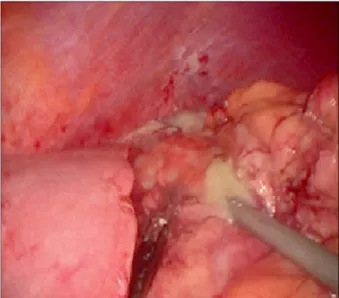
(Fig. 6) [12]. In a patient with signs of late leakage, presence

(5)

Fig. 6. Intra-operative collection around leak site.

of severe inflammatory process, and abscess collection in the area, washout and drain placement is the best management option (Fig. 6). Finally, in a stable patient with long-standing fistula post-LSG, conservative treatment is still a good option. However, drain placement is performed for the presence of abscess collection, and endoscopic stents are used in some cases with administration of total parenteral nutrition, high doses of proton pump inhibitors, and antibiotics as early as possible.

In recent years, most studies recommend the use of flexible-coated stents as a second management procedure [24]. However, weekly fluoroscopic tests are required for this type of management to confirm that no stent migration has occurred and to check the stent’s position.

ENDOSCOPIC STENT

Medical stents are used to provide a barrier to prevent the endoluminal bacteria and acidic enteric content from passing to the disrupted anastomotic site. This intraluminal tool also maintains the patency of the anastomotic site and prevents contraction and subsequent stenosis. The success rate of using stents for managing acute anastomotic leakage is 80%-94%. Complete management of leakage occurs in 41 to 96 days. In a recent international expert panel consensus involving 24 centers and more than 12,000 patients who underwent LSG, 93% of the responders

recommended the use of stents for acute proximal leaks as a valid treatment option [10]. The optimal time to remove the stent is around 6-8 weeks, but the stent should be removed carefully from the mucosal surface to prevent the development of some complications, such as a mucosal tear, bleeding, and possibility of perforation.

The most commonly used stents in general are as follows:

covered self-expanding metal stents, partially covered self-expanding metal stents, and covered self-expanding plastic stents. However, in the review of literatures, the most commonly used stents in the management of leakage after LSG are partially covered metallic stents (Wallstent TM ), which were shown to be at a high risk for migration due to its shorter length. and long fully covered stents (Megastent TM , Hanarostent TM ), which mostly resist migration and passing of the incisura angularis with a given length of up to 230 mm and diameter of up to 28 mm and full silicone cover, allowing easier stent extraction, thereby resulting in less ulcerations and hemorrhagic events [25]. Stent tolerance varies per patient. Symptoms and signs also vary in terms of severity between patients. Nausea, vomiting, drooling, early satiety, and retrosternal discomfort are the most commonly seen side effects; however, they usually tend to disappear after a few days.

CONCLUSION

LSG is a safe and effective weight-loss operation with a mean EWL of 70%. Using a bougie size of ≥40 Fr may decrease the leakage incidence without significantly impacting weight loss. Buttressing (a bioabsorbable material is the most commonly used type) reduces staple line bleeding but does not seem to impact leakage rate.

Different approaches to treatment are currently available

that mainly depend on the state of the patient, although

most authors support a conservative strategy. In a recent

international expert panel consensus, the use of a stent for

managing acute proximal leakage was established as a valid

treatment option. Diagnostic and therapeutic endoscopy

should be considered a first-line tool in stable patients with

perioperative complications, such as anastomotic/staple

line leaks and bleeding.

(6)

CONFLICT OF INTEREST

The authors have nothing to disclose.

REFERENCES

1. Bray GA, Kim KK, Wilding JPH; World Obesity Federation.

Obesity: a chronic relapsing progressive disease process. a posi- tion statement of the World Obesity Federation. Obes Rev 2017;18:715-23.

2. ASMBS Clinical Issues Committee. Updated position statement on sleeve gastrectomy as a bariatric procedure. Surg Obes Relat Dis 2012;8:e21-6.

3. Hoyuela C. Five-year outcomes of laparoscopic sleeve gas- trectomy as a primary procedure for morbid obesity: a pro- spective study. World J Gastrointest Surg 2017;9:109-17.

4. Angrisani L, Santonicola A, Iovino P, Formisano G, Buchwald H, Scopinaro N. Bariatric surgery worldwide 2013. Obes Surg 2015;25:1822-32.

5. Gagner M, Buchwald JN. Comparison of laparoscopic sleeve gas- trectomy leak rates in four staple-line reinforcement options: a systematic review. Surg Obes Relat Dis 2014;10:713-23.

6. Abou Rached A, Basile M, El Masri H. Gastric leaks post sleeve gas- trectomy: review of its prevention and management. World J Gastroenterol 2014;20:13904-10.

7. Jurowich C, Thalheimer A, Seyfried F, et al. Gastric leakage after sleeve gastrectomy-clinical presentation and therapeutic options. Langenbecks Arch Surg 2011;396:981-7.

8. Sarkhosh K, Birch DW, Sharma A, Karmali S. Complications asso- ciated with laparoscopic sleeve gastrectomy for morbid obesity: a surgeon’s guide. Can J Surg 2013;56:347-52.

9. Silecchia G, Iossa A. Complications of staple line and anastomoses following laparoscopic bariatric surgery. Ann Gastroenterol 2018;31:56-64.

10. Rosenthal RJ; International Sleeve Gastrectomy Expert Panel.

International sleeve gastrectomy expert panel consensus state- ment: best practice guidelines based on experience of >12,000 cases. Surg Obes Relat Dis 2012;8:8-19.

11. Bellanger DE, Greenway FL. Laparoscopic sleeve gastrectomy, 529 cases without a leak: short-term results and technical considerations. Obes Surg 2011;21:146-50.

12. Burgos AM, Braghetto I, Csendes A, et al. Gastric leak after laparo- scopic-sleeve gastrectomy for obesity. Obes Surg 2009;19:

1672-7.

13. Casella G, Soricelli E, Rizzello M, et al. Nonsurgical treatment of

staple line leaks after laparoscopic sleeve gastrectomy. Obes Surg 2009;19:821-6.

14. Souto-Rodríguez R, Alvarez-Sánchez MV. Endoluminal solutions to bariatric surgery complications: a review with a focus on tech- nical aspects and results. World J Gastrointest Endosc 2017;9:105-26.

15. Carucci LR, Turner MA, Conklin RC, DeMaria EJ, Kellum JM, Sugerman HJ. Roux-en-Y gastric bypass surgery for morbid obe- sity: evaluation of postoperative extraluminal leaks with upper gastrointestinal series. Radiology 2006;238:119-27.

16. Mizrahi I, Tabak A, Grinbaum R, et al. The utility of routine post- operative upper gastrointestinal swallow studies following lapa- roscopic sleeve gastrectomy. Obes Surg 2014;24:1415-9.

17. Dapri G, Cadière GB, Himpens J. Reinforcing the staple line dur- ing laparoscopic sleeve gastrectomy: prospective randomized clinical study comparing three different techniques. Obes Surg 2010;20:462-7.

18. Gentileschi P, Camperchioli I, D'Ugo S, Benavoli D, Gaspari AL.

Staple-line reinforcement during laparoscopic sleeve gas- trectomy using three different techniques: a randomized trial.

Surg Endosc 2012;26:2623-9.

19. Choi YY, Bae J, Hur KY, Choi D, Kim YJ. Reinforcing the staple line during laparoscopic sleeve gastrectomy: does it have advan- tages? a meta-analysis. Obes Surg 2012;22:1206-13.

20. Saber AA, Jackson O. Omental wrap: a simple technique for re- inforcement of the gastrojejunostomy during Roux-en-Y gastric bypass. Obes Surg 2007;17:15-8.

21. Gagner M. Masters program bariatric pathway: laparoscopic sleeve gastrectomy. In: Reavis K, Barrett A, Kroh M; Society of American Gastrointestinal Endoscopic Surgeons, SAGES Masters Program, eds. The SAGES manual of bariatric surgery. 2nd ed.

Cham: Springer, 2018:21-31.

22. Arslan E, Banli O, Sipahi M, Yagci G. Effects and results of omento- pexy during laparoscopic sleeve gastrectomy. Surg Laparosc Endosc Percutan Tech 2018;28:174-7.

23. Afaneh C, Costa R, Pomp A, Dakin G. A prospective randomized controlled trial assessing the efficacy of omentopexy during lapa- roscopic sleeve gastrectomy in reducing postoperative gastro- intestinal symptoms. Surg Endosc 2015;29:41-7.

24. Márquez MF, Ayza MF, Lozano RB, Morales Mdel M, Díez JM, Poujoulet RB. Gastric leak after laparoscopic sleeve gastrectomy.

Obes Surg 2010;20:1306-11.

25. Garofalo F, Noreau-Nguyen M, Denis R, Atlas H, Garneau P,

Pescarus R. Evolution of endoscopic treatment of sleeve gas-

trectomy leaks: from partially covered to long, fully covered

stents. Surg Obes Relat Dis 2017;13:925-32.

수치

Fig.  1.  Fluoroscopic  test  shown  gastric  leakage  at  stapler  line  of proximal  sleeved  gastric  wall.
Fig.  3.  An  intraoperative  photo  showing  the  first  stapler  with  a  black  cartridge  applied  around  5  cm  from  the  pylorus.
Fig.  6.  Intra-operative  collection  around  leak  site.

참조

관련 문서

Safety and feasibility of laparoscopic sleeve gastrectomy with loop duodenojejunal bypass for obesity Amar Vennapusa1, Ramakanth Bhargav Panchangam2, Charita Kesara1, Nazneen

In conclusion, as a treatment for repeated leaks after sleeve gastrectomy, in the case of contained abscess with matured septum, endoscopic septotomy is considered to

The data of all patients diagnosed with GC who underwent laparoscopic gastrectomy with R-Y or B-II with Braun reconstruction between January 2013 and December 2018 at Sir Run Run

Laparoscopic gastrectomy for cancer has some significant postoperative benefits over open surgery with similar oncologic outcomes. This procedure is more popular in the Far

We report a successful treatment case through LA-ERCP in patient with bile leakage after laparoscopic common bile duct (CBD) exploration because of the patient’s limited degree

Purpose: The aim of this study was the compare the midterm outcomes of laparoscopic greater curvature plication (LGCP) and laparoscopic sleeve gastrectomy (LSG) in obese patients

This study aimed to compare the clinical outcomes of laparoscopic adjustable gastric banding (LAGB), Roux-en-Y gastric bypass (RYGB), and sleeve gastrectomy (SG) for treating