논문접수일: 2011.11.29, 수정완료일: 2011.12.12, 게재승인일: 2011.12.12 교신저자: 김문재
주소: 인천광역시 중구 신흥동 3가 인하대학병원 신장–고혈압 내과 Tel: 032) 890–2538, Fax: 032) 882–6578
E-mail: [email protected]
신기능 저하가 있는 노인환자에서 고혈압의 치료: 혈압목표의 설정과 약제선택에 대한 최근의 쟁점들을 중심으로
김 문 재
인하대학교 의학전문대학원 내과학교실 신장–고혈압 내과
Current Controversies over the Management of Elderly Hypertension with Impaired Renal Function
Moon–Jae Kim, MD
Division of Nephrology and Hypertension, Department of Internal Medicine, Inha University School of Medicine, Incheon, Korea
❙ABSTRACT❙
Both hypertension and aging impact renal function. Elderly patients are more likely to have chronic kidney disease (CKD), usually defined by estimated glomerular filtration rate 60 mL/min/1.73 m2. Multiple studies over the past two decades have shown that CKD is a powerful cardiovascular disease (CVD) risk factor. Reduced kidney function in elderly people is a marker for adverse outcomes. The major goals of lowering blood pressure (BP) in patients with CKD include reduction of mortality, CVD events and slowing progression. Main considerations in the management of hypertension include selection of a target BP and selection of agents used to attain the chosen target. Current clinical practice guidelines for BP targets and choice of anti–
hypertensive agents in elderly patients with CKD are not specific. Older patients with CKD might experience increased mortality and hospitalizations in association with lower baseline BP values. This review outlines controversies in applying current guidelines for the management of BP to older patients with CKD. Because of the high burden of other comorbidities in older patients with CKD, strict adherence to guidelines for the management of hypertension may not always represent the most adequate approach. (J Korean Soc Hypertens 2011;17(4):148-155)
Key Words: Elderly hypertension; Chronic kidney disease; Blood pressure target
서 론
과거 20년 동안 심혈관–신장 질환의 대표적인 임상
연구들을 통하여 만성신장 질환(chronic kidney disease, CKD)은 심혈관 질환(cardiovascular disease) 발생의 매 우 중요한 위험인자임이 밝혀졌다. 신기능 저하를 보이 는 신장 질환 환자들에서는 대부분 고혈압이 동반되어 있다. 고혈압과 노화는 모두 신장기능에 영향을 미친 다. 정상인에서 신장기능은 40세부터 매년 대략 1%씩 감소하며 노년기에는 좀더 가속화된다. 따라서 노인환
Stage Description eGFR mL/min/1.73 m2
Typical Scr
Consequences Actions required
0 Patients↑at risk >90 with risk factors N None Screening risk reduction 1 Kidney damage with
normal or↑GFR
>90 N None Diagnosis and treatment of comorbid
conditions, slow progression of CKD risk 2 Kidney damage with
mild↓GFR
60–89 1.5–2 Hypertension 2°HPTH Treatment hypertension (<130/80 mm Hg), estimate progression, start PO4 restriction
3 Moderate↓GFR 30–59 2–4 Hypertension 2°HPTH
anemia
Restrict Na & K modest protein restriction, evaluation & treatment complications
4 Severe↓GFR 15–29 5–8 Above plus salt & water
retention
Prepare for RRT
5 ESRD <10–14 >10 Above plus pulm edema
↑K acidosis
Start of RRT to sustain life
NKF, National Kidney Foundation; K/DOQI, Kidney Disease Outcomes Quality Initiative; CKD, chronic kidney disease; GFR, glomerular filtration rate; Scr, serum creatinine; N, normal; ESRD, end–stage renal disease; HPTH, hyperparathyroidism; PO4, phosphate; RRT, renal replacement therapy.
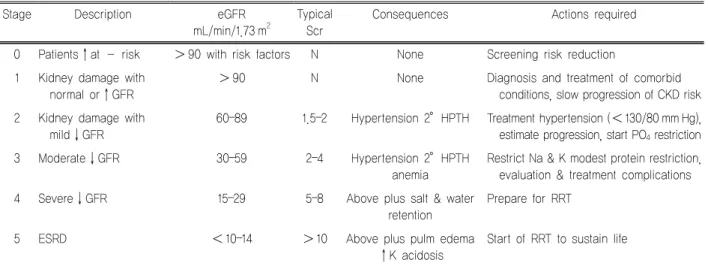
Table 1. NKF K/DOQI 2002. Classification of the severity of CKD
자들은 연령이 증가할수록 이들의 영향으로 신장기능 의 지표가 되는 소위, 예측사구체여과율(estimated glo- merular filtration rate, eGFR)이 60 mL/min/1.73 m2 이하 로 신기능이 저하되어서 CKD 환자로 분류되는 비율이 증가하게 된다. 미국의 최근 보고에 의하면 전체 인구 의 11–14%에서 CKD가 있으며, 65세 이상의 노인층에 서는 그 비율이 75%까지 급증하게 되는 것으로 조사 되었다.1,2)
이들 환자들의 혈압을 낮추려는 주된 목적은 사망률과 심혈관계 합병증의 발생을 감소시키는 것과 신기능 저하 의 진행을 늦추는 데 있다. 따라서 고혈압 치료에 있어서 주로 고려해야 하는 것 중에는 목표혈압치를 정하는 것 과 그 목표에 도달하는 데에 사용할 약제를 결정하는 것 이다. 신기능이 저하된 65세 이상의 노인환자에서의 고 혈압 치료에 대해서는 아직도 많은 논란들이 남아 있는 상황이다.3,4)
본 종설에서는 최근 10여년 사이에 소개되어 왔던 고혈 압 학계와 신장 학계에서 제정된 여러 고혈압 관리 임상 지침들에서 CKD 일반 연령층 환자들에 대한 고혈압 치 료를 중심으로 살펴보고 신기능 저하를 보이는 노인 CKD 환자들의 적절한 혈압목표의 설정과 약제선택에 대 한 최근의 쟁점들을 살펴보기로 한다.
CKD에서 목표혈압
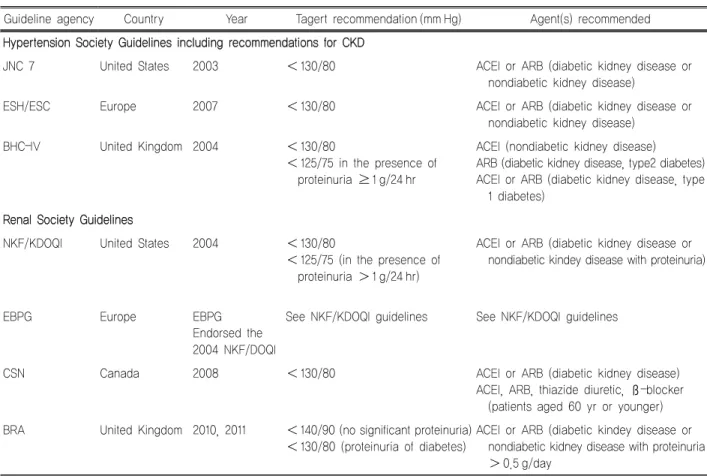
2000년 이후에 발표되고 있는 많은 임상지침서들에서 CKD 환자들은 일반 본태성 고혈압의 목표치 140/90 mm Hg보다 더 낮게 혈압을 유지할 것을 권고하고 있다. 예를 들어, 미국 신장재단(National Kidney Foundation, NKF) 의 신장질환 지침서(Kidney Disease Outcomes Quality Initiative, K/DOQI)5)에서는 모든 CKD 환자, 즉 신기능 의 기본지표인 eGFR이 60 mL/min/1.73 m2 이하이거나 신장 손상을 의미하는 미세알부민뇨나 단백뇨를 가진 당 뇨병 환자들에서는 목표혈압 130/80 mm Hg 미만으로 유 지할 것을 권고하였다(Table 1). 이에 따라서 2003년에 발 표된 고혈압 치료의 대표적인 임상지침인 Joint National Committee on Prevention, Detection, Evaluation, and Treatment of High Blood Pressure (JNC7)에서도 NKF의 K/DOQI에 의거하여 eGFR 60 mL/min/1.73 m2 이하로 신 기능이 저하되거나 요단백/크레아티닌 비가 200 mg/g 이 상의 단백뇨를 갖는 CKD 환자들에서는 목표혈압을 130/80 mm Hg 미만으로 설정하고 있다.6) 또한 미국당뇨병학회 (American Diabetes Association)에서도 모든 당뇨환자들 에게 목표혈압 130/80 mm Hg을 권유하고 있다. 2007년 발표된 유럽고혈압학회–유럽심장학회(European Society of
Guideline agency Country Year Tagert recommendation (mm Hg) Agent(s) recommended Hypertension Society Guidelines including recommendations for CKD
JNC 7 United States 2003 <130/80 ACEI or ARB (diabetic kidney disease or
nondiabetic kidney disease)
ESH/ESC Europe 2007 <130/80 ACEI or ARB (diabetic kidney disease or
nondiabetic kidney disease)
BHC–IV United Kingdom 2004 <130/80
<125/75 in the presence of proteinuria ≥1 g/24 hr
ACEI (nondiabetic kidney disease) ARB (diabetic kidney disease, type2 diabetes) ACEI or ARB (diabetic kidney disease, type
1 diabetes) Renal Society Guidelines
NKF/KDOQI United States 2004 <130/80
<125/75 (in the presence of proteinuria >1 g/24 hr)
ACEI or ARB (diabetic kidney disease or nondiabetic kindey disease with proteinuria)
EBPG Europe EBPG
Endorsed the 2004 NKF/DOQI
See NKF/KDOQI guidelines See NKF/KDOQI guidelines
CSN Canada 2008 <130/80 ACEI or ARB (diabetic kidney disease)
ACEI, ARB, thiazide diuretic, ß–blocker (patients aged 60 yr or younger) BRA United Kingdom 2010, 2011 <140/90 (no significant proteinuria)
<130/80 (proteinuria of diabetes)
ACEI or ARB (diabetic kindey disease or nondiabetic kidney disease with proteinuria
>0.5 g/day
BP, blood pressure; CKD, chronic kidney disease; JNC 7, Joint National Committee on Prevention, Detection, Evaluation, and Treatment of High Blood Pressure; ACEI, angiotensin–converting enzyme inhibitor; ARB, angiotensin receptor blocker; ESH/ESC, European Society of Hyper–tension/European Society of Cardiology; BHC–IV, British Hypertension Society; NKF/KDOQI, National Kidney Foundation Disease Outcomes Quality Initiative; EBPG, European Best Practice Guideline; CSN, Canadian Society of Nephrology; BRA, British Renal Association.
Table 2. Published guidelines on BP targets in patients with non–dialysis CKD (stages 1–4)
Hypertension–European Society of Cardiology) 지침에서 도 CKD 환자에서는 130/80 mm Hg 미만으로 유지하도록 하고 있으며, 더욱이 단백뇨 1 g/day 이상 동반되어 있을 경우에는 125/75 mm Hg까지 낮추도록 제시하고 있다.7) 이와 같이 세계 고혈압 학계나 신장 학계의 여러 임상지 침서들이 특별히 연령층을 구분하지 않고 CKD 환자들에 게 일반인의 목표혈압(140/90 mm Hg)보다 낮은 혈압목 표치를 일치되게 권고하고 있다. 그러나 이들 지침서들에 서는 CKD 환자에 대한 혈압관리 기준들은 무작위 임상 시험의 객관적인 결과에 기반을 두었다기보다는 일부 전 문가들의 의견에 의존하여 제정되었을 뿐이다. 일반인들 의 목표혈압보다도 낮은 혈압(130/80 mm Hg)이 CKD의 진행을 늦추거나 다른 임상적으로 중요한 수치들을 감소 시켰다는 보고는 거의 없다.3,4) 또한 아직까지 일반인들의
혈압목표보다 더 낮게 유지하는 것이 오히려 CKD를 악 화시킨다는 뚜렷한 증거도 없는 상황이다(Table 2).
노년층의 혈압목표
노년층 CKD 환자들에게 이러한 임상지침들을 적용하 는데 있어서 유념해야 될 사항은 일반인의 혈압보다 낮은 목표혈압 설정의 안전성을 연구한 그동안의 어떠한 임상 시험도 실제로는 65세 이상의 노인환자를 포함시키지 않 았다는 사실이다. 따라서 CKD 노인환자들에서 일반적인 혈압(140/90 mm Hg)보다 낮게 치료하는 것에 대한 안전 성은 아직까지는 잘 알려져 있지 않다. 더욱이 85세 이상 의 초고령 환자들을 대상으로 한 심혈관계 관측연구들에 서는 혈압과 생존율 사이에 J–curve 현상이 오히려 존재
하고 있으며 최적의 혈압은 젊은 사람들보다 더 높은 것 으로 나타났다. 많은 연구들에서 노인층의 혈압도 치료하 는 것이 신장병 이외의 심혈관 질환에는 여러 가지의 이 득이 있는 것으로 나타났으나, 이러한 연구들에서 실제로 는 일반적인 혈압목표와 같거나 오히려 약간 높은 목표혈 압을 설정한 경향들이 있었다.8,9)
노인에게 일반적 목표혈압보다 낮은 혈압을 설정할 때 는 낮은 혈압 유지에 따른 다른 잠재적인 위험뿐 아니라 CKD의 진행을 늦추고 심혈관계 위험을 줄이는 것과 같은 혈압 치료의 목표의 중요성을 평가하는 것이 중요하다. 여 러 이유 때문에 CKD를 갖고 있는 노인환자들에 있어서는 혈압 강하의 위험 대비 이익의 비율이 젊은 환자들과는 다를 것이다. 그 이유들은 대략 다음과 같이 정리된다.
첫 번째 이유로, 고령에서 CKD는 서서히 완만하게 진 행하거나 종종 진행하지 않기도 하며 비슷한 수준의 신기 능을 가진 젊은 환자보다 말기 신부전 상태로 진행할 위 험이 비교적 낮기 때문이다. 따라서 처음부터 신장 질환 의 진행 속도가 느리다면, 병을 서서히 진행시키도록 하 는 치료에 따른 이득은 적을 것이다. 노년층에서 무증상 으로 우연히 발견되는 낮은 eGFR을 보이는 경우 과연 진 정한 환자의 낮은 신기능 상태를 표시하는 것인지에 대한 문제도 아직 확립되지 않고 있다. CKD를 갖고 있는 대부 분의 노인환자에서 경미한 신기능 감소를 보이는 경우가 많다. 이런 환자의 대다수는 정상적인 eGFR를 보이는 같 은 연령층에 비해서 상대적으로나 절대적으로 사망률이 결코 높지 않다. 낮은 eGFR을 가진 노인환자에 있어 같 은 연령대의 정상 eGFR을 가진 노인보다 사망의 위험도가 높다는 것도 역시 명확하지 않다. 그러므로, 60 mL/min/1.73
m2 이하의 eGFR를 가진 신기능 저하를 보이는 노인환 자에 있어서 일반인의 혈압목표 140/90 mm Hg보다 더 낮게 혈압을 조절하는 것이 위험도를 더 낮출 수 있다고 는 할 수 없다.10,11)
두 번째 이유로는, 낮은 eGFR를 보이는 신기능 저하 노 인환자에서 CKD의 진행을 늦추는 것만이 고혈압 치료의 가장 중요한 목적이라고도 할 수 없다.9,12) 이들에서는 심 혈관계 질환, 신체적 운동장애, 인지장애 같은 신장 이외
의 다른 합병증 발생 위험이 말기신부전의 발생 위험보다 훨씬 높기 때문이다. 또한 노인층에서는 이와 같은 다른 합병증 없이 CKD만이 단독적으로 발병하지는 않기 때문 이다. 한편, 다른 합병증의 병발은 CKD의 치료의 방향과 상충되거나 경쟁하기 때문에 CKD의 관리를 더 어렵게 하기도 한다.13)
세 번째 이유로, 노인층에서는 혈압 하강에 따른 잠재 적 위해가 더 클 수도 있다. 대부분의 CKD를 가진 노인 환자는 고립성 수축기 고혈압을 가지고 있다. 따라서 이 론적으로 수축기 고혈압을 치료하지만 이완기 혈압까지 적정 수준 이하로 낮추는 효과가 있어 오히려 이완기의 순환장애를 일으킬 수도 있다. 기립성 저혈압 역시 노인 환자에서 더 흔하게 발생하며 고혈압 치료에 의해 악화될 수도 있다. 노인환자 중 특히 연약한 경우에는 저혈압 발 생에 의한 각종 순환장애와 신체적 손상을 당하기 쉽다.
요약하면 신기능 저하를 보이는 고령의 CKD 환자에 있어서 통상적인 일반인의 혈압 조절 목표 140/90 mm Hg보다 더 낮게 목표를 정할 것인가를 결정하기 위해서 는 같은 연령군의 환자들과 비교하여 환자 개개인 신기능 의 점진적인 악화 가능성과 다른 합병증들의 동반 여부와 혈압조절에 따른 부작용 등을 고려해야 할 것이다.
혈압 약제의 선택
일부의 혈압 치료제들은 혈압 강압효과와 더불어 단백 뇨를 감소시키는 작용에 의하여 CKD의 진행을 늦출 수 있다.14) 이러한 이유로 angiotensin converting enzyme in- hibitor (ACEi)와 angiotensin II receptor blocker (ARB)와 같은 renin–angiotensin system (RAS) 차단제들은 앞에서 소개한 많은 임상지침안들에서 CKD 환자에게 제1차 선 택 약제로 권고되고 있다. K/DOQI는 당뇨병성 CKD 환 자와 비당뇨병성 단백뇨 CKD 환자에게 이 약제들을 우 선적으로 처방하도록 권유하고 있으며 심지어 이들 환자 들에서는 고혈압이 없을 경우에도 사용하도록 권하고 있 다.5-7) K/DOQI 지침안과 이 지침에 의거한 여러 임상연 구들에 기초하여 JNC7에서도 신기능 저하와 단백뇨를
Target BP Results Subgroup analysis Age (yr) Mean age (yr) Diabetes
Estacio et al.22) DBP <75 vs. 80–89 No difference in progression
40–74 59.5
UKPDS23) <150/85 vs.
<180/105
No difference in progression
Reduced risk ofmicroalbuminuria at 6 yr 25–65 56.0
Non diabetes
Wright et al.24) MAP 102–107 vs.
≤92 (125/75)
No difference in progression
Trend toward greaterbenefit in patients with proteinuria
18–70 54.6
Klahr et al.25) MAP ≤107 vs. <92 No difference in Progression
Secondary analysis showed greater benefit in patients with greater degrees of proteinuria
18–70 52.0
The MDRD study had different blood pressure targets based on age and required a MAP 107 (equivalent to 140/90) for patients 18 to 60 years of age and MAP 113 for patients 61 years of age (equivalent to 160/90).
CKD, chronic kidney disease; BP, blood pressure; DBP, diastolic blood pressure; MAP, mean arterial pressure; MDRD, Modification of Diet in Renal Disease.
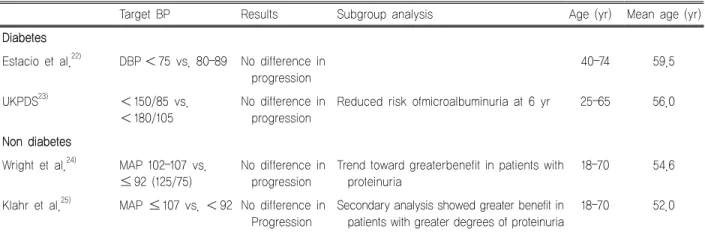
Table 3. Trials examining the effect of blood pressure lowering on progression of CKD
보이는 CKD 환자에서는 1차적으로 ACEi와 ARB를 사 용하도록 강력히 권장하고 있다. 그러나 일부에서는 RAS 차단제가 강압효과는 있을지라도 급성신부전을 자주 발 생시키며 장기적으로 사용시 오히려 신기능 악화를 촉진 시킨다고 주장하고 있다.15) 최근 telmisartan과 ramipril을 사용한 Ongoing Telmisartan Alone and in Combination with Ramipril Global Endpoint Trial (ONTARGET) 연구 에서도 2가지 약제 병합요법 역시 심혈관 질환이나 신장 보호효과가 단독요법보다 더 우수하지 못하고 오히려 신 장기능 저하가 더 빨리 나타나는 것으로 보고되었다.16)
노년층에서 약제의 선택
CKD가 있는 노인환자들에게 이러한 권고안들을 그대 로 적용할 때는 이러한 임상지침서들을 뒷받침하는 연구 들이 70세 이상의 환자들을 포함시키지 않았다는 것을 유의해야 한다.17-19) 그럼에도 불구하고, 단백뇨가 있는 제 2형 당뇨환자들을 대상으로 ARB인 Losartan의 Reduction of Endpoints in NIDDM with the Angiotensin II Antagonist Losartan (RENAAL) 연구에서는 대상환자들 중에서 별도로 65세 이상 집단의 부분분석 결과, Losartan 이 전체 모집단에서와 유사한 노년층에서도 신장기능 보
호를 보였다. 따라서 이 약제가 단백뇨가 있는 노년층에 서도 일반 연령층과 동일하게 효과적일 것이라고 제시하 였다.20) RENAAL 연구처럼 ACEi와 ARB를 사용한 단백 뇨 감소효과에 대한 대부분의 연구들에서 앞서 기술된 임 상지침권고안들의 혈압 기준을 그대로 사용하였다. 그러 나, 아쉽게도 단연코 가장 많은 수의 CKD 노인환자가 포 함되었던 Antihypertensive and Lipid Lowering to Prevent Heart Attack (ALLHAT) 연구에서는 단백뇨에 대해서 특 별히 주목하지 않았다.21) ALLHAT 연구에서는 60 mL/min/
1.73 m2 미만의 eGFR을 가진 신기능 저하 대상자들의 평 균 나이는 70.8세였다. 이 연구에서는 ACEi, thiazide계 이뇨제, 또는 칼슘채널 차단제 복용 여부와 무관하게 모 두 비슷한 수준의 말기신부전의 위험도를 가졌다. 이것은 연구 대상 환자의 전체 집단과 당뇨를 가진 부분집단의 분석에서도 모두 유효했다. 평균 연령 50대 중반의 당뇨 군과 비당뇨군 성인환자를 대상으로 한 몇몇 연구들에서 도 과연 RAS 차단제가 단백뇨 동반 여부에 관계없이 CKD 노인환자에서 신장에 더 강력한 보호효과를 갖는지 의 여부에 대해서는 많은 의문을 제기시켰다(Table 3).
한편으로, 낮은 eGFR을 가진 노인환자의 고혈압 약제 선택에도 비슷한 원칙들이 적용된다.
위에서 언급된 바와 같이 CKD 환자에서 CKD 진행을
늦추는 역량에 기초하여 ACEi나 ARB 사용을 권유하는 것이 가장 환자 중심의 접근법임을 항상 의미하지 않는 다. 신기능 저하를 보이는 노인환자에서 항고혈압 치료의 목표는 많은 경우에 있어서 신장 질환의 진행보다 심혈관 계 합병증, 인지기능 불충분, 신체 운동기능 장애, 그리고 사망률 같은 결과의 위험을 고려하여 결정해야 될 것이 다. 따라서 고혈압 치료의 목표를 변경함에 따라서 항고 혈압제를 선택하는 것도 보다 유연성을 필요로 한다.22-25) ACEi 또는 ARB 사용에 따른 부작용과 같은 잠재적 부 담 또한 다른 약제보다 이들 약제를 처방할지 여부를 결 정할 때 고려되어야 한다. 65세 이후 노인기에 접어들면 노화에 따른 신경화증(nephrosclerosis)으로 인하여 레닌 (plasma renin activity)의 생산기능이 감소되어간다. 이어 서 혈중 알도스테론도 낮아지게 되며 이에 따라서 고칼륨 혈증도 자주 발생하게 된다. 따라서 RAS 차단제와 같은 고혈압 약제를 노인층에 사용하면 그 작용이 젊은 사람들 에 비해서 과도하게 나타날 수도 있다.26,27) ACE 저해제 와 ARB를 노인층의 CKD 환자에게 처방할 때는 급성신 부전과 고칼륨혈증에 대한 신중한 감시가 필요하며, 이들 약제를 처방하거나 용량을 변경한 뒤에는 추가적인 검사 와 잦은 외래 진료를 필요로 한다. 더욱이 CKD 환자에게 이러한 약제를 투여하는 것은 식습관 교정과 혈청 칼륨을 낮추기 위하여 만성적인 이온교환 수지제의 투여를 필요 로 하며, 혈청 칼륨을 상승시킬 수 있는 약제들의 사용을 제한한다(예, spironolactone). 따라서 CKD를 가진 노인환 자에게 CKD 진행을 늦추기 위해 RAS 차단제를 처방할 지 여부를 결정할 때는 단백뇨의 존재 여부, CKD가 명확 하게 진행하고 있는지의 여부, 다른 합병증들의 동반 여 부, 다른 항고혈압제를 우선적으로 사용해야 되는 질환이 있는지 여부를 확인해야 된다. 한편으로는 이들 약제가 특 성상 기본적으로 내재하고 있는 고칼륨혈증과 급성신부전 등과 같은 증상들이 환자들에게 양해될 수 있는지 여부도 고려되어야 한다. 또한 최근 발표된 ONTARGET 연구에 서는 ACE 저해제와 ARB 2가지 약제 병합요법은 심혈관 질환이나 신장보호효과가 단독요법보다 더 우수하지 못하 고 오히려 신장기능 저하가 더 빨리 나타나는 것으로 보
고되었다.16) 따라서 노인환자에서 심한 단백뇨를 보이지 않는 경우에는 2가지 약제 병합요법은 피해야 될 것 같다.
결 론
목표혈압의 설정과 항고혈압 제제의 선택에 대해서 현 재의 여러 임상지침권고안들은 대상환자의 연령을 특별 히 고려하여 제정되지 않았다. CKD를 갖고 있는 노년층 에서는 신장 이외 질환들의 동반 빈도가 높다. 따라서 고 혈압을 치료하는데 있어서 고려해야 될 사항이 복잡하기 때문에 이들 권고안대로 일반 연령의 CKD 환자들에게 적용되는 130/80 mm Hg 기준을 따르는 것이 더 적절하 게 보일 수도 있다. 그러나 신기능 저하를 보이는 노인환 자에서 고혈압을 치료할 때는 연령 차이에 따른 CKD의 완만한 진행과정의 특성과 신장 이외의 심혈관계 합병증 의 높은 부담을 고려해야 한다. 더욱이 RAS 차단제에 의 한 급성신부전이나 고칼륨혈증의 빈도도 노인층에서 높 게 나타난다.
따라서 신기능이 저하된 노년층 환자에서는 고혈압 관 리에 대한 현재의 임상권고안들의 혈압목표(140/90 mm Hg)보다 더 낮게 유지할 필요도 없으며, 약제선택에 있어 서도 우선적으로 RAS 차단제를 선택하는 등의 지침들을 일률적으로 따를 필요는 없을 것 같다.
References
1. Aronow WS, Fleg JL, Pepine CJ, Artinian NT, Bakris G, Brown AS, et al. ACCF/AHA 2011 expert consensus docu- ment on hypertension in the elderly: a report of the American College of Cardiology Foundation Task Force on Clinical Expert Consensus documents developed in col- laboration with the American Academy of Neurology, American Geriatrics Society, American Society for Preventive Cardiology, American Society of Hypertension, American Society of Nephrology, Association of Black Cardiologists, and European Society of Hypertension. J Am Coll Cardiol. 2011;57:2037-114.
2. Kim MJ. Renal disease in the elderly. J Korean Med Assoc.
2004;47:258-67.
3. Stevens LA, Coresh J, Levey AS. CKD in the elderly--old
questions and new challenges: World Kidney Day 2008.
Am J Kidney Dis. 2008;51:353-7.
4. Gentile G, Strippoli GF. Should we shift toward higher blood pressure targets in patients with chronic kidney disease. J Nephrol. 2011;24:673-85.
5. Kidney Disease Outcomes Quality Initiative (K/DOQI).
K/DOQI clinical practice guidelines on hypertension and antihypertensive agents in chronic kidney disease. Am J Kidney Dis. 2004;43:S1-290.
6. Chobanian AV, Bakris GL, Black HR, Cushman WC, Green LA, Izzo JL Jr, et al. The Seventh Report of the Joint National Committee on Prevention, Detection, Evaluation, and Treatment of High Blood Pressure: the JNC 7 report.
JAMA. 2003;289:2560-72.
7. Mancia G, De Backer G, Dominiczak A, Cifkova R, Fagard R, Germano G, et al. 2007 Guidelines for the Management of Arterial Hypertension: The Task Force for the Management of Arterial Hypertension of the European Society of Hypertension (ESH) and of the European Society of Cardiology (ESC). J Hypertens. 2007;25:1105-87.
8. Hemmelgarn BR, Zhang J, Manns BJ, Tonelli M, Larsen E, Ghali WA, et al. Progression of kidney dysfunction in the community-dwelling elderly. Kidney Int. 2006;69:2155-61.
9. O'Hare AM, Choi AI, Bertenthal D, Bacchetti P, Garg AX, Kaufman JS, et al. Age affects outcomes in chronic kidney disease. J Am Soc Nephrol. 2007;18:2758-65.
10. O'Hare AM, Bertenthal D, Covinsky KE, Landefeld CS, Sen S, Mehta K, et al. Mortality risk stratification in chron- ic kidney disease: one size for all ages? J Am Soc Nephrol.
2006;17:846-53.
11. Raymond NT, Zehnder D, Smith SC, Stinson JA, Lehnert H, Higgins RM. Elevated relative mortality risk with mild-to-moderate chronic kidney disease decreases with age. Nephrol Dial Transplant. 2007;22:3214-20.
12. Eriksen BO, Ingebretsen OC. In chronic kidney disease staging the use of the chronicity criterion affects prognosis and the rate of progression. Kidney Int. 2007;72:1242-8.
13. Gullion CM, Keith DS, Nichols GA, Smith DH. Impact of comorbidities on mortality in managed care patients with CKD. Am J Kidney Dis. 2006;48:212-20.
14. Bakris GL. Slowing nephropathy progression: focus on proteinuria reduction. Clin J Am Soc Nephrol. 2008;3 Suppl 1:S3-10.
15. Onuigbo MA. Analytical review of the evidence for re- noprotection by renin-angiotensin-aldosterone system blockade in chronic kidney disease - a call for caution.
Nephron Clin Pract. 2009;113:c63-9.
16. Mann JF, Schmieder RE, McQueen M, Dyal L, Schumacher H, Pogue J, et al. Renal outcomes with telmisartan, ramipril, or both, in people at high vascular risk (the ONTARGET study): a multicentre, randomised, double-blind, controlled trial. Lancet. 2008;372:547-53.
17. Agodoa LY, Appel L, Bakris GL, Beck G, Bourgoignie J, Briggs JP, et al. Effect of ramipril vs amlodipine on renal outcomes in hypertensive nephrosclerosis: a randomized controlled trial. JAMA. 2001;285:2719-28.
18. Lewis EJ, Hunsicker LG, Bain RP, Rohde RD. The effect of angiotensin-converting-enzyme inhibition on diabetic nephropathy. The Collaborative Study Group. N Engl J Med. 1993;329:1456-62.
19. Lewis EJ, Hunsicker LG, Clarke WR, Berl T, Pohl MA, Lewis JB, et al. Renoprotective effect of the angio- tensin-receptor antagonist irbesartan in patients with nephropathy due to type 2 diabetes. N Engl J Med.
2001;345:851-60.
20. Brenner BM, Cooper ME, de Zeeuw D, Keane WF, Mitch WE, Parving HH, et al. Effects of losartan on renal and car- diovascular outcomes in patients with type 2 diabetes and nephropathy. N Engl J Med. 2001;345:861-9.
21. Rahman M, Pressel S, Davis BR, Nwachuku C, Wright JT Jr, Whelton PK, et al. Renal outcomes in high-risk hyper- tensive patients treated with an angiotensin-converting en- zyme inhibitor or a calcium channel blocker vs a diuretic:
a report from the Antihypertensive and Lipid-Lowering Treatment to Prevent Heart Attack Trial (ALLHAT). Arch Intern Med. 2005;165:936-46.
22. Tight blood pressure control and risk of macrovascular and microvascular complications in type 2 diabetes: UKPDS 38. UK Prospective Diabetes Study Group. BMJ.
1998;317:703-13.
23. Estacio RO, Jeffers BW, Hiatt WR, Biggerstaff SL, Gifford N, Schrier RW. The effect of nisoldipine as compared with enalapril on cardiovascular outcomes in patients with non-insulin-dependent diabetes and hypertension. N Engl J Med. 1998;338:645-52.
24. Klahr S, Levey AS, Beck GJ, Caggiula AW, Hunsicker L, Kusek JW, et al. The effects of dietary protein restriction
and blood-pressure control on the progression of chronic renal disease. Modification of Diet in Renal Disease Study Group. N Engl J Med. 1994;330:877-84.
25. Wright JT Jr, Bakris G, Greene T, Agodoa LY, Appel LJ, Charleston J, et al. Effect of blood pressure lowering and antihypertensive drug class on progression of hypertensive kidney disease: results from the AASK trial. JAMA.
2002;288:2421-31.
26. Turnbull F, Neal B, Ninomiya T, Algert C, Arima H, Barzi
F, et al. Effects of different regimens to lower blood pres- sure on major cardiovascular events in older and younger adults: meta-analysis of randomised trials. BMJ. 2008;
336:1121-3.
27. Turgut F, Balogun RA, Abdel-Rahman EM. Renin-angio- tensin-aldosterone system blockade effects on the kidney in the elderly: benefits and limitations. Clin J Am Soc Nephrol. 2010;5:1330-9.