• 검색 결과가 없습니다.

Long-Term Changes in the Distal Aorta after Aortic Arch Replacement in Acute DeBakey Type I Aortic Dissection

N/A
N/A
Protected

Academic year: 2021

Share "Long-Term Changes in the Distal Aorta after Aortic Arch Replacement in Acute DeBakey Type I Aortic Dissection"

Copied!
9
0
0

로드 중.... (전체 텍스트 보기)

전체 글

(1)

ISSN: 2233-601X (Print) ISSN: 2093-6516 (Online)

Received: August 31, 2015, Revised: November 8, 2015, Accepted: November 10, 2015, Published online: August 5, 2016

Corresponding author: Kwangjo Cho, Department of Thoracic and Cardiovascular Surgery, Dong-A University College of Medicine, 32 Daesingongwon-ro, Seo-gu, Busan 49201, Korea

(Tel) 82-51-240-2879 (Fax) 82-51-231-5195 (E-mail) [email protected]

© The Korean Society for Thoracic and Cardiovascular Surgery. 2016. All right reserved.

This is an open access article distributed under the terms of the Creative Commons Attribution Non-Commercial License (http://creativecommons.org/

licenses/by-nc/4.0) which permits unrestricted non-commercial use, distribution, and reproduction in any medium, provided the original work is properly cited.

Long-Term Changes in the Distal Aorta after Aortic Arch Replacement in Acute DeBakey Type I Aortic Dissection

Kwangjo Cho, M.D., Jeahwa Jeong, M.D., Jongyoon Park, M.D., Sungsil Yun, M.D., Jongsu Woo, M.D.

Department of Thoracic and Cardiovascular Surgery, Dong-A University College of Medicine

Background: We analyzed the long-term results of ascending aortic replacement and arch aortic replacement in acute DeBakey type I aortic dissections to measure the differences in the distal aortic changes with ex- tension of the aortic replacement. Methods: We reviewed 142 cases of acute DeBakey type I aortic dis- sections (1996–201 5). Seventy percent of the cases were ascending aortic replacements, and 30% of the cas- es underwent total arch aortic replacement, which includes the aorta from the root to the beginning of the descending aorta with the 3 arch branches. Fourteen percent (20 cases) resulted in surgical mortality and 86% of cases that survived had a mean follow-up period of 6.6±4.6 years. Among these cases, 64% of the patients were followed up with computed tomography (CT) angiograms with the duration of the final CT check period of 4.9±2.9 years. Results: There were 15 cases of reoperation in 13 patients. Of these 15 cases, 13 cases were in the ascending aortic replacement group and 2 cases were in the total arch aortic replace- ment group. Late mortality occurred in 13 cases; 10 cases were in the ascending aortic replacement group and 3 cases were in the total arch aortic replacement group. Eight patients died of a distal aortic problem in the ascending aortic replacement group, and 1 patient died of distal aortic rupture in the total arch aortic replacement group. The follow-up CT angiogram showed that 69.8% of the ascending aortic replacement group and 35.7% of the total arch aortic replacement group developed distal aortic dilatation (p=0.0022).

Conclusion: The total arch aortic replacement procedure developed fewer distal remnant aortic problems from dilatation than the ascending aortic replacement procedure in acute type I aortic dissections.

Key words: 1. Aortic dissection 2. Surgery

3. Complication 4. Recurrence 5. Replacement

Introduction

Acute DeBakey type I aortic dissection is a surgical disease. When patients are fortunate to survive the surgical procedure, they should undergo frequent fol- low-up, because the remnant segment of the dis-

sected aorta may develop aneurysmal dilatation.

Today the aortic arch replacement can be safely per-

formed in acute aortic dissection due to the advance

of surgical techniques such as the antegrade cerebral

perfusion technique and the use of artificial graft

materials. To determine the superiority of an arch

http://dx.doi.org/10.5090/kjtcs.2016.49.4.264

(2)

Fig. 1. Annual trends in the performance of ascending aortic re- placement and arch aortic replacement. Arch, aortic arch repla- cement; Asc, ascending aortic replacement.

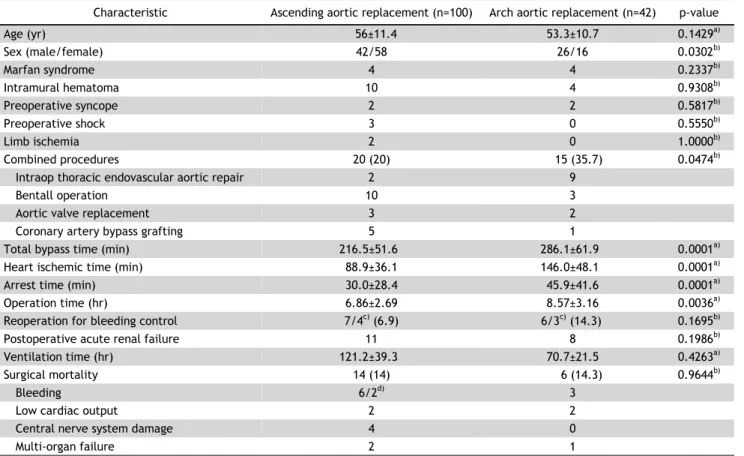
Table 1. Patients demographics and operation data by procedure

Characteristic Ascending aortic replacement (n=100) Arch aortic replacement (n=42) p-value

Age (yr) 56±11.4 53.3±10.7 0.1429

a)

Sex (male/female) 42/58 26/16 0.0302

b)

Marfan syndrome 4 4 0.2337

b)

Intramural hematoma 10 4 0.9308

b)

Preoperative syncope 2 2 0.5817

b)

Preoperative shock 3 0 0.5550

b)

Limb ischemia 2 0 1.0000

b)

Combined procedures 20 (20) 15 (35.7) 0.0474

b)

Intraop thoracic endovascular aortic repair 2 9

Bentall operation 10 3

Aortic valve replacement 3 2

Coronary artery bypass grafting 5 1

Total bypass time (min) 216.5±51.6 286.1±61.9 0.0001

a)

Heart ischemic time (min) 88.9±36.1 146.0±48.1 0.0001

a)

Arrest time (min) 30.0±28.4 45.9±41.6 0.0001

a)

Operation time (hr) 6.86±2.69 8.57±3.16 0.0036

a)

Reoperation for bleeding control 7/4

c)

(6.9) 6/3

c)

(14.3) 0.1695

b)

Postoperative acute renal failure 11 8 0.1986

b)

Ventilation time (hr) 121.2±39.3 70.7±21.5 0.4263

a)

Surgical mortality 14 (14) 6 (14.3) 0.9644

b)

Bleeding 6/2

d)

3

Low cardiac output 2 2

Central nerve system damage 4 0

Multi-organ failure 2 1

Values are presented as mean±standard deviation, number, or number (%).

a)

By t-test.

b)

By χ

2

-test.

c)

Cases of death.

d)

Early anastomotic rupture.

replacement in prevention of long-term postoperative distal aortic aneurysms, we researched the distal aortic status after total aortic arch replacement in

acute DeBakey type I aortic dissections and com- pared the results to that of the ascending aortic re- placement group.

Methods

Between January 1996 and March 2015, 142 pa- tients of with acute DeBakey type I aortic dissection were treated surgically at Dong-A University Hospital.

Seventy percent of the cases (100 patients) under-

went ascending aortic replacements (include 13 hem-

iarch replacement cases and 1 innominate artery by-

pass case), while the remaining 30% of the cases (42

patients) underwent total aortic arch replacements,

which includes the aorta from the root to the begin-

ning of the descending aorta with the 3 arch branch-

es (Table 1). The arch replacement technique was

changed during that period. Prior to the year 2010,

21% of the cases (30 patients) were performed with

the arch-first technique under deep hypothermic cir-

(3)

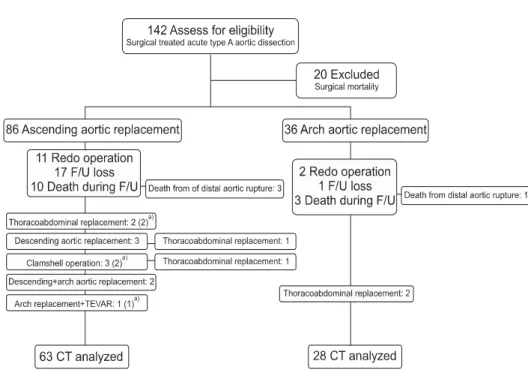
Fig. 2. Enrolled patients and F/U status. F/U, follow-up; TEVAR, tho- racic endovascular aortic repair; CT, computed tomography.

a)

Operative mortality.

culatory arrest [1]. After the year 2010, 9% of the cases (12 patients) were performed with selective arch replacement with a 4-vessel branched arch graft, under moderate hypothermia and antegrade cerebral perfusion. The rate of performance of each of the two procedures is described in Fig. 1. Twenty patients of the ascending aortic replacement group and 15 patients of the total arch aortic replacement group underwent concomitantly combined procedures, which included 11 intraoperative thoracic endovas- cular aortic repairs (TEVAR), 13 Bentall operations, 5 aortic valve replacements, and 6 coronary artery by- pass grafting procedures (Table 1). Eighty-six percent of the cases (122 patients) survived these operations with a mean follow-up period of 6.9±13.3 years.

During the follow-up period, 64% of the patients (63 from the ascending aortic replacement group, 28 from the total arch aortic replacement group) were checked by serial CT scan in our out-patient clinic (Fig. 2). The follow-up CT scan allowed us to check the distal aortic pseudolumen status and diameter, the level of the largest portion of the distal remnant aorta, and the interval change between the immedi- ate postoperative period and the late postoperative period. The mean interval between the two periods was 4.9±2.9 years. The level of the dilated aorta was defined as the proximal descending aorta above the sixth intercostal level and below was the distal de-

scending aorta [1]. We categorized the aortic change of the serial CT scan into 5 classes: class A–the distal remnant aorta was remodeled to normal size and the remnant distal aorta shrank when compared to the immediate postoperative CT; class B–the pseudolu- men was totally obliterated but the size of the rem- nant distal aorta did not shrink; class C–the pseudo- lumen remained but the size of the remnant distal aorta dilatation was <40 mm in diameter; class D–

the remnant distal aorta dilatation was >40 mm but

<60 mm in diameter, which was generally the in- dicator for surgical correction; and class E–the rem- nant distal aorta was >60 mm in diameter or the CT was checked just before reoperation. Class D and E eventually resulted in an aneurysmal dilatated dis- tal remnant aorta, while class A, B, and C, a normal- ized aorta.

We analyzed the statistical differences between the ascending aortic replacement group and the total arch aortic replacement group with a χ

2

-test and t-test. The survival rate was calculated with the Kaplan-Meier method of life test. The categorical dif- ference between the two groups was calculated with stratified analysis using Cochran-Mantel-Haenszel sta- tistics. The multivariate analysis was calculated with logistic regression analysis. We considered a differ- ence statistically significant with the p-value <0.05.

The statistics were calculated with the SAS ver. 9.3

(4)

Table 2. Long-term follow-up data

Variable Ascending aortic

replacement (n=86)

Arch aortic

replacement (n=36) p-value

Distal aortic reoperation 13/2

a)

2 0.0001

b)

Thoracoabdominal aortic replacement 4/2

c)

2

Descending aortic replacement 3/1

a)

Total thoracic aortic replacement 3/1

a)

, 3/2

c)

Descending +arch aortic replacement 2

Arch replacement +intraoperative thoracic endovascular aortic repair 1/1

c)

Long-term mortality 10 3 0.2809

b)

Non-surgical death 5/3

d)

3/1

d)

Mean survival duration of long-term mortality cases (mo) 76.6±47.5 123.3±10.4 0.0332

e)

Values are presented as number or mean±standard deviation.

a)

Trido operation.

b)

By χ

2

-test.

c)

Death from surgery.

d)

Death from distal aortic rupture.

e)

By Student t-test.

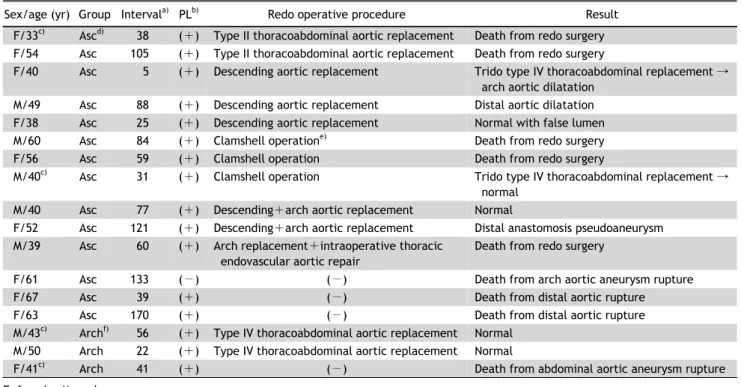
Table 3. Characteristics of patients with late aortic events

Sex/age (yr) Group Interval

a)

PL

b)

Redo operative procedure Result

F/33

c)

Asc

d)

38 ( +) Type II thoracoabdominal aortic replacement Death from redo surgery F/54 Asc 105 ( +) Type II thoracoabdominal aortic replacement Death from redo surgery

F/40 Asc 5 ( +) Descending aortic replacement Trido type IV thoracoabdominal replacement → arch aortic dilatation

M/49 Asc 88 ( +) Descending aortic replacement Distal aortic dilatation F/38 Asc 25 ( +) Descending aortic replacement Normal with false lumen

M/60 Asc 84 ( +) Clamshell operation

e)

Death from redo surgery

F/56 Asc 59 ( +) Clamshell operation Death from redo surgery

M/40

c)

Asc 31 ( +) Clamshell operation Trido type IV thoracoabdominal replacement → normal

M/40 Asc 77 ( +) Descending+arch aortic replacement Normal

F/52 Asc 121 ( +) Descending+arch aortic replacement Distal anastomosis pseudoaneurysm M/39 Asc 60 ( +) Arch replacement+intraoperative thoracic

endovascular aortic repair

Death from redo surgery

F/61 Asc 133 ( −) ( −) Death from arch aortic aneurysm rupture

F/67 Asc 39 ( +) ( −) Death from distal aortic rupture

F/63 Asc 170 ( +) ( −) Death from distal aortic rupture

M/43

c)

Arch

f)

56 ( +) Type IV thoracoabdominal aortic replacement Normal M/50 Arch 22 ( +) Type IV thoracoabdominal aortic replacement Normal

F/41

c)

Arch 41 ( +) ( −) Death from abdominal aortic aneurysm rupture

F, female; M, male.

a)

Interval between initial operative day and the event day of the month.

b)

Pseudolumen patency.

c)

Marfan syndrome.

d)

Ascending aortic replacement group.

e)

Total thoracic aortic replacement with clamshell incision.

f)

Arch replacement group.

(SAS Institute Inc., Cary, NC, USA).

Results

The cardiopulmonary bypass time, heart ischemic time, circulatory arrest time, and operation time of the total arch aortic replacement group were longer than those of the ascending aortic replacement group.

However, postoperative renal function and ventilator

support period showed no statistically significant dif-

ference between the two groups (Table 1). Fourteen

percent of the cases (20 patients) resulted in surgical

mortality. However, there was no statistically sig-

nificant difference between the ascending aortic re-

placement group and the total arch aortic replace-

ment group. The main cause of surgical death was

(5)

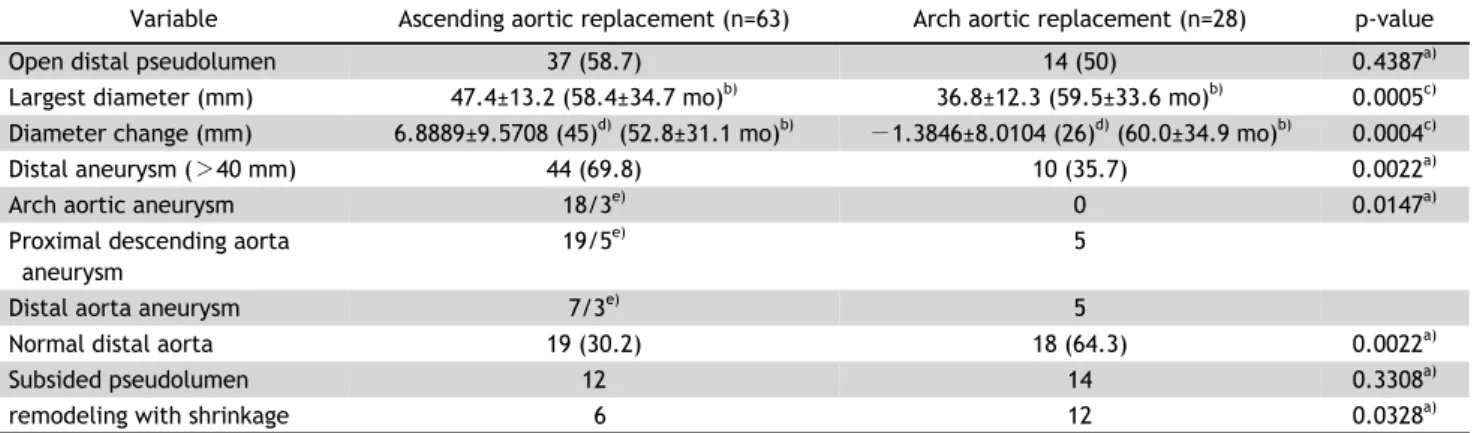
Table 4. Long-term follow-up data with CT scan

Variable Ascending aortic replacement (n=63) Arch aortic replacement (n=28) p-value

Open distal pseudolumen 37 (58.7) 14 (50) 0.4387

a)

Largest diameter (mm) 47.4±13.2 (58.4±34.7 mo)

b)

36.8±12.3 (59.5±33.6 mo)

b)

0.0005

c)

Diameter change (mm) 6.8889±9.5708 (45)

d)

(52.8±31.1 mo)

b)

−1.3846±8.0104 (26)

d)

(60.0±34.9 mo)

b)

0.0004

c)

Distal aneurysm ( >40 mm) 44 (69.8) 10 (35.7) 0.0022

a)

Arch aortic aneurysm 18/3

e)

0 0.0147

a)

Proximal descending aorta aneurysm

19/5

e)

5

Distal aorta aneurysm 7/3

e)

5

Normal distal aorta 19 (30.2) 18 (64.3) 0.0022

a)

Subsided pseudolumen 12 14 0.3308

a)

remodeling with shrinkage 6 12 0.0328

a)

Values are presented as number (%) or mean±standard deviation.

CT, computed tomography.

a)

By χ

2

-test.

b)

Mean follow-up period.

c)

By t-test.

d)

No. of cases with immediately postoperative CT available.

e)

Cases of large aneurysm in need of surgery (diameter >60 mm).

bleeding. There were 13 reoperations for surgical bleeding and 7 of them died of bleeding complica- tions. Two other patients in the ascending aortic re- placement group developed delayed anastomotic ru- pture. Still there was no statistically significant differ- ence between the two groups (Table 1). Among the other causes of death due to damage of the central nerve system (CNS) in the ascending replacement group included 2 cases of middle cerebral artery in- farction, a case of severe hypoxic brain damage, and a case of intracerebral hemorrhage. However, there was no mortality due to CNS damage in the total arch aortic replacement group.

1) Distal remnant aortic events

During the follow-up period, 13 patients under- went 15 cases of late reoperations with a mean age of 45.6±8.2 years and a mean interval between initial operation and reoperation of 59.3±34.6 months. Thir- teen cases were performed in the ascending aortic replacement group and 2 cases were performed in the total arch aortic replacement group (p=0.0001).

Among the 13 cases of the ascending aortic replace- ment group, 4 were thoracoabdominal aortic replace- ments (2 of them were trido thoracoabdominal aortic replacement), 3 were descending aortic replacements, 3 were total thoracic aortic replacements with clam- shell incision, 2 were descending and arch replace- ments, and 1 was arch replacement with intraope- rative TEVAR. The 5 redo operative cases resulted in surgical mortality: 2 redo thoracoabdominal aortic re-

placements, 2 total thoracic aortic replacements with clamshell incision, and 1 arch replacement with in- traoperative TEVAR (Tables 2, 3). Of the 6 patients who survived in the ascending aortic replacement group, 3 developed remnant aortic aneurysms (Table 3). All the reoperative cases in the total arch aortic replacement group survived without any distal aortic problems.

Thirteen cases of late mortality occurred; 5 redo surgical mortalities, 4 distal aortic ruptures, and 4 medical causes of death (Table 2). Ten cases were in the ascending aortic replacement group and 3 cases were in the total arch aortic replacement group. In the ascending aortic replaced group 8 cases (9.2%) resulted in late mortality due to distal aortic events but in the total arch aortic replacement group only 1 case (2.7%) developed a distal aortic event, which was an abdominal aortic aneurysm rupture; the pa- tient had Marfan syndrome and failed to follow-up (Table 3).

We reviewed the long term CT scans and identi-

fied 11 candidates for reoperation (category E). All

candidates were in the ascending aortic replacement

group and the maximal aneurysm diameter was >60

mm (Table 4). When these candidates were included

into the redo operations and the late mortalities due

to distal aortic rupture, the total distal aortic events

were statistically different between the two groups

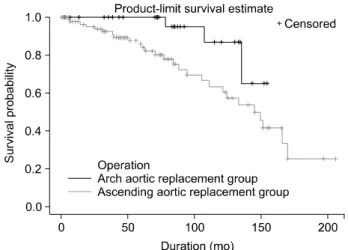
(Fig. 3). In the ascending aortic replacement group,

there were 27 adverse distal aortic events (31.4%),

which occurred during a mean follow-up period of

(6)

Table 5. Classification of distal remnant aorta
Class

Ascending aortic replacement Arch replacement Arch Prox Dist Total Prox Dist Total

A 5 1 6 9 3 12

B 3 3 6 2 2

C 1 1 5 7 2 2 4

D 10 9 2 21 3 4 7

E 8 10 5 23 2 1 3

p=0.003; Cochran-Mantel-Haenszel statistics.

Arch, aortic arch; Prox, proximal descending aorta; Dist, distal descending aorta.

Fig. 3. Distal aortic event curves.

124.5±7.1 months, while in the total arch aortic re- placement group, there were 3 adverse distal aortic events (8.3%), which occurred during a mean fol- low-up period of 129.8±4.3 months. The relative haz- ard ratio of the ascending aortic replacement group was 3.45 times higher than the total arch aortic re- placement group. When we calculated the difference of the survival rate with the Log-rank method, the p-value was 0.0284, and the p-value of the likelihood ratio was 0.0094.

2) Long-term computed tomography changes The pseudolumen remained open in 58.7% of cas- es in the ascending replacement group and in 50%

of cases in the total arch aortic replacement group;

there was no statistical difference. However, the max- imal diameter and growth rate of the remnant distal aorta were significantly different between the two groups (Table 4). The mean maximal diameter of the ascending aortic replacement group was 47.4 mm with 6.8 mm growth, compared to the immediate postope- rative CT scan. The mean maximal diameter of the total arch aortic replacement group was 36.8 mm, which was reduced by 1.38 mm from the immediate postoperative CT (p<0.0005).

In 69.8% of cases in the ascending replacement group and in 35.7% of cases in the total arch aortic replacement group, patients developed distal aortic aneurysm with a maximal diameter above 40 mm (p=0.0022). In the ascending aortic replacement group, 58.7% of cases were enlarged in the aortic arch or the proximal descending aorta. However, there was

no predominant enlargement level in the total arch aortic replacement group (Table 4). Interestingly, 22.7%

(10 cases) of the ascending aortic replacement group that developed an aneurysm showed pseudolumen obliteration, but in the total arch aortic replacement group all aneurysms were combined with patent pse- udolumen.

According to our classification of distal remnant aortic change categories, 36.5% of the ascending aort- ic replacement group were class E, and 33.3% of the ascending aortic replacement group were class D.

However, 42.9% of cases in the aortic arch replace- ment group were class A, and the difference of nor- malization rate between the two groups was statisti- cally significant (Table 4). When we considered the levels of aortic remodeling, the proximal portion was predominant. Between class E and D in the ascend- ing aortic replacement group, 28.6% occurred in the arch level and 30.2% occurred in the proximal de- scending aorta. In class A of the aortic arch replace- ment group, 32.1% occurred in the proximal descen- ding aorta (Table 5). We analyzed multiple variants that related to the distal aortic enlargement (age, sex, Marfan syndrome, intramural hematoma, preoperative unstable conditions, which included stroke, shock, and malperfusion, perioperative renal dysfunction, CT fol- low-up duration, and type of operation). Only the type of operation was a risk factor (odds ratio, 6.418;

95% confidence interval, 2.1 to 20; p=0.0014).

Discussion

Acute DeBakey type I aortic dissection surgery is a

surgically challenging procedure. Most of the proce-

dures are performed during an emergency situation

(7)

and a prolonged cardiopulmonary bypass time and multiple transfusions are generally required. Bleeding can be a major obstacle and the hemostasis depends heavily on the experience of the surgeon. The dis- sected aortic tissue is very fragile and req uires a me- ticulous suture technique to accomplish hemostasis after completing the anastomosis. As a result, many surgeons prefer to reduce operative extension, that remains minimal suture lines in the acute phase of aortic dissection. Our data showed that durations of all the procedures were prolonged in the arch re- placement group, and also indicated that bleeding is the most common cause of early surgical mortality (Table 1).

The primary goal of acute aortic dissection surgery has always been survival. As surgical skills have de- veloped, the survival rate of the initial surgery has improved so that the long-term freedom from reop- eration and late survival are considered important.

Malvindi et al. [2] reported that the reoperation is predominantly performed at the distal dissected aor- ta due to aneurysmal dilatation.

Today, choosing the initial extension of aortic re- placement can still be a very complicated decision.

The ascending aortic replacement is still the most preferred procedure because it is less technically de- manding and safer. However, the most recent data indicated that the arch aortic replacement is com- parable in terms of safety, and the long-term results are better. According to the German registry for acute type A aortic dissection, the surgical mortality and neurologic complication between the ascending aortic replacement group and the total arch aortic replacement group showed no statistical difference [3]. Di Eusanio et al. [4] reported that there was no operative mortality difference between the two groups. Our analysis supports these findings. Over the past 20 years, surgical treatment of acute type I aortic dissection, our surgeons selected the extension of aortic replacement to exclude all cases of intimal tear. Prior to 2000, our surgeons performed the hemiarch replacement to exclude the intimal tear [5].

After 2002, our surgeons actively adopted the arch replacement to exclude the complex intimal tear with- in the aortic arch. After mastering the operation, our surgeons attempted to apply the arch replacement technique to younger patients whose life expectancy was >10 years, although the patients did not have

the intimal tear within the aortic arch [1]. To main- tain this new concept and make it a policy, more da- ta on the long-term benefits is required.

Di Eusanio et al. [4] reported the long-term reop- eration rate between the total aortic arch replace- ment group and the ascending aortic replacement group in type A aortic dissection showed no differ- ence, so the more extensive arch interventions were not protective for long-term survival and freedom from aortic reintervention. However, Zhang et al. [6]

reported that the reintervention rate of the ascend- ing aortic replacement group was 15.9%, and that of the extended replacement group was 4.9% (p<0.05).

Park et al. [7] also reported 15.6% of the ascending aortic replacement patients underwent reoperation.

In our data the rate of redo operation in the ascend-

ing aortic replacement group was 15.4% and that of

arch aortic replacement group was 5.5%. In our re-

sults, besides the frequency of reoperation, the extent

of reoperative procedures between the two groups

was diverse. In the ascending aortic replacement

group, the redo operations were more extensive than

the arch replacement group, such as extent I or II

thoracoabdominal aortic replacement and total thora-

cic aortic replacement with clamshell incision. Also,

surgical results were poor with a 45.5% of mortality

rate; 2 cases underwent trido surgery and the other

3 cases developed new other aneurysms in the rem-

nant aorta (Table 3). The redo operation of the arch

aortic replacement group was more distal and more

localized, and less commonly extended to VI or V

thoracoabdominal aortic replacement. All cases sur-

vived the redo operation without remnant aortic pro-

blems. Despite redo operative mortality during the

follow-up periods, 3 patients of the ascending aortic

replacement group died of distal aortic rupture. Only

1 patient of the total arch aortic replacement group

died of abdominal aortic aneurysm rupture, which

was not related to the aortic dissection surgery. The

mean survival periods of the late mortality cases

were prolonged by nearly 50% in the arch aortic re-

placement group (Table 2). From our clinical data,

after total arch aortic replacement, patients developed

fewer distal aortic problems, and even when it oc-

curred, it was possible to treat with less surgical dif-

ficulty, because the extension of late dilatation that

needs redo operation is localized distally. Today’s

TEVAR could be a good alternative option. After arch

(8)

aortic replacement, TEVAR can be performed safely without covering the arch branches.

These late distal aortic events can be predicted with serial follow-up CT angiograms. Kimura et al. [8]

reported a 62% rate of postoperative patent pseudo- lumen in the distal aorta after initial surgery of acute type A aortic dissection, and that a patent pseudolu- men is a risk factor for late distal aortic event and reoperation. Park et al. [7] reported that 47.5% of postoperative patients developed distal aortic dilata- tion after ascending aortic replacement in acute type A aortic dissection and that the thoracic aorta dila- tated more frequently. Choi et al. [9] reported that in 42.3% cases, the pseudolumen had regressed after total arch replacement in acute type A aortic dissec- tion. In our study, only 1 case with a late aortic event did not have a patent pseudolumen (Table 3). The follow-up CT showed that 8.6% (6 patients in the as- cending aortic replacement group and 3 patients in the arch aortic replacement group) did not develop aneurysmal dilatation even though they had a patent pseudolumen. In addition, 22.2% of the cases of as- cending aortic replacement with aneurysmal dilata- tion showed pseudolumen obliteration. In most cases, enlargement occurred in the pseudolumen of the dis- tal remnant aorta. However, the distal remnant aortic change varied from patient to patient. The location and size of communication between the true and false lumen in the distal remnant aorta and hemody- namics of the lumens could affect the remnant aortic aneurysm. As a result, we focused on the diameter and the location of the largest dilated distal aorta and roughly classified each as arch, proximal thora- cic, or the distal aorta, the last of which below the sixth intercostal level. Our researchers believe that the location of the aneurysm formation is important, especially when deciding to perform a reoperation.

The location will determine the surgical approach.

After the location was identified, the size of the aneurysm was measured, and the decision was made whether or not to perform the redo operation.

During this process, we discovered that more pa- tients of the ascending aortic replacement group had large aneurysms, greater than 60 mm in diameter, which is generally accepted as the indication for sur- gical correction. The predominant portion of the aneurysm in the ascending aortic replacement group was the aortic arch through the proximal descending

aorta above the sixth intercostal level. This particular location is relatively difficult to approach during a redo operation, primarily because of the pleural ad- hesion and other factors. It also a very challenging portion on which to apply TEVAR. To prevent this type of obstacle, our analysis indicates that the arch aortic replacement in acute DeBakey type I aortic dissection is a more rational approach in comparison to the ascending aortic replacement.

This study has several limitations. First, the data are retrospective and nonrandomized. There was some selection bias, as well as a sample size and character mismatch between the ascending aortic replacement group and the total arch aortic replacement group.

The preoperative conditions could not be adjusted for and follow-up mismatches may have occurred.

Some important operative findings, such as intimal tear and pseudolumen thrombosis, were missed and could not be analyzed. It is worth noting that before the year 2000, surgeons did not remove all intimal tears within the aortic arch, and only ascending aort- ic replacement was performed (Fig. 1). However, lat- er, arch aortic replacement was performed to remove all remnant intimal tears in the aortic arch. Thus, our data does not include information about intimal tears.

The degree of aortic dilatation classified as 40 and 60 mm were arbitrary decided by the authors in or- der to compare two groups, so these specific classi- fications have no clinical meaning. However, our re- searchers believe that the data collected from 19 years of surgical experience is very useful and will help provide a rationale for future practice.

In conclusion, after arch aortic replacement, the distal remnant aorta developed fewer aneurysmal complications in comparison to the ascending aortic replacement. After the ascending aortic replacement, the arch and proximal descending aorta dilatated prominently and created major obstacles for reo- peration. After arch aortic replacement, distal aortic remodeling was more favorable than after ascending aortic replacement.

Conflict of interest

No potential conflict of interest relevant to this ar-

ticle was reported.

(9)

Acknowledgments

This study was supported by a Grant of the Sam- sung Vein Clinic Network (Daejeon, Anyang, Cheong- ju, Cheonan; Fund No.KTCS04-053).

References

1. Cho KJ, Woo JS, Bang JH, Choi PJ. Comparison of the mid-term changes at the remnant distal aorta after aortic arch replacement or ascending aortic replacement for treating type A aortic dissection. Korean J Thorac Cardio- vasc Surg 2007;40:414-9.

2. Malvindi PG, van Putte BP, Sonker U, Heijmen RH, Sche- pens MA, Morshuis WJ. Reoperation after acute type a aortic dissection repair: a series of 104 patients. Ann Thorac Surg 2013;95:922-7.

3. Easo J, Weigang E, Holzl PP, et al. Influence of operative strategy for the aortic arch in DeBakey type I aortic dis- section: analysis of the German Registry for Acute Aortic Dissection Type A. J Thorac Cardiovasc Surg 2012;144:617-23.

4. Di Eusanio M, Berretta P, Cefarelli M, et al. Total arch re- placement versus more conservative management in type A acute aortic dissection. Ann Thorac Surg 2015;100:88-94.

5. Cho GJ, Woo JS, Sung SC. Surgical therapy of stanford type A acute aortic dissection: dose intimal tear within re- placed aortic segment make any differnce in its clinical characteristics. Korean J Thorac Cardiovasc Surg 2001;34:

125-132.

6. Zhang H, Lang X, Lu F, et al. Acute type A dissection with- out intimal tear in arch: proximal or extensive repair? J Thorac Cardiovasc Surg 2014;147:1251-5.

7. Park KH, Lim C, Choi JH, et al. Midterm change of de- scending aortic false lumen after repair of acute type I dissection. Ann Thorac Surg 2009;87:103-8.

8. Kimura N, Itoh S, Yuri K, et al. Reoperation for enlargement of the distal aorta after initial surgery for acute type A aortic dissection. J Thorac Cardiovasc Surg 2015;149(2 Suppl):S91-8.e1.

9. Choi CH, Park CH, Jeon YB, Lee SY, Lee JI, Park KY. Early

and mid-term changes of the distal aorta after total arch

replacement for acute type A aortic dissection. Korean J

Thorac Cardiovasc Surg 2013;46:33-40.

수치

Fig. 1. Annual trends in the performance of ascending aortic re- re-placement and arch aortic rere-placement
Fig. 2. Enrolled patients and F/U  status. F/U, follow-up; TEVAR,  tho-racic endovascular aortic repair; CT, computed tomography
Table 3. Characteristics of patients with late aortic events
Table 4. Long-term follow-up data with CT scan
+2

참조

관련 문서

The index is calculated with the latest 5-year auction data of 400 selected Classic, Modern, and Contemporary Chinese painting artists from major auction houses..

Long-term outcome after an early invasive versus selective invasive treatment strategy in patients with non.ST-elevation acute coronary syndrome and elevated

Objectives: This study was performed to identify the knowledge and attitude level towards the elderly in long-term care hospitals and nursing home providing care services and

Intermittent hemodialysis(IDH) and Continuous renal replacement therapy (CRRT) has been used widely for treating critically ill patients with acute renal failure, We

Sixth, the skills of core manpower in Korean electronic industry tend to be converging toward the long-term cumulative skill formation. Keyword:

•Each cycle is operated as a constant volume batch culture, in which the concentration of substrate decreases, while that of biomass increases.. VS

(Background) Gallbladder wall thickening(GWT) and gallbladder contraction are often observed in patients with acute hepatitis.. The incidence of acute hepatitis A

In this context, I attempted to find out what are necessary to improve the life-long education in elementary school by investigating how the schools