Yong-hun Lee
(Chungnam National University·Hannam University)
1. Introduction
Reducing Syntactic Ambiguity in the K-TCCG System ∣ 81
2. Syntactic Ambiguity in the English TCCG System
2.1. Grammar Engineering and the English TCCG System
2.2. Normal Form and Syntactic Ambiguity in Beavers' TCCG System
Reducing Syntactic Ambiguity in the K-TCCG System ∣ 83
λ λ λ λ
λ λ
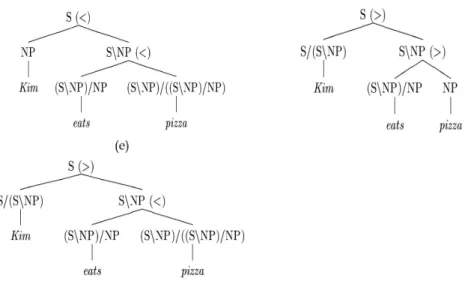
Figure 1. Four Possible CCG Analyses for the English Sentence in (1)
Reducing Syntactic Ambiguity in the K-TCCG System ∣ 85
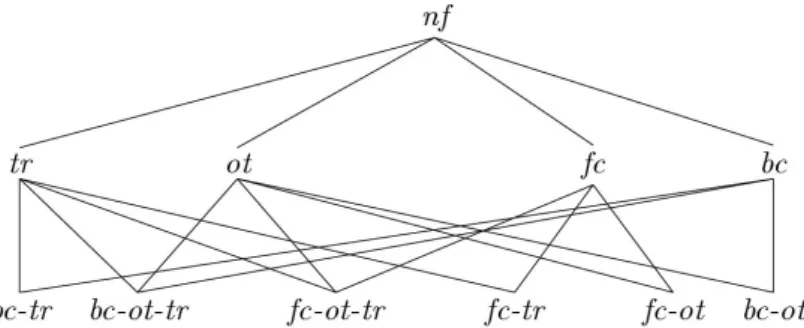
Figure 2. Type Hierarchy for the typenf
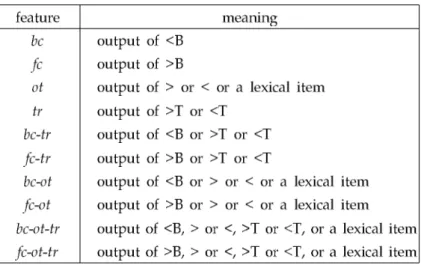
Table 1. Explanations of Each Type in nf
Figure 3. AVM for the Typefeature-struct
Reducing Syntactic Ambiguity in the K-TCCG System ∣ 87
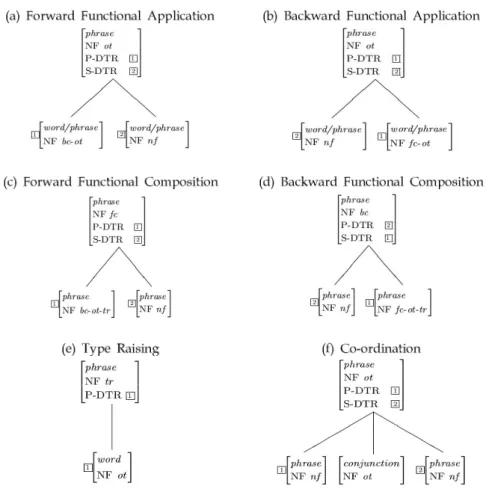
Figure 4. Category Combinatorics and the Typenf
3. Syntactic Ambiguity in the Korean TCCG System
3.1. Problems
Reducing Syntactic Ambiguity in the K-TCCG System ∣ 89
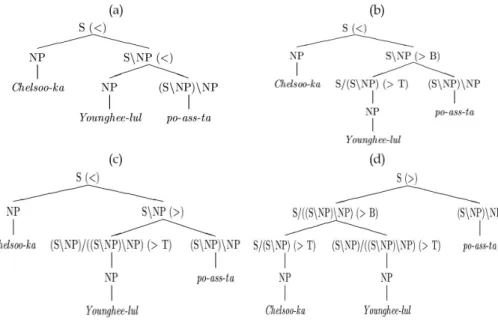
Figure 5. Four Possible CCG Analyses for the English Sentence in (5)
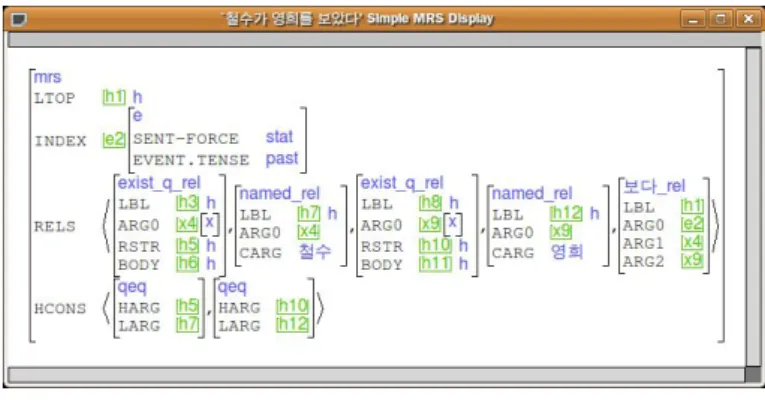
Figure 6. Semantic Interpretation of the Sentence (5)
Reducing Syntactic Ambiguity in the K-TCCG System ∣ 91
Figure 7. A CCG Analyses for the English Sentence in (6)
3.2. Modification of the Type Hierarchy
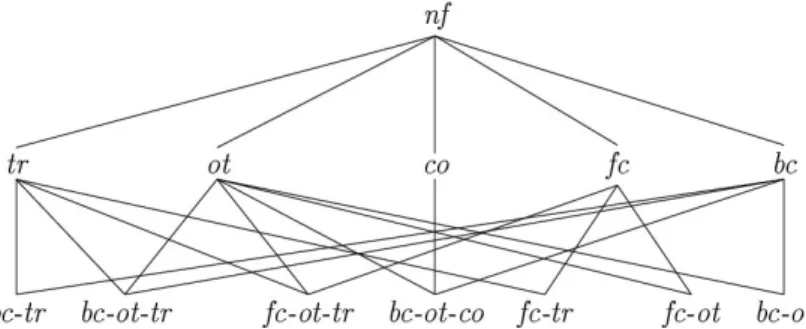
Figure 8. Type Hierarchy for the typenf in the K-TCCG System
Reducing Syntactic Ambiguity in the K-TCCG System ∣ 93
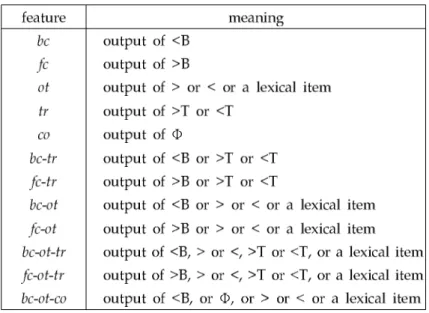
Table 2. Explanations of Each Type innf
Φ
Φ
Figure 9. AVM for the Typefeature-struct
Figure 10. Category Combinatorics and the Typenf in the K-TCCG System
3.3. Normal Form and Syntactic Ambiguity in the Korean TCCG System
Reducing Syntactic Ambiguity in the K-TCCG System ∣ 95
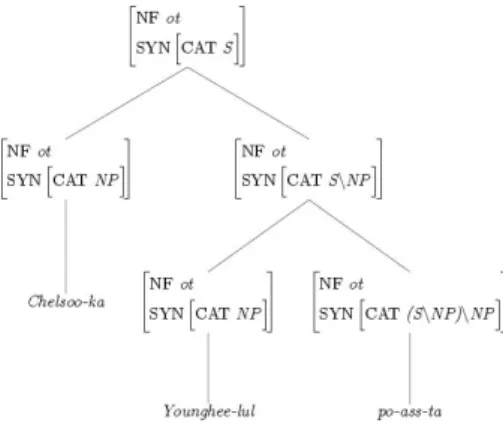
Figure 11. Analysis (a) and the Typenf
Figure 12. Analysis (b) and the Typenf
Figure 13. Analysis (c) and the Typenf
Reducing Syntactic Ambiguity in the K-TCCG System ∣ 97
Figure 14. Analysis (d) and the Typenf
3.4. RNR Constructions and Normal Form
Figure 15. An RNR Construction and the Type nf
4. Results of Implementation
Reducing Syntactic Ambiguity in the K-TCCG System ∣ 99
Figure 16. [incr tsdb()] Screenshot (Before the Modification)
Figure 17. [incr tsdb()] Screenshot (After the Modification)
5. Conclusion
Reducing Syntactic Ambiguity in the K-TCCG System ∣ 101
References
Reducing Syntactic Ambiguity in the K-TCCG System ∣ 103
Yong-hun Lee
Received on 30 March, 2011 Revised on 30 April, 2011 Accepted on 30 April, 2011