• 검색 결과가 없습니다.

Analysis of antibiotic residues in milk from healthy dairy cows treated with bovine mastitis ointment using ultra-performance liquid chromatography coupled with electrospray tandem mass spectrometry

N/A
N/A
Protected

Academic year: 2021

Share "Analysis of antibiotic residues in milk from healthy dairy cows treated with bovine mastitis ointment using ultra-performance liquid chromatography coupled with electrospray tandem mass spectrometry"

Copied!
7
0
0

로드 중.... (전체 텍스트 보기)

전체 글

(1)

Korean J Vet Res(2016) 56(4) : 233~239 https://doi.org/10.14405/kjvr.2016.56.4.233

233

<Original Article>

Analysis of antibiotic residues in milk from healthy dairy cows treated with bovine mastitis ointment using ultra-performance liquid chromatography

coupled with electrospray tandem mass spectrometry

Eun-Kee Park

1

, Yong-Jae Ryu

2

, Chun-Nam Cha

3

, Chang-Yeul Yoo

4

, Suk Kim

5

, Hu-Jang Lee

5,

*

1

Medical Humanities and Social Medicine, College of Medicine, Kosin University, Busan 46241, Korea

2

Food and Drug Analysis Section, Chungcheongbuk-do Institute of Health and Environment, Cheongwon 28160, Korea

3

Engineering Research Institute and Department of Industrial Systems Engineering, Gyeongsang National University, Jinju 52828, Korea

4

Department of Smart Information Convergence, Gyeongnam Provincial Namhae College, Namhae 52422, Korea

5
Institute of Animal Medicine and College of Veterinary Medicine, Gyeongsang National University, Jinju 52828, Korea (Received: July 31, 2016; Revised: October 24, 2016; Accepted: November 15, 2016)

Abstract: This study was conducted to analyze penicillin G (PEG), streptomycin (STR) and neomycin (NEO) residues in milk of healthy lactating cows. Milk samples were collected from all four quarters of 12 dairy cows 2−7 days after intramammary infusions of an ointment containing PEG, STR and NEO once (n = 4; group I) or twice (n = 4, group II) daily. Ultra-performance liquid chromatography coupled with electrospray tandem mass spectrometry was used to determine the antibiotic residues in the samples. The correlation coefficient (r

2

) of the calibration curves for all antibiotics was > 0.999 and the limits of detection and quantification were 0.002–0.005 µg/mL and 0.007–0.02 µg/

mL, respectively. Recovery rates were ranged from 75.5 to 92.3%. In group I, PEG, STR and NEO residues were detected in milk at 2, 3 and 2 days post-treatment, respectively, which were below the maximum residue limit (MRL).

In group II, PEG, STR and NEO residues were detected in milk at 2, 3 and 3 days post-treatment, respectively, which were bellow the MRL. These results suggest that a 3-day for milk withdrawal period after the ointment treatment might be sufficient for reduction of the antibiotic residues below the MRL.

Keywords: UPLC-MS/MS, bovine milk, neomycin, penicillin G, streptomycin

Introduction

Bovine mastitis is the most common bacterial disease in dairy cows and one of the most economically to the dairy farm. It is an inflammatory condition of the mammary glands, most often caused by a bacterial intramammary (IMM) infec- tion [3]. Economic losses from bovine mastitis are mainly caused by the increase of treatment cost and culling risk, loss in milk production and reduction in milk quality due to increased somatic cell count [4].

Nowadays, antibiotic therapy is the most common method to treat bovine mastitis. However, the emergence of antibi- otic-resistant bacteria has become a critical problem in dairy industry [12]. The incriminate use of antibiotics against bovine mastitis may cause a grave problem because of the advent of antimicrobial resistance, the creation of resistant bacteria within the food chain [26], and drug residues in milk, which is consumed by humans and expresses concern about adverse

health effects on consumers [15].

Residual antibiotics in milk can cause allergic reactions in some hypersensitive persons [14], and lead to resistant bacte- rial strains that do not respond to drugs commonly used for human diseases [2]. In addition, drug residues change the raw milk processing qualities by hindering the propagation of starter cultures used for the production of dairy products such as cheese and yogurt [1]. Pasteurization and ultra-high tem- perature treatment get rid of pathogenic bacteria in raw milk but do not affect to reduce or eliminate residual drugs [21].

As penicillin G (PEG) suppresses bacterial proliferation by interfering with cell wall assembly, the drug has been used for the treatment of bovine mastitis caused by susceptible bacteria such as Streptococcus agalactiae and Streptococcus dysgalactiae [14]. IMM therapy of PEG alone can treat only sub-acute mastitis revealed by mild inflammatory changes in the bovine udder [30]. Streptomycin (STR) is a water-solu- ble aminoglycoside antibiotic derived from Streptomyces gri-

*Corresponding author

Tel: +82-55-751-6642, Fax: +82-55-751-5803

E-mail: [email protected]

(2)

seus and has broad-spectrum bactericidal activity against various pathogenic bacteria [25]. With the mechanism of action of aminoglycoside antibiotics, STR inhibits bacterial growth by interfering with peptide synthesis systems of bac- teria [24]. Neomycin (NEO) is one of aminoglycoside antibi- otics with antibacterial activity against Gram-positive and many Gram-negative pathogens by binding the region for translation of mRNA and message readout, and disrupting its functions [29]. The sulfate salt of NEO has been used world- wide to combat bacterial gastro-intestinal infections in poul- try and livestock. NEO sulfate is also used in IMM infusions to treat bovine mastitis [11]. In the treatment of bovine mas- titis, aminoglycosides such as STR and NEO have been used mostly in combination with PEG [27]. For the reasons men- tioned above, a bovine mastitis ointment containing PEG, STR and NEO was used in this study.

In order to protect humans from the harmful effects of anti- biotic residues in milk, the Food and Agriculture Organiza- tion (FAO) and European Union (EU) have set maximum residue levels (MRLs) of 1.5, 0.2 and 4.0 µg/mL for the milk residues of NEO, STR and PEG, respectively [5, 8, 22]. In addition, Korean Ministry of Food and Drug Safety (KMFDS) has established MRLs for the residues of NEO, STR and PEG in milk exactly like FAO and EU [18].

The aim of this study was to evaluate PEG, STR and NEO residues in bovine milk collected from individual dairy cows after IMM administration of a bovine mastitis ointment con- taining PEG, STR and NEO.

Materials and Methods

Chemicals and reagents

PEG, STR and NEO were purchased from Sigma-Aldrich (USA). Acetonitrile, methanol, formic acid and acetic acid were HPLC gradient grade and purchased from Merck (Ger- many). Sodium dihydrogen phosphate (> 99.0%) and diso- dium hydrogen phosphate (> 99.0%) were also obtained from Merck. Double-deionized water was obtained using a Milli-Q Gradient water system (Millipore, USA).

Stock standard solutions of PEG, STR and NEO were pre- pared to 10 µg/mL by dissolving the compounds in a suit- able solvent, such as acetonitrile (PEG) or methanol (STR and NEO). These standard solutions were stored in dark- brown glass bottles at −20

o

C.

Drug

The bovine mastitis ointment (Synerject) was obtained from Daehan New Pharm (Korea). The IMM syringes (5 g) contain 100,000 IU of PEG procaine, 100 mg of STR sulfate and 100 mg of NEO sulfate.

Animals

The study was carried out using twelve lactating Holstein cows with no history of antimicrobial use in the previous 21 days at the experimental animal farm at the Gyeongsang

National University (Jinju, Korea) (GNU-LA-0116). The ani- mals were 5 to 7 years old with a body weight of 400 to 450 kg, and were milked by machine twice (6 AM and 6 PM) a day.

Drug administration and milk sampling

The animals were randomly divided into a control (CON) and two treatment groups (group I and II), containing four animals per group. In the treatment groups, the four quarters of each dairy cow were administered with one (group I) or two (group II) syringes per quarter once after morning milk- ing, respectively, while CON was not treated. Before drug treatment, the quarter was thoroughly milked out by hand and the teat was cleaned using a cloth towel soaked with 70% alcohol. Milk samples were collected from each quarter of the dairy cows during routine morning milking in steril- ized vials 2, 3, 4, 5, 6 and 7 days after administration of the drug. The four milk samples collected from a dairy cow per day were combined in the same ratio to give one sample per dairy cow per day. Milk samples were instantly moved to the laboratory and frozen at −20

o

C until they were analyzed for antibiotic residues.

Instrumentation

Milk samples were analyzed by ultra-performance liquid chromatography (UPLC) system, and separations were car- ried out with an Acquity UPLC BEH C

18

column (1.7 µm particle size, 50 mm × 2.1 mm; Waters, USA). Analytes were separated using a mobile phase consisting of acetonitrile (elu- ent A) and 0.1% formic acid in water (eluent B) at a flow rate of 0.3 mL/min. Separation was carried out at 40

o

C, according to the following gradient program: 0–0.5 min, 5%

eluent A; 0.5–1 min, linear increase to 10% eluent A; 1–3 min, linear increase to 40% eluent A; 3–4 min, linear increase to 90% eluent A; 4–4.1 min, decrease to 40% eluent A; and finally, 4.1–6.5 min, 5% eluent A. Samples were kept in an auto-sampler at 15

o

C.

Analyses using mass spectrometry were performed on a Waters Acquity TQS Micromass Quattro Ultima triple-qua- drupole MS quadrupole equipped with an electrospray ion source (Micromass, UK). The instrument was run using an electrospray (ESI) source in positive mode with the follow- ing parameters: 0.5 kV capillary voltage, 30 V cone voltage, 500

o

C desolvation temperature, and 1000 L/h desolvation gas (nitrogen > 99.999%) flow. Data acquisition was carried out using MassLynx V 4.1 software with the Quanlynx program (Waters). Electronic balance (0.0001 g precision; Shimazu, Japan), vortex mixer (Scinco, Korea), CR22G centrifuge (Hitachi, Japan), and pressure N

2

gas blowing concentrator (Organomation, USA) were used for sample preparation.

Extraction procedure

One milliliter of blank fresh milk was put into a 10-mL

centrifuge tube, and then 0.5 and 3 mL of water and acetoni-

trile were added to extract the residual antibiotics, respec-

(3)

tively. The mixture was mixed by vortex mixer for 5 min and centrifuged at 6,500 × g for 10 min. The upper layer was transferred into a centrifuge tube and evaporated at 48

o

C to 1 mL under nitrogen stream. The residue was reconstituted using 3 mL of 0.1 mol/L phosphate buffer solution (PBS) and the pH was adjusted to 8.5 with 1.0 M NaOH. The mixture was vortexed for 5 min and then extracted with an Oasis HLB cartridge at a flow rate of 0.5 mL/min. Before extrac- tion of the mixture, the cartridge had been activated with 2 mL of methanol, 2 mL of water and 2 mL of PBS (pH 8.5).

After the cartridge was washed with 2 mL of PBS (pH 8.5) and 1 mL of water, the analytes were eluted from the car- tridge added with 3 mL of an acetonitrile/water solution (1 : 1, v/v). After the eluates were concentrated at 48

o

C to approximate 1 mL under nitrogen stream, 0.44 mL of aceto- nitrile was added. Then, the mixture was reconstituted to 4 mL with water. After the solution was filtered through a 0.22-µm sterile syringe filter (Acrodisc PVDF membrane;

Sigma-Aldrich, USA), 5 µL of the final filtrate were injected into the UPLC–MS/MS system, and the analytes were moni- tored in multiple reaction monitoring (MRM).

Validation

Based on a previous study [16], the linearity and analyti- cal limits were validated. The linearity was evaluated by matrix-matched calibration curves at different spiked levels.

PEG was spiked with the following levels: 0.02, 0.04, 0.08,

0.16 and 0.32 µg/mL. STR was spiked with the following levels: 0.3, 0.6, 1.2, 2.4 and 4.8 µg/mL. NEO was spiked with the following levels: 0.5, 1.0, 2.0, 4.0 and 8.0 µg/mL.

The limit of detection (LOD) and limit of quantification (LOQ) were defined as the lowest concentrations with a sig- nal-to-noise (S/N) ratio of 3 for LOD and 10 for LOQ.

Recovery rates

The recovery study was carried out using two different spiked concentration levels for each compound, as follows:

PEG, 0.05 and 0.1 µg/mL; STR and NEO, 0.5 and 1.0 µg/

mL. Three spiked solutions per concentration were prepared.

According to the extraction procedures described above, the spiked samples were extracted in triplicate and analyzed for PEG, STR and NEO using UPLC-MS/MS. After analysis, the recovery rate of the antibiotics was calculated and presented as the mean ± SD.

Results

Chromatograms and calibration curves

Optimized extraction was validated for quantification of PEG, STR and NEO in PEG, STR and NEO-spiked blank bovine milk.

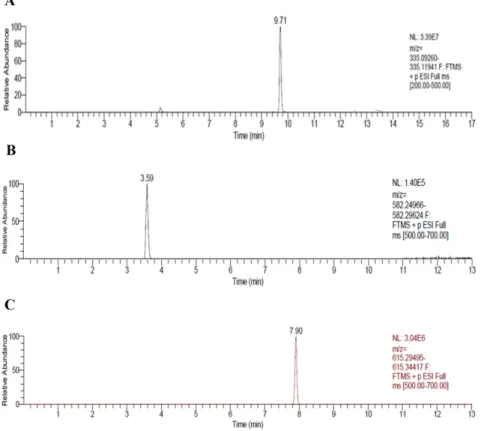
Figure 1 shows the chromatograms of the blank milk spiked with PEG (at 0.3 µg/mL; Fig. 1A), STR (at 0.3 µg/mL; Fig.

1B) and NEO (at 0.75 µg/mL; Fig. 1C). The retention time

Fig. 1. UPLC-MS/MS MRM chromatograms for penicillin G (A), streptomycin (B) and neomycin (C) in a blank bovine milk spiked

with penicillin G (0.3 µg/mL), streptomycin (0.3 µg/mL) and neomycin (0.75 µg/mL).

(4)

for PEG, STR and NEO was 9.71, 3.59 and 7.90 min, respec- tively.

Calibration curves for PEG, STR and NEO are shown in Figure 2. Linearity was defined using calibration curves pre- pared with blank raw milk spiked with PEG, STR and NEO.

These curves were prepared using five concentrations of each drug. The correlation coefficient (r

2

) was calculated through linear regression. As shown in Figure 2, all analytes had a satisfactory linearity with r

2

values of greater than 0.999.

LOD and LOQ

LOD and LOQ values for PEG, STR and NEO were calcu- lated to determine the lowest concentration of the compounds detectable as required by the guidelines for implementation of Commission Decision 2002/657/EC (LOD and LOQ) [8].

The LOD values for PEG, STR and NEO was 0.002, 0.005 and 0.003 µg/mL, respectively, and the LOQ value for PEG, STR and NEO was 0.007, 0.02 and 0.01 µg/mL, respec- tively, based on a S/N ratio of 3 for LOD and 10 for LOQ.

Recovery rates

The accuracy of the method was evaluated through spike recovery tests using blank milk. Table 1 shows the recovery rates of PEG, STR and NEO in PEG-, STR- and NEO-spiked

blank bovine milk. Recoveries of PEG, STR and NEO were 89.6–91.8%, 88.2–92.3% and 75.5–82.8%, respectively.

Antibiotic residues in milk

Table 2 shows the concentration of antibiotic residues in milk from the dairy cows after IMM administration of the bovine mastitis ointment at different doses. PEG detected in all treatment groups was below the LOQ of 0.007 µg/mL on day 2 after IMM administration of the ointment. STR in group I and II was detected until 4 and 5 days after drug treatment, respectively. In addition, NEO in group I and II was detected Fig. 2. Linearity of calibration curves using blank milk samples with the addition of 0.02–0.32 mg/L penicillin G (A), 0.3–4.8 mg/

L streptomycin (B), and 0.5–8.0 mg/L neomycin (C) at all five concentration levels.

Table 1. Recoveries for penicillin G, streptomycin and neomycin spiked into bovine milk

Antibiotics Spiked concentration (µg/mL)

Recovery (%)

Penicillin G (PEG) 0.05 91.8 ± 6.8

0.1 89.6 ± 7.4

Streptomycin (STR) 0.5 92.3 ± 7.1

1.0 88.2 ± 6.5

Neomycin (NEO) 0.5 82.8 ± 5.6

1.0 75.5 ± 7.2

(5)

until 3 and 4 days after drug treatment, respectively. As the MRL of STR and NEO in milk established by the KMFDS is 0.2 and 0.5 µg/mL, respectively, the concentrations of STR and NEO in group II was below each MRL 3 days post-treatment.

Discussion

Several previous studies have described the detection methods for antibiotics in bovine milk, including high-perfor- mance liquid chromatography (HPLC) [19], HPLC-MS/MS [13], UPLC-MS/MS [28], screening methods and immunoas- says [7].

In the present study, PEG, STR and NEO residues in milk from dairy cows after IMM administration of bovine masti- tis ointment at different concentrations, were determined using UPLC-MS/MS.

The calibration curves for PEG, STR and NEO residues showed good linearity with the correlation coefficient (r

2

), in the range of 0.9998–1.0. In previous studies using UPLC- MS/MS, the correlation coefficient of the PEG calibration curve was > 0.998 [20], and that of the STR and NEO cali- bration curve was greater than 0.996 [28]. In this study, the correlation coefficients are similar with those of the previous studies above.

The LOD value for PEG, STR and NEO in milk ranged from 0.002 to 0.005 µg/mL, and the LOQ value for PEG, STR and NEO in milk ranged from 0.007 to 0.01 µg/mL, which is below the MRLs in milk established by the FAO, EU and KMFDS [5, 8, 18]. A previous study reported that the LOD for PEG was 0.25 ng/mL [20], and the LOQs for STR and NEO in a previous study were both 2.0 ng/mL [28].

Compared with the results of previous studies, the LOD for PEG and LOQ for PEG, STR and NEO in this study were very low.

In this study, the recovery rates for PEG, STR and NEO

ranged from 75.5 to 92.3%, which are in agreement with the European Commission Decision 2002/657/EC guidelines for validation methods, where the acceptable measurement true- ness is determined through recovery of known amounts of the analytes added to a blank sample. Data adjusted with the mean recovery are only acceptable when they fall within 50 to 120% for less than 1.0 µg/kg, 70 to 110% for > 1.0 to

≥ 10.0 µg/kg and 80 to 110% for 10.0 µg/kg [9].

In a previous study for PEG residue in milk by liquid chro- matography-electrospray tandem mass spectrometry, recov- ery rates of PEG in PEG-spiked blank milk with 2 and 6 µg/

L were 105 and 100%, respectively [17]. In another previous study for determination of aminoglycosides by liquid chro- matography-tandem mass spectrometry, recovery rates in spiked raw milk with 0.05 and 0.1 µg/mL were 95.5 and 97.5% for STR and 75.1 and 70.1% for NEO, respectively [21]. In this study, recover rates of NEO were higher than those in the above study, but those of PEG and STR were lower than those in above studies. With the results, the variation of recoveries may be caused by the extraction method and the amount of an analyte spiked in milk.

In the present study, PEG residue in milk was not detected 2 days after administration of the drug, whereas STR and NEO residues in milk were detected until 4 and 3 days after treatment of the drug following the manufacturer’s recom- mended dose of 1 syringe (5 g) per quarter per day. How- ever, the concentrations of STR and NEO residues 3 and 2 days, respectively, after drug treatment, respectively, were each below the MRL established by the FAO, EU and KMFDS [5, 8, 18]. In milk from dairy cows following three successive IMM infusions of 375,000 IU per 12 h for PEG, the drug residue detected was under the MRL (4.0 µg/mL) 3 days post-treatment [10]. In a previous study to evaluate STR residue in milk [6], the concentration of STR 24 h post-treat- ment was below the MRL of 0.2 µg/mL, after daily intramus- Table 2. Residue concentrations of antibiotics in milk of dairy cows after intramammary administration of bovine mastitis ointment

at different concentrations

Drugs Groups* Days after administration (µg/mL)

2 3 4 5 6 7

PEG Control ND

ND ND ND ND ND

Group I ND ND ND ND ND ND

Group II ND ND ND ND ND ND

STR

Control ND ND ND ND ND ND

Group I 0.225 ± 0.036 0.092 ± 0.019 0.011 ± 0.005 ND ND ND

Group II 0.398 ± 0.040 0.142 ± 0.025 0.084 ± 0.020 0.009 ± 0.003 ND ND

NEO Control ND ND ND ND ND ND

Group I 0.350 ± 0.051 0.152 ± 0.021 ND ND ND ND

Group II 0.593 ± 0.071 0.272 ± 0.037 0.123 ± 0.042 ND ND ND

*Group I, intramammary administration of one bovine mastitis ointment dose (5 g) per udder; Group II, intramammary administration of

two bovine mastitis ointment doses (10 g) per udder.

No detection due to the concentration being below the limit of quantification, which

is that was 0.007, 0.02 and 0.01 µg/mL for PEG, STR and NEO, respectively.

Detection of STR residue in two of four dairy cattle.

(6)

cular administrations of STR (10 mg/kg body weight) for 3 days. In another study [23], both NEO and dihydrostrepto- mycin residue detected 5 days post-treatment was under the MRL in milk from dairy cows administered with a drug (6 g) containing 200 mg of NEO once daily for 2 days and a drug (4 g) containing 100 mg of dihydrostreptomy once. Consider- ing the drug dosage, treatment route and treatment times, the concentrations of antibiotic residues in this study were simi- lar to the above studies.

In conclusion, this study shows that all antibiotics in the bovine mastitis ointment detected were below the MRL 3 days after IMM administration using one- and two-fold the manufacturer’s recommended dose. Therefore, a 3-day milk withdrawal period for the drug might be sufficient to decrease all antibiotic residues to a level below each MRL.

Acknowledgments

This research was financially supported by Daehan New Pharm Co., Ltd. (Seoul, Korea).

References

1. Adetunji VO. Effects of processing on antibiotic residues (streptomycin, penicillin-G and tetracycline) in soft cheese and yoghurt processing lines. Pak J Nutr 2011, 10, 792-795.

2. Babapour A, Azami L, Fartashmehr J. Overview of antibiotic residues in beef and mutton in Ardebil, North West of Iran. World Appl Sci J 2012, 19, 1417-1422.

3. Bannerman DD. Pathogen-dependent induction of cytokines and other soluble inflammatory mediators during intramammary infection of dairy cows. J Anim Sci 2009, 87 (13 Suppl), 10- 25.

4. Blum SE, Heller ED, Leitner G. Long term effects of Escherichia coli mastitis. Vet J 2014, 201, 72-77.

5. Codex Alimentarius Commission. Maximum residue limits (MRLs) and risk management recommendations (RMRs) for residues of veterinary drugs in foods. Updated as at the 38th session of the Codex Alimentarius Commission (July 2015).

pp. 6-28, Food and Agriculture Organization in the United Nations, Rome, 2015.

6. Díez V, Pérez JE, Olivera Ángel M, Restrepo JG, Villar D. Evaluation of screening tests for antimicrobial residues in milk from individual cows treated with a combination of penicillins G and streptomycin. Rev CES Med Zootec 2013, 8, 52-60.

7. Douglas D, Banaszewski K, Juskelis R, Al-Taher F, Chen Y, Cappozzo J, McRobbie L, Salter RS. Validation of a rapid lateral flow test for the simultaneous determination of β-lactam drugs and flunixin in raw milk. J Food Prot 2012, 75, 1270-1277.

8. European Union. Commission regulation (EU) No 37/2010 of 22 December 2009 on pharmacologically active substances and their cl.ication regarding maximum residue limits in foodstuffs of animal origin. OJEU 2010, 53, L 15/1-77.

9. European Union. Decision (2002/657/EC) of 12 August 2002 implementing council directive 96/23/EC concerning the performance of analytical methods and inter- pretation

of results. OJEU 2002, 45, L 221/8-36.

10. Fletouris DJ, Psomas JE, Mantist AJ. Determination of some monobasic penicillins in milk by ion-pair liquid chromatography. J Agric Food Chem 1992, 40, 617-621.

11. Food and Agriculture Organization of the United Nations.

Residues of Some Veterinary Drugs in Animal and Foods.

pp. 58-59, FAO, Geneva, 1994.

12. Gomes F, Henriques M. Control of bovine mastitis: old and recent therapeutic approaches. Curr Microbiol 2016, 72, 377- 382.

13. Gong Q, Ding L, Zhu S, Jiao Y, Cheng J, Fu S, Wang L.

Determination of ten aminoglycoside residues in milk and dairy products using high performance liquid chromatography- tandem mass spectrometry. Se Pu 2012, 30, 1143-1147.

14. Hady PJ, Lloyd JW, Kaneene JB. Antibacterial use in lactating dairy cattle. J Am Vet Med Assoc 1993, 203, 210- 220.

15. Hameed KGA, Sender G, Korwin-Kossakowska A. Public health hazard due to mastitis in dairy cows. Anim Sci Pap Rep 2006, 25, 73-85.

16. Han RW, Zheng N, Yu ZN, Wang J, Xu XM, Qu XY, Li SL, Zhang YD, Wang JQ. Simultaneous determination of 38 veterinary antibiotic residues in raw milk by UPLC-MS/

MS. Food Chem 2015, 181, 119-126.

17. Jank L, Hoff RB, Tarouco PC, Barreto F, Pizzolato TM.

β-lactam antibiotics residues analysis in bovine milk by LC- ESI-MS/MS: a simple and fast liquid-liquid extraction method.

Food Addit Contam Part A Chem Anal Control Expo Risk Assess 2012, 29, 497-507.

18. Kebede G, Zenebe T, Disassa H, Tolosa T. Review on detection of antimicrobial residues in raw bulk milk in dairy farms. Afr J Basic Appl Sci 2014, 6, 87-97.

19. Krause KM, Serio AW, Kane TR, Connolly LE.

Aminoglycosides: an overview. Cold Spring Harb Perspect Med 2016, 6, a027029.

20. Kukusamude C, Burakham R, Chailapakul O, Srijaranai S. High performance liquid chromatography for the simultaneous analysis of penicillin residues in beef and milk using ion- paired extraction and binary water-acetonitrile mixture. Talanta 2012, 92, 38-44.

21. Lim CM, Cho BH, Chung GS, Son SW. Determination of aminoglycosides in milk by liquid chromatography with tandem mass spectrometry. J Prevent Vet Med 2012, 36, 121-130.

22. Liu C, Wang H, Jiang Y, Du Z. Rapid and simultaneous determination of amoxicillin, penicillin G, and their major metabolites in bovine milk by ultra-high-performance liquid chromatography-tandem mass spectrometry. J Chromatogr B Analyt Technol Biomed Life Sci 2011, 879, 533-540.

23. Mahmoudi R, Asadpour R, Pajohi Alamoti MR, Golchin A, Kiyani R, Mohammad Pour R, Altafy K. Raw cow milk quality: relationship between antibiotic residue and somatic cell count. Int Food Res J 2013, 20, 3347-3350.

24. Mesgari Abbasi M, Babaei H, Ansarin M, Nourdadgar AO, Nemati M. Simultaneous determination of tetracyclines residues in bovine milk samples by solid phase extraction and HPLC-FL method. Adv Pharm Bull 2011, 1, 34-39.

25. Ministry of Food and Drug Safety (KR). Appendix 7.

Maximum residue limits in veterinary drugs. In: Food Code.

pp. 1-2, Ministry of Food and Drug Safety, Cheongju, 2015.

(7)

26. Moretain JP, Boisseau J. Elimination of aminoglycoside antibiotics in milk following intramammary administration.

Vet Q 1993, 15, 112-117.

27. Vakulenko SB, Mobashery S. Versatility of aminoglycosides and prospects for their future. Clin Microbiol Rev 2003, 16, 430-450.

28. White DG, McDermott PF. Emergence and transfer of antibiotic resistance. J Dairy Sci 2001, 84 (E Suppl), E151- 155.

29. Whittem T, Hanlon D. Dihydrostreptomycin or streptomycin in combination with penicillin G in dairy cattle therapeutics:

a review and re-analysis of published data. Part 1: clinical pharmacology. N Z Vet J 1997, 45, 178-184.

30. Young MS, van Tran K, Goh E, Shia JC. A rapid SPE-

based analytical method for UPLC/MS/MS determination of

aminoglycoside antibiotic residues in bovine milk, muscle,

and kidney. J AOAC Int 2014, 97, 1737-1741.

수치

Figure 1 shows the chromatograms of the blank milk spiked with PEG (at 0.3 µg/mL; Fig
Table 1. Recoveries for penicillin G, streptomycin and neomycin spiked into bovine milk

참조

관련 문서

Analytical Method Development of Cholic Acid in Human Plasma and Gall Bladder Bile by Ultra Performance Liquid..

: Characterization of constituents in Sini decoction and rat plasma by high-performance liquid chromatography with diode array detection coupled to time-of-flight

The pur- pose of this study was to develop an efficient method of the determination of sorafenib in human plasma using tandem mass spectrometry coupled with liquid

Analytical method for determination of cephalexin in bovine edible tissues using liquid chromatography coupled to tandem mass

The development and validation of a multiclass liquid chromatography tandem mass spectrometry (LC-MS/MS) procedure for the determi- nation of veterinary drug residues in