ABSTRACT
Objectives: The aim of the present systematic review was to investigate the cryopreservation process of dental pulp mesenchymal stromal cells and whether cryopreservation is effective in promoting cell viability and recovery.
Materials and Methods: This systematic review was developed in accordance with the Preferred Reporting Items for Systematic Reviews and Meta-Analyses (PRISMA) statement and the research question was determined using the population, exposure, comparison, and outcomes strategy. Electronic searches were conducted in the PubMed, Cochrane Library, Science Direct, LILACS, and SciELO databases and in the gray literature (dissertations and thesis databases and Google Scholar) for relevant articles published up to March 2019. Clinical trial studies performed with dental pulp of human permanent or primary teeth, containing concrete information regarding the cryopreservation stages, and with cryopreservation performed for a period of at least 1 week were included in this study.
Results: The search strategy resulted in the retrieval of 185 publications. After the application of the eligibility criteria, 21 articles were selected for a qualitative analysis.
Conclusions: The cryopreservation process must be carried out in 6 stages: tooth
disinfection, pulp extraction, cell isolation, cell proliferation, cryopreservation, and thawing.
In addition, it can be inferred that the use of dimethyl sulfoxide, programmable freezing, and storage in liquid nitrogen are associated with a high rate of cell viability after thawing and a high rate of cell proliferation in both primary and permanent teeth.
Keywords: Cryopreservation; Dental pulp; Mesenchymal stromal cells; Stem cells
INTRODUCTION
Dental pulp, which is constituted by connective tissue, mesenchymal cells, neural fibers, and blood and lymphatic vessels, is located inside dental elements, circled by dentin and contained in a structure known as the pulp chamber [1,2]. The multiple functions of dental pulp include the production of dentin and its biological and physiological maintenance [2].
Dental pulp mesenchymal stem cells can be obtained from both permanent and primary teeth; however, in primary teeth, they are in a less mature stage, making the process of differentiation easier [2].
pISSN 2234-7658·eISSN 2234-7666
Research Article
Received: Jul 5, 2019 Revised: Sep 22, 2020 Accepted: Sep 30, 2020 Paes SM, Pupo YM, Cavenago BC, Fonseca-Silva T, Santos CCO
*Correspondence to
Carolina Carvalho de Oliveira Santos, DDS, MSc, PhD
Professor, Department of Dentistry Universidade Federal dos Vales do Jequitinhonha e Mucuri Rua da Glória, 181 Diamantina/MG 39100-000, Brazil.
E-mail: [email protected] Copyright © 2021. The Korean Academy of Conservative Dentistry
This is an Open Access article distributed under the terms of the Creative Commons Attribution Non-Commercial License (https://
creativecommons.org/licenses/by-nc/4.0/) which permits unrestricted non-commercial use, distribution, and reproduction in any medium, provided the original work is properly cited.
Conflict of Interest
No potential conflict of interest relevant to this article was reported.
Author Contributions
Conceptualization: Santos CCO, Pupo YM, Fonseca-Silva T. Data curation: Paes SM, Santos CCO. Formal analysis: Fonseca-Silva T, Santos CCO. Writing - original draft: Santos CCO, Cavenago BC, Paes SM. Writing - review
& editing: Santos CCO, Pupo YM, Fonseca-Silva T, Paes SM, Cavenago BC.
Sabrina Moreira Paes ,1 Yasmine Mendes Pupo ,1 Bruno Cavalini Cavenago ,1 Thiago Fonseca-Silva ,2 Carolina Carvalho de Oliveira Santos 1,2*
1Department of Restorative Dentistry, Universidade Federal do Paraná, Curitiba/PR, Brazil
2Department of Dentistry, Universidade Federal dos Vales do Jequitinhonha e Mucuri, Diamantina/MG, Brazil
Cryopreservation of mesenchymal stem cells derived from dental pulp:
a systematic review
ORCID iDs Sabrina Moreira Paes
https://orcid.org/0000-0003-1977-2062 Yasmine Mendes Pupo
https://orcid.org/0000-0003-4755-7191 Bruno Cavalini Cavenago
https://orcid.org/0000-0003-3203-0899 Thiago Fonseca-Silva
https://orcid.org/0000-0001-6721-3308 Carolina Carvalho de Oliveira Santos https://orcid.org/0000-0003-1730-8119
Dental pulp mesenchymal stem cells present positive expression for CD44, CD90, CD105, and CD146 surface markers and negative expression for CD34 and CD45 hematopoietic markers, a pattern that classifies them as mesenchymal stem cells or mesenchymal stromal cells [3]. Moreover, the cells that present mesenchymal surface markers have immunomodulatory properties and can differentiate into osteoblasts, chondrocytes, adipocytes and neural cells due to their origin from the same embryonic leaflet from which dental pulp originates [3]. Furthermore, the cells from dental pulp present a higher differentiation potential in odontogenic lineages and are better than bone marrow cells in terms of differentiation phenomena [2,4,5].
Dental pulp mesenchymal stem cells have shown multiple applications relevant to dentistry.
These cells are able to form mineralized tissues involved in dentin-pulp complex constitution in vivo with assistance from biomaterials, matrix, or carrier materials [1,6]. Moreover, some studies have demonstrated that these cells can regenerate dental pulp in the presence of an irreversible inflammatory process in rats and humans [7-9]. It was also found that dental pulp mesenchymal stem cells participated in bone neoformation during reconstruction surgery [10].
Because of the multiple possibilities of stem cell use, the necessity to store them emerged with the goal of maintenance for future applications. With time, these cells can present a reduction in their differentiation potential and genetic alterations due to multiple passages in culture and aging, which implies the need for a rigorous process of storage to prevent or postpone these alterations [11,12]. The most widely used method for conservation of these cells has been cryopreservation based on the use of extremely low temperatures with the aim of living tissue maintenance [13]. The freezing process should be carried out very carefully, following certain rules to avoid the formation of ice crystals within the cells, what could be responsible for cell lysis, culture contamination, and reduction of the cell viability rate [14].
One of the main stages involved in successful cryopreservation is previous immersion culture in a mixture of penicillin and streptomycin for disinfection, in laminar flow [12], as well as the use of a cryoprotectant, usually dimethyl sulfoxide (DMSO) [15,16], with the goal of reducing sample dissolution and thereby diminishing the probability of ice crystal formation [11,15]. These processes are applicable to primary and permanent teeth cells [15,17].
However, there currently is no standardized protocol for the cryopreservation of cells from dental pulp. Jesus et al. [18] emphasized that the presence of dental pulp mesenchymal cells in primary teeth is a recent discovery and that, regarding the cryopreservation process, it is necessary to standardize the techniques and procedures employed in order to enhance the results. Thus, the aim of the present study was to perform a systematic review to investigate the process of cryopreservation of human dental pulp stromal mesenchymal cells and whether cryopreservation is effective in promoting cell viability and recovery.
MATERIALS AND METHODS
This systematic review was elaborated according to the Preferred Reporting Items for Systematic Reviews and Meta-Analyses (PRISMA) statement (www.prisma-statement.org).
PECO question
The research question was determined using the population, exposure, comparison, and outcome (PECO) strategy, as follows: population: dental pulp stromal cells; exposure and
comparison: materials and methods of cryopreservation; and outcome: cell recovery and viability. Based on this method, the following research question was established: “Which are the materials and methods of cryopreservation that promote cell recovery and viability of dental pulp mesenchymal stem cells?”
Inclusion and exclusion criteria
Clinical trials with dental pulp from primary and permanent teeth, containing information about extracted teeth disinfection, pulp extraction with mesenchymal stem cell separation, cell proliferation, and cryopreservation process and thawing, in which cryopreservation was performed for at least 1 week, were included in this review. Articles, dissertations, monographs, coursework, and theses published in English and Portuguese without restriction of the year of publication were considered eligible. Case reports, case series, letters to the editor, conference summaries, literature reviews, and animal studies were excluded.
Search strategy
The systematic review was started on December 2018, and the search were performed up to March 2019 at Universidade Federal do Paraná, Curitiba-PR, Brazil. The PubMed, Cochrane Library, Science Direct, LILACS and SciELO electronic databases were searched using the keywords “stem cells” or “mesenchymal cells,” “dental pulp,” “cryopreservation,” and “cell culture” in English and Portuguese. All search terms were indexed in MeSH and there was no individualized strategy for each database. A manual search in the reference lists of the articles included in the review and in the gray literature (Google Scholar and thesis/dissertation databases) was also performed to complement the initial search. Two researchers
independently performed the searches and the references were organized using the EndNote X7 software. When additional data and figures for some studies were needed, we contacted the relevant authors.
Article selection and data extraction
Two independent researchers selected articles based on title and abstract analysis (pre- selection), followed by a full-text analysis of the pre-selected articles. The primary outcome sought were the materials and methods used for cryopreservation and the secondary outcome was viability and cellular recovery after the cryopreservation process. The data extraction form was created with the following variables: author/year/country in which the study was performed, study design, type of tooth analyzed (deciduous or permanent), sample size, type of sample storage, steps involved in the process (tooth disinfection, pulp extraction, cell isolation, cell proliferation, cryopreservation, time and thawing), results, and conclusions. Data extraction was also performed independently by two reviewers and divergences of opinion were resolved by consensus between them.
Qualitative analysis
For a methodological quality analysis of the articles, the Joanna Briggs Institute Critical Appraisal Checklist for Quasi-Experimental Studies was carefully adapted and applied [19].
The instrument consists of nine questions: (Q1) Is it clear in the study what is the ‘cause’ and what is the ‘effect’ (i.e., there is no confusion about which variable comes first)?; (Q2) Were the participants included in any comparisons similar?; (Q3) Were the participants included in any comparisons receiving similar treatment/care, other than the exposure or intervention of interest?; (Q4) Was there a control group?; (Q5) Were there multiple measurements of the outcome both pre and post the intervention/exposure?; (Q6) Was follow-up complete and if not, were differences between groups in terms of their follow-up adequately described and
analyzed?; (Q7) Were the outcomes of participants included in any comparisons measured in the same way? (Q8) Were outcomes measured in a reliable way?; and (Q9) Was appropriate statistical analysis used? The answers “yes,” “no,” “unclear,” or “not applicable” could be given to each question. The risk of bias was rated high when the study reached up to 49% of
“yes” scores, moderate when the study had 50% to 69% of “yes” scores, and low when the study had more than 70% of “yes” scores [19,20].
RESULTS
Study selection
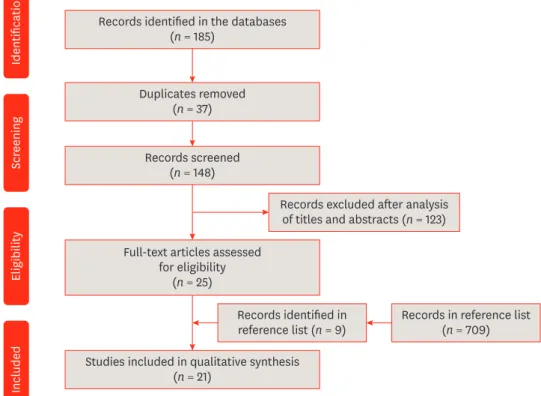
The initial search led to the retrieval of 185 articles: 17 from PubMed, none from Cochrane Library, 141 from Science Direct, 1 from LILACS, none from SciELO, and 26 from the gray literature. After the removal of 37 duplicate articles, the titles and abstracts of 148 articles were analyzed, which led to the exclusion of 123 articles, leaving 25 pre-selected articles for full-text analysis. From the manual search of the reference lists of the selected articles, 9 other papers were identified as eligible, however, they were excluded after full reading. After the full-text analysis, 21 articles were included in the review and qualitatively analyzed [14-17,21-37] (Figure 1).
Extraction of article data
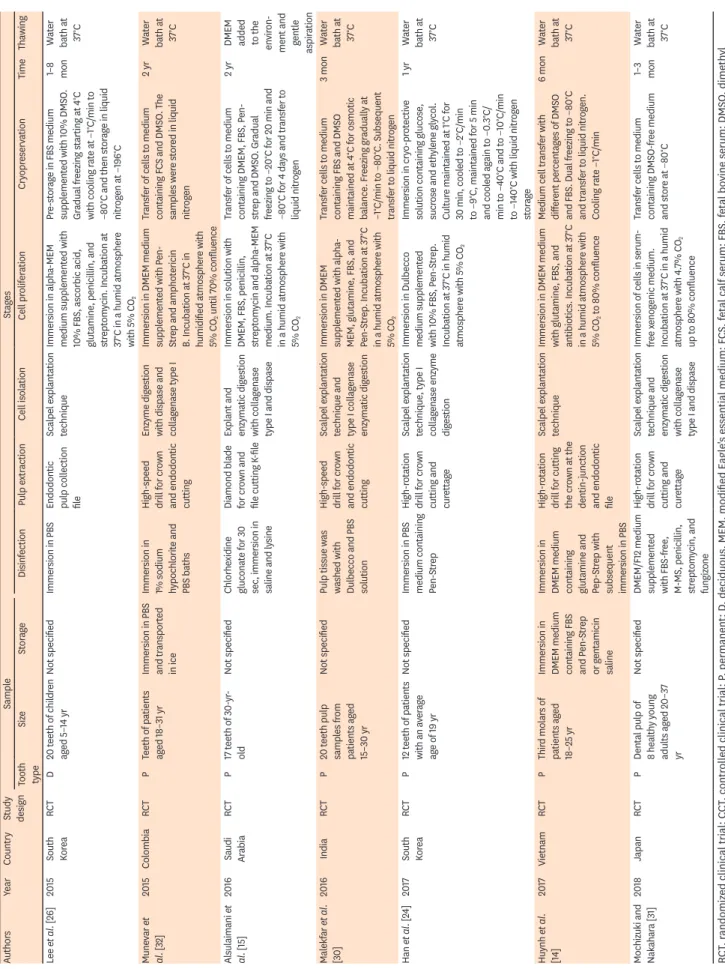
Table 1 shows the characteristics of the data of the 21 articles included in the review.
All studies were randomized controlled trials conducted in 12 different countries, and the publication date ranged from 2006 to 2018. Sixteen articles used permanent teeth
Full-text articles assessed for eligibility
(n = 25)
IdentificationScreeningEligibilityIncluded
Duplicates removed (n = 37)
Records screened (n = 148)
Records excluded after analysis of titles and abstracts (n = 123)
Records identified in
reference list (n = 9) Records in reference list (n = 709) Studies included in qualitative synthesis
(n = 21)
Records identified in the databases (n = 185)
Figure 1. Flowchart of the bibliographic search and selection process adapted from the Preferred Reporting Items for Systematic Reviews and Meta-Analyses (PRISMA) protocol.
Table 1. Characteristics of studies included AuthorsYearCountryStudy designSampleStages Tooth typeSizeStorageDisinfectionPulp extractionCell isolationCell proliferationCryopreservationTimeThawing Papaccio et al. [33]2006ItalyRCTPTeeth of healthy patients aged between 21 and 45 years (unspecified number of teeth) Immediate disinfectionImmersion in chlorhexidine gel and PBS medium containing penicillin, streptomycin, and clarithromycin Gracey's dentin digger and curette
Enzymatic digestion with collagenase I and dispase
Immersion in alpha-MEM medium supplemented with 20% FCS, 2-phosphate ascorbic acid, glutamine, penicillin, streptomycin. Incubation at 37°C in a humid atmosphere with 5% CO2
Transfer of cells to medium containing 10% FCS- supplemented DMSO with immediate storage in liquid nitrogen
More than 2 yr
Water bath at 37°C Zhang et al. [37]2006ChinaRCTPThird impacted molars in patients aged between 18 and 24 yr
Immersion in alpha-MEMAlpha-MEM containing 0.5 mg/ mL gentamicin and 3 g/mL amphotericin B High-speed drill for crown cutting and pulping Explantation technique associated with enzymatic digestion with collagenase type I for 1 hr Immersion in alpha-MEM medium containing 20% FCS. Incubation at 37°C in a humid atmosphere with 5% CO2
Liquid nitrogen storage immediately after handlingLess than 1 mon
Water bath at 37°C Perry et al. [34]2008IndiaRCTP31 third molars from patients aged between 18 and 30 yr
HypoThermosol, Mesencult basal medium, or PBS, the medium being chosen randomly PBS, sodium iodopovidone, and sodium thiosulfate baths High-speed drill for crown and endodontic cutting Enzyme digestion with dispase and type I collagenase Cells were transferred to Mesencult medium supplemented with Pen-Strep and amphotericin B.
Cell transfer to Mesencult medium containing DMSO. Gradual freezing at −1°C/min to −85°C and subsequent transfer to liquid nitrogen
1 monWater bath at 37°C Woods et al. [36]2009United States of America
RCTPTeeth of patients aged between 18 and 30 yr PBS solutionPBS baths, iodopovidone at 1%, and sodium thiosulfate (0.1%) High-speed drill for crown cutting and pulping Enzyme digestion with collagenase type I, II and thermolysin Immersion in Mesencult. Incubation at 37°C in a humid atmosphere with 5% CO2
This solution was supplemented with DMSO. Gradual freezing at −1°C/min to −85°C and subsequent transfer to liquid nitrogen 1 monWater bath at 37°C Lee et al. [27]2010JapanRCTPPremolar dental pulp of adults aged 18–30 yr
PBS solutionImmersion in PBSHigh-speed drill for crown and endodontic cutting Scalpel explantation technique and enzymatic digestion with collagenase type I and dispase Incubation at 37°C in a humid atmosphere with 5% CO2Prior storage in 10% DMSO, maintenance at 4°C during transport. Gradual freezing at −5°C for 15 min with cooling rate at −0.5°C/min to −32°C. Transfer after temperature of −152°C 1 wkWater bath at 37°C Temmerman et al. [35]2010BelgiumRCTPThird molars of patients aged 15–25 yr
Immersion in medium containing DMEM, FCS, Raid solution, fungizone, and gentamicin Immersion in medium containing DMEM, FCS, penicillin, fungizone and gentamicin Carborundum disc for crown and endodontic pulp cutting Explantation technique with scalpel Immersion in Optimem I medium with Pen-Strep, glutamine and FCS. Incubation at 37°C in a humid atmosphere with 10% CO2
Medium cell transfer with FCS and DMSO. Gradual freezing at −1°C/min to −80°C with subsequent transfer to liquid nitrogen
1 monWater bath at 37°C Abedini et al. [21]2011JapanRCTPThird molar dental pulp of 10 patients aged 18–30 yr
Not specifiedSuccessive baths in PBSVertical cut of tooth and pulp removal with curette Explantation technique with scalpel Immersion in alpha-MEM medium supplemented with FBS, penicillin, amphotericin B and kanamycin. Incubation at 37°C in a humid atmosphere with 5% and CO2
Prior immersion in 10% DMSO associated with FBS. Freezing in a magnetic freezer with initial maintenance at −5°C for 15 min and subsequent cooling at a rate of −0.5°C/min to −30°C. Subsequent culture transfer at −150°C.
3 monWater bath at 37°C Chen et al. [22]2011TaiwanRCTP50 teeth of patients with an average age of 25.5 yr
Not specifiedPBS immersionHigh rotation drill for cutting the crown at the dentin junction and endodontic file Enzymatic digestion with collagenase type I and dispase Immersion in alpha-MEM solution containing FBS, Pen-Strep, and ascorbic acid. Incubation at 37°C in a humid atmosphere of 5% CO2 up to 80% confluence Transfer of cells to medium containing DMSO and FBS. Gradual freezing to 4°C for 2 hr, up to −80°C for 8 hr and transfer to liquid nitrogen. Cooling rate −1°C/min.
1 monWater bath at 37°C (continued to the next page)
Table 1. (Continued) Characteristics of studies included AuthorsYearCountryStudy designSampleStages Tooth typeSizeStorageDisinfectionPulp extractionCell isolationCell proliferationCryopreservationTimeThawing Gioventu et al. [23]2012ItalyRCTP10 non-exfoliated teeth obtained from children aged 7–11-yr-old Sterile RPMI 1640Immersion in sterile RPMI 1640 medium Making a cavity at the cementoenamel junction height with Nd:YAG laser Enzymatic digestion with collagenase type A
Immersion in alpha-MEM Glutamax 1% medium supplemented with 20% FBS and 1% Pen-Strep. Incubation at 37°C in a humid atmosphere containing 5% CO2 until 80% confluence.
Immersion in sterile RPMI 1640 medium containing 10% DMSO and 10% human albumin. −80°C culture storage in programmable freezer
10 daysWater bath at 37°C Lee et al. [28]2012TaiwanCCTPOrthodontically exposed incisors of a 28-yr-old woman and a 25-yr-old man
Immediately proceeded to cleaning, no storage Immersion in Dulbecco's phosphate- buffered saline solution High speed drill for crown and endodontic file cutting Scalpel explantation technique and enzymatic digestion with collagenase type I and dispase Immersion in alpha-MEM medium supplemented with 15% FBS, 2-phosphate ascorbic acid, antibiotics and antimicrobials. Incubation at 37°C in a humid atmosphere with 5% CO2
Non-magnetic freezing group: freezes for 1 day at −80°C and −150°C for storage. Magnetic freezing: Immersed in 10% DMSO, performed in a programmable freezer, cooling rate from −0.5°C to −32°C and storage at −150°C
1 wkWater bath at 37°C Antunes [17]2013BrazilRCTD3 teeth of children aged 6 to 12 yrImmersion in alpha-MEM medium and transport on ice
Immersion in medium containing alpha-MEM, penicillin, streptomycin, gentamicin, and amphotericin B Diamond blade for crown cutting and pulp tissue curettage Enzymatic digestion with collagenase type I and dispase Immersion in solution with alpha-MEM and FBS. Incubation at 37°C in a humid atmosphere of 5% and CO2 up to 70%–90% confluence Transfer cells to medium containing DMSO and FBS. Freeze gradually at 4°C for 2 hr, −20°C for 18 hr and up to −80°C with transfer to liquid nitrogen
1 monWater bath at 37°C Ji et al. [16]2014South KoreaRCTD122 teeth obtained from 105 healthy patients aged 3–16 yr
FBS immersionImmersion in alpha-MEM medium containing FBS, Pen-Strep, ascorbic acid, and glutamine Made by a device called “Barbed Broach” (Mani, Utsunomiya Toshi-ken, Japan) Scalpel explantation techniqueSame composition of medium used for decontamination. Incubation at 37°C in a humid atmosphere with 5% CO2
Transfer of cells to medium containing DMSO and FBS. Gradual freezing to 4°C for 1 hr and to −80°C with transfer to liquid nitrogen. Cooling rate −1°C/min
1–9 monWater bath at 37°C Lindemann et al. [29]2014BrazilRCTD26 teeth of children aged 9–11 yrDirect immersion in disinfection medium
Immersion in DMEM medium supplemented with FBS, penicillin, streptomycin, and gentamicin Endodontic file for pulp collection Enzyme digestion with collagenase type I FBS (20%) added to the enzyme digestion solution. Incubation at 37°C in a humid atmosphere with 5% CO2
Immersion in 10% DMSO medium associated with FBS with initial temperature maintenance at 4°C for 1 hr. The temperature was gradually cooled at a rate of −1°C/min to −80°C and maintained for 24 hr, with subsequent transfer to liquid nitrogen at −196°C.
1 wkWater bath at 37°C Kumar et al. [25]2015IndiaRCTPImpacted teeth pulp of 16-yr-old patients
Hank's balanced solutionPBS bathsHigh-rotation drill for crown cutting and curettage Scalpel explantation techniqueImmersion in alpha-MEM medium containing glutamine, FBS, and Pen- StrepIncubation at 37°C in a humid atmosphere with 5% CO2
Transfer of cells to medium containing DMSO and FBS. The best protocol was gradual freezing at 0°C for 15 min, −20°C for 1 hr, and up to −80°C with transfer to liquid nitrogen. Freezing at −1°C/min
1 yrWater bath at 37°C (continued to the next page)
AuthorsYearCountryStudy designSampleStages Tooth typeSizeStorageDisinfectionPulp extractionCell isolationCell proliferationCryopreservationTimeThawing Lee et al. [26]2015South KoreaRCTD20 teeth of children aged 5–14 yrNot specifiedImmersion in PBSEndodontic pulp collection file
Scalpel explantation techniqueImmersion in alpha-MEM medium supplemented with 10% FBS, ascorbic acid, glutamine, penicillin, and streptomycin. Incubation at 37°C in a humid atmosphere with 5% CO2
Pre-storage in FBS medium supplemented with 10% DMSO. Gradual freezing starting at 4°C with cooling rate at −1°C/min to −80°C and then storage in liquid nitrogen at −196°C
1–8 monWater bath at 37°C Munevar et al. [32]2015ColombiaRCTPTeeth of patients aged 18–31 yrImmersion in PBS and transported in ice
Immersion in 1% sodium hypochlorite and PBS baths High-speed drill for crown and endodontic cutting Enzyme digestion with dispase and collagenase type I Immersion in DMEM medium supplemented with Pen- Strep and amphotericin B. Incubation at 37°C in humidified atmosphere with 5% CO2 until 70% confluence Transfer of cells to medium containing FCS and DMSO. The samples were stored in liquid nitrogen
2 yrWater bath at 37°C Alsulaimani et al. [15]2016Saudi ArabiaRCTP17 teeth of 30-yr- oldNot specifiedChlorhexidine gluconate for 30 sec, immersion in saline and lysine
Diamond blade for crown and file cutting K-file Explant and enzymatic digestion with collagenase type I and dispase Immersion in solution with DMEM, FBS, penicillin, streptomycin and alpha-MEM medium. Incubation at 37°C in a humid atmosphere with 5% CO2
Transfer of cells to medium containing DMEM, FBS, Pen- strep and DMSO. Gradual freezing to −20°C for 20 min and −80°C for 4 days and transfer to liquid nitrogen
2 yrDMEM added to the environ- ment and gentle aspiration Malekfar et al. [30]2016IndiaRCTP20 teeth pulp samples from patients aged 15–30 yr
Not specifiedPulp tissue was washed with Dulbecco and PBS solution High-speed drill for crown and endodontic cutting Scalpel explantation technique and type I collagenase enzymatic digestion Immersion in DMEM supplemented with alpha- MEM, glutamine, FBS, and Pen-Strep. Incubation at 37°C in a humid atmosphere with 5% CO2
Transfer cells to medium containing FBS and DMSO maintained at 4°C for osmotic balance. Freezing gradually at −1°C/min to −80°C. Subsequent transfer to liquid nitrogen 3 monWater bath at 37°C Han et al. [24]2017South KoreaRCTP12 teeth of patients with an average age of 19 yr
Not specifiedImmersion in PBS medium containing Pen-Strep High-rotation drill for crown cutting and curettage Scalpel explantation technique, type I collagenase enzyme digestion Immersion in Dulbecco medium supplemented with 10% FBS, Pen-Strep. Incubation at 37°C in humid atmosphere with 5% CO2
Immersion in cryo-protective solution containing glucose, sucrose and ethylene glycol. Culture maintained at 1°C for 30 min, cooled to −2°C/min to −9°C, maintained for 5 min and cooled again to −0.3°C/ min to −40°C and to −10°C/min to −140°C with liquid nitrogen storage
1 yrWater bath at 37°C Huynh et al. [14]2017VietnamRCTPThird molars of patients aged 18–25 yr
Immersion in DMEM medium containing FBS and Pen-Strep or gentamicin saline Immersion in DMEM medium containing glutamine and Pep-Strep with subsequent immersion in PBS High-rotation drill for cutting the crown at the dentin-junction and endodontic file Scalpel explantation techniqueImmersion in DMEM medium with glutamine, FBS, and antibiotics. Incubation at 37°C in a humid atmosphere with 5% CO2 to 80% confluence Medium cell transfer with different percentages of DMSO and FBS. Dual freezing to −80°C and transfer to liquid nitrogen. Cooling rate −1°C/min
6 monWater bath at 37°C Mochizuki and Nakahara [31]2018JapanRCTPDental pulp of 8 healthy young adults aged 20–37 yr
Not specifiedDMEM/F12 medium supplemented with FBS-free, M-MS, penicillin, streptomycin, and fungizone High-rotation drill for crown cutting and curettage Scalpel explantation technique and enzymatic digestion with collagenase type I and dispase Immersion of cells in serum- free xenogenic medium. Incubation at 37°C in a humid atmosphere with 4.7% CO2 up to 80% confluence Transfer cells to medium containing DMSO-free medium and store at −80°C
1–3 monWater bath at 37°C RCT, randomized clinical trial; CCT, controlled clinical trial; P, permanent; D, deciduous. MEM, modified Eagle's essential medium; FCS, fetal calf serum; FBS, fetal bovine serum; DMSO, dimethyl sulfoxide; PBS, phosphate-buffered saline; DMEM, Dulbecco's modified Eagle's essential medium.
Table 1. (Continued) Characteristics of studies included
[14,15,21,22,24,25,27,28,30-37] and 5 used primary teeth [16,17,23,26,29]. The sample size ranged from 3 to 122 teeth and the storage was heterogeneous among the articles: 6 articles used a supplemented culture medium [14,16,17,23,35,37], 5 employed some type of sterile saline solution [25,27,32,34,36], 3 proceeded directly to disinfection [28,29,33] and 6 studies did not specify the type of storage used [15,21,22,24,30,31].
Cell isolation was performed by enzymatic digestion in 8 studies [17,23,26,29,32-34,37], by the explantation technique in 6 studies [14,16,21,25,26,35] and a combination of the 2 techniques was used in 7 studies [15,24,27,28,30,31,37]. Cell proliferation occurred in culture medium supplemented with nutrients, such as fetal bovine serum or fetal lamb serum, as well as non-essential amino acids, and the cells were stored at 37ºC in a humid atmosphere and a low percentage of CO2 [14-17,21-25,27-37].
Cryopreservation of human dental pulp cells
Table 2 shows the 3 main cryopreservation methods observed in this study. Prior to the cryopreservation process, all samples in the eligible studies were immersed in DMSO for cryoprotection [14-17,21-37]. Regarding the cryopreservation process itself, the studies by Perry et al. [34], Woods et al. [36], Temmerman et al. [35], Gioventu et al. [23], Ji et al. [16], Lindemann et al. [29], Lee et al. [26], Malekfar et al. [30], Huynh et al. [14], and Mochizuki and Nakahara [31] employed programmable freezing with a cooling rate of −1°C/min to
−80°C or −85°C and subsequent transfer to liquid nitrogen for storage. Eight other studies also employed programmable freezing, but with the addition of pauses at set temperatures to promote osmotic balance and reduce the risk of cell lysis. Of these studies, Lee et al. [27], Abedini et al. [21] and Lee et al. [26] employed a fixed cooling rate of −0.5°C/min starting at
−5°C, maintained for 15 minutes, with subsequent cooling to −30°C or −35°C and transfer to medium storage at −150°C or −152°C. The work of Han et al. [24] had a greater variation in the cooling rate, as the samples were kept at 1°C for 30 minutes with cooling at −2°C/min to
−9°C for 5 minutes, followed by subsequent cooling at −0.3°C/min to −40°C and at −10°C/min to −140°C with transfer to liquid nitrogen for storage. However, the studies by Papaccio et al.
[33], Zhang et al. [37], and Munevar et al. [32] performed direct immersion in liquid nitrogen without programmable freezing.
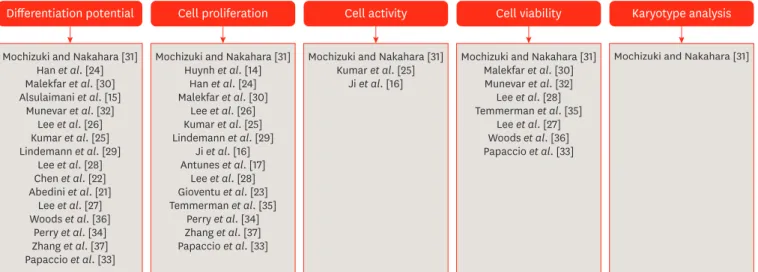
The storage time of the samples ranged from 1 week to 2 years. Defrosting was performed in a 37°C water bath in all studies [15-17,21-37]. To assess the cryopreservation process, several parameters were measured to confirm stem cell characterization in the various studies. Flow cytometry or immunofluorescence were used to evaluate stem cell surface markers in all selected studies. Other parameters such as differentiation potential, cell proliferation, cell activity, and karyotype analysis were considered by the authors to verify the viability of the mesenchymal stem cells post-thawing (Figure 2).
Table 2. Cryopreservation methods
Method 1 Method 2 Method 3
Direct immersion in liquid
nitrogen Programmable freezing with the cooling rate at −1°C/min to
−80°C or −85°C and subsequent transfer to liquid nitrogen for storage
Programmable freezing with the addition of breaks at set temperatures. A fixed cooling rate of −0.5°C/min starting at −5°C, maintained for 15 minutes, further cooled to −30°C or −35°C and then transferred to storage medium at −150°C or −152°C
Papaccio et al. [33], Zhang et al. [37], and Munévar et al. [32]
Perry et al. [34], Woods et al. [36], Temmerman et al. [35], Gioventu et al. [23], Ji et al. [16], Lindemann et al. [29], Lee et al. [26], Malekfar et al. [30], Huynh et al. [14], and Mochizuki and Nakahara [31]
Lee et al. [27], Abedini et al. [21], Chen et al. [22], Lee et al. [28], Antunes [17], Kumar et al. [25], Alsulaimani et al. [15], and Han et al. [24]
Regarding the results obtained after the cryopreservation process, the articles by Perry et al. [34], Lee et al. [27], Chen et al. [22], Lee et al. [28], Antunes [17], Munevar et al. [32], Alsulaimani et al. [15], Malekfar et al. [30], Han et al. [24], and Huynh et al. [14] showed cell viability rates ranging from 56.2% to 100% for cryopreserved cells and from 80 to 100%
for fresh-cultured cells. The lowest viability rates were presented by Munevar et al. [32], who compared 2 cryopreservation methods used in 2006 and 2007 that are not as efficient as the current ones. However, all of the included articles showed that cryopreserved cells maintained their fibroblastic shape and their differentiation capacity similar to the control group of freshly maintained culture cells [14-17,21-37].
Risk of bias appraisal
As seen in Table 3, 20 studies showed a low risk of bias [14,15,17,21-37] and 1 study showed a moderate risk of bias [16]. No studies were classified as having a high risk of bias. Five studies [16,25,32-34] did not present a negative control group and one study did not make this comparison clear [37]. The study by Ji et al. [16] did not show how multiple measurements of the outcome were made. Question 9 of the Joanna Briggs Institute Critical Appraisal Checklist for Quasi-Experimental Studies was considered not applicable for all studies due to the heterogeneity of the data presented.
DISCUSSION
To prolong the possibility of using dental pulp stromal mesenchymal cells for regenerative procedures, a well-established and standardized cryopreservation process is required to achieve a higher cell viability rate [38]. The process of cryopreservation of dental pulp mesenchymal cells includes some essential steps, such as dental element disinfection, dental pulp extraction, cell isolation, cell proliferation, cryopreservation, time setting, and thawing [38,39].
As proposed by Hilkens et al. [38], the first step in the cryopreservation process after obtaining a dental element is disinfection. Many studies presented a disinfection process involving the use of successive immersions of the dental element in phosphate-buffered saline (PBS) in combination with an antibiotic solution [14,16,24,29,31,33,35,37]. These Cell viability Karyotype analysis Cell activity
Cell proliferation Differentiation potential
Mochizuki and Nakahara [31]
Han et al. [24]
Malekfar et al. [30]
Alsulaimani et al. [15]
Munevar et al. [32]
Lee et al. [26]
Kumar et al. [25]
Lindemann et al. [29]
Lee et al. [28]
Chen et al. [22]
Abedini et al. [21]
Lee et al. [27]
Woods et al. [36]
Perry et al. [34]
Zhang et al. [37]
Papaccio et al. [33]
Mochizuki and Nakahara [31]
Huynh et al. [14]
Han et al. [24]
Malekfar et al. [30]
Lee et al. [26]
Kumar et al. [25]
Lindemann et al. [29]
Ji et al. [16]
Antunes et al. [17]
Lee et al. [28]
Gioventu et al. [23]
Temmerman et al. [35]
Perry et al. [34]
Zhang et al. [37]
Papaccio et al. [33]
Mochizuki and Nakahara [31]
Malekfar et al. [30]
Munevar et al. [32]
Lee et al. [28]
Temmerman et al. [35]
Lee et al. [27]
Woods et al. [36]
Papaccio et al. [33]
Mochizuki and Nakahara [31]
Kumar et al. [25]
Ji et al. [16]
Mochizuki and Nakahara [31]
Figure 2. Parameters assessed post-thawing by the selected studies in this systematic review.
studies showed greater concern regarding the initial stage of access to the dental element, because the dental pulp framework may come into contact with it during cutting and, if not properly disinfected, it may contaminate the resident cells and induce complete loss of that material [13,38]. Papaccio et al. [33] and Alsulaimani et al. [15] corroborated the use of chlorhexidine gluconate gel in combination with PBS as a potent dental surface disinfectant.
Perry et al. [34] and Woods et al. [36] pointed to the use of iodopovidone and sodium thiosulfate in combination with PBS as sufficient to obtain adequate disinfection. Thus, PBS seems to be an essential element for disinfection, but alone, it is insufficient for the full accomplishment of this task and therefore requires combination with another component.
The study by Gioventù et al. [23] was unprecedented in using sterile RPMI 1640 for cleansing and disinfection of the dental element, which would be a new method for this step.
An important point to be considered is the period of time between the tooth extraction and cell isolation and/or cryopreservation. Some studies recommended the use of Hank's balanced salt solution or cell culture medium during transportation [34,40] or saline solution with the addition of antibiotics to prevent bacterial infections [14]. There was a time-
dependent reduction in the number of pulp stem cells that could be isolated from extracted teeth as the length of time of storage increased [41], and they could remain viable for up to overnight or 12 hours [14].
The extraction of dental pulp is a critical moment because it can induce contamination if not performed properly, and the sterilization of the cutting materials helps to protect against this outcome [13]. Most of studies used a high-speed diamond drill or diamond disk for cutting the dental element at the cementoenamel junction. In general, after cutting, regardless of its shape, the pulp was excised by curettage with endodontic files or periodontal curettes. However, the details of this step at the end of the process do not seem to have an important impact. For instance, Temmerman et al. [35] compared 3 cuts at different heights of the roots of the teeth to verify whether there the region where the mesenchymal cells resided influenced their morphological characteristics and differentiation capacity beyond Table 3. Risk of bias assessed through the Joanna Briggs Institute Critical Appraisal Checklist for Quasi-Experimental Studies
Studies Q1 Q2 Q3 Q4 Q5 Q6 Q7 Q8 Q9 % Yes Risk
Mochizuki and Nakahara [31] Y Y Y Y Y Y Y Y NA 88.88 Low
Huynh et al. [14] Y Y Y Y Y Y Y Y NA 88.88 Low
Han et al. [24] Y Y Y Y Y Y Y Y NA 88.88 Low
Malekfar et al. [30] Y Y Y Y Y Y Y Y NA 88.88 Low
Alsulaimani et al. [15] Y Y Y Y Y Y Y Y NA 88.88 Low
Munevar et al. [32] Y Y Y N Y Y Y Y NA 77.77 Low
Lee et al. [26] Y Y Y Y Y Y Y Y NA 88.88 Low
Kumar et al. [25] Y Y Y N Y Y Y Y NA 77.77 Low
Lindemann et al. [29] Y Y Y Y Y Y Y Y NA 88.88 Low
Ji et al. [16] Y Y Y N UC Y Y Y NA 66.66 Moderate
Antunes et al. [17] Y Y Y Y Y Y Y Y NA 88.88 Low
Lee et al. [28] Y Y Y Y Y Y Y Y NA 88.88 Low
Gioventu et al. [23] Y Y Y Y Y Y Y Y NA 88.88 Low
Chen et al. [22] Y Y Y Y Y Y Y Y NA 88.88 Low
Abedini et al. [21] Y Y Y Y Y Y Y Y NA 88.88 Low
Temmerman et al. [35] Y Y Y Y Y Y Y Y NA 88.88 Low
Lee et al. [27] Y Y Y Y Y Y Y Y NA 88.88 Low
Woods et al. [36] Y Y Y Y Y Y Y Y NA 88.88 Low
Perry et al. [34] Y Y Y N Y Y Y Y NA 77.77 Low
Zhang et al. [37] Y Y UC Y Y Y Y Y NA 77.77 Low
Papaccio et al. [33] Y Y Y N Y Y Y Y NA 77.77 Low
Y, yes; N, no; UC, unclear; NA, not applicable.


![Table 2 shows the 3 main cryopreservation methods observed in this study. Prior to the cryopreservation process, all samples in the eligible studies were immersed in DMSO for cryoprotection [14-17,21-37]](https://thumb-ap.123doks.com/thumbv2/123dokinfo/5409618.221247/8.892.57.837.957.1087/cryopreservation-methods-observed-cryopreservation-process-eligible-immersed-cryoprotection.webp)