응급실에서 전원된 급성기 근골격계 환자의 통증에 미치는 침치료의 효과:
증례보고※노승희1, 김유리1, 김건형2, 이창형3, 류지호4, 김재규2, 이병렬2, 양기영2,*
1부산대학교 한방병원 침구의학과
2부산대학교 한의학전문대학원 임상의학3부 침구의학과
3부산대학교 의학전문대학원 재활의학과
4부산대학교 의학전문대학원 응급의학과
[Abstract]
Effects of Acupuncture on Acute Musculoskeletal Pain Transferred from Emergency Department: Case Report※
Seung Hee Noh1, Yu Ri Kim1, Kun Hyung Kim2, Chang Hyung Lee3, Ji Ho Ryu4, Jae Kyu Kim2, Byung Ryul Lee2 and Gi Young Yang2,*
1Department of Acupuncture & Moxibustion Medicine, Pusan National University Korean Medicine Hospital
2Department of Acupuncture & Moxibustion Medicine, School of Korean Medicine, Pusan National University
3Department of Rehabilitation Medicine, School of Medicine, Pusan National University
4Department of Emergency Medicine, School of Medicine, Pusan National University
Objectives : The aim of this study was to report the effects of acupuncture on the patients with severe acute musculoskeletal pain transferred from emergency department(ED).
Methods : Three patients were transferred from ED of western medicine, and treated with Korean medicine treatments composed of acupuncture mainly and cupping, herbal steaming, and herbal decoction additionally.
Results : All patients showed pain-reduction and relaxation both physically and mentally immediately after the first acupuncture treatment. In cases 1 and 2, the pain numerical rating scale(NRS) decreased after the day of admission from 8 to 4 and 10 to 2, respectively. In case 3, pain NRS also gradually decreased from 8 to 4 after three days.
Conclusion : Acupuncture was effective for immediate pain reduction in patients with severe acute musculoskeletal pain transferred form ED. Further studies are warranted to confirm the immediate pain-reduction effect of acupuncture on acute musculoskeletal patients visiting or transferred from ED.
Key words :
Acupuncture;
Acute musculoskeletal pain;
Pain-reduction;
Emergency department
Received : 2013. 11. 11.
Revised : 2013. 11. 27.
Accepted : 2013. 11. 27.
On-line : 2013. 12. 20.
※ This study was supported by a clinical research grant from Pusan National University Hospital in 2013
✱ Corresponding author : Department of Acupuncture & Moxibustion Medicine, School of Korean Medicine, Pusan National University, 49 Busandaehak-ro, Mulgeum-eup, Yangsan-si,
Gyeongsangnam-do, 626-870, Republic of Korea Tel : +82-55-360-5963 E-mail: [email protected]
This is an Open-Access article distributed under the terms of the Creative Commons Attribution Non-Commercial License (http://creativecommons.org/licenses/by-nc/3.0) which permits unrestricted non-commercial use, distribution, and reproduction in any medium, provided the original work is properly cited.
The Acupuncture is the Journal of Korean Acupuncture & Moxibustion Medicine Society. (http://www.TheAcupuncture.or.kr) Copyright © 2013 KAMMS. Korean Acupuncture & Moxibustion Medicine Society. All rights reserved.
Ⅰ. 서 론
응급실은 생명 보존이 어렵거나 심신에 중대한 위해가 발생할 가능성이 있어 즉시 응급처치가 필요한 환자를 위해 의료를 제공하는 곳이다1). 그러나 응급실 내원환자 중 비응급환자의 비율은 2011년 기준 약 30 %, 2012년 기준 약 26 % 정도로 상당히 높고2,3), 보고에 따라 다소 차이는 있으나 염좌, 좌상 등 단순 근골격계 환자 역시 (1995~2012) 7.0~14.9 % 정도로 (최대 22.4 %) 상당한 비율을 차지한다4-7). 우리나라뿐 아니라 세계적으로 심각 한 현상으로 제기되는 응급실 과밀화의 문제5)는, 입원 병 실의 부족과 함께 중증환자에 대한 우선 진료로 인해 경증 환자의 진료가 지체되는 것 역시 주요한 원인으로 생각된 다4). 이렇듯 비응급, 경증 외상(염좌, 타박) 환자는 응급 실을 방문해도 진단이나 처치가 더 늦어지는 경향이 있어, 응급실에 방문하는 비응급 경증환자의 효율적인 처치방법 이 필요하다.
침 치료는 임상적으로 각 과의 모든 병증치료에 응용되 어 활용범위가 매우 넓지만, 기존에 유효성 및 안전성이 입증된 분야는 주로 만성 요통8), 두통9), 슬통10) 등 만성 통증 치료에 집중되어 있다. 최근 급성 근골격계 통증 질 환에 대해서도 다양한 연구가 시도되고 있으며, 급성 요 통11), 급성 요추간판탈출증12), 급성 십자인대 손상13), 급 성 족관절 염좌14) 등에 대한 침 치료의 효과가 보고되어 있다. 이렇듯 급성 근골격계 질환에 대한 침치료의 적용가 능성 및 침 치료 후 진통제와 소염제 사용량 감소가 가능 함15)을 고려할 때, 응급실에 내원하는 급성 근골격계 환자 에 대한 침 치료의 긍정적 역할을 기대할 수 있을 것으로 사료된다.
여러 한방병원에도 응급실이 설치되어 있고, 체계적인 자료가 축적되고 있지는 않으나 개별 한방병원의 응급실 내원환자에 대한 분석도 이루어져16,17), 신경계 질환 환자 다음으로 근골격계 환자가 차지하는 비중이 높음을 알 수 있다16). 경우에 따라 한방병원 응급실 내원환자는 협의진 찰을 받거나, 양방병원으로 전원하는 사례는 보고되어 있 으나, 반대로 양방병원 응급실에서 한방병원 응급실로 전 원한 환자에 대한 보고는 현재까지는 이루어지지 않은 것 으로 보인다.
본 연구는, 양방병원 응급실에 내원한 비응급 근골격계 통증 환자 중 통증 조절을 위해 부산대학교 한방병원 침 구의학과로 전원되어, 침 치료를 위주로 한 한의약 복합치 료를 통해 빠른 회복을 보인 증례가 있어 이를 보고하는 바 이다.
Ⅱ. 방 법
1. 대상
급성 근골격계 통증으로 양방병원 응급실에 내원하였다 가 통증 조절을 위해 부산대학교 한방병원 침구의학과로 전원한 환자 3명을 대상으로 하였다.
2. 시술자
주된 침 치료는 임상경력 10년 이상의 침구의학과 전문 의가 시행하였고, 부가적인 침, 부항, 훈증요법은 침구의학 과 전문수련의 및 일반수련의가 시행하였다.
3. 평가
본 증례의 주소증인 근골격계 통증의 평가를 위해 base- line evaluation, 시각상사척도, 숫자평가척도를 공통적 으로 사용하였고, 증례 1은 요통 관련 설문지인 Oswestry disability index(ODI)와 Rolland-Morris disability ques- tionnaire(RMDQ)를 추가로 평가하였다.
1) Baseline evaluation
통증을 평가하기 위한 설문지로 두 가지의 질문으로 구 성되어 있으며, ‘어디가 아프신가요?’의 개방형 질문에 환 자는 원하는 대로 기술할 수 있고, ‘현재 통증이 어떤 정도 인가요?’의 질문에는 5단계(없음 - 가벼운 통증 - 중간 정 도의 통증 - 심한 통증 - 매우 심한 통증)로 대답한다.
2) Visual analogue scale(VAS)
양 끝에 0(통증 없음)과 10(극심한 통증)을 표시한 직선 에, 환자가 느끼는 통증을 직선 위에 표시하도록 하였다.
3) Numerical rating scale(NRS)
0(통증 없음)에서 10(극심한 통증)까지의 숫자를 사용하 여 말로 대답하거나 글로 표현하도록 하여 통증 정도를 표 시하도록 하였다.
VAS와 유사하나 보다 간편하고 빠르게 통증 평가가 가 능하다.
4) ODI, RMDQ
요통환자에 한해 적용한 설문지이다. ODI는 요통 기능 장애 지수로서 일상생활 동작과 관련된 10개의 문항에 6단계로 대답하며, 각각을 0~5점으로 하여 합산한 점수 를 답한 문항 수로 나누고 100을 곱하여 계산한다.
RMDQ는 요통환자의 물리적 장애를 측정하기 위한 24개 의 문항에 ‘예/아니오’로 대답하여, 0에서 24점까지의 점 수로 계산한다. 두 척도 모두 점수가 높을수록 장애 정도 가 크다.
5) Patient global assessment(PGA) 침 치료를 시작하기 전과 비교하여 현재 느끼는 증상의 정도를 자가 평가하는 설문지로, ‘아주 좋아짐 - 꽤 좋아 짐 - 치료 전과 같거나 비슷함 - 꽤 나빠짐 - 매우 나빠짐’
의 5가지 항목 중 하나로 대답한다.
6) 이상반응
매 치료 후 이상반응이 있는지 여부를 개방형 질문을 통 해 확인하였다.
Ⅲ. 증 례
1. 증례 1 - 요부 염좌
1) 환자 (1) 현병력
32세 남성으로, 2013년 1월 26일 오전 9시경, 몸무게 8 kg 정도 되는 아기를 안고 내리며 허리를 숙이던 중 갑자 기 전기가 통하는 듯한 양상의 통증이 발생하였다. 통증으 로 인한 요부 움직임의 심한 제한 및 보행불가 상태로 발병 당일 양산부산대학교병원 응급의료센터에 내원하여, 요추 부 X-ray 및 CT에서 특별한 이상소견이 발견되지 않아 wheel chair를 통해 본원으로 전원되었다.
(2) 진단명
Sprains and strains of lumbar spine
(3) 과거력
특이 과거력은 없었다.
2) 치료방법 (1) 입원기간
2013년 1월 26일∼29일(4일)
(2) 침 치료
오전 및 오후에 각 1회, 하루 2회씩 퇴원 시까지 총 8회 침 치료를 시행하였다. 1회용 멸균 호침(동방침구제작소, 한국, 0.30×60 mm)을 이용하여 동씨침법의 영골ㆍ대백ㆍ 화관ㆍ화릉ㆍ화산 등의 혈위를 위주로 하되 증상 변화에 따라 가감하여 자침하고, 강한 득기감이 유발되도록 염전 한 후, 침상에서 요부 신전 또는 굴곡 운동의 방법을 이용 해 동기시켰다(Appendix 1).
(3) 부항 치료
소독된 부항컵을 요배부에 부착하여 5분간 유지하는 유 관법을 매일 1회, 퇴원 시까지 총 4회 시행하였다.
(4) 훈증 치료
같은 비율로 혼합한 박하ㆍ애엽ㆍ곽향 약 5 g을 500 mL 정도의 물로 끓인 증기를 요배부에 가하는 방식의 훈증치 료를 매일 1회, 퇴원 시까지 총 4회 시행하였다.
(5) 한약 치료
입원일부터 퇴원일까지, 가미보중익기탕 2첩을 120 cc 3포로 전탕하여 식후 30분에 1포씩, 1일 3회 복용하였다.
보중익기탕은 운동피로에서 대사를 정상으로 회복시키며18) 에너지 및 전해질 대사에 변화를 일으켜 운동수행능력의 향상에 유효하다는 보고19)에 근거하여 선정하였고, 증상에 따라 가미하였다.
가미보중익기탕 : 황기ㆍ단삼 각 8 g, 백출ㆍ감초ㆍ강활ㆍ 독활ㆍ형개ㆍ박하ㆍ자소엽ㆍ갈근ㆍ백작약(炒)ㆍ방풍 각 6 g, 녹용 4 g, 당귀(土)ㆍ진피 각 3 g, 승마(酒洗)ㆍ시호 각 2 g
3) 치료 경과(Fig. 1, 2) (1) 치료 전
① Physical examination : SLR 70/70, bragard test(-), laseque test(-), ankle dorsiflexion(-/-), ankle plantar flexion(-/-), 요부 통증으로 인해 심하게 움직임이 제한되어 요추부 range of motion(ROM)의 측정 과 milgram test, pelvic tilting은 시행이 불가능하였다.
② 통증 평가
• Baseline evaluation 아픈 부위 : 허리
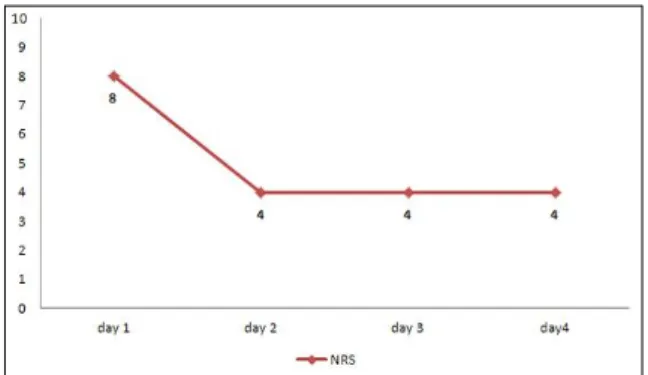
Fig. 1. Changes of pain numerical rating scale (NRS) of case 1
Fig. 2. Changes of pain of case 1 measured with baseline evaluation, visual analogue scale(VAS), numerical rating scale(NRS), Oswestry disability index(ODI) and Rolland-Morris disability ques- tionnaire(RMDQ) at admission and discharge(4th day of admission)
현재 통증 : 매우 심한 통증 • VAS : 8
• NRS : 8 • ODI : 40 • RMDQ : 11
(2) 입원 2일째
안정 시 통증이 소실되었고, 요추 굴곡 시 통증은 NRS 4로 감소하였다. 좌위 및 단거리 보행이 가능해졌고, pelvic tilting 역시 가능해졌다. 요추부 움직임에는 굴곡 에 약간의 제한이 있었다.
(3) 입원 3일째
요추 굴곡 시 통증은 NRS 4로 남아 있었으나 움직임이 상당히 호전되었다. 요추 굴곡 40°, 신전 10°, 회전 45°, 측굴 30°로 양호해졌고, 좌위 및 보행 시에 통증은 발생하 지 않았다.
(4) 퇴원일
① Physical examination : 입원 3일째와 같은 움직임 호전 상태가 유지되었다.
② 통증 평가
• Baseline evaluation 아픈 부위 : 허리
현재 통증 : 중간 정도의 통증 • VAS : 4
• NRS : 4 • ODI : 22.2 • RMDQ : 6 • PGA : 아주 좋아짐
(5) 이상반응
입원기간 동안 이상반응은 나타나지 않았다.
2. 증례 2 - 설명되지 않은 비심장성 흉통
1) 환자 (1) 현병력
44세 여성으로, 2013년 1월 31일(내원 전일) 저녁 8시경 부터 좌측 가슴 아래 부분으로 우리한 통증이 시작되었고, 저녁 11시경 통증이 극심해져서 119 구급차를 통하여 양산 부산대학교병원 응급의료센터로 이송되었다. 응급실에서 chest X-ray, chest CT에서 내장기성 흉통은 배제되었고, sprain and strain of thorax로 진단받고 진통제 주사치료 를 받았으나 통증이 지속되어 stretcher car를 통해 익일인 2013년 2월 1일 본원으로 전원되었다.
(2) 진단명
Sprains and strains of thoracic spine
(3) 과거력
특이 과거력은 없었다.
2) 치료방법 (1) 입원기간
2013년 2월 1일 ∼4일(4일) (2) 침 치료
오전 및 오후에 각 1회, 하루 2회씩 퇴원 시까지 총 8회
침 치료를 시행하였다. 1회용 멸균 호침(동방침구제작사, 한국, 0.30×60 mm)을 이용하여 동씨침법의 중자ㆍ중선ㆍ 수해ㆍ수곡ㆍ화주 등의 혈위를 위주로 하되 증상 변화에 따라 가감하여 자침하고, 강한 득기감이 유발되도록 염전 한 후, 침상에서 심호흡과 상지움직임을 통해 흉배부가 동 기될 수 있도록 하였다(Appendix 2).
(3) 부항 치료
소독된 부항컵을 흉배부에 부착하여 5분간 유지하는 유 관법을 매일 1회, 퇴원 시까지 총 4회 시행하였다.
(4) 훈증 치료
같은 비율로 혼합한 박하ㆍ애엽ㆍ곽향 약 5 g을 500 mL 정도의 물로 끓인 증기를 흉배부에 가하는 방식의 훈증치 료를 매일 1회, 퇴원 시까지 총 4회 시행하였다.
(5) 한약 치료
입원일부터 퇴원일까지, 근육 피로와 손상의 회복을 목
표18,19)로 가미보중익기탕 2첩을 120 cc 3포로 전탕하여 식
후 30분에 1포씩, 1일 3회 복용하였다.
가미보중익기탕 : 황기ㆍ단삼 각 8 g, 백출ㆍ감초ㆍ강활ㆍ독 활ㆍ형개ㆍ박하ㆍ자소엽ㆍ갈근ㆍ백작약(炒)ㆍ방풍 각 6 g, 녹 용 4 g, 당귀(土)ㆍ진피 각 3 g, 승마(酒洗)ㆍ시호 각 2 g
3) 치료 경과(Fig. 3, 4) (1) 치료 전
① Physical examination : 특이 소견은 없었다.
② 통증 평가
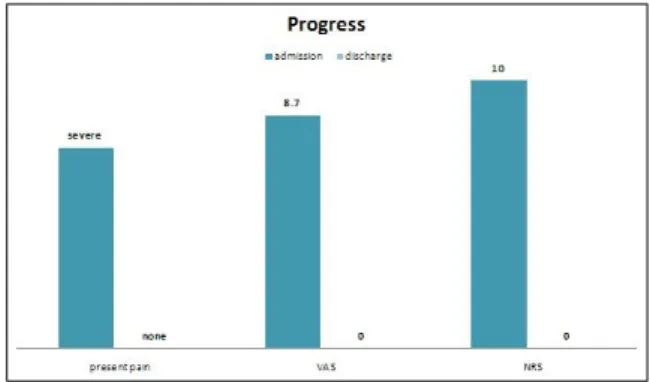
• Baseline Evaluation 아픈 부위 : 가슴 현재 통증 : 심한 통증 • VAS 8.7
• NRS 10
(2) 입원2일
우리한 느낌 정도로 통증이 감소하여 NRS 상 2로 상당 한 호전을 보였다.
(3) 입원3일
안정시 통증은 소실되었고 움직임시 뻐근한 느낌 정도로 표현하였고, NRS 상으로는 2를 유지하였다.
(4) 퇴원일
① Physical Examination : 특이소견은 없었다.
Fig. 3. Changes of pain numerical rating scale (NRS) of case 2
Fig. 4. Changes of pain of case 2 measured with baseline evaluation, visual analogue scale(VAS) and numerical rating scale(NRS) at admission and discharge(4th day of admission)
② 통증 평가
• Baseline evaluation 아픈 부위 : 가슴 현재 통증 : 없음 • VAS : 0 • NRS : 0
• PGA : 아주 좋아짐
(5) 이상 반응
입원기간 동안 이상 반응은 나타나지 않았다.
3. 증례 3 - 다발성 늑골 골절
1) 환자 (1) 현병력
44세 여성으로, 2012년 10월 21일(내원 전일) 자동차 사
고(운전자, 좌측 측면 추돌)로 수상하여 우측 흉부 통증, 좌측 경부 찰과상, 양측 슬부 타박상, 우측 측두부 종창 등 이 발생하였고, 양산부산대학교병원 응급의료센터에 내원 하여 brain CT, chest CT에서 Rt 2nd and 3rd rib fracture 진단을 받았고, 지속되는 통증 치료를 위해 stretcher car를 통해 익일인 2012년 10월 22일 본원으로 전원되었다. 환자는 우측 흉배부의 통증, 전두부 통증, 우 측 상지의 통증을 주로 호소하였다.
(2) 진단명
Multiple rib fracture, involving two ribs, closed sprains and strains of thoracic spine
(3) 과거력
특이 과거력은 없었다.
2) 치료방법 (1) 입원기간
2012년 10월 22일∼11월 7일(17일)
(2) 침 치료
오전 및 오후에 각 1회, 하루 2회씩 퇴원 시까지 총 34회 침 치료를 시행하였다. 1회용 멸균 호침(동방침구제작사, 한국, 0.30×60 mm)을 이용하여 동씨침법의 중자ㆍ중선ㆍ 수해ㆍ수곡ㆍ화주 등의 혈위를 위주로 하되 증상 변화에 따라 가감하여 자침하고, 강한 득기감이 유발되도록 염전 한 후, 침상에서 심호흡과 상지움직임을 통해 흉배부가 동 기될 수 있도록 하였다(Appendix 3).
(3) 부항 치료
소독된 부항컵을 배부에 부착하여 5분간 유지하는 유관 법을 매일 1회, 퇴원 시까지 총 17회 시행하였다.
(4) 훈증 치료
같은 비율로 혼합한 박하ㆍ애엽ㆍ곽향 약 5 g을 500 mL 정도의 물로 끓인 증기를 배부에 가하는 방식의 훈증치료 를 매일 1회, 퇴원 시까지 총 17회 시행하였다.
(5) 한약 치료
초기 8일간은 活血去瘀行氣止痛을 위해 활락탕을, 이후 9일간은 통증감소 및 補肝腎强筋骨을 목표로 독활기생탕 의 변방인 독활속단탕을 개별 환자의 증상에 맞게 가감하 여 투여하였는데, 각각 2첩을 120 cc 3포로 전탕하여 식후 30분에 1포씩, 1일 3회 복용하였다.
활락탕가미(10월 22일∼29일) 2첩 3포/일 : 목과ㆍ백굴 채ㆍ현호색 각 8 g, 독활ㆍ위령선 각 6 g, 강활ㆍ당귀(일)ㆍ 지황(건지황)ㆍ적작약ㆍ창출ㆍ유향ㆍ몰약ㆍ홍화자 각 3 g, 사인ㆍ감초 각 2 g, 생강 6 g, 대조 4 g
독활속단탕가미(10월 30일∼11월 7일) 2첩 3포/일 : 금 은화ㆍ연교 각 12 g, 독활ㆍ강활ㆍ당귀(日)ㆍ백작약ㆍ황기ㆍ 단삼ㆍ위령선 각 6 g, 속단ㆍ숙지황ㆍ천궁(去油,日)ㆍ복령ㆍ 우슬ㆍ두충(鹽炙)ㆍ진교ㆍ세신ㆍ방풍ㆍ육계 각 4 g, 감초 2 g
3) 치료 경과(Fig. 5, 6) (1) 치료 전
① Physical examination : 경추, 흉추부 active ROM 의 전반적인 제한이 있고 긴장이 현저하게 나타났다.
② 통증 평가
• Baseline evaluation
아픈 부위 : 신체 골절 타박상 현재 통증 : 심한 통증
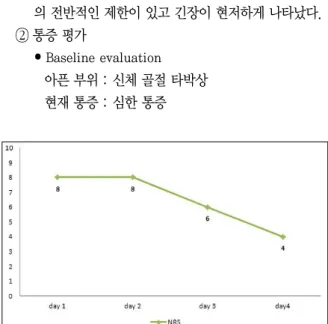
Fig. 5. Changes of pain numerical rating scale (NRS) of case 3 for the initial 4 days from admission
Fig. 6. Changes of pain of case 3 measured with baseline evaluation, visual analogue scale (VAS) and numerical rating scale(NRS) at admission and discharge(17th day of admission)
• VAS : 8 • NRS : 8
(2) 입원 2일째
안정 시 욱신거리는 통증 및 자세변화 시 결리는 통증이 NRS 8로 지속되었다.
(3) 입원 3일째
안정 시 욱신거리는 통증이 소실되었고, 자세변화 시 결 리는 통증이 NRS 6으로 감소하였다.
(4) 입원 4일
자세변화 시 결리는 통증이 입원 당시에 비교해 절반으 로 감소하였다.
(5) 퇴원일
① Physical examination : 특이소견은 없었다.
② 통증 평가
• Baseline Evaluation
아픈 부위 : 신체 골절 타박상 현재통증 : 가벼운 통증 • VAS : 3
• PGA : 꽤 좋아짐
(6) 이상반응
입원기간동안 자침부위에 일시적으로 경미한 출혈과 통 증이 있었으나 단시간 내 자연적으로 소실되었고, 그 외의 이상반응은 호소하지 않았다.
Ⅳ. 고 찰
본 연구는 양방병원 응급실에 내원한 비응급 근골격계 통증 환자 중 통증 조절을 위해 본원으로 전원되어 침 치료 를 위주로 한 한의학적 복합치료를 통해 빠른 통증 감소를 보인 환자 3례에 대한 보고이다.
환자의 현병력을 살펴보면, 공통적으로 급작스럽게 발생 한 심한 통증을 주소로 응급실에 내원하였는데, 원인으로 는 염좌, 특발성, 외상이 있었고, 주증상은 요부ㆍ흉늑부ㆍ 배부의 통증이었으며, 응급실에서 영상검사 등의 평가로 단순 근골격계 통증인 것으로 진단된 후 증례 1, 3의 환자 는 처치 없이 바로, 증례 2의 환자는 진통제 주사 후 수 시 간이 경과하였음에도 지속되는 통증의 조절을 위해 본원으
로 전원되었다.
치료는 전원된 즉시, 침 치료를 위주로 시행하였고, 공 통적으로 손발을 위주로 한 원위 취혈 방식을 택하여 강하 게 득기 후 동기시켰다. 이후 환부에 부항치료와 훈증치료 를 시행했으며, 입원 당일 저녁부터 처방된 탕약을 복용하 도록 하였다.
전원 후 즉시, 첫 번째 침 치료 후 즉각적인 통증 감소를 나타내었고, 움직임이 심하게 제한되었던 증례 1과 3에서 는 동기시킨 후 다소 긴장이 완화되며 일상적인 동작을 천 천히 수행할 수 있을 정도로 호전되었다. 첫 번째 침 치료 후 보행이나 체위의 변경이 어느 정도 가능해져서 환부에 부항과 훈증의 치료를 시행할 수 있었으며, 통증이 감소하 면서 환자의 심리 상태도 다소 안정되는 모습을 관찰할 수 있었다. 입원기간 동안 침 이외의 처치도 지속적으로 적용 되었기 때문에 통증 감소에 긍정적인 영향을 주었을 것으 로 생각되나, 치료 후 즉각적인 증상 변화 양상을 살펴볼 때 주된 효과는 침 치료에 기인하는 것으로 판단한다.
경과를 살펴보면 증례 1과 2는 입원 후 하루 만에 통증이 절반 이하로 감소하였는데, 증례 1은 입원 당일 NRS 8에서 1일 경과 후 NRS 4로, 증례 2는 입원 당일 NRS 10에서 1일 경과 후 NRS 2로 빠른 시간 내에 현저한 통증 감소가 나타났다. 진통제 주사 후 수 시간이 지난 후에도 통증이 지속되었던 증례 2에서 침 치료 후 빠른 호전이 나타났 다는 것은 특기할만하다. 다발성 골절이 동반되었던 증례 3은 입원 당일 NRS 8에서 약 3일이 경과한 후 NRS 4로 감소하였다. 치료가 누적되면서 양호한 반응을 보여, 증례 1과 2는 4일이라는 단기간 내에 치료를 종료하고 퇴원하였 으며, 골절로 인해 안정가료가 요구되었던 증례 3은 약 17일간 치료를 지속하였다.
본 연구에서 나타난 급성 근골격계 통증에 대한 침 치료 의 즉시적 진통 효과는 기본적으로 분절외적 진통 기전에 의한 것으로 판단된다. 공통적으로 침 치료는 사지말단의 원위부에 자침하고 강한 득기반응을 유발하였다. 환부에서 멀리 떨어진 원위부의 침 치료에 의해 하향 억제 통증 조절 시스템 또는 척수고유 이분절 항침해 시스템(propriospinal heterosegmental antinociceptive system)이 활성화되고20) 내인성 아편양 물질이 분비되면서 진통 효과가 나타나는 것으로 보고되어 있다. 뿐만 아니라 침 치료 후 통증이 완 화되고 긴장이 풀리면서 신체 움직임의 호전과 함께 심리 적 이완이 나타났던 것으로 볼 때 자율신경계 효과와 심리 학적 변화를 포함하는 중추 조절 효과로도 판단할 수 있다21). 일부 무작위 대조 연구에서도 원위부에 자침하는 것이 즉 각적으로 작용하는 통증 완화 치료로서의 가능성이 있음을 보고하고 있다20).
임상적으로는 급성 근골격계 통증에 침 치료가 두루 사 용되고, 그 효과도 일부 보고가 되어 있으나12-14), 만성 통 증과 비교할 때 그 근거는 아직 불충분하다. 근골격계 통증 의 대다수를 차지하는 요통과 경항통에 대한 침 치료의 체 계적 문헌고찰을 살펴보면, 만성 요통 치료에서 침은 치료 를 하지 않거나 거짓 침 치료를 하는 것 보다 단기 효과가 좋으며8), 만성 경항통에 대한 침 치료 역시 중등도의 근거 가 있음이 보고되어 있다22). 급성 및 아급성 요통에 대해서 는 무작위 대조 연구의 숫자가 부족하고 질이 낮아 확실한 결론을 내릴 수 없고, 더욱이 급성과 아급성 경항통에 대한 무작위 대조 연구는 아직 보고된 바가 없는 것으로 나타난 다. 응급실 환경 내에서 비응급 급성 질환에 대한 침 치료 를 평가한 체계적 문헌 고찰23)에도, 급성기 근골격계 질환 의 통증 감소에 침 치료가 긍정적 역할을 한다는 일부 연구 가 있으나 근거 수준이 불충분하다고 하였다. 그러나 최근 Shin et al11)에 의해 급성 요통에 대한 침 치료의 진통 효 과가 보고됨으로써, 급성 요통에 대한 침 치료의 임상근거 에 긍정적 영향을 줄 수 있을 것으로 기대되며, 요통뿐 아 니라 근골격계 여러 급성 통증에 대한 침 치료의 효과와 관 련된 보다 많은 연구가 필요할 것으로 생각된다.
본 증례 환자들의 내원 경로의 특징은, 응급실에서 초기 평가 후 통증 조절을 위해 본원으로 전원되었다는 데 있다.
응급실은 급성 질환이나 손상으로 인해 위험에 빠진 환자 를 대상으로 응급치료를 제공하는 것을 목표로 하나, 실제 로는 즉시 치료받기를 원하는 다양한 비응급 환자들의 방 문도 많은 비율을 차지한다24). 의료자원의 부족뿐 아니라 중증 환자의 우선 처치로 인한 경증 환자의 대기가 길어지 면서 응급실은 과밀화 되고, 검사 및 치료가 지연되며 결과 적으로 환자 만족도 역시 떨어지는데 이는 국내외적으로 심각한 현상이다. 또한 응급실에 내원하는 단순 근골격계 환자의 비율이 7.0∼14.9 %, 많게는 22.4 %에 이르는 것을 고려할 때, 이러한 환자들의 초기 평가 후 빠른 전원 또는 응급실 현장에서의 침 치료 등의 형태로서 응급실에 방문 하는 급성 근골격계 통증 환자의 통증 조절을 위한 침 치료 의 적극적인 역할을 기대해 볼 수 있고, 뿐만 아니라 응급 실 진료 프로세스에도 긍정적인 영향을 줄 수 있을 것이다.
아울러 침 치료를 받은 환자들이 더 적은 양의 진통제와 소 염제를 사용한다는 연구 결과15)에 비추어, 침 치료를 통해 통증 조절에 주로 처방되는 비스테로이드성 소염진통제의 사용 및 그로 인한 부작용을 감소시키는 효과도 기대해볼 수 있을 것이다.
본 연구는 응급실에서 전원된 급성 근골격계 통증 환자 에게 침치료를 포함한 한의약 치료를 적용한 증례로서, 현 재까지 응급실에서 전원된 환자의 증례보고는 이루어지지
않은 것으로 보이며, 급성 통증 조절에 미치는 침 치료의 효과 및 응급실 내원 근골격계 통증 환자에 대한 침 치료의 역할 확장 가능성을 제기했다는 점에 의의가 있다. 그러나 단순 증례보고로서 근거수준이 약하고, 침 치료 외의 한의 학적 복합치료 및 자연관해의 영향을 배제할 수 없으며, 장 기 추적관찰을 하지 못하였다는 한계가 있다. 향후 응급실 에서 본원에 전원되는 환자를 대상으로 장기 관찰하는 전 향적 연구 또는 응급실과의 협진을 통한 응급실 환경 내 무 작위대조 침 치료 연구가 필요할 것으로 사료된다.
Ⅴ. 결 론
응급실에 내원한 비응급 근골격계 통증 환자 중 통증 조 절을 위해 부산대학교한방병원 침구의학과로 전원한 3명 의 환자에게 침 치료를 위주로 한 한의약 치료를 적용하여 빠른 통증 감소를 나타내었다.
Ⅵ. References
1. Korea Ministry of Government Legislation. Emergency Act. Available from: URL:http://www.law.go.kr/
lsInfoP.do?lsiSeq=140932&efYd=20130604#0000.
Accessed on November 8, 2013.
2. National Emergency Medical Center. 2011 Statistical Yearbook of Emergency Medicine. 2012.
3. National Emergency Medical Center. 2012 Statistical Yearbook of Emergency Medicine. 2013.
4. Kim TH, Shin HJ, Cha YS et al. The Effectiveness of Fast Track for Minor Patients in the Emergency Department. J Korean Soc Emerg Med. 2012 ; 23(2) : 255-61.
5. Shin WS, Kim YW, Yoon YS, Cha JH, Choi JC, Park DH. The Use of Vapocoolant Spray for the Treatment of Minor Trauma in the Hospital Emergency Department. J Korean Soc Emerg Med.
2012 ; 23(1) : 33-40.
6. Lee SB, Kim DH, Jung SM et al. Effect of a SMS (short message service) System on Emergency Department Overcrowding. J Korean Soc Emerg Med. 2012 ; 23(2) : 262-9.
7. Derlet RW, Kinser D, Ray L, Hamilton B, McKenzie J. Prospective identification and triage of non- emergency patients out of an emergency department:
a 5-year study. Ann Emerg Med. 1995 ; 25(2) : 215-23.
8. Furlan AD, van Tulder MW, Cherkin DC et al. Acu- puncture and dry-needling for low back pain.
Cochrane Database Syst Rev. 2005 ; (1) : CD001351.
9. Linde K, Allais G, Brinkhaus B, Manheimer E, Vickers A, White AR. Acupuncture for tension- type headache. Cochrane Database Syst Rev. 2009 ; (1) : CD007587.
10. Witt C, Brinkhaus B, Jena S et al. Acupuncture in patients with osteoarthritis of the knee: a randomised trial. Lancet. 2005 ; 366(9480) : 136-43.
11. Shin JS, Ha IH, Lee J, et al. Effects of motion style acupuncture treatment in acute low back pain patients with severe disability: a multicenter, randomized, controlled, comparative effectiveness trial. Pain. 2013 ; 154(7) : 1030-7.
12. Cha JH, Chang SY, Lee TH, Owi JS, Lee EY. The comparison of effective between acupuncture and bee venom acupuncture on the treatment of acute lumbar herniation of intervertebral disc. J of Pharmacopuncture. 2006 ; 9(2) : 67-71.
13. Song IK, Park JS, Kim WY, Lee SD, Kim KS. Case of acute posterior cruciate ligament complete injury of knee improve by acupuncture therapy. J of Korean Acupuncture & Moxibustion Soc. 2003 ; 20(6) : 210-7.
14. Lee H. The comparative study on the bee-venom therapy and common acupuncture therapy for the acute ankle sprain. Kor J of Acupuncture. 2004 ; 21(4) : 133-43.
15. Myers CP. Acupuncture in general practice: effect on drug expenditure. Acupunct Med. 1991 ; 9(2) : 71-2.
16. Yoon DR, Lee JS, Noh HI, Yi SR, Ryu JH. Single hospital-based clinical analysis of 1,119 patients visited oriental medical hospital emergency room.
Kor J Orient Int Med. 2012 ; 33(2) : 188-96.
17. So HJ, Ryu JH, Kim YC, Lee BJ. Clinical Analysis of Patients Who Visited the Emergency Room of an Oriental Medical Center. J Korean Oriental Med. 2007 ; 28(3) : 197-206.
18. Kim GW, Kim WH. The effects of Bojungikgitang and Yugmijihwangtang on the ability of rat to recover from exhaustion after maximum swimming.
J of Eastern Physiology. 1987 ; 2(1) : 1-13.
19. Song SG, Keum DH, Oh JG, Lee MJ. The effects of Bo-jung-ik-gi-tang administration on metabolic response ; changes in the energy and electrolyte metabolism among long distance runners. Dongguk J the institue of oriental medicine. 1998 ; 7(1) : 99-117.
20. Irnich D, Behrens N, Gleditsch JM et al. Immediate effects of dry needling and acupuncture at distant points in chronic neck pain: results of a randomized, double-blind, sham-controlled crossover trial.
Pain. 2002 ; 99(1-2) : 83-9.
21. White A, Cummings M, Filshie J. An introduction to western medical acupuncture. 1ed. Seoul : Elsevier Korea. 2010 : 41-60.
22. Trinh K, Graham N, Gross A et al. Cervical Overview Group. Acupuncture for neck disorders. Cochrane Database of Syst Rev. 2006 ; (3) : CD004870.
23. Kim KH, Lee BR, Ryu JH, Choi TY, Yang GY. The role of acupuncture in emergency department settings: A systematic review. Complement Ther Med. 2013 ; 21(1) : 65-72.
24. Kim YS, Lim KS, Hwang SO, Yoon YG. The per- spective research of the prehospital emergency system and transfer system of emergency patients.
J Korean Soc Emerg Med. 1992 ; 3(2) : 46-55.
Items Details 1. Acupuncture rationale
1a) Style of acupuncture Traditional Korean Medicine, Master Dong’s acupuncture theory
1b) Reasoning for treatment provided Based on historical context and literature sources (e.g., The textbook of Acupuncture and Moxibustion Medicine)
1c) Extent to which treatment was varied Semi-fixed formula 2. Details of needling
2a) Number of needle insertions per
subject per session At least 10
2b-1) Names of points used
LI4, TE5(roughly corresponding to Young-gol, Dae-baek, Hwa-gwan, Hwa-reung, Hwa-san in Master Dong’s acupuncture points) and other points were added according to the patient’s symptom
2b-2) Uni/bilateral Bilateral
2c) Depth of insertion About 30 mm
2d) Response sought Strong De-qi sensation
2e) Needle stimulation Manual stimulation of vigorous lifting-thrusting and rotation techniques
2f) Needle retention time 20 minutes
2g) Needle type 0.30×60 mm stainless disposable acupuncture needle, Dongbang Inc
3. Treatment regimen
3a) Number of treatment sessions 8 3b) Frequency and duration of treatment
sessions Twice daily until discharge
4. Other components of treatment 4a) Details of other interventions
administered to the acupuncture group
Dry-cupping, steaming, herbal decoction in accordance with the patient's condition
4b) Setting and context of treatment, including instructions to practitioners, and information and explanations to patients
Patient was encouraged to move the affected part of the body during needle manipulation and after the acupuncture treatment. Conversation on the condition of the patient and the progress of the symptoms for about 10 minutes of acupuncture treatment.
5. Practitioner background 5) Description of participating
acupuncturists
Specialist of acupuncture and moxibustion medicine with at least 10-year experience
6. Control or comparator interventions No control intervention
Appendix 1. Details of acupuncture techniques used for treatment interventions in case 1 based on STRICTA
Items Details 1. Acupuncture rationale
1a) Style of acupuncture Traditional Korean medicine, master Dong’s acupuncture theory
1b) Reasoning for treatment provided Based on historical context and literature sources (e.g., The textbook of Acupuncture and Moxibustion Medicine)
1c) Extent to which treatment was varied Semi-fixed formula 2. Details of needling
2a) Number of needle insertions per
subject per session At least 10
2b-1) Names of points used
LU10, HT8, GB41, LR3 (roughly corresponding to Jung-ja, Jung-jun, Su-hae, Su-gok and Hwa-ju in master Dong’s acupuncture points) and other points were added according to the patient’s symptom
2b-2) uni/bilateral Bilateral
2c) Depth of insertion About 30 mm
2d) Response sought Strong De-qi sensation
2e) Needle stimulation Manual stimulation of vigorous lifting-thrusting and rotation techniques
2f) Needle retention time 20 minutes
2g) Needle type 0.30×60 mm stainless disposable acupuncture needle, Dongbang Inc
3. Treatment regimen
3a) Number of treatment sessions 8 3b) Frequency and duration of treatment
sessions Twice daily until discharge
4. Other components of treatment 4a) Details of other interventions
administered to the acupuncture group
Dry-cupping, steaming, herbal decoction according to the patient's condition
4b) Setting and context of treatment, including instructions to practitioners, and information and explanations to patients
Patients was encouraged to move the affected part of the body during needle manipulation and after the acupuncture treatment. Conversation on the condition of the patient and the progress of the symptoms for about 10 minutes of acupuncture treatment
5. Practitioner background 5) Description of participating
acupuncturists
Specialist of acupuncture and moxibustion medicine with at least 10-year experience
6. Control or comparator interventions No control intervention
Appendix 2. Details of acupuncture techniques used for treatment interventions in case 2 based on STRICTA
Items Details 1. Acupuncture rationale
1a) Style of acupuncture Traditional Korean medicine, master Dong’s acupuncture theory
1b) Reasoning for treatment provided Based on historical context and literature sources (e.g., The textbook of Acupuncture and Moxibustion Medicine)
1c) Extent to which treatment was varied Semi-fixed formula 2. Details of needling
2a) Number of needle insertions per
subject per session At least 10
2b-1) Names of points used
LU10, HT8, GB41, LR3 (roughly corresponding to Jung-ja, Jung-sun, Su-hae, Su-gok and Hwa-ju in master Dong’s acupuncture points) and other points were added according to the patients’ symptom
2b-2) Uni/bilateral Unilateral or bilateral according to the patients’ condition
2c) Depth of insertion About 30 mm
2d) Response sought Strong De-qi sensation
2e) Needle stimulation Manual stimulation of vigorous lifting-thrusting and rotation techniques
2f) Needle retention time 20 minutes
2g) Needle type 0.30×60 mm stainless disposable acupuncture needle, Dong- bang Inc
3. Treatment regimen
3a) Number of treatment sessions 34 3b) Frequency and duration of treatment
sessions Twice daily until discharge
4. Other components of treatment 4a) Details of other interventions
administered to the acupuncture group
Dry-cupping, steaming, herbal decoction according to the patient's condition
4b) Setting and context of treatment, including instructions to practitioners, and information and explanations to patients
Patient was encouraged to move the affected part of the body during needle manipulation and after the acupuncture treatment. Conversation on the condition of the patient and the progress of the symptoms for about 10 minutes of acupuncture treatment
5. Practitioner background 5) Description of participating
acupuncturists
Specialist of acupuncture and moxibustion medicine with at least 10-year experience
6. Control or comparator interventions No control intervention
Appendix 3. Details of acupuncture techniques used for treatment interventions in case 3 based on STRICTA