Veterinary Science
http://dx.doi.org/10.4142/jvs.2014.15.2.225
Received: 21 Oct. 2013, Revised: 22 Nov. 2013, Accepted: 28 Dec. 2013
Original Article
*Corresponding author: Tel: +82-2-880-1269; Fax: +82-2-873-1269; E-mail: [email protected]
ⓒ 2014 The Korean Society of Veterinary Science.
This is an Open Access article distributed under the terms of the Creative Commons Attribution Non-Commercial License (http://creativecommons.org/licenses/by-nc/3.0) which permits unrestricted non-commercial use, distribution, and reproduction in any medium, provided the original work is properly cited.
Identification of abnormal gene expression in bovine transgenic somatic cell nuclear transfer embryos
Jongki Cho
1, Sungkeun Kang
2, Byeong Chun Lee
3,*
1
College of Veterinary Medicine and Research Institute of Veterinary Medicine, Chungnam National University, Daejeon 305-764, Korea
2
Central Research Center, K-STEMCELL, Seoul 150-101, Korea
3
College of Veterinary Medicine, Research Institute of Veterinary Science, Institute of Green Bio Science & Technology, Seoul National University, Seoul 151-742, Korea
This study was conducted to investigate the expression of three genes related to early embryonic development in bovine transgenic cloned embryos. To accomplish this, development of bovine transgenic somatic cell nuclear transfer (SCNT) embryos was compared with non-transgenic embryos. Next, mRNA transcription of three specific genes (DNMT1, Hsp 70.1, and Mash2) related to early embryo development in transgenic SCNT embryos was compared between transgenic and non-transgenic SCNTs, parthenogenetic embryos, and in
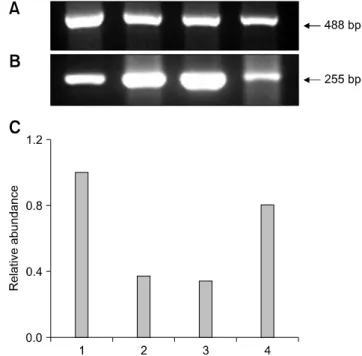
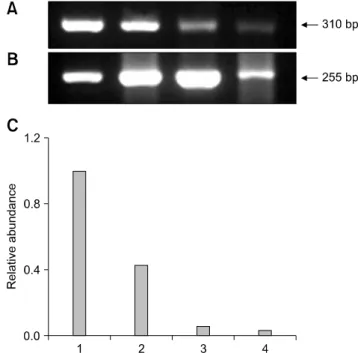
vitro fertilization (IVF) embryos. Transgenic SCNT embryosshowed significantly lower rates of development to the blastocyst stage than non-transgenic ones. To investigate normal gene expression, RNA was extracted from ten blastocysts derived from parthenogenesis, IVF, non-transgenic, and transgenic SCNT embryos and reverse-transcribed to synthesize cDNA. The cDNA was then subjected to PCR amplification and semi-quantified. More DNMT1 mRNA was detected in the transgenic SCNT group than the other three groups. Hsp 70.1 mRNA was detected in the IVF embryos, while lower levels were found in SCNT and parthenogenetic embryos.
Mash2 mRNA was present at the highest levels in transgenic SCNT embryos. In conclusion, the higher levels of methylation and lower protein synthesis after heat shock in the transgenic SCNT embryos expected based on our results may cause lower embryonic development.
Keywords: bovine, embryo, development, gene expression, somatic cell nuclear transfer
Introduction
There has been great progress in generation of bovine somatic cell nuclear transfer (SCNT) embryos using fetal fibroblasts or adult somatic cells as donor cells since the first reports of cloned mammals [7,18,35]. Transgenic cows produced by SCNT have been reported to produce human pharmaceutical proteins in their milk as bioreactors [13]. However, it has consistently been reported that high rate of embryonic, fetal, and neonatal abnormalities in the bovine SNCT, often within the context of large offspring syndrome [7,9,21,34]. For future successful development of transgenic bovine cloned embryos, many factors and their impacts on embryo quality must be considered during the SCNT procedure [5].
In studies of bovine transgenic SCNT, different
development rates were shown between transgenic SCNT
using transfected cells and control SCNT using non-treated
somatic cells [2,3]. No significant differences in
developmental competence were observed between
transgenic and non-transgenic SCNT in studies conducted
by Arat et al. [2,3]. However, bovine transgenic SCNT
embryos showed significantly lower development
competence than non-transgenic SCNT in a study conducted
by Zakhartchenko et al. [40]. During SCNT, reprogramming
of injected donor cells is essential for further embryonic
development after SCNT. This nuclear reprogramming
includes structural remodeling and is related to fundamental
changes in genome activity [16]. In this process, both
proteins are exchanged between recipient cytoplasm and
donor nuclei, and rapid swelling of transplanted nuclei
occurs [12]. Complete reprogramming of nuclear fine
structure was shown in NT-derived bovine embryos through previous ultrastructural studies [19,20,30].
Normal expression of genes related to embryonic development is needed when reprogramming donor cells after SCNT. To date, the molecular mechanisms related to nuclear reprogramming in SCNT embryos have remained largely unknown [23,39]. Genetic imprinting [31] and epigenetic DNA modifications, including DNA methylation [26] and changes in chromatic configuration [22], likely play a role in reprogramming of the donor nucleus. Additionally, altered transcript levels were found for several genes related with embryonic devleopment in bovine NT embryos [10]. Thus, determination of the expression patterns of essential genes in donor nuclear reprogramming is needed for efficient production of bovine SCNT embryos. This information can be further applied in transgenic SCNT as well.
In the present study, developmental competence of transgenic SCNT embryos was compared with that of non-transgenic SCNT embryos. In addition, the expression of genes related to embryo development were compared in parthenogenetic, in vitro fertilization (IVF), non- transgenic SCNT, and transgenic SCNT embryos to investigate the reasons for different developmental competence between groups. Transcription of DNA methyltransferase (DNMT), heat shock protein (Hsp) 70.1, and mammalian achaete-scute homologue (Mash2) were evaluated. The DNMT1 gene is related to DNA methylation [38], Hsp 70.1 is expressed under the stress of temperature changes, [17] and Mash2 transcription is related to early embryonic differentiation and trophoblastic function [1]. The identification of differential expression in these genes that are frequently abnormally expressed in transgenic NT embryos will provide valuable information regarding the cause of abnormality in transgenic SCNT embryos and facilitate development of methods to increase transgenic SCNT embryo production efficiency.
Materials and Methods
Generation of transfected cell lines
Generation of human prourokinase gene-transfected bovine cells was performed as previously described [6,8].
Briefly, we collected cumulus cells from cumulus oocyte complexes (COCs) by follicle aspiration guided with ultrasonography [24]. We washed cumulus cells once by centrifugation and then seeded them into 100 mm Falcon plastic culture dishes. We then cultured seeded cells for 3
∼4 days in DMEM supplemented with 10% fetal bovine serum, 1 mM sodium pyruvate, 1% non-essential amino acids, and 10 μg/mL penicillin streptomycin solution, after which we removed the explants. Dissociated cells were sequentially plated in new Petri dishes containing the same
culture medium, after which cumulus cells were transfected through lipid-mediated gene transfer. First, the pGFP-proU plasmid containing the enhanced green fluorescent protein reporter gene driven by the cytomegalovirus promoter and human prourokinase gene driven by the bovine beta casein promoter was delivered into the cells using FuGene6 (Roche Molecular Biochemicals) according to the manufacturer's instructions. Two days later, cells were examined under ultraviolet light to evaluate transfection. Transfected cells were subsequently collected by trypsinization of the monolayer and centrifuged, after which cell pellets were resuspended in PBS supplemented with 0.5% FBS until SCNT.
In vitro maturation of bovine oocytes
Bovine ovaries were collected at a local slaughterhouse and transported to the laboratory in 0.9% (v/v) NaCl solution at 30
oC to 35
oC as previously described [5].
Follicular fluid and COCs from follicles 2 to 8 mm in diameter were aspirated using an 18-gauge needle attached to a 10 mL disposable syringe. COCs with evenly granulated cytoplasm enclosed by compact cumulus cells of more than three layers were selected, washed three times in HEPES-buffered tissue culture medium-199 supplemented with 10% FBS, 0.005 AU/mL FSH (Antrin; Teikoku, Japan), and 1 μg/mL estradiol (Sigma, USA) and then incubated at 39
oC in a humidified atmosphere of 5% CO
2and 95% air for 18 h.
Production of embryos
Four types of embryos were produced in this experiment as previous described [6].
Parthenogenetic embryos: After 24 h of maturation, oocytes were denuded by mouth pipetting, after which mature oocytes were selected based on the presence of the first polar body under a stereomicroscope. After 4 h of culture, mature oocytes were activated by incubation in handling medium containing 5 μm ionomycin for 4 min.
Embryos were then extensively washed in TCM199- washing medium for 5 min before culture for 4 h in 2 mM 6-DMAP (Sigma) in modified synthetic oviductal fluid (mSOF) for postactivation. Culture of parthenogenetic embryos was performed in 25 μL drops of mSOF overlaid with mineral oil at 39
oC for 7 days in a humidified atmosphere of 5% CO
2, 5% O
2, and 90% N
2.
IVF embryos: TALP medium containing 3 or 6 mg/ml
BSA, as described by Fukui [14], was used for oocyte
washing, sperm penetration, and IVF. After 22 h of
maturation, mature oocytes were rinsed three times in 2∼3
mL washing-TALP medium and then rinsed once in
IVF-TALP. Five to seven oocytes were transferred into a 43
μL droplet of IVF-TALP under mineral oil. Frozen- thawed
sperm were subjected to a swim-up procedure for 1 h in
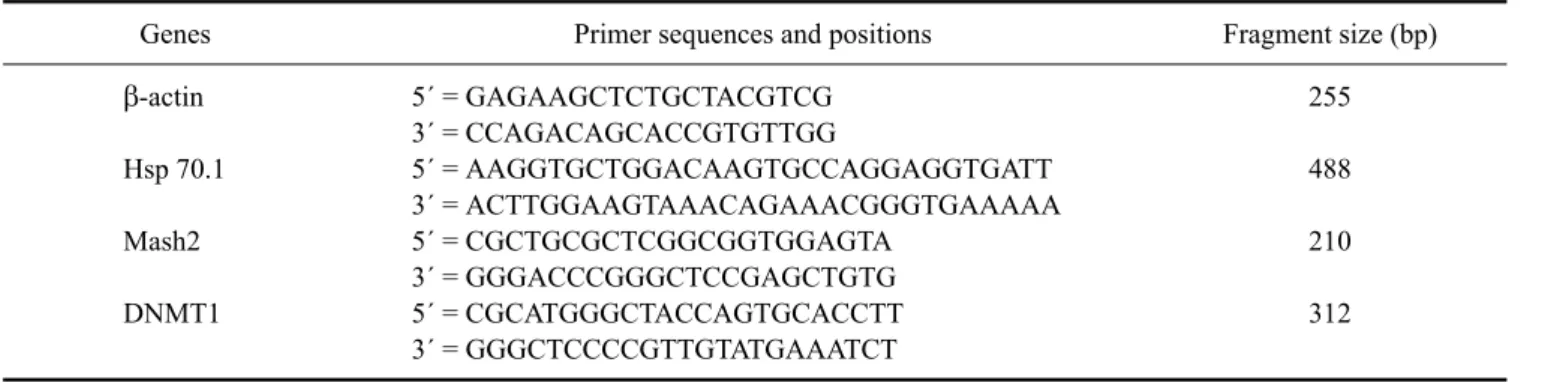
Table 1. Primers used for polymerase chain reaction
Genes Primer sequences and positions Fragment size (bp)
β-actin Hsp 70.1 Mash2 DNMT1
5´ = GAGAAGCTCTGCTACGTCG 3´ = CCAGACAGCACCGTGTTGG
5´ = AAGGTGCTGGACAAGTGCCAGGAGGTGATT 3´ = ACTTGGAAGTAAACAGAAACGGGTGAAAAA 5´ = CGCTGCGCTCGGCGGTGGAGTA
3´ = GGGACCCGGGCTCCGAGCTGTG 5´ = CGCATGGGCTACCAGTGCACCTT 3´ = GGGCTCCCCGTTGTATGAAATCT
255 488 210 312 capacitation-TALP to recover motile spermatozoa. The
supernatant was then centrifuged at 500 × g for 6 min and a 5 μL aliquot of the sperm pellet was added to the IVF-TALP (approximately 1 × 10
6/mL) droplets containing the oocytes. Fertilization was allowed to take place at 39
oC in a humidified atmosphere of 5% CO
2in air for 18∼20 h.
After culture, fertilized oocytes were denuded by gentle pipetting in a TCM-washing medium. Embryos were then cultured in 25 μL drops of mSOF overlaid with mineral oil at 39
oC for 7 days in a humidified atmosphere of 5% CO
2, 5% O
2, and 90% N
2.
Non-transgenic SCNT embryos: Production of non- transgenic SCNT embryos was performed as described by Cho et al. [7]. Briefly, after 18 h of maturation, oocytes were denuded and mature oocytes with a first polar body were selected for enucleation, which was conducted by the squeezing method. Following enucleation, cumulus donor cells were injected into enucleated oocytes. These reconstructed embryos were then fused electrically and cultured for reprogramming followed by activation using a 5 μM ionomycin. At 4 h postactivation, embryos were cultured in 25 μL drops of mSOF overlaid with mineral oil at 39
oC for 7 days in a humidified atmosphere of 5% CO
2, 5% O
2and N
2in an air atmosphere.
Transgenic SCNT embryos: Transgenic SCNT embryos were produced through the same methods as non- transgenic SCNT embryos described above. However, donor cells with GFP expression under UV light were selected for the injection procedure from the transfection assay described above.
mRNA extraction, cDNA synthesis, and RT-PCR Total RNA was extracted by the acid phenol-guanidinium thiocyanate-chloroform extraction method [28]. Sets of 10 parthenogenetic-, IVF-, non-transgenic SCNT-, and transgenic SCNT-blastocysts that had been cultured for 7 days were added to 200 μL guanidine isothiocyanate solution (Invitrogen, USA) supplemented with 1% (v/v) β-mercaptoethanol (Sigma) and stored at −80
oC deep freezer. Samples were gently mixed with the same volume
of phenol chloroform isothiocyanate (PCI) medium for RNA analysis. After centrifugation of this mixed solution at 18,890 × g and 4
oC for 10 min, 140 μL of 100%
isopropanol (Sigma) and 1 μL glycogen (Invitrogen) were added and stored at −20
oC overnight. Following centrifugation of this mixture at 18,890 × g and 4
oC for 40 min, supernatant was removed and RNA was washed with 700 μL of 70% (v/v) ethanol. After removal of the ethanol, total RNA was eluted by adding 15 μL RNAase-free water.
First-strand cDNA for reverse transcription (RT) was then synthesized using the first-strand cDNA synthesis kit (Amersham Phamarcia Biotech) according to the manufacturer’s protocols. Briefly, eluted RNA was heated to 65
oC for 10 min for mRNA denaturation and then immediately transferred to ice before the addition of RT reagents, including 11 μL bulk first-strand cDNA reaction mix, 1 μL of DTT solution, and 1 μL of first-strand cDNA primer (Not1-d(T)
18). After mixing and centrifugation, the reaction mixture was incubated at 37
oC for 1 h.
Polymerase chain reaction (PCR) was performed using
first strand cDNA synthesized from embryos generated by
parthenogenetic activation, IVF, non-transgenic SCNT,
and transgenic SCNT in a final volume of 50 μL composed
of 36.5 μL distilled water, 5 μL 10× PCR Buffer (Qiagen,
Germany), 2 μL 200 μM each Advantage UltraPure dNTP
Mix (Clontech Laboratories USA), and 1 μL of 50
pmoles/ μL sequence-specific primers. The primer
sequences of three genes and β-actin as housekeeping gene
were summarized in Table 1 [37]. The PCR program
consist of an initial step of 95
oC for 15 min and various
cycle numbers of denaturing (95
oC for 50 sec), annealing
(each different temperature for 50 sec), extension (72
oC for
60 sec), and final extension for 15 min at 72
oC. As negative
controls, tubes were prepared without RNA or reverse
transcriptase. The RT-PCR products were subjected to
electrophoresis on 2% agarose gel in 1× TAE buffer (45
mM Tris-acetate, 1 mM EDTA, pH 8.3) containing 0.2
μg/mL ethidium bromide. The image of each gel was
recorded using a Gel Doc 2000 Gel Documentation System
(BioRad Laboratories, USA) with Quantity One program.
Table 2. Development rates of nuclear transfer embryos derived from non-transfected and transfected cumulus cells
Transfection Number of embryos
Injected Fused (%)
aCleaved (%)
bDevelop to blastocyst (%)
bNon-transfected
Transfected
455 426
314 (69.0) 334 (78.4)
279 (61.3)
c245 (73.4)
d136 (43.3)
c96 (28.7)
d Model effects of transfection on the number of embryos fused, cleaved, and developed to blastocysts, which were indicated as p values, were 0.1238, 0.0001, and 0.0001, respectively. aPercentage of the number of embryos injected. bPercentage of the number of embryos fused.cdWithin a parameter in the same treatment, values with different superscripts differed significantly, p < 0.05.