Long-Term Tea Intake is Associated with Reduced Prevalence of (Type 2) Diabetes Mellitus among Elderly People from Mediterranean Islands: MEDIS Epidemiological Study
Demosthenes B. Panagiotakos,1 Christos Lionis,2 Akis Zeimbekis,1 Kyriaki Gelastopoulou,1 Natassa Papairakleous,1 Undurti N. Das,3 and Evangelos Polychronopoulos1
1Department of Nutrition-Dietetics, Harokopio University, Athens; 2School of Medicine, University of Crete, Heraklion, Greece;
3UND Life Sciences, Shaker Heights, OH 44120, USA.
Received June 14, 2007 Accepted August 1, 2007
The study is funded by research grants from the Hellenic Heart Foundation.
Reprint address: requests to Dr. Demosthenes B. Panagiotakos, Department of Nutrition-Dietetics, Harokopio University, 70 El.
Venizelou St, 17671, Athens, Greece. Tel: 30-210-954-9332, Fax:
30-210-960-0719, E-mail: [email protected]
Purpose: We sought to evaluate the link between long-term tea intake and prevalence of type 2 diabetes mellitus, in a sample of elderly adults. Materials and Methods: During 2005- 2007, 300 men and women from Cyprus, 142 from Mitilini, 100 from Samothraki, 114 from Kefalonia, 131 from Crete, 150 from Corfu and 103 from Zakynthos (aged 65 to 100 years) were enrolled. Dietary habits (including tea consump- tion) were assessed through a food frequency questionnaire.
Among various factors, fasting blood glucose was measured and prevalence of (type 2) diabetes mellitus was estimated.
Results: 54% of the participants reported that they consume tea at least once a week (mean intake 1.6 ± 1.1 cup/day). The majority of the participants (98%) reported green or black tea consumption. The participants reported that they consume tea for at least 30 years of their life. After adjusting for various confounders, tea intake was inversely associated with lower blood glucose levels (b ± SEM per 1 cup: - 5.9 ± 2.6 mg/dL, p = 0.02). Moreover, multiple logistic regression revealed that moderate tea consumption (1 - 2 cups/day) was associated with 70% (95% CI 41% to 86%) lower odds of having (type 2) diabetes, irrespective of age, sex, body mass, smoking, physi- cal activity status, dietary habits and other clinical characte- ristics. Conclusion: The presented findings suggest that long- term tea intake is associated with reduced levels of fasting blood glucose and lower prevalence of diabetes, in a cohort of elderly people living in Mediterranean islands.
Key Words: Diabetes, cardiovascular risk factors, tea, elderly
INTRODUCTION
Tea is a widely consumed beverage in Asia.
There are four types of tea: the green, black, oolong and white. But, of all, the most significant effects on human health have been observed with the consumption of green tea.1 The first green tea was exported to Japan during the 17th century from an Indian Company. It is estimated that about 2.5 million tons of tea leaves are produced each year throughout the world, with 20% produced as green tea, which is mainly consumed in Asian countries, some parts of North Africa, the United States of America and Europe.2 The association between tea consumption, especially green tea, and human health has long been appreciated.3-10 Chemical analyses revealed that green tea con- tains significant amounts of vitamins and minerals such as ascorbic acid, several B vitamins, as well as riboflavin, niacin, folic acid, pantothenic acid, magnesium, potassium, manganese, and fluoride.
3-7 Several epidemiological studies and clinical trials showed that green tea (black and oolong teas to a lesser extent) may reduce the risk of many chronic diseases, including cardiovascular disease8,9 and cancer.10,11 This beneficial effect has been attributed to the presence of high amounts of "polyphenols"
that are potent antioxidants. In particular, green tea may lower blood pressure and thus, reduce the risk of stroke and coronary heart disease.12 Some studies performed in experimental animals studies suggested that green tea may protect against the development of coronary heart disease
by reducing blood glucose levels, and body weight.1,13,14 Furthermore, green tea consumption has also been linked to the prevention of many several types of cancer including lung, colon, eso- phagus, mouth, stomach, small intestine, kidney, pancreas, and mammary glands.10,11 However, all these data are based on middle-aged populations, where the disease burden is not high, while among the elderly, where the burden of disease is high since the nutritional status tends to be more adversely influenced by age-related biological and socio-economic factors,15 information about the effect of tea consumption on health is sparse. Since data relating tea consumption with clinical charac- teristics are lacking in elderly populations, in the context of the Mediterranean Islands (MEDIS) study, we sought to evaluate whether green tea consumption is independently associated with fasting blood glucose levels and the prevalence of (type 2) diabetes mellitus. The MEDIS epidemiolo- gical study16,17 is a cross-sectional health and nutri- tion survey that aims to evaluate the association between various socio-demographic, bio-clinical, dietary and other lifestyle habits and the preva- lence of the common cardiovascular disease risk factors (i.e., hypertension, dyslipidemia, diabetes and obesity), among elderly people without history of any chronic disease, living in Mediterranean Islands.
MATERIALS AND METHODS Participants
The MEDIS study is health and nutrition survey that aimed to evaluate bio-clinical, lifestyle, beha- vioural and dietary characteristics of 1,190 elderly people living in Mediterranean islands. All par- ticipants were without any clinical evidence of CVD or cancer in their medical history. A random, population-based, multistage sampling method (i.e., age group, 3 levels (65 - 75, 75 - 85, 85 ±) and 2 sex levels) was used to select men (76 ± 7 years) and women (74 ± 7 years), from Cyprus Republic and Mitilini, Samothraki, Cephalonia, Crete Corfu and Zakynthos islands, in Greece. Individuals residing in assisted-living centers, as well as those with a clinical history of CVD were not included
in the survey. The target sample size was 300 people from Cyprus, 150 from each one of the other islands. Of the initially selected people, 437 men and 500 women (n = 937) agreed to participate (Cyprus, n = 300, Mitilini, n = 142, Samothraki, n = 100, Cephalonia, n = 114, Crete, n = 131, Corfu, n
= 150, Zakinthos, n = 103). Of them, 348 (33.9%) were living in rural areas of the islands. The par- ticipation rate varied from 75% to 89%. A group of health scientists (i.e., physicians, dietitians and nurses) with previous experience in field investi- gation collected all the required information, using a quantitative questionnaire and standard procedures. The retrieved data were confidential, and the study followed the ethical consideration that provided by the World Medical Association (52nd WMA General Assembly, Edinburgh, Scot- land, October 2000). Before the interview, partici- pants were informed about the aims and proce- dures of the study, and signed an informed con- sent. The final number of enrolled participants is high enough for standardized difference evalua- tion between the investigated parameters greater than 0.5, achieving statistical power > 0.80 at the
< 0.05 probability level (p value).
Measurements
Regarding dietary habits, consumption of 15 food groups and beverages (i.e., meat and pro- ducts, fish and fisheries, poultry, milk and other dairy, fruits, vegetables, greens, legumes, cereals and non-refined cereals, coffee and tea, and soft- drinks) was measured through a semi-quantitative food-frequency questionnaire, in times of weekly consumption (never, rare, 0 - 1 time, 1 - 2 times, 3 - 5 times, and daily). Particularly for tea consump- tion all participants were asked about the type of tea (green, black, oolong and white) and the frequency they consume a cup (of 150 mL) within a week (i.e., never or < 1 cup per week, 1 - 2 cups/
day, 3 - 5 cups/day and > 5 cups/day). Coffee consumption was also recorded through the same way. The consumption of decaffeinated coffee or tea was not recorded because these products were not commercially available in the investigated Islands. Consumption of various alcoholic beverages (wine, beer, etc.) was measured in terms of wineg- lasses adjusted for ethanol intake (e.g., one 100 mL
glass of wine was considered to be 12% ethanol).
Furthermore, overall assessment of dietary habits was evaluated through a special diet score (Med DietScore, range 0 - 55) that assess adherence to the Mediterranean dietary pattern.18,19 Higher values of the score indicate greater adherence to this pattern and, consequently healthier dietary habits.
Physical activity was evaluated using the shor- tened version of the self-reported, International Physical Activity Questionnaire (IPAQ) for the elderly.20 Frequency (times per week), duration (minutes per time) and intensity of physical activity during sports, occupation and/or free-time acti- vities were assessed. Participants who did not re- port any physical activity were defined as sedentary. In accordance with the standard IPAQ scoring procedures, physically active participants were classified into one of the following groups:
upper tertile: "vigorous" physical activity (i.e. <
2,500 MET/min/week), middle tertile: "moderate"
physical activity (i.e. 500 - 2,500 MET/min/week), lower tertile: "low" physical activity (i.e. < 500 MET/min/week). Current smokers were defined as those who smoke at least one cigarette per day or have stopped cigarette smoking during the past 12 months. Former smokers were defined as those who previously smoked but have not done so in a year or more. The remaining participants were defined as rare- or non-smokers.
The survey also included basic demographic items, such as age, gender, financial status (average annual income during the past 3 years), education level (years of school) and various clinical charac- teristics. In particular, diabetes mellitus (type 2) was determined by fasting plasma glucose tests and was analyzed in accordance with the American Diabetes Association diagnostic criteria (i.e., fasting blood glucose levels greater than 125 mg/dL or use of special medication, indicated the presence of diabetes). Weight and height were measured to attain body mass index (BMI) scores (kg/m2).
Obesity was defined as a BMI > 29.9 kg/m2. More- over, participants' blood pressure levels retrieved from their medical records. People who had blood pressure levels ≥140/90 mmHg or used antihy- pertensive medications were classified as hyper- tensive. Fasting blood lipids were recorded.
Hypercholesterolemia was defined as total serum cholesterol levels > 200 mg/dL or the use of lipid-
lowering agents. Participants' medical records were also consulted to determine high and low density lipoprotein (HDL, LDL) cholesterols, and trigly- ceride levels.
Statistical analyses
Continuous variables are presented as mean values ± standard deviation. The categorical vari- ables are presented as absolute and relative (%) frequencies. After controlling for equality of vari- ances, associations between continuous variables and group of participants are evaluated with an- alyses of variance (ANOVA). Associations between continuous variables are tested with Spearman's correlation coefficient. Multiple linear regressions was applied to evaluate the association between blood glucose levels and tea consumption, after adjusting for various potential confounders. Tea intake interaction with potential confounding factors was also assessed. The assumptions of linearity for the continuous independent variables and constant variance of the standardized residuals were as- sessed through plotting the residuals against the fitted values. We also calculated the R2 in order to find how well each fitted model predicts the dependent variables. Moreover, multiple logistic regression analysis by the calculation of odds ratio and the corresponding 95% confidence intervals, evaluated the association between tea intake and the presence of diabetes. P values < 0.05 from two- sided hypotheses are considered as statistically significant. All statistical calculations are performed on the SPSS version 14.0 software (SPSS Inc, Chicago, IL, USA).
RESULTS
The prevalence of (type 2) diabetes mellitus in this sample was 21% in men and 23% in women.
About the one half of the participants (i.e., 54%) reported that they consumed tea at least one time per week (mean intake 1.6 ± 1.1 cup/day). More- over, the types of tea consumed were mainly (i.e., 98%) green or black. Since the majority of the participants reported that they consumed green or black tea and very few of them (i.e., < 2%) reported exclusive consumption of black or green tea, it
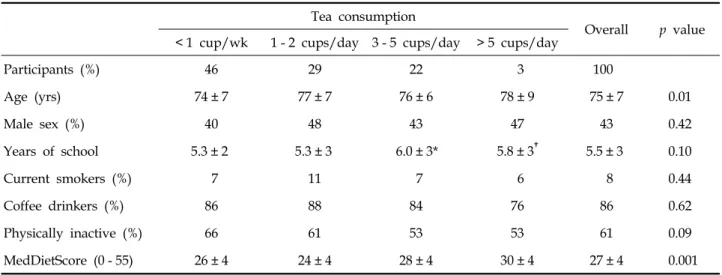
Table 1. Participant's Demographic and Lifestyle Characteristics Tea consumption
Overall p value
< 1 cup/wk 1 - 2 cups/day 3 - 5 cups/day > 5 cups/day
Participants (%) 46 29 22 3 100
Age (yrs) 74 ± 7 77 ± 7 76 ± 6 78 ± 9 75 ± 7 0.01
Male sex (%) 40 48 43 47 43 0.42
Years of school 5.3 ± 2 5.3 ± 3 6.0 ± 3* 5.8 ± 3† 5.5 ± 3 0.10
Current smokers (%) 7 11 7 6 8 0.44
Coffee drinkers (%) 86 88 84 76 86 0.62
Physically inactive (%) 66 61 53 53 61 0.09
MedDietScore (0 - 55) 26 ± 4 24 ± 4 28 ± 4 30 ± 4 27 ± 4 0.001
Data are expressed as mean ± standard deviation or percentages.
*p < 0.05 and †p < 0.01 (Bonferroni corrected) for the differences between green tea consumption groups vs. no consumption.
Probability values derived from the ANOVA or the Z-test.
was decided to use combined tea consumption in all analyses followed on. The participants reported that they had the same habits regarding tea con- sumption for at least the past 30 years. Table 1 presents socio-demographic and lifestyle charac- teristics of the participants by tea consumption group. As it can be seen, no differences were ob- served between genders and frequency of tea con- sumption, while people in the higher tea intake consumption group were older, more likely to adhere a Mediterranean diet and less likely to be physically inactive. Furthermore, no association was observed between tea intake and smoking habits or coffee consumption.
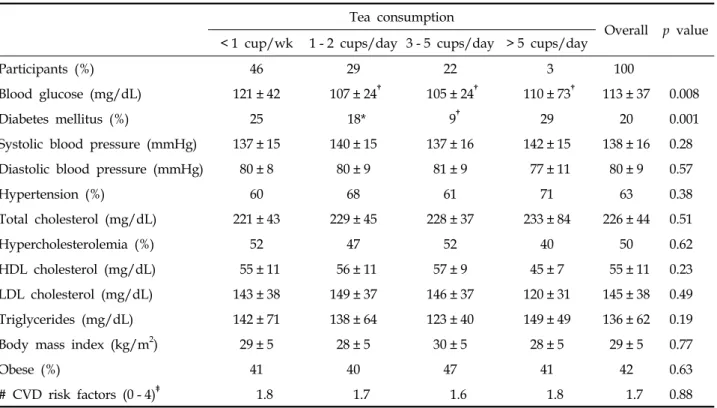
Table 2 presents biological and clinical charac- teristics of participants by tea consumption group.
An inverse relationship was found between tea intake and fasting blood glucose levels and the prevalence of (type 2) diabetes mellitus (p < 0.01).
No significant associations were observed between tea intake and arterial blood pressures, BMI, lipids and triglycerides levels. Moreover, no changes in the aforementioned results were observed when the analysis was stratified by sex of the participants (data not shown in text or Tables). Unadjusted analysis revealed that tea consumption was asso- ciated with 48% lower likelihood of diabetes (95%CI 20% to 66%).
However, residual confounding may exist. Thus,
after adjusting for age, sex, education status, phy- sical activity, BMI, and total cholesterol level, as well as dietary and smoking habits, it was observed that daily tea consumption was associated with lower fasting glucose concentrations (p < 0.05). Par- ticularly, an increase of one cup of tea per day was associated with 5.9 mg/dL decrease of glucose levels (or 5% reduction of mean glucose levels), independent from the other characteristics of the participants (Table 3). Comparing the net effect of tea intake on blood glucose levels, using a dummy variable that categorised the frequency of intake (i.e., ever or < 1 cup per week, 1 - 2 cups/day, 3 - 5 cups/day and > 5 cups/day) it was revealed that the more prominent results were found in moderate consumption (i.e., 1 - 2 cups/day, p < 0.001) as com- pared to no intake, while increased consumption did not show any significance. Moreover, BMI and coffee intake were also positively associated with blood glucose levels, while a decreasing trend in glucose levels was found with greater adherence to the Mediterranean dietary pattern.
No other factors were associated with blood glucose levels in this sample of older adults. In addition, an increase of one cup (or 150 mL) per day of tea consumption was associated with 70%
lower likelihood of having diabetes (95% CI 41%
to 86%), after adjusting for various potential con- founders mentioned above.
Table 3. Results from Multiple Linear Regression Analysis that Evaluated the Association between Tea Consumption (in cups/day) and Levels of Fasting Blood Glucose (dependent outcome)
b-coefficient ± standard error p value
Green tea consumption (per 1 cup/day) - 5.9 ± 2.6 0.02
Age (per 1 yr) 0.37 ± 0.41 0.88
Current smoking (yes/no) 2.5 ± 9.2 0.78
Physically activity (yes/no) 0.76 ± 4.75 0.87
Male sex (yes/no) 3.5 ± 5.1 0.48
Years of school 2.3 ± 1.6 0.45
Coffee drinking (yes/no) - 19.7 ± 6.8 0.004
Systolic blood pressure (per 1 mmHg) 0.15 ± 0.16 0.34
Diastolic blood pressure (per 1 mmHg) 0.005 ± 0.26 0.98
Total cholesterol (per 1 mg/dL) 0.02 ± 0.05 0.66
Body mass index (per 1 kg/m2) 0.90 ± 0.44 0.04
MedDietScore (0 - 55) - 1.60 ± 0.58 0.09
Adjusted R2 with/without tea intake variable in the mode 2.4%/1.9%
Table 2. Participant's Biological Characteristics by Tea Consumption Group Tea consumption
Overall p value
< 1 cup/wk 1 - 2 cups/day 3 - 5 cups/day > 5 cups/day
Participants (%) 46 29 22 3 100
Blood glucose (mg/dL) 121 ± 42 107 ± 24† 105 ± 24† 110 ± 73† 113 ± 37 0.008
Diabetes mellitus (%) 25 18* 9† 29 20 0.001
Systolic blood pressure (mmHg) 137 ± 15 140 ± 15 137 ± 16 142 ± 15 138 ± 16 0.28
Diastolic blood pressure (mmHg) 80 ± 8 80 ± 9 81 ± 9 77 ± 11 80 ± 9 0.57
Hypertension (%) 60 68 61 71 63 0.38
Total cholesterol (mg/dL) 221 ± 43 229 ± 45 228 ± 37 233 ± 84 226 ± 44 0.51
Hypercholesterolemia (%) 52 47 52 40 50 0.62
HDL cholesterol (mg/dL) 55 ± 11 56 ± 11 57 ± 9 45 ± 7 55 ± 11 0.23
LDL cholesterol (mg/dL) 143 ± 38 149 ± 37 146 ± 37 120 ± 31 145 ± 38 0.49
Triglycerides (mg/dL) 142 ± 71 138 ± 64 123 ± 40 149 ± 49 136 ± 62 0.19
Body mass index (kg/m2) 29 ± 5 28 ± 5 30 ± 5 28 ± 5 29 ± 5 0.77
Obese (%) 41 40 47 41 42 0.63
# CVD risk factors (0 - 4)‡ 1.8 1.7 1.6 1.8 1.7 0.88
CVD, cardiovascular disease.
No gender differences were observed.
*p < 0.05 and †p < 0.01 (Bonferroni corrected) for the differences between fish consumption groups vs. no consumption.
Probability values derived from the ANOVA or the Z-test.
‡Factors added in this variable were: hypertension, diabetes, hypercholesterolemia and obesity.
DISCUSSION
In this work, the association between tea intake and blood glucose levels was investigated, in a sample of elderly men and women living in Mediterranean islands. This is one of few studies that evaluate this hypothesis in elderly individuals, in whom disease burden is high. It was revealed that moderate (i.e., 1 - 2 cups per day), long-term tea consumption is related to a significant reduc- tion in fasting blood glucose levels, and conse- quently with lower likelihood of diabetes mellitus, irrespective of various other clinical and lifestyle characteristics. This finding is of great importance for public health, since diabetes is one of main causes of disability and death in the elderly, and tea consumption seems to be an effective non- pharmacologic mean for reducing the burden of diabetes and its health consequences.
Several epidemiological and clinical data have shown that tea may benefit human health through various ways.1-14 In a recent study of about 17,300 middle aged Japanese men and women, Iso et al.
observed that green tea consumption of 1 - 6 cups per week was associated with 34% lower risk of (type 2) diabetes after a 5-year follow up despite adjusting for various potential confounders, in- cluding coffee intake.21 The benefits were more prominent in the highest coffee intake group.
Moreover, no other type of tea (i.e., black, white or oolong) was associated with the incidence of diabetes within the 5-year follow up period. The later findings were similar to the ones observed in the present work . Furthermore, consumption of green or black tea was not related to smoking, BMI, or physical activity status of the participants both in the present study and of Iso et al.
There are several varieties of tea; however, all tea comes from the Camellia sinensis bush, a small flowering evergreen, native to China and India.2 Green teas are not fully fermented like black teas, or partially fermented as oolongs. The primary polyphenols found in tea are called catechins, which account for 30% to 40% of dry tea weight.
Catechins are strong antioxidants, and hence, may play a crucial role in the prevention of atheros- clerosis that is known to be a free radical depen- dent process.22 Other polyphenols found in tea include flavanols, flavanol glycosides, flavandiols,
phenolic acids, and depsides. All types of poly- phenols behave as potent antioxidants and thus, prevent tissue damage caused by free radicals.22 This led to the suggestion that the beneficial actions of tea in the prevention of various chronic diseases, like coronary heart disease and cancer, could be due to its ability to reduce the suscep- tibility of low density lipoproteins to oxidation, suppress vascular endothelial cell expression of pro-inflammatory cytokines, and consequent upre- gulation of adhesion molecules and monocyte ad- hesion.13,15,23 The aforementioned actions could also be responsible for lower glucose levels seen with green tea consumption.13,22,24-26 But some studies did not support these findings.27 The present study was not designed to know whether green tea is better than black or other types of tea, regarding the prevalence of diabetes since, mixed consumption of green and black tea was taken into consideration in the selected sample. Never- theless, as green tea contains higher amounts of catechin compared to black tea, it is anticipated that a large scale randomised clinical trial could explain whether black tea is as good as green tea in reducing blood glucose levels and prevent atherosclerosis.28
Limitations
This study is cross-sectional and, consequently, has the potential of recall biases, particularly in the assessment of dietary habits. Thus, although important associations were assessed, the design of this study prohibits causal interpretations. People living in Mediterranean islands are not a repre- sentative sample of the total population, however, they could be considered as a "closed" cohort for long time, and, therefore the influence of wester- nised habits may not reach them. It could be suggested that consumption of tea is associated with healthy behaviors, such as increased physical activity, healthier dietary habits and non-smoking.
In the present work, these potential confounders were statistically controlled, but, as always the residual confounding cannot be explained. Further- more, because consumption of tea and physician- diagnosed diabetes were self-reported, some mis- classification of exposure and outcome was ex- pected; however, such misclassification in cross-
sectional studies would have biased the results toward the null hypothesis.21
In this work we revealed a beneficial association of moderate tea consumption on fasting glucose levels, among elderly people. Our results are in agreement with those of previous studies con- ducted in other, young or middle-aged populations.
Green or black tea could be an effective, non- pharmacologic and less expensive mean for the reduction of diabetes in older adults, and therefore, it should be included in public health strategies.
ACKNOWLEDGEMENTS
We are, particularly, grateful to the men and women from the islands of Cyprus, Mitilini, Samo- thraki, Crete, Corfu, Zakynthos, and Cephalonia, who participated in and collaborated on this research. We also wish to express our gratitude to:
M. Tornaritis, A. Polystipioti, M. Economou, N.
Papairakleous (field investigators from Cyprus), K.
Gelastopoulou, I. Vlachou (field investigator from Mitilini), E. Ladoudaki, M. Antonopoulou (field investigators from Crete), E. Niforatou, V. Alpentzou, M. Voutsadaki, M. Galiatsatos (field investigators from Cephalonia), and E. Lioliou, K. Voutsa (field investigator from Corfu), G. Poumis, E. Papavenetiou, E. Apostolidou, G. Papavassiliou, P. Stravopodis (field investigators from Zakynthos), for their substantial assistance in the enrolment of the participants.
Therefore we would also like to thank Prof.
Pavlos Toutouzas, Director of the Foundation of the Foundation.
REFERENCES
1. Cabrera C, Artacho R, Giménez R. Beneficial effects of green tea-a review. J Am Coll Nutr 2006;25:79-99.
2. Japanese Green Tea Online.com. [Aaccessed on 30 Dec- ember 2008]. Available from: URL: http://www.japa nesegreenteaonline.com.
3. Weisburger JH. Approaches for chronic disease pre- vention based on current understanding of underlying mechanisms. Am J Clin Nutr 2000;71 (6 Suppl):1710S- 4S; discussion 1715S-9S.
4. Crespy V, Williamson G. A review of the health effects of green tea catechins in in-vivo animal models. J Nutr 2004;134 (12 Suppl):3431S-40S.
5. Sato T, Miyata G. The nutraceutical benefit, part I:
green tea. Nutrition 2000;16:315-7.
6. Wiseman S, Mulder T, Rietveld A. Tea flavonoids:
bioavailability in vivo and effects on cell signaling path- ways in vitro. Antioxid Redox Signal 2001;3:1009-21.
7. Higdon JV, Frei B. Tea catechins and polyphenols: health effects, metabolism, and antioxidant functions. Crit Rev Food Sci Nutr 2003;43:89-143.
8. Heber D. Vegetables, fruits and phytoestrogens in the prevention of diseases. J Postgrad Med 2004;50:145-9.
9. Sueoka N, Suganuma M, Sueoka E, Okabe S, Matsuyama S, Imai K, et al. A new function of green tea: prevention of lifestyle-related diseases. Ann N Y Acad Sci 2001;928:
274-80.
10. Zaveri NT. Green tea and its polyphenolic catechins:
medicinal uses in cancer and noncancer applications.
Life Sci 2006;78:2073-80.
11. Koo MW, Cho CH. Pharmacological effects of green tea on the gastrointestinal system. Eur J Pharmacol 2004;500:
177-85.
12. Yang YC, Lu FH, Wu JS, Wu CH, Chang CJ. The protective effect of habitual tea consumption on hyper- tension. Arch Intern Med 2004;164:1534-40.
13. Fukino Y, Shimbo M, Aoki N, Okubo T, Iso H.
Randomized controlled trial for an effect of green tea consumption on insulin resistance and inflammation markers. J Nutr Sci Vitaminol (Tokyo) 2005;51:335-42.
14. Tsuneki H, Ishizuka M, Terasawa M, Wu JB, Sasaoka T, Kimura I. Effect of green tea on blood glucose levels and serum proteomic patterns in diabetic (db/db) mice and on glucose metabolism in healthy humans. BMC Pharmacol 2004;4:18.
15. Meydani M. Nutrition interventions in aging and age- associated disease. Ann N Y Acad Sci 2001;928:226-35.
16. Polychronopoulos E, Panagiotakos DB, Polystipioti A.
Diet, lifestyle factors and hypercholesterolemia in elderly men and women from Cyprus. Lipids Health Dis 2005;4:17.
17. Panagiotakos DB, Kourlaba G, Zeimbekis A, Toutouzas P, Polychronopoulos E. The J-shape association of alcohol consumption on blood pressure levels, in elderly people from Mediterranean Islands (MEDIS epidemio- logical study). J Hum Hypertens 2007;21:585-7.
18. Panagiotakos DB, Pitsavos C, Stefanadis C. Dietary patterns: a Mediterranean diet score and its relation to clinical and biological makers of cardiovascular disease risk. Nutr Metab Cardiovasc Dis 2006;16:559-68.
19. Panagiotakos DB, Pitsavos C, Arvaniti F, Stefanadis C.
Adherence to the Mediterranean food pattern predicts the prevalence of hypertension, hypercholesterolemia, diabetes and obesity, among healthy adults; the accuracy of the MedDietScore. Prev Med 2007;44:335-40.
20. Craig CL, Marshall AL, Sjöström M, Bauman AE, Booth ML, Ainsworth BE, et al. International physical activity questionnaire: 12-country reliability and validity. Med Sci Sports Exerc 2003;35:1381-95.
21. Iso H, Date C, Wakai K, Fukui M, Tamakoshi A; JACC Study Group. The relationship between green tea and
total caffeine intake and risk for self-reported type 2 diabetes among Japanese adults. Ann Intern Med 2006;
144:554-62.
22. Cabrera C, Artacho R, Giménez R. Beneficial effects of green tea--a review. J Am Coll Nutr 2006;25:79-99.
23. Zang M, Xu S, Maitland-Toolan KA, Zuccollo A, Hou X, Jiang B, et al. Polyphenols stimulate AMP-activated protein kinase, lower lipids, and inhibit accelerated atherosclerosis in diabetic LDL receptor-deficient mice.
Diabetes 2006;55:2180-91.
24. Waltner-Law ME, Wang XL, Law BK, Hall RK, Nawano M, Granner DK. Epigallocatechin gallate, a constituent of green tea, depresses hepatic glucose production. J Biol Chem 2002;277:34933-40.
25. Vlachopoulos C, Alexopoulos N, Dima I, Aznaouridis K, Andreadou I, Stefanadis C. Acute effect of black and green tea on aortic stiffness and wave reflections. J Am Coll Nutr 2006;25:216-23.
26. Janle EM, Portocarrero C, Zhu Y, Zhou Q. Effect of long- term oral administration of green tea extract on weight gain and glucose tolerance in Zucker diabetic (ZDF) rats. J Herb Pharmacother 2005;5:55-65.
27. Stangl V, Lorenz M, Stangl K. The role of tea and tea flavonoids in cardiovascular health. Mol Nutr Food Res 2006;50:218-28.
28. Cheng TO. Is green tea better than black tea in reducing atherosclerosis? Circulation 2004;110:e332.