http://dx.doi.org/10.5534/wjmh.2013.31.3.254
Original Article
Received: Jul 1, 2013; Revised: Nov 24, 2013; Accepted: Nov 27, 2013 Correspondence to: Sae Woong Kim
Department of Urology, The Catholic University of Korea, Seoul St. Mary's Hospital, 222 Banpo-daero, Seocho-gu, Seoul 137-701, Korea.
Tel: +82-2-2258-6226, Fax: +82-2-599-7839, E-mail: [email protected] Copyright © 2013 Korean Society for Sexual Medicine and Andrology
This is an Open Access article distributed under the terms of the Creative Commons Attribution Non-Commercial License (http://creativecommons.
org/licenses/by-nc/3.0) which permits unrestricted non-commercial use, distribution, and reproduction in any medium, provided the original work is properly cited.
Preliminary Report on the Safety of a New Herbal Formula and Its Effect on Sperm Quality
Su Jin Kim1, Mee Ran Kim3, Sung Yeoun Hwang4, Woong Jin Bae2, Seol Kim2, Sung Hoo Hong2, Ji Youl Lee2, Tae-Kon Hwang2, Zhiping Wang5, Sae Woong Kim2
1Catholic Fertility Care Center, 2Department of Urology, 3Department of Obstetrics and Gynecology, Seoul St. Mary’s Hospital, The Catholic University of Korea, College of Medicine, 4Korea Bio Medical Science Institute, Seoul, Korea, 5Department of Urology, Second Hospital of Lanzhou University, Lanzhou, China
Purpose: Male infertility is a serious problem, and its prevalence has been increasing. Therefore, we investigated the safety of a new herbal formula and its effects on sperm quality.
Materials and Methods: An in vitro cytotoxicity test in TM3 Leydig cells was performed to evaluate cell viability after administration of five types of herbs separately and of a new herbal formula containing these five. An in vivo test in male mice was performed to evaluate the influence of the new herbal formula on the reproductive organs and sperm quality. After the 8- and 28-day oral administration of the new herbal formula, the weights of the reproductive organs were measured and the sperm count and motility were evaluated.
Results: In the in vitro cytotoxicity test, less than 80% cell viability at concentrations of 500 mg/L and 1,000 mg/L of Rubus coreanus Miquel and Cuscuta chinensis Lam was observed. However, more than 80% cell viability was observed at all the tested concentrations of the new herbal formula. After the 8- and 28-day oral administration, there were no considerable changes in body weight. The weights of the testes, epididymis, and seminal vesicles after the 8- and 28-day oral administration were similar to those of the control. The sperm count and activity were significantly improved compared with those of the control group at 8 and 28 days after 100, 200, and 400 mg of oral administration.
Conclusions: The safety of the new formula and its positive effect on the sperm quality were observed after the oral administration of the formula.
Key Words: Infertility, male; Phytotherapy; Safety; Spermatozoa
INTRODUCTION
An investigation reported that approximately 15% of
sexually active couples suffer from infertility and that the prevalence of infertility is increasing [1]. Further, 20% of infertility was related to only male factors and 30% to 40%
of the couples suffered from infertility because of both male and female factors [2,3]. Approximately 42.6% of male infertility was caused by known etiologies such as varicocele, maldescended testes, or hypogonadism, and the cause of male infertility was idiopathic in 30% to 45%
of the cases [4]. A considerable number of infertile and subfertile men showed abnormal semen parameters with- out specific etiologies. The male infertility of idiopathic causes may be associated with genetic or environmental factors; however, there were a few identified causes of these risk factors for inducing idiopathic male infertility.
Moreover, there was no satisfactory management of the male infertility of idiopathic causes.
Oxidative stress is regarded as one of the underlying mechanisms of idiopathic male infertility. Reactive oxy- gen species (ROS) cause infertility by decreasing sperm motility to break the sperm membrane and directly dam- age the sperm DNA [5,6]. Antioxidant supplementation is a type of management of oxidative stress-related infertility.
Previously, there were studies reporting the improvement of sperm morphology and motility after oral antioxidant administration such as carnitine, selenium, and astax- anthin [7-9]. Moreover, these studies demonstrated that the semen quality might be increased after reducing ROS by the scavenging ability of an oral antioxidant agent.
Several herbs that were used in traditional medicine dem- onstrated antioxidant or free radical scavenging activities [10,11]. Further, some of the herbal supplements with anti- oxidant properties exhibited a beneficial effect on the sperm function. Cornus officinalis Sieb. Et Zucc, Schizandra chi- nensis Baillon, Rubus coreanus Miquel, Cuscuta chinensis Lam, and Lycium chinense Mill are herbs that have been used popularly in Korean oriental medicine, and each of them showed antioxidant activities in various diseases ex- cept male infertility causing decreased sperm quality [12-17]. Therefore, a study on the effects of these five types of herbs on sperm quality is required. Traditionally, Korean oriental medicine has used a mixture of herbs because the mixture has sometimes exhibited an enhanced therapeutic effect compared to the use of a single herb or extract.
However, the exact mechanism was not identified.
Thus, we performed a preliminary study on the toxicity of each herb (Cornus officinalis Sieb. Et Zucc, Schizandra chinensis Baillon, Rubus coreanus Miquel, Cuscuta chi-
nensis Lam, and Lycium chinense Mill) and an herbal compound made with these herbs. Further, we evaluated the effect of this herbal compound on normal re- productive organ and sperm function.
MATERIALS AND METHODS
1. Preparation of herbal formula (KH-204)
The main ingredients of the herbal formula, which were considered in this study, were obtained from five plants:
32% Cornus officinalis Sieb. Et Zucc, 4% Schizandra chi- nensis Baillon, 16% Rubus coreanus Miquel, 16%
Cuscuta chinensis Lam, and 32% Lycium chinense Mill.
2. In vitro cytotoxicity test in TM3 mouse Leydig cells
1) Cell culture
TM3 mouse Leydig cells were purchased from the Korean Cell Line Bank (Seoul, Korea). The cells were cul- tured in Dulbecco’s modified Eagle’s medium (Sigma- Aldrich Co. LLC., St. Louis, MO, USA) supplemented with 10% heat-inactivated fetal bovine serum (Sigma-Aldrich Co. LLC.) at 37oC in 5% CO2, 95% O2 in a humidified cell incubator, and the medium was changed every two days.
2) MTT cytotoxicity assay
Cell viability was determined using the MTT assay kit according to the manufacturer’s protocol. We evaluated the cytotoxicity of each of the five types of herbs (Cornus officinalis Sieb. Et Zucc, Schizandra chinensis Baillon, Rubus coreanus Miquel, Cuscuta chinensis Lam, and Lycium chinense Mill) and of the new herbal formula that contained these five types of herbs. In order to determine the cytotoxicity of each of these five herbs and the new herbal formula, the cells were treated with the five herbs separately and the new herbal formula at concentrations of 62.5 mg/L, 125 mg/L, 250 mg/L, 500 mg/L, and 1,000 mg/L for 24 hours. Cultures of the control group were treated with phosphate buffered saline. Twenty micriliter of the MTT labeling reagent was added to each well, and the plates were incubated for 3 hours. Then, 200 μL of di- methyl sulfoxide was added to each well, and the cells were incubated for another 20 hours. The absorbance was then measured with a microtiter plate reader (VersaMax;
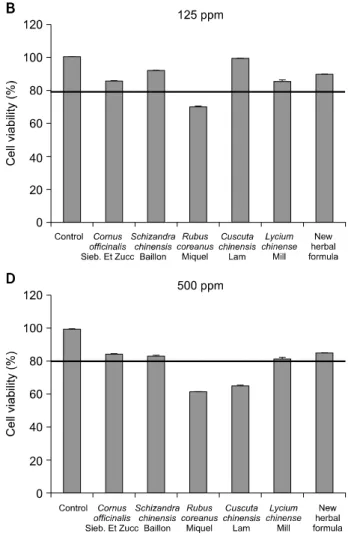
Fig. 1. Effect of KH-204 on the viability of TM3 Leydig cells.
Each graph shows cell viability after the administration of Cornus officinalis Sieb. Et Zucc, Schizandra chinensis Baillon, Rubus coreanus Miquel, Cuscuta chinensis Lam, Lycium chinense Mill, and the new herbal formula at concentrations of 62.5 mg/L (A), 125 mg/L (B), 250 mg/L (C), 500 mg/L (D), and 1,000 mg/L (E) for 24 hours.
Molecular Device, Sunnyvale, CA, USA) at a test wave- length of 570 nm. Optical density (O.D.) was calculated as the difference between the absorbance at the wavelength of the control group and that at the test wavelength. The percentage viability was calculated as (O.D. of treated sample/control O.D.) ×100. A percentage viability of more than 80% was considered to denote very high via-
bility [18-20].
3. In vivo evaluation of the effect of the new herbal formula on the reproductive organs in male mice 1) Animals
Thirty 8-week-old male imprinting control region mice were purchased from Orientbio Inc. (Seongnam, Korea). The
Table 1. The weights of reproductive organs after 8-day oral administration with the new herbal formula Variable Control New herbal formula
(50 mg/kg) New herbal formula
(100 mg/kg) New herbal formula
(200 mg/kg) New herbal formula (400 mg/kg) Body weight (g)
Testis (mg) Epididymis (mg) Seminal vesicle (mg)
37.0±1.7 110±10
40±0 80±20
36.5±1.1a 110±20a
41±2a 80±10a
36.7±1.1a 110±10a
41±4a 80±20a
34.6±1.9a 130±10a
41±2a 90±20a
29.3±1.1a 120±10a
37±2a 90±10a Values are presented as mean±standard deviation. ap>0.05 compared with the control group.
Table 2. The weights of reproductive organs after 28-day oral administration with the new herbal formula Variable Control New herbal formula
(50 mg/kg) New herbal formula
(100 mg/kg) New herbal formula
(200 mg/kg) New herbal formula (400 mg/kg) Body weight (g)
Testis (mg) Epididymis (mg) Seminal vesicle (mg)
37.0±1.5 110±10 40±10 120±30
36.6±0.9a 120±10a
40±10a 120±30a
39.3±1.7a 160±10a
40±10a 160±120a
37.6±1.3a 120±10a
50±10a 150±20a
33.7±1.2a 120±20a
40±10a 120±20a Values are presented as mean±standard deviation. ap>0.05 compared with the control group.
mice were divided into five groups: the control group (oral ad- ministration with sterile water, n=6), 50 mg/kg/d KH-204 oral administration group (n=6), 100 mg/kg/d KH-204 oral ad- ministration group (n=6), 200 mg/kg/d KH-204 oral admin- istration group (n=6), and 400 mg/kg/d KH-204 oral admin- istration group (n=6). After 8-day and 28-day oral admin- istration with KH-204, the mice from all the groups were sacri- ficed and their testes, epididymides, and seminal vesicles were excised. The experimental protocol was approved by the Catholic University Animal Ethics Committee (CUMC- 2013-0030-01).
2) Evaluation of sperm count and activity in the con- trol and oral administration with the new herbal formula groups
Cauda epididymal sperm were collected from the con- trol group and the group that was orally administered the new herbal formula. Each sperm sample was analyzed in duplicate for sperm count and activity. The sperm count represents the number of sperm in 1 mL of the medium.
Sperm motility is expressed as the percentage of sperm that showed any movement (×200 magnification).
4. Data analysis
The data were expressed as the mean±standard
deviation. The data of each group were compared and an- alyzed statistically by using the Wilcoxon signed rank test.
The significance was set at p<0.05.
RESULTS
1. Effect of the new herbal formula on viability of TM3 Leydig cells
The viability of cells incubated with each of the five herbs and with the new herbal formula at concentrations of 62.5 mg/L, 125 mg/L, 250 mg/L, 500 mg/L, and 1,000 mg/L for 24 hours is shown in Fig. 1. Cell viability was more than 80% after the administration of the five types of herbs and the new herbal formula at the concentration of 62.5 mg/L. At the concentrations of 125 and 250 mg/L, the cell viability in the case of Rubus coreanus Miquel (69.9%
and 61.9%, respectively) was less than 80%. The cell via- bility in the case of the other four herbs and the new herbal formula was more than 80%. At the concentrations of 500 and 1,000 mg/L, the cell viability in the case of Rubus cor- eanus Miquel (62.1% and 52.2%, respectively) and Cuscuta chinensis Lam (65.6% and 59.9%, respectively) was less than 80%. The cell viability in the case of the oth- er three types of herbs and the new herbal formula was more than 80%.
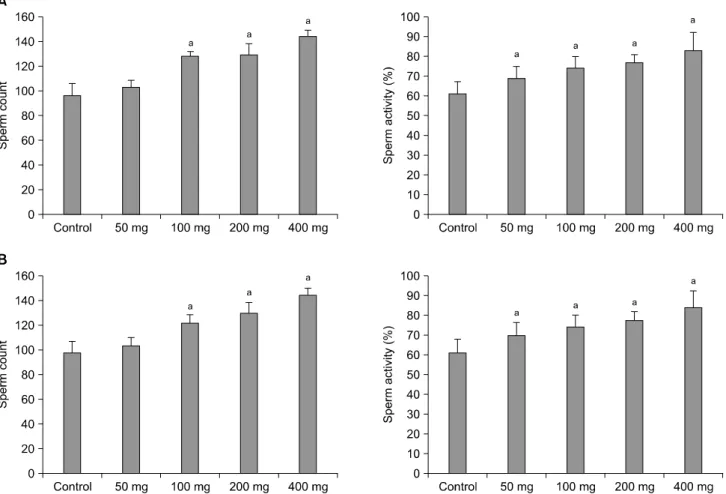
Fig. 2. Effect of the new herbal formula on sperm count and activity. (A) Sperm count and activity after 8-day oral administration of the new herbal formula. (B) Sperm count and activity after 28-day oral administration of the new herbal formula. ap<0.05 compared with that of the control group.
2. Body weights and reproductive organ weights after oral administration with the new herbal formula
Body weights were similar to those of the control group except in the case of mice that were administered with 400 mg of the new herbal formula after the 8- and 28-day oral administration. After the 8-day oral administration with 400 mg of the new herbal formula, a minimal decrease in the body weight was observed; however, the difference was not statistically significant. The body weights were similar in all of the groups after the 28-day oral admin- istration with the new herbal formula. In addition, the weights of the testis, epididymis, and seminal vesicles did not differ depending on the administration dose per day af- ter the 8- and 28-day oral administration with the new herbal formula (Table 1, 2).
3. Effect of the new herbal formula on sperm count and activity
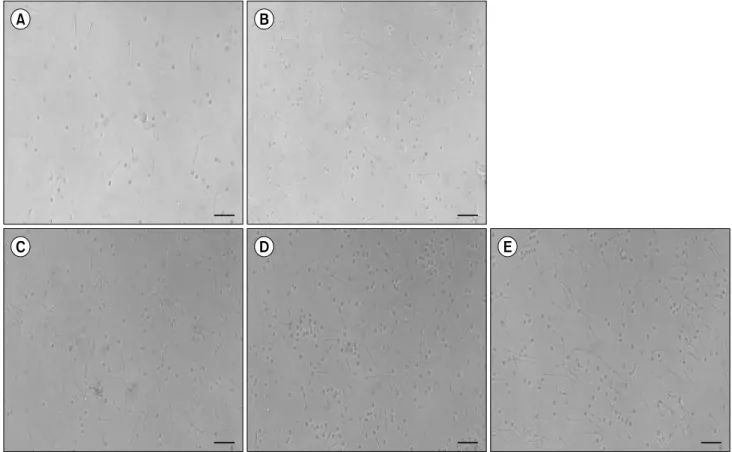
The sperm count was significantly increased compared with the control group after the oral administration of 100, 200, and 400 mg of the new herbal formula (p<0.05) (Fig.
2, 3). Moreover, significantly increased sperm motility was observed compared with the control group after the oral administration of 50, 100, 200, and 400 mg of the new herbal formula (p<0.05) (Fig. 2).
DISCUSSION
In the in vitro cytotoxicity test conducted as part of this study, we observed Rubus coreanus Miquel to be toxic at the concentration of 125 mg/L. Further, both Rubus cor- eanus Miquel and Cuscuta chinensis Lam were observed
Fig. 3. Appearance of sperm after 28-day oral administration with KH-204. (A) Control, (B) KH-204 50 mg, (C) KH-204 100 mg, (D) KH-204 200 mg, (E) KH-204 400 mg (×200 magnification).
to be toxic at the concentrations of 500 and 1,000 mg/L.
However, interestingly, we noted more than 80% cell via- bility of the new herbal formula at concentrations of 500 and 1,000 mg/L. Moreover, the new herbal formula ex- hibited more than 80% cell viability at every concen- tration considered. From these results, we assumed that the toxicity of the new herbal formula might be less than that of the three types of herbs (Rubus coreanus Miquel, Cuscuta chinensis and Cuscuta chinensis Lam) that ex- hibited toxicity at the concentrations of 500 and 1,000 mg/L. Further, the sperm account and motility were sig- nificantly improved compared with those of the control group on the 8th and the 28th day after the oral admin- istration of 100, 200, and 400 mg of the new herbal formula. As a result, the new herbal formula seems to be a safe herbal compound and has a positive effect on sperm quality.
Herbs have been used widely in various areas asso- ciated with human health, and nowadays, there are nu- merous attempts to apply herbs to medical use. In line
with this trend, several studies have been performed to demonstrate the efficacy of herbs in the treatment of and identify the underlying mechanism of urologic diseases such as erectile dysfunction (ED), infertility, and benign prostate hyperplasia (BPH) [21]. In particular, from the per- spective of male infertility, several oral supplements with antioxidant properties have been proposed to improve sperm quality; however, more evidence is necessary be- fore herbs can be used in real clinical practice. Further, in- fertile couples are apt to try using complementary and al- ternative medicine including herbs, even though there is no reliable evidence [22]. Thus, our data regarding the ef- fect of the new herbal formula on reproductive organs and sperm quality may provide relevant evidence for the use of the new herbal formula for treating male infertility.
In general, people believe that herbs are harmless plants because they are natural products. There is no doubt that a majority of herbal preparations are safe; however, some of them may show side effects because of the increasing use of herbs in modern society. Further, nowadays, the ad-
verse effects of herbs may also be attributed to the fact that people sometimes use a considerably higher dose of herbs than that used historically in order to show the healing ef- fect of the herbs on a certain disease [23,24]. Therefore, the safety aspects of the use of a certain herb should be in- vestigated thoroughly before considering its medical use.
We have evaluated the cell viability of each of five herbs and a new herbal formula containing those five combined according to the remedy prescribed by Korean oriental medicine. In the present study, each of these five herbs and the new herbal formula exhibited more than 80% cell viability at a relatively low concentration. At a higher con- centration (500 and 1,000 mg/L), Rubus coreanus Miquel and Cuscuta chinensis Lam showed less than 80% cell viability. On the basis of these results, we concluded that a high dose of herbs might have a negative effect on the hu- man body. However, the new herbal formula exhibited more than 80% cell viability at every concentration considered. Thus, we concluded that the new herbal for- mula is a safe herbal compound.
After oral administration of the new herbal formula, the sperm count and motility were improved compared with those of the control group; moreover, the improvement of sperm count and motility showed significance at the high- er dose of the new herbal formula. Each of the five types of herbs, which are components of the new herbal formula, exhibits antioxidant properties as mentioned earlier [12-17]. We assumed that the each of five herbs may serve as an antioxidant in the new herbal formula. The balance between ROS and an antioxidant is an important factor that affects sperm quality. During the fertilization process, a low level of free radicals helps sperm transit through the zona pellucida of the ovum by stimulating the acrosome reaction and sperm hyperactivation [25]. However, ex- cessive oxidative stress contributes to a deterioration of sperm quality by breaking the balance between ROS and the antioxidant in men with infertility. Increased ROS pro- duction leads to the peroxidation of the sperm acrosomal membrane and decreased acrosin activity; therefore, the fertilization process cannot be completed [26-28].
Further, ROS directly damages the sperm DNA by attack- ing the purine and pyrimidine bases and the deoxyribose backbone or by initiating apoptosis within the sperm, which induces the caspase-mediated enzymatic degrada-
tion of DNA [29]. Therefore, antioxidant administration may help to restore the imbalance of an excessive level of ROS and improve sperm quality.
Although we demonstrated the safety of the new herbal formula and its positive effect on sperm quality, there are several issues that are yet to be solved. We did not eval- uate the antioxidant properties of the new herbal formula in this study. Thus, a further study to elucidate the anti- oxidant mechanism of this formula should be conducted.
Further, we investigated the effect of the new herbal for- mula on sperm quality in normal mice; therefore, the ac- tion of the new herbal formula as an antioxidant needs to be evaluated using infertile animal models. Furthermore, studies to find which extracts of the five herbal compo- nents contribute to the antioxidant properties of the new formula and how the mixture of each extract demonstrates a consistent effect need to be conducted for determining the medical applications of this new herbal formula.
CONCLUSIONS
To summarize, we demonstrated the preliminary results about the safety of the new herbal formula and its positive effect on sperm quality after the oral administration of this formula. These results may form a fundamental basis for studies on the antioxidant mechanism of the new herbal formula and the formula’s antioxidant efficacy in the case of infertile animal models. Further studies are essential for determining whether the new herbal formula can be used as an oral antioxidant in men suffering from infertility.
ACKNOWLEDGEMENTS
This work was supported by a grant from the Next-Generation BioGreen 21 Program (No. PJ009546), Rural Development Administration, Republic of Korea.
REFERENCES
1. Irvine DS. Epidemiology and aetiology of male infertility.
Hum Reprod 1998;13 Suppl 1:33-44.
2. Thonneau P, Marchand S, Tallec A, Ferial ML, Ducot B, Lansac J, et al. Incidence and main causes of infertility in a resident population (1,850,000) of three French regions (1988-1989). Hum Reprod 1991;6:811-6.
3. Sharlip ID, Jarow JP, Belker AM, Lipshultz LI, Sigman M, Thomas AJ, et al. Best practice policies for male infertility.
Fertil Steril 2002;77:873-82.
4. Jungwirth A, Giwercman A, Tournaye H, Diemer T, Kopa Z, Dohle G, et al; European Association of Urology Working Group on Male Infertility. European Association of Urology guidelines on male infertility: the 2012 update. Eur Urol 2012;62:324-32.
5. Tremellen K. Oxidative stress and male infertility--a clinical perspective. Hum Reprod Update 2008;14:243-58.
6. Irvine DS, Twigg JP, Gordon EL, Fulton N, Milne PA, Aitken RJ. DNA integrity in human spermatozoa: relationships with semen quality. J Androl 2000;21:33-44.
7. Comhaire FH, El Garem Y, Mahmoud A, Eertmans F, Schoonjans F. Combined conventional/antioxidant "Asta- xanthin" treatment for male infertility: a double blind, randomized trial. Asian J Androl 2005;7:257-62.
8. Scott R, MacPherson A, Yates RW, Hussain B, Dixon J. The effect of oral selenium supplementation on human sperm motility. Br J Urol 1998;82:76-80.
9. Vicari E, Calogero AE. Effects of treatment with carnitines in infertile patients with prostato-vesiculo-epididymitis. Hum Reprod 2001;16:2338-42.
10. Liu F, Ng TB. Antioxidative and free radical scavenging ac- tivities of selected medicinal herbs. Life Sci 2000;66:
725-35.
11. Ng TB, Liu F, Wang ZT. Antioxidative activity of natural products from plants. Life Sci 2000;66:709-23.
12. Lee NH, Seo CS, Lee HY, Jung DY, Lee JK, Lee JA, et al.
Hepatoprotective and Antioxidative Activities of Cornus of- ficinalis against Acetaminophen-Induced Hepatotoxicity in Mice. Evid Based Complement Alternat Med 2012;2012:
804924.
13. Cheng N, Ren N, Gao H, Lei X, Zheng J, Cao W.
Antioxidant and hepatoprotective effects of Schisandra chi- nensis pollen extract on CCl4-induced acute liver damage in mice. Food Chem Toxicol 2013;55:234-40.
14. Bhandary B, Lee HY, Back HI, Park SH, Kim MG, Kwon JW, et al. Immature rubus coreanus shows a free radical-scavenging effect and inhibits cholesterol synthesis and secretion in liver cells. Indian J Pharm Sci 2012;74:211-6.
15. Yen FL, Wu TH, Lin LT, Lin CC. Hepatoprotective and anti- oxidant effects of Cuscuta chinensis against acetaminophen- induced hepatotoxicity in rats. J Ethnopharmacol 2007;111:
123-8.
16. Yin JY, Nie SP, Zhou C, Wan Y, Xie MY. Chemical charac- teristics and antioxidant activities of polysaccharide purified from the seeds of Plantago asiatica L. J Sci Food Agric 2010;90:210-7.
17. Lin CC, Chuang SC, Lin JM, Yang JJ. Evaluation of the anti- inflammatory hepatoprotective and antioxidant activities of Lycium chinense from Taiwan. Phytomedicine 1997;4:
213-20.
18. Ayaki M, Iwasawa A, Niwano Y. In vitro assessment of the cytotoxicity of six topical antibiotics to four cultured ocular surface cell lines. Biocontrol Sci 2012;17:93-9.
19. Bae SH, Che JH, Seo JM, Jeong J, Kim ET, Lee SW, et al. In vitro biocompatibility of various polymer-based micro- electrode arrays for retinal prosthesis. Invest Ophthalmol Vis Sci 2012;53:2653-7.
20. Yang J, Liu Y, Wang H, Liu L, Wang W, Wang C, et al. The biocompatibility of fatty acid modified dextran-agmatine bi- oconjugate gene delivery vector. Biomaterials 2012;33:
604-13.
21. Dreikorn K. Complementary and alternative medicine in urology. BJU Int 2005;96:1177-84.
22. Cheong Y, Nardo LG, Rutherford T, Ledger W. Acupuncture and herbal medicine in in vitro fertilisation: a review of the evidence for clinical practice. Hum Fertil (Camb) 2010;13:
3-12.
23. Jellin JM. Natural medicines comprehensive database/com- piled by the editors of prescriber's letter, pharmacist's letter.
4th ed. Stockton, CA: Therapeutic Research Faculty; 2002.
24. Gurley BJ. Clinical pharmacology and dietary supplements:
an evolving relationship. Clin Pharmacol Ther 2010;87:
235-8.
25. de Lamirande E, Gagnon C. Human sperm hyperactivation and capacitation as parts of an oxidative process. Free Radic Biol Med 1993;14:157-66.
26. Zorn B, Vidmar G, Meden-Vrtovec H. Seminal reactive oxy- gen species as predictors of fertilization, embryo quality and pregnancy rates after conventional in vitro fertilization and intracytoplasmic sperm injection. Int J Androl 2003;26:
279-85.
27. Zalata AA, Ahmed AH, Allamaneni SS, Comhaire FH, Agarwal A. Relationship between acrosin activity of human spermatozoa and oxidative stress. Asian J Androl 2004;6:
313-8.
28. Jedrzejczak P, Fraczek M, Szumała-Kakol A, Taszarek- Hauke G, Pawelczyk L, Kurpisz M. Consequences of semen inflammation and lipid peroxidation on fertilization ca- pacity of spermatozoa in in vitro conditions. Int J Androl 2005;28:275-83.
29. Villegas J, Schulz M, Soto L, Iglesias T, Miska W, Sánchez R. Influence of reactive oxygen species produced by acti- vated leukocytes at the level of apoptosis in mature human spermatozoa. Fertil Steril 2005;83:808-10.