* 이 논문은 2010년 환경부 연구비 지원 및 2012년 백두대간 생물다양성 사업단의 지원을 받아 진행된 연구였음을 밝힙 니다.
First author:Lee, Min-Ju, Department of Landscape Architecture, Kangwon National University, Tel:+82-33-250-8346, E-mail:[email protected]
Corresponding author:Lee, Gwan-Gyu, Department of Landscape Architecture, Kangwon National University, Tel:+82-33-250-8346, E-mail:[email protected]
Received:5 September, 2012. Revised:17 December, 2012. Accepted:17 December, 2012.
- 71 -
한․일․중 3국의 보호지역 관리 비교연구
이민주1)․이관규1)․성현찬2)․이동근3)․이현우4)․김준순5)
1)강원대학교 산림환경과학대학 조경학과․2)단국대학교 생명자원과학대학 녹지조경학과
3)서울대학교 농업생명과학대학 조경․지역시스템공학부
4)한국환경정책․평가연구원․5)강원대학교 산림환경과학대학 산림경영학과
A Comparative Study on Protected Area Management in South Korea, Japan and China
Lee, Min-ju1)․Lee, Gwan-gyu1)․Sung, Hyun-chan2) Lee, Dong-kun3)․Lee, Hyun-woo4) and Kim, Joon-soon5)
1)Department of Landscape Architecture, Kangwon National University,
2)Department of Green & Landscape Architecture, Dankook University,
3)Department of Landscape Architecture and Rural System Engineering, Seoul National University,
4)Korea Environment Institute, 5)Department of Forest Management, Kangwon National University.
ABSTRACT
This study has been carried out with the purpose of coming up with suggestions for designation of domestic protection areas and improvement of their management through a comparative analysis of the systems of management of the protection areas in South Korea, Japan and China. Starting with the designation of natural reserves in 1962, South Korea has prepared legal systems for preserving ecosystems and biodiversity, while continuing to designate protected areas. As the state has so far monopolized the designation and management of all South Korean protection areas that take up 10.8%
of its entire land area (as of Dec. 2011), with such persisting issues as multiple designations of one
and the same area for protection, overlapping management authorities, and management of privately owned land in the protection areas. In Japan, which has protected area sizes and relevant legal systems similar to those in South Korea, the state provides the basic framework for management, while delegating most of the duties related to direct operation and management to specific municipalities. China, with an integrated administrative management of protected areas, has related government offices and municipalities responsible for the designation and management of individual protected areas. South Korea needs to provide a legally based support system that would further enhance the value of areal protection and contribute to the promotion of local economy and community.
Key Words:biodiversity, ecosystem, conservation, environpolitics.
I. 서 론
최근 자연보호의 대상이 종의 보전에서 생물 다양성 보호로 전환되어 인식되는 경향이 있다 (Ishii and Yuzawa, 2005; Park et al., 2007; Lee and Jo, 2011). 이는 자연환경보전이 자연보호 만을 목적으로 하는 일부 관계부처, 관청의 과 제가 아닌 다양한 시책과의 연대, 다양한 이해 관계자의 참여, 보호지역과 보호대상종의 확대 등 생태적 상호관계속의 생태계 관리로 이루어 지고 있다는 것을 보여준다(Grumbine, 1994;
Gordon and Coppock, 1997; Lee and Jo, 2011).
도시화, 산업화로 인한 지구온난화, 사막화 등 이 단순한 자연환경문제가 아닌 지구환경 문제 로 인식되면서, 생물자원의 서식지 파괴, 종의 멸종 등은 자연환경보전에 대한 필요성과 관심 을 증가시켰다(Kwon et al., 2006; Park, 2006;
Choe et al., 2010; UNEP WCMC, 2010). 최근 2010년 나고야 의정서에 의해 아이치 타깃이 설정됨에 따라 육지와 내륙수역의 17%, 연안과 해양구역 10%를 보호지역으로 지정한다는 목 표가 수립될 만큼, 다양하고 풍부한 생물종과 자연환경을 보호하고 보전하는 것이 국가경쟁 력의 지표로 인식되고 그 중요성 또한 강조되고 있다(UNEP CBD, 1992; Park, 1994; Park, 2006; Park et al., 2007; 2008; Park and Choi,
2008; Shin et al., 2009).
‘세계 생물다양성의 해'였던 2010년 10월 일본 나고야에서 열린 제10차 생물다양성협약 당사국 총회에서는 ‘ABS (Access to genetic resources and Benefit-Sharing)의정서'와 ‘생물다양성 전략 계획 2011-2020(Strategic Plan for Biodiversity)' 이 채택되었다. 생물다양성 보전을 위한 결정문 47개중 17개가 보호지역과 관련하여 채택되었 고, 종자원을 보호하기 위한 국가별 전략계획의 구체적인 실행이 지속적으로 촉구되고 있다 (UNEP WCMC, 2010; Heo et al., 2011; Jung et al., 2011; UN et al., 2011; Kim, 2012).
2011년 12월 UN이 결정한 2011년~2020년 의 ‘생물다양성 10년'의 선포가 CBD 193개 회 원국 중 최초로 한국에서 선포되었다. 우리나라 는 1962년 천연보호구역 지정을 시작으로 생태 계 및 생물다양성 보전을 위한 법제를 마련하 고, 국토해양부, 문화재청, 산림청, 환경부 등의 정부부처와 지자체를 통해 보호지역을 지정해 왔다. 4개 정부부처 아래 보호지역 관리를 위한 개별법으로 다양한 종류의 보호지역을 지정․
관리하면서, 동일지역에 대해 복수로 보호지역 을 지정하게 되었고, 관리주체와 업무 중복에 대한 우려를 낳기도 하였다(Park, 2006; Park et al., 2007; 2008; Kim, 2012). 또한 국가와 지역 간의 관리, 사유지 지역의 합리적 관리 등은 지
속적으로 해결해야 할 당면과제로 남아있다(Jo, 2004; Kim et al., 2007; Lee et al., 2007; Cho and Lee, 2010).
본 연구의 목적은 한국, 일본, 중국의 보호지역 관리 사례비교를 통해 우리나라 보호지역 지정과 관리 개선을 위한 시사점을 도출하는 것이다.
II. 연구방법
우리나라 보호지역 관리를 개선하기 위한 논 의의 쟁점이 되고 있는 인자를 추출하여 한․
일․중의 보호지역 관리체계 등을 비교․분석 하였다. 보호지역 지정현황, 보호지역 지정(해 제) 방법, 국가 및 지자체간 관리체계, 공중참 여, 협약관리 등을 중점으로 비교하였다.
비교대상 보호지역은 한국 환경부가 주체로 관리하는 생태경관보전지역, 습지보호지역, 특 정도시지역, 야생동식물보호지역, 자연공원을 주 대상으로 하였다. 중국의 경우, 지질유산 및 고생물유적 관련 자연보호구역은 본 연구의 대 상에서 제외하였다.
연구는 자료수집 및 관련국의 현장 방문 및 담당자 인터뷰를 통하여 이루어졌다. 즉 우리나 라는 각 보호지역별 관련 법령, 국가 및 지자체 의 행정자료, 현장검토 등의 방법으로 조사하였 다. 일본에 대해서는 2011년 2월 일본 환경성, 동경도청의 보호지역 담당 공무원들과의 워크 숍를 거쳐 비교인자별로 분석하였으며, 현장방 문을 통하여 사례를 검토하였다. 현장답사지는 자연공원(自然公園), 조수보호구역(鳥獣保護区), 자연환경보전지역(自然環境保全地域), 생식지등 보호구역(生息地等保護区) 등 대표적인 지역을 방문('06~'11년)하여 검토하였다. 중국의 보호 지역은 중국 환경보호부(國家環境保護總局), 국 가임업국(国家林业局), 흑룡강성 자롱 국가급자 연보호구(黑龙江扎龙 国家级自然保护區) 등 기 관방문(2007. 9~10)과 문헌자료 수집을 토대로 검토하였다.
III. 연구결과
1. 보호지역 종류와 지정현황
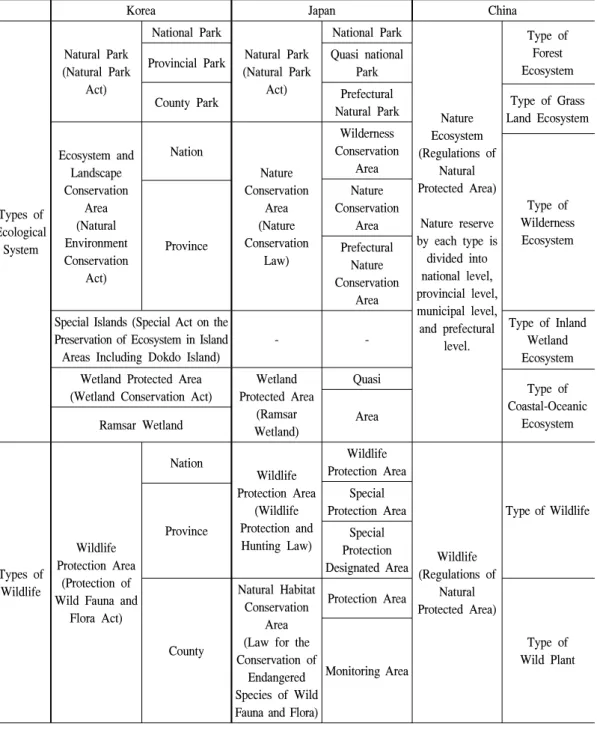
보호지역은 생태계 혹은 자연경관이 수려한 지역을 보호할 목적으로 지정하는 생태계 보호 지역과 생물종자원의 서식 등을 보호하기 위해 지정하는 야생생물 보호지역으로 크게 대분된 다(Park, 2006; Kim et al., 2007; Cho and Lee, 2010). 생태계와 자연경관을 보호하기 위해서 한국은 자연공원, 생태경관보전지역, 습지보호 지역, 특정도서지역의 보호지역으로 관리하고 있으며, 일본은 자연공원, 자연환경보전지역, 습 지보호지역, 조수보호구, 생식지등보호지역을 지정하고 있다(Table 1). 한국과 일본은 문화재 및 조수보호 등 법률의 연원에서 관계가 깊기 때문에 매우 유사한 체계를 갖고 있다.
중국의 자연보호구는 삼림법, 야생동물보호 법, 초원법, 어업법 등 각 부처별 관계법률에 근 거하고 있지만, 자연보호구를 전체적으로 조율 하는 것은 자연보호구조례에 의해 통일적으로 관리된다. 관리부처와 관계없이 모든 보호구역 은 자연생태계통류, 야생생물류, 자연유적류 등 3가지로 구분되며, 다시 자연생태계통류는 삼림 생태 등 5가지, 야생생물류는 야생동물과 야생 식물 등 2가지로 세분된다(Table 1). 중국도 위 계에 있어서는 국가급, 성급, 시현급 보호구를 구분한다(SEPA and STSB, 1994). 다만 보호지 역의 위계를 직접 지정하기도 하지만 일정 기간 마다 관리실태 심사를 거쳐 승급 또는 탈락시키 는 조정체계를 갖추었다는데 큰 특징이 있다 (SEPA, 2006).
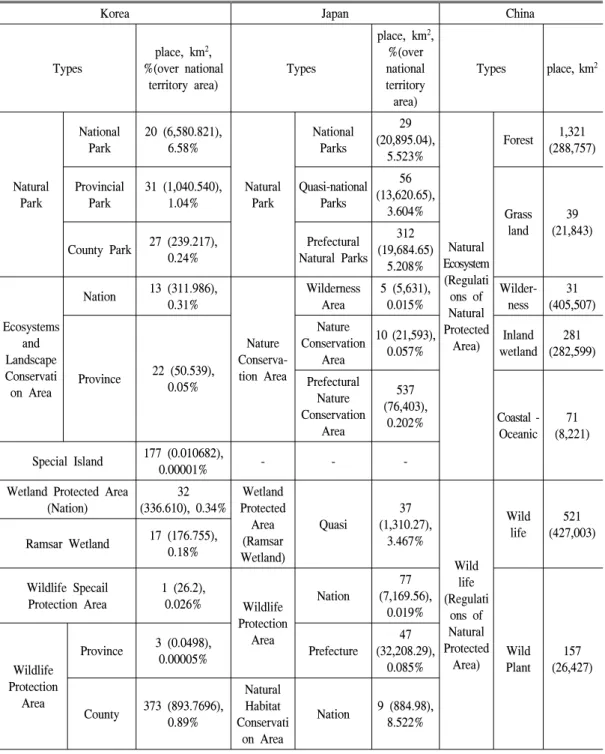
2. 지정현황
한국은 2010년 8월 기준으로 국토면적 대비 약 10.8%를 보호지역으로 지정하고 있으며 (ME, 2011c) 일본은 2006년 기준으로 국토면적 의 약 17.0%를 보호지역으로 지정하고 있다 (IUCN, 2006). 중국은 2009년말 기준으로 국토
Korea Japan China
Types of Ecological
System
Natural Park (Natural Park
Act)
National Park
Natural Park (Natural Park
Act)
National Park
Nature Ecosystem (Regulations of
Natural Protected Area)
Nature reserve by each type is
divided into national level, provincial level, municipal level, and prefectural
level.
Type of Forest Ecosystem Provincial Park Quasi national
Park
County Park Prefectural
Natural Park Type of Grass
Land Ecosystem Ecosystem and
Landscape Conservation
Area (Natural Environment Conservation
Act)
Nation
Nature Conservation
Area (Nature Conservation
Law)
Wilderness Conservation
Area
Type of Wilderness Ecosystem Nature
Conservation Area
Province Prefectural
Nature Conservation
Area Special Islands (Special Act on the
Preservation of Ecosystem in Island Areas Including Dokdo Island)
- -
Type of Inland Wetland Ecosystem Wetland Protected Area
(Wetland Conservation Act)
Wetland Protected Area
(Ramsar Wetland)
Quasi
Type of Coastal-Oceanic
Ecosystem Ramsar Wetland Area
Types of Wildlife
Wildlife Protection Area
(Protection of Wild Fauna and
Flora Act)
Nation
Wildlife Protection Area
(Wildlife Protection and Hunting Law)
Wildlife Protection Area
Wildlife (Regulations of
Natural Protected Area)
Type of Wildlife Special
Protection Area
Province Special
Protection Designated Area
County
Natural Habitat Conservation
Area (Law for the Conservation of
Endangered Species of Wild Fauna and Flora)
Protection Area
Type of Wild Plant Monitoring Area
Source:ME, 2011b; ME, 2011d.
Table 1. Comparison of the type of conservation areas in each country.
면적의 약 15.4%를 보호지역(자연유적류 제외 시 15.2%)으로 지정하였으며(EHD homepage), 이들 중 국가급은 319개소 926,711km2, 성급은
827개소 400,447km2, 시급 및 현급은 1,395개소 150,310km2이다(Table 2).
Korea Japan China
Types
place, km2,
%(over national territory area)
Types
place, km2,
%(over national territory area)
Types place, km2
Natural Park
National Park
20 (6,580.821), 6.58%
Natural Park
National Parks
29 (20,895.04),
5.523%
Natural Ecosystem (Regulati ons of Natural Protected
Area)
Forest 1,321 (288,757)
Provincial Park
31 (1,040.540), 1.04%
Quasi-national Parks
56 (13,620.65),
3.604% Grass
land 39 (21,843) County Park 27 (239.217),
0.24%
Prefectural Natural Parks
312 (19,684.65)
5.208%
Ecosystems and Landscape Conservati on Area
Nation 13 (311.986), 0.31%
Nature Conserva- tion Area
Wilderness Area
5 (5,631), 0.015%
Wilder- ness
31 (405,507) Nature
Conservation Area
10 (21,593), 0.057%
Inland wetland
281 (282,599) Province 22 (50.539),
0.05% Prefectural
Nature Conservation
Area
537 (76,403),
0.202% Coastal -
Oceanic 71 (8,221) Special Island 177 (0.010682),
0.00001% - - -
Wetland Protected Area (Nation)
32 (336.610), 0.34%
Wetland Protected
Area (Ramsar Wetland)
Quasi
37 (1,310.27),
3.467%
Wild life (Regulati
ons of Natural Protected
Area) Wild
life
521 (427,003) Ramsar Wetland 17 (176.755),
0.18%
Wildlife Specail Protection Area
1 (26.2),
0.026% Wildlife Protection
Area
Nation
77 (7,169.56),
0.019%
Wild Plant
157 (26,427) Prefecture
47 (32,208.29),
0.085%
Wildlife Protection
Area
Province 3 (0.0498), 0.00005%
Natural Habitat Conservati
on Area
Nation 9 (884.98), 8.522%
County 373 (893.7696), 0.89%
* No Decimal Tabulation. Wetland Protected Area in Korea, Ramsar Wetland in Korea, Natural Park in Korea (Nation, province) (By 2012), Ramsar Wetland in Japan, Special Island in Korea, Natural Park(County) in Korea, Ecosystem and Landscape Conservation Area in Korea (By 2011), Natural Park in Japan, Wildlife Protection Area in Japan (By 2010), Nature Conservation Area in Japan, Wildlife Protection Area in Korea(By 2009), Natural Habitat Conservation Area (By 2007).
Source:ME, 2011b; 2011e; EHD Homepage (Statistic by the end of 2009).
Table 2. Designation status of conservation areas in Korea, Japan and China.
Protected Area Target and Purpose Places (m2) Natural Environment An area in need of the conservation of nature including most of the
natural forests, and habitat for animals and plants
1 (4,053,000) Forest Environment An area in need of natural renovation and its conservation targeting
a plantation
1 (228,433) Satoyama An area in need of recovery & conservation of nature targeting irregular
forest, farmland and water available for use, etc
2 (561,533) Historical Environment An area in need of conservation of nature targeting nature in a body
with historical heritage
6 (1,368,206) Green Area An area in need of conservation of nature at a forest site or waterside
in the suburbs of the build - up area
37 (1,272,726) Source:TMG, 2011.
Table 3. Designation status of prefectural nature conservation areas in Tokyo.
3. 지정 및 관리주체 1) 한국
모든 보호지역의 지정권한은 국가가 가지고 있다. 다만 지역에서 관리하는 보호지역의 경우 지역에서 지정계획을 수립하고 국가의 승인을 받아 지정하고 국가가 정하는 법에 의해 행위제 한, 관리 등의 기준에 따르되, 지역에서 관리하 고 일부 국가의 지원을 받는다.
2) 일본
대부분의 보호지역 지정권한은 국가가 가진 다. 지역에서 관리하도록 되어 있는 보호지역의 경우 국가 승인을 받는다는 점에서 한국과 동일 하나, 도도부현 자연환경보전지역과 지역에서 지정하는 조수보호구 등의 경우 도도부현이 해 당 지역 내에서 지역특성에 맞도록 보호지역의 종류와 관리방법을 자체적으로 지정하고 관리 하도록 되어 있다.
3) 중국
보호지역 지정 권한은 국무원 행정주관부문 (환경, 임업, 농업, 지질광산, 수리, 해양 등) 및 성급, 시․현급 인민정부에 있다. 보호지역 관 리는 지정 주체인 국무원 행정주관부문과 소재 지 지방정부가 담당하고 있다. 당초 지방정부에 서 신청․지정한 국가급 보호구역의 경우 국가
는 예산과 인력을 배분하고 이를 받아서 소재지 지방정부가 해당 보호지역을 관리한다.
4. 국가 및 지자체 간의 관리체계 1) 한국
국가가 직접 지정하는 국가급 보호지역으로 국립공원, 국가급생태경관보전지역, 습지보호지 역, 특정도서, 야생동식물특별보호지역은 국가 의 필요성에 의해 지정하고 국가가 직접관리한 다. 해당 보호지역을 관할하는 가까운 환경부 기관인 지방환경유역청에서 관리하며, 국립공 원은 국립공원관리공단에 위탁하여 관리하고 총괄관리하고 있다. 다만 한라산국립공원의 경 우는 제주도에 관리를 위임하고 있다.
지역에서 관리하는 보호지역으로 도립공원, 군립공원, 시도야생동식물보호구역, 야생동식물 보호구역이 있으며, 모두 해당 시도 혹은 시군 구에서 지정하되 국가의 승인을 거쳐야 한다.
관리를 위한 상위법은 자연공원법, 야생동식물 보호법이며, 지방에서 관리하는 보호구역의 관 리를 위한 재원은 모두 지방에서 조달하고 자체 관리 및 운영한다.
2) 일본
국립공원, 국정공원은 지역마다 배치된 환경 성 소관 자연보호사무소와 각 공원별 비지터센
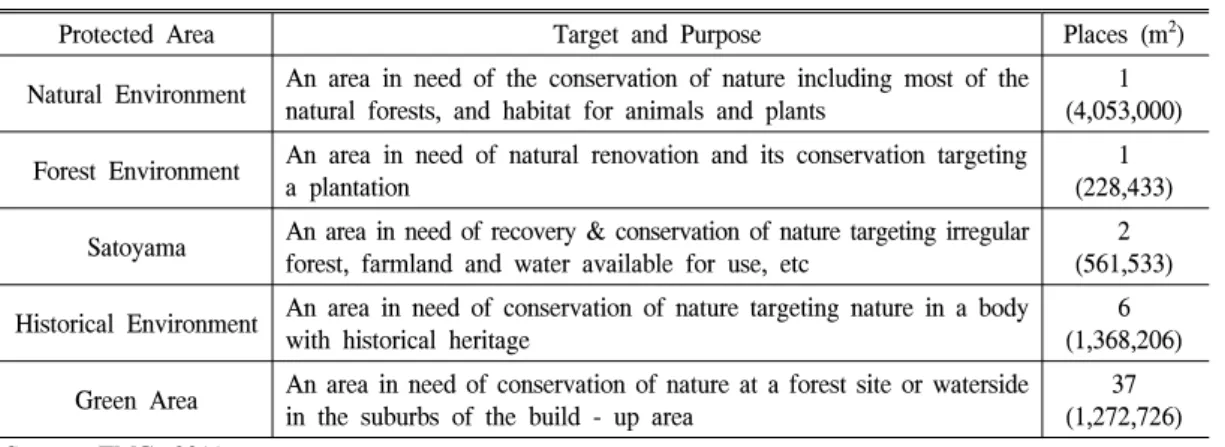
터와 출장사무소에서 관리한다. 이 중 비지터센 터는 해당 지역이 속하는 도도부현에서 관리한 다. 자연환경보전지역 중 도도부현자연환경보 전지역은 각 도도부현에서 별도로 보호지역을 지정하여 자체 관리 및 보호운영을 하고 있다 (Table 3).
3) 중국
국가는 보호지역 건립에 관한 각종 규정과 지침을 발간하는데, 여기에는 자연보호구의 유 형별 분류와 지정 조건, 자연보호구 유형별 면 적기준, 국가급-성급-시현급 자연보호구 지정조 건, 자연보호구 평가표준 및 방법 등을 제정하 였다(SFA, 2001). 환경보호부는 자연보호구조 례에 근거하여 전국 자연보호구를 종합 관리하 고 총괄적인 정책을 시달하며, 국무원 각 행정 주관부문(국가임업국 등) 및 지방정부에서 요청 한 자연보호구 지정을 조정하며, 보호지역 통계 를 취합하고 발표한다.
자연보호구 관리기구 및 관리인원에 있어 국 가급, 성급, 시현급 간에 차이가 있다. 국가급의 경우 대부분 독립된 관리기구가 있지만, 성급은 71%, 시급은 47%, 현급은 38%만이 관리기구가 있다. 관리기구와 관리인원 문제의 주요 원인은 경비부족에 따른 것이며, 점차 개선되고 있다 (SEPA, 2004). 시급 및 현급 보호지역이 성급으 로, 성급 보호지역이 국가급으로 승급될 경우 국가로부터 예산 및 인력 배정을 늘릴 수 있다.
따라서 일부 우수한 보호지역에 대해서는 지방 정부에서 관리에 상당한 투자를 한다.
5. 관리기법 1) 한국
우수한 생태계를 보전하기 위해 법정 보호지 역을 지정하고 주로 행위제한 위주로 관리하여 왔다. 그러나 보호구역 내 개인 소유지가 포함 되면서 행위제한에 따른 지역주민과의 갈등, 사 유지 매입을 위한 정부 재원마련 등이 해결해야
할 과제로 떠올랐다(Kim et al., 2007; Park et al., 2008; Cho and Lee, 2010; Kim, 2012). 이를 위해 주민이 직접 참여하는 생태계 보전활동 등 의 방안이 대안으로 제시되어 왔다(Park, 2006;
Cho and Lee, 2010).
최근 들어 보호지역의 합리적인 관리를 위해 협약관리 기법을 도입하고 있다. 생물다양성관 리계약제도, 멸종위기종관리계약이 대표적이다.
전자의 경우, 자연환경보전법 제37조에 의해 '02년부터 도입되었다. 보리 등의 계약경작과 철새 먹이제공 계약이행에 따라 인센티브를 제 공하는 경작관리계약 방식과 농작물 미수확 존 치, 쉼터조성, 볏집존치 등 지역주민의 철새보 호활동에 대해 실비 보상 등의 인센티브를 제공 하는 보호활동관리계약 방식으로 시행되고 있 다. '10년 20개, '11년 19개 시․군에서 실시되 었으며(ME, 2010; 2011a), 대표사례로 주요 철 새도래지인 창원 주남저수지('02~), 창녕 우포 늪('08~)이 있다. 철새로 인한 피해농가의 경제 적 보상과 지역주민의 자발적 참여를 통한 철새 개체수 증가 유도를 위해 매년 사업을 시행하고 있다(ME, 2010; 2011a).
후자의 경우, 야생동식물보호법 제32조에 의 해 특별보호구역과 인접지역에서 멸종위기 야 생생물의 보호를 위하여 필요하면 토지의 소유 자·점유자 등과 경작방식의 변경, 화학물질의 사용 저감 등 토지의 관리방법 등을 계약하는 제도이다. 현재(2012. 12)까지 특별보호구역과 관련한 계약관리 사례는 없는 실정이다.
2) 일본
일본의 보호지역에는 한국과 같이 사유지가 많이 포함되어 있다. 최근 사유지를 포함하여 보호지역을 지정할 경우, 개별 토지의 소유주체 가 보호지역 취지에 부합하도록 자체 관리를 하 게 함으로써 갈등을 최소화하고 있다. 공원내 사유지 매수를 기본으로 하되, 협력을 통한 공 동관리 프로그램 등을 장려하는 방식을 택하고
Figure 1. A case of multiple designation of conserva- tion areas in Nikko national park.
* 水◯Protection Forest, 鳥◯Special Wildlife Protection Area, 立◯National Park, Special Protection Area, Ramsar Wetland Source:NNCO, 2011
있다. 예를 들어 국립공원으로 지정된 지역 중 에서 보통지역 등은 국립공원 행위규제에 따르 되 해당 지역에서 관리한다. 최근들어 지정관리 자제도를 도입하고 있는데 그 일례로써 일본 치 치부타마카이 국립공원의 경우, 일부 지역을 동 경도에 매도하고 그 지역을 동경도에서 운영관 리토록 하되, 그 운영관리는 특정 기관을 지정 하여 위탁관리하는 기법을 운영하고 있다. 동경 도의 도도부현자연환경보전지역의 경우, 자체 지정한 사토야마 보전지역의 관리를 NPO에게 위탁하고 동경도의 30개 기업으로부터 후원받 아 근교 학교체험프로그램을 운영하여 지속적 인 보호지역관리가 이루어지도록 하고 있다 (TMG, 2011).
사유지 매입의 어려움은 한국과 유사하지만 보호지역의 지정권을 해당지역에 줌으로써 지 역특성에 맞는 효율적인 관리가 이루어질 수 있 음을 알 수 있다.
3) 중국
중국의 토지는 사적소유가 인정되지 않지만 농민의 집단소유는 인정된다. 자연보호구 지정 전후에 집단소유의 토지는 계속 유지되며, 필요 하다면 자연보호구주관부문은 토지관리법에 근 거하여 집단소유의 토지를 징발할 수 있다. 하 지만 많은 보호구에서 무리하게 징발이 이루어 지고, 이로 인해 토지소유권(산림 등 자연자원 의 권리 포함)과 보호구 관리의 분할, 현지 농민 의 이익과 자원보호간의 충돌이 발생하였다. 따 라서 지역사회와 같이 관리위원회를 결성하고 자원관리계획을 수립하는 등 지역사회와 공동 관리하는데 관심이 있다(SFA, 2002). 또한 '96~
'10년까지 15년에 걸쳐 시행된 자연보호구사업 으로 별도의 담당관리기구를 마련하는 등 보호 구 관리에 대한 정부의 제도적 기반이 체계화되 고 있는 추세이다(Jin, 2009; EIC, 2011).
6. 보호지역 복수지정 1) 한국
타 부처에서 관리하는 보호지역과의 중복은 매우 잦은 편이다. 환경부에서 관리하는 보호지 역간에도 복수의 보호지역이 지정되고 있다. 생 태․경관보전지역, 습지보호지역, 국립공원 등 이 중복지정되어 있다. 대암산 용늪과 우포늪의 경우 생태경관보전지역, 습지보호지역으로 중 복지정되어 있다. 중복지정은 해당 지역의 보호 가치가 복수임을 의미하므로 가치가 더욱 높다 는 것을 의미하며, 보호가치가 높을수록 지역적 현명한 이용가치가 높기 때문에 중복지정이 관 리효율성을 떨어뜨린다는 절대적 기준을 적용 하기에는 논의여지가 있다고 판단된다.
2) 일본
일본 또한 한국과 같은 양상을 보이고 있다.
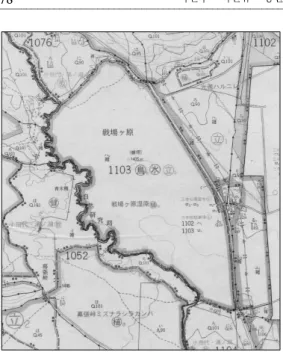
타 부처가 관리하는 보호지역뿐만 아니라 환경 성 소관의 보호지역에서도 중복지정하고 있는 사례가 많다. 일례로써 Figure 1에서 제시한 닛
꼬국립공원의 특별보호지역의 경우, 람사르습 지, 조수보호구로 중복 지정되어 있고, 임야청 에서 관리하는 보안림으로도 지정되어 있다.
카고시마현 이즈미시의 경우, 두루미 도래지 에 농지임차제를 시행하여 문화청(4/6), 현(1/6), 시정촌(1/6)이 같은 농지에 대해 차등된 임대료 를 부담한 바 있다(Lee, 2001). 이와 같이 보호 지역에 대한 관리 및 책임 소재를 명확히 하고, 공동관리에 의해 지속적인 유지관리가 이루어 지도록 하는 정책과 프로그램 등이 추진되고 있다.
3) 중국
중국에서는 보호지역의 중복지정에 관한 문 제가 알려져 있지 않다. 이는 보호지역 지정 권 한에서 생태계별로 관할 주관기관이 나뉘어 있 어 별다른 중복이 발생하지 않으며, 지정 신청 시 조정권한이 환경보호부 등 상급기관에게 주 어져 있기 때문으로 보인다. 단, 보호지역외 지 질공원, 습지공원, 삼림공원 등이 보호지역과 중복되는 경우는 있다. 하지만 관리상의 혼란을 줄이기 위해 보호지역 지정시 기존 공원과의 중 복지정을 원칙적으로 금하고 있으며, 이미 중복 된 지역에 대해서는 엄격한 관리가 촉구되고 있 다(EIC, 2011).
IV. 결 론
본 고에서는 주로 국가 및 지자체의 보호지 역 관리 역할관계와 복수의 보호지역 지정 문 제, 그리고 관리기법으로써 다자간 커뮤니티에 의한 관리의 세 가지 시사점을 도출하였다. 한 국과 일본을 비교할 때, 보호지역 소관 법과 관 리체계는 매우 유사함을 확인할 수 있다. 다만 일본의 경우, 지자체에 위임하여 관리하는 분야 가 더욱 비중을 차지하고 있으며, 국가는 기본 적인 관리의 준거틀을 제공하되, 직접적인 운영 과 관리는 해당 지자체에 대부분 위임되어 있음
을 알 수 있다. 특히 도도부현 자연환경보전지 역은 해당 지자체가 지역특성에 부합하는 보호 지역의 종류 등을 자체적으로 정하여 관리할 수 있도록 되어 있어서 지역에서 보호지역을 효율 적으로 관리할 수 있도록 지원하고 있다. 최근 도입되고 있는 지정관리자제도의 경우는 국가, 지자체, 위탁관리자, 지역민, 참여자의 유기적 관계와 협력을 기반으로 운영되고 있는 수범사 례로 판단된다.
중국은 보호지역 소관 법규 및 관리가 우리 와 상당히 다름을 알 수 있다. 보호지역에 관해 환경보호부와 국가임업국을 중심으로 통합적 정책관리가 수행되고 있으며, 개별 보호지역의 지정 및 관리를 관계부처 및 지방정부가 책임지 며, 지정 및 관리(특히 승급)에 있어 환경보호부 등 상급기관의 조율과 감독을 받는 특징이 있 다. 또한 중국 보호구역 관리에서 제기된 몇몇 문제를 해결하기 위하여 관리능력에 대한 지역 별, 담당기관별 편차를 줄이고, 경비와 전문인 력을 늘리며, 자연자원보호에 대한 지역사회의 인식을 제고하고 공동관리를 위해 노력할 것으 로 예상된다.
우리의 경우도 지역적 보호가치를 더욱 향상 시키고 지역의 사회․경제와 커뮤니티 증진에 일조할 수 있도록 보호지역을 현명하게 이용할 수 있는 법제도적 지원체계를 마련할 필요가 높 음을 시사할 수 있다.
인 용 문 헌
Cho, Y. H. and Y. K. Lee. 2010. A study on surveying and improving management of protected areas in Korea. Journal of the Korean Institute of Landscape Architecture 38(1):64-73. (in Korean with English summary)
Choe, J. C.․Shin, H. C.․Park, S. K.․Cho, D.
S. and O. S. Kwon. 2010. Biodiversity is our
life. Seoul:Kung-Ree. (in Korean) Environmental Information Center. 2011. China
environment news (2011. 1. 25). Press release.
(in Chinese)
Environmental Information Center. 2011. China environment news (2011. 5. 19). Press release.
(in Chinese)
Gordon, J. and J. Coppock. 1997. Ecosystem management and economic development, in Marian F. Chertow and Daniel C. Esty eds., Thinking ecologically:The next generation of environmental policy. pp. 39-40.
Grumbine, R. E. 1994. What is ecosystem management?, Conservation biology. 8:31.
Heo, H. Y.․Kim, B. H. and J. K. Choi. 2011.
Consideration of discussion trends of the convention on biological diversity - with focus on the 10th conference of the parties on biological diversity convention-. Proceedings of the Journal of the Korean Institute of Landscape Architecture 2011:18-21. (in Korean with English summary)
Ishii, I. and A. Yuzawa. 2005. Environmental planning introduction. Kajima publishing co.
ltd. (in Japanese)
Jin, Y. H. 2009. Nature protection and nature reserve policy in China. Proceedings of the Korea Society of Environment and Ecology 19(1):7-20. (in Korean with English summary)
Jo, T. D. 2004. Study on comparison of korean and japanese national park systems from the conservation perspective. Journal of the Korean Environmental Sciences Society 13(10):871-882. (in Korean with English summary)
Jung, H. Y.․Kim, J. S. and G. G. Lee. 2011.
Considerations of countermeasure tasks in the
fields of forest and forestry in Korea through case study on "The Nagoya Protocol (Access to genetic resources and benefit sharing)".
Journal of Korean Forest Society 100(3):
522-534. (in Korean with English summary) Kim, B. H. 2012. Enhancing management system
of the protected areas in Korea. Ph. D.
Dissertation. University of Seoul. (in Korean with English summary)
Kim, M. S.․Choi, Y. K.․Jeon, D. Y.․Park, J.
E. and Y. M. Seo. 2007. Category classification and systematic management of protected areas for effective territorial resources management.
Research report of Korea Research Institute For Human Settlements. (in Korean) Kwon, Y. H.․Ro, T. H.․Lee, H. W. and H. L.
Choung. 2006. Introduction plan of biological diversity items in environment assessment.
Research report of Korea Environment Institute. (in Korean)
Lee, G. C. 2001. A study on the Implementation system of the biodiversity management agreement. Research report of Ministry of Environment. (in Korean)
Lee, G. G. and D. G. Jo (Trans). 2011. Biodiversity conservation and environmental policy.
Hatakeyama, T. and K. Hiroaki., Biodiversity conservation and environmental policy. Seoul:
Rainbow Books. (Original work published 2006). (in Korean)
Lee, G. G.․Rho, P. H.․Lee, H. W.․Lee, J. H.․
Jeon, Y. W.․Kim, M. S.․Kim, J. M.․Lee, M. J. and S. H. Jo. 2007. Guidance for planning and management of wildlife sanctuary, Korea. Research report of Ministry of Environment. (in Korean)
Ministry of Environment. 2010. 2010 Business enforcement policy of contract of biological
diversity management. (in Korean)
Ministry of Environment. 2011a. 2011 Business enforcement policy of contract of biological diversity management. (in Korean)
Ministry of Environment. 2011b. Materials for conservation area designation status. (in Korean)
Ministry of Environment. 2011c. Operational plans of natural environment conservation and major pending issues. (in Korean)
Ministry of the Environment. 2011d. For coexistence of people and nature. (in Japanese)
Ministry of the Environment. 2011e. Designation status of nature conservation area in Japan.
Japan Integrated Biodiversity Information System. (in Japanese)
Nikko Nature Conservation Office. 2011. National forest field enforcement plan maps of Nikko National Park. (in Japanese)
Park, S. J. and S. J. Choi. 2008. National strategy for accessing marine genetic resources and benefit sharing - Focusing on the convention on biological diversity. Research report of Korea Maritime Institute. (in Korean) Park, Y. G. 1994. Strategy for biodiversity and genetic
conservation of forest resources in Korea.
Journal of Korean Forest Society 83(2):
191-204. (in Korean with English summary) Park, Y. H. 2006. A study on advanced foreign
countries' managing technology of conservation areas. Research report of Ministry of Environment. (in Korean)
Park, Y. H.․Lee, H. W.․Kim, K. G.․Lee, G.
G.․Choi, J. Y.․Heo, S. J. and G. W. Seo.
2008. Development of designation criteria for ecological protected areas and its application methodology. Journal of Environmental Impact
Assessment 17(3):177-188. (in Korean with English summary)
Park, Y. H.․Lee, H. W.․Kim, K. G.․Lee, G.
G.․Seo, G. W.․Kyung, J. H.․Park, J. H.
and S. J. Heo. 2007. A study on objectification of eco-system conservation area designation criteria. Research report of Ministry of Environment. (in Korean)
Shin, W. W.․Kim, J. W.․Choi, J. K.․Heo, H.
Y. and B. H. Kim. 2009. A management system for protected areas and DMZ, peninsula of Korea. Proceedings of the Korea Society of Environment and Ecology 19(1):
109-113. (in Korean with English summary) State Environmental Protection Administration and
State Technical Supervision Bureau. 1994.
Principle for categories and grades of nature reserves. National standard of the people's republic of China GB/T 14529-93. (in Chinese)
State Environmental Protection Administration.
2004. China nature reserves (2003). China Environmental Science Press. (in Chinese) State Environmental Protection Administration.
2006. Measures for the supervision and inspection of national nature reserves. Order of the state environmental protection administration. No. 36. (in Chinese) State Forestry Administration. 2001. Introduction
to modern management of nature reserve.
China Forestry Publishing House. (in Chinese)
State Forestry Administration. 2002. Guideline for cooperative management. China Forestry Publishing House. (in Chinese)
Tokyo Metropolitan Government. 2011. Statistic of protected areas. (in Japanese)
UNEP CBD. 1992. Convention on biological
diversity.
UNEP World Conservation Monitoring Centre.
2010. The arctic biodiversity assessment (ABA). International expert workshop on the 2010 biodiversity indicators and post - 2010 indicator development.
United Nations․CBD and UNEP. 2011. Strategic plan for biodiversity 2011 - 2020 and the aichi targets “Living in harmony with nature.”
Environmental Health Department homepage http://big5.mep.gov.cn/gate/big5/www.mep.go v.cn/.