• 검색 결과가 없습니다.

Clinical Significance of National Institutes of Health-Chronic Prostatitis Symptom Index Pain Score in Patients with Benign Prostatic Hyperplasia

N/A
N/A
Protected

Academic year: 2021

Share "Clinical Significance of National Institutes of Health-Chronic Prostatitis Symptom Index Pain Score in Patients with Benign Prostatic Hyperplasia"

Copied!
6
0
0

로드 중.... (전체 텍스트 보기)

전체 글

(1)

Original Article Urogenit Tract Infect 2015;10(2):102-107

Clinical Significance of National Institutes of Health-Chronic Prostatitis Symptom Index Pain Score in Patients with Benign Prostatic Hyperplasia

Chang Min Lee, Jae Mann Song, Kwang Jin Kim, Tae Wook Kang, Seung Hoon Ryang, Yun Byung Chae

1

, Hyun Chul Chung, Jae Hung Jung

Department of Urology, Yonsei University Wonju College of Medicine, Wonju,

1

Department of Urology, Cheongju St. Mary’s Hospital, Cheongju, Korea

Purpose: Many benign prostatic hyperplasia (BPH) patients were accompanied by pelvic pain apart from urinary symptoms. Therefore, we evaluate the treatment outcomes of alpha-blockers via a change of international prostate symptom score (IPSS) according to pain score of the National Institutes of Health Chronic Prostatitis Symptom Index (NIH-CPSI).

Materials and Methods: A total of 356 male patients with BPH from March 2011 to May 2014 were analyzed retrospectively. Prostate specific antigen, prostate volume, IPSS, NIH-CPSI, international index of erectile function (IIEF-5), and uroflowmetry were collected. Patients were categorized according to 2 groups based on the presence and severity of pain and baseline characteristics and treatment outcomes were analyzed.

Results: Two hundred twenty-nine patients (64.3%) reported pain/discomfort on NIH-CPSI. Mean IPSS, mean voiding symptoms, mean storage symptoms on IPSS, and mean IIEF-5 showed a significant difference in groups 1A and 1B. Logistic regression analysis showed that NIH-CPSI pain score was a significant predictive factor for severe IPSS (odds ratio, 2.830; 95% confidence interval, 1.307-6.129).

After treatment for 3 months, improvement of IPSS, voiding symptoms, storage symptoms, and quality of life was observed in all groups (p=0.001, p<0.001, p=0.026, p<0.001, p<0.001, p<0.001, p<0.001, p<0.001). Group 2B (pain score>5) showed greater improvement of symptoms and statistically significant difference compared with group 2A (pain score ≤5) (p=0.029, p=0.026).

Conclusions: We suggest that the presence and severity of pain score are helpful for therapeutic efficacy in patients with BPH.

Keywords: Prostatic hyperplasia; Lower urinary tract symptoms; Prostatitis

Copyright 2015, Korean Association of Urogenital Tract Infection and Inflammation. All rights reserved.

This is an open access article distributed under the terms of the Creative Commons Attribution Non-Commercial License (http://creativecommons.org/licenses/by-nc/4.0) which permits unrestricted non-commercial use, distribution, and reproduction in any medium, provided the original work is properly cited.

Received: 6 June, 2015 Revised: 11 August, 2015 Accepted: 22 August, 2015

Correspondence to: Jae Hung Jung http://orcid.org/0000-0002-4990-7098 Department of Urology, Yonsei University Wonju College of Medicine, 20 Ilsan-ro, Wonju 26426, Korea

Tel: +82-33-741-0652, Fax: +82-33-748-3804 E-mail: [email protected]

INTRODUCTION

Recently, with increase in the elderly population, the importance of treatment and interest in lower urinary tract symptoms (LUTS) is increasing as compared to the past.

According to the 2002 International Continence Society

definitions, LUTS have three categories: storage, voiding,

and postmicturition symptoms. Storage symptoms contain

frequency, nocturia, urgency, and incontinence. Voiding

symptoms include slow or weak urinary stream, hesitancy,

and terminal dribble. Postmicturition symptoms include the

sensation of incomplete emptying and postmicturition

(2)

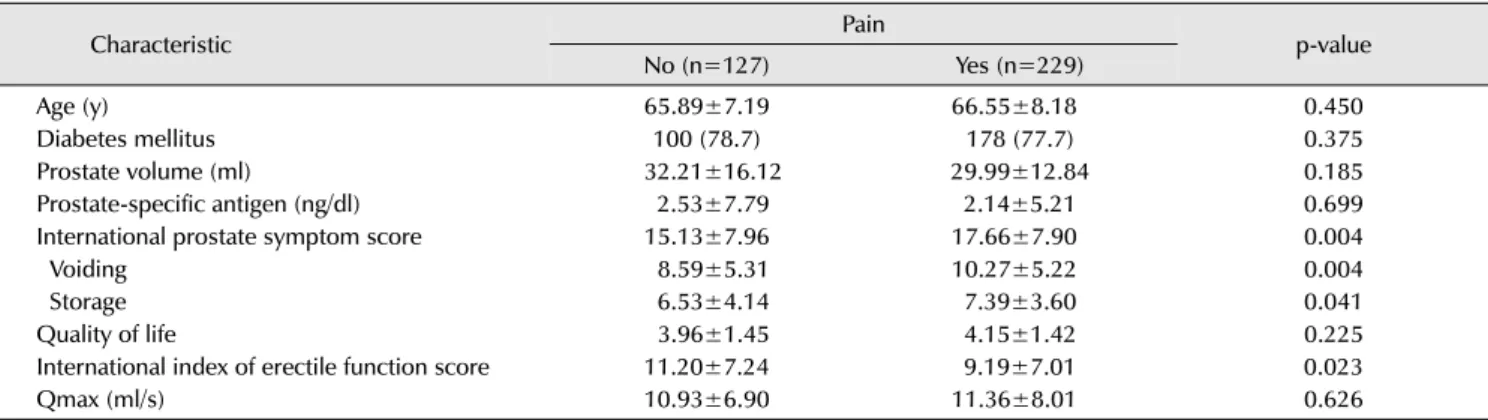
Table 1. Baseline characteristics (n=356)

Characteristic Pain

p-value

No (n=127) Yes (n=229)

Age (y) 65.89±7.19 66.55±8.18 0.450

Diabetes mellitus 100 (78.7) 178 (77.7) 0.375

Prostate volume (ml) 32.21±16.12 29.99±12.84 0.185

Prostate-specific antigen (ng/dl) 2.53±7.79 2.14±5.21 0.699

International prostate symptom score 15.13±7.96 17.66±7.90 0.004

Voiding 8.59±5.31 10.27±5.22 0.004

Storage 6.53±4.14 7.39±3.60 0.041

Quality of life 3.96±1.45 4.15±1.42 0.225

International index of erectile function score 11.20±7.24 9.19±7.01 0.023

Qmax (ml/s) 10.93±6.90 11.36±8.01 0.626

Values are presented as mean±standard deviation or number (%). Independent t-test.

Qmax: maximum flow rate on uroflowmetry.

dribble. Bladder outlet obstruction, which is represented by benign prostatic hyperplasia (BPH), overactive bladder, neurological disease, aging, and changes in sex hormones are the causes of LUTS [1]. And obstruction due to BPH is the most common cause of LUTS and 8 million people out of the men over 50 years of age in the United States have complained of BPH and LUTS [2].

Prostatitis is an inflammatory disease of the prostate gland which is characterized by pelvic pain and voiding symptoms.

National Institutes of Health-Chronic Prostatitis Symptom Index (NIH-CPSI) is in three discrete domains: pain, urinary symptoms, and the impact on quality of life (QoL). The severity of pain may be objectified by using NIH-CPSI pain score and many patients with BPH have complained of pelvic pain in addition to urinary symptoms. Recently, 16%

of healthy men reported a history of prostatitis and there was a large overlap with men reporting BPH [3].

Therefore, we evaluated the therapeutic effect of alpha-bloc- kers according to the changes of international prostate symptom score (IPSS) due to NIH-CPSI pain score in patients with BPH.

MATERIALS AND METHODS

Data were collected from 356 patients with BPH who visited the Wonju Severance Christian Hospital between March 2011 and May 2014, retrospectively. As baseline study, medical histories (e.g., the presence of diabetes mellitus), prostate specific antigen (PSA), prostate volume (PV), IPSS, NIH-CPSI, international index of erectile function (IIEF-5) and maximum flow rate on uroflowmetry (Qmax)

were analyzed and the IPSS score was classified in mild (IPSS≤7), moderate (8≤IPSS≤19) and severe (IPSS≥20).

We excluded patients with urinary tract infection, hypoechoic lesions on trans-rectal prostate ultrasound, abnormal findings of urinalysis, serum PSA levels at or greater than 4 ng/dl, history of antibiotic treatment in the 6 months preceding initial visit, invasive prostate-related procedures (transurethral resection of the prostate, tran- surethral incision of the prostate, and transurethral needle ablation), genitourinary cancer, inflammatory bowel disease, active urethral stricture, prostate or bladder surgery, or with neurologic diseases affecting the bladder.

Firstly, we divided the patients into two groups according to the presence of pain (group 1A: pain score≤0, group 1B: pain score>0). Baseline characteristics were analyzed between two groups. Secondly, the patients who completed follow up schedule were classified into two groups based on severity of pain scores (group 2A: pain score≤5, group 2B: pain score>5) and evaluated the therapeutic effect of alpha-blockers in each group using IPSS and QoL after 3 months alpha blocker monotherapy.

The independent sample t-test was used to compare baseline characteristics between two groups. Paired sample t-test was used to compare the changes of parameters in each group. Multivariate logistic regression analysis was used to determine the potential risk factors of pain score.

IBM SPSS Statistics ver. 20.0 (IBM Co., Armonk, NY, USA)

was used for all statistical analyses. A p-value of less than

0.05 was considered statistically significant.

(3)

Table 4. The changes of subjective and objective parameters between 2 groups

Changes of parameters Pain score≤5 (n=66) Pain score>5 (n=38) p-value

IPSS -3.35±7.69 -6.92±8.34 0.029

Voiding -2.27±4.80 -4.21±5.82 0.070

Storage -1.09±3.89 -2.71±3.73 0.041

QoL -0.91±1.62 -1.65±1.63 0.026

NIH-CPSI pain score 0.12±2.90 -6.08±3.79 0.000

IIEF-5 score -2.60±6.28 0.22±7.04 0.104

Qmax (ml/s) 1.36±5.16 1.67±4.70 0.796

Values are presented as mean±standard deviation. Paired t-test.

IPSS: international prostate symptom score, QoL: quality of life, NIH-CPSI pain score: National Institutes of Health Chronic Prostatitis Symptom Index pain score, IIEF-5 score: international index of erectile function score, Qmax: maximum flow rate on uroflowmetry.

Table 2. Risk factor for National Institutes of Health-Chronic Prostatitis Symptom Index pain score

Odds ratio (95% confidence interval) Age (y)

≤60 -

>60, ≤70 0.448 (0.246-0.815)

>70 1.182 (0.580-2.410)

IPSS

Mild (IPSS≤7) -

Moderate (8≤IPSS≤19) 1.604 (0.793-3.243) Severe (IPSS≥20) 2.830 (1.307-6.129) Diabetes mellitus 0.809 (0.459-1.424) Logistic regression analysis.

IPSS: international prostate symptom score.

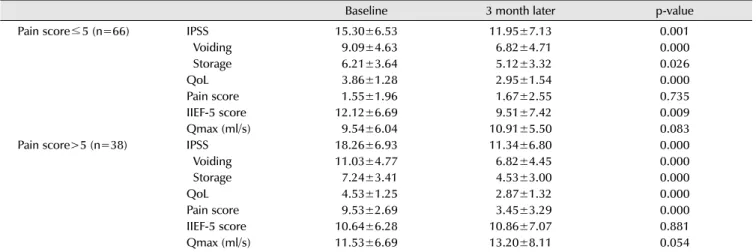
Table 3. Comparison of treatment outcomes before and after treatment in each group

Baseline 3 month later p-value

Pain score≤5 (n=66) IPSS 15.30±6.53 11.95±7.13 0.001

Voiding 9.09±4.63 6.82±4.71 0.000

Storage 6.21±3.64 5.12±3.32 0.026

QoL 3.86±1.28 2.95±1.54 0.000

Pain score 1.55±1.96 1.67±2.55 0.735

IIEF-5 score 12.12±6.69 9.51±7.42 0.009

Qmax (ml/s) 9.54±6.04 10.91±5.50 0.083

Pain score>5 (n=38) IPSS 18.26±6.93 11.34±6.80 0.000

Voiding 11.03±4.77 6.82±4.45 0.000

Storage 7.24±3.41 4.53±3.00 0.000

QoL 4.53±1.25 2.87±1.32 0.000

Pain score 9.53±2.69 3.45±3.29 0.000

IIEF-5 score 10.64±6.28 10.86±7.07 0.881

Qmax (ml/s) 11.53±6.69 13.20±8.11 0.054

Values are presented as mean±standard deviation. Paired t-test.

IPSS: international prostate symptom score, QoL: quality of life, IIEF-5 score: international index of erectile function score, Qmax: maximum flow rate on uroflowmetry.

RESULTS

The patients were classified into group 1A (n=229, 64.3%) and into group 1B (n=127, 35.7%) based on pain/discomfort.

Table 1 showed baseline characteristics of patients. Mean IPSS were 15.13±7.96 and 17.66±7.90 between 2 groups, respectively. Mean voiding symptoms and storage symptoms on IPSS were 8.59±5.31, 10.27±5.22 and 6.53±4.14, 7.39±3.60 in each group, respectively. Mean IIEF-5 were 11.20±7.24 and 9.19±7.01 between 2 groups, respectively.

There were statistically significant differences on IPSS and IIEF-5. However, mean age, PSA, PV, QoL, and Qmax did not prove to be significant in this study.

Logistic regression analysis showed that NIH-CPSI pain score were significant predictive factor of severe LUTS on IPSS (odds ratio, 2.830; 95% confidence interval, 1.307-6.129;

Table 2).

After made exclusion the patients who were lost, 66 (58%)

patients were reclassified into group 2A (pain score≤5)

and 38 (42%) into group 2B (pain score>5) based on

severity of pain scores. Statistically significant improvement

of IPSS including voiding symptoms and storage symptoms,

and QoL were found in groups (Tables 3, 4). Changes of

(4)

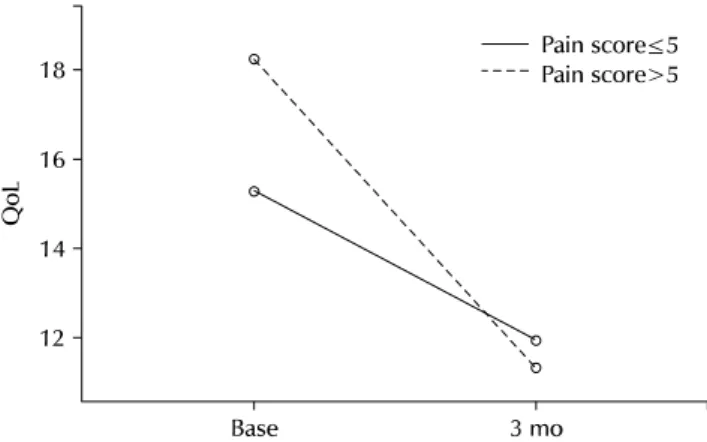
Fig. 1. Changes of international prostate symptom score (IPSS) between

2 groups. Fig. 2. Changes of quality of life (QoL) between 2 groups.

IPSS and QoL were -3.35±7.69, -6.92±8.34, and -0.91±1.62, -1.65±1.63 between 2 groups, respectively group 2B pre- sented greater symptom improvements compared with group 2A and showed a statistically significant difference (p=0.029, p=0.026; Fig. 1, 2).

DISCUSSION

BPH represents the most commonly diagnosed urological disease in men after the fifth decade [4]. In fact, the histological prevalence of BPH, which has been examined in several autopsy studies around the world, is approximately 10% for men in their 30s, 20% for men in their 40s, reaches 50% to 60%for men in their 60s, and is 80% to 90% for men in their 70s and 80s. Aging is risk factor of the development of BPH [5].

Recently, the role of chronic inflammation is emerging as an important factor in BPH development and progression [6]. De Nunzio et al. [5] suggested that chronic prostatic inflammation has an important role in the development of chronic prostatic diseases such as BPH and prostate cancer. Chronic prostatitis/chronic pelvic pain syndrome (CP/CPPS), is characterized by chronic pelvic pain symptoms with the absence of urinary tract infection. The symptoms include characteristic urogenital pains, voiding discomfort and sexual dysfunction that reduce patients’ QoL [7]. Men reporting a history of BPH had an eight fold greater odds of a history of prostatitis [8]. Furthermore, there is an evidence of a relationship between the degree of LUTS and the degree of chronic inflammation [9]. In addition, Nickel et al. [10] reported that 20% of sexually active men

with LUTS suggestive of BPH complained of the specific prostatitis-like symptom of pain/discomfort on ejaculation.

Cologne Male Survey reported a prevalence of LUTS of 72% in men with erectile dysfunction, vs. 38% in men with normal erections in a sample of 8000 men aged 30-80 years [11]. In addition, the severity of sexual dysfunction is positively associated with increasing severity of LUTS, irrespective of age and comorbidities [12-14]. Men with BPH and painful ejaculation have more severe LUTS and reported greater bother, and had a higher prevalence of erectile dysfunction and reduced ejaculation, than men with LUTS only [10].

Current medical treatment of LUTS is mainly based on A1-adrenergic receptor blockers (ABs) and 5a-reductase inhibitors (5-ARIs), alone or in combination [11]. ABs relieves BPH symptoms by inhibiting the ABs in smooth muscle, which results in the relaxation of prostatic, and bladder neck smooth muscle and mitigation of LUTS [15].

5-ARIs reduce the prostate size by blocking that testosterone is converted to dihydrotestosterone to induce apoptosis of prostate epithelial cells [16-18]. Several randomized placebo-controlled studies showed that ABs can reduce the pain symptoms in CP/CPPS patients [19-21]. Kwon et al.

[22] evaluated the relationship between chronic intra-prostatic inflammation and the response to BPH medical treatment.

They reported that patients with BPH not responding to medical treatment might be considered at higher risk of chronic, significant and intra-prostatic inflammation.

Cantoro et al. [23] reported that there are no correlations between initial IIEF-5 score and NIH-CPSI score, statistically.

However after a-blocker treatment, erectile dysfunction

(5)

could be improved by reducing the spasm of prostate smooth muscle, the associated inflammation and improving prostate and penis blood flow. And there is statistically significant increase in IIEF-5.

Abs has been shown to provide symptomatic relief for some patients with CP/CPPS [24-26]. The mechanisms for relief of pain associated with CP/CPPS are unclear, but researchers thought that substance P is a significant mediator and a-blocker antagonizes the local and spinal a1A and a1D receptors, probably [21,27]. The spinal cord contains many a1A and a1D-adrenergic receptor subtypes, and a recent study showed that selective ABs inhibits up-regulation of substance P after pain stimulation of the rat’s prostate.

It is possible substance P is released in the spinal cord in response to stimulation of pain receptors in the prostate, and may be attenuated by ABs [27]. Nickel et al. [21] found that a-blocker improved symptomatic relief in men with CP/CPPS, particularly in those with more severe symptoms.

We also found similar results. Depending on the presence of pain score, baseline IPSS were different between the two groups. Higher pain score group showed greater symptom improvements compared with lower group. As a result, we believe that the presence and severity of pain score are independent risk factors in patients with LUTS, and pain score can help physicians to predict therapeutic efficacy in patients with LUTS.

There were limitations to this study. The first limitation pertains to the retrospective study design. Second the follow-up period might not have been long enough, so it was not sufficient to evaluate the long term therapeutic efficacy. Third, follow-up loss was present including an incomplete completion of Questionnaire and potential interviewer bias. A prospective randomized trial and long-term follow-up are needed.

CONCLUSIONS

BPH is a progressive disease that requires long term treatment and periodic assessment of therapeutic efficacy.

Because the goal of BPH treatment is not only symptom improvement but also increase of the patient’s QoL by relieving the disturbance of LUTS. Many studies show that chronic inflammation is an important factor of disease progression and development of chronic prostate diseases such as BPH or CPPS. In addition, ABs treatment relieves

the symptoms of the promised in patients with BPH or CPPS, particularly shows the increase in QoL by reducing pain.

Our study provides that presence and severity of pain score may be helpful for therapeutic efficacy in patients with BPH.

CONFLICT OF INTEREST

No potential conflict of interest relevant to this article was reported.

REFERENCES

1. Abrams P, Cardozo L, Fall M, Griffiths D, Rosier P, Ulmsten U, et al; Standardisation Sub-committee of the International Continence Society. The standardisation of terminology of lower urinary tract function: report from the Standardisation Sub-committee of the International Continence Society.

Neurourol Urodyn 2002;21:167-78.

2. Wei JT, Calhoun E, Jacobsen SJ. Urologic diseases in America project: benign prostatic hyperplasia. J Urol 2005;173:1256- 61.

3. Collins MM, Meigs JB, Barry MJ, Walker Corkery E, Gio- vannucci E, Kawachi I. Prevalence and correlates of prostatitis in the health professionals follow-up study cohort. J Urol 2002;167:1363-6.

4. Garraway WM, Collins GN, Lee RJ. High prevalence of benign prostatic hypertrophy in the community. Lancet 1991;338:

469-71.

5. De Nunzio C, Kramer G, Marberger M, Montironi R, Nelson W, Schröder F, et al. The controversial relationship between benign prostatic hyperplasia and prostate cancer: the role of inflammation. Eur Urol 2011;60:106-17.

6. Briganti A, Capitanio U, Suardi N, Gallina A, Salonia A, Bianchi M, et al. Benign prostatic hyperplasia and its aetiologies. Eur Urol Suppl 2009;8:865-71.

7. Krieger JN, Lee SW, Jeon J, Cheah PY, Liong ML, Riley DE.

Epidemiology of prostatitis. Int J Antimicrob Agents 2008;31 Suppl 1:S85-90.

8. Vallancien G, Emberton M, Harving N, van Moorselaar RJ;

Alf-One Study Group. Sexual dysfunction in 1,274 European men suffering from lower urinary tract symptoms. J Urol 2003;169:2257-61.

9. Nickel JC, Roehrborn CG, O'leary MP, Bostwick DG, Somerville MC, Rittmaster RS. Examination of the relationship between symptoms of prostatitis and histological inflammation: baseline data from the REDUCE chemoprevention trial. J Urol 2007;

178:896-900.

10. Nickel JC, Elhilali M, Vallancien G; ALF-ONE Study Group.

(6)

Benign prostatic hyperplasia (BPH) and prostatitis: prevalence of painful ejaculation in men with clinical BPH. BJU Int 2005;95:571-4.

11. Braun MH, Sommer F, Haupt G, Mathers MJ, Reifenrath B, Engelmann UH. Lower urinary tract symptoms and erectile dysfunction: co-morbidity or typical "Aging Male" symptoms?

Results of the "Cologne Male Survey". Eur Urol 2003;44:

588-94.

12. Rosen R, Altwein J, Boyle P, Kirby RS, Lukacs B, Meuleman E, et al. Lower urinary tract symptoms and male sexual dysfunction:

the multinational survey of the aging male (MSAM-7). Eur Urol 2003;44:637-49.

13. Collins MM, Stafford RS, O'Leary MP, Barry MJ. How common is prostatitis? A national survey of physician visits. J Urol 1998;159:1224-8.

14. Chung WS, Nehra A, Jacobson DJ, Roberts RO, Rhodes T, Girman CJ, et al. Lower urinary tract symptoms and sexual dysfunction in community-dwelling men. Mayo Clin Proc 2004;79:745-9.

15. Lepor H, Williford WO, Barry MJ, Haakenson C, Jones K;

Veterans Affairs Cooperative Studies Benign Prostatic Hyperplasia Study Group. The impact of medical therapy on bother due to symptoms, quality of life and global outcome, and factors predicting response. J Urol 1998;160:1358-67.

16. Nickel JC, Fradet Y, Boake RC, Pommerville PJ, Perreault JP, Afridi SK, et al. Efficacy and safety of finasteride therapy for benign prostatic hyperplasia: results of a 2-year randomized controlled trial (the PROSPECT study). PROscar Safety Plus Efficacy Canadian Two year Study. CMAJ 1996;155:1251-9.

17. McConnell JD, Bruskewitz R, Walsh P, Andriole G, Lieber M, Holtgrewe HL, et al; Finasteride Long-Term Efficacy and Safety Study Group. The effect of finasteride on the risk of acute urinary retention and the need for surgical treatment among men with benign prostatic hyperplasia. N Engl J Med 1998;338:

557-63.

18. Roehrborn CG, Boyle P, Nickel JC, Hoefner K, Andriole G;

ARIA3001 ARIA3002 and ARIA3003 Study Investigators.

Efficacy and safety of a dual inhibitor of 5-alpha-reductase

types 1 and 2 (dutasteride) in men with benign prostatic hyperplasia. Urology 2002;60:434-41.

19. Cheah PY, Liong ML, Yuen KH, Teh CL, Khor T, Yang JR, et al.

Terazosin therapy for chronic prostatitis/chronic pelvic pain syndrome: a randomized, placebo controlled trial. J Urol 2003;

169:592-6.

20. Mehik A, Alas P, Nickel JC, Sarpola A, Helström PJ. Alfuzosin treatment for chronic prostatitis/chronic pelvic pain syndrome:

a prospective, randomized, double-blind, placebo-controlled, pilot study. Urology 2003;62:425-9.

21. Nickel JC, Narayan P, McKay J, Doyle C. Treatment of chronic prostatitis/chronic pelvic pain syndrome with tamsulosin: a randomized double blind trial. J Urol 2004;171:1594-7.

22. Kwon YK, Choe MS, Seo KW, Park CH, Chang HS, Kim BH, et al. The effect of intraprostatic chronic inflammation on benign prostatic hyperplasia treatment. Korean J Urol 2010;51:266- 70.

23. Cantoro U, Catanzariti F, Lacetera V, Quaresima L, Muzzonigro G, Polito M. Comparison of tamsulosin vs tamsulosin/sildenafil effectiveness in the treatment of erectile dysfunction in patients affected by type III chronic prostatitis. Arch Ital Urol Androl 2013;85:109-12.

24. Lacquaniti S, Destito A, Servello C, Candidi MO, Weir JM, Brisinda G, et al. Terazosine and tamsulosin in non bacterial prostatitis: a randomized placebo-controlled study. Arch Ital Urol Androl 1999;71:283-5.

25. de la Rosette JJ, Karthaus HF, van Kerrebroeck PE, de Boo T, Debruyne FM. Research in 'prostatitis syndromes': the use of alfuzosin (a new alpha 1-receptor-blocking agent) in patients mainly presenting with micturition complaints of an irritative nature and confirmed urodynamic abnormalities. Eur Urol 1992;22:222-7.

26. Neal DE Jr, Moon TD. Use of terazosin in prostatodynia and validation of a symptom score questionnaire. Urology 1994;

43:460-5.

27. Ishigooka M, Nakada T, Hashimoto T, Iijima Y, Yaguchi H. Spinal

substance P immunoreactivity is enhanced by acute chemical

stimulation of the rat prostate. Urology 2002;59:139-44.

수치

Table 1. Baseline characteristics (n=356)                Characteristic Pain p-value No (n=127) Yes (n=229) Age (y) 65.89±7.19 66.55±8.18 0.450 Diabetes mellitus 100 (78.7) 178 (77.7) 0.375 Prostate volume (ml)   32.21±16.12 29.99±12.84 0.185 Prostate-spec
Table 2. Risk factor for National Institutes of Health-Chronic Prostatitis  Symptom Index pain score
Fig. 1. Changes of international prostate symptom score (IPSS) between

참조

관련 문서

IPSS, International Prostate Symptom Score; QoL, quality of life; Qmax, maximum flow rate; PVR, postvoid residual urine volume; BPVP, bipolar plasma vaporization of

The new NIH classification for category III further defined these men as either category IIIA (inflammatory) or IIIB (noninflammatory) on the basis of the presence of

We investigated the statistical sig- nificance of an increased PUA on the International Prostate Symptom Score (IPSS) in men with benign prostatic hyperplasia (BPH)/lower urinary

Purpose: We examined the correlation between body mass index (BMI) as a marker of obesity and prostate-specific antigen (PSA), prostate volume (PV), and International Prostate

TSH: thyroid stimulating hormone, LUTS: lower urinary tract symptoms, BPH: benign prostatic hyperplasia, TPV: total prostate volume, IPSS: international prostate symptom score,

The nternational Prostate Symptom Score (IPSS), quality of life (QoL), International Index of Erectile Function (IIEF), and Male Sexual Health Questionnaire Ejaculation Function

The National Institutues of Health chronic prostatitis symptom index: development and validation of a new outcome measure. Chronic Prosatitis Collaborative Research

After 12 weeks, naftopidil 50 and 75 mg groups showed significant improvements in IPSS scores (total, obstructive/irritative subscores, QoL score) and Qmax from baseline. In both