교신저자 : 민경철([email protected]) || 접수일: 2019.04.10 || 심사일: 2019.04.29
|| 게재승인일: 2019.07.16 재활치료과학 제 8 권 제 3 호
Therapeutic Science for Rehabilitation Vol. 8. No. 3. 2019.
https://doi.org/10.22683/tsnr.2019.8.3.031
섭식 장애가 있는 뇌성마비 아동에게 적용된 구강감각운동치료방법에 대한 체계적 고찰
서상민*, 민경철**
*세명대학교 작업치료학과 교수
**서울특별시 어린이병원 재활의학과 작업치료실 작업치료사
국문초록
목적: 본 연구는 섭식 장애가 있는 뇌성마비 아동에게 시행한 구강감각운동치료에 대한 중재 방법, 중재 기간, 중지 시간, 평가 방법 등에 대한 국내외 문헌을 종합적으로 분석하고자 하였다.
연구방법: 본 연구는 2009년 1월부터 2018년 12월까지 국내외 논문을 검색하여 176편의 논문이 검색되었 다. 1차 초록 및 제목 중심으로 47편의 논문이 선정되었고, 2차 원문 검색을 통해 5편의 논문이 선정되었다. 결과: 선정된 논문의 PEDro scale은 평균 7점으로 높은 편이었으며, 치료의 중재 기간은 8주에서 24주
사이로 나타났으며, 중재 시간은 일주일에 1회에서 5회, 하루에 최소 15분에서 1시간씩 제공되었다. 구강감각운동치료의 접근 방법은 손상 기반 치료적 접근과 적응 기반 치료적 접근이 사용되었으며, 평가 방법은 임상적 평가와 비 도구적 평가로 나누어 사용되었다.
결론: 본 연구는 섭식 장애를 가진 뇌성마비 아동에게 실시한 구강감각운동에 대해 분석하였고, 이러한 자료를 통해 뇌성마비 아동들의 구강운동치료 프로그램 계획 시 적절한 치료적 중재 적용방법을 선택하 는 데 도움이 될 수 있는 정보 제공 및 근거를 마련하였다.
주제어: 구강감각운동치료, 근거중심치료, 뇌성마비, 섭식장애, 치료적 중재
Ⅰ. 서 론
섭식 장애는 신경학적 장애가 있는 아동의 일반적인 문제이다(Rogers, Arvedson, Buck, Smart, & Msall,
1994). 뇌성마비 또한 신경학적 장애에 속하며, 대 근
육 및 소 근육 발달의 문제, 운동 및 감각 기능 조절의 문제, 지각 및 인지 문제 등으로 인하여 89% 이상이 섭식 장애를 경험하고 있다(Fung et al., 2002). 이중
신체 운동 조절의 손상과 더불어 구강의 감각 및 운동 기능의 손상은 뇌성마비 아동의 섭식 장애을 유발하는 중요한 요인이며(Benfer et al., 2013; Santoro et al.,
2012), 이러한 섭식 장애가 장기간 지속 시에는 아동의
영양 상태가 불균형이 발생할 수도 있다(Stallings, Charney, Davies, & Cronk, 1993). 따라서 섭식 장애는 뇌성마비 아동의 정상발달을 저해할 뿐만 아니라 전반 적인 삶의 질을 저하시킨다(Krick & Van, 1984).
임상에서는 뇌성마비 아동의 섭식 장애를 개선하기 위해 다양한 치료적 중재 활동을 시행하고 있고 (Snider, Majnemer, & Darsaklis, 2011), 이러한 중재 활동은 아동의 효율적이고 안정적인 섭식 활동을 수행 할 수 있도록 돕고 있다(Gisel, Applegale‐Ferrante, Benson, & Bosnia, 1995). 치료 중재 활동으로는 섭식 행동의 수정, 섭식 자세의 변화, 섭식 시간 및 기간의 변화 그리고 구강감각운동치료 등이 있으며(Gisel &
Alphonce, 1995; Gisel, 1996), 이중 구강감각운동치료 는 골반 및 체간의 안정성을 바탕으로 하여 목, 턱, 혀의 움직임을 증진 시키고(Redstone & West, 2004), 구강 내 감각 손상으로 인한 음식물에 대한 인식을 증가시킴으로(Caruso & Strand, 1999; Kim, 2005) 약 화된 구강 관련 근육의 기능을 증진하고자 하는 치료적 중재이다(Song, Park, Jung, & Yoo, 2013).
구강감각운동치료는 손상 기반 치료적 중재 (impairment based approach)와 적응 기반 치료적 중 재(adaptive based approach)로 분류할 수 있다 (Snider et al., 2011). 손상 기반의 치료적 중재접근은 다시 감각 운동 기술(sensorimotor techniques)과 자세 유지 기술(positioning technique)로 나눌 수 있는데, 감각 운동 기술은 구강 근육의 근력 증진을 위한 구강 의 근 긴장도 조절, 입술 다물기(lip closure), 혀의 가 쪽 움직임(tongue lateralization), 아래턱의 회전 움직 임, 삼킴 기능 등이 있으며, 비정상적인 반사 억제를 위한 불수의적인 혀 내밀기와 구강의 과 감각 억제를 유도 등으로 구분된다(Ganz, 1988). 자세 유지 기술은
부적절한 자세 정렬과 자세 조절능력의 저하는 섭식 활동에 상당히 좋지 않은 영향을 미치기 때문에 적절한 섭식 활동을 수행하기 위한 적절한 골반 및 체간의 자세 조절을 통해 목의 조절능력을 증진 시키는 치료적 중재 를 포함한다(Ganz, 1988; Redstone & West, 2004).
적응 기반 치료적 중재는 아동의 섭식 활동 중재 시 음식의 재질(texture) 및 농도(consistency)를 적절 하게 변화시켜 적용하거나 구강 보조 도구(oral appli-
ances)를 적용하여 뇌성마비 아동의 효율적인 섭식 활
동을 수행하게 하도록 돕는 것이다(Fucile, Gisel, &
Lau, 2002; Sigan et al., 2013; Snider et al., 2011).
뇌성마비 아동을 위한 구강감각운동치료에 대한 선행 연구를 살펴보면, Baghbadorani, Soleymani, Dadgar 와 Salehi(2014)의 연구에서는 혀의 양쪽 움직임 (tongue lateralization), 입술 조절(lips control), 씹는 기능(chewing function) 등의 손상 기반 치료적 중재와 음식의 재질과 농도(texture and consistency of food) 를 변화를 제공한 적응 기반 치료적 중재를 동시에 적용하였고, Sigan(2013)등은 다양한 크기의 과자 조 각 먹기, 점도가 다른 액체 마시기 등의 훈련을 통한 적응 기반의 치료적 중재를 적용하였다.
이렇듯 구강감각운동치료는 뇌성마비 아동의 정상 발달과 삶의 질을 향상키기 위한 방법으로 보다 안정적 인 섭식 활동을 수행하도록 치료적 활동으로 적용되고 있다(Snider et al., 2011), 하지만 구강감각운동치료의 자세한 중재 방법, 기간, 중재 시간, 평가 방법 등에 대한 임상적 근거는 매우 부족한 실정이다(Redstone
& West, 2004; Snider et al., 2011; Sigan, 2013). 따라 서 본 연구는 섭식 장애가 있는 뇌성마비 아동에게 시행한 구강감각운동치료에 대한 중재 기간, 중재 시 간, 중재 접근 방법, 평가 방법 등에 대한 국내 외 문헌 들을 종합적으로 분석하고, 이를 통해서 국내 뇌성마비 아동의 구강감각운동치료 프로그램 계획 시 적절한 중 재 방법을 선택하고 시행하는 데 도움이 될 수 있는 정보 제공 및 근거를 마련하고자 한다.
Identification
Pubmed (n=39)
Embase (n=95)
EBSCOhost
(CINAHL Plus with full text) (n=34)
RISS (n=8)
↓
Search result (n=176) Abstracts excluded (n=129)
• Not English and korean articles (n=2)
• Not cerebral palsy (n=13)
• Review or poster etc (n=47)
• Not full text (n=2)
• Duplicates (n=36)
• Include Adult (n=14)
• Other exclusion criteria (n=15)
↓
Screening
Abstracts reviewed based on inclusion
and exclusion criteria →
y Eligibilit Full text articles assessed ↓
for eligibility (n=47) →
Full text excluded (n=42)
• Not matched study design (n=39)
• Not matched purpose (n=3) ded Inclu Included in qualitative synthesis↓
(n=5)
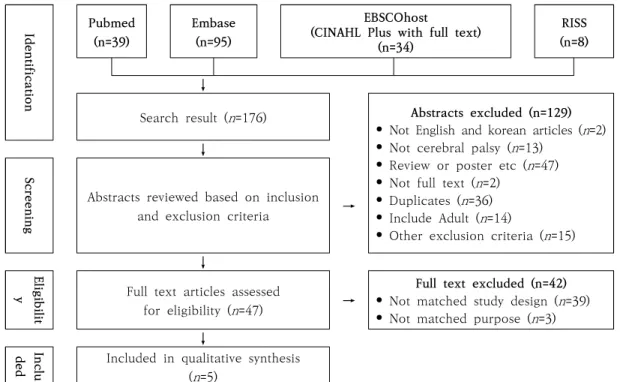
Figure 1. PRISMA Flow Diagram for Literature Search and Study Inclusion
Ⅱ. 연구 방법
1. 문헌 검색 과정 및 수집 기준
문헌 검색 기간은 2009년 1월부터 2018년 12월까지 10년간 온라인 데이터에 등록된 논문을 포함하였다. 해외 데이터베이스는 PubMed, Embase, EBSCOhost (CINAHL Plus with full text) 등을 이용하였고, 국내는
RISS 데이터베이스를 통해 제공되는 논문들을 수집하
였다. 주요 검색어는 국외는 "cerebral palsy" AND ("or- al motor" OR "oral sensory")로 검색을 하였고, 국내는
“뇌성마비”, “구강 운동치료”, “구강감각치료” 등의 용 어를 혼용하여 사용하여 검색하였다.
2. 포함 기준 및 배제기준
포함 기준으로 뇌성마비 아동을 대상으로 구강 운동 및 감각 치료에 대한 작업치료의 효과를 보고한 연구,
한국어 및 영어로 쓰인 연구, 전문 보기가 가능한 연구 를 포함 기준으로 정하였고, 대상자가 뇌성마비가 아닌 성인 및 다운증후군 등의 기타 신경계 질환인 연구, 수술적 처치로 인한 구강 운동치료의 효과를 보고한 연구, 평가도구의 신뢰도와 타당도를 보고한 연구, 구 강 운동치료의 중재가 없는 연구, 전문 보기가 불가능 한 논문, 학위, 종설, 고찰, 보고서 등의 연구들은 배제 하였다.
3. 문헌 선별 과정 및 선정
문헌의 수집과 선별은 2명의 저자가 개별적으로 검 토하여 진행하였다. 의견 일치가 되지 않는 경우에는 의견이 일치하도록 자료의 선정기준과 연구를 재검토 하여 합의하였다. 자료 선별을 위해 PRISMA(Preferred Reporting Items for Systematic Reviews and Meta
-Analyses)흐름도를 이용하여 자료를 수집하고 분석하
였다. 검색결과 PubMed에서 39편, Embase 95편,
No Author Item PEDro
Scale Quality
1 2 3 4 5 6 7 8 9 10 11
1 Serel-Arslan et al.(2017) Y Y Y Y Y Y X Y Y Y Y 9 Excellent
2 Inal et al.(2017) Y Y Y Y X X X Y Y Y Y 7 Good
3 Sigan et al.(2013) Y Y Y Y X X Y Y Y Y Y 8 Good
4 Baghbadorani et al.(2014) Y X X Y X X Y Y Y Y Y 6 Good
5 Song et al.(2013) Y X X Y X X X Y Y Y Y 5 Fair
Table 1. PEDro Scale for Researches
No Author
Subject
Duration Experimental
(M/F)
Control (M/F) 1 Serel-Arslan et al.
(2017) 50(31/19) 30(16/14) 20 min in day, 5 day a week for 4 months
2 Inal et al.
(2017) 16(9/7) 16(10/6) 20 min in day, 5 day a week for
4 months
3 Sigan et al.
(2013) 40(15/25) 40(20/20) 1 hours a week for 6 month
4 Baghbadorani et al. (2014) 12(7/5) 15 min in day, 3 days a week for 2 months
5 Song et al.
(2013) 18(10/8) 30 min in day, 2 days a week for
2 months Table 2. Characteristics and Periods, Time of Interventions in the Subject
EBSCO host(CINAHL Plus with full text) 34총, RISS 8편으로 총 176편의 문헌이 검색되었으며 1차 초록 및 제목을 중심으로 문헌을 확인하여 47편의 문헌이 선정 되었고, 2차 원문 확인 후 국외 문헌 4편, 국내 문헌 1편, 총 5편의 문헌이 최종적으로 선정되었다(Figure 1).
4. 문헌의 질 평가
Physiotherapy Evidence Database(PEDro) Scale을 사용하여 최종적으로 선정된 문헌들의 질을 평가하였 다. PEDro scale은 문헌에 대한 일정 수준의 외적 및 내적 타당도를 제공하여 치료적 중재의 질적 수준을 평가할 수 있으므로 재활의학 문헌에서 폭 넓게 사용되 는 도구이다. 총 11항목으로 각 항목에 해당하는 경우 는 1점, 해당하지 않거나 불확실한 경우는 0점이다.
총점은 10점으로 1번 항목을 제외하고 2번에서 11번까 지 항목의 합이다. 총점 3점 이하는 낮은 질적 수준, 4~5점은 중증도의 질적 수준, 6~8점은 높은 수준의 질적 수준, 9~10점은 아주 높은 질적 수준을 의미한다. 4편의 문헌에 대해서 저자들이 각각 채점하였고, 의견 이 불일치한 경우에는 논의하여 합의점을 도출하였다 (Table 1).
Ⅲ. 연구 결과
1. 분석대상 논문의 특성 및 중재 기간 및 시간 최종 분석대상이 된 논문은 5편이었다. 연구에 참여
No Author Impairment-Based Intervention
PT TC LC CF ITT DTH DD SF
1 Serel-Arslan et al.
(2017) Y Y Y Y X Y X Y
2 Inal et al.
(2017) Y Y X Y Y X Y Y
3 Sigan et al.
(2013) Y X X Y X Y Y Y
4 Baghbadorani et al.
(2014) Y Y Y Y X X X Y
5 Song et al.
(2013) Y X X X X Y X Y
PT: Positioning Technique, TC: Tongue Control, LC: Lips Control, CF: Chewing Function, ITT: Inhibit Tongue Thrust, DTH: Decrease Tactile Hypersensitivity(include abnormal reflex), DD: Decrease Drooling, SF: Swallowing Function
Table 3. Impairment-Based Interventions
한 대상자는 모두 뇌성마비로 진단받은 아동으로 12명 에서 80명 사이였다. 구강감각운동치료의 중재 기간은 8주에서 24주 사이로 나타났으며, 중재 시간은 일주일 에 1회에서 5회, 하루에 최소 15분에서 1시간씩 제공하 였다(Table 2).
2. 구강감각운동치료의 접근 방법
1) 손상 기반 치료적 중재(impairment-based intervention)
손상 기반 치료적 중재를 확인하기 위해 안전한 섭 식을 방해하는 자세 조절, 혀의 움직임 조절, 입술 움직 임 조절, 저작 기능, 혀 내밀기 반사 억제, 구강내 비정 상적인 반사와 과 감각 억제, 침 흘림 감소 등을 포함한 연구를 분석하였다. 그 결과 섭식 자세 조절과 삼킴 기능 증진을 위한 치료는 각각 5회로 가장 많이 적용되 었으며, 구강 내 음식물 위치 조절을 통한 저작 기능 증진 치료는 4회, 혀 움직임 조절 3회, 입술 움직임 조절 2회, 침 흘림 감소 치료 2회, 구강 내 비정상적인 반사와 과 감각 억제 치료는 1회가 적용되었음을 확인 하였다(Table 3).
세부적으로는 Serel-Arslan, Demir와 Karaduman
(2017)등은 뇌성마비 아동을 대상으로 구강감각운동
치료를 실시하여 아동의 저작 기능 증진과 섭식 행동의 문제를 감소시켰다. 치료적 중재로 아동의 체간을
60°~ 90° 정도로 유지하게 하며, 머리는 중립 위치로
놓고, 팔과 다리는 지지를 해주었다. 구강 내 과 감각을 낮추기 위해 앞니 쪽 위·아래 잇몸을 마사지 하였으며, 저작 운동을 시행할 때에는 입술 양 끝을 통해 어금니 사이로 음식을 놓고 실시하였다. Inal, Serel-Arslan, Demir, Tunca Yilmaz와 Karaduman(2017)등은 혀의 기능과 침 흘림을 감소 시키기 위해 아동의 착석 자세 조절하였으며 혀의 가 쪽 움직임과 회전 움직임을 증가 시키기 위해 구강 내 음식을 놓는 위치를 어금니 안쪽 으로 제공하고, 위아래 잇몸 마사지 등을 실시하였으 며, Sigan 등(2013)은 80명의 뇌성마비 아동의 구강 내 감각 입력 증진과 삼킴 및 저작 기능을 향상시키기 위해 구강 내 촉각 자극과 고유수용성 감각 자극을 실시하였고, 침 흘림을 감소시키기 위해 부모 교육을 통해 섭식 활동에 적절한 자세를 교육하였다. 마지막으 로 Baghbadorani 등(2014)은 혀의 가 쪽 움직임을 향 상을 위해 쨈(jam)을 입술 주위에 묻혔고, 입술의 조절
No. Author Method for impairment-Based intervention
1 Serel-Arslan et al.
(2017)
Part 1 Impaired based : positioning the child(the body tilted 60~90° and head in neutral position, arms and legs supported) and food(to place through the corners of lips to the molar area), sensory stimulation(the upper and lower gums from the front teeth to molar area), chewing exercise
Part 2 Adaptive components : food consistency
2 Inal et al.
(2017)
Includes providing optimal sitting posture, positioning the food to the molar area during every meal to stimulate lateral and rotational tongue movement and massage of the upper and lower gums and chewing training(serve with food).
3 Sigan et al.
(2013)
Includes positioning and posture control
The tactile and proprioceptive aspect of eating was intended to be increased The texture of food was gradually thickened
When mouth muscle control was insufficient, mouth control was performed to enable feeding
4 Baghbadorani et al. (2014)
Includes positioning and posture control and to improve tongue lateralization, lip control, chewing was always extracted with food stimuli
Tongue lateralization : a small jam was placed on four corners of the lip Lip control : closing the lips around a pretzel and holding a straw between the lip Chewing : small pieces of biscuits were placed on the molars
5 Song et al.
(2013)
includes positioning and posture control and not providing food but oral sensory therapy such as ice stick and electric toothbrush were applied to the cheeks, jaw, lips, tongue
Table 4. Method for Application of Impairment-Based Interventions
(입술 다물기)을 위해 프레즐 막대 과자(7mm in diam- eter)를 입으로 물게 하였다(Table 4).
2) 적응 기반 치료적 중재(adaptive-based intervention)
적응 기반의 치료적 중재를 확인하기 위해 음식을 제공하면서 제공된 음식의 재질과 농도를 변화 시킨 연구와 구강 보조 도구를 사용한 연구를 분석하였다 (Table 5). 5편의 연구 중 구강 보조 도구를 사용한 연구는 없었다. 음식을 제공하면서 제공된 음식의 재질 과 농도를 둘다 변화를 적용한 연구는 1편이었으며, 음식을 제공하였지만, 음식의 농도 변화를 주지 않은 연구는 2편이었다. 1편은 연구에 제공된 음식 및 농도 에 관한 언급 없이 적응 기반의 치료적 중재를 제공하 였다고 기술하였으며, 나머지 1편은 적응 기반의 치료 적 중재를 적용하지 않았다.
3. 평가 방법
본 연구에서 사용된 평가 방법은 크게 임상적 평가(e- valuation)와 비 도구적 평가(non-instrumental assess-
ment)로 나누어진다. 임상적 평가는 아동에 대한 일반
적 정보(성별, 나이, 키, 몸무게, 진단명 등)와 관찰 정보 (식사 시간, 식사 횟수, 치아가 처음 난 날, 젓 병 사용 기간, 반사 등)를 수집하였고, 비 도구적 평가에서는 BPFAS (Behavioral Pediatrics Feeding Assessment Scale), KCPS (Karaduman Chewing Performance Scale), GMFCS(Gross Motor Function Classification System), TTRS(Tongue Thrust Rating Scale), DSFS(Drooling Severity and Frequency Scale), FFA(Functional Feeding Assessment) subscale of the Multidisciplinary Feeding Profile, BSID-Ⅱ(Bayley scales of infant development), OMAS(Oral Motor Assessment Scale), BASOFF(Behavioral Assessment Scale of Oral Functions in Feeding), ASHA
No Author Method for Adaptive-based Intervention Oral appliances
1 Serel-Arslan et al.
(2017)
Adaptive-based approach is applied, but does not mention
the consistency of the food provided X
2 Inal et al.
(2017) Standard biscuit was given to bite and chew to the children X
3 Sigan et al.
(2013)
To improve mouth function and mouth control, texture of food was gradually thickened
For drinking training, moderately dense liquids were used
X
4 Baghbadorani et al.
(2014)
For chewing training, small pieces of biscuits were placed
on the molars to the right or left alternatively X
5 Song et al.
(2013) Adaptive-based approach is not applied, X
Table 5. Adaptive-Based Interventions
No Author Evaluation/non-instrumental assessment
1
Serel-Arslan et al.
(2017)
Evaluation Age, height, weight, meal time, number of meals and teeth, reflex
Assessment BPFAS (Behavioral Pediatrics Feeding Assessment Scale) KCPS (Karaduman Chewing Performance Scale)
2 Inal et al.
(2017)
Evaluation Age, gender, diagnosis age, bottle feeding usage time, initial teeth time, reflex
Assessment
GMFCS(Gross Motor Function Classification System) KCPS (Karaduman Chewing Performance Scale) TTRS(Tongue Thrust Rating Scale)
DSFS(Drooling Severity and Frequency Scale)
3 Sigan et al.
(2013)
Evaluation Name, gender, date of birth, diagnosis, status of swallowing, gag and asymmetric tonic neck reflex
Assessment
FFA(Functional Feeding Assessment) subscale of the Multidisciplinary Feeding Profile
BSID-Ⅱ(Bayley scales of infant development)
4 Baghbadorani et al. (2014)
Evaluation
Assessment OMAS(Oral Motor Assessment Scale)
5 Song et al.
(2013)
Evaluation
Assessment
BASOFF(Behavioral Assessment Scale of Oral Functions in Feeding)
ASHA NOMS(American Speech Language-Hearing Association National Outcomes Measurements System swallowing scale) Table 6. Used Evaluation/Non-Instrumental Assessments in Result
NOMS (American Speech Language-Hearing Association National Outcomes Measurements System swallowing
scale) 등이 사용되어 뇌성마비 아동의 섭식 활동을 평가하였다(Table 6).
Ⅳ. 고 찰
본 연구에서는 뇌성마비 아동에게 적용된 구강감각 운동치료의 그 적용방법 및 중재효과를 체계적 고찰을 통해 분석대상의 연구 특성과 구강감각운동치료의 상 세 적용 및 효과에 대해 알아보았다. 본 연구에서 검토 된 5편의 문헌을 분석한 결과는 연구에 참여한 대상자 수는 12명에서 80명이었고, 중재 기간은 8주에서 24주 사이로 나타났으며, 일주일에 1회에서 5회, 하루에 15 분에서 1시간 정도 치료를 적용한 것으로 나타났다. 이러한 결과는 뇌성마비 아동을 대상으로 10~24주 동 안의 구강감각운동치료를 통해 흡인 발생을 유발하는 섭식 행동이 낮아짐을 보고한 연구(Gisel et al., 1995), 삼킴 기능은 최소 16주 이상이 지난 시점에서 그 치료 효과가 나타난다는 연구(Helfrich-Miller, Rector, &
Straka, 1986), 그리고 10주 동안의 음식 위치를 변경하 여 적용한 씹는 기능 증진 중재 후, 아동들이 식사하는 시간이 짧아짐을 보고한 연구(Gisel, 1996)등에서와 같 이 중재 기간, 치료 시간이 본 연구의 결과와 유사하다 고 할 수 있다. 따라서 뇌성마비 아동에게 구강감각운 동치료를 적용할 시에는 적어도 8주 이상에서 24주 이하로 적용하는 것이 가장 적절한 것으로 판단된다.
본연구를 통해서 뇌성마비 아동의 안전한 섭식 활 동을 증진 시키기 위해서 다양한 구강감각운동치료가 적용되는 것을 확인할 수 있었다. 특히 섭식 활동시 자세 조절, 삼킴 기능 증진 등의 치료 중재의 비중이 컸고, 그 뒤를 이어 혀 및 입술 움직임 조절 증진 치료 그리고 구강 내 음식 위치 조절을 통한 씹는 기능 증진 치료 등이 주로 사용되었음을 확인하였다. Gisel(2008), Redstone과 West(2004)의 연구에서는 뇌성마비 아동 의 부적절한 체간의 자세로 인하여 목과 턱을 조절하기 가 어렵기 때문에 입술, 혀의 움직임에도 영향을 준다 고 언급하면서, 이러한 뇌성마비 아동의 대 근육 운동 능력은 섭식 활동에 영향을 준다고 강조하였다. 따라서 임상에서는 뇌성마비 아동의 안전한 섭식 활동을 증진
시키기 위하여 적절한 섭식 자세를 학습시킴으로써 혀 및 입술 기능 증진을 도모하면서 구강 내 음식의 위치 를 적절하게 조절하는 것을 중점적으로 적용하는 치료 적 중재를 통해 뇌성마비 아동의 안전한 섭식 활동을 증진시키는 것이 효과적이라고 할 수 있겠다.
Croft (1992)의 연구에서는 뇌성마비 아동에게 고체
형태의 음식을 제공함으로써 발생하는 흡인, 기도 막 힘, 폐렴 등의 위험성을 언급하면서 으깬 음식을 제공 하는 것이 중요하다는 것을 강조하였다. 또한, Finnie
(1976)은 뇌성마비 아동에게 음식을 제공할 때는 퓌레
정도의 농도를 가진 음식에서 고체 음식으로 변화를 주어 섭식 활동의 안정성을 확보해야 한다고 주장하였 다. 이렇듯 다양한 연구에서 삼킴, 저작 등의 기능적 향상을 위해 음식의 단계를 설정하여 차례대로 제공하 는 치료적 중재가 좀 더 효과적이라는 것이 확인되었지 만, 본 연구 결과 1편의 연구만이 뇌성마비 아동에게 음식의 재질 및 농도를 변화시키며 구강감각운동치료 를 실시하였다. 또한, 본 연구에서 나타난 제공된 음식 들은 고체 음식(biscuits), 농도가 높은 액체(dense liq- uids) 등의 표현과 더불어 “깨물기 적절한”, “씹기 적절 한” 등의 표현으로 음식의 재질과 농도가 표시되어 있 어 임상에서 뇌성마비 아동에게 실제로 적용하기에는 어려움이 있을 것으로 판단된다. 따라서 뇌성마비 아동 에게 더욱 안전하게 구강감각운동치료를 실시할 수 있 도록, 음식의 재질이나 농도, 제품명 등의 상세 정보가 포함된 연구가 진행되어야 할 것이다.
뇌성마비 아동의 구강 감각 운동 치료는 많은 연구 를 통해 입증됐으며, 그 적용방법에는 차이가 있는 것 을 체계적 고찰을 통해 확인할 수 있었다. 본 연구의 제한점으로는 선정된 논문의 편수가 적은 것이다. 이는 국외 논문에서는 뇌성마비 아동을 대상으로 실시한 구 강운동치료에 대한 단순 고찰 논문이나, 보호자 교육용 논문이 다수를 차지하고 있었고, 국내 구강감각운동치 료의 연구들은 아동 대상이 아닌 성인 뇌졸중을 대상으 로 한 연구가 많았다. 아동을 대상으로 실시한 구강감
각운동치료에 대한 연구는 그 대상이 뇌성마비보다는 조음 장애가 있는 아동들을 대상으로 실시한 조음 기능 향상에 관한 연구가 대부분이었다. 따라서 국외와 비교 하면 국내의 뇌성마비 아동의 구강감각운동치료에 대 한 연구들이 다양하게 이루어지지 못하고 있다는 것을 확인할 수 있었다. 또한, 뇌성마비 아동의 유형별 섭식 중재 방법이 다름에도 불구하고 본 연구에서는 뇌성마 비 아동의 타입별 구강감각운동치료에 대한 중재 방법 은 언급하지 않았다. 그러므로 뇌성마비 아동의 섭식 기능을 향상하기 위해서는 국내 작업치료 연구에서도 뇌성마비 아동을 대상으로 구강감각운동치료에 대한 다양한 연구가 진행되어야 할 것으로 판단되고, 임상적 효과성이 입증된 구강감각운동치료 방법을 사용하여 뇌성마비 아동의 섭식 기능을 증가시키는 것이 필요하 다고 생각된다.
Ⅴ. 결 론
본 연구는 섭식 장애를 가진 뇌성마비 아동에게 실 시한 구강감각운동에 대한 그 적용 방법에 대한 국내외 문헌들을 분석하고자 하였다. 최근 임상에서는 뇌성마 비 아동의 구강 감각 운동 기능을 촉진하는 손상 기반 과 적응에 대한 치료적 중재에 관한 연구가 활발히 진행되고 있다. 본 연구에서는 이러한 치료적 중재의 기간 및 주기, 손상 기반과 적응에 따른 치료적 접근에 대한 분류, 그리고 상세 적용방법 및 그 효과에 대해 알아보았다. 이러한 자료를 통해 뇌성마비 아동의 구강 운동치료 프로그램 계획 시 적절한 치료적 중재 적용방 법을 선택하는 데 도움이 될 수 있는 정보 제공 및 근거를 마련하였다.
References
Baghbadorani, M. K., Soleymani, Z., Dadgar, H., & Salehi, M. (2014). The effect of oral sensorimotor stimulations on feeding performance in children with spastic cerebral palsy.
Acta Medica Iranica, 52(12), 899-904.
Benfer, K. A., Weir, K. A., Bell, K. L., Ware, R. S., Davies, P. S., & Boyd, R. N. (2013). Oropharyngeal dysphagia and gross motor skills in children with cerebral palsy. Pediatrics, 131(5), 1553-1562. doi:10.1542 /peds.2012-3093 Caruso, A. J., & Strand, E. A. (1999). Clinical management
of motor speech disorders in children. New York: Thieme.
Croft, R. (1992). What consistency of food is best for children with cerebral palsy who cannot chew? Archives of Disease in Childhood, 67(3), 269-271. doi:10.1136/adc.67.3.269 Finnie, N. R. (1976). Handling the young cerebral palsied child
at home. The American Journal of Maternal/Child Nursing, 1(6), 389. doi:10.1097/000 05721-197611000-00017 Fucile, S., Gisel, E., & Lau, C. (2002). Oral stimulation accel-
erates the transition from tube to oral feeding in preterm infants. The Journal of Pediatrics, 141(2), 230-236.
doi:10.1067/mpd.2002.125731
Fung, E. B., Samson-Fang, L., Stallings, V. A., Conaway, M., Liptak, G., Henderson, R. C., & Rosenbaum, P. (2002).
Feeding dysfunction is associated with poor growth and health status in children with cerebral palsy. Journal of the American Dietetic Association, 102(3), 361-373.
doi:10.1016/S0002- 8223(02)90084-2
Ganz, S. F. (1988). Decreasing tongue thrusting and tonic bite reflex through nueromotor and sensory facilitation techniques. Physical & Occupational Therapy in Pediatrics, 7(4), 57-76. doi:10.1080/ J006v07n04_05
Gisel, E. (2008). Interventions and outcomes for children with dysphagia. Developmental Disabilities Research Reviews, 14(2), 165-173. doi:10.1002/ddrr.21
Gisel, E. G. (1996). Effect of oral sensorimotor treatment on measures of growth and efficiency of eating in the moder- ately eating-impaired child with cerebral palsy. Dysphagia, 11(1), 48-58. doi:10.1007/ BF00385800
Gisel, E. G., & Alphonce, E. (1995). Classification of eating impairments based on eating efficiency in children with cerebral palsy. Dysphagia, 10(4), 268- 274. doi:10.1007/
BF00431421
Gisel, E. G., Applegale‐Ferrante, T., Benson, J. E., & Bosnia, J. F. (1995). Effect of oral sensorimotor treatment on meas- ures of growth, eating efficiency and aspiration in the dys- phagic child with cerebral palsy. Developmental Medicine
& Child Neurology, 37(6), 528-543.
Helfrich-Miller, K. R., Rector, K. L., & Straka, J. A. (1986).
Dysphagia: Its treatment in the profoundly retarded patient with cerebral palsy. Archives of Physical Medicine and Rehabilitation, 67(8), 520-525.
Inal, O., Serel-Arslan, S., Demir, N., Tunca- Yilmaz, O., &
Karaduman, A. A. (2017). Effect of functional chewing training on tongue thrust and drooling in children with cerebral palsy: A randomised controlled trial. Journal of Oral Rehabilitation, 44(11), 843-849. doi:10.1111/joor .12544
Kim, J. (2005). The effects of postural adjustment program for reflex inhibit on feeding & oral motor function of cere- bral palsy (Master’s thesis). Daegu University, Daegu.
Krick, J., & Van, M. D. (1984). The relationship between or- al-motor involvement and growth: A pilot study in a pedia- tric population with cerebral palsy. Journal of the American Dietetic Association, 84(5), 555-559.
Redstone, F., & West, J. F. (2004). The importance of postural control for feeding. Pediatric Nursing, 30(2), 97-101.
Rogers, B., Arvedson, J., Buck, G., Smart, P., & Msall, M. (1994).
Characteristics of dysphagia in children with cerebral palsy.
Dysphagia, 9(1), 69-73. doi:10.1007/BF00262762 Santoro, A., Lang, M. B. D., Moretti, E., Sellari-Franceschini,
S., Orazini, L., Cipriani, P., & Battini, R. (2012). A proposed multidisciplinary approach for identifying feeding abnor- malities in children with cerebral palsy. Journal of Child Neurology, 27(6), 708-712.
Serel-Arslan, S., Demir, N., & Karaduman, A. (2017). Effect of a new treatment protocol called functional chewing training on chewing function in children with cerebral palsy: A double‐blind randomised controlled trial. Journal of Oral Rehabilitation, 44(1), 43-50. doi:10.1177/ 0883073811424083
Sigan, S. N., Uzunhan, T. A., Aydinli, N., Eraslan, E., Ekici, B., & Calişkan, M. (2013). Effects of oral motor therapy in children with cerebral palsy. Annals of Indian Academy of Neurology, 16(3), 342-346. doi:10.4103/0972-2327.
116923
Snider, L., Majnemer, A., & Darsaklis, V. (2011). Feeding inter- ventions for children with cerebral palsy: A review of the evidence. Physical & Occupational Therapy in Pediatrics, 31(1), 58-77. doi:10.3109/ 01942638.2010.523397 Song, W. J., Park, J. H., Jung, M. Y., & Yoo, E. Y. (2013).
Effect of oral sensory treatment on oral function in dyspha- gic children with cerebral palsy. The Journal of Korean Society of Occupational Therapy, 21(4), 47-58.
Stallings, V. A., Charney, E. B., Davies, J. C., & Cronk, C.
E. (1993). Nutrition‐related growth failure of children with quadriplegic cerebral palsy. Developmental Medicine &
Child Neurology, 35(2), 126-138. doi:10.1111/j.1469 -8749.1993.tb11614.x
Abstract
Systematic Review of Method for Application of Oral Sensorimotor Intervention for Feeding Disorders in Children
with Cerebral Palsy
Seo, Sang-Min*, M.Sc., O.T., Min, Kyung-Chul**, M.Sc., O.T.
*Dept. of Occupational Therapy, Semyung University, Professor
**Dept. of Occupational Therapy, Seoul Metropolitan Children’s Hospital, Occupational Therapist
Objective: This study was conducted to comprehensively analyze domestic and international literature on the oral sensorimotor intervention approaches and evaluation/
non-instrumental assessment methods for children with cerebral palsy with feeding disorders.
Methods: One hundred and seventy-six papers published from January 2009 to December 2018 were screened. Forty-seven papers were selected based on the abstract and title, and five papers were selected through a secondary search.
Results: The PEDro scale of the selected papers was high with an average of 7 points, and the therapeutic intervention period was found to be between 2 and 6 months, providing therapeutic interventions once to 5 times a week, at least 15 minutes to 1 hour a day.
The treatment approach was used with impairment-based intervention and adaptive-based intervention, and the assessment method was divided into clinical evaluation and non-instrumental assessments.
Conclusion: Through this systematic review, we found that there are a variety of oral sensorimotor interventions for children with cerebral palsy with feeding disorders. This study provides support for planning oral sensorimotor intervention programs for occupational therapy in clinical practice for children with cerebral palsy.
Key Words: Cerebral palsy, Evidence-based approach, Feeding disorder, Intervention, Sensorimotor intervention