Synergistic Effects of Arbuscular Mycorrhizal Fungi and Plant Growth Promoting Rhizobacteria for Sustainable Agricultural Production
Krishnamoorthy Ramasamy, Manoharan Melvin Joe, Kiyoon Kim, Seonmi Lee, Charlotte Shagol, Anandham Rangasamy1, Jongbae Chung2, Md. Rashedul Islam3, and Tongmin Sa*
Department of Agricultural Chemistry, Chungbuk National University, Cheongju, Chungbuk 361-763, Republic of Korea, 1Department of Agricultural Microbiology, Agricultural College and Research Institute,
Tamil Nadu Agricultural University, Madurai 625 104, India, 2Division of Life and Environmental Science, Daegu University, Gyeongsan, Kyungbuk, 712-714, Republic of Korea, 3Department of Biology and
Oceanography, Inha University, Incheon, Republic of Korea
Soil microorganisms play a major role in improving soil fertility and plant health. Symbiotic arbuscular mycorrhizal fungi (AMF) form a key component of the soil microbial populations. AMF form a mutualistic association with the host plant and exert a positive influence on its growth and nutrient uptake. The establishment of mycorrhizal symbioses with the host plant can positively be influenced by plant growth promoting rhizobacteria through various mechanisms such as increased spore germination and hyphal permeability in plant roots. Though there are evidences that combined interactions between AMF and PGPR can promote the plant growth however mechanisms of these interactions are poorly understood. Better understanding of the interactions between AMF and other microorganisms is necessary for maintaining soil fertility and enhancing crop production. This paper reviews current knowledge concerning the interactions between AMF and PGPR with plants and discusses on enhanced nutrient availability, biocontrol, abiotic stress tolerance and phytoremediation in sustainable agriculture.
Key words: Arbuscular mycorrhizal fungi, Co-inoculation, Endosymbiotic bacteria, PGPR, Stress tolerance
Received : July 15. 2011 Accepted : July 29. 2011
*Corresponding author : Phone: +82432612561 E-mail: [email protected]
Introduction
Agriculture is the largest interface between humans and the environment, merging crop production and environ- mental consistency (Robertson and Swinton, 2005). Global population is projected to be 30% larger than at present by 2030 and global food demand is to be doubled (Alexandratos, 1999). Fertilization in excess to increase crop production resulted in environmental degradation, loss of biodiversity, loss of ecosystem services, emergence of pathogens, and reduced the soil stability for agricultural production (Tilman et al., 2002). Using chemicals in agriculture remains a greater challenge as it does not compromise environmental integrity (Tilman et al., 2001) and public health (Loreau et al., 2001).
Bioinoculants containing living or latent cells of micro- organisms could be an effective alternative for chemicals in food production (Hedge et al., 1999). Bioinoculants have the ability to convert nutritionally important elements to available forms through biological processes (Vessey, 2003). However, biofertilizer containing single inoculants fail to perform well under field conditions and are vulnerable to predation of native rhizosphere microflora (Hedge et al., 1999). The addition of bioinoculants can be useful in active rhizosphere management by maintaining the beneficial microfloral populations. In rhizosphere the interactions can be classified into four main groups: (1) plant-plant interactions leading to the nutrient competition in rhizosphere; (2) root-microorganism interactions, deter- mined by plant root exudates (rhizosphere effect); (3) fungi-bacteria interactions, which include both synergistic and antagonistic activities; and (4) interactions among bacteria- fungi- plant (tripartite interaction), a mutual interaction in which all the partners are benefited.
Fig. 1. Beneficial effects of plant growth promoting rhizobacteria in the rhizosphere of plants. A; Nitrogen fixation by symbiotic, associative symbiotic and free living diazotrophs; B; Unavailable form of mineral will be solubilized by microorganism and increasing availability to plants; C; Creation of iron depletion zone in rhizosphere for plant pathogens; D; ACC deaminase (ACCD) will block the ethylene synthesis pathway by hydrolysis of ACC (precursor for ethylene synthesis) into ammonia and α-ketobutyrate.
Co-inoculation comprising the combination of more than one microorganism promotes plant growth by various mechanisms (Bashan et al., 2004; Cattelan et al., 1999;
Rodriguez et al., 2006). One of the most commonly reported plant growth promotion mechanism by bacteria is the morphological and physiological changes of the root system (Sarig et al., 1992), increased lateral roots and root hairs facilitate more nutrients and water absorption. Higher water and nutrient uptake by roots cause improved water status of plant, which in turn could be the main factor for enhancing plant growth (Wu et al., 2005). Increasing nutrient uptake such as NO3–, NH4+, PO42+, K+, Rb+ and Fe2+ in the various inoculated plants have been reported (Bai et al., 2003; Morgenstern and Okon, 1987; Murty and Ladha, 1988; Sarig et al., 1988). Co-inoculation of Azotobacter, Azospirillum and Streptomyces increased P, Mg and N content in wheat grains compared to single inoculation (Elshanshoury, 1995). Among co-inoculation plant growth promoting rhizobacteria and arbuscular mycorrhizal fungi combination is considered to be more beneficial for plant growth, and nutrient acquisition (Barea et al., 2002), inhibition of plant pathogenic fungi (Budi et al., 1999), enhancement of root branching and phyto- remediation (Gamalero et al., 2004).
The synergistic effects of PGPR and mycorrhizal fungi have gained more importance in the last two decades for its beneficial effects to many crops, in terms of biocontrol efficiency, improvement of nutrient absorption, and phytoremediation. Information related to the com-
plicated mechanism of interaction between PGPR and AMF in the rhizosphere is scarce. One of such mechanisms evolved by Carpenter et al. (1995) is that some bacteria directly affect AM fungal germination and facilitates plant growth promotion through the AM association. Another possible mechanism is the increased root cell permeability by bacteria for AMF colonization thereby positively infl uencing the physiology of plants. Moreover, bacterial symbiosis with mycorrhiza enhances the survivability of bacteria in stressed conditions (Vivas et al., 2003).
Knowledge regarding AMF and PGPR interactions and with the host plants is essential for sustainable agriculture.
This make farming relied on biological processes and resources, rather than the use of chemicals for maintaining soil fertility and plant growth (Artursson et al., 2006). This review discusses the PGPR-AMF synergistic interactions in the rhizosphere region and their beneficial effects on plant growth. The role of PGPR-AMF interactions in nutrient uptake, biocontrol efficiency, abiotic stress management and phytoremediation are also discussed.
PGPR
PGPR are a heterogeneous group of bacteria that can be found in the rhizosphere, at root surface and in association with roots, which can improve plant growth directly and/or indirectly (Kloepper et al., 1989). During the last few decades PGPR has been employed in agriculture to improve nutrient availability, stress tolerance (Fig. 1)
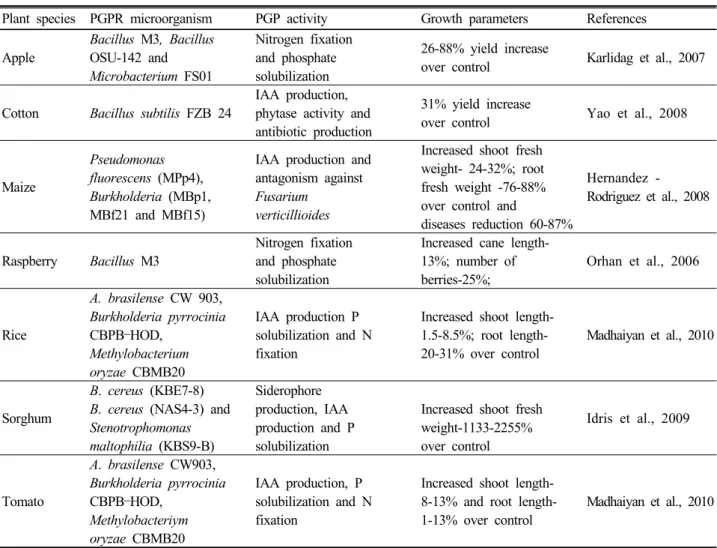
Table 1. Application of PGPR strains with different plant growth promoting traits and their application in agricultural crops.
Plant species PGPR microorganism PGP activity Growth parameters References
Apple
Bacillus M3, Bacillus OSU-142 and Microbacterium FS01
Nitrogen fixation and phosphate solubilization
26-88% yield increase
over control Karlidag et al., 2007
Cotton Bacillus subtilis FZB 24
IAA production, phytase activity and antibiotic production
31% yield increase
over control Yao et al., 2008
Maize
Pseudomonas fluorescens (MPp4), Burkholderia (MBp1, MBf21 and MBf15)
IAA production and antagonism against Fusarium
verticillioides
Increased shoot fresh weight- 24-32%; root fresh weight -76-88%
over control and
diseases reduction 60-87%
Hernandez - Rodriguez et al., 2008
Raspberry Bacillus M3
Nitrogen fixation and phosphate solubilization
Increased cane length- 13%; number of berries-25%;
Orhan et al., 2006
Rice
A. brasilense CW 903, Burkholderia pyrrocinia CBPB–HOD,
Methylobacterium oryzae CBMB20
IAA production P solubilization and N fixation
Increased shoot length- 1.5-8.5%; root length- 20-31% over control
Madhaiyan et al., 2010
Sorghum
B. cereus (KBE7-8) B. cereus (NAS4-3) and Stenotrophomonas maltophilia (KBS9-B)
Siderophore production, IAA production and P solubilization
Increased shoot fresh weight-1133-2255%
over control
Idris et al., 2009
Tomato
A. brasilense CW903, Burkholderia pyrrocinia CBPB–HOD,
Methylobacteriym oryzae CBMB20
IAA production, P solubilization and N fixation
Increased shoot length- 8-13% and root length- 1-13% over control
Madhaiyan et al., 2010
and sustainability of production. A large number of plant growth-promoting bacteria including Azotobacter, Azospirillum, Bacillus, Pseudomonas, Rhizobium and Methylobacterium have been isolated and characterized in terms of their plant growth promotion abilities (Dobbelaere et al., 2003; Poonguzhali et al., 2008; Ryu et al., 2006).
Significant increase in growth and yield in response to PGPR inoculation has been reported among numerous agronomically important crops (Araujo, 2008; Figueiredo et al., 2008; Madhaiyan et al., 2006; Madhaiyan et al., 2007; Silva et al., 2006; Yim et al., 2009). These PGPR may exist within the plant tissues (bacterial endophytes) with the highest concentrations of microorganisms typically found in the rhizosphere. Recent works on the applications of PGPR strains with different plant growth promoting traits in agricultural crops are listed in Table 1.
AMF
The term ‘mycorrhiza’ is derived from two Greek words
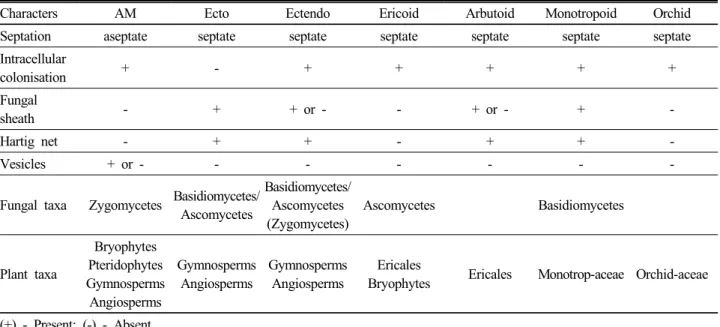
mykes, meaning fungus and rhiza, meaning root. It was first employed by Frank (1885) to describe a situation where ‘certain tree species consistently do not feed themselves independently in the soil but establish a symbiosis with a fungal mycelium which takes over the entire nourishment of the tree from the soil’. Based on its morphological characteristics, mycorrhizal fungi can be classified into seven different categories like arbuscular mycorrhiza, ericoid mycorrhiza, ectomycorrhiza, orchid mycorrhiza, monotropoid mycorrhiza, arbutoid mycorrhiza and ectendomycorrhiza (Table 2).
AMF are a key functional group of the soil biota that can contribute to crop productivity and ecosystem sustainability.
AMF symbiosis occurs among a wide range of plants, ranging over 250,000 species, but only 150–200 species of AMF have been distinguished on the basis of morphology with DNA-based studies suggesting even more (Santos et al., 2006). AMF can interact with different bacterial species. These interactions occur in the root zone and fungal hyphae, commonly referred to as ‘mycorrhizosphere’
Table 2. Classification of mycorrhizal fungi based on morphological characters (Smith and Read, 1997).
Characters AM Ecto Ectendo Ericoid Arbutoid Monotropoid Orchid
Septation aseptate septate septate septate septate septate septate
Intracellular
colonisation + - + + + + +
Fungal
sheath - + + or - - + or - + -
Hartig net - + + - + + -
Vesicles + or - - - - - - -
Fungal taxa Zygomycetes Basidiomycetes/
Ascomycetes
Basidiomycetes/
Ascomycetes (Zygomycetes)
Ascomycetes Basidiomycetes
Plant taxa
Bryophytes Pteridophytes Gymnosperms Angiosperms
Gymnosperms Angiosperms
Gymnosperms Angiosperms
Ericales
Bryophytes Ericales Monotrop-aceae Orchid-aceae
(+) - Present; (-) - Absent
Fig. 2. Zone of coverage by rhizosphere and mycorrhizosphere in the soil around the root. Mycorrhizosphere region increases microbial activity and helps in increased nutrient absorption compared to the rhizosphere region.
(Rambelli, 1973). Compared to the rhizosphere region of the plant the mycorrhizosphere has increased the area of the rhizosphere by extending the mycelium of the fungus (Fig. 2). The mycorrhizosphere helps in enhanced nutrient absorption, soil stability and water retention efficiency (Bedini et al., 2009), biocontrol ability (Utkhede, 2006), improved secondary metabolite synthesis (Lee and Scagel, 2009), tolerance to abiotic stress (Marulanda et al., 2006), phytoremediation (Gamalero et al., 2009) and phosphate mobilization. The beneficial effects of AMF on soil health are essential for the sustainable management of agricultural ecosystems (Barrios, 2007; Jeffries et al., 2003).
Association Mechanisms of AMF and PGPR
Alteration in the composition of root exudates is the most important physiological change that occurs during AM root colonization of plants (Azaizeh et al., 1995). This chemical alteration in the rhizosphere of mycorrhizal plants is responsible for the bacterial community change, resulting in the mycorrhizosphere effect (Linderman, 1988). PGPR are reported to play a significant role in the establishment of AM symbiosis with host plant growth (Marschner and Timonen, 2005). Bacteria may be found adhering to the AM hyphae (Bianciotto et al., 1996a) as well as embedded within the AM spore walls (Walley and Germida, 1996) (Fig. 3). Bacteria adhering to the AM
Fig. 3. Schematic view of bacteria associated with arbuscular mycorrhizal fungi. Mycorrhiza helper bacteria are associated in the hyphosphere (region around hyphae) while endosymbiotic bacteria are harbored inside the spores.
mycelium get benefited by feeding on hyphal exudates and/or use the mycelium as a vehicle for colonization of the rhizosphere (Bianciotto et al., 1996a). Paenibacillus, known for its antagonistic activity over a broad range of root pathogens, is capable of stimulating mycorrhizal colonization in sorghum (Budi et al., 1999). Furthermore, Budi et al. (1999) reported an increase in total bacterial population, including nitrogen fixers and beneficial gram- negative bacteria in the rhizosphere of mycorrhizal plants.
Ravnskov and Jakobsen (1999) reported an increase in the total number of bacteria in both rhizosphere and hyphosphere (region around the hyphae) by the AM fungus Glomus intraradices.
PGPR are known to enhance AM fungal growth, by supporting the spore germination and mycelia extension of AMF (Xavier and Germida, 2003). Hildebrandt et al.
(2002) reported that Paenibacillus validus under in vitro conditions supported the mycelial growth of G. intraradices in the absence of a host root, through the production of sugars such as raffinose (Hildebrandt et al., 2006). Nutrient exchange occur between PGPR and AM fungi by close contact (Artursson et al., 2006), and these bacteria are considered to be mycorrhiza helper bacteria (MHB) (Garbaye, 1994). MHB stimulates AM propagule germi- nation, hyphal growth and root colonization (Mayo et al., 1986; Vosatka and Gryndler, 1999; Xavier and Germida, 2003) Further studies by Ludwig-Muller and Guther (2007) showed an increased auxin level in mycorrhizal plants suggested that these hormones could be a signals for the AM colonization process (Meixner et al., 2005).
The widespread AMF are unique in hosting bacteria in their cytoplasm and these intracellular structures are found
to have similarity with bacteria and bacteria like organisms (BLOs) (Mosse, 1970). Ultrastructural observation of field collected AMF isolates clearly divulged the presence of bacteria in the spores. Morphological observations (electron and confocal microscopy) and molecular analyses were used to identify BLOs and their symbiotic relationship with AMF (Bianciotto et al., 1996a). Gigaspora margarita BEG 34 spores showed the presence of large number of BLOs detected by staining with fluorescent dyes specific for bacteria and capable of distinguishing between live and dead bacteria (Bianciotto et al., 1996a). Bonfante et al.
(1994) based on ultrastructural observations performed on high-pressure freezing/freeze-substituted samples showed large number of rod-shaped BLOs in the germinating spores.
On the basis of the 16S rDNA sequences, the bacterial endosymbionts living in the fungus G. margarita (BEG 34) were identified and reported to belong to the genus Burkholderia (Bianciotto et al., 1996b). Minerdi et al.
(2001) reported that the endosymbionts of AMF have nif genes, which are responsible for nitrogen fixation and are also capable of nutrient exchange.
Bianciotto et al. (2001) reported the role of surface components in the physical interactions between beneficial rhizosphere bacteria and the AMF. Bacterial extracellular polymeric substance (EPS) plays a significant role in the attachment of PGPRs to AM fungal structures and roots.
Mutants of A. brasilense and R. leguminosarum strains impaired in EPS failed to colonize AM fungal structures and spores when compared with Pseudomonas fluorescens strains with an increased production of EPS. In vitro assay confirmed the attachment of EPS bacteria to transformed mycorrhizal carrot roots and AM hyphae (Bianciotto et al., 2001). EPS also play a general role in the protection of bacteria against desiccation (Ophir and Gutnick, 1994).
These studies demonstrate that EPS is involved in the attachment of bacteria to both the surfaces (roots and fungal hyphae) and biofilm formation to enhance their survivability under limiting environments.
Co-inoculation Effect of AMF and PGPR
It has also been suggested that PGPR possess a wide variety of mechanisms to support mycorhizal symbiosis.
Their interaction with AMF is involved in plant growth promotion and plant protection (Behl et al., 2003; Sanchez et al., 2004; Xavier and Germida, 2003). On the other hand, mycorrhizal colonization influences soil microbial
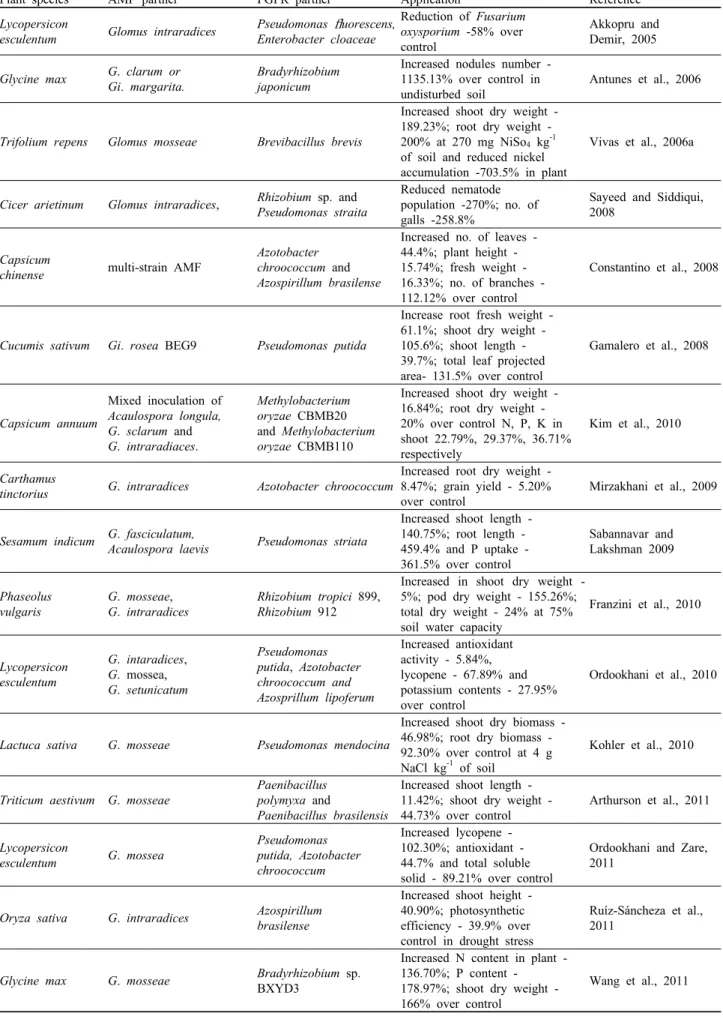
Table 3. Co-inoculation effect of AMF and PGPR on plant growth enhancement and stress tolerance.
Plant species AMF partner PGPR partner Application Reference
Lycopersicon
esculentum Glomus intraradices Pseudomonas fluorescens, Enterobacter cloaceae
Reduction of Fusarium oxysporium -58% over control
Akkopru and Demir, 2005 Glycine max G. clarum or
Gi. margarita.
Bradyrhizobium japonicum
Increased nodules number - 1135.13% over control in undisturbed soil
Antunes et al., 2006
Trifolium repens Glomus mosseae Brevibacillus brevis
Increased shoot dry weight - 189.23%; root dry weight - 200% at 270 mg NiSo4 kg-1 of soil and reduced nickel accumulation -703.5% in plant
Vivas et al., 2006a
Cicer arietinum Glomus intraradices, Rhizobium sp. and Pseudomonas straita
Reduced nematode population -270%; no. of galls -258.8%
Sayeed and Siddiqui, 2008
Capsicum
chinense multi-strain AMF
Azotobacter chroococcum and Azospirillum brasilense
Increased no. of leaves - 44.4%; plant height - 15.74%; fresh weight - 16.33%; no. of branches - 112.12% over control
Constantino et al., 2008
Cucumis sativum Gi. rosea BEG9 Pseudomonas putida
Increase root fresh weight - 61.1%; shoot dry weight - 105.6%; shoot length - 39.7%; total leaf projected area- 131.5% over control
Gamalero et al., 2008
Capsicum annuum
Mixed inoculation of Acaulospora longula, G. sclarum and G. intraradiaces.
Methylobacterium oryzae CBMB20 and Methylobacterium oryzae CBMB110
Increased shoot dry weight - 16.84%; root dry weight - 20% over control N, P, K in shoot 22.79%, 29.37%, 36.71%
respectively
Kim et al., 2010
Carthamus
tinctorius G. intraradices Azotobacter chroococcum
Increased root dry weight - 8.47%; grain yield - 5.20%
over control
Mirzakhani et al., 2009
Sesamum indicum G. fasciculatum,
Acaulospora laevis Pseudomonas striata
Increased shoot length - 140.75%; root length - 459.4% and P uptake - 361.5% over control
Sabannavar and Lakshman 2009
Phaseolus vulgaris
G. mosseae, G. intraradices
Rhizobium tropici 899, Rhizobium 912
Increased in shoot dry weight - 5%; pod dry weight - 155.26%;
total dry weight - 24% at 75%
soil water capacity
Franzini et al., 2010
Lycopersicon esculentum
G. intaradices, G. mossea, G. setunicatum
Pseudomonas putida, Azotobacter chroococcum and Azosprillum lipoferum
Increased antioxidant activity - 5.84%, lycopene - 67.89% and potassium contents - 27.95%
over control
Ordookhani et al., 2010
Lactuca sativa G. mosseae Pseudomonas mendocina
Increased shoot dry biomass - 46.98%; root dry biomass - 92.30% over control at 4 g NaCl kg-1 of soil
Kohler et al., 2010
Triticum aestivum G. mosseae
Paenibacillus polymyxa and
Paenibacillus brasilensis
Increased shoot length - 11.42%; shoot dry weight - 44.73% over control
Arthurson et al., 2011
Lycopersicon
esculentum G. mossea
Pseudomonas putida, Azotobacter chroococcum
Increased lycopene - 102.30%; antioxidant - 44.7% and total soluble solid - 89.21% over control
Ordookhani and Zare, 2011
Oryza sativa G. intraradices Azospirillum brasilense
Increased shoot height - 40.90%; photosynthetic efficiency - 39.9% over control in drought stress
Ruíz-Sáncheza et al., 2011
Glycine max G. mosseae Bradyrhizobium sp.
BXYD3
Increased N content in plant - 136.70%; P content - 178.97%; shoot dry weight - 166% over control
Wang et al., 2011
Fig. 4. Schematic diagram showing P mobilization of arbuscular mycorrhizal fungi colonized plant root. Fungal hyphae will help mobilize the soluble P from the distance where plant roots cannot reach.
interaction. Possible modification of the root exudates by mycorrhizal fungus may act as a considerable carbon sink for photo-assimilation through hyphal exudation. This may be expected to lead to changes in both qualitative and quantitative release of exudates into the rhizosphere, and consequently, an alteration in microbial populations in the rhizosphere then occurs (Hodge, 2000; Johansson et al., 2004). Recent developments on the co-inoculation of AMF and PGPR are summarized in Table 3. Well studied co-inoculation effect of AMF and PGPR on crop growth improvements are discussed below.
Increase of nutrient availability Nitrogen-fixing PGPR improves the bioavailability of nitrogen to plants, and this availability may be enhanced when plants are colonized by AMF (Barea et al., 2002). AM fungal infection rate and their impact on mineral nutrition and root nodule symbioses are typically synergistic in nature. Nitrogen fi xation rates in Rhizobium meliloti inoculated mycorrhizal alfalfa plants were higher than the corresponding rates in non-mycorrhizal plants as quantified by the use of isotope technique (Toro et al., 1998). Smith and Read (1997) and Karandashov and Bucher (2005) reported enhanced N2- fixing ability in mycorrhizal plants compared with non- mycorrhizal plants. Combined inoculation of G. clarum and B. japonicum increased the nitrogen fixation in soybean compared to single inoculation of Bradirhizobium japonicum (Antunes et al., 2006). Similar results were obtained by Tian et al. (2003) by using G. caledonium and Rhizobium sp., which showed increased ARA (Acetylene Reduction Assay, which is regarded as indirect measurement for nitrogen fixing ability of diazotrophs) in co-inoculated treatment than other treatments.
Bacteria may also support the AM symbiosis by increasing bio available phosphate since P will be solubilized by organic acids produced by plant and bacteria for enhanced uptake by root hairs. Available P concentration is very low in the non-rhizosphere region because of less microbial activity. Mycorrhizal fungi can help the plants to scavenge the P beyond their rhizosphere region and make them available to the plants (Fig. 4). Organic P is largely unavailable to plants until it is converted to inorganic form by phosphate solubilizing bacteria. Increased level of solubilized P after mineralization by bacteria results in localized increase in the concentration of phosphate ions in soil, which is taken up by AMF and stored in the vesicles than released when P starvation occur (Smith and Read, 1997).
Kohler et al. (2007) reported that the synergistic inter-
actions between phosphate-solubilizing bacteria B. subtilis and AMF G. intraradices resulted in high phosphatase activity and enhanced available P in the soil (Arthurson et al., 2011). Toro et al. (1997) using 32P isotopic dilution approaches reported that AMF and phosphate-solubilizing bacteria interacted under P limiting conditions to make P available to plants, and found that dually inoculated plants displayed lower specific activities (32P/31P) than control plants.
Nutrient uptake Synergistic interactions of AMF with N2 fixing or P solubilizing PGPR help in plant development and growth (Puppi et al., 1994). Increase in P content in plants along with modification in root architecture was observed in plants co-inoculated with either P. fluorescens 92 or P. fluorescens P190r and G. mosseae BEG12 due to greater absorptive surface and enhanced mycelial devel- opment in G. mosseae BEG12 (Gamalero et al., 2004).
Yusran et al. (2009) observed enhanced uptake of Mn, Zn, and P due to combined inoculation of Pseudomonas sp., Bacillus amyloliquefaciens FZB42 and AMF. Similarly increased N, P, S, Zn, Mn and Cu uptake by R. leguminosarum inoculation with mixed inoculum of AMF containing Gigaspora albida, Glomus intraradices and Acaulospora scrobiculata spores in Indian rosewood (Bisht et al., 2009).
Combined bioinoculation had resulted in significant increase in grain quality and the P, Fe content in grains compared to uninoculated control (Roesti et al., 2006). Kim et al. (2010) reported an enhanced macro (nitrogen, phos- phorus, potassium, calcium, magnesium) and micro (zinc, copper, iron, magnesium) nutrients in red pepper plants
co-inoculated with Methylobacterium oryzae CBMB110 and AMF.
Biotic stress tolerance Synergism between PGPR and AMF in the mycorrhizosphere also plays a major role in activation of plant defense mechanisms (Demir and Akkopru, 2005; Linderman, 1994). Akkopru and Demir (2005) used single and dual inoculation of biocontrol agents like P. fluorescens, E. cloaceae, P. putida with G.
intraradices against Fusarium oxysporum f. sp. lycopersici (FOL) and observed effective inhibition of FOL (up to 15.2-30.4%) along with increased root dry weight (107%
increase) compared to uninoculated control. Souchie et al.
(2003) reported the dual application of AMF and PGPR inhibited the pathogen more efficiently and reduced infections (Hazarika and Phookan, 2003) compared to single applications.
Sayeed and Siddiqui (2008) reported that AM fungus can coexist along with root nodule bacterium without exhibiting adverse effects on each other. Furthermore, they reported that it could be used as a biocontrol agent to control most of the soil-borne diseases. Combined use of Rhizobium, G. intraradices and P. striata strains are reported to control root-rot disease of chickpea. Combined inoculated plants showed largest reduction in nematode (M. incognita) population than single inoculations (Sayeed and Siddiqui, 2008). The combination of P. fluorescens and AMF also showed reduction in disease intensity in wheat plants (Behn, 2008). Berta et al. (2003) stated that a dual application of both AMF and PGPR is effective inhibition of Rhizoctonia solani in tomato.
Dwivedi et al. (2009) tested antifungal compounds like phenazine and diacetylphloroglucinol (DAPG) produced by P. fluorescens, along with AMF and reported that DAPG production has a positive influence on mycorrhizal colonization. Furthermore, they reported that phenazine positive treatment showed significant decrease in AMF colonization compared to DAPG treatment.
Abiotic stress tolerance Arid and semi-arid areas face serious problems such as drought, salinity, heavy metals and heat which are cause for the production losses (Evelin et al., 2009). PGPR inoculation may help to improve crop resistance against abiotic stress conditions. EPS produced by P. mendocina (Kohler et al., 2006) bind to soil cations including Na and reduce the Na available for plant uptake.
Glycoprotein (glomalin) produced by AMF can act as an
insoluble glue to stabilize aggregates (Wright and Anderson, 2000). Co-inoculation of P. mendocina and Glomus mosseae showed increased aggregate stability (%) and GRSP (µg g-1 of soil) compared to single inoculation under salt affected conditions (Kohler et al., 2010). AMF with native bacterial population can alleviate salinity stress in olive tree plant- ations in Spain or in North Africa arid region where palm yields are considerably affected by drought and soil salinity (Porras-Soriano et al., 2009).
Drought is a major limitation for crop production in rain-fed ecosystems that lowers yield potential (Jongdee et al., 2002). Synergistic effect of co-inoculated bacteria and AMF help in restoring plant growth under drought conditions (Marulanda et al., 2008, 2009). The use of indigenous drought-tolerant G. intraradices strain along with native bacterium reduced 42% water requirement for the production of Retama sphaerocarpa (Marulanda et al., 2006).
Positive interactions between P. putida or Bacillus megaterium and AMF in stimulating plant growth and drought tolerance have been reported by Marulanda et al.
(2009). Under well-watered conditions, AMF plants have 500% increased shoot fresh weight (SFW) compared to uninoculated control plants. Interestingly, these AMF plants co-inoculated with Azospirillum showed a further increase of 12% in SFW. In drought stressed conditions, combined inoculation of AMF and Azospirillum increased SFW by 103% compared to the uninoculated control (Ruíz-Sáncheza et al., 2011). Similar results were also observed by Franzini et al. (2010) in co-inoculation of AMF with Rhizobium in Phaseolus vulgaris under drought stressed conditions.
ACC is the precursor for ethylene synthesis in plant;
bacterial ACC deaminase cleaves the ACC to ammonia and α-ketobutyrate, thereby lowering ethylene levels in plant (Glick et al., 1998). The plant hormone ethylene regulates several phases of plant growth (i.e. fruit ripening, flower senescence), and is mainly involved in plant responses to biotic and abiotic stresses (Abeles et al., 1992). Lowering of plant ethylene levels is essential during early stages of plant development and when exposed to environmental stresses like drought and salinity (Glick, 2004). Combined inoculation of ACC deaminase positive Psudomonas putida and Gigaspora rosea showed increased plant growth and improved root architecture (Gamalero et al., 2008). Their results showed that ACC deaminase producing PGPR strain along AMF can improve the survivability of plants under stressed conditions.
Phytoremediation The biosphere can be polluted by heavy metals due to mining, smelting, wide usage of agro- chemicals and sewage sludge. This pollution leads to the contamination of soil and water causing threat to human and animal welfare, health, and disruptions of natural ecosystems (He et al., 2005). Heavy metals like Pb, Cr, As, Cu, Cd and Hg added to the soil persist in soils and can either be adsorbed in soil particles or leached into ground water (Vivas et al., 2003). Continuous exposure of these metals through ingestion of contaminated food or uptake of drinking water can lead to accumulation in humans, plants and animals.
It is possible to improve the phytoremediation capabilities by inoculating plant with appropriate AMF and PGPR.
Brevibacillus sp. one of the most Cd tolerant bacterial strain, in symbiosis with AMF enhanced nodulation, N and P uptake and improved Cd stress tolerance in Trifolium repens. Further studies using Ni-tolerant Brevibacillus brevis strain along with AMF reduced nickel toxicity in plant (Vivas et al., 2003). Vivas et al. (2006a) used Brevibacillus brevis, Rhizobium trifolii, and Glomus mosseae as a single and co-inoculation with different Ni concentrations 30 (Ni I), 90 (Ni II) and 270 (Ni III) mg NiSO4 kg-1 of soil.
Coinoculation of these microorganisms reduced plant Ni concentrations by 4.9 (Ni I), 6.4 (Ni II) and 6.0 (Ni III) fold compared with non-treated control plants. The microbial activity changed depending on the available Ni in soil and these treatments show increased P uptake in Trifolium plants by more than ten times (Ni I and Ni II).
Vivas et al. (2006b) reported Brevibacillus sp. along with co-inoculation of indigenous AMF isolated from Zn contaminated soil reduced Zn uptake and promoted growth in Trifolium repens plant. Brevibacterium sp.
isolated from Ni, Cd and Zn contaminated sites showed higher PGPR activity and also acted as mycorrhizal helper bacteria. AMF provided an adaptable environment in the mycorrhizosphere for Bravibacterium sp. by secreting a stimulant and involved in the modification of root exudate composition for its better survivability in root zone.
Conclusion
AM are ubiquitous and is known to colonize more than 80 percent of plants in nature. For understanding the role of AMF in rhizosphere and their interactions with PGPR and host plant, we must understand the mycorrhizosphere region. i.e., mycorrhizosphere is the rule, not the exception.
Although the composition of microbial communities in the various parts of mycorrhizosphere has been studied extensively in different ecosystems the underlying mech- anisms behind the interactions on the mycorrhizosphere are poorly understood. The proposed mechanisms of interactions still need further experimental confirmation.
More insight into these mechanisms will enable optimization of the effective use of AMF in combination with their bacterial partners as a tool for increasing crop yields. This could be achieved through greater collaborative efforts between biologists, soil chemists and physicists. More extensive field investigations on co-inoculation of AMF with PGPR will make this a popular technology among field workers in agriculture, forestry and horticulture. It is anticipated that future commercial bioinoculants would contain AMF in addition to PGPR.
Acknowledgement
This work was supported by the Research Grant of Chungbuk National University 2011.
References
Abeles, F.B., P.W. Morgan, and M.E. Saltveit. 1992. Ethylene in plant biology. 2nd ed. Academic Press, San Diego, California.
Akkopru, A. and S. Demir. 2005. Biological control of fusarium wilt in tomato caused by Fusarium oxysporum f. sp. lycopersici by AMF Glomus intraradices and some rhizobacteria. J. Phytopathol.
153:544-550.
Alexandratos, N. 1999. World food and agriculture: outlook for the medium and longer term. Proc. Natl. Acad. Sci. 96:5908- 5914.
Antunes, P.M., D. Deaville, and M.J. Goss. 2006. Effect of two AMF life strategies on the tripartite symbiosis with Bradyrhizobium japonicum and soybean. Mycorrhiza 16:167-173.
Araujo, F.F. 2008. Inoculacao de sementes com Bacillus subtilis, formulado com farinha de ostras e desenvolvimento de milho, soja e algodao. Cienc Agrotec. 32:456-462.
Arthurson, V., K. Hjort, D. Muleta, L. Jaderlund, and U. Granhall.
2011. Effects on Glomus mosseae root colonization by Paenibacillus polymyxa and Paenibacillus brasilensis strains as related to soil P-availability in winter wheat. Appl. Environ. Soil Sci. 2011:1-9.
Artursson, V., R.D. Finlay, and J.K. Jansson. 2006. Interactions between Arbuscular mycorrhizal fungi and bacteria and their potential for stimulating plant growth. Environ. Microbiol. 8:1-10.
Azaizeh, H.A., H. Marschner, V. Romheld, and L. Wittenmayer.
1995. Effects of a vesicular-arbuscular mycorrhizal fungus and other soil microorganisms on growth, mineral nutrient acquisition and root exudation of soil-grown maize plants. Mycorrhiza 5:321-327.
Bai, Y., X. Zhou, and D.L. Smith, 2003. Enhanced soybean plant growth resulting from coinoculation of Bacillus strains with Bradyrhizobium japonicum. Crop Sci. 43:1774-1781.
Barea, J.M., R. Azcon, and C. Azcon-Aguilar. 2002. Mycorrhizosphere interactions to improve plant fitness and soil quality. Antonie Van Leeuwenhoek 81:343-351.
Barrios, E. 2007. Soil biota, ecosystem services and land productivity.
Ecol. Econ. 64:269-285.
Bashan, Y., G. Holguin, and L.E. de-Bashan. 2004. Azospirillum plant relationships: physiological, molecular, agricultural and environmental advances (1997-2003). Can. J. Microbiol. 50:
521-577.
Bedini, S., E. Pellegrino, L. Avio, S. Pellegrini, P. Bazzoffi, E.
Argese, and M. Giovannetti. 2009. Changes in soil aggregation and glomalin related soil protein content as affected by the Arbuscular mycorrhizal fungal species Glomus mosseae and Glomus intraradices. Soil Biol. Biochem. 41:1491-1496.
Behl, R.K., H. Sharma, V. Kumar, and N. Narula. 2003. Interaction among mycorrhiza, Azotobacter chroococcum and root characteristics of wheat varieties. J. Agron. Crop Sci. 189:151-155.
Behn, O. 2008. Influence of Pseudomonas fluorescens and arbuscular mycorrhiza on the growth, yield, quality and resistance of wheat infected with Gaeumannomyces graminis. J. Plant Dis. Protect.
115:4-8.
Berta, G., S. Sampo, E. Gamalero, N. Massa, and P. Lamanceau.
2003. Glomus mosseae BEG12 and Pseudomonas fluorescens A6RI overcome growth depression and root morphologenetic modifications induced by Rhizoctonia solani in tomato plant.
6th International PGPR Workshop, Calcutta, India.
Bianciotto, V., D. Minerdi, S. Perotto, and P. Bonfante. 1996a.
Cellular interactions between arbuscular mycorrhizal fungi and rhizosphere bacteria. Protoplasma 193:123-131.
Bianciotto, V., C. Bandi, D. Minerdi, M. Sironi, H.V. Tichy, and P. Bonfante. 1996b. An obligately endosymbiotic mycorrhizal fungus itself harbors obligately intracellular bacteria. Appl.
Environ. Microbiol. 62:3005-3010.
Bianciotto, V., S. Andreotti, R. Balestrini, P. Bonfante, and S. Perotto. 2001. Extracellular polysaccharides are involved in the attachment of Azospirillum brasilense and Rhizobium leguminosarum to arbuscular mycorrhizal structures. Eur. J.
Histochem. 45:39-49.
Bisht, R., S. Chaturvedi, R.Srivastava, A.K. Sharma, and B.N.
Johri. 2009. Effect of arbuscular mycorrhizal fungi, Pseudomonas fluorescens and Rhizobium leguminosarum on the growth and nutrient status of Dalbergia sissoo Roxb. Tropical Ecol. 50:
231-242.
Bonfante, P., R. Balestrini, and K. Mendgen. 1994. Storage and secretion processes in the spore of Gigaspora margarita Becker and Hall as revealed by high-pressure freezing and freeze substitution. New Phytol. 128:93-101.
Budi, S.W., D. van Tuinen, G. Martinotti, and S. Gianinazzi.
1999. Isolation from the Sorghum bicolor mycorrhizosphere of a bacterium compatible with arbuscular mycorrhiza development and antagonistic towards soil borne fungal pathogens. Appl.
Environ. Microbiol. 65:5148-5150.
Carpenter, L., T.E. Loynachan, and P.D. Stahl. 1995. Spore
germination of Gigaspora margarita stimulated by volatiles of soil-isolated actinomycetes. Soil Biol. Biochem. 27:1445-1451.
Cattelan, A.J., P.G. Hartel, and J.J. Fuhrmann. 1999. Screening for plant growth-promoting rhizobacteria to promote early soybean growth. Soil Sci. Soc. Am. J. 63:1670-1680.
Constantino, M., R. Gomez-Alvarez, J.D. Alvarez-Sol, V. Geissen, E. Huerta, and E. Barba. 2008. Effect of inoculation with rhizobacteria and arbuscular mycorrhizal fungi on growth and yield of Capsicum chinense Jacquin. J. Agric. Rural Dev.
Trop. Subtrop. 109:169-180.
Demir, S. and A. Akkopru. 2005. Using of arbuscular mycorrhizal fungi (AMF) for biocontrol of soil-borne fungal plant pathogens.
In S.B. Chincholkar and K.G. Mukerji (ed.) Biological control of plant diseases: Current concepts. Haworth Press, NY.
Dobbelaere, S., J. Vanderleyden, and Y. Okon. 2003. Plant growth promoting effects of diazotrophs in the rhizosphere. Crit. Rev.
Plant Sci. 22:107-149.
Dwivedi, D., B.N. Johri, K. Ineichen, V. Wray, and A. Wiemken.
2009. Impact of antifungals producing rhizobacteria on the performance of Vigna radiata in the presence of arbuscular mycorrhizal fungi. Mycorrhiza 19:559-570.
Elshanshoury, A.R. 1995. Interactions of Azotobacter chroococcum, Azospirillum brasilense and Streptomyces mutabilis in relation to their effect on wheat development. J. Agron. Crop Sci. 175:
119-127.
Evelin, H., R. Kapoor, and B. Giri. 2009. Arbuscular mycorrhizal fungi in alleviation of salt stress: A review. Ann. Bot. 104:
1263-1280.
Figueiredo, M.V.B., H.A. Burity, C.R. Martınez, and C.P. Chanway.
2008. Alleviation of drought stress in the common bean (Phaseolus vulgaris L.) by co-inoculation with Paenibacillus polymyxa and Rhizobium tropici. Appl. Soil Ecol. 40:182-188.
Frank, A.B. 1885. On the nutrient providing root-symbiosis between underground fungi and certain trees. Berichte der Deutschen botanischen Gesellschaft 5:395-409.
Franzini, V., R. Azconn, F.L. Mendes, and R. Aroca. 2010.
Interactions between Glomus species and Rhizobium strains affect the nutritional physiology of drought-stressed legume hosts. J. Plant Physiol. 167:614-619.
Gamalero, E., G. Lingua, G. Berta, and B.R. Glick. 2009. Beneficial role of plant growth promoting bacteria and arbuscular mycorrhizal fungi on plant responses to heavy metal stress. Can. J. Microbiol.
55:501-514.
Gamalero, E., M.G. Martinotti, A. Trotta, P. Lemanceau, and G. Berta. 2004. Morphogenetic modifications induced by Pseudomonas fluorescens A6RI and Glomus mosseae BEG12 in the root system of tomato differ according to plant growth conditions. New Phytol. 155:293-300.
Gamalero, E., G. Berta, N. Massa, B.R. Glick, and G. Lingua.
2008. Synergistic interactions between the ACC deaminase- producing bacterium Pseudomonas putida UW4 and the AM fungus Gigaspora rosea positively affect cucumber plant growth.
FEMS Microbiol. Ecol. 64:459-467.
Garbaye, J. 1994. Helper bacteria: a new dimension to the mycorrhizal symbiosis. New Phytol. 128:197-210.
Glick, B.R. 2004. Bacterial ACC deaminase and the alleviation
of plant stress. Adv. Appl. Microbiol. 56:291-312.
Glick, B.R., D.M. Penrose, and J. Li. 1998. A model for the lowering of plant ethylene concentrations by plant growth- promoting bacteria. J. Theor. Biol. 190:63-68.
Hazarika, D.K. and A.K. Phookan. 2003. Combination of Glomus fasciculatum with Pseudomonas fluorescens and Trichoderma harzianum: Effect on biocontrol potential and growth promotion in tea seedling. p. 289-294. In Proceedings of 6th International PGPR Workshop, 5-10 October 2003, Calcutta, India.
He, Z.L., X.E. Yang, and P.J. Stoffella. 2005. Trace elements in agroecosystems and impacts on the environment. J. Trace Elem. Med. Biol. 19:125-140.
Hedge, D.M., B.S. Dwived, and S.N. Sudhakara. 1999. Biofertilizers for cereal production in India - A review. Indian J. Agric. Sci.
69:73-83.
Hernández-Rodríguez, A., M, Heydrich-Pérez, Y. Acebo-Guerrero, M.G. Velázquez-del Valle, and A.N. Hernández-Lauzardo. 2008.
Antagonistic activity of Cuban native rhizobacteria against Fusarium verticillioides (Sacc.) Nirenb in maize (Zea mays L.).
Appl. Soil. Ecol. 36:184-186.
Hildebrandt, U., K. Janetta, and H. Bothe. 2002. Towards growth of arbuscular mycorrhizal fungi independent of a plant host. Appl. Environ. Microbiol. 68:1919-1924.
Hildebrandt, U., F. Ouziad, F.J. Marner, and H. Bothe. 2006.
The bacterium Paenibacillus validus stimulates growth of the arbuscular mycorrhizal fungus Glomus intraradices up to the formation of fertile spores. FEMS Microbiol. Lett. 254:258-267.
Hodge, A. 2000. Microbial ecology of the arbuscular mycorrhiza.
FEMS Microbiol. Ecol. 32:91-96.
Idris, A., L. Labuschagne, and N. Korsten. 2009. Efficacy of rhizobacteria for growth promotion in sorghum under greenhouse conditions and selected modes of action studies. J. Agr. Sci.
147:17-30.
Jeffries, P., S. Gianinazzi, S. Peretto, K. Turnau, and J.M. Barea.
2003. The contribution of arbuscular mycorrhizal fungi in sustainable maintenance of plant health and soil fertility. Biol.
Fertil. Soils 37:1-16.
Johansson, J.F., L.R. Paul, and R.D. Finley. 2004. Microbial interactions in the mycorrhizosphere and their significance for sustainable agriculture. FEMS Microbiol. Ecol. 48:1-13.
Jongdee, B., S. Fukai, and M. Cooper. 2002. Leaf water potential and osmotic adjustment as physiological traits to improve drought tolerance in rice. Field Crops Res. 76:153-63.
Karandashov, V. and M. Bucher. 2005. Symbiotic phosphate transport in arbuscular mycorrhizas. Trends Plant Sci. 10:22-29.
Karlidag, H., A. Esitken, M. Turan, and F. Sahin. 2007. Effects of root inoculation of plant growth promoting rhizobacteria (PGPR) on yield, growth and nutrient element contents of leaves of apple. Sci. Hortic-Amsterdam 114:16-20.
Kim, K., W.J. Yim, P. Trivedi, M. Madhaiyan, H.P. Deka Boruah, Md. Rashedul Islam, G. Lee, and T.M. Sa. 2010.
Synergistic effects of inoculating arbuscular mycorrhizal fungi and Methylobacterium oryzae strains on growth and nutrient uptake of red pepper (Capsicum annuum L.). Plant Soil 327:429-440.
Kloepper, J.W., R. Lifshitz, and R.M. Zablotowicz. 1989. Free-
living bacterial inocula for enhancing crop productivity. Trends Biotechnol. 7:39-43.
Kohler, J., F. Caravaca, and A. Roldán. 2010. An AM fungus and a PGPR intensify the adverse effects of salinity on the stability of rhizosphere soil aggregates of Lactuca sativa.
Soil Biol. Biochem. 42:429-434.
Kohler, J., F. Caravaca, L. Carrasco, and A. Roldán. 2006. Contribution of Pseudomonas mendocina and Glomus intraradices to aggregate stabilization and promotion of biological fertility in rhizosphere soil of lettuce plants under field conditions. Soil Use Manage.
22:298-304.
Kohler, J., F. Caravaca, L. Carrasco, and A. Roldan. 2007. Interactions between a plant growth-promoting rhizobacterium, an AM fungus and a phosphate-solubilising fungus in the rhizosphere of Lactuca sativa. Appl. Soil Ecol. 35:480-487.
Lee, J. and C.F. Scagel. 2009. Chicoric acid found in basil (Ocinum basilicum L.) leaves. Food Chem. 115:650-656.
Linderman, R.G. 1988. Mycorrhizal interactions with the rhizosphere microflora: the mycorrhizosphere effect. Phytopathol. 78:366-371.
Linderman, R.G. 1994. Role of VAM fungi in biocontrol. p. 1-26.
In G.J. Bethlenfalvay and R.G. Linderman (ed.) Mycorrhizae and plant health. APS Press, St Paul, Minnesota.
Loreau, M., S. Naeem, P. Inchausti, J. Bengtsson, J.P. Grime, A. Hector, D.U. Hooper, M.A. Huston, D. Raffaelli, B.
Schmid, D. Tilman, and D.A. Wardle. 2001. Biodiversity and ecosystem functioning: Current knowledge and future challenges.
Science 294:804-808.
Ludwig-Muller, J. and M. Guther. 2007. Auxins as signals in arbuscular mycorrhiza formation. Plant Signal Behav. 2:194-196.
Madhaiyan, M., S. Poonguzhali, J.H. Ryu, and T.M. Sa. 2006.
Regulation of ethylene levels in canola (Brassica campestris) by 1-aminocyclopropane-1-carboxylate deaminase containing Methylobacterium fujisawaense. Planta 224:268-278.
Madhaiyan, M., S. Poonguzhali, and T.M. Sa. 2007. Characterization of 1-aminocyclopropane-1-carboxylate (ACC) deaminase containing Methylobacterium spp. and interactions with auxins and ACC regulation of ethylene in canola. Planta 226:867-876.
Madhaiyan, M., S. Poonguzhali, B.G. Kang, Y.J. Lee, J. B. Chung, and T.M. Sa. 2010. Effect of co-inoculation of methylotrophic Methylobacterium oryzae with Azospirillum brasilense and Burkholderia pyrrocinia on the growth and nutrient uptake of tomato, red pepper and rice. Plant Soil 328:71-82.
Marschner, P. and S. Timonen, 2005. Interactions between plant species and mycorrhizal colonization on the bacterial community composition in the rhizosphere. Appl. Soil Ecol. 28:23-36.
Marulanda, A., J.M. Barea, and R. Azcon. 2006. An indigenous drought tolerant strain of Glomus intraradices associated with a native bacterium improves water transport and root development in Retama sphaerocarpa. Microb. Ecol. 52:670-678.
Marulanda, A., J.M. Barea, and R. Azcón. 2009. Stimulation of plant growth and drought tolerance by native microorganisms (AM fungi and bacteria) from dry environments mechanisms related to bacterial effectiveness. J. Plant Growth Regul. 28:
115-24.
Marulanda A., R. Azcon, J.M. Ruiz-Lozano, and R. Aroca.
2008. Differential effects of a Bacillus megaterium strain
on Lactuca sativa plant growth depending on the origin of the arbuscular mycorrhizal fungus coinoculated: physiologic and biochemical traits. J. Plant Growth Regul. 27:10-18.
Mayo, K., R.E. Davis, and J. Motta. 1986. Stimulation of germination of spores of Glomus versiforme by spore associated bacteria.
Mycologia 78:426-431.
Meixner, C., J. Ludwig-Muller, O. Miersch, P. Gresshoff, C.
Staehelin, and H. Vierheilig. 2005. Lack of mycorrhizal auto regulation and phytohormonal changes in the super nodulating soybean mutant nts1007. Planta 222:709-715.
Minerdi, D., R. Fani, R. Gallo, A. Boarino, and P. Bonfante.
2001. Nitrogen fixation genes in an endosymbiotic Burkholderia strain. Appl. Environ. Microbiol. 67:725-732.
Mirzakhani, M., M.R. Ardakani, A. Aeene Band, F. Rejali, and A.H. Shirani rad. 2009. Response of spring safflower to co- inoculation with Azotobacter chroococum and Glomus intraradices under different levels of nitrogen and phosphorus. Am. J. Agric.
Biol. Sci. 4:255-261.
Morgenstern, E. and Y. Okon. 1987. The effect of Azospirillum brasilense and auxin on root morphology in seedlings of Sorghum bicolour x Sorghum sudanense. Arid Soil Res. Rehabil. 1:115-127.
Mosse, B. 1970. Honey-coloured, sessile endogone spores. II.
Changes in fine structure during spore development. Arch.
Microbiol. 74:129-145.
Murty, M.G. and J.K. Ladha, 1988. Influence of Azospirillum inoculation on the mineral uptake and growth of rice under hydroponic conditions. Plant Soil 108:281-285.
Ophir, T. and D.L. Gutnick. 1994. A role of exopolysaccharides in the protection of microorganisms from desiccation. Appl.
Environ. Microbiol. 60:740-745.
Ordookhani, K. and M. Zare. 2011. Effect of Pseudomonas, Azotobacter and arbuscular mycorrhiza fungi on lycopene, antioxidant activity and total soluble solid in tomato (Lycopersicon Esculentum F1 Hybrid, Delba). Adv. Environ. Biol. 5:1290-1294.
Ordookhani, K., K. Khavazi, A. Moezzi, and F. Rejali. 2010.
Influence of PGPR and AMF on antioxidant activity, lycopene and potassium contents in tomato. African J. Agric. Res. 5:
1108-1116.
Orhan, E., A. Esitken, S. Ercisli, M. Turan, and F. Sahin. 2006.
Effects of plant growth promoting rhizobacteria (PGPR) on yield, growth and nutrient contents in organically growing raspberry. Sci. Hortic-Amsterdam. 111:38-43.
Poonguzhali, S., M. Madhaiyan, and T.M. Sa. 2008. Isolation and identification of phosphate solubilizing bacteria from Chinese cabbage and their effect on growth and phosphorus utilization of plants. J. Microbiol. Biotechnol. 18:773-777.
Porras-Soriano, A., M.L. Soriano-Martin, A. Porras-Piedra, and R. Azcon. 2009. Arbuscular mycorrhizal fungi increased growth, nutrient uptake and tolerance to salinity in olive trees under nursery conditions. J. Plant Physiol. 166:1350-1359.
Puppi, G., R. Azcon, and G. Hoflich. 1994. Management of positive interactions of arbuscular mycorrhizal fungi with essential groups of soil microorganisms. p. 201-215. In S.
Gianinazzi, and H. Schuepp (ed.) Impact of arbuscular mycorrhizas on sustainable agriculture and natural ecosystems. Birkhauser Verlag, Basel, Switzerland.
Rambelli, A. 1973. The rhizosphere of mycorrhizae. p. 299-343.
In G.L. Marks, and T.T. Koslowski (ed.) Ectomycorrhizae.
Academic Press, New York.
Ravnskov, S. and I. Jakobsen. 1999. Effects of Pseudomonas fluorescens DF57 on growth and P uptake of two arbuscular mycorrhizal fungi in symbiosis with cucumber. Mycorrhiza 8:329-334.
Robertson, G.P. and S.M. Swinton. 2005. Reconciling agricultural productivity and environmental integrity: a grand challenge for agriculture. Front. Ecol. Environ. 3:39-46.
Rodriguez, H., R. Fraga, T. Gonzalez, and Y. Bashan. 2006.
Genetics of phosphate solubilization and its potential applications for improving plant growth-promoting bacteria. Plant Soil 287:15-21.
Roesti, D., R. Gaur, B.N. Johri, G. Imfeld, S. Sharma, K.
Kawaljeet, and M. Aragno. 2006. Plant growth stage, fertilizer management and bio-inoculation of arbuscular mycorrhizal fungi and plant growth promoting rhizobacteria affect the rhizobacterial community structure in rain-fed wheat fields. Soil Biol. Biochem.
38:1111-1120.
Ruíz-Sáncheza, M., E. Armadab, Y. Munoza, I.E. García de Salamonec, R. Arocab, J.M. Ruíz-Lozanob, and R. Azcón.
2011. Azospirillum and arbuscular mycorrhizal colonization enhance rice growth and physiological traits under well- watered and drought conditions. J. Plant Physiol. 168:1031-1037.
Ryu, J.H., M. Madhaiyan, S. Poonguzhali, W.J. Yim, P.
Indiragandhi, K.A. Kim, R. Anandham, J.C. Yun, and T.M.
Sa. 2006. Plant growth substances produced by Methylobacterium spp. and their effect on the growth of tomato (Lycopersicon esculentum L.) and red pepper (Capsicum annuum L.). J.
Microbiol. Biotechnol. 16:1622-1628.
Sabannavar, S.J. and H.C. Lakshman. 2009. Effect of rock phosphate solubilization using mycorrhizal fungi and phosphobacteria on two high yielding varieties of Sesamum indicum L. World J. Agric.
Sci. 5:470-479.
Sanchez, L., S. Weidmann, L. Brechenmacher, M. Batoux, D.
van Tuinen, P. Lemanceau, S. Gianniazzi, and V. Gianinazzi- Pearson. 2004. Common gene expression in Medicago truncatula roots in response to Pseudomonas fluorescens colonization, mycorrhiza development and nodulation. New Phytol. 161:855-863.
Santos, J.C., R.D. Finlay, and A. Tehler. 2006. Molecular analysis of arbuscular mycorrhizal fungi colonizing a semi-natural grassland along a fertilization gradient. New Phytol. 172:159-168.
Sarig, S., A. Blumand, and Y. Okon. 1988. Improvement of the water status and yield of field-grown grain Sorghum (Sorghum bicolor) by inoculation with Azospirillum brasilense. J. Agri.
Sci. 110:271-277.
Sarig, S., Y. Okon, and A. Blum. 1992. Effect of Azospirillum brasilense inoculation on growth dynamics and hydraulic conductivity of Sorghum bicolor roots. J. Plant Nutr. 15:805-819.
Sayeed, A.M.S. and Z.A. Siddiqui. 2008. Biocontrol of a root-rot disease complex of chickpea by Glomus intraradices, Rhizobium sp. and Pseudomonas straita. Crop Prot. 27:410-417.
Silva, V.N., L.E.S.F. Silva, and M.V.B. Figueiredo. 2006. Atuac aoderizobios com rizobacte ´rias promotoras de crescimento em plantas na cultura do caupi (Vigna unguiculata L. Walp).