An Efficient Method for the Release of Recombinant Penicillin G Amidase from the Escherichia coli Periplasm
Sang-Mahn Lee*
Department of Life Science, Cheongju University, Cheongju, Chungbuk 360-764, Korea Received July 24, 2017 /Revised October 11, 2017 /Accepted October 23, 2017
In this study, we report on a simple, efficient method for obtaining penicillin G amidase (PGA) from recombinant Escherichia coli using a formulation mixed with detergent and lysozyme. Research was conducted on the extraction efficiency of PGA from the periplasmic space in cells in terms of the type of detergent, detergent concentration, pH, reaction time, and temperature of permeabilization. The ex- traction yield of PGA in the formulated surfactant/lysozyme treatment was increased by approx- imately (55-65 U/ml) in comparison with that in the single surfactant treatment. The released PGA solution was concentrated and exchanged with buffer using an ultrafiltration (U/F) system. The yields of diatomite filtration, membrane filtration (M/F), and U/F were 69.7%, 93.8%, and 77.3%, respectively.
A total of 212 KU of PGA was recovered. At the 25-L culture scale, the overall yield of extraction using the mixed surfactant/lysozyme method was 49.2%. The specific activity of extracted PGA was 11 U/mg in protein. The concentrated PGA solution was immobilized on microporous silica beads without further purification of PGA. The total immobilization yield of PGA on the resin was 48.7%, while the enzyme activity was 101 U/g. The immobilized PGA was successfully used to produce 6-APA from penicillin G. Our results indicated that a simple extraction method from periplasmic space in E. coli may be used for the commercial scale production of β–lactam antibiotics using immo- bilized PGA.
Key words : Detergent, immobilization, lysozyme, penicillin G amidase, permeabilization
*Corresponding author
*Tel : +82-43-229-8530, Fax : +82-43-229-8525
*E-mail : [email protected]
This is an Open-Access article distributed under the terms of the Creative Commons Attribution Non-Commercial License (http://creativecommons.org/licenses/by-nc/3.0) which permits unrestricted non-commercial use, distribution, and reproduction in any medium, provided the original work is properly cited.
Journal of Life Science 2017 Vol. 27. No. 10. 1145~1151 DOI : https://doi.org/10.5352/JLS.2017.27.10.1145
Introduction
Penicillin G amidase (PGA; EC 3.5.1.11), benzylpenicillin- amidohydrolase, is heterodimer with small subunit (M.W.
=24,000) and large subunit (M.W. = 65,000). PGA is one of the key enzyme in the antimicrobial industry for production of β–lactam antibiotics [8]. PGA gene was cloned and ex- pressed in E.coli periplasm. The PGA in E. coli ATCC 11105 is secreted into the periplasm after removing signal se- quences and becomes heterodimer which composed of two subunits, small subunit (24 kDa) and large subunit (65 kDa).
In this study, the PGA gene was obtained from E. coli ATCC 11105 using PCR (polymerase chain reaction) technique. The active PGA was successfully secreated into periplasm in E.
coli BL21 (DE3) harboring pET-pga plasmid [14]. The cyto-
plasmic expression is the common method for the pro-
duction of recombinant proteins in E.coli. However, intra- cellular expression has various disadvantages such as in- soluble inclusion bodies formation and protein misfolding.
The expression of interested protein within the E.coli`s peri- plasmic space eliminates these demerits and simplifies pro- tein purification [4]. Therefore, recombinant proteins can be expressed into the periplasmic space in E.coli [6, 14]. Also, the production of recombinant protein in E.coli`s periplasmic space protects the protein from proteolytic digestion [3]. The periplasmic space contains 7 out of the 25 known cellular proteases and consists only 4~8% of the total cellular protein.
If the recovery of a recombinant protein from the periplasm
can be achieved in a small volume without contamination
by intracellular proteins, subsequent purification steps are
greatly simplified. There are numerous periplasmic per-
meabilization methods using reverse micellar solution [5, 6,
11], organic solvents [1, 10], heat treatment [16], detergents
[22], pulse electric field [20], osmotic shock [9, 18], EDTA
[19] and chloroform [2], lysozyme/EDTA [7, 17]. There are
some attempts for release of large scale. Although these
methods work efficiently on a laboratory, they involve too
many steps. Also, a potential difficulty with the use of large
scale method is the presence of sucrose which can have a
side effect on subsequent downstream processing. Sucrose increases the viscosity of the processing solution. An in- crease in viscosity reduces the efficiency of centrifugation or microfiltration. Thus, it is important to find a simple ex- traction method of recombinant enzyme from periplasmic space in E.coli.
Here we report the effect of mixture of detergent and lyso- zyme on release of penicillin G amidase from periplasmic in E.coli. Especially, kinds of detergent, concentration of de- tergent, reaction time, pH and temperature were inves- tigated. This extracted enzyme was immobilized on porous silica resin without further purification. This immobilized penicillin G amidase was successfully applicable to produce 6-APA.
Materials and Methods
Materials
Molecular reagents were purchased from QIAGEN (Hilden, Germany), Invitrogen (San Diago, CA, U.S.A.), Gene clean Spin Kit (Bio 101). All other reagents was ordered from Sigma-Aldrich (U.S.A.), The employed main apparatus are shown as follows; thermal cycler(Gene Amp PCR system 2700; Applied Biosystems, U.S.A.), 50-L fermentor (KF-50L
; kobiotech, korea), sugar analyzer (YSI model 2700 STAT, Yellow Springs Instrument Inc., Ohio, U.S.A.) spectropho- tometer (UV-265; Shimadzu, Japan), HPLC (Water, MA, U.S.A.)
Bacterial strains and plasmid
E.coli BL21 (DE3) and pET-24a (+) were obtained from
Novagen (Madison, WI, U.S.A.). Expression plasmid pET- pga was used for the experimental procedure. The cloning method for expression of PGA was described in previous paper [14].
Fed batch culture condition
The pre-culture medium was LB containing kanamycin (50 μg/ml). Seed culture was prepared by inoculating 50 ml medium with a colony from fresh agar plate. Cells were in- cubated in a shaking incubator (250 rpm) during 7 hr at 37℃.
The main medium for expression of PGA consisted of 10 g/l glucose, 5 g/l Yeast Extract, 4 g/l KH
2PO
4, 8 g/l Na
2HPO
4˙12H
2O, 5 g/l MgSO
4˙7H
2O, trace elements, 50 mg/l kanamycin, 20 g/l lactose and 0.2 g antifoaming agent. Fed batch fermentation was carried out 50 l stirred tank (20 l
starting volume).
Cultures were inoculated with a 0.2%(v/v) seed culture.
Air-saturation was maintained at 25% of dissolved oxygen concentration through increase the rpm, aeration rate up to 1.5 vvm, and some manual change of internal pressure. The substrate feeding strategy was glucose concentration control method based on pH-stat and glucose concentration in the culture broth was maintained below 0.1%. The main fermen- tation was started at 37℃ and decrease to 22℃. The temper- ature shift fermentation was performed as described pre- viously [14].
Optimization of conditions for periplasmic PGA release Cultured cells that treated with 2% CaCl
2were harvested by centrifugation at 4,000 g. The cell pellets were re- suspended with 100 mM phosphate buffer (pH 5.5~7.5), 100 mM Tris buffer (pH 8.5~9.5). Each buffer contains 0.1~1%
detergents and 0.01~0.5% lysozyme. After samples were in- cubated 30 min at R.T. in shaking incubator (300 rpm), the cells were pelleted by centrifugation at 13,000x g for 30 min and the supernatants were collected as the periplasmic fraction. The precipitated cells were used for the cytoplasmic fraction. The cytoplasmic fraction was prepared by soni- cation and centrifugation (13,000x g).
PGA extraction in pilot scale
A 25-l culture was harvested in 5,000× g. The cell pellets from 25 l of fermentation broth was resuspended with 0.3%
para-tertiaryoctylphenyl prooxyethylene, 0.1% lysozyme, 100 mM phosphate buffer (pH 7.5). The suspension was in- cubated for 30 min at 25℃. The fraction of PGA was recov- ered by diatomite filtration and removed particles by M/F.
The extracted PGA fractions were desalted and concentrated with U.F. (M.W.C.O. 50 kDa).
Preparation of nanoporous silica particle
Nanoporous silica particles prepared were prepared by the procedure reported in previous paper [15]. 18% sodium silicate 15% H
2SO
4were mixed through nozzle using pump.
After formation of silica hydrogel, resulting mixture was washed with R/O water and condensed at 70℃, pH 9.0 for 60 hr. Washed silica hydrogel was dried at 120℃ and 8 hr.
And dried silica hydrogel was maintained at 180℃ for 2 hr.
under pressure (8~9 Kg/Cm
2). For hydro thermal treatment,
nano silica particles were dried at 120℃ for 8 hr.
Fig. 1. Effect of detergent on the recovery of recombinant PGA from the periplasm of E.coli. SDS: sodium dodecyl sul- fate, ADS: ammonium dodecyl sulfate, CETAB: cetyl- trimethyl ammonium bromide, SC: sodium cholate, para- TOPPOE: para-tertiary otyl phenyl polyoxyethylene.
Treatment of butyl silane on nanoporous silica resin
The treatment of butyl silane was carried out as follows;
butyl silane with 10%(w/w) were mixed with nanoporous silica resin at pH 7.5 and dried 130℃ for 5 hr.
Enzyme immobilization procedure
Butyl silanized nanopourou silica matrix with PGA sol- ution (15 mg/ml, w/w: 1/1) and D.W. was added. Resulting mixture was stirred at 200 rpm, 30℃ for 15 hr. Immobilizes nano silica resin was harvested and washed 3 times with D.W. The sample obtained was dried at 35℃ for 5 hr. The yield of PGA immobilized to the resin was determined by the difference between initial and residual enzyme concen- trations.
Analytical methods
Cell growth was determined by optical density measure- ments at 600 nm wave length using a spectrophotometer.
Glucose concentration was monitored using glucose ana- lyzer (YSI 2700 STAT, Yellow Springs Instrument Inc., Ohio, USA). The protein were analyzed by 12% SDS-PAGE and stained with Coomassie brilliant blue R 250. PGA activity was assayed by spectrophotometric method with 6-nitro-3- phenylacetamidibenzoic acid (NIPAB) and HPLC. Potassium penicillin G (PGK) hydrolysis produced 6-APA (6-amino- penicillanic acid).
Enzyme activity was calculated as follows;
Activity (U/ml)={substrate conc. after 2 min reaction(mol) - substrate conc. after 10 min reaction (mol)}
amount of enzyme used (ml) ×8
The products of enzyme reaction were analyzed by HPLC system built with a RP-HPLC C18 analytical column (Hypersil OSD, 5 um, 250 mm x 4.6 mm). A mobile phase consisted of 50 mM phosphate buffer (pH 6.0) with 16%
ACN (acetonitrile) and was followed at 1 ml/min of flow rate. Absorbance at 225 nm of wave length was monitored by a U.V. detector.
Results
Optimization of conditions for periplasmic PGA release
Effects of various surfactants on PGA release The release methods of PGA from periplasmic space in
cells were performed a small scale from 100 ml culture broth.
We tried to find the most efficient surfactant for PGA release from periplasmic space. The cell suspension was added with 0.1%, 1% various detergent and stirred at 30 min, 25℃. It is shown the effects of various kinds of surfactant on peri- plasmic PGA release in Fig. 1. After reaction, the reactants were centrifuged. The PGA activities of supernatant were analyzed. The enzyme activity extracted by anionic de- tergents such as SDS, ADS, was 30~37 U/ml. The yield of ADS extraction was higher than that of SDS extraction.
Cationic detergent treatment (CETAB) was shown the activ- ity of 25~30 U/ml. The yield of PGA release using non-ionic detergent, p-TOPPOE (Triton X-100) was 30~33 U/ml.
Treatment with mixture of surfactants and lysozyme The cells were resuspended in phosphate buffer (pH 7.5) containing a different concentration of lysozyme (0.01%, 0.1%, 0.5%) and 1% surfactants. Those were incubated at 25
℃, 300 rpm for 320 min, and harvested centrifugation to obtain the periplasmic fraction. Surfactant/lysozyme combi- nation treatment increased the extraction yield of PGA from the periplasmic in comparison with the single surfactant treatment (Fig. 2). All cases were approximately almost two- fold higher (55~65 U/ml). Especially, non-ionic detergent, p-TOPPOE (Triton VX-100)/lysozyme treatment was re- corded the best yield. Generally, the enzyme release was in- creased according to the lysozyme concentration increment.
Effect of pH
The effect of pH on the results of PGA release is shown in Fig. 3. The condition was 0.1% lysozyme, 1% detergent.
In the case of SDS, ADS, CETAB treatment, it was obtained
Fig. 2. Effect of lysozyme treatment on the release of recombi- nant PGA from E.coli at 1% detergent SDS: sodium do- decyl sulfate, ADS : ammonium dodecyl sulfate, CETAB : cetyltrimethyl ammonium bromide, para-TOPPOE : para-tertiary otyl phenyl polyoxyethylene.
Fig. 3. Effect of pH on the release of periplasmic PGA from E.coli.
Fig. 4. Effect of temperature on the permeabilization of PGA from the periplasm of E.coli 1% p-TOPPOE, 0.1% lyso- zyme, pH 7.5.
Fig. 5. Effect of reaction time on the recovery of PGA from the periplasm of E.coli Reaction conditions were fixed at 1%
p-TOPPOE, 0.1% lysozyme, pH 7.5, 300 rpm.
Table 1. The recovery of PGA from recombinant E. coil by treatment with combination ADS and lysozyme
Process step
Total Activity
(KU)
Specific Activity (U/mg)
Step Yield
(%)
Purification Factor Fermentation
Diatomite M/F U/F
430 292 274 212
0.56 8.4 8.4 11
100 67.9 93.8 77.3
1 15 15 19.6 Overall step Yield was 49.2%.
better yield of PGA release at 7.5, 8.5 than those at 5.5, 6.5, 9.5. However, Triton X-100 treatment was not an effect on enzyme release depending on pH but extracted greater lev- els of PGA from periplasm (>70 U/ml). The consistency of yield according to pH have a great advantage during the scale up the process.
Effect of temperature
All conditions except temperature were fixed (1% Triton X-100, 0.1% lysozyme, pH 7.5, 300 rpm, 30 min). The temper- ature range between 20℃ and 40℃ also was of no effect on the release of periplasmic PGA (Fig. 4.).
Effect of reaction time
The conditions except reaction time were the same (1%
Triton X-100, 0.1% lysozyme, pH 7.5, 300 rpm, 25℃). The release of PGA was detected in accordance with the reaction time (5, 10, 15, 20, 25, 30 min). The activity of PGA was not increased after 25 min. These results indicate the reaction
time (30 min) is sufficient time for release of periplasmic PGA (Fig. 5).
Pilot scale release of PGA from periplasm
A 25-L E.coli BL21 (DE3) containing pET-pga fed-batch
culture was pelleted after 28 hr of growth using the strategy
of temperature shift fermentation. The culture broth con-
tained activity of 17.2 U/ml. The 78.6% of the total cellular
penicillin G amidase (total activity was 430 KU) was ex-
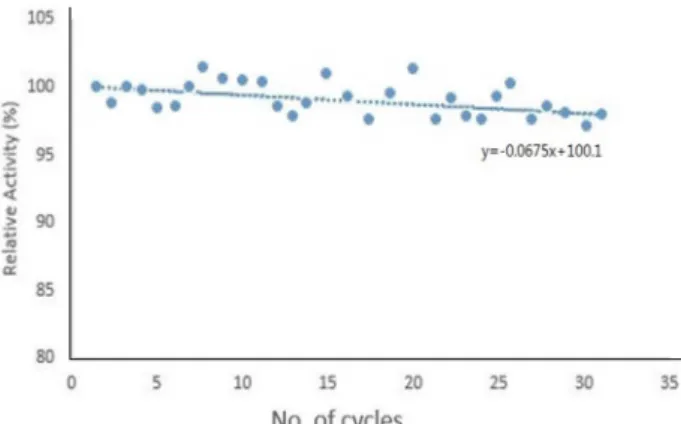
Fig. 6. Multi-cycle operation with the immobilized PGA.
tracted using the combined surfactant/lysozyme method.
The step yield and specific activity in each process step are summarized in Table 1. It is shown the each step yield of diatomite filtration, membrane filtration (M/F), and ultra- filtration (U/F) was 69.7%, 93.8%, and 77.3%, respectively.
Finally, total 212 KU of penicillin G amidase was recovered.
At 25-L culture scale, the overall yield of extraction using the combined surfactant/ lysozyme method was 49.2% of the total cellular penicillin G amidase. The specific activity of extracted PGA was 11 U/mg in protein.
PGA immobilization
The effective size of pore diameter for PGA immobiliza- tion was 40-50 min. Total immobilization yield of PGA on the resin was 48.7%. The enzyme activity was 101 U/g (wet support).
Recycle operation with the immobilized PGA The recycle stability is a very important point in commer- cial and practical application. Thirty cycles of reaction were operated using the immobilized PGA. As the numbers of cycle were increased to thirty, the enzyme activity did not decrease nearly (Fig. 6). The rate of decrease was negligible.
Discussion
E.coli cell envelope consists of outer membrane, periplasm
(containing peptidoglycan) and cytoplasmic membrane.
Recombinant penicillin G amidase was expressed in the peri- plasmic space [14]. The outer membrane is composed of charged lipopolysaccharide (LPS) molecules bound to each other by Ca or Mg. The polysaccaride part of the LPS mole- cules is oriented outward providing the cell surface hydro- polycity, while the lipid portion is oriented inwards forming
a bilayered structure with the phospholipids, present in the inner leaflet of the outer membrane. The inner cytoplasmic membrane is made up of bilayer of phospholipids with em- bedded proteins. Cationic surfactant are supposed to act on the LPS in outer membrane. The positively charged surfac- tant would bind strongly to the negatively charged lipid and phospholipids in the cell envelope and caused complete cell disruption depends on the conditions. As well, anionic de- tergents and some nonionic detergents, in the presence of ions like Mg, augment the membrane structure by immobi- lizing the LPS monolayer [13]. However, anionic detergents (such as SDS and sodium sarcosinate) in the presence of Mg, caused specific disruption of inner cell membrane [21].
Organic solvent (such as 2-butoxyethanol) treatment yielded significantly reduced concentration of other host cell proteins, lipopolysaccharide endotoxin and DNA in the re- covered protein solution. However, there are some problems in the method. First, Allen et. al. [1] concluded the solvent concentration range of 30~50% w/w is necessary for release of periplasmic protein from Gram-negative bacteria. In this case, solvent concentration is required for phase separation between solvent and aqueous phase. Also, heating is not good for maintenance of activity of enzyme.
Protein release methods that increase the permeability of the outer cell wall for primary recovery but avoid rupturing the inner cell membrane, reduce contamination of the recov- ered product with other host cell components and simplified final purification.
Lysozyme is the usual enzyme which catalyzes the degra- dation of N-acetylmuramic acid-N-acetyl-glucosamine bond (NAM_NAG) in the rigid cell wall peptidoglycan [17]. In the Gram-negative bacteria, surfactants may be destabilize the outer membrane in mild condition and allow lysozyme to penetrate the peptidoglycan and hydrolyze the NAM-NAG bond of this layer.
The lysozyme in mixed with surfactant was effective for
release of periplasmic penicillin G amidase from recombi-
nant E.coli. It was applied the extraction method of protein
from periplasmic space of recombinant E.coli to the immobi-
lization of PGA on the nanoporous silica resin. The immobi-
lized PGA was possible to use 30 times repeatedly. The ex-
perimental results described here suggest that the process
for production of immobilized PGA may be useful in a proc-
ess of biotransformation for other industrial purposes.
Acknowledgment
This study was supported by a research grant (special project) in 2016-2017 from Cheongju University.
References
1. Allen, J. R., Patkar, A. Y., Frank, T. C., Donate, F. A., Chiu, Y. C., Shields, J. E. and Gustafson, M. E. 2007. Use of glycol ethers for selective release of periplasmic proteins from Gram-negative bacteria. Biotechnol. Prog. 23, 1163-1170.
2. Ames, G. F., Prody, C. and Kustu, S. 1984. Simple, rapid, and quantitative release Of periplasmic proteins by chloro- form. J. Bacteriol. 160, 1181-1183.
3. Baneyx, F., Ayling, A., Palumbo, T., Thomas, D. and Geor- giou, G. 1991. Optimization of growth conditions for the production of proteolytically- sensitive proteins in the peri- plasmic space of Escherichia coli. Appl. Microbiol. Biotechnol.
36, 14-20.
4. Baneyx, F. and Mujacic, M. 2004. Recombinant protein fold- ing and misfolding in Escherichia coli. Nat. Biotechnol. 22, 1399-1408.
5. Bansal-Mutalik, R. and Gaikar, V. G. 2004. Mass transfer studied of cell permeabilization and recovery of alkaline phosphatase from Escherichia coli by reverse micellar sol- utions. Biotech. Prog. 20, 1121-1127.
6. Bansal-Mutalik, R. and Gaikar, V. G. 2003. Purification and concentration of alkaline phosphatase by selective permea- bilization of Escherichia coli using reverse micellar solutions.
Biotechnol. Prog. 19, 1713-1720.
7. French, C., Eli, K. M. and Ward, J. M. 1996. Development of a simple method for the recovery of recombinant proteins from the Escherichia coli periplasm. Enzyme Microb. Technol.
19, 332-338.
8. Chandel, A. K., Rao, L. V., Narasu, M. L. and Singh, O.
V. 2008. The realm of penicillin G acylase in beta-lactam antibiotics. Enzyme Microb. Technol. 42, 326-330.
9. Chen, Y. C., Chen, L. A., Chen, S. J., Chang, M. C. and Chen, T. L. 2004. A modified osmotic shock for periplasmic release of a recombinant creatinase from Escherichia coli. Biochem.
Eng. J. 19, 211-215.
10. De Leon, A. B., Garcia, A. P., Barrba de la Rosa, F., Villase- nor, A. Estrada and Lopez-Revilla R. 2003. Periplasmic pen- icillin G acylase activity in recombinant Escherichia coli cells permeabilized with organic solvents. Process. Biochem. 39, 301-305.
11. Gaikar, V. G. and Kulkani, M. S. 2001. Selective reverse mi- cellar extraction of penicillin acylase from Escherichia coli.
J. Chem. Tech. Biotech. 76, 729-736.
12. Jonasson, P., Nygren, P. A., Jornvall, H., Johansson, B. L., Wahren, J., Uhlen, M. and Stahl, S. 2000. Integrated bio- process for production of human proinsulin C-peptide via heat release of an intracellular heptameric fusion protein.
J. Biotechnol. 76, 215-226.
13. Kim, J. K., Park, J. K. and Kim, H. K. 2004. Synthesis and characterization of nanoporous silica support for enzyme immobilization. Colloids and surfaces A: Phsicochem. Eng.
Aspects. 241, 113-117.
14. Lee, S. M. 2008. Fed-Batch culture of recombinant E.coli for the production of penicillin G amidase. Kor. J. Microbiol.
Biotechnol. 36, 314-319.
15. Nixdorff, B. 1978. Interaction of LPS with detergents and its possible role in the detergent resistant of the outer mem- brane of the Gram-negative bacteria. Biochim. Biophys. Acta.
510, 87-98.
16. Pierce, J. J., Robinson, S. C., Ward, J. M., Keshavarz-Moore, E. and Dunnill, P. A. 2002. Comparison of the process issues in processing the same recombinant enzyme periplasmically in Escherichia coli and extracellularly in Streptomyces lividans.
J. Biotechnol. 92, 205-215.
17. Pierce, J. J., Turner, C., Keshavarz-Moore, E. and Dunnill, P. 1997. Factors determining more efficient large-scale re- lease of a periplasmic enzyme from E.coli using lysozyme.
J. Biotechnol. 58, 1-11.
18. Rathoree, A. S., Bilbrey, R. E. and Steinmeyer, D. E. 2003.
Optimization of an osmotic shock procedure for isolation of a protein product expressed in E. coli. Biotechnol. Prog.
19, 1541-1546.
19. Ryan, W. and Parulekar, S. J. 1991. Recombinant protein ex- cretion in Escherichia coli JM103[pUC8]: Effects of plasmid content, ethylenediaminetetraacetate, and phenyl ethyl alco- hol on cell membrane permeability. Biotechnol. Bioeng. 37, 430-444.
20. Shiina, S., Ohshima, T. and Sato, M. 2004. Extracellular re- lease of recombinant alpha-amylase from Escherichia coli us- ing pulsed electric field. Biotechnol. Prog. 20, 1528-1533.
21. Woldringgh, C. L. 1970. Lysis of the cell membrane of Escherichia coli K12 by ionic detergents. Biochim. Biophys.
Acta 224, 288-290.
22. Zhao, F. and Yu, J. 2001. L-asparaginase release from Escherichia coli cells with K2HPO4 and Triton X100.
Biotechnol. Prog. 17, 490-494.
초록:대장균의 periplasm으로부터 재조합 PGA 단백질의 효율적이고 간단한 방출 방법 이상만*
(청주대학교 생명과학과)