• 검색 결과가 없습니다.

Influence of clozapine on neurodevelopmental protein expression and behavioral patterns in animal model of psychiatric disorder induced by low-level of lead

N/A
N/A
Protected

Academic year: 2022

Share "Influence of clozapine on neurodevelopmental protein expression and behavioral patterns in animal model of psychiatric disorder induced by low-level of lead"

Copied!
8
0
0

로드 중.... (전체 텍스트 보기)

전체 글

(1)

Author contributions: Authors H.J.K. designed and directed the entire project. H.L., M.L. were managed the literature searches and analyses. Au- thors H.K.K. and J.T.K. performed most of the statistical analyses, Y.O.K. per- formed edited most of the table and figure data, and asistanted statistical analyses. H.L. contributed substantially to the first draft of the manuscript.

All authors contributed to, and have approved, the final manuscript.

This is an Open Access article distributed under the terms of the Creative Commons Attribution Non-Commercial License, which permits unrestricted non-commercial use, distribution, and reproduction in any medium, provided the original work is properly cited.

Copyright © Korean J Physiol Pharmacol, pISSN 1226-4512, eISSN 2093-3827

INTRODUCTION

Lead is a nonessential, toxic environmental contaminant and lead exposure and accumulation triggers various acute and chronic effects in humans [1,2]. Lead poisoning is associated with the most severe consequences during brain development, includ- ing differentiation, intense cellular proliferation, and synapto- genesis [3]. Acute exposure to lead during prenatal and postnatal periods is associated with psychosis, intellectual deficits, and juvenile delinquency [4-6]. Moreover, lead exposure during early life affects embryonic development. It is associated with negative outcomes including reduced neurocognitive development [7,8].

These effects manifest as deficits in social interaction, working memory, and spatial learning [9,10]. In addition, lead exposure impairs cognitive function and induces chronic changes in hip-

pocampal and hypothalamic neurogenesis [11]. It also suppresses neuronal differentiation in central nervous system, inhibits long- term potentiation, inhibits the secretion of neurotransmitters, and interferes with calcium signaling [12]. All these processes affected by lead exposure are essential for neuronal function, syn- aptic plasticity, transmission of neurite growth, synaptogenesis, and axonal transport, which are required to maintain an intact microtubule structure [13]. Prenatal lead exposure affects embry- onic development. It is also associated with negative outcomes in humans from birth to adulthood [7]. In addition, exposure to low levels of lead during early brain development impairs cogni- tive functions in children [14]. It also affects various cognitive domains, including attention, executive function, and social be- havior [15]. Prepulse inhibition (PPI) is an operational parameter in sensorimotor gating. It has been hypothesized that PPI reflects

Original Article

Influence of clozapine on neurodevelopmental protein expression and behavioral patterns in animal model of psychiatric disorder induced by low-level of lead

Hwayoung Lee 1 , Minyoung Lee 1 , Hyung-Ki Kim 1 , Young Ock Kim 2 , Jun-Tack Kwon 1 , and Hak-Jae Kim 1, *

1
Department of Clinical Pharmacology, College of Medicine, Soonchunhyang University, Cheonan 31151,

2

Department of Bio-Environmental Chemistry, College of Agriculture and Life Sciences, Chungnam National University, Daejeon 34134, Korea

ARTICLE INFO Received March 30, 2019 Revised August 26, 2019 Accepted October 8, 2019

*Correspondence Hak-Jae Kim

E-mail: [email protected] Key Words

Animal model Behavior rating scale Clozapine

Lead poisoning

Neurodevelopmental disorder

ABSTRACT Exposure to lead during pregnancy is a risk factor for the development of psychiatric disorders in the offspring. In this study, we investigated whether exposure to low levels of lead acetate (0.2%) in drinking water during pregnancy and lactation causes behavioral impairment and affects the expression of proteins associated with neurodevelopment. Lead exposure altered several parameters in rat offspring com- pared with those unexposed in open-field, social interaction, and pre-pulse inhibi- tion tests. These parameters were restored to normal levels after clozapine treatment.

Western blot and immunohistochemical analyses of the hippocampus revealed that

several neurodevelopmental proteins were downregulated in lead-exposed rats. The

expression was normalized after clozapine treatment (5 mg/kg/day, postnatal day

35–56). These findings demonstrate that downregulation of several proteins in lead-

exposed rats affected subsequent behavioral changes. Our results suggest that lead

exposure in early life may induce psychiatric disorders and treatment with antipsy-

chotics such as clozapine may reduce their incidence.

(2)

the ability to filter extraneous interoceptive and exteroceptive stimuli [16,17]. Reduced PPI has been observed in patients with schizophrenia and related disorders [16,17]. It has been hypothe- sized that reduced PPI leads to impaired cognition reflecting gat- ing of sensory input to the brain [18]. Several animal studies have demonstrated that PPI deficits can be induced by administration of dopamine agonists [19], NMDA antagonists [20], and exposure to low levels of lead [14]. Clozapine is an atypical antipsychotic agent and a synthetic dibenzodiazepine derivative, which inhibits several neurotransmitter receptors in the brain [21]. Moreover, clozapine was related to sensorimotor gating function that was restored in PPI and the mean% PPI scores after clozapine treat- ment of the maternal immune activation-induced schizophrenia animal model [22].

However, the effects of clozapine on lead-induced psychiatric disorders in an animal model of neurodegeneration in early life have yet to be reported. Therefore, the present study was designed to further characterize the pharmacological mechanisms of clo- zapine in psychiatric disorders in an animal model of prenatal lead exposure. Specifically, the present study determined the effect of clozapine on PPI modulation in startle, open-field, and social interaction tests using an animal model with chronic low- level lead exposure via oral route. Subsequently, we measured the protein exposure related to neurodevelopment in the hippocam- pus area via western blot and immunohistochemical analyses.

Schizophrenia is a neurodevelopmental disorder with a com- plex etiology comprising both genetic and environmental factors.

Prenatal stress or maternal exposure induces cognitive deficits in offspring [23]. The cognitive deficits in schizophrenia are induced by disrupting the hippocampal anatomy and the function of hy- pothalamic-pituitary-adrenal axis [24,25]. Dihydropyrimidinase- like 2 (Dpysl2) is a neurodevelopmental protein that regulates axonal outgrowth via promotion of microtubule, vesicle traf- ficking, and synaptic physiology in the developing brain [23-25].

Moreover, Dpysl2 associated with disrupted in schizophrenia 1 (DISC1) interacts with many other proteins involved in synaptic function and neurodevelopment pathways related to schizophre- nia and depression [23,26]. Postsynaptic density protein 95 (PSD- 95) is an essential component involved in glutamatergic trans- mission, synaptic plasticity, and dendritic spine morphogenesis during neurodevelopment. Interestingly, PSD-95 binds directly to DISC1 in high-risk schizophrenia and is responsible for synapse formation and microtubule network dynamics [24,27].

METHODS

Animals and drugs

Sprague–Dawley female rats were purchased from Daehan Biolink, Ink (Eumsung, Korea) and reared at the animal facility of our institution. All animal procedures were performed in ac-

cordance with the guidelines for the care and use of laboratory animals of the United States National Institutes of Health [28].

The study protocol was approved by the Institutional Animal Care and Use Committee (IACUC) in Soonchunhyang University (Korea, IACUC approval No. SCH16-0059). Rats were provided free access to food and water. Pregnant females were individually housed in maternity cages on Gestation day 1. Lead acetate solu- tion (0.2%) was prepared in tap water. Glacial acetic acid (0.5 ml/

L) was added to lead acetate solution to prevent precipitation. Rats in the test group were exposed to 0.2% lead acetate in drinking water throughout the gestation and lactation periods (a total of 42 days). No mortality of rat dams was observed at weaning [20].

Clozapine (Sigma-Aldrich Co., St. Louis, MO, USA) was dissolved in 0.1N HCl to a concentration of 5 mg/kg/day. The animals were orally treated with clozapine solution during stress for 21 days.

All groups contained litters of 7 to 12 pups with an equal number of males and females. Extremely large or small litters were elimi- nated. Offspring were weaned 23 days after birth and housed in groups. Male offspring were selected and used for further experi- ments. A total of three experimental groups of adolescents were tested: 1) control group comprising offspring of normal moth- ers; 2) LEAD group including offspring of mothers subjected to lead exposure before parturition; 3) LEAD-CLZ group, with clozapine-treated offspring in the adolescence period. Each group comprised 13 male rats.

Behavioral tests

Modified behavioral tests, including social interaction test (SIT), open-field test (OFT), and prepulse inhibition test (PPI) were per- formed as described previously [29-31].

Prepulse inhibition (PPI)

An automated startle reflex system (SR Lab, San Diego Instru- ments, San Diego, CA, USA) was used to measure PPI. The sys- tem consisted of a startle chamber housed in a sound attenuated isolation cabinet equipped with an internal fan and light. A cylin- drical, transparent, acrylic holding apparatus resting on a four- pegged platform within the isolation chamber was used to hold each subject throughout the testing session (subject age, 57 days old). PPI is defined as the percent decrease in startle amplitude as a function of the magnitude of prepulse stimulus using the fol- lowing formula: percent decrease = 100 – {[(startle response for prepulse + pulse trial) / (startle response for pulse alone trial)] × 100}. Mean % PPI was calculated based on the total prepulse test levels at 3, 6, and 12 dB above background [31].

Open field test (OFT)

OFT was used to assess the exploratory activity and reactivity

to a novel environment. Subjects were removed from their home

(3)

cages on test day (subject age, 58 days) and placed individually in an open-field start box (15 × 15 × 20 cm) for 5 min. The ap- paratus was constructed with black Polygal (77 × 77 × 25 cm).

No background noise was detected. The experimenter exited the room and the subjects behavior was recorded for 20 min [29-31].

Social interaction test (SIT)

SIT was adapted from previous studies and conducted in a black Polygal chamber (77 × 77 × 25 cm) (subject age, 59 days).

The room in which the chamber was located was darkened dur- ing testing. The chamber was illuminated by a single 25 W red light bulb placed ~100 cm above the base of the chamber. Social interaction partners were same-sex siblings that resided in the same cage after weaning. They had approximately equal body weights. Each session lasted 20 min [30,31].

Western blot

Hippocampus tissues were lysed (N = 5–6 animals per group) in RIPA buffer (EBA-1149; Elpis-Biotech, Inc., Daejeon, Korea) containing protease inhibitors and centrifuged at 14,000 rpm for 10 min at 4°C. To detect Dpysl2 and neurofilament protein M, 200 μg of lysed protein was subjected to 10 and 12% sodium dodecyl sulfate-polyacrylamide gel electrophoresis (SDS-PAGE) and transferred to PVDF membranes (Millipore, Milford, MA, USA). After blocking with 5% skim milk, the membranes were incubated with anti-Dpysl2 (1:1,000; Cell Signaling Technology, Danvers, MA, USA), neurofilament M (Nefm; 1:1,000; Cell Sig- naling Technology), PSD95 (Dlg4; 1:1,000; Cell Signaling Tech- nology), and β-tubulin (Tubb; 1:3,000; Thermo Fisher Scientific, Inc., Rockford, IL, USA) antibodies overnight at 4°C followed by probing with peroxidase-conjugated secondary anti-mouse (1:10,000; Sigma-Aldrich Co.) and secondary anti-rabbit (1:5,000;

Abfrontier, Seoul, Korea) antibodies for 1 h at room temperature.

Immunoreactive bands were detected using an enhanced chemi-

Fig. 1. Prepulse inhibition (PPI) in adult male rats was analyzed on post-natal day 56 after exposure to lead stress during gestation or in male rats derived from unstressed litters during gestation. (A) The prepulse at intensities of 3, 6 and 12 dB were applied above the background noise preceded the onset of the 120 dB pulse. (B) The mean percent PPI values. Each group comprised 10 male rats. Each bar represents the mean of 10 male rats (± standard deviation); *p < 0.05 compared to the control group; **p < 0.05 compared to clozapine treatment group; LEAD, lead-exposed offspring during prenatal and lactation periods; CON, non-lead exposed offspring; LEAD-CLZ, lead-exposed and clozapine-treated offspring.

B A

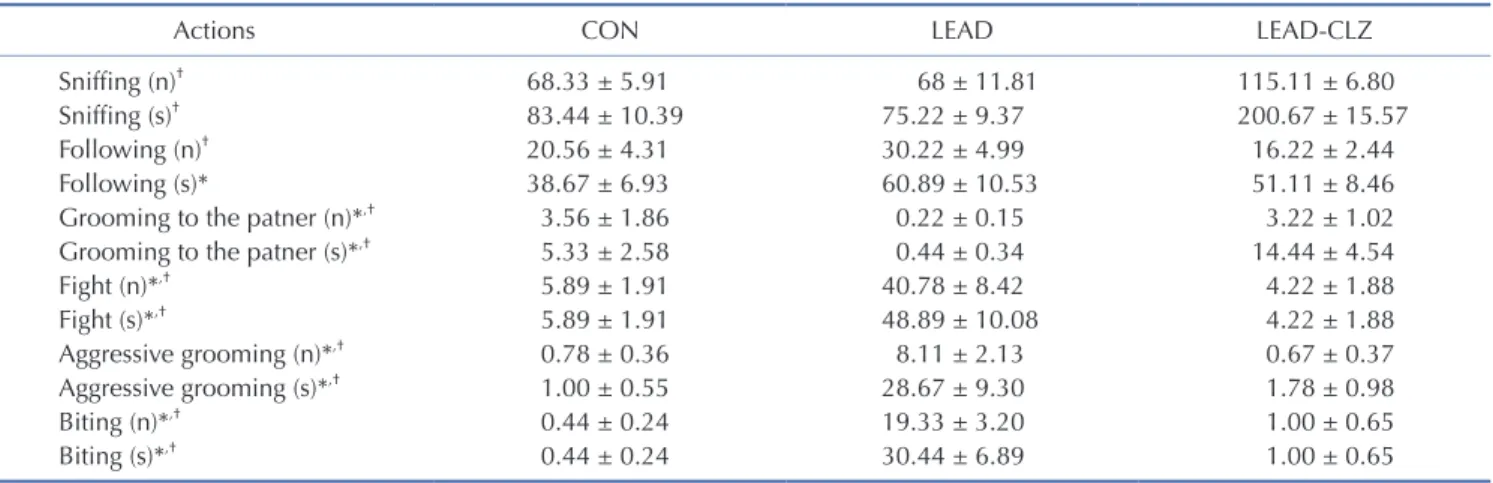
Table 1. Behavior of non-lead exposed group, lead exposed group and lead exposure with clozapine treatment for adolescence in a social interaction test

Actions CON LEAD LEAD-CLZ

Sniffing (n)

68.33 ± 5.91 68 ± 11.81 115.11 ± 6.80

Sniffing (s)

83.44 ± 10.39 75.22 ± 9.37 200.67 ± 15.57

Following (n)

20.56 ± 4.31 30.22 ± 4.99 16.22 ± 2.44

Following (s)* 38.67 ± 6.93 60.89 ± 10.53 51.11 ± 8.46

Grooming to the patner (n)*

,†

3.56 ± 1.86 0.22 ± 0.15 3.22 ± 1.02

Grooming to the patner (s)*

,†

5.33 ± 2.58 0.44 ± 0.34 14.44 ± 4.54

Fight (n)*

,†

5.89 ± 1.91 40.78 ± 8.42 4.22 ± 1.88

Fight (s)*

,†

5.89 ± 1.91 48.89 ± 10.08 4.22 ± 1.88

Aggressive grooming (n)*

,†

0.78 ± 0.36 8.11 ± 2.13 0.67 ± 0.37

Aggressive grooming (s)*

,†

1.00 ± 0.55 28.67 ± 9.30 1.78 ± 0.98

Biting (n)*

,†

0.44 ± 0.24 19.33 ± 3.20 1.00 ± 0.65

Biting (s)*

,†

0.44 ± 0.24 30.44 ± 6.89 1.00 ± 0.65

Data are presented as mean ± standard deviation; n, number of the behavior; s, duration measured in seconds; CON, non-lead exposed

offspring; LEAD, lead exposed on gestation and lactation period offspring; LEAD-CLZ, lead exposed on gestation and lactation with

clozapine treatment on adolescence period; *Between CON and LEAD p-value < 0.05;

Between LEAD and LEAD-CLZ p-value < 0.05.

(4)

luminescence kit (ELPIS-Biotech Inc., Daejeon, Korea).

Immunohistochemistry

Rats were deeply anesthetized with ethyl ether and perfused with 4% paraformaldehyde (N = 5–6 animals/each group). The fixed brains were removed, frozen, and cut into 30-μm thick sec- tions for anatomical imaging of gene expression (6.24 mm inter- aural, −2.76 mm bregma, section 10 of the Rat Brain Library). The expression levels were averaged to CA3 area of hippocampus on the same side of the brain. Frozen sections from the hippocam-

pus were blocked with normal horse serum, incubated with anti- Dpysl2 (1:1,000; Atlas Antibodies AB, Stockholm, Sweden), Nefm (1:100; Cell Signaling Technology), and NeuN (1:100; Millipore) followed by incubation with Cy3-conjugated anti-rabbit and mouse secondary antibodies (1:500 and 1:800 Jackson Immu- noResearch Laboratories, Inc., West Grove, PA, USA). Fluorescent images were captured using a confocal laser-scanning microscope (FV10-ASW; Olympus, Tokyo, Japan). Images were quantified with ImageJ software using a protocol described previously with slight modifications [31,32].

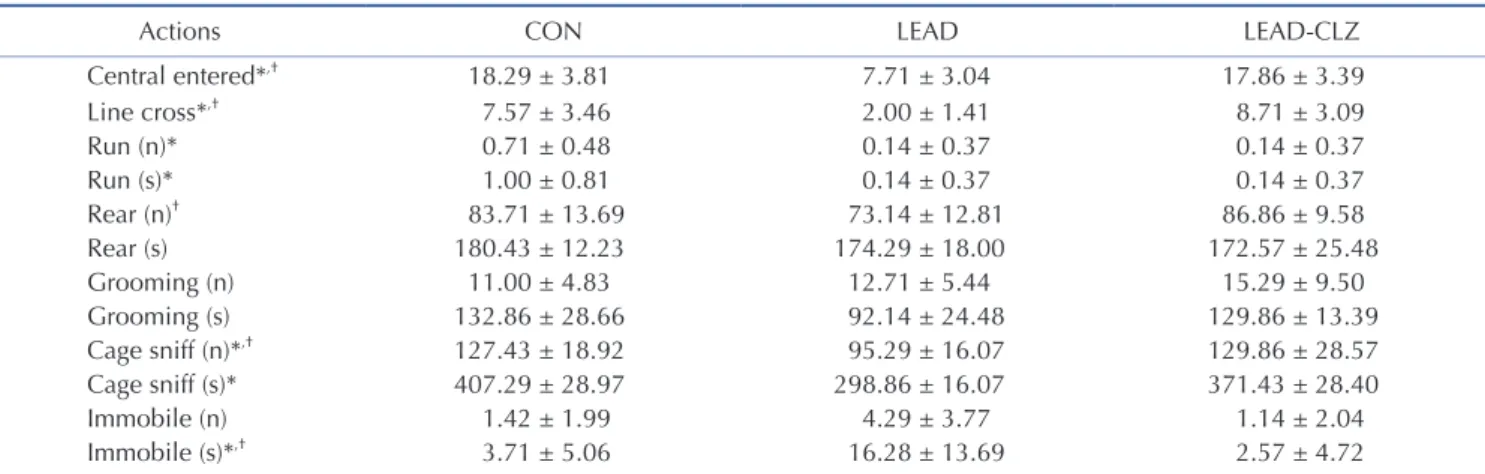
Table 2. Behavior of non-lead exposed group, lead exposed group and lead exposure with clozapine treatment for adolescence in an open field test

Actions CON LEAD LEAD-CLZ

Central entered*

,†

18.29 ± 3.81 7.71 ± 3.04 17.86 ± 3.39

Line cross*

,†

7.57 ± 3.46 2.00 ± 1.41 8.71 ± 3.09

Run (n)* 0.71 ± 0.48 0.14 ± 0.37 0.14 ± 0.37

Run (s)* 1.00 ± 0.81 0.14 ± 0.37 0.14 ± 0.37

Rear (n)

83.71 ± 13.69 73.14 ± 12.81 86.86 ± 9.58

Rear (s) 180.43 ± 12.23 174.29 ± 18.00 172.57 ± 25.48

Grooming (n) 11.00 ± 4.83 12.71 ± 5.44 15.29 ± 9.50

Grooming (s) 132.86 ± 28.66 92.14 ± 24.48 129.86 ± 13.39

Cage sniff (n)*

,†

127.43 ± 18.92 95.29 ± 16.07 129.86 ± 28.57

Cage sniff (s)* 407.29 ± 28.97 298.86 ± 16.07 371.43 ± 28.40

Immobile (n) 1.42 ± 1.99 4.29 ± 3.77 1.14 ± 2.04

Immobile (s)*

,†

3.71 ± 5.06 16.28 ± 13.69 2.57 ± 4.72

Data are presented as mean ± standard deviation; n, number of the behavior; s, duration measured in seconds; CON, non-lead exposed offspring; LEAD, lead exposed on gestation and lactation period offspring; LEAD-CLZ, lead exposed on gestation and lactation with clozapine treatment on adolescence period; *Between CON and LEAD p-value < 0.05;

Between LEAD and LEAD-CLZ p-value < 0.05.

Fig. 2. Western blot analysis of Dpysl2, Nefm, and Dlg4 expression in brains of lead-exposed rats. (A) The expression of Dpysl2, Nefm, and Dlg4 was detected by western blot analysis. β-tubulin (Tubb) was used as an internal control. Lead-exposed rats demonstrated decreased hippocampal expression of Dpysl2, Nefm, and Dlg4 compared to control rats. Decreased expression of Dpysl2, Nefm and Dlg4 was restored (p < 0.05) by clozap- ine treatment. (B) The bar graph showing standard deviation (SD) (p < 0.05 compared to lead-exposed group). (C) The bar graph showing SD (p <

0.05 compared to lead-exposed group). (D) The bar graph showing SD (p < 0.05 compared to lead-exposed group). HIPP, Hippocampus; LEAD, lead- exposed offspring during prenatal and lactation periods; CON, non-lead exposed offspring; LEAD-CLZ, offspring exposed to lead and clozapine treat- ment. *p < 0.05 Between CON with LEAD; **p < 0.05 Between LEAD with LEAD-CLZ.

B

D C

A

(5)

Statistical analysis

All data are expressed as mean ± standard error of mean. They were compared using Student’s t-test and/or ANOVA. If results of ANOVA indicated significant differences, a post-hoc analysis was performed with Tukey’s honest significant difference (HSD) test.

All statistical analyses were performed using IBM SPSS Statistics ver. 20 software (IBM Co., Armonk, NY, USA). Statistical signifi- cance was considered at p < 0.05.

RESULTS

Prepulse inhibition

Lead exposure during prenatal and lactation periods signifi- cantly affected sensorimotor gating. Results revealed signifi- cant differences in PPI levels among control, lead-exposed, and

clozapine-treated groups. PPI levels at each stimulus level (3, 6, and 12 dB above background) in the lead-exposed group were not significantly changed compared to those in the control group (p >

0.05, Fig. 1A). However, the mean % PPI at total prepulse stimulus level was significantly different between control and lead-exposed groups (p < 0.05, Fig. 1B). Clozapine treatment significantly in- creased the mean % PPI level (p < 0.05, Fig. 1B).

Social interaction test (SIT)

All aggressive behavior scores during SIT were significantly in- creased in the offspring exposed to lead compared to those in the control group (p < 0.05, Table 1). Non-aggressive behavior scores of the lead-exposed offspring were decreased compared to those of the control group. Lead exposure also induced hyperactivity or excited states. The increased scores of aggressive behavior in the lead-exposed offspring were decreased to normal levels after clozapine treatment (p < 0.05, Table 1), but not at each prepulse

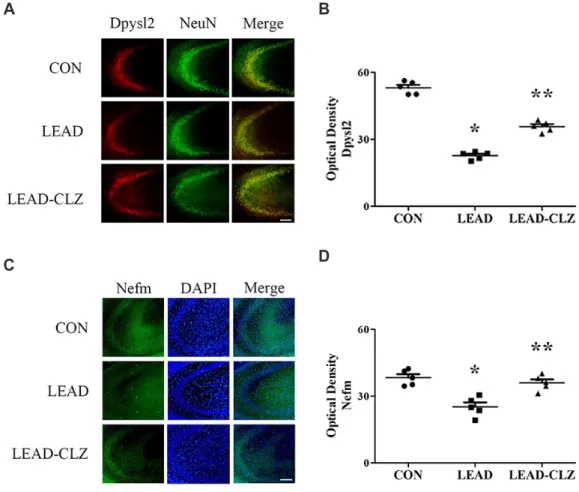
Fig. 3. Immunohistochemical analysis of Dpysl2 expression in the brains of lead-exposed rats. (A) Confocal microscopic image showing immu- nofluorescent staining of Dpysl2 (anti-Dpysl2, red, Cy3) with NeuN (anti-NeuN, green, FITC) in the hippocampus. Dpysl2 fluorescent staining intensity was decreased in these regions. Scale bar, 50 μm. (B) The bar graph showing standard deviation (SD) (p < 0.05 compared to lead-exposed group).

(C) Confocal microscopic images showing immunofluorescent staining of Nefm (anti-Nefm, green, FITC) with DAPI (blue) in the hippocampus. The fluorescent staining intensity of Nefm was decreased in these regions. Scale bar, 50 μm. (D) The bar graph showing SD (p < 0.05 compared to the PNS group in the hippocampus). LEAD, lead-exposed offspring during prenatal and lactation periods; CON, non-lead-exposed offspring; LEAD-CLZ, off- spring exposed to lead and treated with clozapine. *p < 0.05 Between CON with LEAD; **p < 0.05 Between LEAD with LEAD-CLZ.

A B

C D

(6)

stimulus level (p > 0.05, Fig. 1B).

Open-field test

The lead-exposed group significantly changed the number of central entries, line crossings, number and duration of rear, duration of cage sniff, and the degree of immobility compared to the control group. These scores were restored to near-normal levels after clozapine treatment (p < 0.05; Table 2). However, the frequency of immobility behaviors was increased in the lead- exposed group, but reduced to control levels after clozapine treat- ment (p < 0.05, Table 2).

Western blot and immunohistochemistry

To investigate lead-induced changes in the expression of neuro- developmental proteins such as Dpysl2, Dlg4, and Nefm, western blotting (Fig. 2) and immunohistochemical analyses (Fig. 3) of hippocampus areas from control, lead-exposed, and clozapine- treated offspring were performed. Western blot revealed that the expression of these proteins in the hippocampus of lead-exposed group was significantly decreased compared to those in the con- trol (p < 0.05, Fig. 2B–D). These changes were restored by clozap- ine treatment (p < 0.05, Fig. 2B–D). Dpysl2 and Nefm were differ- entially expressed in immunofluorescence-stained brain images among control, lead-exposed, and clozapine-treated groups (Fig.

3A, C). The expression of Dpysl2 and Nefm proteins in the hip- pocampus of lead-exposed group was significantly decreased compared to that of the control (Fig. 3A, C). These changes were restored by clozapine treatment (Fig. 3A, C). The immunohisto- chemical staining intensity also varied significantly among the three groups (p < 0.05, Fig. 3B, D).

DISCUSSION

In this study, impaired social interaction was observed in rat offspring exposed to lead. In social interaction test, the diminu- tion of social interaction behavior reflected increased anxiety, hyperactivity, and aggressive behaviors in lead-exposed animal models. Lead-induced increases in aggressive behavior and hy- peractivity were attenuated by clozapine treatment in the present study (Table 1). Additionally, a few behavioral patterns in open field test were reversed by clozapine treatment (Table 2). These results are consistent with previous studies showing that lead exposure may cause hyperactivity and deficits in learning and memory both in experimental animals and humans [31,33-35]. In PPI test, lead exposure failed to significantly affect the startle am- plitude in a no-PPI trial in a previous study, but not startle ampli- tude at 120 dB [36]. Reduction in PPI of acoustic startle associated with chronic exposure to low-level oral lead might be attributed to lead-induced alteration in glutamate neurotransmission [37].

Clozapine appears to increase low PPI in normal subjects, con- sistent with a few studies investigating sustained treatment with atypical antipsychotics and schizophrenia [38]. Prenatal viral mimic-induced PPI disruption was normalized by pre-adolescent clozapine treatment. However, clozapine failed to significantly reduce % PPI in adulthood, although it significantly reduced the mean % PPI [38]. Our results also demonstrated that clozapine treatment significantly reduced the mean % PPI level (p < 0.05, Fig. 1B) without significantly affecting acute startle response (p

> 0.05, Fig. 1A). These results suggested that our animal model was affected by low-level lead exposure probably due to inhibi- tion of sensorimotor gating function caused by altered glutamate neurotransmission induced by NMDA antagonist. Several studies suggested that lead-induced neurotoxicity decreased the expres- sion of NMDAR subtypes, and reduced the calcium-dependent synaptic transmission [39,40].

We evaluated whether maternal lead exposure affected the ex- pression of PSD95, Dpysl2, Lasp1, and Nefm. PSD95 is essential for post-synaptic connectivity, downstream signaling cascade, neuronal maturation, and plasticity [41,42]. The reduction in these proteins was expected to affect PSD95-NMDA receptor complex formation in postsynaptic membrane sites and related downstream signals, and alter brain development and cogni- tion in lead-exposed dams. This speculation was consistent, at least partially, with previous reports showing that lead exposure during synaptogenesis led to NMDA receptor inhibition [41,42].

Furthermore, lead impaired slow axonal transport in rats with hyperphosphorylated neurofilaments, reducing the mobility of neurofilaments that are not extensively phosphorylated [43]. Our previous study has shown that NMDA antagonism may down- regulate the expression of proteins such as Lasp1 in a schizophre- nia-like animal model [44]. Several studies have reported that a schizophrenia-like model induced by prenatal stress showed altered expression of NMDA receptor as one of the glutamate receptors involved in neurodegeneration, learning, and memory [45,46]. Our recent study using another schizophrenia-like ani- mal model showed that the expression of Dpysl2 was changed in prefrontal cortex and hippocampus area [23]. Therefore, proteins associated with brain development and cognition might be down- regulated due to NMDA receptor inhibition caused by lead ex- posure. In the present study, our results indicated that decreased levels of brain development and cognition-related proteins can be restored by clozapine treatment. Clozapine is an effective partial agonist of muscarinic M1 receptors and an agonist of dopamine D1 receptors resulting in enhanced NMDA-R function [47].

Hence, clozapine may increase the NMDA-R transmission, ex-

plaining the unique efficacy of this agent. A recent study reported

that the expression of SNPA-25, a synaptic gene, was influenced

by clozapine treatment in male rats [47]. Although our data pro-

vided direct evidence suggesting that lead exposure decreased

the levels of brain development and cognition-related proteins,

the mechanism of decrease and recovery by clozapine treatment

(7)

remains unclear. Therefore, further studies are needed to evaluate the role of clozapine for the treatment of lead exposure-induced neurodevelopmental psychiatric disorders such as autism and schizophrenia. In addition, cellular and animal models exposed to various levels of lead exposure are needed to determine the mechanism underlying the effect of clozapine.

ACKNOWLEDGEMENTS

The present study was performed with the support of Basic Science Research Program through the National Research Foun- dation of Korea (NRF) funded by the Ministry of Education (2016R1D1A1B03931619).

CONFLICTS OF INTEREST

The authors declare no conflicts of interest.

REFERENCES

1. Liu JT, Chen BY, Zhang JQ, Kuang F, Chen LW. Lead exposure in- duced microgliosis and astrogliosis in hippocampus of young mice potentially by triggering TLR4-MyD88-NFκB signaling cascades.

Toxicol Lett. 2015;239:97-107.

2. Guilarte TR, Opler M, Pletnikov M. Is lead exposure in early life an environmental risk factor for Schizophrenia? neurobiological con- nections and testable hypotheses. Neurotoxicology. 2012;33:560-574.

3. Moreira EG, Vassilieff I, Vassilieff VS. Developmental lead expo- sure: behavioral alterations in the short and long term. Neurotoxicol Teratol. 2001;23:489-495.

4. Needleman HL, Gunnoe C, Leviton A, Reed R, Peresie H, Maher C, Barrett P. Deficits in psychologic and classroom performance of children with elevated dentine lead levels. N Engl J Med.

1979;300:689-695.

5. Dietrich KN, Berger OG, Bhattacharya A. Symptomatic lead poison- ing in infancy: a prospective case analysis. J Pediatr. 2000;137:568- 571.

6. Kaneshiro Olympio KP. Gonçalves C, Risso Günther WM, Hen- riques Bechara EJ. Neurotoxicity and aggressiveness triggered by low-level lead in children: a review. Rev Panam Salud Publica/Pan Am J Public Health. 2009;26:266-275.

7. Hu H, Téllez-Rojo MM, Bellinger D, Smith D, Ettinger AS, La- madrid-Figueroa H, Schwartz J, Schnaas L, Mercado-García A, Hernández-Avila M. Fetal lead exposure at each stage of pregnancy as a predictor of infant mental development. Environ Health Per- spect. 2006;114:1730-1735.

8. Budtz-Jørgensen E, Bellinger D, Lanphear B, Grandjean P; Inter- national Pooled Lead Study Investigators. An international pooled analysis for obtaining a benchmark dose for environmental lead exposure in children. Risk Anal. 2013;33:450-461.

9. Boksa P. Animal models of obstetric complications in relation to schizophrenia. Brain Res Brain Res Rev. 2004;45:1-17.

10. Kvajo M, McKellar H, Gogos JA. Avoiding mouse traps in schizo- phrenia genetics: lessons and promises from current and emerging mouse models. Neuroscience. 2012;211:136-164.

11. White LD, Cory-Slechta DA, Gilbert ME, Tiffany-Castiglioni E, Zawia NH, Virgolini M, Rossi-George A, Lasley SM, Qian YC, Ba- sha MR. New and evolving concepts in the neurotoxicology of lead.

Toxicol Appl Pharmacol. 2007;225:1-27.

12. Lasley SM, Gilbert ME. Glutamatergic components underlying lead- induced impairments in hippocampal synaptic plasticity. Neuro- toxicology. 2000;21:1057-1068.

13. Brini M, Calì T, Ottolini D, Carafoli E. Neuronal calcium signaling:

function and dysfunction. Cell Mol Life Sci. 2014;71:2787-2814.

14. Rao Barkur R, Bairy LK. Evaluation of passive avoidance learning and spatial memory in rats exposed to low levels of lead during spe- cific periods of early brain development. Int J Occup Med Environ Health. 2015;28:533-544.

15. Lanphear BP, Dietrich K, Auinger P, Cox C. Cognitive deficits asso- ciated with blood lead concentrations <10 microg/dL in US children and adolescents. Public Health Rep. 2000;115:521-529.

16. Braff D, Stone C, Callaway E, Geyer M, Glick I, Bali L. Prestimulus effects on human startle reflex in normals and schizophrenics. Psy- chophysiology. 1978;15:339-343.

17. Braff DL, Grillon C, Geyer MA. Gating and habituation of the startle reflex in schizophrenic patients. Arch Gen Psychiatry. 1992;

49:206-215.

18. Geyer MA. The family of sensorimotor gating disorders: comorbidi- ties or diagnostic overlaps? Neurotox Res. 2006;10:211-220.

19. Pouzet B, Andersen MP, Hogg S. Effects of acute treatment with antidepressant drugs on sensorimotor gating deficits in rats. Psy- chopharmacology (Berl). 2005;178:9-16.

20. Le Pen G, Moreau JL. Disruption of prepulse inhibition of startle reflex in a neurodevelopmental model of schizophrenia: reversal by clozapine, olanzapine and risperidone but not by haloperidol. Neu- ropsychopharmacology. 2002;27:1-11.

21. Khan AH, Zaidi S. Clozapine: improvement of negative symptoms of schizophrenia. Cureus. 2017;9:e1973.

22. Won HS, Kim YO, Lee HY, Im JY, Lee SH, Cho IH, Lee SW, Park CG, Kim HK, Kwon JT, Kim HJ. Effect of valeriana fauriei extract on the neurodevelopmental proteins expression and behavioral pat- terns in maternal immune activation animal model. Korean J Med Crop Sci. 2016;24:341-350.

23. O'Shea PJ, Harvey CB, Suzuki H, Kaneshige M, Kaneshige K, Cheng SY, Williams GR. A thyrotoxic skeletal phenotype of advanced bone formation in mice with resistance to thyroid hormone. Mol Endo- crinol. 2003;17:1410-1424.

24. Bradshaw NJ, Porteous DJ. DISC1-binding proteins in neural de- velopment, signalling and schizophrenia. Neuropharmacology.

2012;62:1230-1241.

25. Taya S, Shinoda T, Tsuboi D, Asaki J, Nagai K, Hikita T, Kuroda S, Kuroda K, Shimizu M, Hirotsune S, Iwamatsu A, Kaibuchi K.

DISC1 Regulates the Transport of the NUDEL/LIS1/14-3-3ε Com- plex through Kinesin-1. J Neurosci. 2000;27:15-26.

26. Soares DC, Carlyle BC, Bradshaw NJ, Porteous DJ. DISC1: Struc- ture, Function, and Therapeutic Potential for Major Mental Illness.

ACS Chem Neurosci. 2011;2:609-632.

27. Shinoda T, Taya S, Tsuboi D, Hikita T, Matsuzawa R, Kuroda S, Iwa-

matsu A, bKaibuchi K. DISC1 regulates neurotrophin-induced axon

(8)

elongation via interaction with Grb2. J Neurosci. 2007;27:4-14.

28. Institute of Laboratory Animal Resources (Estats Units d'Amèrica).

Guide for the care and use of laboratory animals. Washington: Na- tional Academy Press; 1996. p. xii-125.

29. Schroeder M, Sultany T, Weller A. Prenatal stress effects on emotion regulation differ by genotype and sex in prepubertal rats. Dev Psy- chobiol. 2013;55:176-192.

30. Lee H, Won H, Im J, Kim YO, Lee S, Cho IH, Kim HK, Kwon JT, Kim HJ. Effect of Valeriana fauriei extract on the offspring of adult rats exposed to prenatal stress. Int J Mol Med. 2016;38:251-258.

31. Jung HY, Chung TH, Hwang IK. Dendropanax morbifera Léveille extract ameliorates memory impairments and inflammatory re- sponses in the hippocampus of streptozotocin-induced type 1 dia- betic rats. Mol Cell Toxicol. 2016;12:429-436.

32. Altmann L, Weinsberg F, Sveinsson K, Lilienthal H, Wiegand H, Winneke G. Impairment of long-term potentiation and learning fol- lowing chronic lead exposure. Toxicol Lett. 1993;66:105-112.

33. Chen HH, Ma T, Paul IA, Spencer JL, Ho IK. Developmental lead exposure and two-way active avoidance training alter the distribu- tion of protein kinase C activity in the rat hippocampus. Neuro- chem Res. 1997;22:1119-1125.

34. Ma T, Chen HH, Ho IK. Effects of chronic lead (Pb) exposure on neurobehavioral function and dopaminergic neurotransmitter re- ceptors in rats. Toxicol Lett. 1999;105:111-121.

35. Commissaris RL, Tavakoli-Nezhad M, Barron AJ, Pitts DK. Effects of chronic low-level oral lead exposure on prepulse inhibition of acoustic startle in the rat. Neurotoxicol Teratol. 2000;22:55-60.

36. Vollenweider FX, Barro M, Csomor PA, Feldon J. Clozapine en- hances prepulse inhibition in healthy humans with low but not with high prepulse inhibition levels. Biol Psychiatry. 2006;60:597-603.

37. Kumari V, Soni W, Sharma T. Normalization of information pro- cessing deficits in schizophrenia with clozapine. Am J Psychiatry.

1999;156:1046-1051.

38. Xu J, Yan HC, Yang B, Tong LS, Zou YX, Tian Y. Effects of lead ex- posure on hippocampal metabotropic glutamate receptor subtype 3 and 7 in developmental rats. J Negat Results Biomed. 2009;8:5.

39. Neal AP, Worley PF, Guilarte TR. Lead exposure during synapto- genesis alters NMDA receptor targeting via NMDA receptor inhibi- tion. Neurotoxicology. 2011;32:281-289.

40. Hossain S, Bhowmick S, Jahan S, Rozario L, Sarkar M, Islam S, Ba- sunia MA, Rahman A, Choudhury BK, Shahjalal H. Maternal lead exposure decreases the levels of brain development and cognition- related proteins with concomitant upsurges of oxidative stress, inflammatory response and apoptosis in the offspring rats. Neuro- toxicology. 2016;56:150-158.

41. Yokoyama K, Araki S. Assessment of slow axonal transport in lead- exposed rats. Environ Res. 1992;59:440-446.

42. Joo J, Lee S, Nah SS, Kim YO, Kim DS, Shim SH, Hwangbo Y, Kim HK, Kwon JT, Kim JW, Song HY, Kim HJ. Lasp1 is down-regulated in NMDA receptor antagonist-treated mice and implicated in hu- man schizophrenia susceptibility. J Psychiatr Res. 2013;47:105-112.

43. Calabrese F, Guidotti G, Molteni R, Racagni G, Mancini M, Riva MA. Stress-induced changes of hippocampal NMDA receptors:

modulation by duloxetine treatment. PLoS One. 2012;7:e37916.

44. Rubio MD, Drummond JB, Meador-Woodruff JH. Glutamate re- ceptor abnormalities in schizophrenia: implications for innovative treatments. Biomol Ther (Seoul). 2012;20:1-18.

45. Lee H, Joo J, Nah SS, Kim JW, Kim HK, Kwon JT, Lee HY, Kim YO, Kim HJ. Changes in Dpysl2 expression are associated with prena- tally stressed rat offspring and susceptibility to schizophrenia in humans. Int J Mol Med. 2015;35:1574-1586.

46. Sur C, Mallorga PJ, Wittmann M, Jacobson MA, Pascarella D, Wil- liams JB, Brandish PE, Pettibone DJ, Scolnick EM, Conn PJ. N- desmethylclozapine, an allosteric agonist at muscarinic 1 receptor, potentiates N-methyl-D-aspartate receptor activity. Proc Natl Acad Sci U S A. 2003;100:13674-13679.

47. von Wilmsdorff M, Manthey F, Bouvier ML, Staehlin O, Falkai P,

Meisenzahl-Lechner E, Schmitt A, Gebicke-Haerter PJ. Effects of

haloperidol and clozapine on synapse-related gene expression in

specific brain regions of male rats. Eur Arch Psychiatry Clin Neuro-

sci. 2018;268:555-563.

수치

Table 1. Behavior of non-lead exposed group, lead exposed group and lead exposure with clozapine treatment for adolescence in a social  interaction test
Table 2. Behavior of non-lead exposed group, lead exposed group and lead exposure with clozapine treatment for adolescence in an  open field test
Fig. 3. Immunohistochemical analysis of Dpysl2 expression in the brains of lead-exposed rats

참조

관련 문서

In this study, the dislocation group had a wider width of AEB (p&lt;0.05), and the posterior slope (TR angle) of the AER and the average of AEB were smoother (p&lt;0.05) compared

The lateral condylar inclinations of ARCUSdigma 2 were statistically significantly smaller than that of checkbite method.(p&lt;.05).. 교합기는 용도에

3.인구통계학적 요인에 따른 수영지도자의 기대행동유형비교에서는 연령은 인성적 (p&lt;. 05)에서 통계적으로 유의하게

As a result of performing a compound exercise of spinning and Zumba for 8 weeks, the change in α-amylase showed a significant difference in the exercise group (p&lt;.01), and

However, the decrease was less in the SDF group than in the other groups (p&lt;0.05). In the volumetric change measurement, the volume increase of the demineralized enamel

In the region of Auerbach’s plexus (AP) of small intestine, the staining intensity of the ICC-IR cells was reduced in the HFD group compared to the control group.. The numbers

Transformed –log 10 p of SNPs from the logistic regression model of association with dementia based on the additive model in male subjects.. P-value on the left Y-axis is

In the control group, lifestyle-related factors were significantly different only in blood glucose (p &lt;.01) and there was no significant difference in