• 검색 결과가 없습니다.

Sequence analysis of the fusion protein gene of Newcastle disease virus isolated from breeder ducks in Korea

N/A
N/A
Protected

Academic year: 2021

Share "Sequence analysis of the fusion protein gene of Newcastle disease virus isolated from breeder ducks in Korea"

Copied!
6
0
0

로드 중.... (전체 텍스트 보기)

전체 글

(1)

ISSN 1225-6552, eISSN 2287-7630 https://doi.org/10.7853/kjvs.2019.42.4.245

< Original Article >

Veterinary Service

Available online at http://kjves.org

*Corresponding author: Ki Jeong Na, Tel. +82-43-261-3151, Fax. +82-43-261-3224, E-mail. [email protected]

Sequence analysis of the fusion protein gene of Newcastle disease virus isolated from breeder ducks in Korea

Mi Na Han

1

, Hyeon Seop Byeon

1

, Cho Yeon Lee

1

, Nam Sin Jo

1

, Jong Hwa Lee

1

, Rae Hoon Jang

1

, Chang Seop Kim

1

, Ki Jeong Na

2

*

1

Chungcheongbuk-do Veterinary Service Laboratory, Cheongju 28153, Korea

2
College of Veterinary Medicine, Chungbuk National University, Cheongju 28644, Korea (Received 28 November 2019; revised 23 December 2019; accepted 24 December 2019)

Abstract

Newcastle disease (ND) is an infectious poultry disease that caused high mortality and reduced egg production. NDVs are regularly present in the domestic duck population. And ducks play a possible role in the maintenance and transmission of NDVs. While we were monitoring the Avian Influenza, NDVs were isolated from field samples by accident. So we analysed the biological and genetic characteristics of these viruses. Lentogenic NDVs were isolated from two farms among twenty breeder duck farms.

The ages of ducks were 39 weeks old in the ‘A’ farm and 3∼72 weeks old in the ‘B’ farm. And they were not inoculated with the NDVs vaccine. In the biological characteristics, the both viruses which separated from the farm ‘A’ and ‘B’ were thermostable. The amino acid sequence of a site from 112 to 119 in the fusion (F) protein was ‘GKQGRLIG’ which has monobasic motif in the samples of both farms. And this means the separated NDVs are lentogenic. Phylogenetic analysis was performed by en- tire nucleotide sequence of F protein. The virus strains from the A farm (MN095239) and the B farm (MN095240) belonged to class II genotype I. Using the analysis of whole F protein nucleic acid se- quence, the MN095239 (GenBank) had homology with Ulster strain about 99.95% and the MN095239 (GenBank) had homology with KR/CK/KU_LBM255/09 strain about 99.89%. NDV surveillance is needed to investigate epidemiological relationship of domestic breeder duck isolates in Korea.

Key words : Newcastle disease virus, Fusion protein, Phylogenetic tree

INTRODUCTION

Newcastle disease virus (NDV) is a nonsegmented negative-sense singlestranded RNA virus of the species Avian avulavirus 1 (AAvV-1) of the genus Orthoavulavirus of the Paramyxoviridae family (ICTV, 2018). ND was an infectious poultry disease that caused substantial eco- nomic losses to the Korean poultry industry until the early 2,000s, and is a disease with high mortality and reduced egg production (Lee et al, 2004). The disease has decreased since the mandatory vaccination policies of chickens and has not been reported since June 2010

(Lee et al, 2009a). But, according to surveillance data for duck NDVs in China, NDVs are commonly present in the domestic duck population and have a isolation rate of 3.24%. The ducks are not vaccinated because they show little clinical symptom even if the duck are infected with Newcastle disease. Despite not getting vaccinated, Vaccine-like NDVs are isolated from ducks without symptoms. This suggests that ducks play a pos- sible role in the maintenance and transmission of NDVs (Liu et al, 2009).

NDVs are classified into class I and II based on the

full sequence of the F protein gene (Dimitrov et al,

2019). The gene is a hypervariable region and is asso-

ciated with virus pathogenicity. The sequence of the F

(2)

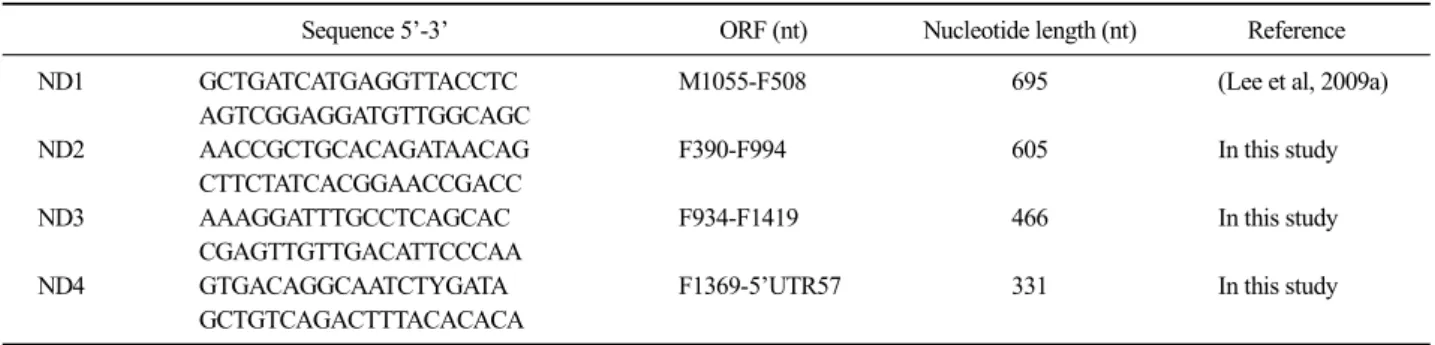
Table 1. RT-PCR primers used for F protein gene amplification

Sequence 5’-3’ ORF (nt) Nucleotide length (nt) Reference

ND1 GCTGATCATGAGGTTACCTC M1055-F508 695 (Lee et al, 2009a)

AGTCGGAGGATGTTGGCAGC

ND2 AACCGCTGCACAGATAACAG F390-F994 605 In this study

CTTCTATCACGGAACCGACC

ND3 AAAGGATTTGCCTCAGCAC F934-F1419 466 In this study

CGAGTTGTTGACATTCCCAA

ND4 GTGACAGGCAATCTYGATA F1369-5’UTR57 331 In this study

GCTGTCAGACTTTACACACA

protein is used for genetic diversity analysis. Class I vi- ruses have low genetic diversity, lentogenic and they are typically isolated from wild waterfowl, live-bird markets (Seal et al, 2005; Dimitrov et al, 2016). Class II can be further divided into 18 genotypes multiple subgenotypes (Bello et al, 2018). The class II strains generally iso- lated from wild and domestic birds and contained viru- lent and avirulent isolates (Kabilov et al, 2016). Among these, genotypes I and II are not pathogenic for chick- ens, thus some isolates belonging to these genotypes have been a target for development of live attenuated vaccine strain (Lee et al, 2009a).

Some studies have reported to play an important role in the epidemiology of NDVs (Dai et al, 2014). Therefore, the analysis of phylogenetic relationship of isolated duck NDVs and the comparison with reference strains are necessary for the investigation into epidemiological rela- tionship of NDVs.

The aim of this study was to analyse the biological and genetic characteristics of these NDVs that were de- tected in two duck farms.

MATERIALS AND METHODS

Virus isolation and identification

NDVs were inspected in healthy domestic breeder duck farms. Twenty pieces of feces per cage were col- lected from twenty duck farms every month for the avi- an influenza monitoring. NDVs were isolated from two farms in Eumseong-gun.

All fecal samples were inoculated in embryonated chicken eggs (9∼11 days) via Allantoic Cavity route

and incubated at 37°C during 5 days (Brauer et al, 2015). The allantoic fluid, which was collected from eggs, was performed by hemagglutination (HA) assay according to standard procedures (Anonymous, 2006) and confirmed by reverse transcription polymerase chain reaction (RT-PCR), i.e. LiliF

TM

NDV Real-time RT-PCR Kit (iNtRON Biotech, Korea).

Hemagglutination (HA) activity test (heat treatment)

In order to determine the thermostability of NDV strains, virus samples were heat-treated at 56°C for 30 min and then the HA titers were compared with those of untreated virus. The HA titer is a reciprocal number of the highest dilution factor that produced a positive results. If the HA titer is less than 4 after heat treat- ment, the virus has not thermostability.

Mean death time (MDT)

Allantoic fluid containing NDVs was serially diluted 10-fold (10

−5

to 10

−9

) and each diluted fluid was in- oculated into 10∼11 day old five SPF chicken eggs. The mean death time (MDT) was measured at the highest virus dilution that all inoculated eggs were died. The virulence of the virus is judged on the basis of their MDT, i.e. Velogenic - MDT less than 60 hours; Mesogenic:

MDT 60 to 90 hours; Lentogenic: MDT greater; Avirulent:

does not cause disease (Alexander et al, 1988).

Sequencing of the F protein

The F protein gene of the NDV strains was amplified

by RT-PCR for sequence analysis. Viral nucleic acid

(3)

Table 2. Genetic and biological characteristics of NDVs isolated from breeder duck farms Farm

(NDV isolate)

NDV RT-PCR Genotyping F0 motif

sequence

Heat treatment Mean death time

Common Pathotype Class Genotype Before After

A (MN095239) Positive Negative II I GKQGRLIG 256 64 >120

B (N095240) Positive Negative II I GKQGRLIG 512 128 >120

Fig. 1. Phylogenetic analysis of complete F protein gene sequence (1,662 nt). Sequence of reference strains that downloaded from National Center for Biotechnology Information (NCBI). The ac- cession numbers of reference strains were included in parenthesis. The scale length is equal to 0.05 nucleotide substitutions per site. *In this study.

Vaccine strains.

was extracted using the Patho Gene-spin Plus Extraction kit (iNtRON Biotech, Korea) according to the manual method and amplified by Maxime

TM

RT-PCR PreMix (iNtRON Biotech, Korea). 4 pairs of primers were de- signed base on the NDV sequences registered in NCBI, the primers amplify 1,662 nt ORF of F protein gene by overlapping the amplification sites (Table 1). Nucleotide sequencing was performed with a BigDye Terminator v3.1 Cycle Sequencing Kit and products were analysed on the ABI 3,500 xL genetic analyzer (Applied Biosystems, USA). Sequence alignments, editing and amino acid se- quence translation performed using basic local alignment searh tool (BLAST). The pathogenicity of NDVs was investigated by analysis of the amino acid sequences corresponding to the positions from 112 to 119 of cleavage site of F protein (Liu et al, 2009).

Phylogenetic analysis of F protein

Phylogenetic analysis that based on F protein gene was performed with the MEGA X program using the neighboring joining method with 1,000 bootstrapping replicates (Kim et al, 2012). The sequences used for phylogenetic analysis were from NDV strains isolated from the this study (CB1904151 and CB1904152), vac- cine strain(V4, Ulster 2C, Amori and LaSota) and refer- ence strains that were registered in GeneBank (NCBI).

The accession numbers are included in phylogenetic tree (Wang et al, 2016).

RESULTS

Genetic & biological characteristics

NDVs were isolated from two farms among seven breeder duck farms. The age of ducks were 39 weeks

old in the ‘A’ farm and 3∼72 weeks old in the ‘B’

farm. And they were not inoculated with the NDV vaccine. In the biological characteristics, both viruses that isolated in the ‘A, B’ farm had thermostability. The HA titer was not less than 4 after heat treatment. Viruses isolated from farm A and B had a mean death time more than 120 hours. The amino acid sequence of site from 112 to 119 in the F protein was ‘GKQGRLIG’

which has monobasic motif in the samples of both

farms. The isolated strains in this study were classified

as avirulent NDVs according to the results of Mean

Death Time (MDT) and amino acid sequence of F pro-

tein (Table 2).

(4)

Phylogenetic analysis

Phylogenetic analysis was performed by entire nucleo- tide sequence of F protein (1,662 nt). The virus from A farm (MN095239) and B farm (MN095240) belonged to class II genotype I. The MN095239 had homology with Ulster strain about 99.94% and the MN095240 homol- ogy with KR/CK/KU_LBM255/09 strain about 99.94%

(Fig. 1). The amino acid sequence of the F protein gene was analysed. MN095239 and MN095240 had 100%

amino acid sequence homology to the strain mentioned above.

DISCUSSION

This study is a biological and genetic characteristics analysis of NDVs that were detected from breeder duck farms. Once a month, fecal samples were collected from all breeder duck farms in Chungcheongbuk-do for Avian influenza monitoring. In monitoring, NDVs were iso- lated from the A and B farms in April 2019. The ducks from both farms were not vaccinated with NDVs and no other poultry was bred together.

The genetic diversity was analysed to investigate the epidemiological relationship of isolated NDVs. The full genetic sequence of the F protein is used for phyloge- netic analysis because it is well characterized and has variable regions (Kim et al, 2013). The partial sequence of the F protein gene does not accurately classify NDVs at the sub-genotype level compared to the full sequence of the F protein gene (Almeida et al, 2013; Snoeck et al, 2013). NDV strains were divided into two classes I and II based on the full sequence of the F protein gene.

Class I is divided into 1 genotypes 3 subgenotypes and class II is divided into 18 genotypes multiple sub- genotypes (Bello et al, 2018). The strains isolated in this study were accurately delineated using the full se- quence of the F protein gene. Both strains (MN095239, MN095240) belong to class II genotype I that is regu- larly isolated from various domestic poultry (Aldous et al, 2003; Seal, 2004; Kim et al, 2007). MN095239 is most closely related to Ulster strain which is commonly used for vaccinating chickens in Korea. This means that

the MN095239 was originated from a Ulster vaccine strain rather field viruses of other poultry origin. But, breeder ducks of ‘A’ farm were not vaccinated against NDVs. They were infected by indirect exposure that mechanical transmission, i.e. feed and veterinary drugs vehicle that contact virus carring poultry. Therefore, it is possible that the virus invade the duck farm by the route of chicken to duck before the virus was adapted to the duck population (Lee et al, 2009b).

A close phylogenetic relationship was found between breeder duck farm isolate (MN095240) and chicken LBM isolate (JQ966086). This means that strains iso- lated from LBM are likely to exchange NDVs with poultry farms. Previous studies have demonstrated that LBM is a place where many poultry viruses are mixed and can be transmitted to new hosts. These places have appropriate conditions for increase viral evolution and spread (Webster, 2004; Guan et al, 2005; Lee et al, 2010). Currently, for the sale of poultry at LBM, only AIV monitoring is conducted, not NDV monitoring.

Therefore, the surveillance of NDV evolutions between LBM and poultry farms is needed.

MN095239 and MN095240 were isolated from breed- er ducks. Embryonated-duck eggs are contaminated by feces of breeder ducks that were infected with NDVs.

So, hatched ducklings can easily be infected NDVs. In addition, NDVs evolve from low to high virulence with only a few point mutations (Kattenbelt et al, 2006;

Westbury, 2001). There is a possibility of outbreaks of ND on broiler duck farms if virus mutations were oc- curred in the process of transmission from breeder ducks. Therefore, breeder duck farms should be thor- oughly prevented from introducing NDVs.

In conclusion, our results reveal that surveillance of

relatedness of NDV isolates between domestic duck

farms and LBMs would be to understand epidemio-

logical relationship and route of propagation. And, in-

vestigation of NDVs isolated from breeder duck farms

that can easily transfer virus through contaminated eggs

is needed. These data can be applied to the ND Control

System.

(5)

ACKNOWLEDGEMENTS

This study was conducted with the budget, a head of experiment and research (20703), of Institute of Chungbuk Provincial Veterinary Service and Research.

REFERENCES

Aldous EW, Myun JK Banks J, Alexander DJ. 2003. A molec- ular epidemiological study of avian paramyxovirus type 1 (Newcastle disease virus) isolates by phylogenetic analysis of a partial nucleotide sequence of the fusion protein gene. Avian Pathology 32: 239-256.

Alexander DJ. 1988b. Newcastle disease diagnosis. In: Alexander DJ. (Ed.), Newcastle Disease. Kluwer Academic Publishers, Boston, 147-60.

Anonymous. 2006. Newcastle disease. In OIE Manual of Diagnostic Tests and Vaccines for Terrestrial Animals (chapter 2.1.15). Paris: World Organisation for Animal Health Bello MB, Yusoff KM, Ideris A, Hair-Bejo M, Peeters BPH,

Jibril AH, Tambuwal FM, Omar AR. 2018. Genotype Diversity of Newcastle Disease Virus in Nigeria: Disease Control Challenges and Future Outlook. Adv Virol. 2018 Dec 2

Brauer R, Chen P. Influenza virus propagation in embryonated chicken eggs. 2015. J Vis Exp. 2015 Mar, 19;(97).

Dai Y, Cheng X, Liu M, Shen X, Li J, Yu S, Zou J, Ding C.

2014. Experimental infection of duck origin virulent Newcastle disease virus strain in ducks. BMC Vet Res.

2014 Jul 17;10: 164.

de Almeida RS, Hammoumi S, Gil P, Briand FX, Molia S, Gaidet N, Cappelle J, Chevalier V, Balança G, Traoré A, Grillet C, Maminiaina OF, Guendouz S, Dakouo M, Samaké K, Bezeid Oel.M, Diarra A, Chaka H, Goutard F, Thompson P, Martinez D, Jestin V, Albina E. 2013.

New avian paramyxoviruses type I strains identified in Africa provide new outcomes for phylogeny reconstruction and genotype classification. PLoS One. 2013;8(10):

e76413.

Dimitrov KM, Abolnik C, Afonso CL, Albina E, Bahl J, Berg M, Briand FX, Brown IH, Choi KS, Chvala I, Diel DG.

2019. Updated unified phylogenetic classification system and revised nomenclature for Newcastle disease virus.

Infection, Genetics and Evolution, 74: 103917.

Dimitrov KM, Ramey AM, Qiu X, Bahl J, Afonso CL. 2016.

Temporal, geographic, and host distribution of avian par- amyxovirus 1 (Newcastle disease virus). Infect Genet Evol 39: 22-34

Guan Y, Zheng BJ, He YQ, Liu XL, Zhuang ZX, Cheung CL, Luo SW, Li PH, Zhang LJ, Guan YJ, Butt KM, Wong KL, Chan KW, Lim W, Shortridge KF, Yuen Peiris JS,

Poon LL. 2005. Isolation and characterization of viruses related to the SARS coronavirus from animals in south- ern China. Science 302: 276-278.

ICTV. 2018. Order Mononegavirales; family Paramyxoviridae;

genus Avulavirus. Virus taxonomy: 2018a release. EC 50, Washington, DC, July 2018; email ratification February 2019 (MSL #34).

Kabilov MR, Alikina TY, Yurchenko KS, Glushchenko AV, Gunbin KV, Shestopalov AM, Gubanova NV. 2016.

Complete genome sequences of two Newcastledisease virus strains isolated from a wild duck and a pigeon in Russia. Genome Announc. 4: e01348-16.

Kattenbelt JA, Stevens MP, Gould AR. 2006. Sequence variation in the Newcastle disease virus genome. Virus Res. 116:

168-184.

Kim BY, Lee DH, Kim MS, Jang JH, Lee YN, Park JK, Yuk SS, Lee JB, Park SY, Choi IS, Song CS. 2012. Exchange of Newcastle disease viruses in Korea: The relatedness of isolates between wild birds, live bird markets, poultry farms and neighboring countries. Infect. Genet. Evol. 12:

478-482.

Kim LM, King DJ, Curry PE, Suarez DL, Swayne DE, Stallknecht DE, Slemons RD, Pedersen JC, Senne DA, Winker K, Afonso CL. 2007. Phylogenetic diversity among low virulence Newcastle disease viruses from waterfowl and shorebirds and comparison of genotype distributions to poultry-origin isolates. J Virol 81:

12641-12653.

Kim LM, King DJ, Suarez DL, Wong CW, Afonso CL. 2007.

Characterization of class I Newcastle disease virus iso- lates from Hong Kong live bird markets and detection using real-time reverse transcription-PCR. Journal of Clinical Microbiology 45: 1310-1314

Kim SH, Wanasen N, Paldurai A, Xiao S, Collins PL, Samal SK.

2013. Newcastle disease virus fusion protein is the major contributor to protective immunity of genotype-matched vaccine.

Lee EK, Jeon WJ, Kim JW, Park MJ, Moon SH, Lee SH, Kwon JH, Choi KS. 2009a. Characterization of lentogenic Newcastle disease virus isolated in Jeju, Korea during 2006-2007 surveillance. J Bacteriol Virol 39: 383-393 Lee EK, Jeon WJ, Kwon JH, Yang CB, Choi KS. 2009b.

Molecular epidemiological investigation of Newcastle disease virus from domestic duck in Korea. Vet Microbiol 134: 241-248

Lee HJ, Kwon JS, Lee DH, Lee YN, Youn HN, Lee YJ, Kim MC, Jeong OM, Kang HM, Kwon JH, Lee JB, Park SY, Choi IS, Song CS. 2010. Continuing evolution and inter- species transmission of influenza viruses in live bird markets in Korea. Avian Dis. 54: 738-748.

Lee YJ, Sung HW, Choi JG, Kim JH, Song CS. 2004. Molecular epidemiology of Newcastle disease viruses isolated in South Korea using sequencing of the fusion protein cleavage site region and phylogenetic relationships.

Avian Pathol. 33: 482-91. 10

(6)

Liu X, Wang X, Wu S, Hu S, Peng Y, Xue F, Liu X. 2009.

Surveillance for avirulent Newcastle disease viruses in domestic ducks (Anas platyrhynchos and Cairina mo- schata) at live bird markets in Eastern China and charac- terization of the viruses isolated. Avian Pathol. 38:

377-391.

Patti J. Miller. 2016. Newcastle Disease in Poultry. MSD Veterinary Manual. 11th edition.

Seal BS, Wise MG, Pedersen JC, Senne DA, Alvarez R, Scott MS, King DJ, Yu Q, Kapczynski DR. 2005. Genomic sequences of low-virulence avian paramyxovirus-1 (Newcastle disease virus) isolates obtained from live- bird markets in North America not related to commonly utilized commercial vaccine strains.

Seal BS. 2004. Nucleotide and predicted amino acid sequence analysis of the fusion protein and hemagglutinin-neu- raminidase protein genes among Newcastle disease virus

isolates. Phylogenetic relationships among the Paramyxovirinae based on attachment glycoprotein sequences. Functional

& Integrative Genomics 4: 246-257

Snoeck CJ, Adeyanju AT, Owoade Aa. et al. 2013. Genetic diver- sity of newcastle disease virus in wild birds and pigeons in West Africa. Applied and Environmental Microbiology.

2013;79(24): 7867-7874.

Wang J, Lv Y, Zhang Y, Zheng D, Zhao Y, Castellan D, Liu H, Wang Z. 2016. Genomic characterizations of a newcastle disease virus isolated from ducks in live bird markets in China. PLoS One 11: e0158771

Webster RG. 2004. Wet markets - A continuing source of severe acute respiratory syndrome and influenza? Lancet 363:

234-236.

Westbury H. 2001. Newcastle disease virus: an evolving patho-

gen? Avian Pathol. 30: 5-11

수치

Table  1. RT-PCR primers used for F protein gene amplification
Table  2. Genetic and biological characteristics of NDVs isolated from breeder duck farms Farm

참조

관련 문서

[r]

Classic Nouvelle Nouvelle Fusion Fusion Modern Modern contemporaly

It considers the energy use of the different components that are involved in the distribution and viewing of video content: data centres and content delivery networks

- 축산업으로 인한 환경부담을 낮추고, 사회로부터 인정받아야 중장기적으로 축산업 성장 가능 - 주요과제: 가축분뇨 적정 처리, 온실가스 저감, 축산악취 저감

After first field tests, we expect electric passenger drones or eVTOL aircraft (short for electric vertical take-off and landing) to start providing commercial mobility

1 John Owen, Justification by Faith Alone, in The Works of John Owen, ed. John Bolt, trans. Scott Clark, &#34;Do This and Live: Christ's Active Obedience as the

Our analysis has shown that automation is already widespread among both domestic and foreign investors in Vietnam, and that both groups plan to continue investing

이는 아직 지부지사에서 확인 및 승인이 완료되지 않은 상태. 지부지사에서 보완처리 및 승인처 리 시