140
ORIGINAL ARTICLEKorean Circ J 2008;38:140-143
Print ISSN 1738-5520 / On-line ISSN 1738-5555 Copyright ⓒ 2008 The Korean Society of Cardiology
Noninvasive Pacemaker Stress Echocardiography
as a Screening Test for Coronary Artery Disease in Patients With Atypical Angina and Permanent Pacemaker
Hee Jeoung Yoon, MD, Sung Ho Her, MD, Kyong Rock Do, MD, Jong Min Lee, MD, Seung Won Jin, MD, Ho Joong Youn, MD, Man Young Lee, MD, Ki Bae Seung, MD, Tai Ho Rho, MD and Jae Hyung Kim, MD
Division of Cardiology, Department of Internal Medicine, College of Medicine, The Catholic University of Korea, Seoul, Korea ABSTRACTBackground and Objectives
: Making the noninvasive diagnosis of coronary artery disease in patients with a per- manent pacemaker is difficult because of the inability to interpret electrocardiograms and the low specificity of perfusion scintigraphy. We evaluated the diagnostic accuracy of noninvasive pacemaker stress echocardiography (PASE) as a screening test for coronary artery disease in patients with atypical angina and a permanent pacemaker.
Subjects and Methods
: This a prospective study, and transthoracic stress-pacing echocardiography was performed on 15 patients (9 men and 6 women; age, mean age: 71.1±11.0 years) with atypical angina and a permanent pace- maker. All the patients underwent noninvasive pacemaker-stress echocardiography by external programming (pacing the heart rate up to 150 beats per minute). Coronary angiography was performed on the 8 patients with positive PASE results. Significant coronary artery disease was defined as ≥70% stenosis in at least one major coronary artery.
Results
: The echocardiographic images were interpretable for all the patients. No significant side effects were observed. The left ventricular systolic function was preserved in all the patients (left ventricular ejection fraction;
63.5±8%). Only 5 (62.5%) of 8 patients showed significant coronary artery disease, as documented by coronary an- giography.
Conclusion: Noninvasive PASE is a simple, rapid, safe and diagnostically efficient test for detecting coro- nary artery disease in patients with atypical angina and a permanent pacemaker. Larger studies are necessary to vali- date our findings.
(Korean Circ J 2008;38:140-143)KEY WORDS:
Stress echocardiography; Coronary stenosis; Cardiac pacemaker, Artificial.
Introduction
There are various methods to diagnose coronary artery disease (CAD). Because assessing the electrocardiographic rhythm induced by right ventricular pacing is difficult, non-invasively diagnosing CAD in patients who have a conventional pacemaker (PM) is an extremely difficult task.
1)Perfusion scintigraphy may have low specificity or sensitivity in patients with a conventional, permanent PM,
2)which is perhaps due to the impaired coronary flow reserve that’s caused by alterations of left ventricular me-
chanical activation and the increased extramural com- pressive forces.
3)Noninvasive pacemaker stress echocardiography (PASE) can increase the heart rate and induce myocardial ische- mia in these patients.
4,5)We evaluated the diagnostic accu- racy of performing noninvasive PASE as a screening test for coronary artery disease in patients with atypical angina and a permanent pacemaker.
Subjects and Methods
Patient population
Between May and September 2006, transthoracic stress-pacing echocardiography was performed on 15 patients (9 men and 6 women, median age: 71.1±11.0 years) with atypical angina and a permanent pacemaker.
All the patients gave us their written informed consent for this study’s protocol. Patients with recent myocardial infarction (<2 months), clinical signs of unstable angina,
Received: June 13, 2007
Revision Received: September 10, 2007 Accepted: October 22, 2007
Correspondence: Seung Won Jin, MD,Division of Cardiology, Department of Internal Medicine, College of Medicine, The Catholic University of Korea, 520-2 Daeheung-dong, Jung-gu, Daejeon 301-723, Korea
Tel: 82-42-220-9504, Fax: 82-42-253-9505·
E-mail: [email protected]
Hee Jeoung Yoon, et al.·
141
congestive heart failure, significant valvular heart disease, a prior coronary angiographic history or poor echocardi- ographic images were excluded.
Pacemaker stress echocardiography
PASE was performed by a single trained cardiologist, who was blinded to the clinical data, and with using commercially available Sequoir C-512 Ultrasound equip- ment (Acuson Inc., Mountain View, CA, USA) with a 3.5 MHz transducer. The images were obtained with the patient in the left lateral decubitus position and they were acquired before the stress test and every 2 minutes throughout the stress test using the standard parasternal and apical views. Continuous pacing was started at 100 beats per minute (bpm) and the heart beat was increased every 2 min (maximum-150 bpm) until a test endpoint was reached. Test endpoints were achieved by reaching the maximal ventricular pacing (heart rate 150 bpm), severe angina, systolic blood pressure decreases greater than 40 mmHg, regional wall motion abnormality or sig- nificant cardiac arrhythmias. The echocardiograms were recorded in a quad-screen format. Two experienced car- diologists, who were unaware of the clinical data, scored the echocardiograms using a standard 16-segment model as suggested by the American Society of Echocardiogra- phy.
6)Regional wall motion and systolic wall thickening were scored on a 5-point scale. A segment with normal motion was scored as 1, a mild hypokinetic segment as 2, a severe hypokinetic segment as 3, an akinetic segment as 4 and a dyskinetic segment as 5. Ischemia was defined as new or worsened wall motion abnormalities during stress, as indicated by an increase of the wall motion score ≥1 grade in at least one segment. Ischemia was not present when the akinetic segments were at rest be- came the seg-ments became dyskinetic during stress. The
myocardial septal and apical functions were evaluated on the basis of systolic thickening because the wall motion could be influenced by ventricular pacing.
Coronary angiogram
Coronary angiograms were performed via the femoral approach on the 8 patients with positive test results. The angiograms were analyzed independent of the echocardio- graphic results by two experienced cardiologists. Coronary lesions were assessed with multiple orthogonal views and they were visually evaluated for the morphologic features that were similar to those reported by the American College of Cardilology/American Heart Association (ACC/AHA). Significant coronary stenosis was defined as a 70% or more narrowing of the luminal diameter in one or more major coronary arteries. Coronary artery di- sease was defined as the presence of at least one coronary vessel with significant stenosis.
Table 1. Patients’ characteristics
n=15 (%)
Age (yrs) 71.1±11.0
Gender (M/F) 9/6 (60.0/40.0) Diabetes mellitus 2 (13.3)
Hypertension 13 (86.6)
Smoking 2 (13.3)
Hyperlipidemia 6 (40.0)
LVEF 63.5±8.0 Medication
ARB or ACE-I Beta-blocker
Calcium channel blocker Diuretics
8 (53.3) 1 (6.7) 12 (80.0)
4 (26.7) The data is presented as the mean value±SD (%) of the patients.
LVEF: left ventricular ejection fraction, ARB: angiotension-converting enzyme receptor blocker, ACE: angiotension-converting enzyme
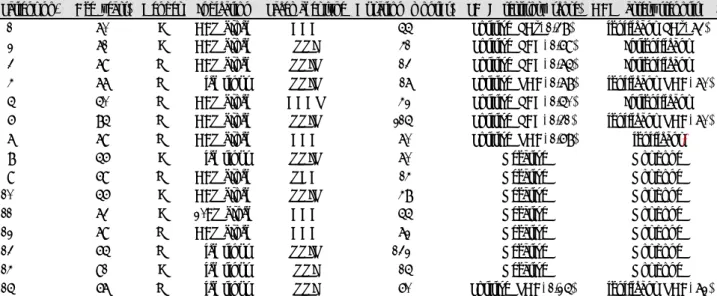
Table 2. Electrocardiographic data, the characteristics of the pacemaker and the results of PASE & coronary angiography for all the patients Patient no. Age (years) Gender Indication Pacemaker type Duration (months) PASE (territory, score) CAG (artery stenosis, %) 01 70 F CAV block DDD 55 Positive (LCx, 1.38) Significant (LCx, 73) 02 71 F CAV block VVI 41 Positive (LAD, 1.69) Insignificant 03 79 M CAV block VVIR 13 Positive (LAD, 1.75) Insignificant 04 77 M Sick sinus VVIR 17 Positive (RCA, 1.78) Significant (RCA, 70) 05 50 M CAV block DDDR 42 Positive (LAD, 1.50) Insignificant 06 85 M CAV block VVIR 215 Positive (LAD, 1.31) Significant (RCA, 70) 07 79 M CAV block DDD 70 Positive (RCA, 1.68) Significant*
08 56 F Sick sinus VVIR 70 Negative Not done
09 69 M CAV block VDD 14 Negative Not done
10 56 F CAV block VVIR 48 Negative Not done
11 73 F 2°AV block DDD 55 Negative Not done
12 79 M CAV block DDD 72 Negative Not done
13 65 M Sick sinus VVIR 132 Negative Not done
14 91 F Sick sinus VVI 15 Negative Not done
15 67 M Sick sinus VVI 60 Positive (RCA, 1.25) Significant (RCA, 72)
*Three vessels disease. PASE: pacemaker stress echocardiography, CAG: coronary angiography, CAV block: complete atrioventricular block, 2°AV block: second degree atrioventricular block, LCx: left circumflex artery, LAD: left anterior descending artery, RCA: right coronary artery
142
·Pacemaker Stress Echocardiography for Screening in Patients With Permanent PacemakerResults
Clinical characteristics
The study population consisted of 15 patients (9 men, mean age: 71.1±11.0 years). The clinical and laboratory data is summarized in Table 1. All patients had hyper- tension and two patients had diabetes mellitus. The pace- maker had been implanted for a mean period of 61±52 months. The electrocardiogram (ECG) data and pace- maker characteristics are presented in Table 2.
Pacemaker stress echocardiography and coronary angiography
The echocardiographic images were interpretable in all the patients. No significant side effects were observed.
The left ventricular systolic function was preserved in all the patients [mean left ventricular ejection fraction (LVEF): 63.5%±8.0%]. No tests were stopped due to chest pain or severe hypotension, and 8 of 15 patients
showed wall motion abnormalities during pacemaker pacing. Fig. 1 shows a positive example of PASE. All the 8 patients had coronary angiography performed, but only 5 (62.5%) patients showed significant coronary artery disease as documented by coronary angiography. The other 3 patients showed correct correlation between their coronary angiography and the PASE in the coronary territories. Fig. 2 shows an example of a positive coronary angiogram with significant right coronary artery stenosis, which correlated with the PASE results (Figs. 1 and 2).
One patient underwent a coronary artery bypass graft due to disease in 3 vessels and there was little indication for performing percutaneous coronary intervention in that patient.
Discussion
Dobutamine stress echocardiography and methoxyiso- butylisonitrile (MIBI) single photon emission compu- terized tomography (SPECT) can detect coronary artery disease.
7)Functional imaging with either radionuclide ventriculography and intravenous pacing, or two-dimen- sional (2D) echocardiography associated with transeso- phageal atrial pacing
8-10)can also help detect CAD, with lower feasibility, suboptimal patient tolerance
11,12)and long preparation time.
An increased heart rate increases the myocardial oxygen demand such that tachycardia may exceed the fixed coro- nary flow reserve in the presence of hemodynamically significant CAD. The change in the subendocardial-to- subepicardial flow ratio that’s associated with rapid pacing in the presence of a tight coronary stenosis
13)is important for the development of regional dysfunction since the percent regional systolic thickening is linearly and tightly
Fig. 2. Coronary angiography showed a significant stenosis in the mid-portion of the right coronary artery.
A
B
Fig. 1. Pacemaker stress echocardiography. A: baseline echocar- diography showed normal regional wall motion. B: pacemaker stress echocardiography showed no regional wall thickening in the basal posterior wall (arrow) on the PLX view and inferior wall (two headed arrow) on the 2 ch view at fixed pacing of 100 bpm compared with those at baseline. PLX: parasternal long-axis, PSX:
parasternal short-axis, 4 ch: four-chamber view, 2 ch: two-chamber view.
Hee Jeoung Yoon, et al.·
143
related to the subendocardial flow, and not to the trans- mural flow.
14)Perfusion scintigraphy may have low specificity or sensitivity in patients with a conventional, permanent PM, and perhaps this because of the impaired coronary flow reserve that’s due to alterations of left ventricular mechanical activation and the increased extramural com- pressive forces. Grines et al.
15)suggested that the reduced specificity of thallium scintigraphy in patients with per- manent cardiac pacemaker dependency results from a change in the myocardial perfusion following asyn- chronous contraction of the interventricular septum.
In patients with permanent right ventricular pacing, perfusion defects can often be found in the inferior and apical walls, which are probably the earliest activated sites under right ventricular apical pacing. However, myocardial perfusion abnormalities also occur in the septum and apex in the absence of coronary artery disease in patients with paced rhythm.
16)The regional coronary flow reserve can be impaired in the dominant coronary artery that perfuses these regions, whereas it is usually normal in the left anterior descen- ding coronary artery. This abnormality is at least par- tially responsible for the uncertain specificity of stress myocardial scintigraphy.
Picano et al.
5)evaluated the feasibility, safety and diag- nostic accuracy of pacemaker stress echocardiography in 46 consecutive patients with a permanent pacemaker and they had suspected or known coronary artery disease. The sensitivity for detecting significant coronary artery di- sease was 70%, the specificity was 90% and the accu- racy was 78%.
Forty-two of 46 patients (91%) achieved the target heart rate or a positive test endpoint. Four patients (9%) had a submaximal test. Pacemaker echocardiography is a simple, rapid and safe test for assessing those patients suffering with CAD, even when a permanent pacemaker is present. Pacemaker stress echocardiography seems to be less time-consuming and it is associated with fewer side effects than dobutamine stress testing; thus, it represents a reasonable choice for assessing myocardial ischemia.
Clinical implications and conclusion
We showed that the prognosis obtained with the PASE test matched with an invasive coronary angiogram per- formed in the patients with atypical angina and a perma- nent pacemaker. The major pathophysiologic limitation is that pacing stress only increases in heart rate, leading to a lower rate-pressure product than is produced during exercise stress testing. Despite the small number of patients, our single-center experience implies that noninvasive PASE is a simple, rapid, safe and diagnostically efficient
tool to test for coronary artery disease following chest discomfort in patients with a permanent pacemaker.
Larger studies are necessary to validate our findings.
REFERENCES
1) Chaitman BR. Exercise stress testing. In: Braunwald E, editor.
Heart Disease: A Textbook of Cardiovascular Medicine. 6th ed. Phi- ladelphia: Saunders;2001. p.129-55.
2) Lakkis NM, He ZX, Verani MS. Diagnosis of coronary artery di- sease by exercise thallium-201 tomography in patients with a right ventricular pacemaker. J Am Coll Cardiol 1997;29:1221-5.
3) Skalidis EI, Kochiadakis GE, Koukouraki SI, et al. Myocardial perfusion in patients with permanent ventricular pacing and normal coronary arteries. J Am Coll Cardiol 2001;37:124-9.
4) Benchimol D, Mozanof M, Dubroca B, et al. Detection of coronary stenoses by stress echocardiography using a previously implanted pacemaker for ventricular pacing: preliminary report of a new method. Clin Cardiol 2000;23:842-8.
5) Picano E, Alaimo A, Chubuchny V, et al. Noninvasive pacemaker stress echocardiography for diagnosis of coronary artery disease:
a multicenter study. J Am Coll Cardiol 2002;40:1305-10.
6) Armstrong WF, Pellikka PA, Ryan T, Crouse L, Zoghbi WA.
Stress echocardiography: recommendations for performance and interpretation of stress echocardiography. J Am Soc Echocardiogr 1998;11:97-104.
7) Choi SJ, Kim HS, Seo JD. Identification of ischemic myocardium with simultaneous dobutamine stress echocardiography and 99mTC- MIBI SPECT in patients with suspected coronary artery disease.
Korean Circ J 1993;23:960-71.
8) Tzivoni D, Weiss AT, Solomon J, et al. Diagnosis of coronary artery disease by multigated radionuclide angiography during right atrial pacing. Chest 1981;80:562-5.
9) Chapman PD, Doyle TP, Troup PJ, Gross CM, Wann LS. Stress echocardiography with transesophageal atrial pacing: preliminary report of a new method for detection of ischemic wall motion ab- normalities. Circulation 1984;70:445-50.
10) Atar S, Nagai T, Cercek B, Nagvi TZ, Luo H, Siegel RJ. Pacing stress echocardiography: an alternative to pharmacologic stress testing. J Am Coll Cardiol 2000;36:1935-41.
11) Marangelli V, Iliceto S, Piccinni G, De Martino G, Sorgente L, Rizzon P. Detection of coronary artery disease by digital stress echocardiography: comparison of exercise, transesophageal atrial pacing and dipyridamole echocardiography. J Am Coll Cardiol 1994;24:117-24.
12) Schroder K, Voller H, Dingerkus H, et al. Comparison of the diag- nostic potential of four echocardiographic stress tests shortly after acute myocardial infarction: submaximal exercise, transesophageal atrial pacing, dipyridamole, and dobutamine-atropine. Am J Car- diol 1996;77:909-14.
13) Gong G, Ugurbil K, Zhang J. Transmural metabolic heterogeneity at high cardiac work states. Am J Physiol 1999;277:H236-42.
14) Takeuchi M, Nohtomi Y, Kuroiwa A. Effect of ventricular pacing on coronary blood flow in patients with normal coronary arteries.
Pacing Clin Electrophysiol 1997;20:2463-9.
15) Grines CL, Bashore TM, Boudoulas H, Olson S, Shafer P, Wooley CF. Functional abnormalities in isolated left bundle branch block:
the effect of interventricular asynchrony. Circulation 1989;79:845-53.
16) Picano E. Stress Echocardiography. 4th ed. Heidelberg: Springer Verlag;2003.