책임저자: 박주언, 경기도 의왕시 왕곡동 280-1 437-020, 계요병원 정신과
Tel: 031-455-3333, E-mail: [email protected] 접수: 2007년 4월 5일, 게재승인: 2007년 7월 4일
행복: 과학적 개요
계요병원 정신과
박 주 언
Happiness: Scientific Outline
Joo-Eon ParkDepartment of Psychiatry, Keyo Hospital, Uiwang, Korea
Happiness is the most important goals of life in many persons. This article provides current concepts of happiness, and summarizes the determinant and promoting factors of it. The terms, including happiness and the interchangeable expressions of it, and the happiness-related words drawing on scientific studies performed until now, were used for mainly Pubmed, PsycINFO, or EBSCOhost search. Psychological findings were primarily discussed, with supplementing socio-economic theory, on the basis of searched references. Happiness is of several meanings according to socio-economic and psychologic approaches. Cross-cultural differences of happiness are also found in the areas both meanings and conditions. Finally, considering the past researches on happiness, sustainable happiness seems to be determined by 3 major factors, such as a setpoint, some environments, and intentional activities related to the happiness promotion. Studies and discussions for establishing the more scientific concepts should be continued. There have been, however, increasing evidence that various interventions, including behavioral, cognitive, and volitional activity, may help attempt to promote and maintain happiness. (Korean J Str Res 2007;15:187∼197)
Key Words: Happiness, Well-being, Welfare, Positive psychology, Setpoint, Intentional activity, Intervention, Cross-culture
서 론
21세기에 들어서면서 웰빙(well-being)이란 단어가 방송매 체에 자주 등장하게 되었고, 새롭게 조명된 행복론도 이미 친숙해졌다. 행복에 대한 서적들도 재작년부터 부쩍 많이 출간되어 베스트셀러로 대접받는 책들이 늘고 있다. 정신 과에서 흔한 질병이자 일반인들도 잘 알고 있는 우울증(또
는 depression)을 이용한 인터넷 검색에서 1억 2천 개 정도의 데이터가 검색되는 것에 비해, 행복(또는 happiness 또는 happy)의 경우 약 7억 개의 문서가 찾아진다. 이처럼 일반 인의 관심뿐만 아니라 인류가 시작된 이래 철학과 종교적 탐색을 가장 많이 받은 단어이지만, 행복에 대한 과학적 연구는 비교적 최근에 시작되었다. 일례로 2000년에서 2006년까지의 미국의학도서관 MeSH 검색에서 행복에 대 한 보고가 500개가 약간 넘지만, 이 기간에 우울증에 대한 연구 결과는 9만개가 넘어서는 것을 볼 수 있다.
그렇다면 우리나라의 행복수준은 어느 정도인가? 세계 178개국 중 102위. 신경제학재단(New Economic Foundation) 의 메타분석 결과(Marks et al., 2006)를 통해 발표된 행복행
Table 1. Psychological vs. socioeconomic aspects of happiness.
Psychological Socio-economic
Concepts Well-being (life satisfaction, Welfare, utility more positive affectivity,
less negative affectivity)
Focus on Person itself; subjective Person in environment;
states (of mind) only observed behavior Theories Setpoint; dynamic Revealed preference
equilibrium model
Hedonic adaptation Habit formation Social comparison Interdependent preference 성지표(Happy Planet Index)와 삶의 만족도(White, 2006)에서
41.1점과 5.8점을 얻어 차지한 각각의 순위이다. 세계 11위 경제대국이라는 위상에 걸맞지 않은 순위라고 할 수 있다.
더구나 같은 자료의 삶의 만족도와 평균 수명(우리나라의 경우 77세)을 이용하여 저자가 재분석한 행복연수(Happy Life Years)(Venhoven, 2004)는 38.7년으로 세계 평균 40.5년에 휠씬 못 미쳤고 순위는 더욱 낮아져 128위였다. 이 결과를 토대로 생각해보면 우리나라의 행복과 복지 수준은 상당 히 낮다고 할 수 있고, 행복 증진을 위해 새로운 결단이 필 요할 수 있다. 더구나, 행복의 추구는 대부분의 사람들에게 삶의 중요한 목적이라 할 수 있다. 또한, 물질적 풍요가 어 느 정도 이룬 사회에서 불고 있는 행복 열풍은 삶의 풍요 를 원하는 현대인의 요구로서 보여진다. 하지만, 행복에 대 한 명확한 이해가 없는 상황에서 벌어지는 사회적 담론은 다양한 주장에서만 그치게 될 수 있다. 이런 측면에서 저 자는 행복에 대한 의미와 조건들에 대한 문헌을 조사하여 고찰하려고 한다.
재료 및 방법
행복의 과학적 접근과 관련하여 현재까지 출판된 연구 논문을 찾기 위해 Pubmed/Medline 및 PsycINFO와 EBSCO- host에서 happiness, well-being, positive affect or emotion, life satisfaction, welfare, utility 등 행복이란 의미를 가진 단어로 일차적으로 MeSH 검색을 이용하였다. 이 검색에서 adap- tation, genetic, setpoint, personality trait, environment, inten- tional activity, treatment, management, cross-cultural 등 지금까 지 행복 연구에서 보고된 중요 단어를 조합하여 문헌을 찾 았다. 또한, 행복 연구의 선두주자들인 Diener, Ryff, Selig- man 등의 저자명도 검색에 보조적으로 이용하였다. 그리 고, 상기 검색에서 찾을 수 없는 저술들도 다른 데이터베 이스를 이용하여 포함시켰다. 여기서 검색된 것들 중에서 인용도가 높은 논문과 저술을 먼저 검토하였다. 그리고, 행 복의 의미와 조건을 다룰 때, 심리학적 이론을 위주로 사 회경제학적 관점을 보조적으로 사용하였다.
본 론
1. 행복이란?
일반적으로 만족감이나 즐거움으로 대변되는 행복의 경 우 심리학적 측면에서는 개인적 측면을 강조하여 웰빙이
란 단어와 거의 동등하게 사용되는 반면, 사회경제학적인 측면에서는 공적 구제나 공동체의 행복 추구라는 포괄적 의미를 가지는 복지(welfare)나 효용(utility)이란 단어로 대치 되기도 한다. 결국 사회경제학적 측면과 심리학적 측면에 서 행복을 보는 관점에 대해 알 필요가 있다. 또한, 행복의 문화적 차이를 비교하여 소개하고자 한다.
1) 사회경제학적 접근: "잘 살다(well fare)"라는 어원에서 출발한 복지의 경우 객관적인 삶의 조건이 행복의 가장 중 요한 선결조건으로 여겨져 왔다. 이런 측면에서 사회경제 학자들의 행복에 대한 관심은 단일 차원인 경제적 조건에 서 출발하여 소득, 수명, 건강, 교육, 환경, 문화, 안전 등의 다차원적인 삶의 조건들을 측정함으로써 객관적인 삶의 질을 측정하고자 하였다. 이러한 사회지표(social indicators) 에는 대표적으로 유엔의 인구사회통계체계(System of Social and Demographic Statistics)와 인간개발지수(Human Develop- ment Index)(UNDP, 2006)가 속한다. 하지만, 이러한 객관적 지표로 설명이 되지 않는 부분 때문에 주관적 척도인 삶의 만족도를 추가한 지표들이 최근 등장하게 되었다. Ven- hoven (2004)에 의해 주장된 복지 지표로 삶의 만족도와 평 균 수명을 이용한 행복연수라는 개념이 그 중 하나이다.
또한, 행복연수란 지표 개념을 확장하여 최근 발표된 행복 행성지수(Marks et al., 2006)도 주관적 척도를 포함한 지표 의 일종이다. 이것은 최소한의 생태학적 자원을 사용하여 개인의 행복과 장수를 최대화시킬 수 있는 것을 지향하는 복지 지표이다.
행복에 대한 사회경제학적 이론을 이후 소개할 심리학 적 접근과의 차이점에 대해 Table 1에 정리하였다. "더 좋 은 환경이 더 나은 행복을 만든다"라는 모토를 앞세운 사 회경제학자들은 환경의 지속적인 효과를 받아들였고, 환 경이라는 객관적인 삶의 질과 더불어 인간에서는 쉽게 측
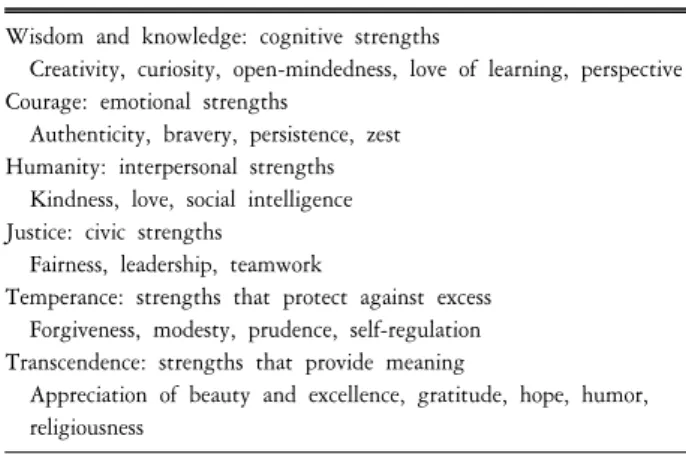
Table 2. Classification of 6 virtues and 24 character strengths (Peterson and Seligman, 2004).
Wisdom and knowledge: cognitive strengths
Creativity, curiosity, open-mindedness, love of learning, perspective Courage: emotional strengths
Authenticity, bravery, persistence, zest Humanity: interpersonal strengths Kindness, love, social intelligence Justice: civic strengths
Fairness, leadership, teamwork
Temperance: strengths that protect against excess Forgiveness, modesty, prudence, self-regulation Transcendence: strengths that provide meaning
Appreciation of beauty and excellence, gratitude, hope, humor, religiousness
정할 수 있는 관찰된 행동에 관심을 두었다. 반면, 심리학 적 접근의 경우 인간 자체에 관심을 두어 마음의 주관적 상태 변화에 초점을 맞추어 연구되어 왔다. 이런 측면에서 외적 환경이나 객관적 경험이 행복에 미치는 영향에 대한 입장에 차이가 있다. 유전 등에 의해 이미 결정된 행복 수 준(또는 행복 설정점; setpoint)이 존재하고 개인의 생활에 미친 환경의 영향은 곧 사라질 것이라는 심리학적 적응 개 념과 달리 사회경제학적 이론은 실증주의에서 출발한 현 시선호(revealed preference)를 중시한다. 또한 쾌락의 적응 (hedonic adaptation)이나 사회적 비교(social comparison)로 설 명되는 심리학적 상황을 습관 형성(habit formation)과 상호 의존 선호(interdependent preference)란 경제학적 용어로 이해 되기도 한다.
2) 심리학적 접근: 행복이란 일반적으로 만족감이나 즐 거움으로 대변되지만, 정의 자체가 불명확하여 과학적 접 근을 하기 쉽지 않다. 이런 측면에서 행복을 쾌락 추구 (hedonic; feel-good)와 가치 추구(eudaimonic; value-based)로 나 누는 접근법이 유용할 수 있다(Reiss, 2001; Ryan and Deci, 2001). 쾌락 추구형 행복이란 감각에 기초하여 즐거움을 얻 고 고통과 부정적 감정을 피해 행복감과 만족감을 최대한 얻으려는 방식인 반면, 가치 추구형 행복이란 자기실현과 의미 찾기를 통해 심리내적 발전과 개인의 성장을 목표로 하고 있다. 또한, 즐거움의 삶(pleasant life), 몰두의 삶(en- gaged life), 의미의 삶(meaningful life)으로 나눈 Seligman 등 (2002)의 행복한 삶에 대한 분류는 앞선 주장들을 확장한 개념으로 Csikszentmihalyi(1990)이 주장한 충만(flow) 경험과 일치한다. 개인과 사회가 살아남기 위해 필요한 긍정심리 학(positive psychology)의 3가지 기둥도 같은 맥락에서 볼 수 있다. 즐거움의 삶이란 긍정적 감정(positive emotions)과 관 련이 있어, 과거에 만족하고 현재에 즐거움을 느끼고 미래 에 대해 긍정적인 희망을 가지고 있는 상태를 말한다. 이 것은 앞서 설명한 쾌락 추구형 행복과 유사한 개념이다.
반면, 바람직한 삶(good life)이라고도 할 수 있는 몰두의 삶 의 경우 감각적 쾌락을 추구하지 않고 생기는 만족감이다.
이런 만족감의 경우 다양한 긍정적 개인 특성(positive individual traits)을 최대한 사용할 수 있는 상태에서 느낄 수 있다. 마지막으로 긍정적 제도(positive institutions)는 더 나 은 공동체를 구성하려는 강점과 관련이 있고 앞서 설명한 의미의 삶을 이끈다고 할 수 있다. 이런 개념을 확장하여 Peterson과 Seligman(2004)은 행복과 연관이 높고 범문화적 으로 공통된 6가지 미덕과 그 하위에 24가지 강점으로 분
류하였다(Table 2). 이것에 속하는 미덕에는 인지적 측면의 지혜와 지식(wisdom and knowledge), 정서적 측면의 용기 (courage), 대인관계에서 인간애(humanity), 시민의식으로써 의 정의(justice), 과도함에 반대하는 중용(temperance), 그리 고 삶의 의미를 찾을 수 있는 초월(transcendence)이 있다.
대부분의 심리학 문헌에서 사용하는 행복의 의미는 긍정 적 정서는 흔히 나타나지만 부정적 정서는 드물고 삶의 만 족도가 높은 웰빙 상태를 말한다. 이러한 특징들은 Diener 등(1984; 1999a; 2000)에 의해 주장된 주관적 웰빙(subjective well-being)의 주요한 요소이다. 이런 주관적 웰빙의 구성 개 념에 대한 요인분석 결과 개인적 평가를 수반하는 인지적 차원과 정서적 차원으로 나눌 수 있음이 입증되었다 (Bradbum, 1969; Andrew and Withey, 1976; Campbell et al., 1976). 인지적 차원의 경우 전반적인 삶의 만족이라는 하나 의 차원을 나타내는 삶의 만족감 척도(Satisfaction With Life Scale)를 이용할 수 있다(Diener et al., 1985). 정서적 차원의 경우 긍정적 정서와 부정적 정서가 중등도의 부적 연관성 을 보이지만, 많은 연구(Diener and Emmons, 1984; Kammann et al., 1984; Diener et al., 1995; Cacioppo and Berntson, 1999)에 서 그 관련성이 독립적인 것으로 밝혀졌기 때문에 행복을 이해하는 데 긍정적 정서뿐만 아니라 부정적 정서도 포함 시키는 것이 필요하다. 더구나, 이런 정서의 독립적 측면은 긍정적 경험을 많이 할수록 부정적 정서를 적게 경험할 것 이라는 일반적인 기대와 배치되는 결과이다. 이런 맥락에 서 긍정적 정서와 부정적 정서의 경험 빈도 차이를 이용한 Bradbum(1969)의 정서 균형 척도(Affective Balance Scale)나 Watson 등(1988)의 긍정적-부정적 정서 척도(PANAS Scale) 를 사용할 수 있다. 또한, 최근 Seligman 등(2005)에 의해 개
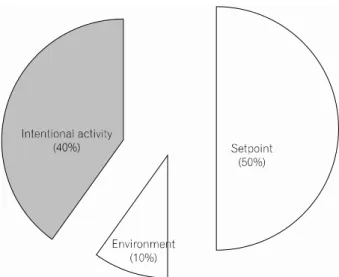
Fig. 1. Determinant factors of happiness (Lyubomirsky et al., 2005).
발된 스틴 행복 지수(Steen Happiness Index)의 경우 행복감 의 변화에 민감하도록 만들어져 치료나 개입의 효과를 쉽 게 측정할 수 있을 것으로 기대된다.
주관적이고 전반적인 평가를 하는 주관적 웰빙과 달리 심리적 웰빙(psychological well-being)은 웰빙에 영향을 주는 심리적 측면과 성격적 특성 등의 기능적 측면을 강조한 다 차원 모델이다(Ryff and Keyes, 1995; Ryff and Singer, 1996;
Ryff and Heidrich, 1997; Schmutte and Ryff, 1997; Ryff et al., 2006). 이러한 심리적 웰빙에는 자기수용(self-acceptance), 긍 정적 대인관계(positive relations), 자율성(autonomy), 환경에 대한 지배력(environmental mastery), 삶의 목적(purpose in life), 개인의 성장(personal growth)이 포함된다. 이 중 자기수 용과 환경에 대한 지배력이 다른 요소에 비해 주관적 웰빙 과 강한 연관성이 보고되었다(Ryff, 1989; Ryff and Keyes, 1995). 같은 연구에서 지배력과 자율성은 나이에 따라 증가 하지만, 삶의 목적과 개인의 성장은 나이가 들수록 감소하 는 경향을 보였다.
3) 횡문화적 비교: 일반적으로 어떤 개념의 의미가 문화 의 영향을 받는다는 것은 잘 알려져 있다(Bruner, 1990). 또 한, 사전을 이용하여 비교하는 것이 언어와 문화의 차이를 발견하는 시발점이라고 할 수 있다. 표준국어대사전(국립 국어연구원, 2000)의 경우 "1. 복된 좋은 운수, 2. 생활에서 충분한 만족과 기쁨을 느끼는 흐뭇한 상태"를 행복으로 정 의하고 있다. 반면, 좋은 기회나 행운이란 뜻을 지닌 고대 스칸디나비아어의 happ에서 유래된 happiness의 경우 "1.
(obsolete) good fortune: PROSPERITY 2. a: state of well-being and contentment: JOY; b: pleasurable or satisfying experience 3.
FELICITY, APTNESS"라는 뜻으로 설명된다(Merriam-Webs- ter, 2003). 대체적으로 비슷하게 보이지만, 영어권에서 거 의 사용되지 않는 행운이나 복이라는 의미가 우리나라에 서는 아직도 중요하게 사용된다는 점에서 차이가 있다. 행 복 또는 복을 추구하는 경향을 조사한 이지선 등(2004)의 연구가 비슷한 맥락에서 이해된다. 이 연구에서 전체 응답 자의 16.6%가 행복이 아니라 복을 추구하는 것으로 나타 났다. 또한, 복을 추구하는 사람들은 행복 추구자에 비해 행복의 요인이 외부에 있다고 믿는 경향을 보였다. 이것은 대체로 외적인 조건으로 보이는 장수, 부유, 귀함, 편안, 많 은 자손을 복 받은 사람의 특징으로 보는 전통적인 오복 사상과 비슷하고, 환경의 영향을 중시하는 사회경제학적 접근과 유사한 맥락으로 보인다.
또한, 개인주의(individualism) 성향이 강한 사람과 공동체
주의(collectivism)가 강한 사람간에 행복 의미와 조건들이 다르다는 보고들도 있다. 일례로 이상적인 상태를 개인주 의 성향이 강한 서양에서는 강한 만족감을 가진 상태로 규 정하는데 비해, 공동체주의가 강한 동양에서는 크게 만족 하지도 불만족하지도 않는 상태로 보는 경향이 있다(Diener et al., 1999b). 또한, 개인주의 문화에서는 삶의 만족도가 단 지 정서와 연관을 보였지만, 공동체주의 문화에서는 사회 적 기준도 강한 연관성을 보였다(Suh et al., 1998). 더구나 즐거움과 같은 정서의 수준이 개인주의 문화에서는 거의 일정한 반면, 공동체주의 문화에서는 정서의 수준이 다양 하다는 보고도 있다(Eid and Diener, 2001). 행복의 조건에 대한 연구도 차이를 보였다. 대학생들을 대상으로 시행한 행복에 대한 비교 문화 연구(Lee et al., 1999)에서 한국 학생 들은 행복의 결정 요인에서 캐나다 학생에 비해 중요한 사 람과의 관계, 종교, 삶의 목표, 타인의 인식을 흔히 선택하 였다. 또한, 우리나라를 포함한 4가지 문화권에 속한 사람 들을 대상으로 한 연구(Kang et al., 2003)에서도 비슷한 결 과를 보였다. 개인주의 문화에서는 감정표현(emotion ex- pressiveness)이 중요하지만, 공동체주의 문화에서는 감정식 별(emotion differentiation)이 좋은 대인관계를 유지하는 데 도움이 되고 이런 관계 유지를 통해 자존감과 삶의 만족도 를 얻는다고 제안하였다. 이런 결과들을 고려할 때, 서구에 서 조사된 행복의 의미나 조건이 우리나라에서 조금 수정 되어야 하고, 이를 위해 상당한 연구가 필요할 것으로 보 인다.
Fig. 2. The Change Trends of Human Development Index (HDI), Income Per Capita, Subjective Happiness, and Suicidal Rates from the 1980s to the 2000s in Korea. Means of subjective happiness (■) obtained from World Database of Happiness (Veenhoven, 2006), suicides per 100,000 persons (△) from Korea National Statistical Office (KNSO, 2006), HDI sources (○) from Human Development Report (UNDP, 2006), and income per capita (●) from data of International Money Fund (IMF, 2006).
2. 행복의 결정 요인은?
행복 수준을 향상시키기 위해서는 행복에 영향을 미치 는 요인들에 대해 아는 것이 필요하다. 이것에 대한 대답 은 간단하지 않지만, 지금까지 연구들을 고려하면 환경, 행 복 설정점, 의도적 활동(intentional activity)이란 세 가지 요 인으로 요약할 수 있다(Fig. 1)(Lyubomirsky et al., 2005).
1) 환경 또는 경험: 가장 먼저 생각해 볼 수 있는 것은 사회경제학자들이 강조하는 환경이나 경험의 영향을 고려 할 수 있다(Diener et al., 1999a). 이것에 속한 요소에는 인구 학적 변인뿐만 아니라 국가나 문화 등 개인이 거주하는 지 역의 특성이 포함된다. 또한, 개인이 살아온 과거와 현재의 삶의 상태도 고려되어야 한다. 이런 부분에 대한 연구들은 많이 진행되어 대부분의 환경 요인들의 영향이 밝혀졌다.
예를 들면, 결혼한 사람은 결혼하지 않거나 이혼한 사람에 비해 행복하다던가(Mastekaasa, 1994), 종교에 헌신한 사람 (Ellison, 1991)이나 건강한 사람(Okun et al., 1984)이 그렇지 않은 사람들에 비해 더 행복하다고 보고되었다. 경제학자 인 Layard(2005)는 이런 외적 요인 중 가족 관계, 재정적 상 황, 일, 공동체와 친구, 건강, 개인의 자유, 개인의 가치를 행복에 영향을 주는 7가지 중요인자라고 주장하였다. 이 중 세계가치조사(World Values Survey)(2006)에서 4차례 시행 한 자가설문을 통해 일과 건강이 가장 중요한 인자라고 밝 혀졌다. 하지만, 환경의 영향에 대한 대부분의 연구 결과가 종적 연구가 아니라 단면 연구로부터 나와 결과를 일반화 할 때 잘못된 결론을 내리기 쉽다.
특히, 경제적 측면의 경우 소득이 높은 사람이 더 행복하
다는 단면 연구(Warr and Payne, 1982; Diener et al., 1993)에 도 불구하고, 소득이 행복의 정도를 예측할 수 있다는 예 상은 조심스럽게 해석되어야 한다(Myers, 2004; Layard, 2005). 왜냐하면, 미국의 경우 1945년 이후 2000년까지 1인 당 국민소득은 3배에 이르렀지만, 매우 행복하다는 비율은 30%에서 거의 변하지 않다는 보고가 지속되고 있다. 나라 별 비교에서는 일정 수준(2005년 기준 2만불) 이하에서는 소득과 국가의 행복지수 간에 상관성이 나타났지만 일정 수준을 넘어선 국가에서는 이런 연관성이 사라졌다는 보 고가 있다. 이런 점에서 사회경제학자들은 소득(또는 국민 총생산)이라는 일차원적인 접근에서 벗어나 다른 객관적 인 지표들을 포함시키려는 노력을 하고 있다. 현재 2만 불 에 못 미치는 우리나라 상황을 분석하기 위해 저자는 일인 당 국민소득(IMF, 2006), 인간개발지수(UNDP, 2006), 자살 률(KNSO, 2006), 그리고 주관적 행복감(Veenhoven, 2006)에 대한 1980년부터 2005년까지의 데이터를 수집하여 각각의 지표들이 변하는 경향을 그림으로 나타내었다(Fig. 2). 그림 에도 알 수 있듯이, 소득뿐만 아니라 인간개발지수도 지속 적인 증가를 보였지만, 복지지표 중 하나인 자살률의 경우 감소하지 않고 오히려 증가하였고 주관적 행복감의 경우 21세기 이후 변화가 없거나 감소하는 경향이 보였다. 앞서 설명했듯이, 이런 측면에서 최근에는 복지지표에도 주관 적 행복감과 같은 주관적 척도 등을 포함시키려는 시도가 있다.
Locke 철학에서 출발한 행복의 상향 이론은 생활 경험의 중요성을 강조하고, 행복한 경험을 많이 할수록 더욱 행복 할 것이라는 가설을 제안하였다(Feist et al., 1995; Diener et
al., 1999a). 하지만, 생활 환경과 극한 경험이 행복의 지속 성에 크게 영향을 주지 않는 것으로 보인다. 예를 들면, 복 권 당첨자나 척추 부상자와 같이 운과 연관되거나 극적인 경험을 한 사람들에게서 1년이 지난 후 행복감의 상태는 이전의 상태로 되돌아갔다는 보고가 있다(Brickman et al., 1978). 이렇게 생활 사건 이후 행복지수가 원상태로 돌아가 는 현상을 설명하기 위해 쾌락의 쳇바퀴(hedonic treadmill) 란 적응 이론이 Brickman과 Campbell(1971)에 의해 처음 제 안되었다. 즉, 주어진 보상의 증가가 일시적인 행복감을 증 진시킬 수 있지만, 환경 변화에 대한 빠른 적응을 통해 증 가된 행복감이 지속되지 않고 타고난 기질에 따라 이미 설 정된 행복 수준으로 회귀한다는 것이다. 앞서 설명한 극적 인 감정을 유발하는 경험과 달리, 일상적인 경험은 개인의 행복에 지속적인 영향을 미칠 수 있다는 Diener 등(1991)의 주장도 음미할 필요가 있다. 이런 주장들은 Ryff와 Heid- rich(1997)의 연구에서도 같은 결과를 보였다. 그 연구에 따 르면, 비정상적인 불안을 야기하는 경험들은 젊은이의 개 인적 성장을 제외하고는 관련이 없었지만, 과거의 일상적 인 경험들은 현재와 미래의 행복을 예측할 수 있었다. 이 런 보고들이 쾌락의 적응이란 관점과 배치되는 것처럼 보 이지만, 개인의 성격 등에 의해 원래 상태와 다른 행복 수 준으로 갈 수 있다는 동적 균형 모델(dynamic equilibrium model)(Headey and Wearing, 1989)로 설명 가능하다. 또한, 쾌 락 추구형 웰빙과 달리 개인의 성장에 따라 환경에 다르게 반응하는 가치 추구형 웰빙 개념으로 일부 설명될 수 있 다.
생활 사건이 행복에 미치는 영향이 길지 않다는 많은 보 고들(Brickman et al., 1978; Suh et al., 1996)과 더불어 환경이 나 생활 경험이 행복에 미치는 영향이 예상 외로 약하여 약 10% (8∼15%)에 그친다는 메타분석(Lyubomirsky et al., 2005)은 행복의 상향 접근뿐만 아니라 하향 접근의 중요성 을 역설적으로 대변한다(Argyle, 1999; Diener et al., 1999a).
또한, 장기적인 행복에 영향을 미치는 것은 환경의 변화가 아니라 행복 증진을 위한 의도적 활동 때문이라는 최근 보 고도 있다(Sheldon and Lyubomirsky, 2006).
2) 행복 설정점: 행복한 인간이 행복한 환경을 만드느냐, 아니면 행복한 조건이 행복한 사람을 만드느냐는 질문에 대답하는 것이 필요하다. 이것에 대한 Rowe(2001)의 대답은 일반적인 상식과 달리 대단한 행운이나 엄청난 불운이 행 복이나 우울을 보증하지 않는다는 것이다. 그에 따르면, 정 서에 이미 결정된 설정점이 있어 사람들은 자신의 유전 영
향에 따라 심리적인 스트레스에 다르게 반응한다고 주장 하였다. 즉, 취약한 사람이냐 회복력이 좋은 사람이냐에 따 라 같은 환경이라도 다른 경험으로 받아들일 수 있다는 것 이다. 이렇게 환경이나 사건을 긍정적 또는 부정적인 방식 으로 경험하게 만드는 안정적인 경향성을 강조한 하향 이 론은 Kant 철학에 기반한다(Costa and McCrae, 1980; Feist et al., 1995). 또한, 일반적으로 개인의 행복 총합의 평균에 해 당하는 행복 설정점이라는 개념이 Headey와 Wearing (1992) 에 의해 제안되었다. 결국, 행복감의 정도는 비정상적인 사 건에 의해 일시적으로 변할 수 있지만 결국 원래의 상태로 되돌아 회귀하고 장기적으로 거의 변화되지 않고 고정되 어 있다는 행복 수준의 안정성이 제기되었다. 이런 장기적 인 안정성에 대한 가설은 쌍둥이 연구(Tellegen et al., 1988;
Lykken and Tellegen, 1996)나 장기 추적 연구(Brickman et al., 1978; Headey and Wearing, 1989; Suh et al., 1996) 등에 의해 지지되고 있다.
같은 환경이나 경험을 하더라도 개인마다 행복 수준이 다를 수 있다는 행복 설정점은 변치 않는 기질이나 성격적 특성과 연관되어 있는 것으로 여겨진다. 이런 기질은 특징 적인 신경생물학적 특징을 보이며(Ashby et al., 1999; David- son, 1999; Depue and Collins, 1999; Robinson et al., 2001;
Kagan, 2003) 유전적 영향이 크고(Tellegen et al., 1988; Loeh- lin and Martin, 2001) 나이가 들어도 거의 변화가 없다 (McCrae and Costa, 1990)고 알려져 있다. 이런 측면에서 행 복에 영향을 미치는 내적 특성에 대한 관심은 기질이나 성 격적 특성에 대한 연구를 중심으로 주로 이루어졌다. 성격 적 특성 중 외향성은 행복이나 긍정적 정서와 관련이 높았 고 신경증의 경우 부정적 정서와 관련이 많다는 결과가 일 관성 있게 보고되었다(Diener, 1984; Costa and McCrae, 1988;
Argyle and Lu, 1990; Diener et al., 1992; Mangus et al., 1993;
Brebner et al., 1995; Myers and Diener, 1995; Watson and Walker, 1996; Schimmack et al., 2004). 이외 낙관성(opti- mism)(Diener, 1984; Dember and Brooks, 1989; Larson, 1989;
Seligman, 1991; Scheier and Carver, 1992; Myers and Diener, 1995), 자존감(self-esteem)(Campbell, 1981; Fordyce, 1988; And- rews, 1991; Diener and Diener, 1995; Schimmack et al., 2004;
Chen et al., 2006), 그리고 통제감(sense of control)(Campbell, 1981; Larson, 1989; Ryff, 1989; Grob et al., 1999)이 행복한 사 람들의 특징으로 보고되었다.
3) 개입: 앞서 언급한 행복의 높은 유전적 경향성은 우 리를 아무 노력도 할 수 없는 존재로 만들 수 있다. 하지만,
유전적 영향을 많이 받는 비만의 경우도 환경과 상호작용 하는 개인의 노력이나 역할이 중요하다는 것은 잘 알려진 사실이다. 예를 들면, 유럽인에 비해 미국인들이 왜 더 비 만한가에 대한 대답을 행복에서도 찾아야 한다. 즉, 다른 분야와 마찬가지로 유전적인 측면과 환경적인 측면의 상 호작용에 눈을 돌려야 한다. 이런 측면에서 상호작용에 영 향을 미치는 개인이나 집단의 활동이 중요하다는 것은 새 삼 새로운 이야기가 아니다.
앞서 설명한 미덕과 강점을 이용한 노력들인 의도적 활 동이 행복을 증진시킬 수 있다는 증거들이 있다. 의도적 활동에 포함되는 것들은 Lyubomirsky 등(2005)에 의해 설명 된 것처럼 개인의 일상에서 그들이 행하고 생각하는 다양 한 활동을 포괄하는 개념이다. 이러한 의도적 활동들의 첫 번째는 행위 활동(behavioral activity)으로 규칙적인 운동뿐만 아니라 웃음 짓기(Keltner and Bonanno, 1997)나 다른 사람에 게 친절하게 대하는 노력(Magen and Aharoni, 1991) 등이 속 한다. 특히, 새로운 육체적 활동에 몰두함으로써 기분 및 심리적 웰빙과 활력을 높아지고 높아진 상태를 적어도 6개 월 이상 지속시킨다는 보고가 있다(Ransford and Palisi, 1996;
Stewart et al., 1997). 두 번째로, 인지적 개입이 행복 증진에 이용될 수 있다는 Fordyce(1983)의 제안 이후로 상황을 긍정 적 관점에서 재구성(Emmons and McCullough, 2003)하는 등 인지 활동(cognitive activity)이란 개입의 효과가 보고되기 시 작하였다. 성격적 특성이 행복이나 기분의 설정점에 영향 을 준다는 앞서 설명한 개념들을 고려할 때, 성격적 특성 을 변화시킬 수 있는 다양한 인지행동적 개입들이 도움이 될 수 있다(Burns, 1980; Beck and Freeman, 1990; Beck, 1996).
특히, 인지행동적 개입에서 흔히 사용되는 문제 해결 격려 는 개인의 자율성과 통제 능력을 증가시켜 결국 희망과 웰 빙을 촉진시키게 된다. 현재까지 이러한 효과에 대한 장기 추적 보고는 아직 없지만, 부정적 정서를 대표하는 우울증 에 대한 인지행동치료의 장기적인 효과에 대한 보고들 (Jacobson et al., 1996; Gloaguen et al., 1998)은 인지행동적 개 입이 장기적인 행복 증진을 가능케 할 수 있다는 것을 시 사한다. 일례로, 자기지향성(self-directedness), 협동성(coopera- tiveness), 자기초월성(self-transcendence)에서 상위 1/3과 하위 1/3을 나타낸 사람들에서 행복감을 비교한 보고가 있다 (Cloninger, 2004). 3가지 성격 요소가 모두 중간 정도인 사 람들의 약 10% 정도가 행복감을 보고한 이 연구에서 3가 지 요소가 모두 낮은 경우 약 5%만 행복감을 느낀 것에 비 해 모든 요소가 상위 1/3에 속한 경우 약 30% 정도에서 행
복감을 보고하였다. 이 결과들을 고려할 때, 자기 인식의 정도에 따라 행복감이 결정된다고 할 수 있다. 더구나, 이 러한 자기 인식의 변화가 훈련이나 개입을 통해 바뀔 수 있다는 많은 우울증에 대한 임상 연구들은 인지행동적 개 입의 유용성을 간접적으로 알려준다. 또한, 우울증의 잔여 증상이나 재발 및 범불안장애를 치료하기 위해 고안된 Fava 등(1998a; 1998b; 2005)의 웰빙 치료는 긍정적 정서의 인식을 강화한 인지행동적 개입이 사용되어졌다. 더구나, 용서(McCullough et al., 2000), 자기반성(King, 2001), 감사 (Emmons and McCullough, 2003) 등의 인지적 개입들이 일반 인에게도 효과적이라는 것이 보고되었다. 이런 측면에서 1 주일 동안 감사편지 보내기, 좋은 일 3가지씩 적기, 최고의 순간 적기, 상위 5개 강점 새롭게 이용하기, 상위 5개 강점 자주 이용하기를 어릴 때 기억을 적도록 하는 대조군과 비 교한 Seligman 등(2005)의 최근 보고는 고무적인 결과를 보 였다. 다른 것들은 그 효과가 일시적이었지만, 상위 5개 강 점 새롭게 이용하기와 좋은 일 3가지 적기의 경우 행복감 이 증가하고 우울감이 감소한 상태가 6개월 동안, 감사편 지 쓰기는 1달간 지속되었다. 또 하나의 행복 증진 활동에 는 중요한 목표를 위한 노력(Sheldon and Houser-Marko, 2001)이나 의미 있는 것에 대한 헌신(Snyder and Omoto, 2001)과 같은 의지 활동도 포함된다. 일단의 연구(Brunstein, 1993; Sheldon, 2002; Sheldon et al., 2002)에서 학생들에게 자 신이 목표한 목적을 추구하도록 요구한 후 높은 목표 달성 을 이룬 집단은 학기 시작부터 끝까지 지속적으로 높은 웰 빙의 상태를 보여주었지만, 그렇지 않은 경우 낮은 웰빙 상태를 보였다. 또한, 개인의 목적이 자신에게 맞는 목표인 경우 웰빙이 증가한다는 것이 지속적으로 보고되었다(Shel- don and Kasser, 1995; Sheldon and Elliot, 1998; Sheldon and Kasser, 1998; Sheldon and Elliot, 1999).
한편, 최근 약물(특히, 항우울제)에 의한 행복감 증진에 대한 보고도 나오고 있다. 초기 일반인 대상 보고(Gelfin et al., 1998; Knutson et al., 1998)에서는 건강한 사람에게서 긍 정적 정서의 향상이 없다고 보고되었지만, 최근 발표된 Harmer 등(2003; 2004)의 연구에서는 다른 결과가 나왔다.
즉, 정신적인 질병이 없는 사람에게 세로토닌과 노어에피 네프린 약물이 부정적 회상보다 긍정적 회상을 증가시키 고 긍정적인 감정 정보의 처리를 촉진시킨다고 제안되었 다. 이런 최근 보고들을 고려할 때, 항우울제가 사회 정보 (social information) 처리에 관여한다고 여겨져 현재보다 부 작용을 더 줄일 수 있고 장기적인 효과가 입증된다면 일반
인에게도 행복 증진을 위해 사용될 가능성이 있다.
결 론
행복은 다양한 의미를 가져 일반적인 의미의 만족감에 서부터 심리학적 관점에서의 웰빙이나 사회경제학적 이론 에서의 복지 등으로 설명된다. 특히, 긍정적 정서를 바탕으 로 한 즐거움, 긍정적 활동에 대한 몰두, 삶의 의미를 갖춘 삶, 즉 충만한 삶이 행복한 삶이란 주장이 대두되고 있다.
또한, 웰빙은 긍정적 정서 및 부정적 정서와 삶의 만족도 로 특징지어진다. 최근까지의 행복에 대한 연구에서 횡문 화적 차이도 발견되어 행복의 한국적 의미와 조건들을 찾 기 위해 더 많은 연구들이 필요하다. 현재까지의 행복의 조건에 대한 연구 결과를 고려할 때, 환경이나 객관적인 경험보다는 유전적으로 이미 결정된 행복 수준이 행복에 미치는 영향이 더 큰 것으로 보인다. 또한, 미덕과 강점을 이용한 의도적 활동과 일부 항우울제들이 행복 증진에 도 움이 되는 것으로 보인다. 특히, 행위 활동, 인지 활동, 의 지 활동 등을 이용한 개입들이 행복을 지속시킨다는 고무 적인 증거들이 늘고 있다.
참 고 문 헌
국립국어연구원 (2000) 표준국어대사전, 서울: 두산 동아.
Available at: http://www.korean.go.kr.
Andrew FM, Withey SB (1976) Social indicators of well-being America's perception of life quality. Plenum, New York.
Andrews FM (1991) Stability and change in levels and structure of subjective wellbeing: USA 1972 and 1988. Soc Indic Res 25:
1-30.
Argyle M (1999) Causes and correlates of happiness. In: Kahneman D, Diener E & Schwarz N (eds). Well-being: The Foundations of Hedonic Psychology. PP353-373. Russell Sage Foundation.
New York.
Argyle M, Lu L (1990) The happiness of extraverts. Pers Individ Dif 11:1011-1017.
Ashby FG, Isen AM, Turken AU (1999) A neuropsychological theory of positive affect and its influence on cognition. Psychol Rev 106:
529-550.
Beck AT (1996) Beyond belief: a theory of modes, personality, and psychopathology. In: Salkovskis PM (eds). Frontiers of Cognitive Therapy. PP1-25. Guilford, New York.
Beck AT, Freeman A (1990) Cognitive therapy of personality dis- orders. Guilford, New York.
Bradbum NM (1969) The structure of psychological well-being.
Aldine, Chicago.
Brebner J, Donaldson J, Kirby N, Ward L (1995) Relationships between happiness and personality. Pers Individ Dif 19:251-258.
Brickman P, Campbell DT (1971) Hedonic relativism and planning the good society. In: Appley MH (eds). Adaptation-level Theory.
PP287-305. Academic Press, New York.
Brickman P, Coates D, Janoff-Bulman R (1978) Lottery winners and accident victims: is happiness relative? J Pers Soc Psychol 36:
917-927.
Bruner J (1990) Acts of meaning. Harvard University Press, Cambridge M. A.
Brunstein J (1993) Personal goals and subjective well-being: A longitudinal study. J Per Soc Psychol 65:1061-1070.
Burns DD (1980) Feeling good: the new mood therapy. Morrow, New York.
Cacioppo JT, Berntson GG (1999) The affect system: architecture and operating characteristics. Curr Dir Psychol Sci 8:133-137.
Campbell A (1981) The sense of well-being in america: recent patterns and trends. McGraw-Hill, New York.
Campbell A, Converse PE, Rodgers WL (1976) The quality of American life. Russell Sage Foundation, New York.
Chen SX, Cheung FM, Bond MH, Leung J (2006) Going beyond self-esteem to predict life satisfaction: the Chinese case. Asian J Soc Psychol 9:24-35.
Cloninger CR (2004) Feeling good: the science of well-being. Oxford University Press, New York.
Costa PT Jr, McCrae RR (1980) Influence of extraversion and neuroticism on subjective well-being: happy and unhappy people.
J Pers Soc Psychol 38:668-678.
Costa PT Jr, McCrae RR (1988) Personality in adulthood: a six-year longitudinal study of self-reports and spouse ratings on the NEO Personality Inventory. J Pers Soc Psychol 54:853-863.
Csikszentmihalyi M (1990) Flow: the psychology of optimal ex- perience. Harper and Row, New York.
Danner DD, Snowdon DA, Friesen WV (2001) Positive emotions in early life and longevity: findings from the nun study. J Per Soc Psychol 80:804-813.
Davidson R (2001) Visions of compassion: western scientist and tibetan buddhists examine human nature. Oxford University Press, Oxford, UK.
Davidson RJ (1999) Neuropsychological perspectives on affective styles and their cognitive consequences. In: Dalgleish T & Power MJ (eds). Handbook of Cognition and Emotion. PP103-123.
Wiley, Chichester, England.
Dember WN, Brooks J (1989) A new instrument for measuring optimism and pessimism: Test-retest reliability and relations with happiness and religious commitment. Bull Psychon Soc 27:365-
366.
Depue RA, Collins PF (1999) Neurobiology of the structure of per- sonality: Dopamine, facilitation of incentive motivation, and extraversion. Behav Brain Sci 22:491-569.
Diener E (1984) Subjective well-being. Psychol Bull 95:542-575.
Diener E (2000) Subjective well-being. The science of happiness and a proposal for a national index. Am Psychol 55:34-43.
Diener E, Diener M (1995) Cross-cultural correlates of life satisfaction and self-esteem. J Pers Soc Psychol 68:653-663.
Diener E, Emmons RA (1984) The independence of positive and negative affect. J Pers Soc Psychol 47:1105-1117.
Diener E, Emmons RA, Larsen RJ, Griffin S (1985) The satisfaction with life scale. J Pers Assess 49:71-75.
Diener E, Sandvik E, Pavot W, Fujita F (1992) Extraversion and subjective well-being in a U.S. national probability sample. J Res Pers 26:205-215.
Diener E, Sandvik E, Seidlitz L, Diener M (1993) The relationship between income and subjective well-being: Relative or absolute?
Soc Indic Res 28:195-223.
Diener E, Smith H, Fujita F (1995) The personality structure of affect. J Per Soc Psychol 69:130-141.
Diener E, Suh EM, Lucas RE, Smith HL (1999a) Subjective well- being: Three decades of progress. Psychol Bull 125:276-302.
Diener E, Suh EM, Smith H, Shao L (1999b) National differences in subjective well-being. In: Kahneman D, Diener E & Schwarz N (eds). Well-being: The Foundations of Hedonic Psychology. PP 434-450. Russell Sage, New York.
Eid M, Diener E (2001) Norms for experiencing emotions in different cultures: Inter- and Intranational differences. J Pers Soc Psychol 81:869-885.
Ekman P (1994) Strong evidence for universals in facial expressions:
a reply to Russell's mistaken critique. Psychol Bull 115:268-287.
Ellison CG (1991) Religious involvement and subjective well-being. J Health Soc Behav 32:80-99.
Emmons RA, McCullough ME (2003) Counting blessings versus bur- dens: An experimental investigation of gratitude and subjective wellbeing in daily life. J Per Soc Psychol 84:377-389.
Fava GA, Rafanelli C, Grandi S, et al. (1998a) Prevention of recurrent depression with cognitive behavioral therapy: preliminary find- ings. Arch Gen Psychiatry 55:816-820.
Fava GA, Ravanelli C, Cazzaro M, et al. (1998b) Well-being therapy:
a novel psychotherapeutic approach for residual symptoms of affective disorders. Psychol Med 28:475-480.
Fava GA, Ruini C, Rafanelli C, et al. (2005) Well-being therapy of generalized anxiety disorder. Psychother Psychosom 74:26-30.
Feist GJ, Bodner TE, Jacobs JF, Miles M (1995) Integrating top- down and bottom-up structural models of subjective well-being:
A longitudinal investigation. J Pers Soc Psychol 68:138-150.
Fordyce MW (1983) A program to increase happiness: Further studies. J Counsel Psychol 30:483-498.
Fordyce MW (1988) A review of research on the happiness measures:
A sixty second index of happiness and mental health. Soc Indic Res 20:355-381.
Gelfin Y, Gorfine M, Lerer B (1998) Effect of clinical doses of fluoxetine on psychological variables in healthy volunteers. Am J Psychiatry 155:290-292.
Gloaguen V, Cottraux J, Cucherat M, Blackburn I (1998) A meta- analysis of the effects of cognitive therapy in depressed patients.
Journal of Affective Disorders 49:59-72.
Grob A, Stetsenko A, Sabatier C, Botcheva L, Macek P (1999) A crossnational model of subjective well-being in adolescence. In:
Alsaker FD, Flammer A & Bodmer N (eds). The Adolescent Experience: European and American Adolescents in the 1990s.
pp. 115-130. Erlbaum, New York.
Harmer CJ, Hill SA, Taylor MJ, Cowen PJ, Goodwin GM (2003) Toward a neuropsychological theory of antidepressant drug action: increase in positive emotional bias after potentiation of norepinephrine activity. Am J Psychiatry 160:990-992.
Harmer CJ, Shelley NC, Cowen PJ, Goodwin GM (2004) Increased positive versus negative affective perception and memory in healthy volunteers following selective serotonin and norepineph- rine reuptake inhibition. Am J Psychiatry 161:1256-1263.
Headey B, Wearing A (1989) Personality, life events, and subjective well-being: Toward a dynamic equilibrium model. J Pers Soc Psychol 57:731-739.
Headey B, Wearing A (1992) Understanding happiness: a theory of subjective well-being. Longman Cheshire, Melbourne, Victoria, Australia.
IMF. World Economic Outlook Database. International Money Fund.
Available at: http://www.imf.org Accessed at: 11 Feb 2007 Jacobson NS, Dobson KS, Truax PA, et al. (1996) A component
analysis of cognitive-behavioral treatment for depression. J Consult Clin Psychol 64:295-304.
Kagan J (2003) Biology, context and developmental inquiry. Ann Rev Psychol 54:1-23.
Kammann R, Farry M, Herbison P (1984) The analysis and mea- surement of happiness as a sense of well-being. Soc Indic Res 15:
91-115.
Kang SM, Shaver PR, Sue S, Min KH, Jing H (2003) Culture- specific patterns in the prediction of life satisfaction: roles of emotion, relationship quality, and self-esteem. Pers Soc Psychol Bull 29:1596-1608.
Keltner D, Bonanno GA (1997) A study of laughter and dissociation:
Distinct correlates of laughter and smiling during bereavement.
J Per Soc Psychol 73:687-702.
King LA (2001) The health benefits of writing about life goals. Per
Soc Psychol Bull 27:798-807.
KNSO. Suicidal rates. Korea National Statistical Office. Available at:
http://www.nso.go.kr Accessed at: 25 Nov 2006
Knutson B, Wolkowitz OM, Cole SW, et al. (1998) Selective altera- tion of personality and social behavior by serotonergic inter- vention. Am J Psychiatry 155:373-379.
Koivumaa-Honkanen H, Honkanen R, Viinamaeki H, Heikkila K, Kaprio J, Koskenvuo M (2000) Self-reported life satisfaction and 20-year mortality in healthy Finnish adults. Am J Epidemiol 152:983-991.
Larson R (1989) Is feeling "in control" related to happiness in daily life? Psychol Rep 64:775-784.
Layard R (2005) Happiness: lessons from a new science. Penguin Press HC, New York.
Lee D, Park S, Uhlemann M, Patsula P (1999) What makes you happy? A comparison of self-reported criteria of happiness between two cultures. Soc Indic Res 50:351-362.
Lee J, Kim M, Suh E (2004) Happiness and the eastern concept of bok: Similarities and distinctions. Korean J Soc Pers Psychol 18:
115-125.
Loehlin JC, Martin NG (2001) Age changes in personality trait and their heritabilities during the adult years: Evidence from Aus- tralian twin registry samples. Per Individ Dif 30:1147-1160.
Lyubomirsky S, Sheldon KM, Schkade D (2005) Pursuing happiness:
the architecture of sustainable change. Rev Gen Psychol 9:
111-131.
Magen Z, Aharoni R (1991) Adolescents' contributing toward others:
Relationship to positive experiences and transpersonal commit- ment. J Hum Psychol 31:126-143.
Mangus K, Diener E, Fujita F, Pavot W (1993) Extraversion and neuroticism as predictors of objective life events: A longitudinal analysis. J Per Soc Psychol 65:1046-1053.
Marks N, Abdallah S, Simms A, Thompson S (2006) The happy planet index. New Economics Foundation. London.
Mastekaasa A (1994) Marital status, distress, and well-being: an international comparison. J Comp Fam Stud 25:183-206.
McCrae RR, Costa PT (1990) Personality in adulthood. Guilford Press, New York.
McCullough ME, Pargament KI, Thoresen CE (2000) Forgiveness:
theory, research, and practice. Guilford Press, New York.
Merriam-Webster (2003) The Merriam-Webster Dictionary, New York: Inc. Merriam-Webster. Available at: http://www.merriam- webster.com.
Middleton RA, Byrd EK (1996) Psychosocial factors and hospital readmission status of older persons with cardiovascular disease. J Applied Rehabil Couns 27:3-10.
Myers DG (2004) Psychology. Worth Publishers, New York.
Myers DG, Diener E (1995) Who is happy? Psychol Sci 6:10-19.
Okun MA, Stock WA, Haring MJ, Witter RA (1984) The social activity/subjective wellbeing relation: A quantitative synthesis.
Res Aging 6:45-65.
Ostir GV, Markides KS, Peek MK, Goodwin JS (2001) The associa- tion between emotional well-being and the incidence of stroke in older adults. Psychosom Med 63:210-215.
Peterson C, Seligman MEP (2004) Character strengths and virtues: a handbook and classification. American Psychological Association, Washington D.C.
Peterson C, Seligman MEP, Yurko KH, Martin LR, Friedman HS (1998) Catastrophizing and untimely death. Psychol Sci 9:127- 130.
Pressman SD, Cohen S (2005) Does positive affect influence health?
Psychol Bull 131:925-971.
Ransford HE, Palisi BJ (1996) Aerobic exercise, subjective health and psychological wellbeing within age and gender subgroups. Soc Sci Med 42:1555-1559.
Reiss S (2001) Secrets of Happiness. Psychol Today January-February:
58. Available at: http://psychologytoday.com.
Robinson JL, Emde RN, Corley RP (2001) Dispositional cheerfulness:
Early genetic and environmental influences. In: Emde RN & Hewitt JK (eds). Infancy to Early Childhood: Genetic and Environ- mental Influences on Developmental Change. PP163-177. Ox- ford University Press, London.
Rowe DC (2001) Do people make environments or do environments make people? Ann NY Acad Sci 935:62-74.
Ryan RM, Deci EL (2001) On happiness and human potentials: a review of research on hedonic and eudaimonic well-being. Annu Rev Psychol 52:141-166.
Ryff CD (1989) Happiness is everything, or is it? Explorations on the meaning of psychological well-being. J Pers Soc Psychol 57:
1069-1081.
Ryff CD, Dienberg Love G, Urry HL, et al. (2006) Psychological well-being and ill-being: do they have distinct or mirrored biological correlates? Psychother Psychosom 75:85-95.
Ryff CD, Heidrich SM (1997) Experience and well-being: explora- tions on domains of life and how they matter. Int J Behav Dev 20:193-206.
Ryff CD, Keyes CL (1995) The structure of psychological well-being revisited. J Pers Soc Psychol 69:719-727.
Ryff CD, Singer B (1996) Psychological well-being: meaning, mea- surement, and implications for psychotherapy research. Psycho- ther Psychosom 65:14-23.
Scheier MF, Carver CS (1992) Effects of optimism and psychological and physical well-being: Theoretical overview and empirical up- date. Cognit Ther Res 16:201-228.
Schimmack U, Oishi S, M. FR, Funder DC (2004) Personality and life satisfaction: A facet-level analysis. Pers Soc Psychol Bull 30:
1062-1075.
Schmutte PS, Ryff CD (1997) Personality and well-being: reexa- mining methods and meanings. J Pers Soc Psychol 73:549-559.
Seligman MEP (1991) Learned optimism. Random House, New York.
Seligman MEP (2002) Authentic happiness: using the new positive psychology to realize your potential for lasting fullfillment. Free Press/Simon and Schuster, New York.
Seligman MEP, Steen TA, Park N, Peterson C (2005) Positive psychology progress: Empirical validation of interventions. Am Psychol 60:410-421.
Sheldon KM (2002) The self-concordance model of healthy goal- striving: When personal goals correctly represent the person. In:
Deci EL & Ryan RM (eds). Handbook of Self-determination Research. pp. 65-86. University of Rochester Press, Rochester, NY.
Sheldon KM, Elliot AJ (1998) Not all personal goals are personal:
Comparing autonomous and controlled reasons for goals as predictors of effort and attainment. Per Soc Psychol Bull 24:
546-557.
Sheldon KM, Elliot AJ (1999) Goal striving, need-satisfaction, and longitudinal well-being: The self-concordance model. J Per Soc Psychol 76:482-497.
Sheldon KM, Houser-Marko L (2001) Self-concordance, goal-attain- ment, and the pursuit of happiness: Can there be an upward spiral? J Per Soc Psychol 80:152-165.
Sheldon KM, Kasser T (1995) Coherence and congruence: Two aspects of personality integration. J Per Soc Psychol 68:531-543.
Sheldon KM, Kasser T (1998) Pursuing personal goals: Skills enable progress but not all progress is beneficial. Per Soc Psychol Bull 24:1319-1331.
Sheldon KM, Kasser T, Smith K, Share T (2002) Personal goals and psychological growth: Testing an intervention to enhance goal- attainment and personality integration. J Per 70:5-31.
Sheldon KM, Lyubomirsky S (2006) Achieving sustainable gains in happiness: Change your actions, not your circumstances. J Happiness Stud 7:55-86.
Smith AM, Stuart MJ, Wiese-Bjornstal DM, Gunnon C (1997) Predictors of injury in ice hockey players: A multivariate, multidisciplinary approach. Am J Sports Med 25:500-507.
Snyder M, Omoto AM (2001) Basic research and practical problems:
Volunteerism and the psychology of individual and collective action. In: Wosinska W, Cialdini RB, Barrett DW & Reykowski
J (eds). The practice of Social Influence in Multiple Cultures.
PP287-307. Erlbaum, Mahwah, NJ.
Stewart AL, Mills KM, Sepsis PG, et al. (1997) Evaluation of CHAMPS, a physical activity promotion program for older adults. Ann Behav Med 19:353-361.
Suh E, Diener E, Fujita F (1996) Events and subjective well-being:
only recent events matter. J Pers Soc Psychol 70:1091-1102.
Suh E, Diener E, Oishi S, Triandis HC (1998) The shifting basis of life satisfaction judgements across culture: Emotions versus norms. J Pers Soc Psychol 74:482-493.
Tellegen A, Lykken DT, Bouchard TJ, Wilcox KJ, Segal NL, Rich S (1988) Personality similarity in twins reared apart and to- gether. J Per Soc Psychol 54:1031-1039.
UNDP (2006) Human Development Report 2006. Beyond scarcity:
Power, poverty and the global water crisis. United Nations Development Programme (UNDP). Available at: http://www.
undp.org.
Veenhoven R. World Database of Happiness. Erasmus University Rotterdam. Available at: http://worlddatabaseofhappiness.eur.nl Accessed at: 11 Feb 2007
Venhoven R (2004) Happy life years: a measure of gross national happiness. In: Ura K & Galay K (eds). Gross national happiness and development. Proceedings of the first international seminar on 'Operationalization of Gross National Happiness'. pp.
287-318. Center of Bhutan Studies: Thimphu, Bhutan.
Warr P, Payne R (1982) Experience of strain and pleasure among British adults. Soc Sci Med 16:1691-1697.
Watson D, Clark LA, Tellegen A (1988) Development and validation of brief measures of positive and negative affect: The PANAS scales. J Per Soc Psychol 54:1063-1070.
Watson D, Walker LM (1996) The long-term stability and predictive validity of trait measures of affect. J Pers Soc Psychol 70:567- 577.
White AG. A global projection of subjective well-being: A challenge to positive psychology? Available at: http://www.le.ac.uk. Ac- cessed at: 11 Feb 2007
Wredling RA, Theorell PG, Roll HM, Lins PE, Adamson UK (1992) Psychosocial state of patients with IDDM prone to recurrent episodes of severe hypoglycemia. Diabetes Care 15:518-521.
WVS. Online Data Analysis. World Values Survey. Available at:
http://www.worldvaluessurvey.com Accessed at: 12 Dec 2006