THE KOREAN JOURNAL OF HEMATOLOGY O R I G I N A L A R T I C L E
Fludarabine-containing chemotherapy for patients with previously untreated low-grade non-Hodgkin’s lymphoma
Jae-Sook Ahn
1, Deok-Hwan Yang
1, Sung-Hoon Jung
1, Soo-Young Bae
1, Huong Thi Thanh Tran
1, Hyung Chul Park
1, Ha-Na Kim
1, Yeo-Kyeoung Kim
1, Hyeoung-Joon Kim
1, Je-Jung Lee
1,21Department of Hematology-Oncology, Chonnam National University Hwasun Hospital, Hwasun,2The Brain Korea 21 Project, Center for Biomedical Human Resources at Chonnam National University Medical School, Gwangju, Korea
p-ISSN 1738-7949 / e-ISSN 2092-9129 http://dx.doi.org/10.5045/kjh.2011.46.3.180 Korean J Hematol 2011;46:180-5.
Received on July 4, 2011 Revised on August 17, 2011 Accepted on August 23, 2011
Background
The clinical efficacy and safety of fludarabine combination chemotherapy was inves- tigated for the treatment of previously untreated patients with low-grade (NHL).
Methods
Twenty-five patients who were newly diagnosed as low-grade NHL were treated with fludarabine combination chemotherapy. Fludarabine combination regimens consisted of fludarabine, mitoxantrone and dexamethasone or fludarabine, cyclophosphamide and mitoxantrone with or without rituximab and repeated every 4 weeks.
Results
The median age was 60 years (range, 35-77 years), with 13 of 25 patients (52%) ≥60 years of age. Seven of 25 patients (28%) with an intermediate risk follicular lymphoma international prognostic index (FLIPI) and 9 of 25 patients (36%) with a high risk FLIPI were enrolled in this study. The delivered median number of chemotherapy was six (range, 2-9 cycles). The overall response rate with fludarabine-based treatment was 88%, including 52% complete remission and 36% partial remission. During the median follow-up of 19 months, the estimated 2-year event-free survival was 63±10% (95% CI, 43-83) and the 2-year overall survival was 78±9% (95% CI, 60-96). Fludarabine combination chemotherapy was frequently associated with grade 3 or 4 neutropenia in 84% patients. However, neutropenic infection was observed in only one (4%) patient. Four patients (16%) showed grade 3 or more non-hematologic toxicities, such as acute coronary syndrome, intracranial hemorrhage, anaphylaxis and gastric cancer.
Conclusion
Fludarabine-combination treatment was a highly active regimen with well toleration in untreated low-grade NHL.
Key Words Fludarabine, Primary, Lymphoma
Correspondence to Je-Jung Lee, M.D., Ph.D.
Department of Hematology-Oncology, Chonnam National University Hwasun Hospital, 322 Seoyangro, Hwasun 519-809, Korea
Tel: +82-61-379-7638 Fax: +82-61-379-7628 E-mail: [email protected]
Ⓒ 2011 Korean Society of Hematology
INTRODUCTION
Low-grade non-Hodgkin’s lymphoma (NHL) is a B cell malignancy characterized by an indolent clinical course and long survival [1]. However, low-grade NHL frequently follows a recurrent course that can become refractory to conventional treatment over time, resulting in an incurable disease [2]. Therapeutic approaches for low-grade NHL are still evolving and depend on the extent of initial disease and treatment responses, which tend to be highly indivi- dualized [3]. Low-grade NHL presents as a disseminated
disease in 10-30% of cases at the time of diagnosis and relapses to involve distant sites after local therapy [4-6]. Therefore, an effective form of systemic combination therapy is im- portant for patients with advanced stage low-grade NHL.
The response rate, progression-free survival (PFS), or overall survival (OS) of patients treated with anthracycline- containing regimens is not significantly better than those of patients receiving a single alkylating agent or a cyclo- phosphamide, vincristine, and prednisone (CVP) regimen for treating low-grade NHL [7-9]. Fludarabine is a purine analogue and is one of the most effective drugs for treating low-grade NHL; fludarabine-treated patients exhibit better
PFS than CVP-treated patients [10]. Fludarabine combined with mitoxantrone, cyclophosphamide, and rituximab have synergistic effects in sensitizing drug-resistant lymphoma cell lines to cytotoxic chemotherapy in vitro [11, 12]. To improve the efficacy of fludarabine as a single agent, various combination therapies have been reported to achieve ex- cellent anti-tumor effects and are comparable or superior to fludarabine alone [13]. Fludarabine combination chemo- therapy improves clinical response to 70-90% and prolongs PFS in patients with newly diagnosed, relapsed, or refractory low-grade NHL [14-16]. However, there are some limitations to apply fludarabine combination chemotherapy for treating indolent lymphoid malignancies; in particular, this regimen has no survival benefit, causes long-lasting myelosuppression, and increases the risk of opportunistic infections [17, 18].
Brown et al. assessed cases of advanced marginal zone B cell lymphoma and concluded that fludarabine combination chemotherapy is unsuitable due to significant hematologic toxicity and increased risk of infections, both during and after therapy [17]. In contrast, others have advocated the superior efficacy of fludarabine combination chemotherapy with mild toxicities [19, 20].
Therefore, we assessed the clinical efficacy and toxicity of fludarabine combination chemotherapy for treatment of patients with low-grade NHL.
MATERIALS AND METHODS
1. Patients
Between January 2004 and May 2010, 25 previously un- treated patients with low-grade NHL were enrolled in the study. Patients who met the following criteria were con- sidered eligible for inclusion in the study: ≥18 years of age; Eastern Cooperative Oncology Group (ECOG) perfor- mance status <3; pathologically confirmed follicular lymp- homa, small lymphocytic lymphoma, or marginal zone B cell lymphoma; Ann Arbor stage of non-continuous II or III-IV disease potentially incurable by local radiation the- rapy; and at least 1 measurable tumor mass on a conventional computed tomography (CT) scan. Exclusion criteria were as follows: previous exposure to a purine analogue; typical chronic lymphocytic leukemia; HIV-positive status; history of malignant diseases; ECOG ≥3; renal and/or hepatic function >2× the upper normal limit; or stage I or II NHL with asymptomatic disease.
2. Treatment
Twenty-two patients were treated using FND chemothe- rapy (fludarabine, 25 mg/m2 daily for 3 days; mitoxantrone, 10 mg/m2 on day 1; and dexamethasone, 20 mg/m2 daily for 5 days, every 4 weeks); 2 patients were treated using FCM chemotherapy (fludarabine, 25 mg/m2 daily for 3 days;
cyclophosphamide, 200 mg/m2 daily for 3 days; and mito- xantrone, 8 mg/m2 on day 1, every 4 weeks); and 1 patient received FCM with rituximab (375 mg/m2 on day 1). Subse- quent cycles of chemotherapy were administered, if patients
fulfilled the following criteria: neutrophil count >1.0×10⁹/L;
platelet count >75×109/L. In patients not achieving these criteria at 4 weeks, treatment was delayed for up to 2 weeks and restarted at the initial dose. If the neutrophil count 2 weeks later was <1×10⁹/L or the platelet count was <75×109/L, the following cycle was administered at 75% of the initial dose after the neutrophil and platelet counts recovered.
Granulocyte-colony stimulating factor (G-CSF) was admini- stered in patients with neutropenia grade 3 or higher.
Toxicity was evaluated according to the Common Termino- logy Criteria for Adverse Events (CTCAE; version 3.0).
3. Assessment
Tumor assessments were based on a CT scan of the neck, thorax, abdomen, and pelvis. Treatment response was asse- ssed at 4 weeks after 3 or 4 cycles of primary chemotherapy, if there was no evidence of disease progression. Patients who achieved partial (PR) or complete remission (CR) re- ceived additional cycles of chemotherapy (the same regi- men). If patients with stage II NHL improved, the primary lesion within the radiation field was treated by involved field radiation therapy (IFRT). A follow-up CT scan, blood count, and chemistry profiling for tumor response after treatment was performed 4 weeks after the last treatment, every 3 months for the first year, every 6 months for the next 2 years, and yearly thereafter until relapse. Response was assessed using the revised response criteria for malignant lymphoma as described by Cheson et al. [21]. CR was defined as the disappearance of all evidence of disease and PR was defined as a ≥50% decrease in the sum of the product of the diameters of up to 6 dominant masses with no increase in the size of other nodes. Progressive disease (PD) was defined as any new lesion or an increase of ≥50% of previously involved sites from the nadir, and patients not included in any of these categories were considered to have stable disease (SD).
4. Statistical analysis
The primary end-points of the study were the overall response rate (ORR; CR+PR) and toxicities. Secondary end- points included event-free survival (EFS) and OS. EFS was measured from date of study entry to the date of disease progression, recurrence, or death from any cause, and OS was measured from the date of study entry to death from any cause. Survival analysis was performed according to the Kaplan-Meier method using SPSS 17.0 (SPSS, Inc., Chicago, IL, USA).
RESULTS
1. Patient characteristics and treatment outcome
Twenty-five patients (9 patients with small lymphocytic lymphoma, 4 patients with follicular lymphoma, and 12 patients with marginal zone B cell lymphoma) were enrolled in this study. The tumors in 12 patients with marginal zone B cell lymphoma were sub-classified as extranodal marginal
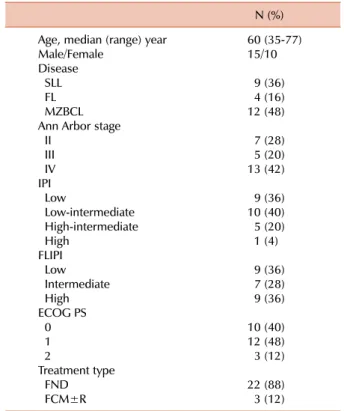
Table 1. Characteristics of 25 patients with low-grade non- Hodgkin’s lymphoma.
N (%) Age, median (range) year 60 (35-77)
Male/Female 15/10
Disease
SLL 9 (36)
FL 4 (16)
MZBCL 12 (48)
Ann Arbor stage
II 7 (28)
III 5 (20)
IV 13 (42)
IPI Low 9 (36)
Low-intermediate 10 (40)
High-intermediate 5 (20)
High 1 (4)
FLIPI
Low 9 (36)
Intermediate 7 (28)
High 9 (36)
ECOG PS
0 10 (40)
1 12 (48)
2 3 (12)
Treatment type
FND 22 (88)
FCM±R 3 (12)
Abbreviations: SLL, small lymphocytic lymphoma; FL, follicular lymphoma; MZBCL, marginal zone B cell lymphoma; IPI, inter- national prognostic index; FLIPI, follicular lymphoma international prognostic index; PS, performance scale; FND, fludarabine, mito- xantrone, and dexamethasone; FCM±R, fludarabine, cyclopho- sphamide, and mitoxantrone±rituximab.
Table 2. Treatment result of fludarabine-combination chemothe- rapy according to tumor subtype.
CR PR SD+PD OR (%) Small lymphocytic lymphoma 4 3 2 7/9 (78) Follicular lymphoma 3 1 0 4/4 (100) Marginal zone B cell lymphoma 6 5 1 11/12 (92)
Total 13 9 3 22/25 (88)
Abbreviations: CR, complete response; PR, partial response; SD, stable disease; PD, progressive disease; OR, overall response.
Fig. 1. Event-free survival and overall survival following fludarabine combination chemotherapy in untreated indolent non-Hodgkin’s lymphoma.
zone B cell lymphoma (11 patients) including tumors in 6 patients with gastric involvement, or nodal marginal zone B cell lymphoma. The median age was 60 years (range, 35-77 years), with 13 of 25 patients (52%) ≥60 years of age. Seven of 25 patients (28%) with an intermediate-risk follicular lymphoma international prognostic index (FLIPI) and 9 of 25 patients (36%) with a high-risk FLIPI were enrolled in this study. Pre-treatment patient characteristics are summarized in Table 1.
Three patients (12%) had PD after the 2nd cycle of FND chemotherapy; 2 SLL patients exhibited an incremental
increase in palpable lymph nodes, and 1 patient with gastric extranodal marginal zone B cell lymphoma developed obstructive symptoms after 2 cycles of chemotherapy; thus, using early CT scans, we confirmed that these symptomatic patients had PD. After 3 or 4 cycles of fludarabine com- bination chemotherapy, interim ORR was achieved in 22 patients (88% [CR, 36% and PR, 52%, respectively]). At the end of planned chemotherapy, 22 of 25 patients (88%) showed an ORR of 52% (13/25 [CR]) and 36% (9/25 [PR];
Table 2). After a median follow-up of 19 months, 9 patients experienced disease progression, refractory disease, or death;
3 patients had refractory disease during treatment; 5 patients showed disease progression after achieving PR (2 patients) or CR (3 patients); and 1 patient developed a life-threatening intracranial hemorrhage during chemotherapy. Five patients with disease progression and 1 patient with refractory disease received salvage chemotherapy and 2 other patients did not receive additional chemotherapy due to poor general health.
One patient showed PR after salvage chemotherapy and was treated using 90Y-Ibritumomab tiuxetan; the other patient achieved CR after salvage chemotherapy. Both patients maintained CR until the final follow-up. During a median follow-up of 19 months, the estimated 2-year EFS was 63±10% (95% CI, 43-83) and the 2-year OS was 78±9%
(95% CI, 60-96; Fig. 1).
2. Toxicity
The median number of chemotherapy cycles was 6 (range, 2-9). Four patients received only 2 cycles of fludarabine combination chemotherapy; 3 of the 4 patients could not continue the scheduled chemotherapy due to disease pro- gression. One patient developed unstable angina irrelevant to the infusion reaction after the 2nd cycle of chemotherapy;
this patient achieved PR after 2 cycles of chemotherapy and additional chemotherapy was substituted by IFRT.
The major toxicities of fludarabine combination chemo- therapy were hematologic. A total of 133 cycles of che-
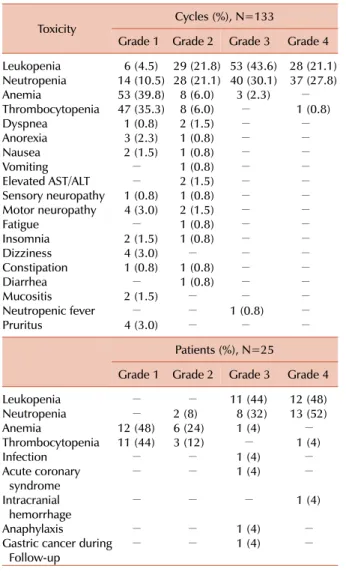
Table 3. Adverse events during fludarabine-combination chemo- therapy according to cycles and patients.
Toxicity Cycles (%), N=133
Grade 1 Grade 2 Grade 3 Grade 4 Leukopenia 6 (4.5) 29 (21.8) 53 (43.6) 28 (21.1) Neutropenia 14 (10.5) 28 (21.1) 40 (30.1) 37 (27.8) Anemia 53 (39.8) 8 (6.0) 3 (2.3) − Thrombocytopenia 47 (35.3) 8 (6.0) − 1 (0.8)
Dyspnea 1 (0.8) 2 (1.5) − −
Anorexia 3 (2.3) 1 (0.8) − −
Nausea 2 (1.5) 1 (0.8) − −
Vomiting − 1 (0.8) − −
Elevated AST/ALT − 2 (1.5) − − Sensory neuropathy 1 (0.8) 1 (0.8) − − Motor neuropathy 4 (3.0) 2 (1.5) − −
Fatigue − 1 (0.8) − −
Insomnia 2 (1.5) 1 (0.8) − −
Dizziness 4 (3.0) − − −
Constipation 1 (0.8) 1 (0.8) − −
Diarrhea − 1 (0.8) − −
Mucositis 2 (1.5) − − −
Neutropenic fever − − 1 (0.8) −
Pruritus 4 (3.0) − − −
Patients (%), N=25
Grade 1 Grade 2 Grade 3 Grade 4
Leukopenia − − 11 (44) 12 (48)
Neutropenia − 2 (8) 8 (32) 13 (52)
Anemia 12 (48) 6 (24) 1 (4) −
Thrombocytopenia 11 (44) 3 (12) − 1 (4)
Infection − − 1 (4) −
Acute coronary − − 1 (4) − syndrome
Intracranial − − − 1 (4) hemorrhage
Anaphylaxis − − 1 (4) −
Gastric cancer during − − 1 (4) − Follow-up
Abbreviations: AST, aspartate aminotransferase; ALT, alanine transaminase.
motherapy were administered. Grades 3 and 4 leukopenia were observed in 43.6% and 21.1% of the patients, respectively, and grades 3 and 4 neutropenia occurred in 30.1% and 27.8% of the patients, respectively (Table 3).
On per patient-treated basis, 52% of the patients experienced grade 4 neutropenia during chemotherapy. Grade 3 or more anemia and thrombocytopenia were rarely observed. Only one (4%) patient developed neutropenic fever during chemo- therapy, which improved after subsequent neutrophil recovery. There were no life-threatening infections during fludarabine-containing chemotherapy. In 2 patients (8%), the next scheduled chemotherapy was delayed for 2 weeks due to neutropenia; however, discontinuation of fludarabine- containing chemotherapy due to hematologic toxicities did not occur. Non-hematologic toxicities were generally mild and manageable (Table 3). Grade 3 or higher non-hemato- logic adverse events developed in 4 patients (16%). One patient developed unstable angina as mentioned, and 1 patient experienced intracranial hemorrhage on day 9 of
the 5th cycle; at that time, the patient had a normal platelet count and a normal coagulation profile. During the second cycle of fludarabine infusion, one patient developed grade 3 anaphylaxis with hypotension, skin rash, and fever. This patient was treated using hydrocortisone and anti-histamine, resulting in immediate improvement; thus, the planned chemotherapy was completed without dose reduction. One patient underwent surgical resection due to early gastric adenocarcinoma 36 months after completing fludarabine- combination chemotherapy.
DISCUSSION
Conventional therapy for low-grade NHL is based on the use of alkylating agents or combination therapy with or without anthracyclines. Recently, fludarabine, a purine ana- logue, was actively studied in patients with indolent lymp- homa. Over the past 10 years, fludarabine has improved the clinical response and PFS in patients with indolent lymphomas.
We analyzed the safety and clinical efficacy of fludarabine combination chemotherapy for patients with previously untreated stage II-IV low-grade NHL. We showed that ORR was 88% (CR, 52% and PR, 36%) and 2-year EFS was 78%.
Thus, the response rate was reasonable in comparison with that obtained using other agents as a first-line treatment for patients with low-grade NHL. CVP and fludarabine monotherapy yielded ORRs of 52-70% and CR rates of 15-39%, respectively, and a median 2-year time to progres- sion rate of approximately 40% [22]. In other studies, the ORRs obtained using fludarabine combination chemothe- rapy as first-line treatment were 72-94% [23-26]. The high efficacy and long duration of PFS in our study suggest that fludarabine combination chemotherapy is a reasonable op- tion in patients with untreated low-grade NHL.
Hematologic toxicity is a major common complication resulting from using fludarabine as a chemotherapeutic agent.
Fludarabine monotherapy has a reported grade 3 or greater neutropenia rate of 23-27% [22, 27]. Combination fluda- rabine monotherapy with other drugs increased the severity of the neutropenia, particularly when fludarabine was administered in combination with rituximab. Fludarabine combination with rituximab in indolent lymphoma results in grade 4 neutropenia in 36-66% of patients [16, 17, 28], and 27% of patients experienced at least 1 episode of grade
≥3 infection during chemotherapy [16]. We observed that neutropenia is a major problem during chemotherapy. Grades 3 and 4 neutropenia were observed during 30% and 28%
of treatment cycles and 52% of patients experienced grade 4 neutropenia during chemotherapy. The association with serious infection during fludarabine combination chemo- therapy has been reported with varying incidences. Tam et al. [16] reported that 27% of patients had grade ≥3 infection when treated with fludarabine, cyclophosphamide, and rituximab (FC-R) combination therapy. Ferrario et al.
[15] reported 6.3% of patients (4/63) experienced early death
during the prolonged post-chemotherapy aplasic phase when treated with fludarabine and cyclophosphamide combination therapy [15]. However, Tobinai et al. [28] showed that only 7% (3/41) of patients developed grade 3 infection with no grade 4 infection with oral fludarabine in combination with rituximab, despite severe neutropenia. In our study, only 1 patient (4%) experienced neutropenic fever without grade 4 infection and no patients required dose modification of chemotherapy or a delay in treatment for greater than 2 weeks. Proper use of G-CSF and selection of patients from a previously untreated group may reduce infectious episodes despite resulting in severe neutropenia. In this study, 2 patients (8%) experienced a delay in the next scheduled chemotherapy for 2 weeks due to neutropenia without dose reduction. The short duration of neutropenia likely infl- uenced the rare occurrence of serious infections. The other most important complication after fludarabine-based chemo- therapy is secondary malignancy. One patient developed solid cancer after completing fludarabine combination treat- ment, but hematopoietic malignancies, such as myelody- splasia or acute myeloid leukemia, were not observed.
In conclusion, fludarabine combination chemotherapy is a highly effective regimen with a high response rate, tolerable toxicities, and long survival in patients with untreated low-grade NHL.
REFERENCES
1. Portlock CS. Management of the low-grade non-Hodgkin's lymphomas. Semin Oncol 1990:17;51-9.
2. Berger F, Felman P, Sonet A, et al. Nonfollicular small B-cell lymphomas: a heterogeneous group of patients with distinct clinical features and outcome. Blood 1994;83:2829-35.
3. Ardeshna KM, Smith P, Norton A, et al. Long-term effect of a watch and wait policy versus immediate systemic treatment for asymptomatic advanced-stage non-Hodgkin lymphoma: a randomised controlled trial. Lancet 2003;362:516-22.
4. Armitage JO. Staging non-Hodgkin lymphoma. CA Cancer J Clin 2005;55:368-76.
5. Luthy SK, Ng AK, Silver B, et al. Response to low-dose involved-field radiotherapy in patients with non-Hodgkin's lymphoma. Ann Oncol 2008;19:2043-7.
6. Berger F, Felman P, Thieblemont C, et al. Non-MALT marginal zone B-cell lymphomas: a description of clinical presentation and outcome in 124 patients. Blood 2000;95:1950-6.
7. Oh SY, Ryoo BY, Kim WS, et al. Nongastric marginal zone B-cell lymphoma: analysis of 247 cases. Am J Hematol 2007;82:446-52.
8. Dana BW, Dahlberg S, Nathwani BN, et al. Long-term follow-up of patients with low-grade malignant lymphomas treated with doxorubicin-based chemotherapy or chemoimmunotherapy. J Clin Oncol 1993;11:644-51.
9. Brandt L, Kimby E, Nygren P, et al. A systematic overview of chemotherapy effects in indolent non-Hodgkin's lymphoma.
Acta Oncol 2001;40:213-23.
10. Klasa RJ, Meyer RM, Shustik C, et al. Randomized phase III study of fludarabine phosphate versus cyclophosphamide, vincristine,
and prednisone in patients with recurrent low-grade non- Hodgkin's lymphoma previously treated with an alkylating agent or alkylator-containing regimen. J Clin Oncol 2002;20:4649-54.
11. Bellosillo B, Villamor N, Colomer D, Pons G, Montserrat E, Gil J.
In vitro evaluation of fludarabine in combination with cyclo- phosphamide and/or mitoxantrone in B-cell chronic lymphocytic leukemia. Blood 1999;94:2836-43.
12. Furlan A, Villanova F, Pietrogrande F, Celadin M, Sanzari M, Vianello F. Low-dose fludarabine increases rituximab cytotoxi- city in B-CLL cells by triggering caspases activation in vitro. Leuk Lymphoma 2010;51:107-13.
13. Flinn IW, Neuberg DS, Grever MR, et al. Phase III trial of fludarabine plus cyclophosphamide compared with fludarabine for patients with previously untreated chronic lymphocytic leukemia: US Intergroup Trial E2997. J Clin Oncol 2007;25:793-8.
14. Fabbri A, Lenoci M, Gozzetti A, et al. Low-dose oral fludarabine plus cyclophosphamide as first-line treatment in elderly patients with indolent non-Hodgkin lymphoma. Br J Haematol 2007;
139:90-3.
15. Ferrario A, Merli F, Luminari S, et al. Phase II fludarabine and cyclophosphamide for the treatment of indolent B cell non-follicular lymphomas: final results of the LL02 trial of the Gruppo Italiano per lo Studio dei Linfomi (GISL). Ann Hematol 2011;90:323-30.
16. Tam CS, Wolf M, Prince HM, et al. Fludarabine, cyclo- phosphamide, and rituximab for the treatment of patients with chronic lymphocytic leukemia or indolent non-Hodgkin lymphoma. Cancer 2006;106:2412-20.
17. Brown JR, Friedberg JW, Feng Y, et al. A phase 2 study of concurrent fludarabine and rituximab for the treatment of marginal zone lymphomas. Br J Haematol 2009;145:741-8.
18. Zinzani PL, Pulsoni A, Perrotti A, et al. Fludarabine plus mitoxantrone with and without rituximab versus CHOP with and without rituximab as front-line treatment for patients with follicular lymphoma. J Clin Oncol 2004;22:2654-61.
19. Zinzani PL, Pulsoni A, Gentilini P, et al. Effectiveness of fludarabine, idarubicin and cyclophosphamide (FLUIC) com- bination regimen for young patients with untreated non- follicular low-grade non-Hodgkin's lymphoma. Leuk Lymphoma 2004;45:1815-9.
20. Peinert S, Carney D, Prince HM, Januszewicz EH, Seymour JF.
Fludarabine combinations for patients with advanced marginal zone lymphomas--best treatment option or too toxic? Br J Haematol 2009;146:685-6.
21. Cheson BD, Pfistner B, Juweid ME, et al. Revised response criteria for malignant lymphoma. J Clin Oncol 2007;25:579-86.
22. Hagenbeek A, Eghbali H, Monfardini S, et al. Phase III intergroup study of fludarabine phosphate compared with cyclophos- phamide, vincristine, and prednisone chemotherapy in newly diagnosed patients with stage III and IV low-grade malignant Non-Hodgkin's lymphoma. J Clin Oncol 2006;24:1590-6.
23. Velasquez WS, Lew D, Grogan TM, et al. Combination of fludarabine and mitoxantrone in untreated stages III and IV low-grade lymphoma: S9501. J Clin Oncol 2003;21:1996-2003.
24. Dimopoulos MA, Fountzilas G, Papageorgiou E, et al. Primary treatment of low-grade non-Hodgkin's lymphoma with the combination of fludarabine and mitoxantrone: a phase II study of
the Hellenic Cooperative Oncology Group. Leuk Lymphoma 2002;43:111-4.
25. Lazzarino M, Orlandi E, Montillo M, et al. Fludarabine, cyclo- phosphamide, and dexamethasone (FluCyD) combination is effective in pretreated low-grade non-Hodgkin's lymphoma. Ann Oncol 1999;10:59-64.
26. Zinzani PL, Magagnoli M, Bendandi M, et al. Efficacy of fluda- rabine and mitoxantrone (FN) combination regimen in untreated
indolent non-Hodgkin's lymphomas. Ann Oncol 2000;11:363-5.
27. Tobinai K, Watanabe T, Ogura M, et al. Phase II study of oral fludarabine phosphate in relapsed indolent B-Cell non-Hodgkin's lymphoma. J Clin Oncol 2006;24:174-80.
28. Tobinai K, Ishizawa K, Ogura M, et al. Phase II study of oral fludarabine in combination with rituximab for relapsed indolent B-cell non-Hodgkin lymphoma. Cancer Sci 2009;100:1951-6.
Filler Photo
Alhambra Palace, Spain S.W.Kwon