Korean J Gastroenterol Vol. 59 No. 6, 437-440 http://dx.doi.org/10.4166/kjg.2012.59.6.437
CASE REPORT
Korean J Gastroenterol, Vol. 59 No. 6, June 2012 www.kjg.or.kr
Infliximab으로 호전된 장관 증상없이 발생한 구강-안면 크론병 1예
정보용, 이석호, 정승규, 이창균
1, 이태훈, 정일권, 김선주, 조현득
2순천향대학교 의과대학 천안병원 내과학교실, 경희대학교 의학전문대학원 내과학교실1, 순천향대학교 의과대학 천안병원 병리학교실2
Successful Primary Infliximab Treatment of Orofacial Crohn’s Disease without Gastrointestinal Manifestation
Bo Yong Jung, Suck-Ho Lee, Seung Kyu Chung, Chang Kyun Lee1, Tae Hoon Lee, Il-Kwun Chung, Sun-Joo Kim and Hyun-Deuk Cho2 Department of Internal Medicine, Cheonan Hospital, Soon Chun Hyang University College of Medicine, Cheonan, Kyung Hee University School of Medicine1, Seoul, Department of Pathology, Cheonan Hospital, Soon Chun Hyang University College of Medicine2, Cheonan, Korea
Crohn’s disease is a chronic inflammatory bowel disease that can involve the whole gastrointestinal tract. The orofacial manifes- tation of Crohn’s disease, which is rare, can develop irrespective of intestinal involvement. These orofacial lesions are often misdiagnosed as simple oral ulcers. Corticosteroids are the mainstay of therapy for orofacial Crohn’s disease. However, infliximab, the chimeric monoclonal antibody to tumor necrosis factor-α, is now considered as a primary treatment because of the disease’s relatively high rate of steroid resistance. We present a case of deep oral ulcer and periorbital swelling in a 65-year-old woman.
She was diagnosed with intestinal Crohn’s disease 7 years ago, which was in remission after treatment with an immunosuppressive agent (azathioprine). The patient was given the diagnosed with orofacial Crohn’s disease and successfully treated with infliximab.
(Korean J Gastroenterol 2012;59:437-440)
Key Words: Orofacial Crohn’s disease; Oral ulcer, infliximab
Received December 29, 2010. Revised February 11, 2011. Accepted February 11, 2011.
CC This is an open access article distributed under the terms of the Creative Commons Attribution Non-Commercial License (http://creativecommons.org/licenses/
by-nc/3.0) which permits unrestricted non-commercial use, distribution, and reproduction in any medium, provided the original work is properly cited.
교신저자: 이석호, 330-721, 천안시 동남구 순천향 6길 31, 순천향대학교 의과대학 천안병원 소화기내과
Correspondence to: Suck-Ho Lee, Department of Gastroenterology, Cheonan Hospital, Soon Chun Hyang University College of Medicine, 31 Soonchunhyuang 6-gil, Dongnam-gu, Cheonan 330-721, Korea. Tel: +82-41-570-3664, Fax: +82-41-574-5762, E-mail: [email protected]
Financial support: None. Conflict of interest: None.
서 론
크론병은 혈변, 설사, 발열, 뒤무직, 체중 감소 등의 장 증상 이 주로 나타나지만, 관절, 눈, 구강, 피부, 간담도계, 피부, 심장, 폐 등의 장관 외 침범도 25% 이상의 환자에서 발생한 다.1 크론병의 구강-안면 침범은 전체 크론병 중 9%에서 발생 하는 비교적 드문 증상으로 일반적으로 장관 침범 후 2주에서 3년 이내에 발생하지만,2 독립적으로 구강에 국한되어 발생할 수 있다.3-6 크론병의 구강-안면 침범과 장관 침범은 독립적인 활성을 보여 장관 침범 환자가 관해 상태를 유지하고 있더라 도 구강-안면 침범이 발생할 수 있다.7 크론병의 구강-안면 침 범의 치료에 대해서는 현재까지 정해진 치료지침은 없지만,
일반적으로 스테로이드 제재에 내성을 보이는 경우가 많아 초 치료부터 infliximab이 유용하다는 보고가 있다.8 저자들은 7 년 전 크론병을 진단받은 후 azathiopurine으로 성공적인 관 해를 유지하던 환자에서 장관 증상 없이 혀궤양과 안와 주위 홍반을 주소로 크론병의 구강-안면 침범으로 진단 후 조기에 infliximab을 투여하여 성공적으로 치료된 증례를 보고한다.
증 례
65세 여자가 2주 전부터 발생한 극심한 구강 통증을 주소 로 내원하였다. 과거력에서 7년 전 만성 설사, 반복적 복통, 체중 감소를 주소로 내원하여 크론병을 진단받았으며, 스테로
438
정보용 등. 구강-안면 크론병의 Infliximab 치료The Korean Journal of Gastroenterology
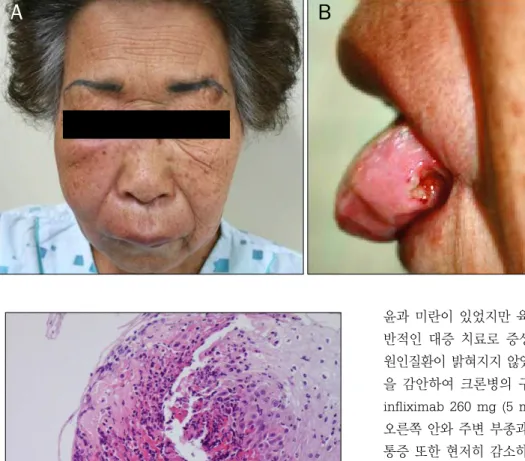
Fig. 1. Initial orofacial manifestations.
(A) Erythematous swelling on right periorbital area and upper lip were noted. (B) Deep punched-out ulcera- tive lesion was noted on the left tongue base.
Fig. 2. Biopsy of the tongue base. It showed the stratified squamous epithelium with numerous neutrophil and lymphocytic infiltrations without definite granuloma (H&E, ×200).
이드 및 아미노살리실산의 병용 투여 후 일시적인 증상 호전 이 있었지만 스테로이드 감량 과정에서 빈번한 재발로 관해 유도 실패 후 스테로이드-azathioprine 병용 투여 및 스테로 이드 감량 과정을 거쳐 현재 azathiopurine 100 mg만으로 성공적인 관해 유지 중이었다. 생체징후는 안정적이었고 발 열, 설사, 복통, 체중 감소 등의 증상은 없었다. 이학적 검사에 서 윗입술과 오른쪽 안와 주변에 압통이 없는 홍반성의 부종 이 있었고, 왼쪽 혀에 1 cm 크기의 경계가 명확한 깊은 궤양 이 관찰되었지만(Fig. 1), 목 주위의 림프절은 촉지되지 않았 다. 혈액검사 소견은 백혈구 5,450/mm3, 혈색소 12.7 g/dL, 적혈구 용적 37.4%, 혈소판은 155,000/mm3였다. C 반응성 단백과 적혈구 침강속도는 각각 48 mg/dL, 99 mm/hr로 증 가되어 있었으나 다른 검사실 소견은 정상이었다. 혀의 궤양 에서 조직 생검을 시행하였고, 다수의 호중구 및 림프구의 침
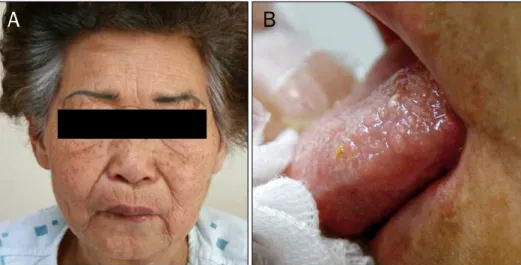
윤과 미란이 있었지만 육아종은 관찰되지 않았다(Fig. 2). 일 반적인 대증 치료로 증상 개선이 없고, 조직 소견에서 다른 원인질환이 밝혀지지 않았으며 장관 크론병으로 치료 중인 점 을 감안하여 크론병의 구강-안면 침범으로 생각하고 조기에 infliximab 260 mg (5 mg/kg)을 투여하였으며, 다음 날부터 오른쪽 안와 주변 부종과 홍반이 대부분 소실되었고 구강 내 통증 또한 현저히 감소하였다(Fig. 3A). 투여 2일 후 왼쪽 혀 궤양의 크기 감소가 관찰되고 구강 내 통증의 완전 소실 소견 을 보여 투여 3일 후 퇴원하였다. 장관 활성도를 확인하기 위 하여 입원 중 시행한 대장내시경 소견은 다수의 궤양 반흔 및 가성 용종만이 관찰되는 내시경적 관해 소견을 유지하고 있었다. 이 후 1차례의 추가적인 infliximab 투여를 시행하였 고 1달 후 혀궤양은 완전 소실되었다(Fig. 3B). 환자는 현재 azathiopurine 100 mg만으로 재발없이 6개월째 통원치료 중 이다.
고 찰
구강-안면 크론병은 전체 크론병의 9% 정도로 드물게 발생 하고,2 장관 침범의 전구증상으로 나타나거나 장관 침범 없이 단독으로 발생하여 진단이 힘들거나 지연되는 경우가 많다.3-6 구강-안면 크론병은 입 주위의 홍반, 궤양, 입술의 부종, 구강 점막의 조약돌 모양화, 증식-결절성 잇몸, 성대와 후두의 궤양 등으로 나타난다.3-6 이 증례에서는 이미 크론병으로 치료 중 이던 환자이므로 빠른 진단 및 치료가 가능하였지만, 크론병 의 과거력이 없다면 진단에 어려움을 겪을 수 있다. 과거의 특이한 병력 없이 구강의 심한 궤양과 점막의 조약돌 모양화, 입술 부종 등이 있다면 우선 조직검사를 시행하는 것이 진단 의 첫 단계이다. 조직학적으로 진피 상부에 림프부종, 거대세 포가 포함된 비건락성 육아종, 전반적인 림프구의 침범이 있
Jung BY, et al. Infliximab Treatment of Orofacial Crohn’s Disease
439
Vol. 59 No. 6, June 2012
Table 1. Summary of Response to Infliximab Therapy in Patients with Orofacial Crohn’s Disease Age
(yr) Sex Orofacial presentation Gastrointestinal
presentation Treatment Response Reference
50
58
18
24
41
20
63 65
Male
Male
Female
Male
Female
Female
Female Female
Ulcer of buccal mucosa and epiglottis
Lingual ulcer
Facial swelling and oral ulceration
Cobblestone lesion of oral area
Ulcer of palate and tongue
Swelling of lip and buccal mucosa
Swelling and ulceration of lips
Ulcer of tongue base and periorbital swelling
Hematochezia
Hematochezia
Abdominal pain
None
None
Hematochezia
None None
1. Steroids 2. Infliximab
1. Steroids and mesalamine 2. Infliximab
1. Steroids and mesalamine 2. Infliximab
1. Steroids and antibiotics 2. Infliximab and azathioprine 1. Steroids
2. Infliximab
1. Steroids and azathioprine 2. Infliximab
Infliximab Infliximab
No Yes No Yes No Yes No Yes No Yes No Yes Yes Yes
11
12
7
13
3
14
8 Our case Fig. 3. Serial improvements after infliximab infusion. After infliximab treatment, facial (A) lesion was much improved. Four weeks after infliximab treatment, oral (B) lesions had com- pletely disappeared.
다면 구강-안면 육아종증(orofacial garnulomatosis)으로 진 단한다.9 구강-안면 육아종증을 일으킬 수 있는 질환으로는 크 론병 외에도 베체트병, 유육종증, Merkersson-Rosenthal 증 후군, 육아종 입술염, 감염(바이러스, 진균, 결핵) 등이 있다.4 구강-안면 육아종증은 구강-안면 증상만 있거나 전신 질환의 일부로 나타날 수 있어 1928년 Melkersson에 의해 처음 보고 된 후, 명명법에 많은 논란이 있었지만 현재는 구강-안면에 국한된 경우만으로 정의하고, 구강-안면 육아종증의 원인이 밝혀지면 진단명이 원인질환으로 바뀌게 된다.10 그러므로, 구 강-안면 이외의 다른 곳에 발생한 크론병을 진단했을 때 구강- 안면 크론병으로 확진할 수 있다.
구강-안면 육아종증 환자에서는 크론병을 확인하기 위해 반드시 대장내시경이나 캡슐내시경 등을 시행하여야 한다. 또 한 크론병 치료 중 장 증상 없이 구강-안면 침범만 독립적으 로 발생하는 경우는 드물기 때문에, 대부분의 치료자들이 단 순 구강 염증으로 여기고 대증적 치료만 시행하는 경우가 많
아 크론병의 구강-안면 침범의 진단 및 치료가 지연될 수 있 으므로 주의를 요한다.2 구강과 장관 크론병의 생검 소견을 비교한 보고에서, 두 부위에서 보이는 크론병 관련 조직학적 소견은 동일하지만 60% 정도에서만 육아종이 관찰되기 때문 에, 조직검사에서 육아종이 관찰되지 않아도 임상적으로 의심 된다면 크론병을 진단할 수 있다고 보고하였다.2 이번 증례에 서도 혀궤양의 조직 소견은 전형적인 크론병의 소견은 아니였 지만, 크론병으로 치료 중인 병력과 조직 소견에서 다른 질환 을 의심할 소견이 없었으며, infliximab 치료 후 증상이 빠르 게 호전되어 크론병의 구강-안면 침범으로 최종 진단하였다.
구강-안면 크론병에 대한 보고가 적어 치료에 대해 확실한 지침은 없는 상태이다. 현재까지의 보고들을 살펴보면 심한 구강 통증과 장관 증상이 동반된 경우 영양 식이가 도움이 되며, 국소적 혹은 전신적 스테로이드와 함께 아미노살리실산 의 병용 투여, metronidazole, clofazimine 등의 항생제, tri- amcinolone 병변 내 주입, azathioprine, 6-mercaptopur-
440
정보용 등. 구강-안면 크론병의 Infliximab 치료The Korean Journal of Gastroenterology
ine, thalidomide, mycophenolate mofetil 등의 다양한 치료 방법이 시도되었다.3,7,8,11-17 하지만, 구강-안면 크론병의 스테 로이드 치료성적은 좋지 않은데,7,11-13 스테로이드 제재에 내 성을 보이거나 불응성인 구강-안면 크론병의 치료로 thalido- mide와 infliximab을 사용할 수 있다. 스테로이드 제재에 내 성을 보이는 구강-안면 및 장관 동시 침범 환자에게 thalido- mide 50-300 mg을 매일 4주간 사용했을 때 58%, 12주간 사용했을 때 78%에서 관해를 이루어 치료에 효과적이었다.15 이외에도 다수의 증례에서 infliximab이 구강-안면 크론병을 포함한 장관외 증상 치료에 있어서 1차, 혹은 스테로이드 치 료에 불응해 2차적으로 사용해도 높은 관해율을 보인다고 보 고하였다(Table 1).3,7,8,11-14 이번 증례 또한 장관 증상에서 스 테로이드 투여로 관해를 이루지 못한 과거력을 고려하여 in- fliximab을 1차 치료로 선택하였으며 투여 다음 날부터 급속 한 증상 개선이 있었다. 또한 단 2회의 투여로 성공적인 관해 유도에 성공하였으며 현재에는 기존의 면역억제 치료만으로 관해를 유지하고 있다. 기존의 보고에서도 대부분 1-3회 in- fliximab 투여 후 급속한 관해가 유도되어 이번 증례와 유사 한 과정을 보였다.7,8,11-14
결론적으로 크론병의 구강-안면 침범은 장관 내 활성도와 관련 없이 발생할 수 있으므로 관해가 유지되는 크론병 환자 에서 발생하는 구강 내 병변이 일반적인 대증적 치료에 반응 이 없다면 구강-안면 크론병의 가능성을 고려해야 한다. 또한 스테로이드에 불응성 혹은 재발성인 환자나 극심한 증상을 보 이는 구강-안면 크론병 환자에서 1차적, 혹은 2차적 치료로서 의 infliximab은 효과적인 선택이다.
REFERENCES
1. Das KM. Relationship of extraintestinal involvements in in- flammatory bowel disease: new insights into autoimmune pathogenesis. Dig Dis Sci 1999;44:1-13.
2. Asquith P, Thompson RA, Cooke WT. Oral manifestations of Crohn's disease. Gut 1975;16:249-254.
3. Quezada S, Turner PL, Alexiev B, Daly B, Cross R. Severe re- fractory orofacial Crohn's disease: report of a case. Dig Dis Sci
2009;54:2290-2295.
4. Sanderson J, Nunes C, Escudier M, et al. Oro-facial gran- ulomatosis: Crohn's disease or a new inflammatory bowel dis- ease? Inflamm Bowel Dis 2005;11:840-846.
5. Rowland M, Fleming P, Bourke B. Looking in the mouth for Crohn's disease. Inflamm Bowel Dis 2010;16:332-337.
6. Scully C, Cochran KM, Russell RI, et al. Crohn's disease of the mouth: an indicator of intestinal involvement. Gut 1982;23:
198-201.
7. Mahadevan U, Sandborn WJ. Infliximab for the treatment of or- ofacial Crohn's disease. Inflamm Bowel Dis 2001;7:38-42.
8. Graham DB, Jager DL, Borum ML. Metastatic Crohn's disease of the face. Dig Dis Sci 2006;51:2062-2063.
9. Wiesenfeld D, Ferguson MM, Mitchell DN, et al. Oro-facial gran- ulomatosis--a clinical and pathological analysis. Q J Med 1985;
54:101-113.
10. Tilakaratne WM, Freysdottir J, Fortune F. Orofacial gran- ulomatosis: review on aetiology and pathogenesis. J Oral Pathol Med 2008;37:191-195.
11. Ottaviani F, Schindler A, Capaccio P, Petrone M, Bianchi Porro G.
New therapy for orolaryngeal manifestations of Crohn's disease.
Ann Otol Rhinol Laryngol 2003;112:37-39.
12. Brunner B, Hirschi C, Weimann R, Seibold F. Treatment-resistant lingual Crohn's disease disappears after infliximab. Scand J Gastroenterol 2005;40:1255-1259.
13. Cardoso H, Nunes AC, Carneiro F, Tavarela Veloso F. Successful infliximab therapy for oral Crohn's disease. Inflamm Bowel Dis 2006;12:337-338.
14. Staines KS, Green R, Felix DH. The management of fistulizing or- al Crohn's disease with infliximab. J Oral Pathol Med 2007;36:
444-446.
15. Vasiliauskas EA, Kam LY, Abreu-Martin MT, et al. An open-label pilot study of low-dose thalidomide in chronically active, ste- roid-dependent Crohn's disease. Gastroenterology 1999;117:
1278-1287.
16. Sciubba JJ, Said-Al-Naief N. Orofacial granulomatosis: pre- sentation, pathology and management of 13 cases. J Oral Pathol Med 2003;32:576-585.
17. Hegarty A, Hodgson T, Porter S. Thalidomide for the treatment of recalcitrant oral Crohn's disease and orofacial granulomatosis.
Oral Surg Oral Med Oral Pathol Oral Radiol Endod 2003;95:576- 585.