• 검색 결과가 없습니다.

접수일

N/A
N/A
Protected

Academic year: 2021

Share "접수일"

Copied!
5
0
0

로드 중.... (전체 텍스트 보기)

전체 글

(1)

접수일

: 2014

11

10

,

게재승인일

: 2015

1

5

일 책임저자

:

이상헌

,

서울시 성북구 인촌로

73

󰂕

136-705,

고려대학교 안암병원 재활의학과

Tel: 02-920-6471, Fax: 02-929-9951 E-mail: [email protected]

급성 요추 추간판성 통증 환자에서 추간판내 스테로이드 주입술의 치료적 효과

󰠏 예비연구 󰠏

분당제생병원 재활의학과, 고려대학교 안암병원 재활의학과

1

윤형석ㆍ김주섭ㆍ이상헌1

Therapeutic Effects of the Intradiscal Steroid Injection in Acute Lumbar Discogenic Pain

󰠏

A Preliminary Study 󰠏

Hyeong Suk Yun, M.D., Joo Sup Kim, M.D., Ph.D.

and Sang Heon Lee, M.D., Ph.D.

1

Department of Physical Medicine and Rehabilitation, Bundang Jesaeng General Hospital, Seongnam,

1

Department of Physi- cal Medicine and Rehabilitation, Korea University College of Medicine, Seoul, Korea

Objective: The therapeutic effects of the intradiscal steroid injection in patients with lumbar discogenic pain have been controversial so far. The purpose of this study is to de- termine the therapeutic effects of the intradiscal steroid in- jection in acute phase of lumbar discogenic pain. Method:

From June 2006 to July 2009, among the patients admitted for acute severe low back pain, ten patients (4 males, 6 females) were diagnosed with lumbar discogenic pain using by lumbar magnetic resonance image (MRI) and the pain-provocative discography was carried out at the inter- vertebral disc revealed to posterior annular high intensity zone on MRI. All patients were injected steroid into the painful disc, and the pain intensity (Visual analogue scale, VAS), measure of disability (Oswestry disability index, ODI;

Roland-Morris disability questionnaire, RMD) before, 1 week and 3 months after the injection were evaluated. Results:

The VAS fell from 8.4±1.0 to 1.8±1.5 at 3 months post- procedure. At 3 months, the ODI fell from 69.6±13.1 to 21.6±15.0% and the RM from 18.7±2.3 to 4.2±4.8 points.

There were significant improvements after the intradiscal steroid injection compared with pre-procedure in all of the measures (p<0.01). Conclusion: The intradiscal steroid injection in acute lumbar discogenic pain was significantly effective in early pain relief, and might be expected to reduce

chronic low back pain from segmental instability and secon- dary inflammation. (Clinical Pain 2015;14:16-20)

Key Words: Discogenic pain, Steroid injection, Discography, Core muscle

INTRODUCTION

The intervertebral disc is a common source of chronic low back pain.

1,2

Discogenic back pain is thought to be the result of disc itself rather than of nerve root irritation caused by prolapsed disc,

2

and stems from radial tears of the annulus fibrosus extending from the nucleus to the out- er third of the annulus which, in turn, may expose the nerve endings to enzymes and degradation products.

1

History, physical examination and radiological imaging have low sensitivity and specificity in diagnosing dis- cogenic low back pain,

3

and it is well known that dis- cography is the criterion standard to confirm whether a par- ticular disc is the source of pain or not.

4,5

Treatment for discogenic back pain is typically con- servative and since discography is rather an invasive proce- dure, the patients who are suffering from discogenic back pain generally do not undergo discography unless the pain persists over 6 months.

6

If the discogenic back pain is not treated properly in ear- ly stage, such as in case of acute, severe discogenic back pain not responding to the conservative treatment, the noci- ceptive fibers continue to grow into the intervertebral disc and secondary inflammation from annular tear mediated by nerve growth factor (NGF) or other cytokines may facili- tate disc degeneration,

7,8

eventually leading to chronic low back pain.

When the discogenic back pain becomes chronic, dy-

namic trunk stability and appropriate feedforward activa-

(2)

Table 1. Patient Characteristics

Gender

Male:female 4:6

Age (year)

Mean±SD 39.8±9.9

Range 24 to 53

Duration of symptoms (day)

Mean±SD 9.4±9.3

Range 1 to 31

Level of symptomatic disc (cases)

L4/5 7

L5/S1 3

SD: Standard deviation.

tion modulated by the central nervous system could be compromised

9

and this can be an additional factor which inhibits the patients with discogenic back pain from doing proper exercises. So it is worthwhile to consider that early intervention using steroid injection in the patients with dis- cogenic back pain in the acute stage can provide positive ef- fect in terms of reducing secondary inflammation and giving the opportunity of stabilizing dynamic trunk musculature.

The objective of this study is to determine the ther- apeutic effects of the intradiscal steroid injection in acute phase of discogenic back pain and to investigate the func- tional outcome of the patient who underwent the intradiscal steroid injection therapy.

MATERIALS AND METHODS

A total of 10 patients who were diagnosed to acute dis- cogenic back pain were enrolled in a consecutive manner from 2006 to 2009. Acute discogenic back pain was de- fined as axial low back pain of a deep, aching or throbbing feature with or without concomitant referred pain on one or both lower extremities which had not lasted over a month from its onset.

Magnetic resonance imaging (MRI) and provocation dis- cography were undertaken for these patients. Before under- going discography, informed consent was obtained from each patient and the patients were excluded if they met the following contraindications of discography in accordance with the criteria of International Spine Intervention Society:

1) the patient is unable or unwilling to consent to the pro- cedure, 2) inability to assess patient response to the proce- dure, 3) the patient has evidence of an untreated localized infection in the procedural field, and 4) known bleeding diathesis or current use of anticoagulants.

All patients were given antibiotics for prophylaxis 30 minutes before the procedure and after sterility was con- firmed, 23 gauge needles were placed into the symptomatic disc and at least one adjacent control disc using postero- lateral approach under fluoroscopic guidance of a C-arm image intensifier (OEC

9800 Plus; GE OEC Medical System, Inc., Salt Lake City, USA) while the patients were lying in prone position. After the needles were placed in the center of nucleus pulposus, a dye (Omnipaque; GE Healthcare, Shanghai, China) was injected using the auto- mated pressure-controlled discography (APCD) system.

A positive disc was defined under the criteria of International Spine Intervention Society: 1) stimulation of the target disc reproduces concordant pain, 2) that pain is

≥7 on a visual analogue scale (VAS, range 0 to 10), 3) that pain is reproduced at a pressure of less than 50 psi above opening pressure, and 4) stimulation of adjacent discs does not reproduce pain. Once a positive disc was confirmed, 1 ml containing 40 mg of triamcinolone was in- jected through the symptomatic disc.

All patients were followed up prospectively for assessing the changes of pain and function using a questionnaire that included VAS, Oswestry disability index (ODI, range 0 to 100) and Roland-Morris disability questionnaire (RMD, range 0 to 24). These 3 outcome measures were assessed before the procedure, 1 week and 3 months after the proce- dure, respectively.

Wilcoxon signed rank tests before and at each follow-up period were used in all analysis and a p-value of less than 0.05 was considered statistical significant (SPSS statistical software 18.0, SPSS Inc., Chicago, USA).

RESULTS

A total of 10 cases of acute discogenic low back pain confirmed by provocation discography were enrolled. All cases were less than 1 month from their onset. Levels of symptomatic disc were L4/5 in 7 cases and L5/S1 in 3 cases. The demographic characteristics were summarized in Table 1.

All of the VAS, ODI and RMD scales revealed sig-

nificant improvements after intradiscal steroid injection

(3)

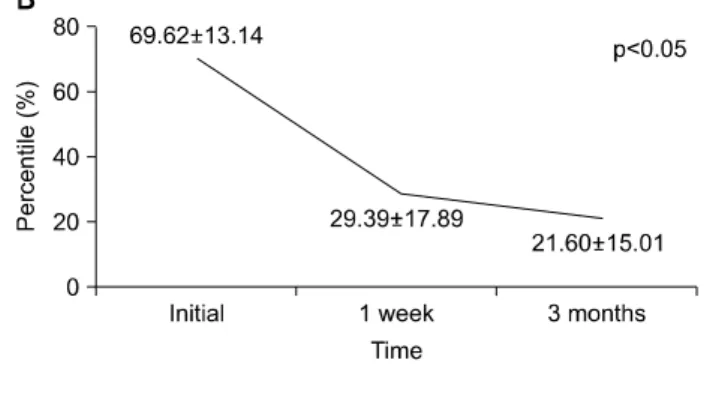
Fig. 1. The figure demonstrates statistical improvements

(p=.005) during the period between initial and post-1 week and between initial and post-3 months in all outcomes measured.

(A) The serial Visual Analogue Scales. (B) The serial Oswestry Disability Index. (C) The serial Roland-Morris Disability Questionnaire.

(Fig. 1). There were noticeable improvements between pre-procedure and 1 week follow-up and the alleviation were maintained through 3 months follow-up in all of the measures. In VAS, the average of 8.4±1.0 at the point of pre-injection decreased to 3.1±1.0 at 1 week follow-up visit (p=0.005) and 1.8±1.5 at 3 month follow-up visit (p=0.005). In ODI, the average of 69.6±13.1 before the in- jection decreased to 29.4±17.9 at 1 week follow-up visit (p=0.005) and 21.6±15.0 at 3 month follow-up visit (p=0.005). Likewise, the average of 18.7±2.3 before the procedure fell to 7.3±5.3 a week later (p=0.005) and 4.2±4.8 3 months later (p=0.005) in RMD points. Also, there were significant improvements between 1 week and 3 months after intradiscal steroid injection in VAS (p=0.021) and RMD (p=0.005) and a meaningful change was observed between 1 week and 3 months after the pro- cedure in ODI (p=0.066).

There was no adverse effect or complication noticed dur- ing or after the injection therapy.

DISCUSSION

In our study, the intradiscal steroid injection in the acute phase of discogenic low back pain showed obvious im-

provements in pain relief and functional outcome. There are two randomized controlled studies investigating the clinical effectiveness of intradiscal steroid injection. Khot et al.

10

found that there was no significant differences be- tween intervention and sham control group. On the other hand, Cao et al.

11

concluded that VAS and ODI scores were better in steroid injection group compared with nor- mal saline injection group at 3 and 6 months follow-up.

However, the subjects of those two studies were the pa- tients with chronic lumbar discogenic pain, which differs from our study.

There has been a variety of treatments for discogenic low back pain from conservative management to interven- tional management and surgical fusion. However, the ther- apeutic effects of these modalities are still controversial so far.

Pharmacologic agents such as NSAIDs, muscle relaxants and opioids have little evidence of efficacy,

12,13

and phys- ical therapy, exercise, manipulation seem to have some ef- fects but are unclear for the long term in patients with chronic low back pain.

14

Other treatment options, if these conservative modalities

fail, are interventional managements including intradiscal

injection, intradiscal electrothermal therapy (IDET), biacu-

plasty, nucleoplasty and radiofrequency (RF) thermocoa-

(4)

gulation. But these procedures are not generally applied in acute stage of discogenic low back pain since their nature of invasiveness but rather are recommended when the dis- cogenic low back pain persists over 6 months and becomes chronic.

15

Moreover, these percutaneous treatments target- ing the innervation of the disc by heat such as IDET, biacu- plasty and RF thermocoagulation are still on debate due to the insufficient data supporting their efficacy.

16

Intradiscal steroid injection has been applied in patients with discogenic back pain because of its nature of anti-in- flammatory action. However, unlikely to epidural steroid injection with the theoretical basis of reducing the nerve root irritation caused by inflammatory potential of the pro- lapsed nucleus pulposus,

17

the underlying mechanism of steroid injected intradiscally is not so well established.

There have been some studies about the polymerizing ef- fect of steroid beneficial to the healing process of sympto- matic disc and cellular modification of the inflammatory process.

18,19

In addition, it is known that only in painful level of disc, which is proved by discography, small un- myelinated nerve fibers grow into the deep layers of the annulus fibrosus and the nucleus pulposus accompanying with local production of the neurotrophic substance such as nerve growth factor.

8

Considering these underlying path- ophysiology of the symptomatic disc, intradiscal steroid in- jection may have some positive effects especially in acute stage of discogenic low back pain.

This early intervention has some beneficial effects with regard to not only the symptomatic relief but also maintain- ing proper feedforward activation of trunk musculature.

The feedforward activation is an adjustment in posture that occurs with or just before initiation of voluntary move- ment controlled by the central nervous system.

20

The feed- forward adjustment in the trunk musculature prevents or minimizes the segmental instability during a self-initiated trunk movement. When mechanical low back pain devel- ops, this feedforward activation of core muscle group de- lays significantly resulting in segmental instability and sec- ondary inflammatory response of the symptomatic disc subsequently.

7,9

As is well known, discography even using small gauge needle and limited pressurization may eventually result in disc degeneration and loss of disc height.

21

So this proce- dure should be limited to the patients suffering from acute and intractable discogenic low back pain.

There are several limitations in this study such as a small sample size with a relatively short term follow-up. Since the subjects only in acute phase of discogenic low back pain were included with no control group, the possibility of symptomatic improvement from spontaneous resolution cannot be excluded. In spite of these limitations, our study has its own importance that early intervention can reduce pain, improve functional outcome and therefore, provide a susceptible condition of early engagement in core muscle strengthening and stabilization exercise in patients with dis- cogenic low back pain.

CONCLUSION

The intradiscal steroid injection in acute lumbar dis- cogenic pain was significantly effective in pain relief and functional outcome improvement. We believe that this ear- ly intervention can maintain the intact feedforward activa- tion in back musculature, thus preventing segmental in- stability and secondary inflammation of the symptomatic disc. To prove this, a comparative study with appropriate sample size and long term follow-up will be necessary in the next step.

REFERENCES

1. Coppes MH, Marani E, Thomeer RT, Groen GJ.

Innervation of "painful" lumbar discs. Spine 1997; 22:

2342-2349; discussion 9-50

2. Schwarzer AC, Aprill CN, Derby R, Fortin J, Kine G, Bogduk N. The prevalence and clinical features of internal disc disruption in patients with chronic low back pain.

Spine 1995; 20: 1878-1883

3. Hancock MJ, Maher CG, Latimer J, Spindler MF, McAuley JH, Laslett M, et al. Systematic review of tests to identify the disc, SIJ or facet joint as the source of low back pain.

Eur Spine J 2007; 16: 1539-1550

4. Guyer RD, Ohnmeiss DD. Lumbar discography. Position statement from the North American Spine Society Diagnostic and Therapeutic Committee. Spine 1995; 20:

2048-2059

5. Fraser RD. The North American Spine Society (NASS) on lumbar discography. Spine 1996; 21: 1274-1276

6. Lumbar Disc Stimulation (Provocation Discography). In:

Bogduk N, editor, Practice Guidelines for Spinal Diagnostic and Treatment Procedures. 1st ed, San Francisco, California:

International Spine Intervention Society. 2004, 33

(5)

7. Lee S, Moon CS, Sul D, Lee J, Bae M, Hong Y, et al.

Comparison of growth factor and cytokine expression in patients with degenerated disc disease and herniated nu- cleus pulposus. Clin Biochem 2009; 42: 1504-1511 8. Freemont AJ, Watkins A, Le Maitre C, Baird P, Jeziorska

M, Knight MT, et al. Nerve growth factor expression and innervation of the painful intervertebral disc. J Pathol 2002;

197: 286-292

9. Silfies SP, Mehta R, Smith SS, Karduna AR. Differences in feedforward trunk muscle activity in subgroups of pa- tients with mechanical low back pain. Arch Phys Med Rehabil 2009; 90: 1159-1169

10. Khot A, Bowditch M, Powell J, Sharp D. The use of intra- discal steroid therapy for lumbar spinal discogenic pain: a randomized controlled trial. Spine 2004; 29: 833-836; dis- cussion 7

11. Cao P, Jiang L, Zhuang C, Yang Y, Zhang Z, Chen W, et al. Intradiscal injection therapy for degenerative chronic discogenic low back pain with end plate Modic changes.

Spine J 2011; 11: 100-106

12. Carragee EJ. Clinical practice. Persistent low back pain. N Engl J Med 2005; 352: 1891-1898

13. Kuijpers T, van Middelkoop M, Rubinstein SM, Ostelo R, Verhagen A, Koes BW, et al. A systematic review on the effectiveness of pharmacological interventions for chronic non-specific low-back pain. Eur Spine J 2011; 20: 40-50

14. Peng BG. Pathophysiology, diagnosis, and treatment of dis- cogenic low back pain. World J Orthop 2013; 4: 42-52 15. Derby R, Lee SH, Seo KS, Kazala K, Kim BJ, Kim MJ.

Efficacy of IDET for relief of leg pain associated with dis- cogenic low back pain. Pain Pract 2004; 4: 281-285 16. Saal JA, Saal JS. Intradiscal electrothermal treatment for

chronic discogenic low back pain: a prospective outcome study with minimum 1-year follow-up. Spine 2000; 25:

2622-2627

17. McCarron RF, Wimpee MW, Hudkins PG, Laros GS. The inflammatory effect of nucleus pulposus. A possible ele- ment in the pathogenesis of low-back pain. Spine 1987; 12:

760-764

18. Leao L. Intradiscal injection of hydrocortisone and pre- dnisolone in the treatment of low back pain. Rheumatism 1960; 16: 72-77

19. Feffer HL. Therapeutic intradiscal hydrocortisone. A long-term study. Clin Orthop Relat Res 1969; 67: 100-104 20. Frank JS, Earl M. Coordination of posture and movement.

Phys Ther 1990; 70: 855-863

21. Carragee EJ, Don AS, Hurwitz EL, Cuellar JM, Carrino JA,

Herzog R. 2009 ISSLS Prize Winner: Does discography

cause accelerated progression of degeneration changes in

the lumbar disc: a ten-year matched cohort study. Spine

2009; 34: 2338-2345

수치

Table  1.  Patient  Characteristics Gender Male:female 4:6 Age  (year) Mean±SD 39.8±9.9 Range 24  to  53
Fig.  1.  The  figure  demonstrates  statistical  improvements  (p=.005)  during  the  period  between  initial  and  post-1  week  and  between  initial  and  post-3  months  in  all  outcomes  measured
참조

관련 문서

Chronic kidney disease (partial update): Early identification and management of chronic kidney disease in adults in primary and secondary care (Clinical

(1.1 points) According to the passage, which of the following is NOT mentioned as the nature of pain.. ① Pain is not tied to any referent in

W You’re going to have back and neck pain, if you sit like that for a long time4. When you’re sitting, it’s very important to keep the back straight, knees bent, and head

In conclusion, the sling stabilization exercise program for middle-aged women with non-specific low back pain was found to be effective in improving

Conclusion: The mean CGRP level in overweight and obese children with headache was not significantly higher than in overweight and obese children without headache. There

Depending on Tennis Forehand Stroke with elbow pain and without elbow pain Kinematic Analysis of

The greatest difference in heart rate change and Wong-Baker Faces Pain Rating Scale score, between the control and virtual reality distraction groups, was seen in 5 - 7-year-olds

Comparison of pain scale between the conventional and 2-step needle insertion technique according to the injection area ··· 11... The combination of pain scale and