Review Article
Received August 12, 2013, Revised August 19, 2013, Accepted August 26, 2013 Correspondence to: Sun Wook Hwang
Department of Family Medicine, St. Paul’s Hospital, College of Medicine, The Catholic University of Korea, 180, Wangsan-ro, Dongdaemun-gu, Seoul 130-709, Korea
Tel: +82-2-961-4504, Fax: +82-2-969-2328, E-mail: [email protected]
This is an Open Access article distributed under the terms of the Creative Commons Attribution Non-Commercial License (http://creativecommons.org/licenses/by-nc/3.0) which permits unrestricted non-commercial use, distribu- tion, and reproduction in any medium, provided the original work is properly cited.
진행암 환자의 증상군
황 선 욱 가톨릭대학교 의과대학 가정의학교실
Symptom Clusters in Advanced Cancer Patients
Sun Wook Hwang, M.D., Ph.D.
Department of Family Medicine, College of Medicine, The Catholic University of Korea, Seoul, Korea
Advanced cancer patients tend to present multiple concurrent symptoms which are often moderate or severe in intensity. To date, the majority of studies have focused on either a single symptom, such as pain, fatigue, or depression or associated symptoms. While this approach has advanced understanding of some symptoms, it has offered clinicians not much guidance for treating several multiple concurrent symptoms in cancer patients. So in recent years, a few symptom management studies attempted a new approach of focusing on symptom clusters instead of individual symptoms. A symptom cluster is defined as two or more concurrent symptoms that are related to each other. If we better understand symptom clusters, interrelations of symptoms, and their common mechanisms in advanced cancer patients, clinicians can more effectively control multiple, concurrent symptoms and reduce drug side effects. And clinicians can also predict any other symptoms, functional performance, and the relationship between symptom clusters and survival in advanced cancer patients. At present, there is inconsistency in symptom clusters due to many unexplained mechanisms and various means to assess and analyze symptoms. Still, with further study, the approach to symptom clusters rather than individual symptoms could more effectively control symptoms and improve patients’ quality of life.
Key Words: Symptom cluster, Cancer, Patients, Survival
서 론
진행암 환자들은 다양한 신체적 증상과 정신적 고통 을 겪고 있다. 삶의 말기에 이러한 고통스런 증상을 조 절하는 것은 매우 중요하며 환자들도 고통에서 해방되 기를 바라고 있다(1).
진행암 환자의 증상은 사회적, 정신적 요인들이 관련 되어 있고 증상이 다양하고 동시다발적이며 증상의 강 도가 중등도 이상이어서 효과적인 조절이 어렵다(2). 다
양한 증상을 동시에 경험하면 삶의 질도 떨어지고 사회 적 기능 유지와 신체기능도 감소하여 치료에 대한 반응 도 떨어진다. 따라서 어떻게 하면 말기암환자에게 효과 적으로 증상조절을 하고 보다 나은 삶의 질을 제공 할 수 있는지 연구해왔는데(3), 지금까지는 주로 통증, 호흡 곤란, 우울증 등 암환자에서 나타나는 개별 증상에 초 점을 맞추었으며 이러한 개별 증상 접근을 통해 증상 조절에 있어서 많은 발전이 있었다. 그러나 진행성 암 환자의 특성상 동시다발적으로 여러 증상이 나타나기 때문에 치료 약물의 개수도 많고 그에 따른 부작용도
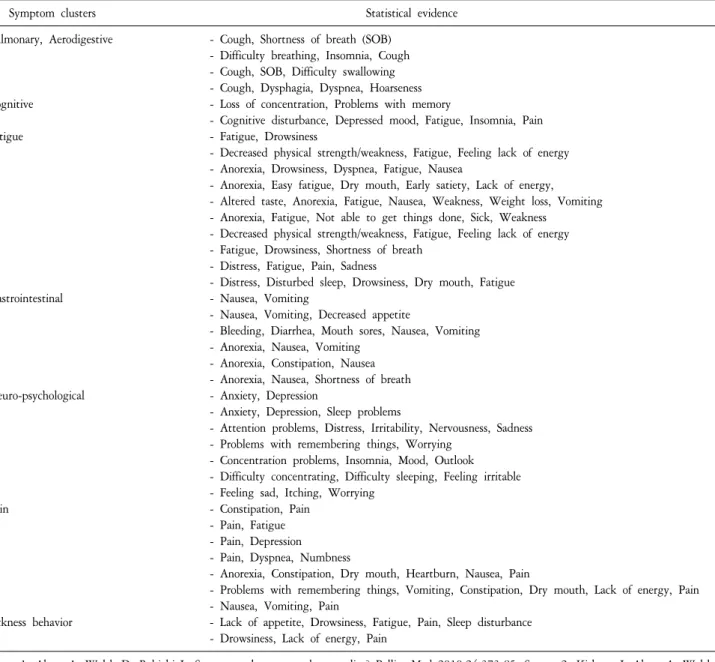
Table 1. Statistically Defined Symptom Clusters in Cancer*.
Symptom clusters Statistical evidence
Pulmonary, Aerodigestive - Cough, Shortness of breath (SOB) - Difficulty breathing, Insomnia, Cough - Cough, SOB, Difficulty swallowing - Cough, Dysphagia, Dyspnea, Hoarseness
Cognitive - Loss of concentration, Problems with memory
- Cognitive disturbance, Depressed mood, Fatigue, Insomnia, Pain
Fatigue - Fatigue, Drowsiness
- Decreased physical strength/weakness, Fatigue, Feeling lack of energy - Anorexia, Drowsiness, Dyspnea, Fatigue, Nausea
- Anorexia, Easy fatigue, Dry mouth, Early satiety, Lack of energy, - Altered taste, Anorexia, Fatigue, Nausea, Weakness, Weight loss, Vomiting - Anorexia, Fatigue, Not able to get things done, Sick, Weakness
- Decreased physical strength/weakness, Fatigue, Feeling lack of energy - Fatigue, Drowsiness, Shortness of breath
- Distress, Fatigue, Pain, Sadness
- Distress, Disturbed sleep, Drowsiness, Dry mouth, Fatigue
Gastrointestinal - Nausea, Vomiting
- Nausea, Vomiting, Decreased appetite
- Bleeding, Diarrhea, Mouth sores, Nausea, Vomiting - Anorexia, Nausea, Vomiting
- Anorexia, Constipation, Nausea - Anorexia, Nausea, Shortness of breath
Neuro-psychological - Anxiety, Depression
- Anxiety, Depression, Sleep problems
- Attention problems, Distress, Irritability, Nervousness, Sadness - Problems with remembering things, Worrying
- Concentration problems, Insomnia, Mood, Outlook - Difficulty concentrating, Difficulty sleeping, Feeling irritable - Feeling sad, Itching, Worrying
Pain - Constipation, Pain
- Pain, Fatigue - Pain, Depression - Pain, Dyspnea, Numbness
- Anorexia, Constipation, Dry mouth, Heartburn, Nausea, Pain
- Problems with remembering things, Vomiting, Constipation, Dry mouth, Lack of energy, Pain - Nausea, Vomiting, Pain
Sickness behavior - Lack of appetite, Drowsiness, Fatigue, Pain, Sleep disturbance - Drowsiness, Lack of energy, Pain
*Source1: Aktas A, Walsh D, Rybicki L. Symptom clusters: myth or reality? Palliat Med 2010;24:373-85. Source 2: Kirkova J, Aktas A, Walsh D, Davis MP. Cancer symptom clusters: clinical and research methodology. J Palliat Med 2011;14:1149-66.
보고되고 있어 각각의 단일 증상 접근 방법이 크게 도 움이 되지 못할 때가 있었다(4).
따라서 좀더 효과적인 증상 조절을 위하여 최근 들어 서는 이러한 개별 증상에 대한 접근에서 증상군(symp- tom cluster)으로 접근하는 방향으로 나아가고 있다(5).
어떤 증상들이 군을 형성하고 이런 증상들이 병태생리 적으로 서로 연관되어 있는지 다른 증상에도 영향을 미 치는지 아는 것은 환자 증상 조절에 있어 많은 도움이 될 것이다(6).
이 논문에서는 현재까지 연구된 암환자에서의 증상
군의 개념과 여러 증상과의 상호 연관성, 어떠한 공통 된 기전이 있고 이를 어떻게 적용해야 하는지 알아보고 자 한다.
본 론
1. 증상군의 개념
20세기 이전에는 대부분의 질병을 증상과 증후를 보 고 진단하였다. 20세기 이후에는 우울증 진단처럼 주로 정신과 영역에서 증상군을 질병의 진단과 분류에 사용
하였다(7). 그 외에도 섬유근통, 염증성 장질환처럼 병태 생리와 관련해서 증상을 군으로 묶어서 진단에 사용하 기도 하였다. 따라서 이러한 증상군을 잘 이해하면 치 료적 접근을 더욱 빨리 할 수 있고 병의 진행을 늦추는 데 도움이 된다(8).
진행암 환자 증상의 특징은 비암성 질환과 달리 여러 가지 증상들이 질병 자체, 치료과정, 그리고 다른 증상 에 따라 발생하기 때문에 증상의 원인이 훨씬 복잡하 고(9) 30%의 환자는 5개 이상의 증상이 동시에 나타나 고통이 더 심하다(10). 따라서 비암성 질환보다 이러한 동시에 나타나는 여러 증상을 효과적으로 관리해야 할 필요가 있다.
암성 질환에서의 증상군은 비교적 최근 들어 연구되 기 시작하였는데 원인과 기전에 상관없이 다른 군과 독 립적이면서 2개 이상의 서로 연관성 있는 동시에 발생 하는 증상을 의미한다(11,12).
현재까지 나타난 임상적으로 명백한 증상군을 보면 피로-졸음, 불안-우울, 구역-구토, 변비-통증, 기침-호흡 곤란 등이 있다(13). 그 외에도 2가지 증상 이상의 증상 군이 다양하게 나타난다(Table 1). 군으로 나타나는 증상 은 2개에서 14개까지 다양하게 보고되고 있으며 아직까 지 증상군을 정의하는 데에 그 상한에는 제한이 없어서 군을 서로 비교하고 임상적 유용성을 해석하는 것이 복 잡하다. 또한 증상 측정 도구와 인자 분석 방법에 따라 서도 증상군이 달라질 수 있어(14) 앞으로 더욱더 많은 연구가 필요하지만 증상군 접근방법을 통해서 여러 증 상들을 동시에 치료하는데 도움을 주고 좋은 치료 효과 를 얻을 수 있을 것이다(6).
2. 증상군의 안정성
증상군은 다양한 암에서 동시에 나타날 수 있고, 암 의 병기와 상관없이 지속적으로 나타나기도 하며, 암의 병기와 치료 과정에서 변할 수도 있다(15). 한 연구에 의 하면 암환자에서 처음에 나타난 증상군 내의 증상들은 적어도 75%가 시간이 지나도 변하지 않는다고 보고하 였다(16).
증상군 내에서 반복적으로 나타나는 증상을 핵심 증 상(core symptom)이라고 하는데 예를 들어, 다양한 근골 격 증상 중에서 시간이 지나도 피로, 무기력, 근육통, 몸 이 무거운 느낌 등의 증상들은 변하지 않았다고 하였을 때 이러한 증상들을 핵심 증상이라고 한다. 증상군이 시간이 지남 따라 안정적인지 변하는지 여부가 임상적 으로 예후와 치료를 위해 중요한 것인지는 명확하지 않
다(17). 그러나 다른 연구에 의하면 소화기 증상군 중에 서 피로, 불면증, 식욕부진, 구역, 구토 등은 안전성을 보였고 이러한 것들은 씨토카인(cytokine) 분비와 같은 공통 기전과 연관되어 있다(18)고 하였다.
따라서 이러한 증상의 안정성 여부는 같은 기전과 연 관 될 수 있기 때문에 증상군의 정의에 포함되어야 한 다는 주장도 나오고 있다(19,20). 따라서 안정성 있게 나 타나는 증상들은 치료나 예후 판정에 있어서도 효과적 으로 치료할 수 있어 중요한 의미를 부여할 수 있다.
감시 증상(sentinel symptom)은 어떠한 증상들이 나타 나는지 표지자 역할을 하는 증상이다.
한 연구에 따르면 수술 이후 폐암 환자의 모든 단계 에서 식욕부진-기침-호흡곤란-피로-통증 등의 증상군이 나타났는데 이 5가지 증상의 유무에 따라 통증의 발생 과 연관이 있었다. 즉 통증이 있으면 이러한 5가지 증상 들이 동시에 나타날 수 있다는 예측이 가능하다(16). 따 라서 한가지 증상이 나타나는 것을 보고 다른 증상이 나타나는 것을 예측할 수가 있어서 이러한 증상도 중요 한 가치를 지닌다.
3. 증상군의 기전
증상군은 공동 기전에 의한 다양한 증상을 동시에 치 료할 수 있다는 가능성에 따라서 관심이 증가하였다 (21). 암환자에서 인지장애, 우울증, 피로, 불면증, 통증 과 같은 정신-신경학적 증상군은 공통된 씨토카인 (cytokine)과 연관된 기전을 가지고 있는데 IL-6, TNF-A, IL1b 등이 질병 치료 과정에서 상승한다. 항암 치료를 받는 유방암 환자에서도 CRP, IL-6, TNF-A, IL-1B 등이 높았다(22). 진행성 유방암 환자에서 우울증-피로-통증 의 증상군은 시상하부-뇌하수체-부신 호르몬과 교감신 경 활성의 기전을 가지며(23) 간담관암에서 우울증-피로- 통증의 증상군은 종양과 연관된 호산구의 상승이 있었 으며 증상 정도가 심할수록 생존이 짧았다(24).
식욕부진-피로-불면증은 표피성장인자 수용체(epider- mal growth factor receptor)의 분비와 연관이 있으며 뇌하 수체에서 이러한 신호를 보낸다(25).
아직 밝혀지지 않은 증상군의 기전이 더 많지만 이러 한 공통된 기전을 차단함으로 인하여 여러 증상들이 동 시에 조절될 수 있기 때문에 더 많은 연구가 필요할 것 이다.
4. 증상군의 적용과 효과
1) 증상 예측: 최근 연구에서 항암치료를 받은 유방암
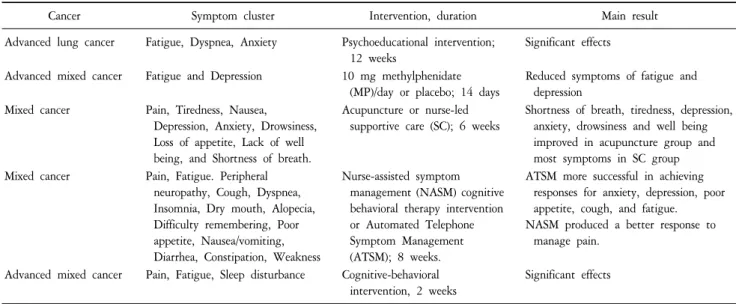
Table 2. Interventions Targeting Symptom Clusters in Patients with Advanced Cancer*.
Cancer Symptom cluster Intervention, duration Main result
Advanced lung cancer Fatigue, Dyspnea, Anxiety Psychoeducational intervention;
12 weeks
Significant effects
Advanced mixed cancer Fatigue and Depression 10 mg methylphenidate (MP)/day or placebo; 14 days
Reduced symptoms of fatigue and depression
Mixed cancer Pain, Tiredness, Nausea, Depression, Anxiety, Drowsiness, Loss of appetite, Lack of well being, and Shortness of breath.
Acupuncture or nurse-led supportive care (SC); 6 weeks
Shortness of breath, tiredness, depression, anxiety, drowsiness and well being improved in acupuncture group and most symptoms in SC group Mixed cancer Pain, Fatigue. Peripheral
neuropathy, Cough, Dyspnea, Insomnia, Dry mouth, Alopecia, Difficulty remembering, Poor appetite, Nausea/vomiting, Diarrhea, Constipation, Weakness
Nurse-assisted symptom management (NASM) cognitive behavioral therapy intervention or Automated Telephone Symptom Management (ATSM); 8 weeks.
ATSM more successful in achieving responses for anxiety, depression, poor appetite, cough, and fatigue.
NASM produced a better response to manage pain.
Advanced mixed cancer Pain, Fatigue, Sleep disturbance Cognitive-behavioral intervention, 2 weeks
Significant effects
*Source 1: Xiao C. The state of science in the study of cancer symptom clusters. Eur J Oncol Nurs 2010;14:417-34. Source 2: Kwekkeboom KL, Abbott-Anderson K, Cherwin C, Roiland R, Serlin RC, Ward SE. Pilot randomized controlled trial of a patient-controlled cognitive-behavioral intervention for the pain, fatigue, and sleep disturbance symptom cluster in cancer. J Pain Symptom Manage 2012;44:810-22.
환자에서 우울증, 피로, 불면, 피로의 증상군이 나타났 다. 증상의 심한 정도에 따라 두 그룹으로 나누었더니 증상이 심한 그룹에서 신경성 통증이 나타나는 비율이 높게 나타났다. 따라서 증상군의 증상의 중증도에 따라 서 다른 증상을 예측할 수 있었다(26).
2) 기능 수행 능력(Functional performance): 여러 가지 증상군이 나타나면 기능 수행 능력에 안 좋은 영향을 미친다. 한 연구에서 우울증, 피로, 불면 등은 환자에게 직접적으로 기능 수행 능력에 영향을 미치는 것으로 나 타났으며 통증은 불면, 피로, 우울증상을 야기하면서 간 접적으로 기능 수행능력에 영향을 미쳤다(27).
3) 생존: 수면장애, 우울증, 불안 중 2개 증상과 3개 증 상이 나타날 경우 수명을 비교하였을 때 2개 증상만 나 타났을 경우가 수명이 더 길었으며 구역, 구토 증상 중 1개 이하의 증상이 나타났을 때 2개의 증상이 나타났을 때보다 평균 수명이 길었다(28). 또 다른 연구에서는 피 로, 식욕부진, 카켁시아(cachexia)와 호흡, 기관지 계통(기 침, 호흡곤란, 목쉼, 연하곤란), 쇠약(부종, 혼돈) 등의 증 상군이 나타난 경우 평균 수명이 더 짧았다(29).
4) 치료: 말기폐암 환자에서 피로, 우울증, 호흡곤란, 통증, 불면 등의 증상군이 심리 교육 치료를 통해 호전 되는 양상을 보였으며 진행성, 말기암환자에서 우울증 과 피로의 증상군을 가진 환자에서 10 mg methylpheni- date 2주간 사용하였더니 증상군의 호전이 있었으며 다 양한 말기암환자에서 침술 요법과 심리 교육법 등을 사
용하였더니 통증을 비롯한 우울증, 불안, 구역, 호흡곤 란 등 모든 증상의 호전이 있었다(30). 그 외에도 다양한 암에서 통증, 피로, 불면의 증상군이 인지행동 치료를 통해 호전되었다(Table 2)(31).
그리고 증상군 내에서 상호 연관성을 잘 이해하면 치 료에 도움이 된다. 예를 들어, 통증-피로-불면증의 증상 증후군에서 통증이 피로와 불면증을 유발할 수 있기 때 문에 통증을 조절하면 피로와 불면증이 호전될 수 있으 며 또한 어떤 특정 씨토카인(cytokine)이 연관되어 있다 면 염증을 차단함으로 인하여 이 3가지 증상이 동시에 조절될 수 있다(7).
결 론
진행암 환자들은 통증을 비롯한 매우 다양한 증상이 동시에 나타나고 있고 있기 때문에 개별적 증상에 대한 치료 위주로는 한계에 부딪힐 수 있다. 따라서 약물사 용의 과다를 방지하고 더욱 효과적인 치료를 위해서는 증상을 군으로 묶어서 접근하는 방법이 중요하게 대두 되는 상황이다.
진행암 환자에게 나타나는 이러한 증상군을 분석하 고 이해함으로 인하여 진단, 치료 에 많은 도움이 되며 (15) 증상군 내에 어떤 증상이 나타나는가에 따라서 다 른 증상을 예측할 수 있으며 기능성 수행 능력과 생존 을 예측할 수도 있다.
또한 이러한 증상들이 상호 연관이 있고 같은 기전에 의한 것이라면 중요한 한 두가지 증상을 치료함으로 인 하여 여러 증상들이 한꺼번에 조절될 수 있을 것이며 정확한 기전이 밝혀진다면 이러한 기전을 차단함으로 인해 동시에 나타나는 증상군을 차단 할 수 있을 것이 다.
따라서 말기암환자에서 나타나는 다양하고 복잡한 증상을 효과적으로 조절하기 위해서는 이러한 증상군 을 이해할 필요가 있다. 아직 원인과 기전이 불완전하 게 알려져 있지만 여러 증상들은 임상적 통계적으로 입 증이 되었다(7). 그러나 증상을 측정하는 설문지 등 측 정 도구나 이러한 증상을 분석하는 통계 방식에 따라서 결과가 어느 정도 달라질 수 있기 때문에 더욱 많은 연 구가 이루어져야 할 것이다(3). 그리고 아직 밝혀진 기 전이 많지 않기 때문에 이에 대한 연구도 더 지속되어 야 할 것이다.
증상군에 대한 지속적인 연구와 노력으로 인하여 동 시에 발생하는 여러가지 증상을 효과적으로 치료하고 이를 통해 환자의 기능 수행 능력, 생존의 증가 등 삶의 질 향상에 많은 도움이 되기를 기대해 본다.
요 약
진행성 암환자들은 동시에 여러 가지 증상을 겪고 있 으며 그 정도가 중등도 이상으로 매우 높은 편이다. 환 자 증상 조절을 위해 지금까지는 통증, 우울증, 피로 등 여러 각각의 증상에 대해서 치료하는 방법에 대해서 주 로 연구 되어서 많은 발전이 있었지만 진행성 암환자의 특성상 동시에 발생하는 여러 가지 증상을 동시에 조절 하는 데에는 한계가 있다. 따라서 최근에는 더욱 효과 적인 증상 조절을 위해 이러한 각각의 증상에 대한 접 근 방법에서 동시에 발생하는 여러 증상군(symptom cluster)에 대한 접근 방법에 대한 연구가 진행되고 있다.
증상군은 원인과 기전에 상관없이 다른 군과 독립적이 면서 2개 이상의 서로 연관성 있는 동시에 발생하는 증 상을 의미한다. 진행성 암환자에서 이러한 증상군을 이 용하여 증상들 간에 연관성, 공통된 기전 등을 이해하 면 개별 증상 치료보다 더 효과적으로 조절할 수 있고 약물 부작용 등을 줄일 수 있다. 또한 다른 증상을 예측 할 수 있고 환자의 기능 평가, 생존 예측에도 도움이 된 다. 아직 밝혀지지 않은 기전이 많고 증상 측정 도구와 인자 분석 방법이 다양하기 때문에 증상군이 일정하지 않은 면이 있지만 더욱 많은 연구를 통해서 효과적인
증상 조절과 삶의 질 향상에 기여하게 될 것이다.
중심단어: 증상군, 암, 환자, 생존 참 고 문 헌
1. Klinkenberg M, Willems DL, van der Wal G, Deeg DJ.
Symptom burden in the last week of life. J Pain Symptom Manage 2004;27:5-13.
2. Chiu TY, Hu WY, Chen CY. Prevalence and severity of sym- ptoms in terminal cancer patients: a study in Taiwan. Support Care Cancer 2000;8:311-3.
3. Chen ML, Tseng HC. Symptom clusters in cancer patients.
Support Care Cancer 2006;14:825-30.
4. Koh NY, Koo WH. Polypharmacy in palliative care: can it be reduced? Singapore Med J 2002;43:279-83.
5. Aktas A. Cancer symptom clusters: current concepts and contro- versies. Curr Opin Support Palliat Care 2013;7:38-44.
6. Cheung WY, Le LW, Zimmermann C. Symptom clusters in patients with advanced cancers. Support Care Cancer 2009;17:
1223-30.
7. Aktas A, Walsh D, Rybicki L. Symptom clusters: myth or reality? Palliat Med 2010;24:373-85.
8. Jurgens CY, Moser DK, Armola R, Carlson B, Sethares K, Riegel B, et al. Symptom clusters of heart failure. Res Nurs Health 2009;32:551-60.
9. Barsevick AM, Whitmer K, Nail LM, Beck SL, Dudley WN.
Symptom cluster research: conceptual, design, measurement, and analysis issues. J Pain Symptom Manage 2006;31:85-95.
10. Esther Kim JE, Dodd MJ, Aouizerat BE, Jahan T, Miaskowski C.
A review of the prevalence and impact of multiple symptoms in oncology patients. J Pain Symptom Manage 2009;37:715-36.
11. Chen E, Nguyen J, Cramarossa G, Khan L, Zhang L, Tsao M, et al. Symptom clusters in patients with advanced cancer: sub-analy- sis of patients reporting exclusively nonzero ESAS scores. Palliat Med 2012;26:826-33.
12. Walsh D, Rybicki L. Symptom clustering in advanced cancer.
Support Care Cancer 2006;14:831-6.
13. Kirkova J, Aktas A, Walsh D, Davis MP. Cancer symptom clust- ers: clinical and research methodology. J Palliat Med 2011;14:
1149-66.
14. Dodd MJ, Miaskowski C, Lee KA. Occurrence of symptom clust- ers. J Natl Cancer Inst Monogr 2004;(32):76-8.
15. Kirkova J, Walsh D, Aktas A, Davis MP. Cancer symptom clust- ers: old concept but new data. Am J Hosp Palliat Care 2010;27:
282-8.
16. Kirkova J, Walsh D. Cancer symptom clusters-a dynamic con- struct. Support Care Cancer 2007;15:1011-3.
17. Brown JK, Cooley ME, Chernecky C, Sarna L. A symptom cluster and sentinel symptom experienced by women with lung cancer.
Oncol Nurs Forum 2011;38:E425-35.
18. Lee BN, Dantzer R, Langley KE, Bennett GJ, Dougherty PM, Dunn AJ, et al. A cytokine-based neuroimmunologic mechanism of cancer-related symptoms. Neuroimmunomodulation 2004;11:
279-92.
19. Molassiotis A, Wengström Y, Kearney N. Symptom cluster pa- tterns during the first year after diagnosis with cancer. J Pain Symptom Manage 2010;39:847-58.
20. Skerman HM, Yates PM, Battistutta D. Cancer-related symptom clusters for symptom management in outpatients after commenc- ing adjuvant chemotherapy, at 6 months, and 12 months.
Support Care Cancer 2012;20:95-105.
21. Miaskowski C, Lee KA. Pain, fatigue, and sleep disturbances in oncology outpatients receiving radiation therapy for bone meta- stasis: a pilot study. J Pain Symptom Manage 1999;17:320-32.
22. Lyon DE, Schubert C, Taylor AG. Pilot study of cranial stimula- tion for symptom management in breast cancer. Oncol Nurs Forum 2010;37:476-83.
23. Thornton LM, Andersen BL, Blakely WP. The pain, depression, and fatigue symptom cluster in advanced breast cancer: covariat- ion with the hypothalamic-pituitary-adrenal axis and the sympa- thetic nervous system. Health Psychol 2010;29:333-7.
24. Steel JL, Kim KH, Dew MA, Unruh ML, Antoni MH, Olek MC, et al. Cancer-related symptom clusters, eosinophils, and survival in
hepatobiliary cancer: an exploratory study. J Pain Symptom Manage 2010;39:859-71.
25. Rich TA. Symptom clusters in cancer patients and their relation to EGFR ligand modulation of the circadian axis. J Support Oncol 2007;5:167-74.
26. Golan-Vered Y, Pud D. Chemotherapy-induced neuropathic pain and its relation to cluster symptoms in breast cancer patients treated with paclitaxel. Pain Prac 2013;13:46-52.
27. Oh H, Seo Y, Jeong H, Seo W. The identification of multiple symptom clusters and their effects on functional performance in cancer patients. J Clin Nurs 2012;21:2832-42.
28. Jiménez A, Madero R, Alonso A, Martínez-Marín V, Vilches Y, Martínez B, et al. Symptom clusters in advanced cancer. J Pain Symptom Manage 2011;42:24-31.
29. Aktas A, Walsh D, Rybicki L. Symptom clusters and prognosis in advanced cancer. Support Care Cancer 2012;20:2837-43.
30. Xiao C. The state of science in the study of cancer symptom clusters. Eur J Oncol Nurs 2010;14:417-34.
31. Kwekkeboom KL, Abbott-Anderson K, Cherwin C, Roiland R, Serlin RC, Ward SE. Pilot randomized controlled trial of a patient-controlled cognitive-behavioral intervention for the pain, fatigue, and sleep disturbance symptom cluster in cancer. J Pain Symptom Manage 2012;44:810-22.