*1 Received on March 5, 2012; accepted on March 24, 2012
*2 Departmentof Chemical Engineering, Hankyong National University, Anseong, Gyeonggi-do 456-749, Korea
†
Corresponding author : Byung-Hwan Um (e-mail: [email protected])
Evaluation of Secondary Acid and Enzymatic Hydrolysis of Hemicellulose in Hot Water Pre-Pulping Extract of
Mixed Hardwoods* 1
Byung-Hwan Um*
2†ABSTRACT
Pre-pulping extracts were found to contain a dilute amount of xylo-oligosaccharides and acetic acid as the major components, and many minor components including other organic acids, lignin-derived phe- nolics, and sugar degradation products. Once separated from the pulp, a secondary hydrolysis step was required to hydrolyze oligomeric hemicellulose sugars into monomeric sugars before fermentation. The fol- lowing study detailed the extent of hemicellulose recovery by pre-pulping using hot water extraction and characterized the hydrolysis of the extract with respect to comparing acid and enzymatic hydrolysis. The secondaryhydrolysis of hot water extracts made at an H-Factor of 800 was tested for a variety of acid and enzyme loading levels using the sulfuric acid and xylanases. The maximum fermentable sugar yield from acid and enzyme hydrolysis of the extract was 18.7 g/ ℓ and 17.7 g/ℓ representing 84.6% and 80.1% of the maximum possible yield, respectively.
Keywords : acid hydrolysis, acetic acid, enzyme hydrolysis, hot water extraction, mixed hardwood, tubu- lar reactor
1. INTRODUCTION
One promising development in conversion of lignocellulosic biomass to renewable fuels and chemicals is the process of pre-pulping hemi- cellulose extraction. Extracting hemicellulose prior to pulping creates a new feedstock within the existing pulp and paper industry while pre- serving cellulose for production of the more valuable pulp (van Heiningen, 2006). In pres- ent-day kraft pulp mills, hemicellulose is burned
during chemical recovery along with lignin to generate power and steam (Smook, 2002).
Because hemicellulose does not have a high heating value, conversion by biological fermen- tation processes offers a potential way to in- crease the value derived from lignocellulosic feedstocks within an integrated bio-refinery.
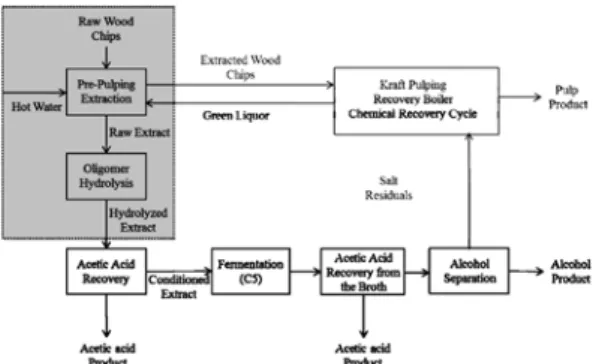
Fig. 1 presents the integrated pulp and bio-
refinery. To the chemical processing steps for
producing value-added chemicals, it incorpo-
ratescomponents from existing biorefinerytype
Fig 1. Simplified block diagram representing the process flow of a pulp and biorefinery. The pre-pulping extraction and oligomer hydrol- ysis steps are the focus of this study.
operations of wood pulp mill processes (Um et al., 2011; Huang et al., 2007). Carbohydrate separation and recovery involve both the five- and six-carbon compounds, these compounds respond to separations by selective hydrolysis because they have different activities in either chemical or enzymatic hydrolyses. The lignin component, the least developed of the biomass fraction, is often viewed as a fuel to drive the processing systems, but it is also a potential source of aromatic chemical products (van Heiningen, 2006). In order to achieve a true bi- orefinery status, each biomass component would beused in the appropriate process to yield the highest value product. Therefore, a combination of processing steps, tailored to fit the particular operation, will be used to produce a slate of chemical products, which will be developed in response to the market drivers to optimize feed- stock utilization and overall plant income. In this manner, the return on investment for con- verting low-cost feed stock to high-value chem- ical products can be maximized.
On an annual basis, the US pulp and paper industry sustainably collects and processes ap- proximately 108 million tons of wood for the production of pulp and paper (Ragauskas et al.,
2006; Hekkert et al., 2001). Extractives from the pulping process provide approximately 700 million liters of turpentine and tall oil annually that could be employed for biodiesel applica- tions (Ragauskas et al., 2006; Mabee, 2006).
Hemicelluloses occur in relatively large amounts in hardwoods (12 ∼20%) and lesser amounts in softwoods (3 ∼8%) (Blanchette, 2000). They normally have monomeric sub- stituents or, in some cases, branched oligomer chains, and vary in composition and structure.
In the case of hardwoods, the hemicelluloses
consist of linear chains of β-1-4 glycosidic
bonded xylose monomers with an average de-
gree of polymerization of 100 ∼200 (Bailey and
Ollis, 1986). Hemicellulose is a byproduct
which is largely being wasted at pulp mills
today. It is often burned in boilers with the lig-
nin after the cellulose has been sorted out for
pulp production. Recovery of hemicellulose sug-
ars prior to the pulping operation reduces the
mass of dissolved wood components and pro-
vides new product opportunities enhancing pro-
duction of Kraft pulps. Extraction of hemi-
cellulosic sugars by a hot water prehydrolysis
produces sugars that are mostly oligosaccharides
and small monosaccharides. Acetyl esters nor-
mally present on hemicellulose are partly
cleaved, leaving some esters still attached to the
sugars (Um, 2008; Kenealy et al., 2007). This
complicates a detailed analysis of the sugars
present and necessitates a secondary hydrolysis
in the analysis of the total carbohydrates
present. A second hydrolysis is even more im-
portant for the identification of the carbohydrate
composition when the hemicellulose is extracted
by an alkaline system. Here the hemicellulose
comes out as a polymeric material and the ace-
tyl esters as acetate. Polymeric oligosaccharides
are easier to separate and concentrate from
aqueous solutions by ultrafiltration and evapo-
ration. Acetate could be recovered as a salt, but
if acetic acid is the desired product then acid addition will be required. The separation of ace- tic acid and sugars can be accomplished with membrane filtration and has been proposed as a part of ethanol production from wood (Kenealy et al., 2007; Pu et al., 2007).
Advances are being made in the conversion and processing of lignocellulosic biomass to useful products. When the celluloseis converted to ethanol or other products the hemicellulose must also be used since it is a significant frac- tion of lignocellulosic materials. If cellulose is to be a significant portion of the product, as in paper, the hemicellulose and lignin are the only materials that can provide new products. In both cases, the processing and ultimate fate of the hemicellulose is important for the economics and design of the process. In this study, we in- vestigated the optimal conditions of secondary acid and enzyme hydrolysis for maximum fer- mentable sugar recovery from hemicellulose ex- tracts of mixed pulping wood. Furthermore, we characterize hydrolysis of the extract with re- spect to variable parameters and conclude with a comparison of acidic and enzymatic hydrol- ysis results.
2. MATERIALS and METHODS
2.1. Raw Material
Chips of mixed hardwood were supplied by the Red-Shield Kraft Pulp Mill in Old Town, ME, USA. The hardwood chips comprised pri- marily of maple ( ∼50%) with lesser amounts of beech, birch and poplar. The chipswere screened to an average 7/8 ∼5/8 in (22.6∼16.0 mm) using a mechanically vibrated horizontal screen. The screened wood chips were used di- rectly in hot water extraction studies. Some of the screened chips were ground to an average size of 30 ∼40 mesh (0.595∼0.420 mm) using
a laboratory knife mill. The milled wood chips were used directly for determination of total solids/moisture and carbohydrate content in biomass. The composition of this material was analyzed according to NREL laboratory ana- lytical procedures: NREL/TP-510-42618 for Structural carbohydrates, TP-510-42623 for Sugars (Sluiter et al., 2008; Sluiter et al., 2006).
The sugar composition of raw wood chips was 43.3% glucan, 2.6% arabinan, 19.4% XMG, and 23.1% Klason lignin. Here, XMG (capitalized) represents the sum total of the oligomeric sugar (xylan + mannan + galactan) and xmg (lower- case) represents monomeric sugar.
2.2. Pre-Pulping Extraction
The mixed northeast hardwood chips were used throughout this study. The hemicellulose extractions were performed using a 20 ℓ rock- ing digester. The digester was loaded with 2 kg of chips of between 16 and 22.6 mm and cooked. An effective hot water on chips was used for all cases with liquor to wood ratio of 4 : 1. This system was agitated (2 rpm) at 160°C for 110 min yielding an H-factor 800.
The H-factor is a kinetic model applicable to al-
kaline pulping that expresses cooking time and
temperature as a single variable. The digester
heat-up period lasted 50 min before steady state
was reached, and cooled down after 110 min. at
operating temperature required an additional 50
min. Reactor pressure reached 130 psig during
extraction. The reactor was then cooled below
100°C. Samples were withdrawn and the total
sugar and reducing sugar contents were quanti-
fied in the supernatant from the xylan suspen-
sion. Under extraction conditions approximately
total 13.5% of the mass of the wood was
extracted.
2.3. Secondary Acid Hydrolysis
All batch acid hydrolysis experiments were performed using sealed tubular reactors. The vessel (12 cm
3of internal volume) was con- structed out of stainless steel tubing because of its strength at elevated temperatures, and corro- sion resistance. Both ends of the vessel were sealed with Swagelok end-caps into a size of 0.39 in. (1 cm) diameter × 5.91 in. (15 cm) length. The acid hydrolysis was conducted with 10 mL hemicellulose extract under conditions ranging from 110 to 130°C, 0 to 4% H
2SO
4, and 20- to 120-min residence time. Tempera- tures of the vessel were adjusted with oil (Heat Transfer Fluid 550, Fisher, Pittsburgh, PA), which temperatures were controlled with ex- ternal heating/cooling baths. The vessel was ini- tially submerged into oil bath set at 50°C above the desired reaction temperature for rapid preheating. The vessel was then quickly trans- ferred into next oil bath set at the precise de- sired reaction temperature. The vessel temper- ature was monitored by a thermocouple (KQXL- 18G-12, Omega Eng. Inc., Stamford, CT) inserted into the reactor. After finishing the reaction, the vessel was quenched in an ice bath for 10 min.
2.4. Secondary Enzyme Hydrolysis
The xylo-oligosaccharide extracts were pre- pared for enzyme reaction by the previously de- scribed extraction process; the resulting solid concentration in the extract solution was 3.91%.
The experiments were conducted according to the NREL Laboratory Analytical Procedures (LAP): NREL/TP-510-42629 (Selig et al., 2008).
The enzymatic hydrolyses were conducted with 3,000 U/g xylanase from Trichoderma viride (Xylanase 1, Fluka, distributed by Sigma- Ald- rich, St. Louis, MO, USA) and 2,500 U/g xyla- nase from Thermo- myces lanuginosus (Xyla- nase 2, Sigma-Aldrich, St. Louis, MO, USA)
under agitation (68 RPM) for 96 h at the tem- peratures of 40°C. One unit (U) of each enzyme activity is defined as the amount of enzyme, which produces 1 µmol reducing sugar as xy- lose in the reaction mixture per minute. Before adding the enzymes, the samples were placed in the shaker bath for 10 min to ensure thorough mixing and to warm the samples partially to the hydrolysis temperature. The enzymatic hydrol- ysis was conducted with 100 ㎖ working vol- ume under various conditions ranging from pH 1.5 to 6.0 in increments of one-half pH unit, and 0.5 to 4% enzyme. The pH was adjusted with 1 M NaOH or HCl. These samples were then left to equilibrate for 30 min, and then the pH was checked. In order to monitor the hy- drolysis, samples were withdrawn and the re- ducing sugar contents and acetic acid were quantified by HPLC, after removal of the in- soluble materials by centrifugation and syringe filtration.
2.5. High Performance Liquid Chro- matography
The sugar composition of reaction products was quantitatively analyzed by HPLC. The Shimadzu model (LC-10AT Liquid Chromato- gram, Shimadzu Corp., Kyoto, Japan) HPLC used for carbohydrates measurement had Bio- Rad Aminex HPX-87H (300 mm × 7.8 mm, Bio-Rad Laboratories Inc., Hercules, CA) and Cation H micro-guard cartridge (30 mm × 4.6 mm, Bio-Rad Laboratories Inc., Hercules, CA).
The column was maintained at 60°C, and 5 mM
H
2SO
4was used for the Aminex 87H-column as
eluent at a flow rate of 0.6 ㎖/min. All of the
sugar peaks were detected by a RI detector and
UV absorption (215 nm) and were identified
and quantified by comparison to retention times
of authentic standards. The Bio-Rad Aminex
HPX-87H analytical column allows the concur-
Table 1. Analysis of raw extract composition used for experiments Total Solid
a[%] pH Glucan
[g/ ℓ] XMG
b[g/ ℓ] Arabinan [g/ ℓ] Acetyl
[g/ ℓ] Furfural
[g/ ℓ] Total Sugars
c[g/ ℓ]
Theoretical Maximum Yield
d3.91 3.55
1.5 22.1 1.1 5.5 1.2 11.8
Untreated Blind
Control
e0.3 3.4 0.8 3.0 0.8 0.7
a
Total solid fraction in the extracts after extraction
b
XMG = xylan + mannan + galactan
c
Total sugars = glucan + XMG + arabinan
d
Determination of initial sugar and acetyl concentrations were performed by acid hydrolysis, using NREL standard methods No.002, under conditions of 120°C, 4% H
2SO
4, and 60 min residence time
e
No secondary acid hydrolysis
Fig 2. XMG yield from hot water pre-pulping extract of mixed northeast hardwood followed by secondary acid hydrolysis as function of temperature and acid concentration: reaction time (a) 20 min (b) 40 min, and (c) 120 min.
rent analysis of liquid sample for the presences of acetic acids and sugar degradation products.
3. RESULTS and DISCUSSION
3.1. Pre-Pulping Extract
The concentration of carbohydrates released from mixed hardwood chips following hot water extraction treatment is listed in Table 1. Total carbohydrates extracted represented 1.5, 22.1, and 1.1 g/ ℓ of glucan, XMG, and arabinan respectively. The ratio of glucan/XMG/arabinan mannose liberated from hemicellulose extract liquid was 0.07 : 1 : 0.05. Analysis of these ra- tios implies that the XMG component is pre-
dominantly derived from arabinoglucurono- xylan. Small amounts of glucan are likely the result of hydrolysis of galactoglucomannan. All process sugar yields from acid and enzymatic secondary hydrolysis were calculated from the basis of the sugar composition of extracts.
3.2. Dilute-Acid Hydrolysis Results
The main purpose of this part of the work
was to investigate the influence of the known
important reaction variables, temperature, time,
and acid concentration. The effects of temper-
ature (ranging from 110 to 130°C) on dilute
H
2SO
4(0.5, 2, and 4 w/v) hydrolysis of pre-
pulping extract for various reaction time (20,
Fig 3. Effect of enzyme loading on XMGyield at constant temperature (40°C).
40, and 129 min) were evaluated. The data in Fig. 2 indicates that the XMG yields are de- pendent upon the reaction temperature as well as H
2SO
4dose of secondary acid hydrolysis.
The maximum yield of XMG was 18.7 g/ ℓ af- ter dilute acid hydrolysis of 4% H
2SO
4(w/v) extracted hemicellulose liquor for 40 min at 130°C. (Fig. 2(b)). The acetate formation ap- pears to peak at a temperature of 130°C. Fur- fural, the decomposition of xylose, increased with the temperature (data not shown). This clearly indicates that pentose sugars (xylose and arabinose) derived from hemicellulose were fur- ther degraded. But, no HMF was produced per liter of extract. One reason is that small am- ounts of glucose are relatively extracted from hot water extraction process in the pre-pulping extract. The data on these minor constituents are, however, subject to little errors because their quantities are so small.
Pre-pulping extracts used in this study theo- retically contained 1.5 g/ ℓ glucan, 22.1 g/ℓ XMG and 1.1 g/ ℓ arabinan, which make up the total carbohydrate content of 24.7 g/ ℓ (Table 1). To reduce further degradation of monosaccharide formed, we have evaluated the effects of various acid doses on dilute H
2SO
4hydrolysis. With 3.91% (w/v, consistency) ex- tracts, an acid dose of 4% (w/v) gave maximum yield (18.7 g/ ℓ) of fermentable sugars at 130°C (Fig. 2(b)). About 85% of hemicellulose was converted to sugars and only 50% glucan (data not shown) was converted to glucose. This trend in the results was similar to that reported for rapeseed straw (Jeong et al., 2010). Al- though the trends in the results were similar, the actual pentose sugar yields from the experi- ments were much higher than those collected by Jeong using rapeseed straw. The effect of the 0.5, 1, and 2% of H
2SO
4dose on the hydrolysis was also studied. The maximum xylose sugars concentration present in the hydrolyzates were
0.8, 1.2, and 16.5 g/ ℓ with the acid doses of 0.5, 1, and 2% (w/v) at the temperature of 130°C, respectively.
The effect of residence time on various dilute H
2SO
4hydrolysis of hemicellulose extract at the temperature ranged from 110 to 130°C was also studied (Fig. 2). Fig. 3 shows the XMG yield for 120 min reaction time as function of re- action temperature and acid concentration. The overall xylose yield did not increase with the increase of treatment time as a result of de- crease in hemicellulose conversion (Fig. 3).
Going to higher severity might somewhat re- duce both the XMG remaining in the extract and the loss. Tested reaction times were se- lected such that the longest reaction time was sufficiently long to result in a decreased XMG yield, ensuring that a maximum yield had been at least bracketed by each experimental con- dition of temperature and acid concentration.
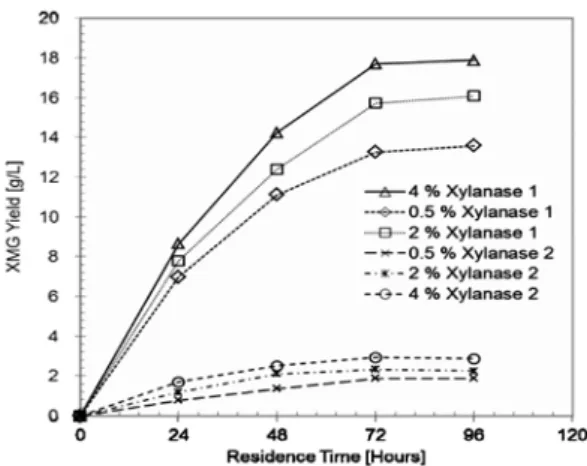
3.3. Enzymatic Hydrolysis Results
To explore various options for enzymatic
conversion of the hemicellulose extract after hot
water extraction process, we performed a series
Fig 4. Enzymatic hydrolysis of pre-pulping ex- tract for XMG yield as function of en- zyme loading amount at constant tem- perature (40°C).
Fig 5. Acetic acid yield for different enzyme loading at constant temperature (40°C).
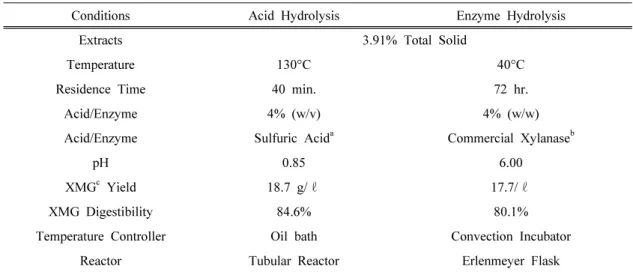
Table 2. Comparison of different hydrolysis conditions at the highest xylose yield
Conditions Acid Hydrolysis Enzyme Hydrolysis
Extracts 3.91% Total Solid
Temperature 130°C 40°C
Residence Time 40 min. 72 hr.
Acid/Enzyme 4% (w/v) 4% (w/w)
Acid/Enzyme Sulfuric Acid
aCommercial Xylanase
bpH 0.85 6.00
XMG
cYield 18.7 g/ ℓ 17.7/ ℓ
XMG Digestibility 84.6% 80.1%
Temperature Controller Oil bath Convection Incubator
Reactor Tubular Reactor Erlenmeyer Flask
a
Sulfuric Acid: Pure 96.00% (+/- 0.15% solution in water).
b
Xylanase: 3,000 U/g xylanase from Trichoderma viride.
c
![Table 1. Analysis of raw extract composition used for experiments Total Solid a [%] pH Glucan[g/ ℓ] XMG b[g/ℓ] Arabinan[g/ℓ] Acetyl[g/ℓ] Furfural[g/ℓ] Total Sugars c[g/ℓ] Theoretical Maximum Yield d 3.91 3.55 1.5 22.1 1.1 5.5 1.2 11.8 Untreated Blind Con](https://thumb-ap.123doks.com/thumbv2/123dokinfo/4828514.525152/5.808.85.719.160.280/analysis-composition-experiments-arabinan-furfural-theoretical-maximum-untreated.webp)