pISSN 1598-9992 eISSN 2233-6869
ORIGINAL ARTICLE
항 Tumor Necrosis Factor 제제 치료 중인 염증성 장질환 환자에서 발생한 결핵의 임상적 특징과 예후
김지혜1,2, 임종필1, 임재준3, 이창균4, 박동일5, 은창수6, 정성애7, 신정은8, 이강문9, 천재희10
서울대학교 의과대학 내과학교실 및 간연구소1, 차의과학대학교 강남차병원 내과2, 서울대학교 의과대학 내과학교실 및 폐연구소3, 경희대학교 의과대학 내과학교실4, 성균과대학교 의과대학 내과학교실5, 한양대학교 의과대학 한양대학교 구리병원 내과6, 이화여자대학교 의과대학 내과학교실7, 단국대학교 의과대학 내과학교실8, 가톨릭대학교 의과대학 내과학교실9, 연세대학교 의과대학 내과학교실10
Clinical Features and Outcomes of Tuberculosis in Inflammatory Bowel Disease Patients Treated with Anti-tumor Necrosis Factor Therapy
Jihye Kim1,2, Jong Pil Im1, Jae-Joon Yim3, Chang Kyun Lee4, Dong Il Park5, Chang Soo Eun6, Sung-Ae Jung7, Jeong Eun Shin8, Kang-Moon Lee9 and Jae Hee Cheon10
Department of Internal Medicine and Liver Research Institute, Seoul National University College of Medicine1; Department of Internal Medicine, CHA Gangnam Medical Center, CHA University School of Medicine2; Department of Internal Medicine and Lung Institute, Seoul National University College of Medicine3; Department of Internal Medicine, Kyung Hee University School of Medicine4; Department of Internal Medicine, Sungkyunkwan University School of Medicine5, Seoul; Department of Internal Medicine, Hanyang University Guri Hospital, Hanyang University College of Medicine6, Guri; Department of Internal Medicine, Ewha Womans University School of Medicine7, Seoul; Department of Internal Medicine, Dankook University College of Medicine8, Cheonan; Department of Internal Medicine, College of Medicine, The Catholic University of Korea9; Department of Internal Medicine, Yonsei University College of Medicine10, Seoul, Korea
Background/Aims: Anti-tumor necrosis factor (TNF) therapy is used widely for the treatment of inflammatory bowel disease (IBD).
In the present study, the characteristics and outcomes of tuberculosis (TB) in IBD patients treated with anti-TNF therapy were compared with those of non-IBD TB patients.
Methods: Twenty-five IBD patients who initially developed TB during anti-TNF therapy were enrolled in this study. Seventy-five age- and gender-matched non-IBD TB patients were selected as controls in a 1:3 ratio.
Results: The proportion of non-respiratory symptoms was higher in the IBD patients than in the non-IBD patients (12 [48.0%] in the IBD patients vs. 15 [20.0%] in the non-IBD patients; p=0.009). Eight (32.0%) IBD patients and 19 (25.3%) non-IBD patients had ex- tra-pulmonary lesions (p=0.516). The frequency of positive smear results for acid-fast bacilli (AFB) was significantly higher in the non-IBD patients than in the IBD patients (three [12.0%] IBD patients vs. 27 [36.0%] non-IBD patients; p=0.023). Active TB was cured in 24 (96.0%) patients in the IBD group and in 70 (93.3%) patients in the non-IBD group (p=0.409). The TB-related mortality rates were 4.0% and 1.3% in the IBD patients and non-IBD patients, respectively (p=0.439).
Conclusions: The rate of extrapulmonary involvement, side effects of anti-TB medications, and clinical outcomes did not differ between the IBD patients who initially developed TB during anti-TNF therapy and non-IBD patients with TB. On the other hand, the IBD patients had a lower rate of AFB smear positivity and a higher proportion of non-respiratory symptoms. (Korean J Gastroenterol 2020;75:29-38) Key Words: Tumor necrosis factor inhibitors; Inflammatory bowel diseases; Tuberculosis
Received February 2, 2019. Revised October 1, 2019. Accepted October 9, 2019.
CC This is an open access article distributed under the terms of the Creative Commons Attribution Non-Commercial License (http://creativecommons.org/licenses/
by-nc/4.0) which permits unrestricted non-commercial use, distribution, and reproduction in any medium, provided the original work is properly cited.
Copyright © 2020. Korean Society of Gastroenterology.
교신저자: 임종필, 03080, 서울시 종로구 대학로 101, 서울대학교 의과대학 내과학교실 및 간연구소
Correspondence to: Jong Pil Im, Department of Internal Medicine and Liver Research Institute, Seoul National University College of Medicine, 101 Daehak-ro, Jongno-gu, Seoul 03080, Korea. Tel: +82-2-2072-0638, Fax: +82-2-2742-8601, E-mail: [email protected], ORCID: https://orcid.org/0000-0003-1584-0160
Financial support: None. Conflict of interest: None.
INTRODUCTION
Inflammatory bowel disease (IBD), including Crohn’s dis- ease (CD) and ulcerative colitis, is a chronic, relapsing in- flammatory disorder involving the gastrointestinal (GI) tract.1,2 Although the etiology of IBD is unknown, a dysregulated mu- cosal immune response to the gut microbiota is believed to play an important role in the pathogenesis of IBD.3 Tumor necrosis factor-α (TNF-α), an essential cytokine in the im- mune-mediated defense, is a major pathological cytokine in IBD that activates the nuclear factor-κB transcription factor family.4 Because TNF is involved in the pathogenesis of IBD, anti-TNF therapy has been used widely as a novel treatment for IBD. The efficacy of anti-TNF therapy for the induction and maintenance of the remission in IBD has been demonstrated in several randomized clinical trials and meta-analyses.5-8
On the other hand, TNF-α also plays a vital role in the host defense against Mycobacterium tuberculosis (M. tuberculosis) by forming granuloma. As a result, the risk of developing tuber- culosis (TB) increases in patients treated with anti-TNF therapy.9 Anti-TNF therapy, including monoclonal antibodies, such as infliximab and adalimumab, increases the risk of latent TB infection (LTBI) reactivation approximately 2- to 8-fold.10,11 For this reason, the guidelines for the treatment of IBD recom- mend that screening for LTBI, including a combination of pa- tient’s history, chest X-ray, tuberculin skin test, and interferon-γ release assay (IGRA), should be performed before anti-TNF therapy.10,12,13
Despite the rapid economic growth, South Korea still has a high burden of TB.14 The incidence of TB and the estimated prevalence of LTBI are both higher in South Korea than in developed countries.7,13,15
Although the association between the risk of TB in IBD pa- tients receiving anti-TNF therapy is known, studies comparing the prognosis of TB in those patients with that of TB patients in the general population are limited.9 In recent years, an- ti-TNF therapy is being used increasingly for IBD in South Korea, a country with an intermediate TB burden.9,16,17 In the present study, the clinical features and outcomes of TB in IBD patients treated with anti-TNF therapy were compared with those in non-IBD TB patients in the general population.
SUBJECTS AND METHODS
1. Study design
This is a multicenter, a retrospective study of IBD patients receiving anti-TNF therapy from January 2001 to December 2013 at eight academic teaching hospitals in South Korea.
During this period, 873 IBD patients treated with anti-TNF therapy were identified, of which 25 IBD patients had initially developed TB during anti-TNF therapy. A retrospective review was conducted to assess the characteristics of IBD patients receiving anti-TNF therapy with and without incident TB.9 In this study, the clinical features and outcomes of incident TB in IBD patients reported in a previous study were compared with those of non-IBD TB patients.9
To compare the clinical characteristics of TB in IBD patients receiving anti-TNF therapy with those of non-IBD TB patients, an age- and gender-matched control group at a 1:3 ratio was selected randomly using the Greedy Matching method. A sta- tistician blinded to the clinical and outcome data performed the matching process randomly.
The non-IBD TB patients were selected from the registry of patients newly diagnosed with TB at Seoul National University Hospital (South Korea) in 2010. The categorical var- iable, gender, was matched to have the same category. The allowable limit was set to ±5 for the age at the time of TB diagnosis, which is a continuous variable. The Institutional Review Board of the Seoul National University Hospital ap- proved this study (H-1409-089-609).
2. Data collection
The baseline demographic and clinical characteristics, in- cluding gender, age at the diagnosis of TB, BMI, smoking sta- tus, results of LTBI screening, and underlying comorbidities, such as diabetes mellitus, hypertension, malignancy, and pul- monary disease, were evaluated. In the IBD patients, the fol- lowing additional data related to IBD were collected: type and duration of IBD; type and duration of anti-TNF therapy; con- comitant medication use, including corticosteroids and other immunosuppressants, within the 3 months of TB develop- ment; and the need for dose intensification of anti-TNF ther- apy, including increased dose or decreased dosing interval.
LTBI was diagnosed using the 2011 Korean guidelines for TB.18 Diagnostic strategies, including the tuberculin skin test (TST) and the IGRA, were used to diagnose LTBI. Positive LTBI
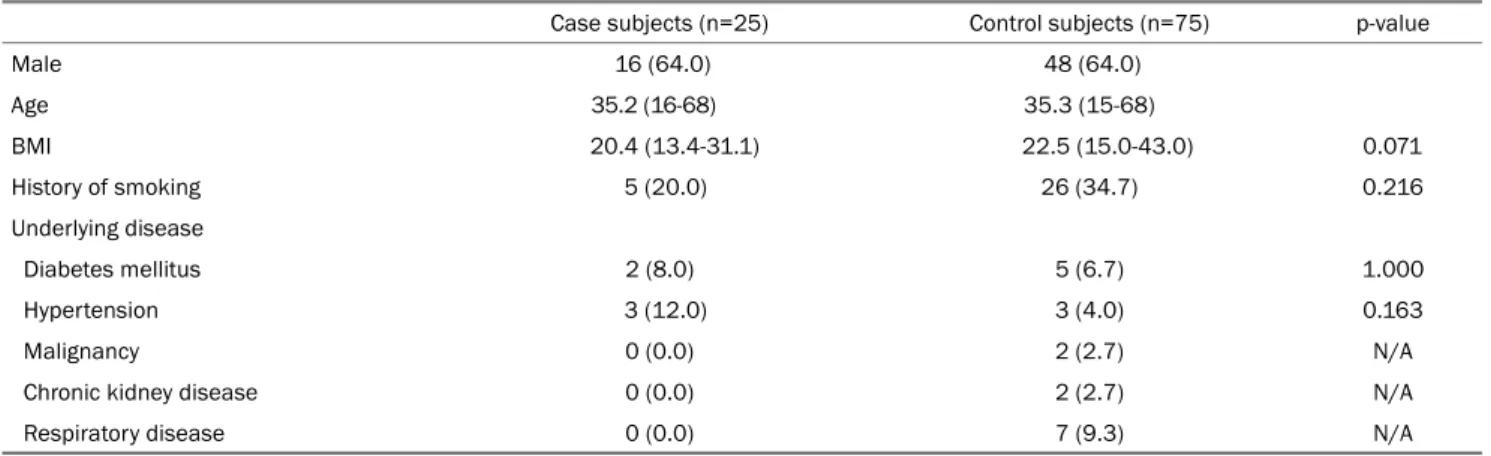
Table 1. Baseline Characteristics of TB Patients with IBD Receiving Anti-TNF Therapy and Non-IBD TB Patients
Case subjects (n=25) Control subjects (n=75) p-value
Male 16 (64.0) 48 (64.0)
Age 35.2 (16-68) 35.3 (15-68)
BMI 20.4 (13.4-31.1) 22.5 (15.0-43.0) 0.071
History of smoking 5 (20.0) 26 (34.7) 0.216
Underlying disease
Diabetes mellitus 2 (8.0) 5 (6.7) 1.000
Hypertension 3 (12.0) 3 (4.0) 0.163
Malignancy 0 (0.0) 2 (2.7) N/A
Chronic kidney disease 0 (0.0) 2 (2.7) N/A
Respiratory disease 0 (0.0) 7 (9.3) N/A
Values are presented as median (range) or n (%).
TB, tuberculosis; IBD, inflammatory bowel disease; TNF, tumor necrosis factor; BMI, body mass index; N/A, not applicable.
was defined as previously described.19
Based on the definition, active TB was confirmed in pa- tients with a positive acid-fast bacilli (AFB) culture or smear from any clinical specimen, and M. tuberculosis DNA detected using a PCR.20 Intestinal TB, which is one of the chronic gran- ulomatous diseases and difficult to distinguish from CD, was diagnosed when a positive stain for AFB or caseating gran- uloma was observed on the biopsied tissue.21 Considering the poor yield of endoscopic sampling, a positive PCR in an intestinal tissue sample was also used for the diagnosis of intestinal TB in light of the other clinical, endoscopic, and histologic findings.22 Although there was none of the above-mentioned evidence of a TB infection, patients with the clinical symptoms or radiologic findings of TB, who showed a definite response to anti-TB treatment, were also considered to be active TB cases.18
The development of new TB associated with anti-TNF ther- apy was defined as developing active TB in the course of receiving anti-TNF therapy or within 3 months after the cessa- tion of treatment. All subjects diagnosed with active TB before the administration of anti-TNF treatment were excluded.
3. Outcome measurements and data analyses
The clinical course of TB, including TB-related death and relapse of TB after the completion of anti-TB treatment, the presence of drug-resistant TB, side effects associated with anti-TB treatment, hospitalization due to TB, and anti-TB medi- cation change were evaluated. The baseline characteristics of the study population were analyzed using descriptive statistics. The significance of the differences between the two
groups was assessed using a χ2 or Fisher’s exact test for the categorical variables, and a t-test or Mann-Whitney U-test was performed for the non-categorical variables. The incident rate of TB was evaluated as newly diagnosed cases of TB in the IBD cohort per 100,000 person years of observation time. The Kaplan-Meier survival method was also used to as- sess the incidence of TB associated with the duration of an- ti-TNF treatments in IBD patients. Statistical analysis was per- formed using the Statistical Package for the Social Sciences software, version 15.0 for Windows (SPSS Inc., Chicago, IL, USA). Two-sided p-values ˂0.05 were considered significant.
RESULTS
1. Baseline characteristics of the study population From January 2001 to December 2013, 25 (2.9%) IBD patients developed TB during anti-TNF therapy during the study period with 1,601.1 patient-years of follow-up. The in- cident rate of TB in the IBD patients treated with anti-TNF therapy was estimated to be 3,397/100,000 patient-years (Supplementary Fig. 1).
One hundred patients with TB, consisting of 25 IBD pa- tients and 75 non-IBD patients, were analyzed. The median age at diagnosis of TB was 39.8 years (range, 15-68 years), and 64 (64.0%) were male. Table 1 lists the baseline charac- teristics of the study population. The baseline characteristics, including age, gender, BMI, and history of smoking, were sim- ilar in the two groups. The BMI of the TB patients with IBD was lower than that of the non-IBD TB patients but the differ- ence was not significant (20.4 [range, 13.4-31.1] in IBD
Table 2. Characteristics of IBD Patients Receiving Anti-TNF Therapy with and without Incident TB
Characteristics Subjects with
incident TB (n=25)
Subjects without
incident TB (n=848) p-value
Male 16 (64) 563 (66.4) 0.803
Age at diagnosis of IBD 30.7 (14-58) 26.1 (1-76) 0.603
Type of IBD 0.787
CD 19 (76.0) 624 (73.6)
UC 6 (24.0) 224 (26.4)
Disease duration (months) 100.5 (12.0-204.0) 80.0 (6.0-432.0) 0.312
Type of anti-TNF 0.094
Infliximab 24 (96.0) 668 (78.8)
Adalimumab 0 (0.0) 114 (13.4)
Infliximab+adalimumab 1 (4.0) 66 (7.8)
Duration of anti-TNF therapy (months) 27.2 (1-103) 21.9 (1-128) 0.340
Number of anti-TNF administrations 14 (2-51) 14 (1-91) 0.720
Dose intensification of anti-TNF 4 (16.0) 193 (22.8) 0.703
Concomitant medication
Corticosteroid 8 (32.0) 243 (28.7) 0.716
Immunosuppressant 16 (64.0) 567 (66.9) 0.765
Positive for LTBI 3 (12.0) 83 (9.8) 0.714
Values are presented as median (range) or n (%).
IBD, inflammatory bowel disease; TNF, tumor necrosis factor; TB, tuberculosis; CD, Crohn’s disease; UC, ulcerative colitis; LTBI, latent TB infection.
patients vs. 22.5 [range, 15.0-43.0] in non-IBD patients;
p=0.071).
Table 2 lists the characteristics of IBD patients receiving anti-TNF therapy with and without incident TB. No significant difference was observed between the two groups concerning the age at the diagnosis of IBD, type of IBD, disease duration, type of anti-TNF, duration and number of anti-TNF admin- istrations, dose intensification of anti-TNF, concomitant medi- cation, and the presence of LTBI. The IBD patients treated with anti-TNF therapy were predominantly male (64.0% in the TB group vs. 66.4% in the non-TB group; p=0.803). The IBD patients with incident TB were older at diagnosis compared to those without incident TB, but the difference was not sig- nificant (30.7 [range, 14-58] in TB group vs. 26.1 [range, 1-76] in the non-TB group; p=0.603). Approximately two-thirds of the patients in both groups had CD. The median IBD dura- tion was 100.5 months (range, 12.0-204.0 months) in the TB group and 80.0 months (range, 6.0-432.0 months) in the non-TB group. Twenty-four (96.0%) and 668 (78.8%) IBD pa- tients received infliximab as the initial anti-TNF therapy. The median duration of anti-TNF therapy was 27.2 months (range, 1-103 months) in the TB group and 21.9 months (range, 1-128 months) in the non-TB group. The median frequency
of anti-TNF administration was 14 in both groups.
For LTBI screening, TST, IGRA, or both tests were performed in 15 (60.0%), 16 (64.0%), and 10 (40.0%) patients in TB group, respectively, and 435 (51.3%), 546 (64.4%), and 320 (37.7%) in the non-TB group, respectively. Positive findings of TST, IGRA, or both tests were observed in zero (0.0%), three (12.0%), zero (0.0%) patients in the TB group, respectively, and 25 (3.0%), 69 (8.1%), and 11 (1.3%) in the non-TB group, respectively. A simple chest X-ray was performed in all pa- tients before the start of anti-TNF therapy, and one (4.0%) patient in the TB group and 14 (1.7%) patients in the non-TB group had a healed TB scar in the chest X-ray. Patients who had at least one positive finding of either TST or IGRA with a normal chest X-ray finding were considered to have LTBI (three [12.0%] patients in the TB group, vs. 83 [9.8%] in the non-TB group; p=0.714). All patients with LTBI had received TB prophylaxis before anti-TNF therapy.
2. Comparisons of the TB characteristics between IBD patients receiving anti-TNF therapy and non-IBD TB patients
Significant differences were not observed between the two groups in terms of the symptoms and signs of TB, the perform-
Table 3. Comparisons of the Clinical Characteristics between TB Patients with IBD Receiving Anti-TNF Therapy and Non-IBD TB Patients Case subjects (n=25) Control subjects (n=75) p-value
Symptoms and signs of TB 17 (68.0) 57 (76.0) 0.430
Duration from initial symptoms of TB (days) 18.4 (3-60) 37.8 (1-180) 0.064
Respiratory symptoms 11 (44.0) 36 (48.0) 0.819
Cough 9 (36.0) 24 (32.0) 0.807
Sputum 5 (20.0) 8 (10.7) 0.302
Dyspnea 3 (12.0) 5 (6.7) 0.395
Hemoptysis 1 (4.0) 6 (8.0) 0.497
Non-respiratory symptoms 12 (48.0) 15 (20.0) 0.009
Fever 10 (40.0) 14 (18.7) 0.056
General weakness 3 (12.0) 1 (1.3) 0.018
Diagnosis of TB
Positive AFB culture 13 (52.0) 12 (48.0) 0.729
Positive AFB smear 3 (12.0) 27 (36.0) 0.023
Positive TB PCR 7 (28.0) 18 (24.0) 0.689
Clinical diagnosis 5 (20.0) 19 (25.3) 0.589
Location of TB
Extrapulmonary TB 8 (32.0) 19 (25.3) 0.516
Laboratory finding at initial diagnosis of TB
WBC (×103/mm3) 5,822±3,030 7,367±2,983 0.031
Hb (g/dL) 11.8±2.24 13.6±1.65 0.001
PLT (×103/mm3) 279±130 183±102 0.865
CRP (mg/dL) 6.09±5.88 2.94±3.75 0.010
Alb (g/dL) 3.37±0.48 4.02±1.56 0.001
Duration of TB medication (months) 12.8 (1.0-52.0) 10.2 (2.0-26.1) 0.064
TB medication >9 months 13 (52.0) 29 (38.8) 0.242
Values are presented as mean±standard deviation, median (range) or n (%).
TB, tuberculosis; IBD, inflammatory bowel disease; TNF, tumor necrosis factor; AFB, acid-fast bacilli; PCR, polymerase chain reaction; WBC, white blood cell; Hb, hemoglobin; PLT, platelet; CRP, C-reactive protein; Alb, albumin.
ance status at the time of the diagnosis of TB, the clinical methods to diagnose TB, and the location of TB. The labo- ratory findings at the initial diagnosis of TB showed fewer white blood cells, lower hemoglobin levels, higher CRP levels, and lower albumin levels in the serum samples of the IBD patients than in the non-IBD TB patients. The frequency of positive smear results for AFB was significantly higher in the non-IBD patients than in the IBD patients (three [12.0%] IBD patients vs. 27 [36.0%] non-IBD patients; p=0.023). Eight (32.0%) out of 25 IBD patients and 19 (25.3%) out of 75 non-IBD patients had extrapulmonary lesions, but the in- cidence of extrapulmonary lesions was similar in the two groups.
Two of the IBD patients with extrapulmonary lesions devel- oped intestinal TB. A 42-year-old male patient diagnosed with CD 8 years ago underwent surgery for refractory GI bleeding
and bowel perforation 1 month after infliximab administration.
He was finally diagnosed with intestinal TB by positive AFB smears in the surgical specimens. At the time of admission, the patient was taking 5-aminosalicylic acid and azathioprine for IBD in addition to infliximab. This patient had normal chest X-ray findings before anti-TNF therapy, but the screening test for LTBI was not performed. The patient received anti-TB medi- cation immediately after the diagnosis of TB. Unfortunately, the patient died 4 months after the diagnosis because of multi-organ failure due to sepsis. Another 31 year-old male patient diagnosed with CD 4 years ago underwent a colono- scopy for the aggravation of fever and abdominal pain 2 months after infliximab administration and was finally diag- nosed with intestinal TB by positive TB PCR and caseating granuloma in the biopsied specimens. This patient had nor- mal chest X-ray findings and a negative IGRA test before an-
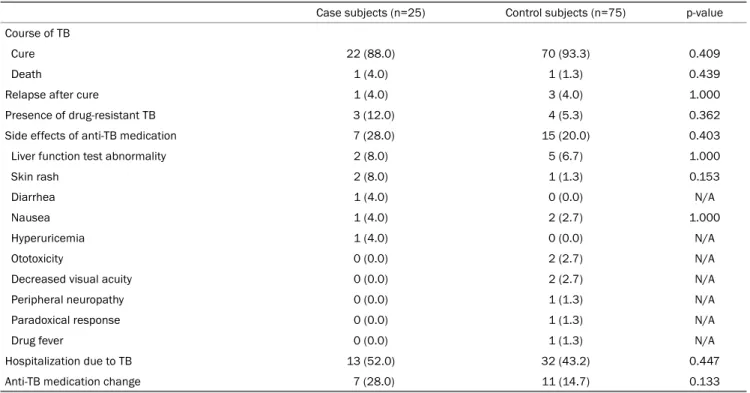
Table 4. Comparisons of the Clinical Course of TB between IBD Patients Receiving Anti-TNF Therapy and Non-IBD TB Patients
Case subjects (n=25) Control subjects (n=75) p-value Course of TB
Cure 22 (88.0) 70 (93.3) 0.409
Death 1 (4.0) 1 (1.3) 0.439
Relapse after cure 1 (4.0) 3 (4.0) 1.000
Presence of drug-resistant TB 3 (12.0) 4 (5.3) 0.362
Side effects of anti-TB medication 7 (28.0) 15 (20.0) 0.403
Liver function test abnormality 2 (8.0) 5 (6.7) 1.000
Skin rash 2 (8.0) 1 (1.3) 0.153
Diarrhea 1 (4.0) 0 (0.0) N/A
Nausea 1 (4.0) 2 (2.7) 1.000
Hyperuricemia 1 (4.0) 0 (0.0) N/A
Ototoxicity 0 (0.0) 2 (2.7) N/A
Decreased visual acuity 0 (0.0) 2 (2.7) N/A
Peripheral neuropathy 0 (0.0) 1 (1.3) N/A
Paradoxical response 0 (0.0) 1 (1.3) N/A
Drug fever 0 (0.0) 1 (1.3) N/A
Hospitalization due to TB 13 (52.0) 32 (43.2) 0.447
Anti-TB medication change 7 (28.0) 11 (14.7) 0.133
Values are presented as n (%).
TB, tuberculosis; IBD, inflammatory bowel disease; TNF, tumor necrosis factor; N/A, not applicable.
ti-TNF therapy. He was cured of intestinal TB after 9 months of anti-TB medication.
Three IBD patients who had positive LTBI before anti-TNF therapy received prophylactic anti-TB treatment; two patients were treated with 9 months of isoniazid (INH) monotherapy and one patient was treated with INH and rifampin (RIF) for 3 months. Pulmonary TB was diagnosed after an average of 1.7 months (range, 1-2 months) from anti-TNF therapy. Two patients were treated with INH, RIF, ethambutol (EMB), and pyrazinamide (PZA) for 6 months. One patient who received prophylactic treatment with INH and RIF showed resistance to INH and was given a total of 8 months of treatment of INH, RIF, and moxifloxacin. After anti-TB treatment, pulmonary TB was cured in all patients. On the other hand, one patient treated with INH, RIF, EMB, and PZA had a recurrence of pul- monary TB at 55 months after their initial TB treatment.
The median duration of TB medication was 12.8 months (range, 1.0-52.0 months) in IBD patients and 10.2 months (range, 2.0-26.1 months) in the non-IBD patients (p=0.064) (Table 3). Forty-two patients (42.0%) were treated with anti-TB medication for longer than 9 months, which is the standard treatment duration for TB. On the other hand, there was no significant difference between the two groups in the pro-
portion of patients treated for longer than the standard dura- tion of TB (13 [52.0%] IBD patients vs. 29 [38.8%] non-IBD patients; p=0.242). The reasons for the long-term anti-TB treatment are as follows: poor response to primary treatment (six [24.0%] in IBD patients, 11 [14.7%] in non-IBD patients), extrapulmonary TB (seven [7.0%] in IBD patients, 13 [17.3%]
in non-IBD patients), and side effects of TB medication (zero [0.0%] in IBD patients, five [6.7%] in non-IBD patients).
3. Comparison of the clinical course of TB between IBD patients receiving anti-TNF therapy and non-IBD TB patients
The initial treatment regimens for TB in this study included INH+RIF+EMB+PZA in 91 (91%) patients, INH+RIF+EMB+fluo- roquinolone in three (3%) patients, and other regimens (INH+RIF+EMB+PZA+levofloxacin in three patients, INH+RIF+
EMB+moxifloxacin+amikacin in one patient, RIF+EMB+levo- floxacin+clarithromycin+amikacin in one patient) in five patients. All patients were treated with TB medication for more than 6 months, with a median duration of 10.83 months (range, 1-52 months). The median follow-up duration after the termi- nation of TB treatment was 20.2 months (range, 1-97 months).
Table 4 lists the clinical course of TB in the two groups. In
terms of TB progression, the cure rate, mortality, and recurrence rate after cure were similar in the two groups. Active TB was cured in 24 (96.0%) patients in the IBD group and in 70 (93.3%) in the non-IBD group (p=0.409). The TB-related mortality rate in both groups was approximately 2% (one [4.0%] IBD patient vs. one [1.3%] non-IBD TB patient; p=0.439).
No statistically significant difference was observed between the two groups in the presence of drug-resistant TB (three [12.0%] IBD patients vs. four [5.3%] non-IBD patients;
p=0.362). Side effects of anti-TB medications were observed in seven (28.0%) IBD patients (liver function test abnormality [n=2], skin rash [n=2], diarrhea [n=1], nausea [n=1], hyper- uricemia with arthralgia [n=1]), and 15 (20.0%) non-IBD pa- tients (liver function test abnormality [n=5], nausea [n=2], oto- toxicity [n=2], decreased visual acuity [n=2], skin rash [n=1], peripheral neuropathy [n=1], paradoxical response [n=1], and drug fever [n=1]) (p=0.403).
Seven (28.0%) IBD patients and 11 (14.7%) non-IBD pa- tients changed their anti-TB medications (p=0.133) because of the following: drug-resistant TB (n=3), side effects of TB medication (n=2), need for a therapeutic fasting due to GI bleeding caused by intestinal TB and worsening of the IBD (n=2) in IBD group, drug-resistant TB (n=4), side effects of TB medication (n=4), and clinically non-responders to first-line anti-TB treatment (n=3) in the non-IBD group.
Five of the 25 patients maintained anti-TNF therapy during anti-TB treatment, and an additional three patients resumed anti-TNF therapy after completion of anti-TB treatment. The remaining 17 (68.0%) patients did not restart anti-TNF therapy after the anti-TB treatment was completed. TB did not reoccur in those patients who resumed anti-TNF therapy.
DISCUSSION
This is the first study to evaluate the clinical prognosis of TB in IBD patients receiving anti-TNF therapy compared to non-IBD TB patients in the general population from South Korea. Although anti-TNF therapy is believed to increase the risk of TB infection in IBD patients, studies on the clinical course of TB in IBD patients compared to the non-IBD TB patients in the general population have not been conducted.
In the present study, specific laboratory results and the frequency of positive smears for AFB at the diagnosis of TB differed between the IBD patients treated with anti-TNF and
non-IBD TB patients. In terms of the clinical course of TB, however, the cure rate, mortality, and recurrence rate after cure were similar in the IBD patients treated with anti-TNF therapy and non-IBD TB patients. Therefore, the results sug- gest that the clinical outcome of TB in IBD patients receiving anti-TNF therapy is not inferior compared to non-IBD TB pa- tients in the general population.
Despite the rapid economic growth, the incidence of TB in Korea remains high. According to the World Health Organization, the incidence of TB in South Korea was 80 cas- es per 100,000 population in 2015, which is higher than in other high-income countries. As the number of IBD patients in South Korea increases, the recurrence of TB due to the use of anti-TNF, as an IBD treatment, is a significant concern.
A recent study using a nationwide population-based study in South Korea was conducted.23 According to the data from the National Health Insurance system for 2011-2013, the in- cidence of TB in IBD patients treated with anti-TNF therapy was significantly higher than in IBD patients not receiving an- ti-TNF therapy.23 In the present study, the incidence of active TB during anti-TNF therapy in IBD patients was similar to that reported in other Korean studies.9,23,24 According to previous studies, the risk of TB infection in patients using biological agents was more than 50 times higher than in the general population.25,26 In a previous study in South Korea conducted with 873 IBD patients receiving anti-TNF therapy, the risk of TB in IBD patients receiving anti-TNF therapy was 41 times higher than in the matched general population.9 A pop- ulation-based study published in 2017 reported that patients with IBD, particularly those with CD and those receiving an- ti-TNF therapy, had a higher risk of TB with an incidence of 554.1 per 100,000 persons.23 On the other hand, the charac- teristics of TB or TB-related outcomes, such as mortality in IBD patients were not evaluated in those studies.
TB in patients with IBD receiving anti-TNF therapy was clin- ically similar to TB in the general population, but there were differences in symptoms, specific laboratory results, and AFB smear positivity at the time of diagnosis. According to previous reports, coughing and fever were the most common symp- toms of TB. The prevalence of coughing lasting more than two weeks ranged from 42-89% and the persistent fever from 23-68%.27-30 In the present study, coughing (32%) followed by fever (18%) were the most common symptoms in TB pa- tients in the general population. On the other hand, fever
(40%) was the main symptom of TB in IBD patients receiving anti-TNF therapy. This result is similar to previous studies showing that TB in IBD patients treated with anti-TNF therapy was associated more frequently with non-respiratory symp- toms, including fever and general weakness, as the early sign of TB than in conventional TB.27-30 The difference in the fre- quency of initial symptoms of TB is apparently due to the underlying disease, specialty of the tertiary-level services, and local variation in the disease. In addition, a large number of patients may have ignored mild symptoms, such as coughing, because they reported symptoms on an outpatient basis. The initial visit to tertiary-level services is negatively associated with the risk factors for a prolonged diagnostic delay of TB.31 In this study, patients with IBD who visited the tertiary medical institution were included. At the tertiary care center, patients with IBD, particularly those receiving immunosuppressants or anti-TNF therapy, require regular visits with more careful ob- servations than the general population. Consequently, pa- tients with IBD might be diagnosed with TB at an earlier stage than TB patients in the general population.
In this study, the diagnosis of TB in IBD patients tended to result in lower sputum AFB smear positive results. Smear-neg- ative disease is a common clinical problem, particularly in patients co-infected with the human immunodeficiency virus (HIV).32 A positive smear indicates a huge bacterial population in lung lesions, while negative smears indicate a smaller bacte- rial load in TB patients.33 In addition to the bacterial burden, various factors, such as HIV co-infection, age, and presence of cavitation, affect the smear results. In HIV-negative pop- ulations, smear-negative pulmonary TB is more common among children and the elderly.34 Smear-negative culture-positive TB patients usually have minimal disease with low bacillary counts rather than far-advanced cavitary TB. Therefore, the infectivity and mortality of smear-negative disease should be lower, and less intensive therapy might be needed to treat this condition.
In HIV-infected patients with TB sputum, AFB negativity was more frequent in co-infected subjects with localized interstitial opacities, associated respiratory tract infections, and dyspnea, but less frequent with CD4 ≤50/mm3, adenopathies, and pul- monary cavitation.35 As the level of immunocompromise in- creases with advancing HIV disease, atypical pulmonary fea- tures predominate and smear examinations prove less sensitive.34
Anti-TNF therapy reduces the CD8+ T cell-mediated anti-
microbial activity against M. tuberculosis in humans.36 Anti-TNF therapy reduces interferon-γ production and induces the apoptosis of monocytes and T cells, which are the critical immune cells in anti-TB immunity.36
AFB smear negativity might have increased due to the down regulation of anti-TNF as in HIV infection. Unlike in HIV infected patients, the outcomes of smear-negative disease in IBD pa- tients receiving anti-TNF therapy were similar to that of non-IBD TB patients in the general population.
In the present study, one case of death due to TB was reported among 25 IBD patients with TB during anti-TNF ther- apy, and one death was reported in 75 non-IBD TB patients;
the difference between the two groups was not significant.
In several studies, the prognosis of TB during anti-TNF therapy was reported. Mohan et al.37 reported one death which was attributed directly to TB among 25 cases of TB caused by the use of etanercept for the treatment of rheumatoid ar thri- tis, juvenile rheumatoid arthritis, or psoriatic arthritis. In a multicenter retrospective cohort study from 2009 to 2010 in South Korea, the TB-related mortality of pulmonary TB was approximately 3.4%, which is similar to the TB-related mortal- ity in IBD patients reported in this study.
The anti-TB medication change rate was not statistically significant but tended to be higher in the IBD group than in the non-IBD group. This high rate of anti-TB medication change was attributed mainly to the need for therapeutic fast- ing due to GI bleeding caused by intestinal TB and worsening of the IBD, rather than the presence of drug-resistant TB and the side effects of anti-TB medication in this study. The wor- sening of GI symptoms in IBD may affect the treatment of TB. On the other hand, the systemic inflammation caused by TB or intestinal dysbiosis induced by anti-TB medication may affect the progression of IBD.38,39 A new concept proposed that a cross-interaction between pulmonary diseases and IBD is caused by a disruption of the epithelial barrier via loosening of the tight-functions, dysbiosis, and similar cytokine profile changes, such as TNF, interleukin (IL)-6, IL-13, and IL-17.38 In addition, a recent animal study reported that the most widely used anti-TB drugs, RIF or INH, and PZA, alter the com- position of the gut microbiota significantly.39 Although the number of patients in this study was small, and there was no statistical significance, the rate of anti-TB medication change was high in the IBD patient group. Therefore, further studies on the worsening of GI symptoms of IBD during anti-TB
treatment in IBD patients are needed.
This study had several limitations. First, the TB patients were selected from the TB registry from a single center, which did not reflect all patients in the general population. To minimize the selection bias and ensure representation, the patients in the control group were selected randomly at a 1:3 ratio by a statistician blinded to any other clinical information. In addition, patient selection from the 2010 registry was appro- priate because there was no difference in the TB treatment strategies for 5 years, and a long-term follow-up was necessary.
Second, the impact of anti-TNF therapy and IBD on the TB-related outcomes could not be distinguished in this study.
To confirm the risk of anti-TNF therapy, patients with IBD, who did not receive anti-TNF, should be included as controls in the study. On the other hand, the number of IBD patients with TB was low, which was impossible in practice. Further studies will be needed for patients with a variety of chronic inflammatory diseases, such as IBD, rheumatoid arthritis, psoriatic arthritis, juvenile arthritis, ankylosing spondylitis, and psoriasis, and treated with anti-TNF therapy. Third, an evaluation of the drug-specific outcomes in TB patients with IBD treated with anti-TNF therapy was not possible because more than 90% of the TB patients with IBD received infliximab. After the introduction of anti-TNF, the risk of TB in anti-TNF therapy was recently reported to vary between drugs.26,40 According to the British Society for Rheumatology Biologics Register, the rate of TB in patients with rheumatoid arthritis treated with anti-TNF therapy was three to four times higher in patients receiving infliximab and adalimumab than in patients receiving etanercept.40 In a 3-year prospective study conducted in France, these anti-TNF monoclonal anti- bodies also showed a higher TB risk than etanercept.26 Further studies should be performed on TB-related outcomes for drug-specific differences. Fourth, the number of TB pa- tients with IBD treated with anti-TNF therapy was too small to compare the prognosis of TB, including the mortality and relapse rates. Nevertheless, a comparison of the clinical fea- tures of TB developed during anti-TNF therapy in IBD patients with TB in non-IBD patients revealed a significant implication for anti-TNF use, particularly in areas with a high TB preva- lence, such as South Korea. In the future, large-scale pro- spective studies with more IBD patients who receive more anti-TNF therapy will be needed.
In this study, IBD patients who developed active TB for the
first time during anti-TNF therapy were no different from non-IBD patients with TB in terms of the rate of extra- pulmonary TB, side effects of anti-TB medications, or clinical outcomes of TB. On the other hand, the IBD patients had a lower rate of AFB smear positivity and a higher proportion of non-respiratory symptoms as an initial symptom of TB.
Based on the results of this study, although anti-TNF therapy may increase the risk of TB infection, physicians should not hesitate to recommend anti-TNF therapy to IBD patients.
REFERENCES
1. Katsanos KH, Papadakis KA. Inflammatory bowel disease: up- dates on molecular targets for biologics. Gut Liver 2017;11:
455-463.
2. Kim JH, Kim JW. Effect of immunomodulators and biologic agents on malignancy in patients with inflammatory bowel disease. Korean J Gastroenterol 2017;70:162-168.
3. Lee SH, Kwon JE, Cho ML. Immunological pathogenesis of in- flammatory bowel disease. Intest Res 2018;16:26-42.
4. Levin AD, Wildenberg ME, van den Brink GR. Mechanism of ac- tion of anti-TNF therapy in inflammatory bowel disease. J Crohns Colitis 2016;10:989-997.
5. Thorlund K, Druyts E, Mills EJ, Fedorak RN, Marshall JK.
Adalimumab versus infliximab for the treatment of moderate to severe ulcerative colitis in adult patients naïve to anti-TNF ther- apy: an indirect treatment comparison meta-analysis. J Crohns Colitis 2014;8:571-581.
6. Cholapranee A, Hazlewood GS, Kaplan GG, Peyrin-Biroulet L, Ananthakrishnan AN. Systematic review with meta-analysis:
comparative efficacy of biologics for induction and maintenance of mucosal healing in Crohn’s disease and ulcerative colitis con- trolled trials. Aliment Pharmacol Ther 2017;45:1291-1302.
7. Lin WC, Chou JW, Yen HH, et al. Outcomes of limited period of ada- limumab treatment in moderate to severe Crohn’s disease pa- tients: Taiwan society of inflammatory bowel disease study.
Intest Res 2017;15:487-494.
8. Ji CC, Takano S. Clinical efficacy of adalimumab versus infliximab and the factors associated with recurrence or aggravation during treatment of anal fistulas in Crohn’s disease. Intest Res 2017;15:182-186.
9. Byun JM, Lee CK, Rhee SY, et al. Risks for opportunistic tuber- culosis infection in a cohort of 873 patients with inflammatory bowel disease receiving a tumor necrosis factor-α inhibitor.
Scand J Gastroenterol 2015;50:312-320.
10. Horsburgh CR Jr, Rubin EJ. Clinical practice. Latent tuberculosis infection in the United States. N Engl J Med 2011;364:
1441-1448.
11. Ledingham J, Wilkinson C, Deighton C. British Thoracic Society (BTS) recommendations for assessing risk and managing tuber- culosis in patients due to start anti-TNF-α treatments.
Rheumatology (Oxford) 2005;44:1205-1206.
12. Rahier JF, Magro F, Abreu C, et al. Second European evi-
dence-based consensus on the prevention, diagnosis and man- agement of opportunistic infections in inflammatory bowel disease. J Crohns Colitis 2014;8:443-468.
13. Park DI, Hisamatsu T, Chen M, et al. Asian Organization for Crohn’s and Colitis and Asia Pacific Association of Gastroenterology con- sensus on tuberculosis infection in patients with inflammatory bowel disease receiving anti-tumor necrosis factor treatment.
Part 2: management. Intest Res 2018;16:17-25.
14. Janssens JP, Rieder HL. An ecological analysis of incidence of tu- berculosis and per capita gross domestic product. Eur Respir J 2008;32:1415-1416.
15. Kim JH, Yim JJ. Achievements in and challenges of tuberculosis control in South Korea. Emerg Infect Dis 2015;21:1913-1920.
16. Kim ES, Kim KO, Jang BI, et al. Factors contributing to the prefer- ence of Korean patients with Crohn’s disease when selecting an anti-tumor necrosis factor agent (CHOICE study). Gut Liver 2016;10:391-398.
17. Sohn IW, Kim ST, Kim B, et al. Efficacy of adalimumab in Korean patients with Crohn’s disease. Gut Liver 2016;10:255-261.
18. Joint Committee for the Development of Korean Guidelines for Tuberculosis. Korea Centers for Disease Control and Prevention.
Korean guidelines for tuberculosis. 1st ed. Cheongju: Korea Centers for Disease Control and Prevention, 2011.
19. Jung YJ, Lyu J, Yoo B, et al. Combined use of a TST and the T-SPOT®.TB assay for latent tuberculosis infection diagnosis be- fore anti-TNF-α treatment. Int J Tuberc Lung Dis 2012;16:
1300-1306.
20. Lew WJ, Lee EG, Bai JY, et al. An internet-based surveillance sys- tem for tuberculosis in Korea. Int J Tuberc Lung Dis 2006;10:
1241-1247.
21. Almadi MA, Ghosh S, Aljebreen AM. Differentiating intestinal tu- berculosis from Crohn’s disease: a diagnostic challenge. Am J Gastroenterol 2009;104:1003-1012.
22. Sharma R, Madhusudhan KS, Ahuja V. Intestinal tuberculosis ver- sus Crohn’s disease: clinical and radiological recommendations.
Indian J Radiol Imaging 2016;26:161-172.
23. Hong SN, Kim HJ, Kim KH, Han SJ, Ahn IM, Ahn HS. Risk of incident Mycobacterium tuberculosis infection in patients with in- flammatory bowel disease: a nationwide population-based study in South Korea. Aliment Pharmacol Ther 2017;45:253-263.
24. Lee JW, Choi CH, Park JH, et al. Clinical features of active tuber- culosis that developed during anti-tumor necrosis factor therapy in patients with inflammatory bowel disease. Intest Res 2016;
14:146-151.
25. Handa R, Upadhyaya S, Kapoor S, et al. Tuberculosis and bio- logics in rheumatology: a special situation. Int J Rheum Dis 2017;20:1313-1325.
26. Tubach F, Salmon D, Ravaud P, et al. Risk of tuberculosis is higher
with anti-tumor necrosis factor monoclonal antibody therapy than with soluble tumor necrosis factor receptor therapy: the three-year prospective French Research Axed on Tolerance of Biotherapies registry. Arthritis Rheum 2009;60:1884-1894.
27. Miller LG, Asch SM, Yu EI, Knowles L, Gelberg L, Davidson P. A pop- ulation-based survey of tuberculosis symptoms: how atypical are atypical presentations? Clin Infect Dis 2000;30:293-299.
28. Arango L, Brewin AW, Murray JF. The spectrum of tuberculosis as currently seen in a metropolitan hospital. Am Rev Respir Dis 1973;108:805-812.
29. Elliott AM, Halwiindi B, Hayes RJ, et al. The impact of human im- munodeficiency virus on presentation and diagnosis of tuber- culosis in a cohort study in Zambia. J Trop Med Hyg 1993;96:1-11.
30. MacGregor RR. A year’s experience with tuberculosis in a private urban teaching hospital in the postsanatorium era. Am J Med 1975;58:221-228.
31. Kiwuwa MS, Charles K, Harriet MK. Patient and health service delay in pulmonary tuberculosis patients attending a referral hospital: a cross-sectional study. BMC Public Health 2005;
5:122.
32. De Cock KM, Soro B, Coulibaly IM, Lucas SB. Tuberculosis and HIV infection in sub-Saharan Africa. JAMA 1992;268:1581-1587.
33. Dutt AK, Stead WW. Smear-negative pulmonary tuberculosis.
Semin Respir Infect 1994;9:113-119.
34. Colebunders R, Bastian I. A review of the diagnosis and treat- ment of smear-negative pulmonary tuberculosis. Int J Tuberc Lung Dis 2000;4:97-107.
35. Chartier L, Leng C, Sire JM, et al. Factors associated with negative direct sputum examination in Asian and African HIV-infected pa- tients with tuberculosis (ANRS 1260). PLoS One 2011;6:
e21212.
36. Bruns H, Meinken C, Schauenberg P, et al. Anti-TNF im- munotherapy reduces CD8+ T cell-mediated antimicrobial activ- ity against Mycobacterium tuberculosis in humans. J Clin Invest 2009;119:1167-1177.
37. Mohan AK, Coté TR, Block JA, Manadan AM, Siegel JN, Braun MM. Tuberculosis following the use of etanercept, a tumor ne- crosis factor inhibitor. Clin Infect Dis 2004;39:295-299.
38. Keely S, Talley NJ, Hansbro PM. Pulmonary-intestinal cross-talk in mucosal inflammatory disease. Mucosal Immunol 2012;
5:7-18.
39. Khan N, Mendonca L, Dhariwal A, et al. Intestinal dysbiosis com- promises alveolar macrophage immunity to Mycobacterium tuberculosis. Mucosal Immunol 2019;12:772-783.
40. Dixon WG, Hyrich KL, Watson KD, et al. Drug-specific risk of tuber- culosis in patients with rheumatoid arthritis treated with anti-TNF therapy: results from the British Society for Rheumatology Biologics Register (BSRBR). Ann Rheum Dis 2010;69:522-528.