• 검색 결과가 없습니다.

추자도 멸치액젓의 Microbiom 분석 및 신종 미생물 특성 규명

N/A
N/A
Protected

Academic year: 2021

Share "추자도 멸치액젓의 Microbiom 분석 및 신종 미생물 특성 규명"

Copied!
264
0
0

로드 중.... (전체 텍스트 보기)

전체 글

(1)

저작자표시

-

비영리

-

변경금지

2.0

대한민국

이용자는 아래의 조건을 따르는 경우에 한하여 자유롭게

l

이 저작물을 복제

,

배포

,

전송

,

전시

,

공연 및 방송할 수 있습니다

.

다음과 같은 조건을 따라야 합니다

:

l

귀하는

,

이 저작물의 재이용이나 배포의 경우

,

이 저작물에 적용된 이용허락조건

을 명확하게 나타내어야 합니다

.

l

저작권자로부터 별도의 허가를 받으면 이러한 조건들은 적용되지 않습니다

.

저작권법에 따른 이용자의 권리는 위의 내용에 의하여 영향을 받지 않습니다

.

이것은

이용허락규약

(Legal Code)

을 이해하기 쉽게 요약한 것입니다

.

Disclaimer

저작자표시

.

귀하는 원저작자를 표시하여야 합니다

.

비영리

.

귀하는 이 저작물을 영리 목적으로 이용할 수 없습니다

.

변경금지

.

귀하는 이 저작물을 개작

,

변형 또는 가공할 수 없습니다

.

(2)

박 사 학 위 논 문

추자도 멸치액젓의 Microbiom 분석 및

신종 미생물 특성 규명

Study of Microbiome and Novel Strain

in Fermented Anchovy sauce,

Myeolchi-Aekjeot of Chuja island

제주대학교 대학원

화학과

(3)
(4)
(5)

CONTENTS

List of Tables

···ⅳ

List of Figues

···ⅵ

Abstrsct

···ⅸ

Chapter Ⅰ. General introduction

···1

Chapter Ⅱ. Study of bacterial community in Fermented anchovy

sauce, Myeolchi-Aekjeot of Chuja Island

2.1. Introduction ···5

2.2. Materials and methods ···7

2.2.1. Collected sample and analysis of characteristic ···7

2.2.2. Bacterial community analysis

8

2.3. Results and discussion ···12

2.3.1. Characteristics of sample ···12

2.3.2. Sequencing results and diversity indices ···13

2.3.3. Bacterial community in fermented anchovy sauce ···16

(6)

Chapter Ⅲ. Polyphasic taxonomy of novel bacterium isolated from

Fermented anchovy sauce, Myeolchi-Aekjeot of Chuja Island

3.1. Introduction ···33

3.1.1. The Taxonomy of Bacteria ···33

3.1.2. Genus of

Lentibacillus ···

35

3.2. Materials and methods ···37

3.2.1. Collected sample and isolation of bacteria ···37

3.2.2. Phylogenetic analysis ···39

3.2.3. Whole genome sequencing and annotation ···40

3.2.4. Morphological, physiological, and biochemical analyses ···41

3.2.5. Chemotaxonomic analysis ···46

3.3. Results and discussion ···52

3.3.1. Isolation of strain ···52

3.3.2. Morphological, physiological, and biochemical characteristics ···52

3.3.3. Chemotaxonmic characteristics ···63

3.3.4. Genomic characteristics ···67

(7)

Chapter Ⅳ. References

···81

(8)

List of Table

Chapter Ⅱ. Study of bacterial community in Fermented anchovy

sauce, Myeolchi-Aekjeot of Chuja Island

Table. 2. 1. Composition of first PCR reaction mixture ···9

Table. 2. 2. Condition of first PCR reaction ···9

Table. 2. 3. Characteristic of fermented anchovy sauce ···12

Table. 2. 4. Numbers of sequences, OTUs (97%) and diversity indexes ··· 15

Chapter Ⅲ. Polyphasic taxonomy of novel bacterium isolated from

Fermented anchovy sauce, Myeolchi-Aekjeot of Chuja Island

Table. 3. 1. Composition of Marine agar (MA,; Difco 2216). ···38

Table. 3. 2. Composition of media used cell growth test. ···42

Table. 3. 3. Composition of reagents used fatty acid extraction. ···47

(9)

Table. 3. 6. Differential characteristics of strain JNUCC-1

T

and type strains of

related species of the genera

Lentibacillus

and

Virgibacillus. ···

59

Table. 3. 7. Cellular fatty acid composition (%) of strain JNUCC

T

and the

closely related species. ···63

Table. 3. 8. Genome characteristics of each type strain of genus

Lentibacillus

published at EzBioCloud. ···71

Table. 3. 9. Genome features of strain JNUCC-1 annotated using the Prokaryotic

Genome Annotation Pipeline (PGAP). ···77

Chapter Ⅳ. Appendix

(10)

List of Figure

Chapter Ⅰ. General introduction

Figure. 1. 1. Workflow for metagenomic sequencing and analysis ···2

Chapter Ⅱ. Study of bacterial community in Fermented anchovy

sauce, Myeolchi-Aekjeot of Chuja Island

Figure. 2. 1. Fermented anchovy sauce, Myeolchi-Aekjeot ···7

Figure. 2. 2. Rarefaction curve of diversity indicator ···15

Figure. 2. 3. The diversity at Phylum level ···19

Figure. 2. 4. The diversity at Class level ···21

Figure. 2. 5. The diversity at Order level ···23

Figure. 2. 6. The diversity at Family level ···25

Figure. 2. 7. The diversity at Genus level ···27

(11)

Chapter Ⅲ. Polyphasic taxonomy of novel bacterium isolated from

Fermented anchovy sauce, Myeolchi-Aekjeot of Chuja Island

Figure. 3. 1. Flow of information in the characterization and classification of

bacterial strain ···34

Figure. 3. 2. Serial dilution method ···37

Figure. 3. 3. Gram staining protocol ···43

Figure. 3. 4. Fatty Acid-based Microbial Identification System (MIDI)

workflow ···46

Figure. 3. 5. Process for extract of Fatty acids ···48

Figure. 3. 6. Image of morphological characteristic of strain JNUCC-1

T

··· 53

Figure. 3. 7. Structural formula of antibiotics for which strain JNUCC-1

T

indicates

resistance. ···56

Figure. 3. 8. Structural formula of anteiso-C

15:0

that major fatty acid of strain

JNUCC-1

T

. ···64

Figure. 3. 9. Structural formula of MK-7 that quinone of strain JNUCC-1

T

. 64

Figure. 3. 10. Polar lipid profiles of strain JNUCC-1

T

. ···65

(12)

Figure. 3. 12. Phylogenetic tree generated with the maximum likelihood algorithm

and based on 16S rRNA gene sequences shows the phylogenetic positions of

strain JNUCC-1

T

and related taxa. ···69

Figure. 3. 13. Graphical circular genome of strain JNUCC-1

T

. ···72

Figure. 3. 14. The distribution of COG functional categories of strain JNUCC-1

T

.

···73

Figure. 3. 15. The distribution of COG functional categories among strains of the

genus

Lentibacillus

.. ···76

(13)

Abstract

Fermentation is one of the most economical and classical methods for

producing and preserving foods by humans. Besides preserving, fermentation

also changes the organoleptic characteristics of foods through developing a

wide diversity of flavors, aromas and textures. These fermented foods have

been separately developed according to various fermentation conditions such

as raw materials, combination of various microorganisms including seed

bacteria, temperature, and pH. In particular, various microorganisms in

fermented foods are the main factors that determine the taste and flavor of

fermented foods, and the degree of fermentation can be determined depending

on interactions among microbial communities. Therefore, microbiome analysis

of fermented foods has recently emerged as a very important study field

from a microbiological point of view in conjunction with the scientification

of fermented foods. Therefore, with NGS technique, we want to find out the

various microorganisms that exist in the fermented anchovy sauce of Chuja

Island.

Chuja Island became famous for anchovy, it is because when a spawning

season of anchovy, many anchovies gather in Chuja island. In Chuja Island

used anchovies to make salted anchovy sauce that can be used instead of

soy sauce. The anchovy sauce for the Chuja Island is made by mixing salt

and anchovies without adding any chemical seasoning and fermenting them

for about three years. This MyeolchI-Aekjeot, traditional fermented anchovy

sauce, has been consumed as an umami-tasting, seasoning ingredient. The

umami of Myeolchi-Aekjeot is formed by exogenous enzymes of microorganisms,

and despite the high concentration (20-30%) of salty environment, various

microorganisms exist in fish sauces. Therefore, with NGS technique, we

found out the various microorganisms that exist in the fermented anchovy

(14)

sauce of Chuja Island.

The fermented anchovy sauce, Myeolchi-Aekjeot, of Chuja island, which

was used for the analysis of bacterial communities, was made by Chujado

Federation of Fisheries Cooperatives in Jeju. It showed pH 6.1, 27% salinity,

and 37.9 brix. To identify bacterial community, total DNA was extracted

from fermented anchovy sauce and analyzed by an Illumina MiSeq platform.

So total valid reads of 36,376 were obtained. Among total valid reads, reads

of the species level was 19,661 reads (54%) and found 132 species. In results

of analysis the bacterial community of fermented anchovy sauces of Chuja

island, bacteria of phylum

Firmicutes

(82.5%) dominated at sample. And the

Class

Bacilli

(76.4%), Order

Bacillales

(64.6%), Family

Bacillaceae

(64.3%)

were the dominant in taxon, respectively. At the Genus level, the sample

were dominated

Lentibacillus

(46.4%),

Tetragenococcus

(11.7%), and

Pseu-dogracilibacillus

(10.6%). Although there is no study on analyzed the

bacterial community of fermented anchovy sauce in Jeju region, the results

of the analysis of the bacterial community in 9 types of fermented anchovy

sauce of Korea showed that unlike the results of this study, the bacteria of

genus

Tetragenococus

and

Halanaerobium

in phylum

Firmicutes

were dominant

in all samples. And study of analyzed the bacterial community of fermented

anchovy salted fish (Myeolchi-Jeotgal) in jeju region, genus

Tetragenococcus

(90%) in phylum

Firmicutes

were dominant. According to the results of

these studies, including this study, it can be confirmed that all phylum

Firmicutes

dominate. This is thought to be because a large number of

bacteria belonging to this taxon form endospores and have the ability to

exist in extreme environments. In addition, it appears to be the result

because it contains a large number of the fermentation-related bacteria in

(15)

the fermentation period of other fermented anchovy sauces and fermented

anchovy salted fish is about 1 year, which is short. Through this, At the

beginning of fermentation, bacteria that actively participate in fermentation,

such as bacteria of genus

Tetragenococus

, appeared predominantly, and at

the latter period of fermentation, genus

Lentibacillus

, which has a

late-growth characteristic, appears to be predominant. For this reason, it could be

seen that the difference in dominant bacteria occurs over the fermentation

period. In the future, if you conduct a bacterial community analysis by

fermentation period of fermented anchovy sauce of Chuja island, we will see

more accurate results. As a result of this analysis, it can be seen that

fermented anchovy sauce of Chuja island is a well-fermented fish sauce. It

is known that fish sauce such as fermented anchovy sauce, is rich in

essential nutrients and tastes better with a longer fermentation period. It

is thought that the presence of genus

Lentibacillus

in fish sauce can be

used as an indicator of fermentation period.

And in this study, strain JNUCC-1

T

was characterized and classified and

this study proposed that strain JNUCC-1

T

isolated from fermented anchovy

sauce in Chuja island is novel species via polyphasic taxonomy. Cells of

strain JNUCC-1

T

are Gram-positive, aerobic, motile by means of polar

flagella, and spore-forming rods (0.3-0.8 µm wide and 1.2-1.9 µm length).

Spherical endospores form at the cell-terminal position. Colonies are circular

with opaque of beige and below 1.0 mm in diameter. Growth occurs in

0-20% (w/v) NaCl (optimal in 5%) and pH 4.0-10.0 (optimal at pH 7.0) at

20-45 ℃ (optimal at 30 ℃). Positive results in tests for oxidase, catalase,

nitrate reduction and hydrolysis of Tween 20 and 60. The major fatty acid

(>20%) is anteiso-C

15:0

. The major polar lipids are diphosphatidylglycerol

(DPG), phosphatidyl-glycerol (PG), and one unidentified phospholipid (PL).

The predominant respiratory isoprenoid quinone is menaquinone-7 (MK-7).

Comparative analysis of 16S rRNA gene sequences showed that strain

(16)

JNUCC-1

T

is most closely related to

Lentibacillus alimentarius

M2024

T

and

Virgibacillus kekensis

YIM-kkny16

T

. However, phylogenetic analysis

showed that strain JNUCC-1

T

forms a phyletic lineage with members of

the genus

Lentibacillus

. The topologies of phylogenetic trees built using

the maximum-likelihood, maximum-parsimony, and neighbor-joining methods

also supported these results, indicating that strain JNUCC-1

T

formed a

stable clade. The genome size is 3,687,469 bp, and GC content of the

genomic DNA is 43.3 %. Protein-coding sequences were predicted by

Prodigal version 2.6.2, which showed that the genome contained 3,833 genes.

In addition, 66 tRNA genes were identified by tRNAscan-SE version 1.3.1,

and 17 rRNA genes were identified by Rfam version 12.0. As a result of

analyzing the genes classified according to the COG functional categories,

the genome of strain JNUCC-1

T

represented higher proportions in the categories

of Replication, recombination and repair (7.7%), Amino acid transport

and

metabolism (7.7%), Inorganic ion transport and metabolism (5.6%), Carbohydrate

transport and metabolism (5.3%), Energy production and conversion (5.2%),

Transcription (5.1%), Cell wall/membrane/envelope biogenesis (4.81), Translation,

ribosomal structure and biogenesis (4.6%). Analysis of phenotypic and genetic

traits through COG functional categories gave the same results. The strain

JNUCC-1

T

found the presence of motility and flagella, and through genomic

analysis, it was confirmed that it contained 43 predicted genes related to

motility or flagella. And the genome of strain JNUCC-1

T

contains 169

predicted genes associated with sporulation, such as spore germination

protein GerD, GerM, and YaaH, and 33 predicted genes associated with

antibiotic resistance such as pbp2A, ampC and multidrug resistance

genes. The results of other biochemical tests, such as API system and

(17)

may be the basis for supporting the results of previous biochemical tests.

Genes that could support the results of the chemotaxonomic test were identified.

In genome of strain could confirm 9 predicted genes associated with

phosphatidylglycerol and diphosphatidylglycerol such as umpA, lgt, and ltaS,

and 14 predicted genes associated with menaquinone biosynthesis such as

bioC, fadD, and ubiE, and 19 predicted genes associated with fatty acids

biosynthesis such as fabG, fabH, and fabI. The genome of strain JNUCC-1T

contains 19 predicted genes associated with osmotic stress regulation, such as

choline glycine betaine transporter BetT2, osmoprotectant import permease

protein OsmW. These genes could be key factors allowing strain JNUCC-1

T

to adapt to high-salt environments via osmotic regulation and adjustment of

cytoplasmic pH, respectively. Metabolites produced by extreme halophile

bacteria such as the strain JNUCC-1

T

have been utilized in various

industries. Compatible solutes produced to overcome osmotic stress are

utilized in the bio industry, enzymes that have activity at high concentrations

of salinity are utilized in eco-friendly industries such as decomposition of

pollutants and toxic substances, and enzymes such as esterase added in

fermentation food used to improve the flavor of food. As a result of

analyzing the genome of the strain, the strain is expected to have the

potential ability to be used in various industries, and in the future, it will be

able to derive the ability of the strain through additional studies such as

metabolite regulation, efficacy evaluation, and genetic manipulation.

The genome sequence of strain JNUCC-1

T

has been deposited in GenBank

under accession no. WHOH00000000 (BioProject accession no. PRJNA577786

and BioSample accession no. SAMN13037569). The public version of the

strain JNUCC-1

T

genome sequence deposited in GenBank was annotated

using the Prokaryotic Genome Annotation Pipeline (PGAP).

In this study, Phylogenetic tree showed that strain JNUCC-1

T

forms a

phyletic lineage with members of the genus

Lentibacillus

. The chemotaxonomic

(18)

and phenotypic characterizations of strain JNUCC-1

T

showed typical features

of members of the genus

Lentibacillus

, with MK-7 as the predominant

respiratory isoprenoid quinone and major fatty acid including anteiso-C

15:0

.

The strain JNUCC-1

T

is considered as a novel species of the genus

Lentibacillus

, for which the name

Lentibacillus jejunsis

sp. nov., (Type

strain JNUCC-1

T

= KCTC 43912

T

) is proposed.

This study analyzed the community of microorganisms present in fermented

anchovy sauce of Chuja island using the Illumina Miseq platform to confirm

that about species of 130 bacteria coexist. Among them, it was found that

the bacteria in the genus

Lentibacillus

dominate, which means that

fermentation is good for a long time, so that the essential nutrients are rich

and the flavor is improved. In addition, the biodiversity was secured to

respond to the implementation of the Nagoya Protocol by separating the new

strains from the anchovy sauce and identifying their characteristics.

(19)

Chapter Ⅰ. General introduction

Fermentation is the most classical methods for producing and preserving

foods by humans. Besides preserving, fermentation also changes the

organoleptic characteristics of foods through improving a wide diversity of

flavors, aromas and textures. Moreover, fermentation may enrichment of food

substrates with vitamins, proteins, essential amino acids and essential fatty

acids (Lee

et al

., 1993; Lopetcharat

et al

., 2001). So, fermented foods

containing large amounts of nutrients have the advantage of preventing

various adult diseases and preventing aging by increasing the amount of

organic acids and beneficial bacteria, suppressing harmful bacteria, and

increasing the concentration of dietary fiber and vitamins (Hayes

et al

.,

2007). These fermented foods have been separately developed according to

various fermentation conditions such as raw materials, combination of

various microorganisms including seed bacteria, temperature, and pH. In

particular, various microorganisms in fermented foods are the main factors

that determine the taste and flavor of fermented foods, and the degree of

fermentation can be determined depending on interactions among microbial

communities (Lee

et al

., 2015). Therefore, microbiome analysis of fermented

foods has recently emerged as a very important study field from a

microbiological point of view in conjunction with the scientification of

fermented foods. The term microbiome mean total of gene and microorganisms

in a specific environment. It is known that only a fractionally microorganism

in the environment can be cultured under general laboratory conditions, and

this unclturability characteristic is the same as microbiome of human, animal,

plant and food. In the analysis of microbiome, various molecular biological

experimental methods were used to overcome the limitations of the existing

(20)

culture method and to decipher genes in the entire microbiome. In particular,

as the Next-generation sequencing (NGS) method developed after the 2000s

became popular, metagenome research began very actively (Eckburg

et al

.,

2005). For metagenome research, DNA is extracted directly from the sample

without isolating and culturing microorganisms. In the extracted metagenome

has mixed total DNA of all microorganisms in the sample. The extracted

metagenome contains a mixture of DNA of all microorganisms present in the

sample, which is verified by NGS analysis, and the entire gene is analyzed

directly at the gene level. This approach allows us to identify the entire

microbial cluster present in the sample and to reveal what metabolic

processes and functions individual microorganisms are involved in the cluster.

(21)

For metagenome analysis, there are 16S rRNA amplicon sequencing that

amplifies and analyzes 16S rRNA gene, and shotgun metagenome sequencing

that sequencing all genes in environmental samples. In the case of 16S

rRNA amplicon sequencing, only the composition of the strain in the

environment can identify, and it is difficult to identify the functional aspects

of the microbial community. However, the shotgun metagenome sequencing

can analyze the functional aspects as well as the composition of strains of

the cluster but has the disadvantage of high analytical amount and cost.

The basic principle of NGS platform is like each other, but it has different

characteristics for each platform due to differences in the method of

detecting the base sequence, and there are typically 454 Roche Pyrosequencing,

Illumina sequencing, and PacBio SMRT. Among them, Illumina MiSeq is the

most used platform for metagenome analysis. The analysis method of the

Illumina MiSeq platform extracts total DNA from the sample and attaches

the adapter using PCR according to the sequencing platform, which is called

library preparation. Next, the library is expanded in the flow cell to make a

complementary bond with the oligonucleotide attached to the flow cell. After

that, the DNA is amplified to form a cluster and sequencing is performed.

As described above, the Illumina MiSeq platform has the advantage of being

able to rapidly analyze many DNA sequences, but has the disadvantage that

the length of the readable gene is short, about 300 bp. Therefore, it is

difficult to analyze the entire sequence of the entire 1,500 bp of 16S rRNA

gene. However, within the 16S rRNA gene, there are 9 hypervariable regions

that can have different sequences at the level of genus or species. Based on

this, differences in specific hypervariable regions can be analyzed through

bioinfromatics program (16S rRNA gene sequence DB such as SILVA,

GreenGees, EzBioCloud) to analyze the composition of the microbial community.

As described above, the taste and function of fermented foods are

determined not only by raw materials, but also by microbiome made in the

(22)

manufacturing process, but research on the unique microbiome of each

fermented food is currently insignificant. Therefore, in order to globalize

traditional fermented foods in Korea, fermented foods should manufacture in

a scientific and systematic way in connection with microbiome research, and

a system is needed to build a standardized database.

Fermented anchovy sauce, Myeolchi-Akjeot, was made in Chuja island, a

representative traditional fermented food of Jeju Island, which is listed as a

World Natural Heritage, is a fermented food that many people enjoy. The

purpose of this study is to identify the microbial community of fermented

anchovy sauce, which is a traditional fermented food, by using the NGS

platform and to isolate and characterize the bacteria present in the fermented

anchovy sauce. Through this, we will be able to identify all the bacteria

present in the fermented anchovy sauce and use it as a basic data for

discovering fermented seed representing Jeju. In addition, we intend to

isolate new strains and secure species diversity that can cope with the

implementation of the Nagoya Protocol.

(23)

Chapter Ⅱ. Study of bacterial community in Fermented

anchovy sauce, Myeolchi-Aekjeot of Chuja Island

2.1. Introduction

The words that

Jeotgal

,

Jeot

, and

Aekjeot

, mean fermented seafoods in

Korea. They are made by a fermentation process for a long time using

various marine organisms as anchovy, shellfish, squid, shrimp, fish eggs, fish

intestines, and oyster (Hur, 1996). In Korea, these are individual dish, as well

as additive for improving the taste of foods. It is made by adding 20-30% salt

to various seafood and through fermentation. Salted-fermented seafoods produce

distinctive flavors and tastes because of the fermentation products of diverse

microorganisms during the fermentation (Lee

et al

., 2014). According to the

main raw materials and detailed manufacturing methods, there are about 150

types of fermented seafood in Korea (Hur, 1996).

Chuja Island became famous for anchovy, it is because when a spawning

season of anchovy, many anchovies gather in Chuja island. At the time, the

anchovy taste good because they are full of eggs and are caught via nets so

anchovies get the highest rating and can stay fresh. Due to these conditions,

in Chuja Island used anchovies to make salted anchovy sauce that can be

used instead of soy sauce. The anchovy sauce for the Chuja Island is made

by mixing salt and anchovies without adding any chemical seasoning and

fermenting them for about three years. This MyeolchI- Aekjeot, traditional

fermented anchovy sauce, has been consumed as an umami-tasting, seasoning

ingredient (Moon

et al

., 2013). The umami of Myeolchi-Aekjeot is formed by

exogenous enzymes of microorganisms (Yongsawatdigul

et al

., 2007), and

(24)

despite the high concentration (20-30%) of salty environment, various

microorganisms exist in fish sauces (Margesin

et al

., 2001). Therefore, with

NGS technique, we want to find out the various microorganisms that exist in

the fermented anchovy sauce of Chuja Island.

(25)

2.2. Materials and methods

The fermented anchovy sauce (Myeolchi-Aekjeot) made by Chujado

Federation of Fisheries Cooperatives in Jeju. The pH, percentage of salt,

and sugar content were measured to find out the environment in the

fermented anchovy sauce. The measuring equipment is as follows: pH

meter (Orion Star A211, Thermo scientific, USA), Brix meter (PAL-1,

ATAGO, Japan), Salt meter (PAL-03S, ATAGO, Japan).

(26)

16S rRNA sequences of bacteria were amplified using universal primers

of the Illumina protocol targeting the V3-V4 region (www.illumina.com,

16S Metagenomic Sequencing Library Preparation). The amplicons were

sequenced using the Illumina Miseq platform with Miseq Reagent Kit v2

(500 cycles) and a 2 × 250 bp paired-end protocol.

For MiSeq sequencing analysis, total DNA of fermented anchovy sauce

was extracted using FastDNA Spin Kit for soil (MP biomedicals, USA) by

following the manufacturer's protocol. Extracted DNA concentration and

quality were determined by 1% agarose gel electrophoresis and

spectrophotometry using Epoch Spectrometer (BioTek, USA).

Polymerase chain reaction (PCR) amplification was performed using

primer targeting of the V3 to V4 hypervariable regions (468 bp) of the

16S rRNA gene of extracted DNA. For bacterial amplification, primers

were V3-341F (5'-CCTACGGGNGGCWGCAG-3’) and V4-805R (5'-GAC

TACHVGGGTATCT AATCC-3') (Fadrosh

et al

., 2014). PCR reaction

mixture included 10×Ex Taq Buffer (Takara, Japan), dNTP mixture

(Takara, Japan), forward and reverse primer (10 pmole/µL), Ex Taq DNA

polymerase (Takara, Japan) and extracted DNA, in a final  volume of

25 µL. The amplifications of 16S rRNA gene were carried out using an

initial denaturation at 95 ℃ for 3 minutes, followed by 25 cycles of

denaturation at 95 ℃ for 30 seconds, primer annealing at 55 ℃ for 30

seconds, and extension at 72 ℃ for 30 seconds, with a final elongation at

72 ℃ for 5 minutes. PCR product was confirmed using 1% agarose gel

(27)

Table. 2. 1. Composition of first PCR reaction mixture.

Reagent

Volume

10×buffer

2.5

µL

dNTP

2.5

µL

341F primer

1.0

µL

805R primer

1.0

µL

Taq polymerase

0.25

µL

Extracted DNA

2.0

µL

Distilled warer

15.75

µL

Total

25.0

µL

Table. 2. 2. Condition of first PCR reaction.

Step

minute

cycle

Initial denaturation

95

3:00

25

Denaturation

95

0:30

Annealing

55

0:30

Extension

72

0:30

Final extension

72

5:00

Hold

4

(28)

The PCR product was used as a template in the secondary PCR (Index

PCR). This step attaches duel indices and Illumina sequencing adapters

using the Nextera XT Index Kit (DNA Library prep kit; Illumina, USA).

Index forward primer i5

(5’-AATGATACGGCGACCACCGAGATCTACAC-XXXXXXXX-TCGTCGGCAGCGTC-3’; X indicates the barcode region) and

index reverse primer i7 (5’-CAAGCAGAAGACGGCATACGAGAT–XXXX

XXXX-GTCTCGTGGGCTCGG-3’; X indicates the barcode region) were

used for secondary amplification conducted to attach the Illumina NexTera

barcode. PCR reaction mixture included 10×Ex Taq Buffer (Takara, Japan),

dNTP mixture (Takara, Japan), forward and reverse primer (10 pmole/µL),

Ex Taq DNA polymerase (Takara, Japan) and first PCR product, in

a final volume of  25 µL. The amplifications were carried out using an

initial denaturation at 95 ℃ for 3 minutes, followed by 8 cycles of

denaturation at 95 ℃ for 30 seconds, primer annealing at 55 ℃ for 30

seconds, and extension at 72 ℃ for 30 seconds, with a final elongation at

72℃ for 5 minutes. The PCR product was confirmed using 1% agarose

gel electrophoresis. The amplified products were purified and short

fragments (non-target products) were removed with the CleanPCR

(CleanNA). Final DNA libraries were quantified by Quanti-iT PicoGreen

dsDNA Assay kit (Invitrogen, USA). Quality and product size were

assessed on a Bioanalyzer 2100 (Agilent, USA) using a DNA 7500 chip

(Agilent, USA). Finally, identical quantities of PCR product were pooled

and the pooled amplicons were sequenced using the Illumina MiSeq

platform with MiSeq Reagent Kit v2 (500 cycles; Illumina, USA) and

2×250 bp paired-end protocol. The above preparation and sequencing

processes were conducted at ChunLab Inc. (Korea) using an Illumina

(29)

(https://www.ezbiocloud.net). Paired-end reads were filtered by quality

(Q<25) (Bolger

et al

., 2014), and merged using PANDAseq software

(Masella

et al

., 2012). Primers are then trimmed with Chunlab’s in-house

program at a similarity cut off of 0.8. A denoising step was conducted

using Dude-seq software with 0.5% error-correction criteria (Lee

et al

,

2017), and non-redundant reads are extracted by UCLUST-clustering

(Edgar 2010). After denoising and dereplication, the taxonomic assignment

of sequences was performed using USEARCH (Edgar 2010) with a 97%

similarity cut-off for species level identification against the EzBioCloud

16S database. Cutoff values are obtained from Yarza

et al

. (Yarza

et al

.,

2014). Chimera sequences were removed using the UCHIME algorithm.

Sequence data were clustered using CD-HIT (Fu

et al

., 2012) and

UCLUST (Edgar 2010). The Chao 1 estimation and Shannon (Shannon

et

al

., 1949) and Simpson (Simpson, 1949) indices were used to determine the

richness and diversity.

(30)

2.3. Results and discussion

The fermented anchovy sauce, Myeolchi-Aekjeot, made by Chujado

Federation of Fisheries Cooperatives in Jeju, the pH, percentage of salt,

and sugar content were measured to find out the environment in the

fermented anchovy sauce. The results showed that environment of the

fermented anchovy sauce were pH 6.1, 27% of salinity and 37.9 brix

(Table 2. 3.). According to Lee (Lee et al., 2016), the pH range of anchovy

fish sauce prepared in nine regions of Korea, such as Jeon-nam,

Chung-nam, Jeon-buk, and Gyeong-buk, was 5.4-6.5, and the salinity

range was 20-26%. It was found that Chuja island’s fermented anchovy

sauce also has similar physical characteristics to other regions.

Table. 2. 3. Characteristic of fermented anchovy sauce.

Feature

value

pH

6.1

Salinity (%)

27.0

(31)

To identify bacterial community, bacterial DNA was extracted from the

fermented anchovy sauce and analyzed by an Illumina MiSeq platform.

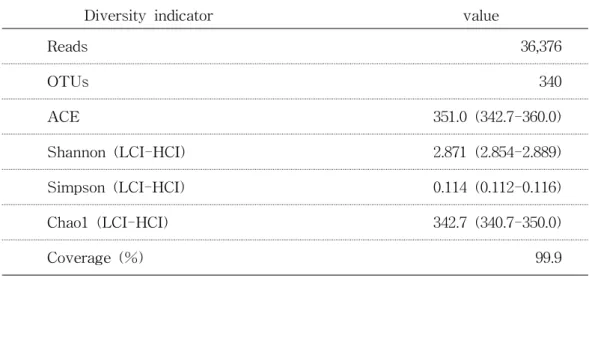
The Table. 2. 4. shows the sequencing results of bacterial community,

including the OTU numbers, Chao1 estimation, and alpha diversity tests,

such as Good’s coverage, and the Shannon and Simpson indices. After

filtering out low-quality and short sequence reads, the total reads of

39,880 were obtained from the total DNA of fermented anchovy sauce,

Myeolchi-Aekjeot. The OTUs for bacteria obtained from the 97% sequence

similarly cut-off values were 340. The observed OTUs were comparable

to the Chao1-estimated values, suggesting that most of the phylotypes

present in the samples were detected. This result suggests that it can

fully represent the bacterial community of the sample. Chao1 is an

indicator of species richness (total number of species in a sample) that is

sensitive to rare OTUs. Higher values indicate higher diversity (Chao,

1987). The Good’s coverage of bacterial community was 99.9%, and the

rarefaction curve reached the saturation phases (Fig. 2. 2.). The Good’s

coverage is an index of the extent to which the number of sequencing

reads used for analysis represents the actual species population of the

sample. The value can range from 0 to 100%, with 100% indicating a

complete sampling of species, meaning that additional sequencing is

unlikely to find anymore new species (Good, 1953). The rarefaction

curve is a graph that expresses species diversity by plotting the

correlation between the size of the sample data and the number of OTUs.

The x-axis represents the number of sampled reads, and the y-axis

represents the number of OTUs discovered. In general, as the number of

reads increases, the number of OTUs converges to the maximum value.

(32)

The steeper the slope of the curve, the higher the species diversity (Heck

et al

., 1975). The community diversity of the sample was estimated using

the Shannon and Simpson indices based on the OTUs. The higher the

Shannon index, the more diverse the microbial community, while the

opposite is true for the Simpson index. Shannon is an indicator of species

evenness (proportional distribution of the number of each species in a

sample) that exhibits values greater than 0, and higher values indicate

higher diversity, and the maximum value is achieved when all species are

present in equal numbers (Magurran, 2013). Simpson is an indicator of

species evenness that displays the probability that two randomly selected

sequences are of the same species. Values range from 0 to 1, and lower

values indicate higher diversity (Magurran, 2013). ACE is an indicator of

species richness (total number of species in a sample) that is sensitive to

rare OTUs. Higher values indicate higher diversity (Chao

et al.

, 1992).

(33)

Table. 2. 4. Numbers of sequences, OTUs (97%) and diversity indexes.

Diversity indicator

value

Reads

36,376

OTUs

340

ACE

351.0 (342.7-360.0)

Shannon (LCI-HCI)

2.871 (2.854-2.889)

Simpson (LCI-HCI)

0.114 (0.112-0.116)

Chao1 (LCI-HCI)

342.7 (340.7-350.0)

Coverage (%)

99.9

(34)

To identify bacterial community, total DNA was extracted from fermented

anchovy sauce of Chuja island and analyzed by an Illumina MiSeq

platform. So total valid reads of 36,376 were obtained. Among total valid

reads, reads of the species level was 19,661 reads (54%) and found 132

species.

In results of analysis the bacterial community of fermented anchovy

sauces of Chuja island, bacteria of phylum

Firmicutes

(82.5%) dominated

at sample. And the Class

Bacilli

(76.4%), Order

Bacillales

(64.6%), Family

Bacillaceae

(64.3%) were the dominant in taxon, respectively. At the

Genus level, the sample were dominated

Lentibacillus

(46.4%),

Tetrageno-coccus

(11.7%), and

Pseudogracilibacillus

(10.6%). The results of the

analysis of the bacterial community of fermented anchovy sauce are

shown below for each taxon.

Although there is no study on analyzed the bacterial community of

fermented anchovy sauce in Jeju region, the results of the analysis of the

bacterial community in 9 types of fermented anchovy sauce in

Chung-nam, Jeon-Chung-nam, Jeon-buk, and Gyeong-buk regions of Korea showed that

unlike the results of this study, the bacteria of genus

Tetragenococus

and

Halanaerobium

in phylum

Firmicutes

were dominant in all samples (Lee

et al

., 2016). And study of analyzed the bacterial community of fermented

anchovy salted fish (Myeolchi-Jeotgal) in jeju region, genus

Tetrageno-coccus

(90%) in phylum

Firmicutes

were dominant (Song

et al

., 2018).

(35)

addition, it appears to be the result because it contains a large number of

the fermentation-related bacteria in this taxon. The difference in the

results of these studies is thought to be due to the fermentation period.

The fermentation period of fermented anchovy sauce of Chuja island

analyzed in this study is 3 to 5 years, but the fermentation period of other

fermented anchovy sauces and fermented anchovy salted fish is about 1

year, which is short. Through this, At the beginning of fermentation,

bacteria that actively participate in fermentation, such as bacteria of genus

Tetragenococus

, appeared predominantly, and at the latter period of

fermentation, genus

Lentibacillus

, which has a late-growth characteristic,

appears to be predominant. For this reason, it could be seen that the

difference in dominant bacteria occurs over the fermentation period. In the

future, if you conduct a bacterial community analysis by fermentation

period of fermented anchovy sauce of Chuja island, we will see more

accurate results. As a result of this analysis, it can be seen that

fermented anchovy sauce of Chuja island is a well-fermented fish sauce. It

is known that fish sauce such as fermented anchovy sauce, is rich in

essential nutrients and tastes better with a longer fermentation period. It

is thought that the presence of genus

Lentibacillus

in fish sauce can be

used as an indicator of fermentation period.

The genus

Lentibacillus

which appeared to dominate in fermented

anchovy sauce of Chuja island, was first reported in 2002, and to date 19

species have been discovered. Bacteria of genus

Lentibacillus

has been

reported to be present in salty conditions such as fermented food, and

high salty sites in the natural environment (Yoon

et al

., 2002; Namwong

et al

., 2005; Tanasupawat

et al

., 2006; Pakdeeto

et al

., 2007; Jung

et al

.,

2010; Jung

et al

., 2015; Oh

et al

., 2016; Sundararaman

et al

., 2018; Oh

et

al

. 2020; Jeon

et al

., 2005; Lim

et al

., 2005; Yuan

et al

., 2007; Lee

et al

.,

2008; Sanchez-Porro

et al

., 2010; Lee

et al

., 2008; Wang

et al

., 2016; Guo

(36)

et al

., 2017). But no research has been conducted on their efficacy yet.

Bacteria of the genus

Lentibacillus

living in extreme conditions such as a

high-salt environment seem to apparently have special properties that can

be used in the bio-industry, and further studies such as genomic analysis

and efficacy studies are needed to find these properties.

(37)

1) Community of Phylum level

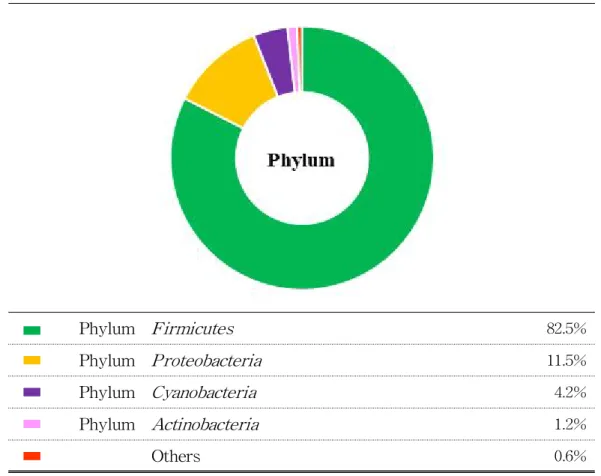
In the fermented anchovy sauce, total 13 phyla were identified at the

Phylum level. Among the bacterial phyla, the majority of sequences

were assigned to

Firmicutes

(82.5%), and this followed by

Proteo-bacteria

(11.5%),

Cyanobacteria

(4.2%),

Actinobacteria

(1.2%),

Rhodoth-ermaeota

(0.3%),

Bacteroidetes

(0.2%),

Acidobacteria

(0.07%),

Sacchari-bacteria

(0.04%),

Nitrospirae

(0.02%),

Chlamydiae

(0.01%),

Fusobacteria

(0.01%),

Planctomycetes

(0.01%), and

Tenericutes

(0.01%). The members

of rare phyla, for which the abundance was less than 1.0% of all

identified sequences were classified as Other, and accounted for 0.6% of

the total bacterial community (Fig. 2. 3.).

Phylum

Firmicutes

82.5%

Phylum

Proteobacteria

11.5%

Phylum

Cyanobacteria

4.2%

Phylum

Actinobacteria

1.2%

Others

0.6%

(38)

2) Community of Class level

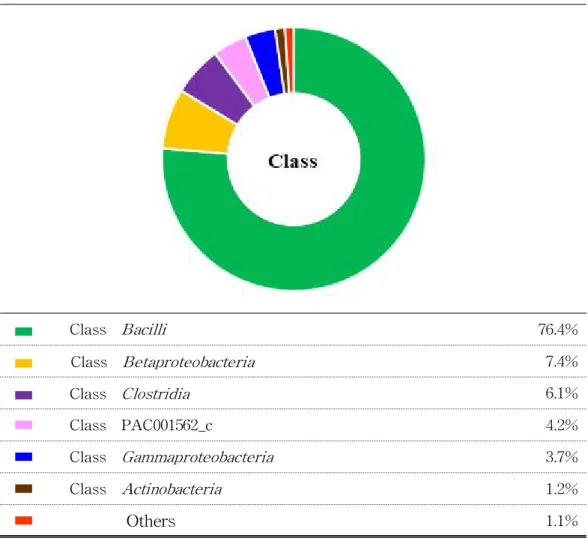
Total 25 classes were identified at the Class level. Among the bacterial

classes, the majority of sequences were assigned to

Bacilli

(76.4%), and

this followed by

Betaproteobacteria

(7.4%), Clostridia (6.1%), PAC001562_c

(4.2%),

Gammaproteobacteria

(3.7%), and

Actinobacteria

(1.2%). The

members of rare classes, for which the abundance was less than 1.0%

of all identified sequences were classified as Other, and accounted for

1.1% of the total bacterial community (Fig. 2. 4.). In result of analysis,

the classes less than 1.0% appeared as

Alphaproteobacteria, Balneolia,

Sphingobacteriia, Bacteroidia, Solibacteres, Saccharimonas, Rubrobacteria,

Holophagae, Flavobacteria, Negativicutes, Tissierellia, Nitrospira,

Erys-ipelotrichi, Chlamydiae, Fusobacteria, Epsilonproteobacteria, Mollicutes

,

PAC001018_c, and

MarineActino

_c.

(39)

Class

Bacilli

76.4%

Class

Betaproteobacteria

7.4%

Class

Clostridia

6.1%

Class PAC001562_c

4.2%

Class

Gammaproteobacteria

3.7%

Class

Actinobacteria

1.2%

Others

1.1%

(40)

3) Community of Order level

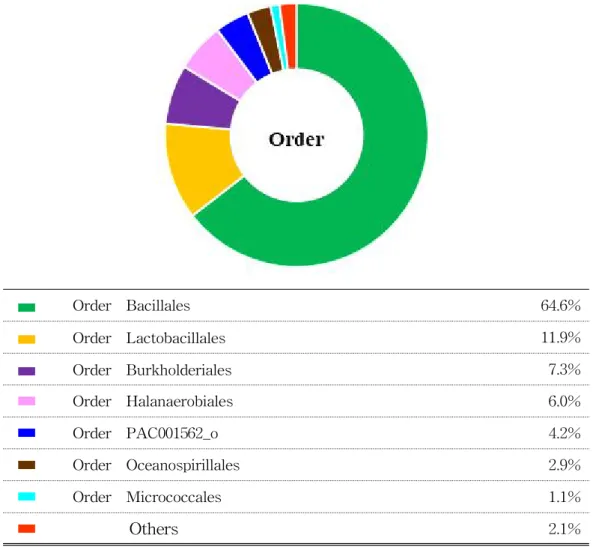
Total 42 orders were identified at the Order level. Among the bacterial

orders, the majority of sequences were assigned to

Bacillales

(64.6%),

and this followed by

Lactobacillales

(11.9%),

Burkholderiales

(7.3%),

Halanaerobiales

(6.0%), PAC001562_o (4.2%),

Oceanospirillales

(2.9%),

and

Micrococcales

(1.1%). The members of rare orders, for which the

abundance was less than 1.0% of all identified sequences were classified

as Other, and accounted for 2.1% of the total bacterial community (Fig.

2. 5.). In result of analysis, the classes less than 1.0% appeared as

Alphaproteobacteria

,

Balneolia, Sphingobacteriia, Bacteroidia,

Solibact-eres, Saccharimonas, Rubrobacteria, Holophagae, Flavobacteria,

Negati-vicutes, Tissierellia, Nitrospira, Erysipelotrichi, Chlamydiae,

Fuso-bacteria, EpsilonproteoFuso-bacteria, Mollicutes

, PAC001018_c, and

MarineActino

_c.

(41)

Order Bacillales

64.6%

Order Lactobacillales

11.9%

Order Burkholderiales

7.3%

Order Halanaerobiales

6.0%

Order PAC001562_o

4.2%

Order Oceanospirillales

2.9%

Order Micrococcales

1.1%

Others

2.1%

(42)

4) Community of Family level

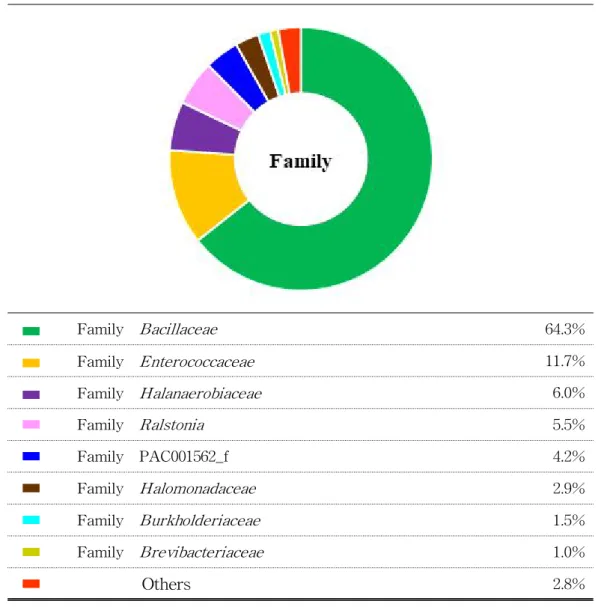
Total 65 families were identified at the Family level. Among the

bacterial families, the majority of sequences were assigned to

Bacillaceae

(64.3%), and this followed by

Enterococcaceae

(11.7%),

Halanaerobiaceae

(6.0%), Ralstonia_f (5.5%), PAC001562_f (4.2%),

Halo-monadaceae

(2.9%),

Burkholderiaceae

(1.5%),

Brevibacteriaceae

(1.0%)

and others (2.8%) (Fig. 2. 6.). The members of rare families, for which

the abundance was less than 1.0% of all identified sequences were

classified as Others. In result of analysis, the families less than 1.0%

appeared as

Staphylococcaceae, Balneolaceae, Moraxellaceae,

Vibrion-aceae, ComamonadVibrion-aceae, Marinobacter, BradyrhizobiVibrion-aceae,

Chitinophag-aceae, PhyllobacteriChitinophag-aceae, StreptococcChitinophag-aceae, CorynebacteriChitinophag-aceae,

Rhodo-spirillaceae, Neisseriaceae,

PAC000121_f

, Prevotellaceae,

Alcanivorac-aceae, PseudomonadAlcanivorac-aceae, SphingomonadAlcanivorac-aceae, XanthomonadAlcanivorac-aceae,

Sa-ccharimonas, Carnobacteriaceae,

GU199451_f

, Porphyromonadaceae,

Gai-ellaceae, Salinisphaeraceae, BrucGai-ellaceae, Phreatobacter,

Dermabacter-aceae, HolophagDermabacter-aceae, ActinomycetDermabacter-aceae, FlavobacteriDermabacter-aceae,

Nitrospir-aceae, SelenomonadNitrospir-aceae, TissierellNitrospir-aceae, GottschalkiNitrospir-aceae,

Caulobacter-aceae, ErysipelotrichCaulobacter-aceae, LachnospirCaulobacter-aceae, MicrococcCaulobacter-aceae,

Rhabdochl-amydiaceae, Campylobacteraceae, Leptotrichiaceae, Mycoplasmataceae,

Peptostreptococcaceae

, PAC001018_f,

Bosea, Mogibacterium,

PAC001921_f,

Actinomarinaceae, Alteromonadaceae, Fusobacteriaceae, Lactobacillaceae,

(43)

Family

Bacillaceae

64.3%

Family

Enterococcaceae

11.7%

Family

Halanaerobiaceae

6.0%

Family

Ralstonia

5.5%

Family PAC001562_f

4.2%

Family

Halomonadaceae

2.9%

Family

Burkholderiaceae

1.5%

Family

Brevibacteriaceae

1.0%

Others

2.8%

(44)

5) Community of Genus level

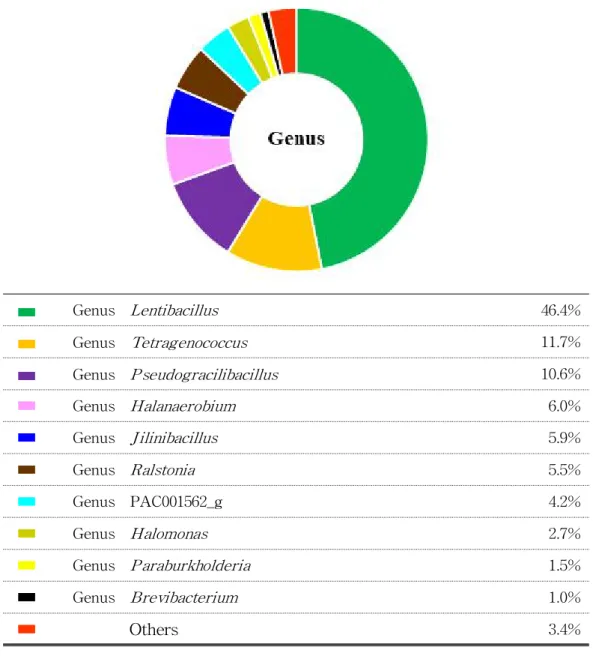
Total 84 genera were identified at the Genus level. Among the

bacterial genera, the majority of sequences were assigned to

Lentibacillus

(46.4%), and this followed by

Tetragenococcu

s (11.7%),

Pseudogracilibacillus

(10.6%),

Halanaerobium

(6.0%),

Jilinibacillus

(5.9%),

Ralstonia

(5.5%), PAC001562_g (4.2%),

Halomonas

(2.7%),

Paraburkholderia

(1.5%),

Brevibacterium

(1.0%) and others (3.4%) (Fig. 2. 7.). The members

of rare genera, for which the abundance was less than 1.0% of all

identified sequences were classified as Others. In result of analysis, the

genera less than 1.0% appeared as

Virgibacillus, Staphylococcus, Fodinibius,

Chromohalobacter, Marinobacter, Pelomonas, Acinetobacter, Vibrio,

Bradyrhizobium, Enhydrobacter, Photobacterium, Mesorhizobium, Streptococcus,

Corynebacterium, Sediminibacterium, Neisseria, .

PAC000121_g,

Prevotella,

Alcanivorax, Pseudomonas, Rhodoplanes, Saccharimonas, Sphingomonas,

Stenotrophomonas, Atopostipes, Curvibacter, Psychrobacter, Corticicoccus,

Halovibrio, Porphyromonas,

EU801583_g,

Gaiella, Salinisphaera,

AF407727_g

,

Brucellaceae,

PAC001999_g,

Phreatobacter, PAC001882_g, Brachybacterium.

Holophaga, Actinomyces, Aquabacterium, Nitrospira, Selenomonas,

Tissierella, Ornithinibacillus, Brevundimonas, Bulleidia, Flavobacterium,

Campylobacter, Cerasibacillus, Lachnoanaerobaculum, Peptostreptococcus,

Sneathia, Mycoplasma,

PAC001018_g,

Bosea, Kocuria, Rothia, Eubacterium,

PAC002583_g

, Actinomarina, Alteromonas, Bergeyella, Capnocytophaga,

Cetobacterium, Dinoroseobacter, Lactobacillus, Lautropia, Oribacterium,

Vagococcus, AHBI_g, PAC001286_g, PAC002248_g.

(45)

Genus

Lentibacillus

46.4%

Genus

Tetragenococcus

11.7%

Genus

Pseudogracilibacillus

10.6%

Genus

Halanaerobium

6.0%

Genus

J ilinibacillus

5.9%

Genus

Ralstonia

5.5%

Genus PAC001562_g

4.2%

Genus

Halomonas

2.7%

Genus

Paraburkholderia

1.5%

Genus

Brevibacterium

1.0%

Others

3.4%

(46)

5) Community of Species level

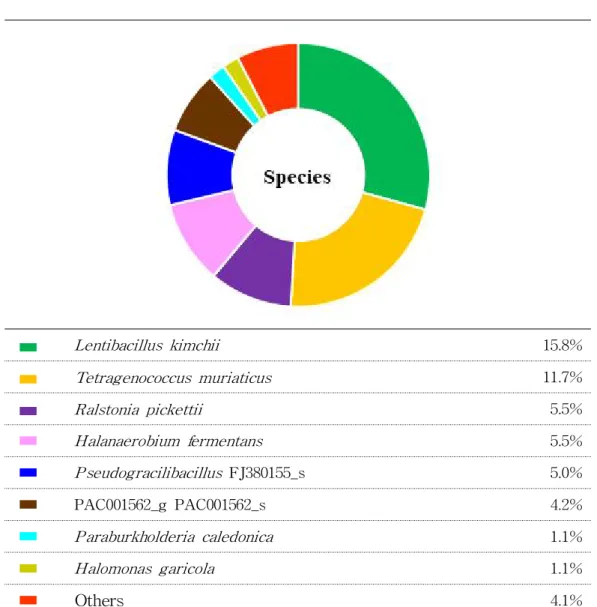
Total 132 species were identified at the Species level. Among the

bacterial species, the majority of sequences were assigned to

Lentibacillus kimchii

(15.8%), and this followed by

Tetragenococcus

muriaticus

(11.7%),

Ralstonia pickettii

(5.5%),

Halanaerobium fermentans

(5.5%),

Pseudogracilibacillus FJ380155_s

(5.0%),

PAC001562_g PAC001562_s

(4.2%),

Paraburkholderia caledonica

(1.1%), and

Halomonas garicola

(1.1%). The members of rare species, for which the abundance was less

than 1.0% of all identified sequences were classified as Other, and

accounted for 4.1% of the total bacterial community (Fig. 2. 8.). In result

of analysis, the classes less than 1.0% appeared as

Paraburkholderia

kururiensis,

Halanaerobium saccharolyticum

group,

Staphylococcus

aureus

group,

Virgibacillus

DQ842544_s,

Chromohalobacter beijerinckii

group,

Brevibacterium iodinum

group,

Marinobacter piscensis, Pelomonas

saccharophila

group,

Halanaerobium praevalens, Bradyrhizobium japonicum

group,

Enhydrobacter aerosaccus

group,

Halomonas alimentaria, Lentibacillus

salinarum, Paraburkholderia insulsa, Mesorhizobium loti

group,

Acinetobacter

ursingii, Photobacterium leiognathi, Lentibacillus

FJ429315_s,

Halomonas

venusta

group,

Sediminibacterium

FR853543_s,

Acinetobacter lwoffii

group,

PAC000121_g PAC001780_s,

Paraburkholderia silvatlantica, Pseudomonas

fulva

group,

Sphingomonas pruni

group,

Stenotrophomonas maltophilia

group,

Rhodoplanes

PAC002000_s,

Tetragenococcus halophilus

group,

Psychrobacter faecalis

group,

Saccharimonas

HQ697702_s,

Corticicoccus

populi, Staphylococcus saprophyticus

group,

Vibrio alginolyticus

group,

(47)

PAC001999_g PAC001999_s group,

Halanaerobium congolense, Porphyromonas

pasteri, Streptococcus pneumoniae

group, AF407727_g JF266208_s,

PAC001882_g PAC001882_s, Phreatobacter PAC001949_s,

Brachybacterium

faecium

group,

Vibrio sagamiensis, Curvibacter

CP015698_s,

Holophaga

EF562076_s,

Brevibacterium picturae

group,

Curvibacter lanceolatus,

Neisseria subflava, Photobacterium angustum, Nitrospira

AY532586_s,

Aquabacterium

JRKM_s,

Paraburkholderia ferrariae, Streptococcus anginosus

group,

Brevundimonas vesicularis

group,

Bulleidia extructa, Flavobacterium

antarcticum, Prevotella melaninogenica, Streptococcus salivarius

group,

Selenomonas

CP012071_s,

Campylobacter concisus

group,

Mycoplasma s

alivarium, Peptostreptococcus stomatis

group,

Porphyromonas endodontalis,

Sneathia sanguinegens, Cerasibacillus BAXM_s

group,

Lachnoanaerobaculum

JH815185_s group,

Actinomyces

KE952139_s,

Acinetobacter proteolyticus

group,

Alcanivorax marinus, Bosea minatitlanensis

group,

Corynebacterium

durum, Eubacterium brachy, Kocuria rhizophila

group,

Photobacterium

phosphoreum

group,

Selenomonas sputigena, Streptococcus parasanguinis

group,

Streptococcus sanguinis

group,

Streptococcus sinensis

group,

PAC002583_g AM990454_s, Saccharimonas

CP007496_s,

Actinomyces

LT635457_s group,

Actinomyces odontolyticus, Alteromonas stellipolaris

group,

Brevibacterium linens, Capnocytophaga leadbetteri, Cetobacterium

ceti, Dinoroseobacter shibae, Lactobacillus plantarum

group,

Lautropia

mirabilis, Neisseria sicca

group,

Oribacterium sinus, Prevotella oulorum,

Prevotella veroralis, Rothia aeria, Vagococcus teuberi

group,

Vibrio

antiquarius, Virgibacillus siamensis,

AHBI_g AHBI_s group, PAC002248_g

DQ395705_s, AF407727_g EU133389_s, PAC001286_g JF803519_s,

Pseudogracilibacillus

JX001242_s,

Rothia

KV831974_s group,

Bergeyella

PAC001338_s

, and

(48)

Lentibacillus kimchii

15.8%

Tetragenococcus muriaticus

11.7%

Ralstonia pickettii

5.5%

Halanaerobium fermentans

5.5%

Pseudogracilibacillus

FJ380155_s

5.0%

PAC001562_g PAC001562_s

4.2%

Paraburkholderia caledonica

1.1%

Halomonas garicola

1.1%

Others

4.1%

(49)

2.4. Conclusion

Chuja Island became famous for anchovy, it is because when a spawning

season of anchovy, many anchovies gather in Chuja island. In Chuja Island

used anchovies to make salted anchovy sauce that can be used instead of

soy sauce. The anchovy sauce for the Chuja Island is made by mixing salt

and anchovies without adding any chemical seasoning and fermenting them

for about three years. This MyeolchI-Aekjeot, traditional fermented anchovy

sauce, has been consumed as a umami-tasting, seasoning ingredient (Moon

et al

., 2013). The umami of Myeolchi-Aekjeot is formed by exogenous

enzymes of microorganisms (Yongsawatdigul

et al

., 2007), and despite the

high concentration (20-30%) of salty environment, various microorganisms

exist in fish sauces (Margesin

et al

., 2001). Therefore, with NGS technique,

we found out the various microorganisms that exist in the fermented

anchovy sauce of Chuja Island.

The fermented anchovy sauce, Myeolchi-Aekjeot, of Chuja island, which

was used for the analysis of bacterial communities, was made by Chujado

Federation of Fisheries Cooperatives in Jeju. It showed pH 6.1, 27% salinity,

and 37.9 brix.

To identify bacterial community, total DNA was extracted from fermented

anchovy sauce and analyzed by an Illumina MiSeq platform. So total valid

reads of 36,376 were obtained. Among total valid reads, reads of the

species level was 19,661 reads (54%) and found 132 species.

In results of analysis the bacterial community of fermented anchovy

sauce of Chuja island, bacteria of phylum

Firmicutes

(82.5%) dominated

at sample. And the Class

Bacilli

(76.4%), Order

Bacillales

(64.6%), Family

(50)

Genus level, the sample were dominated

Lentibacillus

(46.4%),

Tetrageno-coccus

(11.7%), and

Pseudogracilibacillus

(10.6%).

When comparing the results of a study that analyzed the bacterial

community between fermented anchovy sauce in other regions and anchovy

salted fish (Myeolchi-Jeotgal) in Jeju, it was found that the dominant

bacteria are different. In this study, the genus

Lentibacillus

was

predominant, and the genus

Tetragenococus

was predominant in the

fermented anchovy sauce in other regions and anchovy salted fish

(Myeolchi-Jeotgal) in Jeju. This difference seems to have appeared

depending on the fermentation period. The fermentation period of fermented

anchovy sauce of Chuja island is about 3 to 5 years, and the fermentation

period of fermented anchovy sauce in other regions and anchovy salted fish

(Myeolchi-Jeotgal) in Jeju is less than one year. At the beginning of

fermentation, bacteria that actively participate in fermentation, such as

bacteria of genus

Tetragenococus

, appeared predominantly, and at the latter

period of fermentation, genus

Lentibacillus

, which has a late-growth

characteristic, appears to be predominant. For this reason, it could be seen

that the difference in dominant bacteria occurs over the fermentation period.

In the future, if you conduct a bacterial community analysis by fermentation

period of fermented anchovy sauce of Chuja island, we will see more

accurate results. As a result of this analysis, it can be seen that fermented

anchovy sauce of Chuja island is a well-fermented fish sauce. It is known

that fish sauce such as fermented anchovy sauce, is rich in essential

nutrients and tastes better with a longer fermentation period. It is thought

that the presence of genus

Lentibacillus

in fish sauce can be used as an

indicator of fermentation period.

(51)

Chapter Ⅲ. Polyphasic taxonomy of novel bacterium

isolated from Fermented anchovy sauce,

Myeolchi-Aekjeot of Chuja Island

3.1. Introduction

The classification of bacteria is called bacterial taxonomy. Bacterial

taxonomy comprises the interrelated areas of classification, nomenclature,

and identification and is supposed to reflect phylogeny and evolution.

Classification refers to the arrangements of bacteria into groups or taxa on

the basis of their mutual similarity or evolutionary relatedness. Nomenclature

is the discipline concerned with the assignment of names to taxonomic

groups as per published rules. Identification represents the practical side of

taxonomy, which is the process of determining that a particular isolate

belongs to a recognized taxon. Species is the basic taxonomic group in

bacterial taxonomy. Groups of species are then collected into genus.

Groups of genus are collected into family, family into order, order into

class, class into phylum. Groups of bacteria at each rank or level have

names with endings or suffixes characteristic to that rank or level.

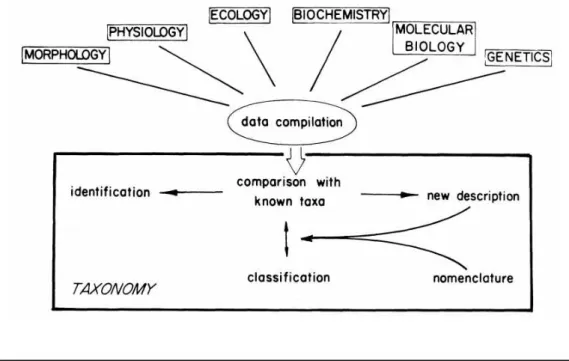
Polyphasic taxonomy refers to a consensus type of taxonomy and aims to

utilize all the available data in delineating consensus groups, decisive for

the final conclusions. Several phenotypic characteristics (morphological,

(52)

physiological and metabolic, ecological) and genetic analysis have been

used in bacterial taxonomy for many years. These characteristics are

assessed, and the data are used to group bacteria up to the taxonomic

ladder from species to domain. Classical characteristics are quite useful in

routine identification of bacteria and provide clues for phylogenetic

relationships among them as well as with other organisms. (Vandamme

et al

., 1996; Monique

et al

., 2015).

Fig. 3. 1. Flow of information in the characterization and classification of

bacterial strain (Truper

et al

., 1981).

(53)

The genus

Lentibacillus

was first proposed by Yoon

et al

. (2002) to

accommodate an aerobic, Gram-variable, endospore-forming, rod-shaped

and moderately halophilic bacterium isolated from a salt field of the

Yellow Sea in Korea. Subsequently the description of the genus has been

emended (Jeon

et al

., 2005).

The genus

Lentibacillus

belongs to the family

Bacillaceae

, which

currently contains 19 species (https://lpsn.dsmz.de/genus/lentibacillus; validly

published, 17 species; not validly published 2 species,

Lentibacillus

alimentarius

,

Lentibacillus cibarius

). The type species is

Lentibacillus

salicampi

. The genus

Lentibacillus

includes Gram-variable rods that are

catalase-positive, oxidase-variable and urease-negative. The cell-wall

peptidoglycan contains meso-diaminopimelic acid, and the predominant

menaquinone is MK-7. The major polar lipids are diphosphatidylglycerol

and phosphatidylglycerol, and the major fatty acids are anteiso-C

15:0

and

iso-C

16:0

. The G+C content of the DNA of this genus is in the range

42-44 mol% (Jeon

et al

., 2005).

Thus far, 18 species belonging to the genus

Lentibacillus

have been

identified in a number of salty conditions such as fermented food

(

Lentibacillus juripiscarius

, Namwong

et al.

, 2005;

Lentibacillus halophilus

,

Tanasupawat

et al.

, 2006;

Lentibacillus kapialis

, Pakdeeto

et al

., 2007;

Lentibacillus jeotgali

, Jung

et al

., 2010;

Lentibacillus garicola

, Jung

et al

.,

2015;

Lentibacillus kimchii

, Oh

et al.

, 2016;

Lentibacillus alimentarius

,

Sundararaman

et al

., 2018;

Lentibacillus lipolyticus

, Booncharoen

et al

.,

2019; Lentibacillus cibarius, Oh

et al

. 2020), high salt sites in the natural

(54)

environment (

Lentibacillus salarius

, Jeon

et al

., 2005;

Lentibacillus lacisals

,

Lim

et al

., 2005;

Lentibacillus halodurans

, Yuan

et al

., 2007;

Lentibacillus

salinarum

, Lee

et al

., 2008;

Lentibacillus persicus

, Sánchez-Porro

et al

.,

2010), salt fileds (

Lentibacillus salicampi

, Yoon

et al.

, 2002;

Lentibacillus

salis

, Lee et al., 2008;

Lentibacillus amyloliquefaciens

, Wang

et al.

, 2016;

Lentibacillus sediminis

, Guo et al., 2017), and 1 species belonging to the

genus

Lentibacillus

have been identified in a poplar trees (

Lentibacillus

populi

, Sun

et al

., 2016).

In genus

Lentibacillus

, genomic analysis among

Lentibacillus

species is

currently lacking. But total of 9 genomes related to

Lentibacillus

species

are published in NCBI, genome properties are indicated as following

genome size (3,146,740-3,926,733 bp), CDSs (3,045-5,053), rRNA genes

(10-30), and tRNA genes (50-86) (Oh

et al

., 2020).

In this study, strain JNUCC-1

T

was characterized and classified and this

study proposed that strain JNUCC-1

T

isolated from fermented anchovy

(55)

3.2. Materials and methods

Bacteria was isolated from fermented anchovy sauce (Myeolchi-Aekjeot)

made by Chujado Federation of Fisheries Cooperatives in Jeju. The

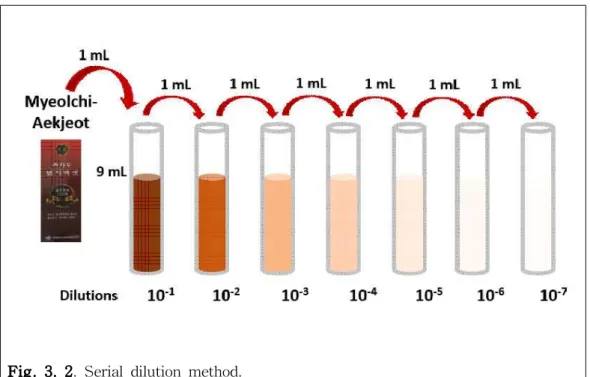
anchovy sauce sample was diluted to 10

-7

-fold with 0.85% NaCl through

the serial dilution method. The sample was spread on Marine agar (MA;

Difco 2216, USA) containing 5%, 10% and 15% NaCl and was incubated

for 7 days at 30 ℃ under aerobic condition.

(56)

Table. 3. 1. Composition of Marine agar (MA,; Difco 2216, USA).

Ingredient

Amounts

Peptone

5.0

g

Yeast Extract

1.0

g

Ferric Citrate

0.1

g

Sodium Chloride

19.45

g

Magnesium Chloride

8.8

g

Magnesium Sulfate

3.24

g

Calcium Chloride

1.8

g

Potassium Chloride

0.55

g

Sodium Bicarbonate

0.16

g

Potassium Bromide

0.08

g

Strontium Chloride

34.0 mg

Boric Acid

22.0 mg

Sodium Silicate

4.0 mg

Sodium Fluoride

2.4 mg

Ammonium Nitrate

1.6 mg

Disodium Phosphate

8.0 mg

Agar

15.0

g

Distilled water

1.0

L

pH

7.6 ± 0.2

수치

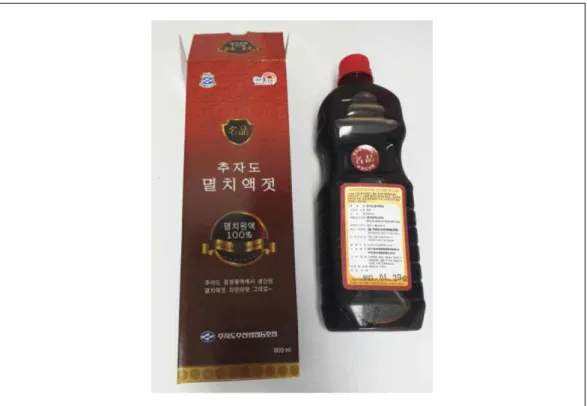
Fig. 2. 1. Fermented anchovy sauce, Myeolchi-Aekjeot.
Fig. 2. 2. Rarefaction curve of diversity indicator.
Fig. 2. 3. The diversity at Phylum level.
Fig. 2. 4. The diversity at Class level.
+7

참조

관련 문서

North Korea is not the country which deserves to be invested, but it could play a crucial role in the process of propelling the South Korea's new

The characteristic change according to the main design parameters of the magnetic gear can be confirmed, and the difference in loss and efficiency according

In conclusion, it can be seen that the performance of male gymnastics athlete influences the factors of personal characteristics, the interaction of

1) It could be lengthened defected columella without additional surgical procedure. 2) It could be avoided a complication as like meganostril and delaying

Taken together, it is a regular exercise program for obese middle school students appeared to be a factor that could influence had a direct impact on the components

8 seems to have a cold[seems to be sick] 9 was a singer → is a singer, can speak → could speak 10 what it would be like to live in the future 11 It seems that people always

Given that, the economy can be expected to grow at a similar rate this year and next year, and Latvijas Banka has revised the GDP growth forecast for 2022 downwards to

_____ culture appears to be attractive (도시의) to the