저작자표시-비영리-변경금지 2.0 대한민국 이용자는 아래의 조건을 따르는 경우에 한하여 자유롭게
l 이 저작물을 복제, 배포, 전송, 전시, 공연 및 방송할 수 있습니다. 다음과 같은 조건을 따라야 합니다:
l 귀하는, 이 저작물의 재이용이나 배포의 경우, 이 저작물에 적용된 이용허락조건 을 명확하게 나타내어야 합니다.
l 저작권자로부터 별도의 허가를 받으면 이러한 조건들은 적용되지 않습니다.
저작권법에 따른 이용자의 권리는 위의 내용에 의하여 영향을 받지 않습니다. 이것은 이용허락규약(Legal Code)을 이해하기 쉽게 요약한 것입니다.
Disclaimer
저작자표시. 귀하는 원저작자를 표시하여야 합니다.
비영리. 귀하는 이 저작물을 영리 목적으로 이용할 수 없습니다.
변경금지. 귀하는 이 저작물을 개작, 변형 또는 가공할 수 없습니다.
Thesis for the degree of Doctor of Philosophy
Application of Bio-based Material for the Removal of Heavy Metal and Bisphenol A
from Water Environment
June 2020 The Graduate School
University of Ulsan
Department of Chemical Engineering and Bioengineering
XU YUE
[UCI]I804:48009-200000333091 [UCI]I804:48009-200000333091 [UCI]I804:48009-200000333091
Application of Bio-based Material for the Removal of Heavy Metal and Bisphenol A
from Water Environment
Supervisor: Prof. Ik-keun Yoo
June 2020 The Graduate School
University of Ulsan
Department of Chemical Engineering and Bioengineering
XU YUE
ACKNOWLEDGEMENT
I would like to express my deep gratitude to my tutor, Prof. Ikkeun Yoo, for his excel- lent guidance, deep concern, and constant encouragement throughout this study, for supporting me to finish my PhD study. It has been my honor to work under his guid- ance, and the five-year in Korea would be my greatest life experience.
I would especially thank Prof. Keungarp Ryu, who has offered essential supports and supervision for my work.
I am grateful to the University of Ulsan, and Shanghai University of Engineering Science, for supporting my projects during this study.
I am thankful to all the committee membersfor their suggestions, review, and com- ments on the thesis.
I do really appreciate all the Professors of Department of Chemical Engineering and Bioengineeringfor their lectures and support during the course.
I appreciate the Office Manager Lim KyoungJo and other staffs for providing me all the facilities and helping me in all the official works whenever I am in need.
I want to give my thanks to my dear senior, Jiyeon Hong, who provided valuable as- sistance when I was a freshman. I am also thankful to my lab-mate, Wu Yujie, with whom we spent three years together, for giving me indispensable help and creating a wonderful working environment.
Most importantly, I would like to thank my parents, my families,and my friendsfor their support on whatever I do. I owe my grandparentswho raised me up and be waiting for me during the five-year. They are and will be always the source of the motivity for my achievement.
Table of Contents
Table of Contents...i
List of Figures ...iv
List of Table ...vi
Abstract ...1
1. Chapter 1 ...3
Introduction...3
1.1 Various pollutants in water environment ...4
1.2 Characteristics of metal pollutants and removal methods ...5
1.3 Characteristics of bisphenol A and removal methods...10
1.4 Selective removal methods of pollutants from water environment...14
1.5 Application of peptide for environmental purpose ...15
1.6 Research objectives ...18
1.7 Reference...19
2 Chapter 2 ...25
Adsorptive removal of heavy metal ions in water using poly(m‑phenylenediamine) synthesized by laccase ...25
2.1 Introduction ...26
2.2 Material and methods ...28
2.2.1 Materials ...28
2.2.2 Enzymatic synthesis of poly(m-PDA) ...28
2.2.3 Adsorption of metal ions by poly(m-PDA)...29
2.2.4 Fourier transform infrared (FTIR) spectroscopy...30
2.3 Results and Discussion...30
2.3.1 Structural characterization of poly(m-PDA) ...30
2.3.2 Adsorption characteristics of poly(m-PDA) for Pb2+ion ...33
2.3.3 Adsorption isotherms of poly(m-PDA) for heavy metal ions ...34
2.4 Conclusions ...40
2.5 References ...41
3 Chapter 3 ...44
Selective Removal of Lead Ion from Water by Magnetic Bead fused with Lead- recognizing Peptide ...44
3.1 Introduction ...45
3.2 Materials and Methods ...47
3.2.1 Materials ...47
3.2.2 Adsorption onto bare magnetic bead...48
3.2.3 Construction of Peptide-binded magnetic bead ...48
3.2.4 Lead adsorption...49
3.2.5 Analysis ...50
3.3 Results and discussion...51
3.3.1 Selection of bead (Pb2+adsorption onto bare bead) ...51
3.3.2 Pb2+adsorption using peptide-binded magnetic bead ...52
3.3.3 Parallel experiment...53
3.3.4 Lead Adsorption isotherm study ...56
3.3.5 Repeated use of peptide-coated bead ...59
3.3.6 Selective lead adsorption...61
3.4 Conclusion...63
3.5 References ...63
4 Chapter 4 ...66
Selective Removal of Bisphenol A from Water by Magnetic Bead fused with Bisphenol A-binding Peptide...66
4.1 Introduction ...67
4.2 Material and methods ...69
4.2.1 Materials and apparatus...69
4.2.2 Preparation of peptide-binded / protein-coated magnetic bead...70
4.2.3 BPA adsorption experiments...71
4.2.4 Selective adsorption experiments...71
4.2.5 Desorption and regeneration studies ...72
4.3 Results and discussion...72
4.3.1 Preparation and characterization of peptide-binded magnetic bead...72
4.3.2 Adsorption ...74
4.3.2.1 Effect of pH on adsorption ...74
4.3.2.2 BPA adsorption under mild solution ...76
4.3.2.3 Effect of peptide concentration...78
4.3.2.4 BPA Adsorption isotherm study...79
4.3.3 Desorption and regeneration studies ...81
4.3.4 Selectivity study...82
4.3.5 BPA adsorption by different length of peptide...83
4.4 Conclusions ...85
4.5 Reference...85
5 Chapter 5 ...89
Photocatalytic degradation of bisphenol A using TiO2synthesized via peptide-
mineralization process...89
5.1 Introduction ...90
5.2 Material and methods ...92
5.2.1 Materials ...92
5.2.2 Peptide binding and biomineralization...92
5.2.3 Characterization ...93
5.2.4 Photocatalytic activity ...93
5.3 Results and discussion...94
5.3.1 Influence of peptide concentration...94
5.3.2 Characterization ...96
5.3.3 Photocatalytic activity ...99
5.4 Conclusions ... 101
5.5 Reference... 102
6 Chapter 6 ... 105
Conclusion ... 105
List of Figures
Figure 2-1 FTIR spectra of poly(m-PDA) synthesized by laccase and the poly(m-PDA) with
adsorbed heavy metal ions. ... 31
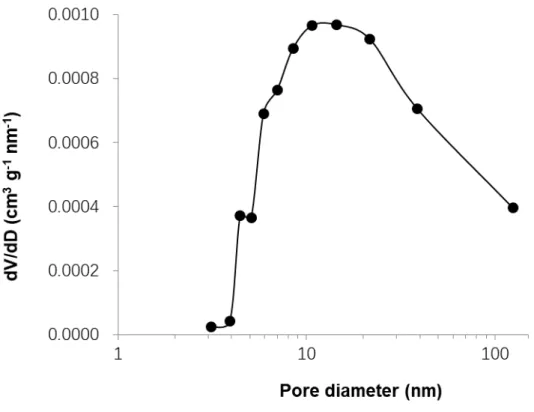
Figure 2-2 Pore size distribution of the poly(m-PDA) synthesized by laccase... 32
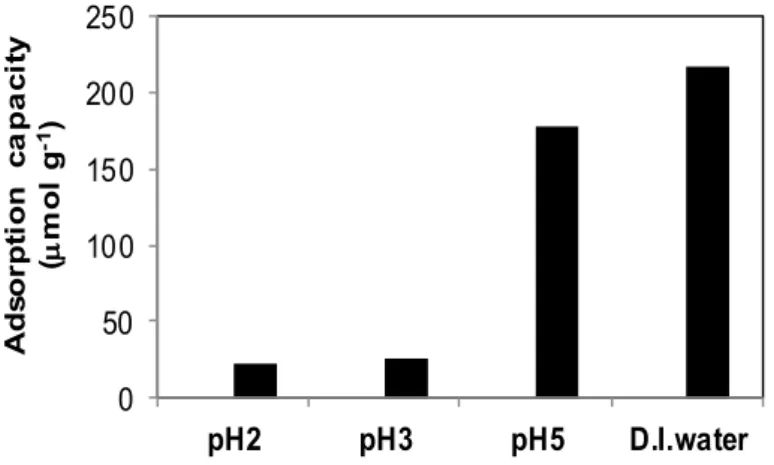
Figure 2-3 Effect of different solutions on the Pb2+adsorption by enzymatically synthesized poly(m-PDA)... 34
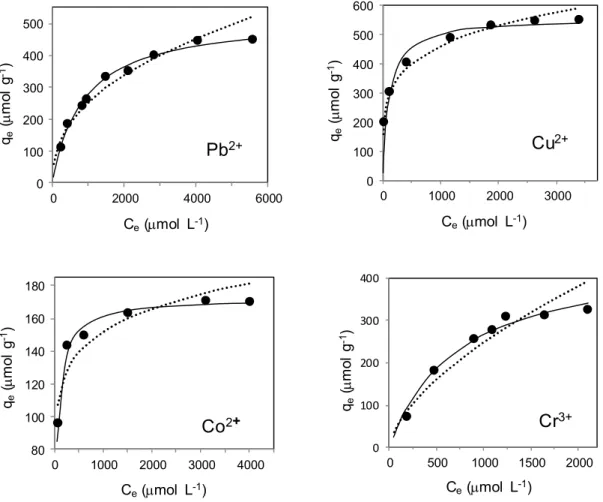
Figure 2-4 Adsorption isotherms for various heavy metal ions on enzymatically synthesized poly(m-PDA)... 37
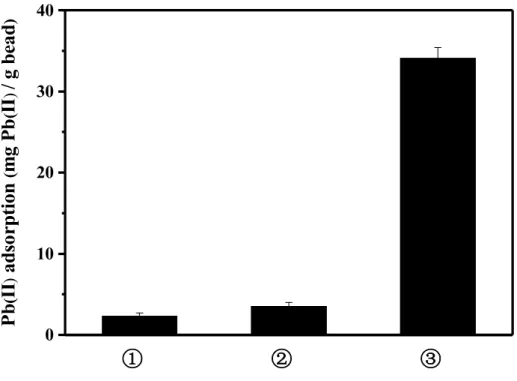
Figure 3-1 Pb2+adsorption onto bare bead (mg Pb2+/g bead) ... 51
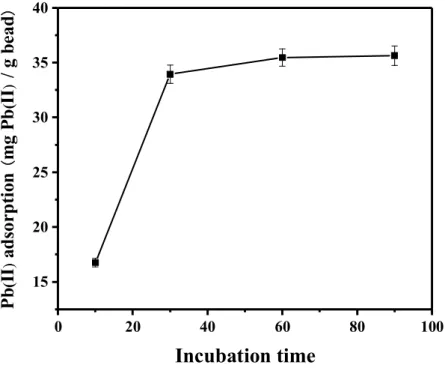
Figure 3-2 Kinetics of Pb2+adsorption onto peptide-coated bead... 53
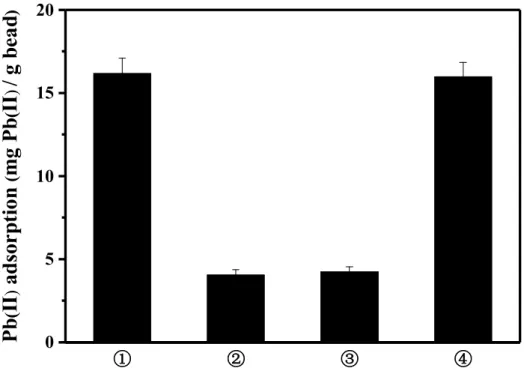
Figure 3-3 Effect of different modification on Pb2+adsorption capacity... 55
Figure 3-4 Adsorption isotherms for the adsorption of lead ions onto peptide-binded bead. 56 Figure 3-5 The adsorption and desorption of Pb2+with EDTA for 6 times... 59
Figure 3-6 Comparison of the metal adsorption capacity in three different solution system. 61 Figure 4-1 FTIR spectra of bare bead, carboxyl activated bead and PBB... 74
Figure 4-2 BPA adsorption under neutral, acid and base solution... 76
Figure 4-3 BPA adsorption under mild solution... 77
Figure 4-4 Chemical structure and the species distribution diagram of BPA. ... 78
Figure 4-5 Effect of peptide concentration on the adsorption of BPA by cyclic peptide... 78
Figure 4-6 Adsorption isotherms for the adsorption of BPA onto bead. ... 79
Figure 4-7 Adsorption and desorption study of BPA on PBB. ... 81
Figure 4-8 Comparison of the BPA selective adsorption capacity in three different solution system ... 82
Figure 4-9 Comparison of the BPA selective adsorption capacity ... 84
Figure 5-1 TGA curves of PS bead (b) and TiO2synthesized from different concentration of pep-tide-binded PS bead. ... 95
Figure 5-2 SEM images of (a) bare PS bead, (b) PS bead binded with peptide, (c) the peptide-binded bead reacted with precursor before calcination, and (d) peptide-binded bead reacted with precursor after calcination. ... 97
Figure 5-3 XRD spectra of commercial P25 TiO2, and bare, STB1-, and PS-STB1-TiO2after calcination at 800 .℃... 98
Figure 5-4 Adsorption in the dark and photocatalytic degradation of BPA under the solar light stimulator over the P25, bare-, STB1-, and PS-STB1-TiO2photocatalysts at 20 minutes intervals... 100
Figure 5-5 kinetic curves for BPA by P25, bare-, STB1-, and PS-STB1-TiO2photocatalysts ... 100 Figure 5-6 Degradation rate of BPA over PS-STB1-TiO2for 5 cycles... 101
List of Table
Table 1-1 Permissible concentration limits of some heavy elements in potable water according to WHO and US EPA, their major sources, and impacts on human health.
(Eskandari et al., 2020) Copy Right Elsevier ... 6
Table 1-2 The chemical and physical properties of BPA... 11
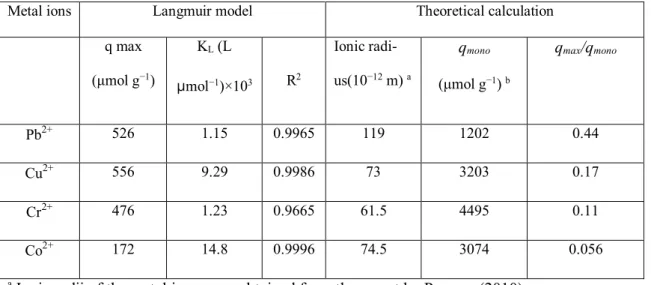
Table 2-1 Langmuir isotherm parameters estimated by linear regression analysis and the calculated adsorbed fractions of BET surface area of poly(m-PDA) for the adsorption of the heavy metal ions ... 38
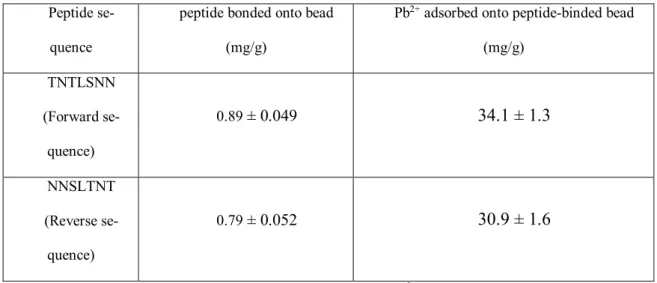
Table 3-1 Different peptide sequence on Pb2+adsorption capacity... 54
Table 3-2 Parameters fitted with both nonlinear and linearized adsorption isotherm ... 58
Table 3-3 Chemical composition of the synthetic wastewater ... 61
Table 4-1 Bead-binding efficiency with different peptide/protein ... 72
Table 4-2 Parameters fitted with nonlinear adsorption isotherm... 80
Table 5-1 Peptide binding amount on PS bead and TiO2synthesized amount from different initial concentration of peptide... 94
Table 5-2 Degradation rate and kapp values for BPA by P25, bare-, STB1-, and PS-STB1- TiO2... 101
Abstract
Various kinds of toxic pollutants are being discharged into water environment with rapid development of society. The heavy metals and endocrine disrupters among them are representative pollutants causing severe concerns to human health. Biological methods to handle those issues have widely been investigated due to its low capital and operation cost, non-toxicity of materials, availability to materials, relatively simple equipment and operation required, and so on. Various biological materials and processes have been developed until now but, are still challenged for its weaknesses such as operational variability, non-selective removal to specific target component, and low efficiency under harsh condition. In this study, two kinds of bio-based materials are applied for the removal of target pollutants (heavy metals and bisphenol A (BPA)). The first material is the enzymatically-synthesized polymeric one for the removal of heavy metals in non-selective adsorptive way. The other material is the peptide fused with magnetic core and is applied for the removal of lead and BPA in selective adsorptive way.
Unlike chemical reactions, enzymatic reactions require no toxic oxidants for the polymerizations and do not produce harmful by-products. The enzymatic reaction replacing corresponding chemical reaction was applied to synthesize the polymer via environmentally friendly synthetic route. The polymer of m-phenylenediamine (poly(m-PDA)), synthesized by mild laccase-catalysis in an aqueous buffer, was investigated for the adsorption of several heavy metal ions including Pb2+, Cu2+, Co2+, and Cr3+. The adsorption isotherms of the four heavy metal ions on poly(m-PDA) were well described by Langmuir equation. Poly(m-PDA) shows high maximum adsorption capacities (qmax) for Cu2+, Pb2+, and Cr3+,with the values of 556, 526, and 476 μmol·g-1, respectively. Thus, the synthesis of polymeric absorbents to remove heavy metals can be accomplished through simple and environmentally friendly enzymatic methods.
A 7-mer lead-binding peptide (TNTLSNN) was covalently bonded onto the surface of magnetic bead which is a reusable adsorbent to remove Pb2+from water. Compared to the bare bead without the linked peptides (29.82 μmol·g-1), the peptide-linked adsorbent showed 9 times higher removal capacity of lead (246.05 μmol·g-1). The
sequence (TNTLSNN or NNSLTNT) of 7-mer peptide linked to the surface of bead did not significantly influence on whole adsorption capacity of lead. To examine the reusability of bead, the adsorbed lead was desorbed from the bead by using EDTA and then the recovered bead could be repeatedly used several times (6 cycles tested) without significant loss of adsorption capacity. A selective adsorption of lead in the presence of interfering other metals is verified with individual or combinatory use of four metal ions such as Pb2+, Ni2+, Co2+ and Cu2+, where the amount of bound Pb2+
was remarkably higher than the other metal ions. The adsorption isotherm followed Langmuir fitting well with the maximum adsorption loading (qmax) of 308.86 μmol·g-1 adsorbent.
A heptapeptide with specific affinity to BPA, LysSerLeuGluAsnSerTyr (KSLENSY) was covalently bonded onto the surface of magnetic bead. Compared to the bare bead without the linked peptides (8.6 μmol·g-1), the peptide-linked adsorbent showed 9 times higher removal capacity of BPA (37.6 μmol·g-1). BPA-binding peptide had higher selectivity toward BPA compared with structural analogs of BPA such as bisphenol F and bisphenol S. Around neutral pH, the adsorption capacity was maximum since the neutral form of BPA was favourable for the adsorption onto peptide. The magnetic-core bead was used in this study to separate the bead after use and reuse for the next round of adsorption. Various chemicals was tested to regenerate the bead used and almost 100% of regeneration efficiency was achieved by using methanol/acetic acid mixture. The adsorption capacities of BPA after sixth cycle maintained more than 87% of initial capacity
Finally, the degradation of BPA was investigated by using peptide-mineralized photocatalytic TiO2 particle. Environmentally benign mineralization of TiO2particle was induced by using the polystyrene (PS) bead fused with mineralization-inducing peptide. The peptide (CHKKPSKSC) with specific affinity to TiO2 was used in this studied. The synthesized TiO2 showed a BPA degradation rate of 86.3%.
1. Chapter 1
Introduction
1.1 Various pollutants in water environment
Water is necessary as a primary material for the life on planet earth(Al-Amshawee et al., 2020). Adequate quantities of good quality freshwater are essential for achieving the Sustainable Development Goals for human health, food security and the aquatic environment itself (Achim Steiner, 2016). However, water pollution has worsened since the 1990s in the majority of rivers in most part of the world because of technological and industrial expansion of different sectors in modern society which brought increasing complexity and toxicity of wastes(Giovanella et al., 2020). Today, the water environment is suffering from severe contamination, leading to severe destruction in the natural water courses. Therefore, a massive decreasing occurs in the growth of the environment, human sustenance, and economic status (Carolin, Kumar, Saravanan, Joshiba, & Naushad, 2017; Elgallal, Fletcher, & Evans, 2016). Though domestic water and wastewater regulations for urbanisation usage have been enforced to protect natural water sources from contamination, deficient mediation of domestic wastewater still causes environmental problems because of the poor removal of organic compounds, toxic and nontoxic matters, viruses, et al. (Ahmed et al., 2017;
Tee et al., 2016). Severe organic pollution already affects around one-seventh of all river stretches in Latin America,Africa and Asia according to A report of the World’s Water Quality(Achim Steiner, 2016).
Industrial wastewater contains heavy metals, oil, aromatic hydrocarbons, dyes, pesticides, and high organic and inorganic matters which comprises the most significant role in water pollution(Carstea, Bridgeman, Baker, & Reynolds, 2016). As far back as the 1970s it was concerned that the discharge of waste products containing metals and chemical compounds was impacting the aquatic environment. Many metals
(e.g. mercury, lead, arsenic) and most synthetic organic compounds (e.g. phenols, pesticides) are toxic to living organisms(Visa, Bogatu, & Duta, 2010), including people, at high enough concentrations. Accordingly, wastewater industries aim to sustain water resources by using high organic loading rate, low cost, simple, feasible and safe mediation process.
1.2 Characteristics of metal pollutants and removal methods
Heavy metals are the chemical elements with atomic weights in the range of 63.5 and 200.6 a.m.u. and specific gravities larger than 5.0 (Srivastava & Majumder, 2008).
Presence of low concentration of some of the metal ions such as Cu, Fe, and Zn is necessary for enzymatic processes in organisms as cofactors, living organisms and human diet (Kozlowski et al., 2009). But, with the growth of some of the specific industries such as fertilizer production, batteries manufacturing, metal plating facilities and mining operation, a large amount of heavy metal sewage has been produced. If these sewages are discharged into ecological waters without treatment, they will be extremely harmful to the natural environment and the human body(SIMON KAPAJ et al., 2011). Unlike organic pollutants, which can be decomposed and transformed by natural degradation or photocatalytic degradation(Sharma, Mishra, & Kumar, 2015), heavy metals are highly stable and not degradable. The components of heavy metal sewage can only be controlled by chemical or physical means to change its location and present form. Non-biodegradability, accumulation in living organisms and carcinogenic characteristics of heavy metals describe them as hazardous material for human and environment. Mercury, cadmium, lead, copper, zinc nickel, and chromium as toxic heavy metals are the major concern in industrial wastewaters treatments (Fu &
Wang, 2011). In Japan, 2252 peoples have been affected and 1043 have died due to
Minamata disease, which is caused by elevated mercury pollution from a chemical plant(Kudo, Mahara, Santry, Miyahara, & Garrec, 1991).
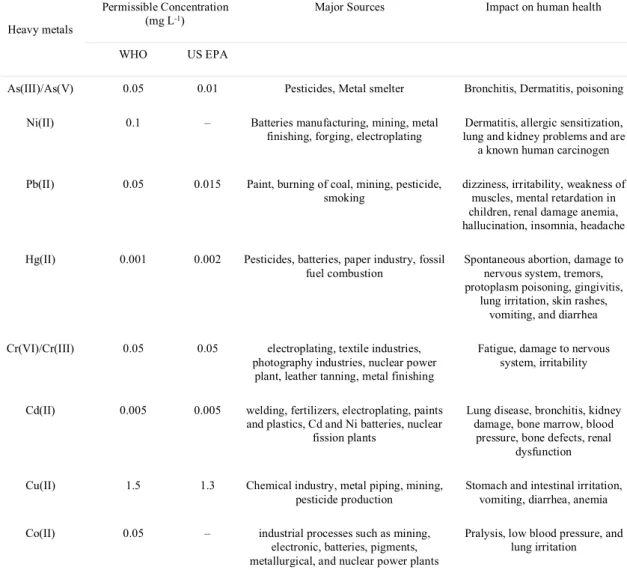
The acceptable concentration of heavy metals in potable water according to World Health Organization (WHO) and United States Environmental Protection Agency (US EPA), their major sources and their impact on human are tabulated in Table 1.
Heavy metals
Permissible Concentration
(mg L-1) Major Sources Impact on human health
WHO US EPA
As(III)/As(V) 0.05 0.01 Pesticides, Metal smelter Bronchitis, Dermatitis, poisoning
Ni(II) 0.1 – Batteries manufacturing, mining, metal
finishing, forging, electroplating Dermatitis, allergic sensitization, lung and kidney problems and are
a known human carcinogen
Pb(II) 0.05 0.015 Paint, burning of coal, mining, pesticide, smoking
dizziness, irritability, weakness of muscles, mental retardation in children, renal damage anemia, hallucination, insomnia, headache
Hg(II) 0.001 0.002 Pesticides, batteries, paper industry, fossil fuel combustion
Spontaneous abortion, damage to nervous system, tremors, protoplasm poisoning, gingivitis,
lung irritation, skin rashes, vomiting, and diarrhea
Cr(VI)/Cr(III) 0.05 0.05 electroplating, textile industries, photography industries, nuclear power
plant, leather tanning, metal finishing
Fatigue, damage to nervous system, irritability
Cd(II) 0.005 0.005 welding, fertilizers, electroplating, paints and plastics, Cd and Ni batteries, nuclear
fission plants
Lung disease, bronchitis, kidney damage, bone marrow, blood
pressure, bone defects, renal dysfunction
Cu(II) 1.5 1.3 Chemical industry, metal piping, mining, pesticide production
Stomach and intestinal irritation, vomiting, diarrhea, anemia
Co(II) 0.05 – industrial processes such as mining, electronic, batteries, pigments, metallurgical, and nuclear power plants
Pralysis, low blood pressure, and lung irritation
Table 1-1Permissible concentration limits of some heavy elements in potable water according to WHO and US EPA, their major sources, and impacts on human health. (Eskandari et al.,
2020) Copy Right Elsevier
Up to now, various treatment processes have been developed to remove the heavy metal ions from water and wastewater resources with some showing excellent ability towards heavy metal uptake from wastewater. Physical and chemical precipitation, ion exchange, reverse osmosis, membrane filtration, electrochemical treatment, coagulation and flocculation, solvent extraction, cathodic electrodeposition, and cementation processes are the most well-known process for removal of heavy metal ions from water and wastewater.
Among the many removal means, adsorption method has been widely used and studied for its advantages of easy operation, efficient removal of trace heavy metals, low cost, good selectivity and no secondary pollution to the environment. The adsorption method is one of the most effective methods to remove trace heavy metals from water. Adsorption is the process of transferring heavy metal ions from the solution phase to the surface of the adsorbent, and the heavy metal ions are binded through physical and chemical action. Generally, the process includes the transfer of pollutants from the solution to the surface of the adsorbent, adsorption on the adsorbent surface, and the diffusion of pollutants in the adsorbent. Economy and technical suitability are necessary and critical factors in selecting the best adsorbent for the removal of heavy metal ions in water.
There are many different types of adsorbents available until now, which can be roughly divided into the following categories according to their source and type of material.
a) Natural mineral materials. Including bentonite, olivine, zeolite, clay, kaolin, zircon, sea foam and diatom. These mineral materials have the advantages of wide distribution, easy access, low cost and so on. Their simple processed products show strong adsorption capacity. For example, He et al. prepared Fe(III) modified clay ash,
and studied its competitive adsorption of Cd (II), Pb(II) and Ni (II); Choi et al.
prepared Mg modified zeolite, the material showed 1.5 times higher adsorption capacity to Pb (II), Cd (II) and Cu (II) than Na and K-modified zeolite, while the adsorption capacity increased by 1.5-2.0 times than unmodified zeolite;
b) Carbon materials. Including activated carbon, biochar, carbon nanotubes, graphene materials and other forms of carbon materials. Research on Carbon materials is one of the hot spots today, because of their high surface area, high stability, high biocompatibility, and high activity. Kotodyl ska et al. studied adsorption towards Cu (II), Zn (II), Cd (II) and Pb (II) in water solution by the biological carbon material. In addition, the highly active functional group on the surface of the carbon material can be modified with coordinating functional group (e.g. carboxyl, carbonyl, quinone, lactone, hydroxyl and carboxylic anhydride, etc.) to further improve its adsorption and selectivity to heavy metals. For example, Ihsanullah and others have introduced the removal of Cd (II) in aqueous solution with acid modified carbon materials in detail.
c) Natural organic materials. Such as starch, cellulose, and chitosan et al. These kinds of materials are with merits like large stock, easy to obtain, low cost and being sustainable. Besides, there are a certain number of functional groups within organic materials which make it possible to interact with metal ions, as well as offering the potential for the follow-up modification. Coconut shells, straw, grain shells, palm fruit, sugar cane slag, eggshells, wood chips, citrus peels, etc. from agriculture and forestry waste were all studied for heavy metal treatment. In Hydari's report, the maximum adsorption capacity of natural chitosan flakes in a water solution at pH 6 is 10 mg/g, which is similar with industrial active carbon with 10.3 mg/g, while the adsorption capacity of the nanomaterial obtained by the combination of chitosan / active carbon is as high as 52.63 mg/g.
d) Biology. In recent years, researchers have used bacteria, fungi, endophytes, aquatic plants and other organisms to remove heavy metal ions from the water. For example, Babu et al. used endophytes Ginbacillus(GDB-1) to promote the growth of ultra-rich plant mountain slugs and heavy metal accumulation speed, GDB-1 removal efficiency is affected by the initial metal ion concentration and solution pH, The removal rate of the heavy metals in the ore tailings leachate liquid was Pb(II) >Zn(II)
>As(II) >Cd(II) >Cu(II)=Ni(II) within the growth cycle; The maximum amount of cadmium removal by Hypnea valentiae from Red algae was observed at 60 ℃ with 28.7 mg/g by Rathinam et al.
e) Synthetic materials. Synthetic materials include porous materials such as mesoporous silica, mesoporous calcium silicate and metal organic frame materials, as well as numerous polymer materials such as phenolic resins, polystyrene, synthetic hydrogels, polypropylene, polypyrrole, etc. P et al. prepared polyphenyl/polypyrrole /hexagonal mesoporous silica composite material and studied its adsorption towards Cd (II). P et al. studied the hydrogel prepared by acrylic acid and poly N- isopropylacrylamide for Cu(II) adsorption. The most important feature of this kind of material is that there are many active functional groups for adsorption and modification. These materials and the functional groups can also be designed according to specific needs, so generally synthetic materials have a higher adsorption capacity and selectivity compared to other adsorption materials, being one of the most attractive research directions of heavy metal adsorption materials.
To sum up, adsorption is one of the most used sewage treatment methods, as well as the most important water treatment method. The adsorption method has the advantages of fast reaction rate, high adsorption efficiency, no need to add adsorption catalyst, strong adaptability and so on. Generally, the adsorbent is not soluble in water, and the
adsorption process only reacts on the surface of the adsorbent, so it does not produce impurities and do not cause second pollution. Therefore, the adsorption method is more and more widely used in the field of water treatment. There is necessity to develop new adsorbents and improve the performance of adsorbents. For a sustainable solution to this problem, there is a need to shift from the conventional ways to new approaches requiring biological resources, which are eco-friendly
1.3 Characteristics of bisphenol A and removal methods
Since the 1990s, a large amount of studies have been conducted on environmental endocrine disruptors (EDs) to explore the causes of lesions such as reproductive disorders, dysplasia, and cancer. The structure of endocrine disruptors in the environment is with wide varieties. Bisphenol A (BPA) is known as a typical environmental endocrine disruptor, which is widely used as a primary intermediate product of polycarbonate plastics and epoxy resins (Fenichel et al., 2013). It is one of the highest production and consumption volume chemicals in the world. The global annual production of BPA has grown from 3.9 million tons in 2006 to 5 million tons in 2012 and has maintained an annual growth rate of more than 2%. Studies from different countries and areas have demonstrated the presence of urinary BPA in more than 90% of their study populations, suggesting a common exposure to BPA worldwide (Wang et al., 2015a). It has been confirmed that BPA will be released from some consumer goods, flowing into food, drinking water, wastewater, air and dust with natural and social circulation. BPA can interfere with the body through genomic and non-genomic estrogen-corresponding mechanisms and can cause damage to cells at low doses (below 0.23 ng/L), so the threat of BPA to humans and organisms cannot be ignored. Towards the toxic effects of BPA, the Canadian government, the European
Union, the U.S. and other Food and Drug Administration (FDA) have banned the use of BPA-containing infant bottles from 2010~2012.
Properties Value
Sturcture
Molecular formula C15H16O2
Molecular weight 228.29 g/mol
Melting point 156~158℃
Boiling point 220 , 4 mmHg℃
Aqueous solubility Non-soluble
Appearance White solid
Application Epoxy resin, Polycarbonate, Phenolic
resin
Dissolvability Soluble in organic solvents such as ethanol, acetone, ether, benzene, etc.
Table 1-2The chemical and physical properties of BPA
In recent years, the methods for the treatment of Bisphenol A are paid attention on biodegradation, advanced oxidation, membrane separation technology and adsorption, which can be divided into physical method, advanced oxidation method and biological method.
a) Biodegradation
Environmental hormones can be biodegraded in a variety of environmental media, such as many bacteria in various types of surface water that can degrade the environmental hormone. Some relevant research results confirm that in the activated sludge method, only a small number of EDCs can be purified from primary precipitation, secondary precipitation and sludge adsorption, and biodegradation is the main way to remove EDCs. Marie Laure et al. studied the removal of EDCs from
different sewage plants in 30 countries, showed average removal rate of 90%. Svenson et al. studied the decontamination effects of environmental hormones in 20 sewage plants in Sweden. Data confirmed that the activated sludge method to purify estrogen owns the best effect, with decontamination rate of up to 81%. Zhang et al. screened out the degradation bacteria in the Municipal domestic waste compost, which showed the highest biodegradation activity on BPA. However, due to the complex molecular structure of microorganisms, there are many problems such as slow decomposition and incomplete decomposition of pollutants.
b) Membrane treatment technology.
Membrane separation technology is a very effective method to remove micro-polluting organic matter in water. However, few research currently studied this method to remove the environmental hormone. Agenson et al. used four nanofiltration reverse osmosis membranes to remove micro-contaminated organic matter from the water and found that the removal rate of high desalting membranes was above. Comerton et al.
found that contaminated nanofiltration membranes have a higher decontamination capacity on BPA than clean membranes.
c) Adsorption
adsorption has been found to be a superior and rapid removal method as it is low cost, easy to operate, and no secondary pollutants. Regarding the adsorption technique, an effective adsorbent is crucial to guaranteeing the efficiency of water treatment.
Nitrogen modified reduced graphene oxide (NRGO) was prepared by a hydrothermal method by Wang et al. (2015). The nitrogen modification was found to enhance its adsorption and catalysis ability. For an initial bisphenol concentration of 0.385 mmol/L, the adsorption capacity of N-RGO was observed as 1.56 mmol/g for
BPA. Iron nanoparticle-doped magnetic ordered mesoporous carbon (Fe/OMC) was prepared by co-impregnation and carbothermal reduction methods, and applied for highly effective adsorption and degradation of BPA (Tang et al., 2016).
d) Advanced oxidation
Advanced oxidation technology is an effective and safe water treatment technology, which has been used to remove a variety of organic matter in the water. With the frequent detection of environmental hormones in water environment, some advanced oxidation treatment technology has been widely used. The amount of catalyst, the initial concentration of environmental hormones, temperature, pH and light intensity all affect oxidation degradation. Sharma et al. (2015) carried out a study in which the UV/H2O2was able to remove BPA by 85% in the duration of 240 min. Advanced oxidation can efficiently degrade EDCs, but some products are still toxic after oxidation, even more than before oxidation. Therefore, it is necessary to strengthen the research in this field based on chemical testing and bioanalytical evaluation.
e) Photocatalysts
Considering the potential draw backs of the conventional treatment methods, the alternative option such as photocatalysis was widely explored. Amongst all the available photocatalysts, titania has been investigated most extensively. TiO2possess three crystalline polymorphs in nature: anatase, rutile, and brookite (Tran et al., 2017). TiO2photocatalysts have been explored in detail for the degradation of BPA.
For instance, in a study carried out by Jia et al. (2012), 97% of the BPA (at an initial concentration of 10 mg/L) was degraded by TiO2in the presence of UV irradiation after 80 min. Traditional synthesis of inorganic materials involves high temperature reaction environments such as thermal decomposition which is labor and cost
intensive, in addition to the surplus hazardous chemical waste generation. Thus, there is necessity to develop new method to synthesize TiO2for photocatalysts
1.4 Selective removal methods of pollutants from water environment Although much research has been conducted on the separation of single species of pollutants, the selective adsorption of specific pollutant from complex mixture of real water is relatively little known. Such like activated carbon adsorption is very efficient for estrogens, but it is easily impacted by the interfering substances such as humic acids in the environmental water (Fukuhara et al., 2006). The search for cost-effective and selective binding methods is still warranted (Krupadam et al., 2010). Selective adsorbents, which would otherwise adsorb predominant pollutants of higher concentration, need to be developed to remove trace pollutants of low concentrations.There are now several kinds of methods researched to show selective removal towards micropollutants, including ion-exchange, molecular imprinting technology, ligand-functionalization as well as biosorption. Surface molecular imprinting technology (SMIT) has attracted much attention in the field of sensor, catalysis , drug delivery and adsorption(Ji et al., 2009). It is a powerful technique which produces cross-linked polymers with specific cavities that are complementary to a template molecule in terms of size, shape, and functionality (Pichon and Chapuis- Hugon, 2008). The generated recognition sites by reversible immobilization of template molecules have high affinity toward target molecule. It makes the selective and fast removal of target pollutants from water environment possible. A molecular imprinted particle for Bisphenol A (BPA-MIP) was successfully used for selective recognition of BPA in the water. The contaminants such as 3, 3′, 5, 5′-
Tetrabromobisphenol A (TBBPA), phenol and phenol red (PSP) were selected as the latent interferon to investigate the selectivity.(Ren et al., 2014). Novel magnetic molecularly imprinted polymers based on multiwalled carbon nanotubes (MWNTs@MMIPs) with specific selectivity toward BPA were synthesized by Zhang et al. using bisphenol A as the template molecule, methacrylic acid, and β-cyclodextrin as binary functional monomers and ethylene glycol dimethacrylate as the cross-linker (Zhang et al., 2014). The MWNTs@MMIPs exhibited good affinity with a maximum adsorption capacity of 49.26 μmol/g and excellent selectivity toward bisphenol A.
Badruddoza et al. synthesized carboxymethyl-β-cyclodextrin (CM-β-CD) polymer modified Fe3O4nanoparticles (CDpoly-MNPs) for selective removal of Pb2+, Cd2+, Ni2+ions from water. The maximum uptakes for Pb2+, Cd2+and Ni2+in non- competitive adsorption mode were 64.5, 27.7 and 13.2 mg g−1, respectively at 25 °C.
They assumed that the polymer grafted on MNPs enhanced the adsorption capacity because of the complexing abilities of the multiple hydroxyl and carboxyl groups in polymer backbone with metal ions. In competitive adsorption experiments, CDpoly- MNPs could preferentially adsorb Pb2+ions with an affinity order of Pb2+≫Cd2+> Ni2+which can be explained by hard and soft acids and bases (HASB) theory. (Badruddoza, Shawon, Tay, Hidajat, & Uddin, 2013)
1.5 Application of peptide for environmental purpose
Different types of microorganisms, such as algae, bacteria, filamentous fungi and yeast cells have the ability to remove, concentrate and immobilise different metals, providing a basis for the development of new methodologies to remove micropollutants (Gavrilescu 2004 ; Volesky 2003 ; Wang and Chen 2009)
Microorganisms are small in size and have a high surface area-to-volume ratio; as a consequence, they display a large contact area that can interact with metal ions present in solution. Due to their removal efficiency, environmental suitability, simplicity, and mode of operation analogous to well-established ion-exchange technology, waste microbial biomass has been identified as a promissory biotechnological approach in the fight against metal pollution.
Many polysaccharides and several functional groups, such as carboxyl, hydroxyl and amino are found in the cell wall of microorganisms, which are largely responsible for metal biosorption. However, the functional groups in the microorganisms do not show specific selectivity toward individual heavy metal species. There is practical interest to develop methods that can effectively remove the heavy metals from the water containing high concentration of co-ions. A possible solution to achieve this target is to use adsorbents that have selectivity toward the heavy metal ions. Therefore, modifications have been performed to improve the efficiency or selectivity of metal removal. Kuroda et al. used yeast cells with an increased capacity for intracellular metal accumulation due to over-production of metal-binding proteins in the cytoplasm, such as glutathione and cysteine-rich proteins (Kuroda and Ueda 2010).S.
cerevisiae cells expressingArabidopsis thalianaphytochelatin synthase showed enhanced intracellular arsenic (III) accumulation, which resulted in a sixfold increase in As removal (Singh et al. 2008). Another method involved the cell surface design of microorganisms using recombinant DNA techniques. In “cell-surface engineering”, also called “molecular display (arming) technology”, it is possible to anchor various functional metal-binding proteins/peptides on the cell surface (Shibasaki et al. 2009). The foreign peptide to be expressed is generally fused to a mannoprotein that is anchored covalently onto the yeast cell surface (Kondo and
Ueda 2004; Salem et al. 2008; Shibasaki et al. 2009). These yeast cells, which display the heterologous proteins on the cell surface, have exhibited an enhanced selective metal removal by a metabolism-independent process; in this case, metal recovery from yeasts does not require cell disruption, which allows for subsequent reuse (Kuroda and Ueda 2010; Salem et al. 2008). Cell-surface-engineered yeasts, which display a histidine oligopeptide (hexa-His), have the capability to chelate divalent heavy metals and have shown the ability to remove three to eight times more copper than parent yeast cells; additionally, the genetically engineered microorganisms (GEM) was more resistant to copper than was the parental strain (Kuroda et al. 2001).
Since peptide or protein is the core factor interacting with target metals, the direct use of a metal-binding peptide as a biosorbent is more effective for improving the selectivity of target-metal species. Peptides are polymeric biomolecules composed of amino acids. There are 20 naturally occurring amino acids, each with its own unique size and functionality. Since many peptides have coordination donor atoms (for example, N, O, and S atoms) which endow it abundant adsorption sites. And peptides undergo distinctive sequence specific self assembly‑ ‑ and have recognition properties thus making them important structural and signaling molecules in biological systems.
MT is well known for its cysteine-rich character and its high binding capacity for heavy metals, especially soft metals. Genetically engineered bacterial MT SmtA was immobilized on the microcarrier beads for selective preconcentration of trace cadmium. The immobilized SmtA showed outstanding selectivity towards cadmium, with up to 800,000-fold improvement in the tolerance level of coexisting metal species compared with bare microcarrier. It is of great potential to research selective removal property of peptides towards micropollutants.
1.6 Research objectives
Considering the increasing amount of toxic materials which would bring harmful effects towards both environment safety and human health, an efficient and cost effective system is under necessity. Bio-based material has attracted much attention because of its low cost, non-toxicity, simple equipment and operation required and so on. In this study, we constructed several materials for use of environmental micro- pollutants removal, including:
Enzymatic synthesis of m-phenylenediamine (poly(m-PDA)) which require no toxic oxidants for the polymerizations and do not produce harmful byproducts. The polymer of poly(m-PDA) which was synthesized by mild laccase-catalysis in an aqueous buffer was investigated for the adsorption of several heavy metal ions.
A 7-mer lead-binding peptide (TNTLSNN) which showed selectivity toward lead ion was covalently bonded onto the surface of magnetic bead to construct a reusable biosorbent to remove Pb2+ from water. Compared to the bare bead without the linked peptides (29.82 μmol·g-1), the peptide-linked adsorbent showed 9 times higher removal capacity of lead (246.05 μmol·g-1). A selective adsorption of lead in the presence of interfering other metals is verified.
A heptapeptide with specific affinity to BPA, LysSerLeuGluAsnSerTyr (KSLENSY), was binded to magnetic bead to construct a new bio-based adsorbent for selective adsorption of BPA from aqueous solution. The BPA-binding peptide had higher selectivity toward BPA compared with structural analogs of BPA such as bisphenol F and bisphenol S. Moreover, the degradation of BPA was investigated by using peptide- mineralized photocatalytic TiO2particle by using the polystyrene (PS) bead fused with mineralization-inducing peptide (CHKKPSKSC).
1.7 Reference
Achim Steiner. (2016). A snapshot of the world’s water quality: towards a global assessment. United Nations Environment Programme.
Ahmed, M. B., Zhou, J. L., Ngo, H. H., Guo, W., Thomaidis, N. S., & Xu, J. (2017).
Progress in the biological and chemical treatment technologies for emerging contaminant removal from wastewater: A critical review. Journal of Hazardous Materials, 323, 274–298.
Al-Amshawee, S., Yunus, M. Y. B. M., Azoddein, A. A. M., Hassell, D. G., Dakhil, I.
H., & Hasan, H. A. (2020). Electrodialysis desalination for water and wastewater: A review. Chemical Engineering Journal, 380(July 2019).
Alhogbi, B. G., Salam, M. A., & Ibrahim, O. (2019). Environmental remediation of toxic lead ions from aqueous solution using palm tree waste fibers biosorbent.
Desalination and Water Treatment, 145(January), 179–188.
Almasi, A., Navazeshkha, F., & Mousavi, S. A. (2017). Biosorption of lead from aqueous solution onto Nasturtium officinale: Performance and modeling. Desalination and Water Treatment, 65(January), 443–450.
Alrumman, S. A., El-kott, A. F., & Keshk, S. M. A. S. (2016). Water Pollution : Source and Treatment Water Pollution : Source & Treatment, 6(June), 88–98.
Amarasinghe, B. M. W. P. K., & Williams, R. A. (2007). Tea waste as a low cost adsorbent for the removal of Cu and Pb from wastewater. Chemical Engineering Journal, 132(1–3), 299–309.
Badruddoza, A. Z. M., Shawon, Z. B. Z., Tay, W. J. D., Hidajat, K., & Uddin, M. S.
(2013). Fe 3O 4/cyclodextrin polymer nanocomposites for selective heavy metals removal from industrial wastewater. Carbohydrate Polymers, 91(1), 322–332.
Blank-Shim, S. A., Schwaminger, S. P., Borkowska-Panek, M., Anand, P., Yamin, P., Fraga-García, P., … Berensmeier, S. (2017). Binding patterns of homo-peptides on bare magnetic nanoparticles: Insights into environmental dependence. Scientific Reports, 7(1), 1–11.
Budinova, T. K., Petrov, N. V., Minkova, V. N., & Gergova, K. M. (1994). Removal of metal ions from aqueous solution by activated carbons obtained from different raw materials. Journal of Chemical Technology & Biotechnology, 60(2), 177–182.
Carolin, C. F., Kumar, P. S., Saravanan, A., Joshiba, G. J., & Naushad, M. (2017).
Efficient techniques for the removal of toxic heavy metals from aquatic environment:
A review. Journal of Environmental Chemical Engineering, 5(3), 2782–2799.
Carstea, E. M., Bridgeman, J., Baker, A., & Reynolds, D. M. (2016). Fluorescence spectroscopy for wastewater monitoring: A review. Water Research, 95, 205–219.
Dehghani, M. H., Ghadermazi, M., Bhatnagar, A., Sadighara, P., Jahed-Khaniki, G., Heibati, B., & McKay, G. (2016). Adsorptive removal of endocrine disrupting bisphenol A from aqueous solution using chitosan. Journal of Environmental Chemical Engineering, 4(3), 2647–2655.
Duffus, J. H. (1980). Environmental toxicology. Environmental Toxicology., 19–26.
Elgallal, M., Fletcher, L., & Evans, B. (2016). Assessment of potential risks associated with chemicals in wastewater used for irrigation in arid and semiarid zones: A review.
Agricultural Water Management, 177, 419–431.
Fu, F., & Wang, Q. (2011). Removal of heavy metal ions from wastewaters: A review.
Journal of Environmental Management, 92(3), 407–418.
Giovanella, P., Vieira, G. A. L., Ramos Otero, I. V., Pais Pellizzer, E., de Jesus Fontes, B., & Sette, L. D. (2020). Metal and organic pollutants bioremediation by extremophile microorganisms. Journal of Hazardous Materials, 382(July 2019), 121024.
Ji, Y., Yin, J., Xu, Z., Zhao, C., Huang, H., Zhang, H., & Wang, C. (2009). Preparation of magnetic molecularly imprinted polymer for rapid determination of bisphenol A in environmental water and milk samples. Analytical and Bioanalytical Chemistry, 395(4), 1125–1133.
Kositzi, M., Poulios, I., Malato, S., Caceres, J., & Campos, A. (2004). Solar photocatalytic treatment of synthetic municipal wastewater. Water Research, 38(5), 1147–1154.
Kozlowski, H., Janicka-Klos, A., Brasun, J., Gaggelli, E., Valensin, D., & Valensin, G.
(2009). Copper, iron, and zinc ions homeostasis and their role in neurodegenerative disorders (metal uptake, transport, distribution and regulation). Coordination Chemistry Reviews, 253(21–22), 2665–2685.
Kudo, A., Mahara, Y., Santry, D. C., Miyahara, S., & Garrec, J. P. (1991).
Geographical distribution of fractioned local fallout from the Nagasaki A-bomb.
Journal of Environmental Radioactivity, 14(4), 305–316.
Kusvuran, E., & Yildirim, D. (2013). Degradation of bisphenol A by ozonation and determination of degradation intermediates by gas chromatography-mass spectrometry and liquid chromatography-mass spectrometry. Chemical Engineering Journal, 220, 6–14.
Ma, Y. R., Zhang, X. Le, Zeng, T., Cao, D., Zhou, Z., Li, W. H., … Cai, Y. Q. (2013).
Polydopamine-coated magnetic nanoparticles for enrichment and direct detection of small molecule pollutants coupled with MALDI-TOF-MS. ACS Applied Materials and Interfaces, 5(3), 1024–1030.
Ma, Y., Shen, B., Sun, R., Zhou, W., & Zhang, Y. (2012). Lead(II) biosorption of an Antarctic sea-ice bacterial exopolysaccharide. Desalination and Water Treatment, 42(1–3), 202–209.
Maruthamuthu, M. kannan, Hong, J., Arulsamy, K., Somasundaram, S., Hong, S. H., Choe, W. S., & Yoo, I. K. (2018). Development of bisphenol A-removing recombinant Escherichia coli by monomeric and dimeric surface display of bisphenol A-binding peptide. Bioprocess and Biosystems Engineering, 41(4), 479–487.
Meeker, J. D. (2010). Exposure to environmental endocrine disrupting compounds and men’s health. Maturitas, 66(3), 236–241.
Nian, R., Kim, D. S., Nguyen, T., Tan, L., Kim, C. W., Yoo, I. K., & Choe, W. S.
(2010). Chromatographic biopanning for the selection of peptides with high specificity to Pb2+from phage displayed peptide library. Journal of Chromatography A, 1217(38), 5940–5949.
Ren, Y. M., Yang, J., Ma, W. Q., Ma, J., Feng, J., & Liu, X. L. (2014). The selective binding character of a molecular imprinted particle for Bisphenol A from water. Water Research, 50, 90–100.
Sharma, J., Mishra, I. M., & Kumar, V. (2015). Degradation and mineralization of Bisphenol A (BPA) in aqueous solution using advanced oxidation processes:
UV/H2O2 and UV/S2O82- oxidation systems. Journal of Environmental Management, 156, 266–275.
SIMON KAPAJ , HANS PETERSON, K. L. & P., & BHATTACHARYA. (2011).
Human Health Effects From Chronic Arsenic Poisoning–A Review. Journal of Environmental Science and Health - Part A Toxic/Hazardous Substances and Environmental Engineering, 46(7), 677–679.
Srivastava, N. K., & Majumder, C. B. (2008). Novel biofiltration methods for the treatment of heavy metals from industrial wastewater. Journal of Hazardous Materials, 151(1), 1–8.
Tee, P. F., Abdullah, M. O., Tan, I. A. W., Rashid, N. K. A., Amin, M. A. M., Nolasco- Hipolito, C., & Bujang, K. (2016). Review on hybrid energy systems for wastewater treatment and bio-energy production. Renewable and Sustainable Energy Reviews, 54, 235–246.
Visa, M., Bogatu, C., & Duta, A. (2010). Simultaneous adsorption of dyes and heavy metals from multicomponent solutions using fly ash. Applied Surface Science, 256(17), 5486–5491.
Xiao, G., Fu, L., & Li, A. (2012). Enhanced adsorption of bisphenol A from water by acetylaniline modified hyper-cross-linked polymeric adsorbent: Effect of the cross- linked bridge. Chemical Engineering Journal, 191, 171–176.
Xu, Z., Bae, W., Mulchandani, A., Mehra, R. K., & Chen, W. (2002). Heavy metal removal by novel CBD-EC20 sorbents immobilized on cellulose. Biomacromolecules, 3(3), 462–465.
Yang, T., Liu, L. H., Liu, J. W., Chen, M. L., & Wang, J. H. (2012). Cyanobacterium metallothionein decorated graphene oxide nanosheets for highly selective adsorption of ultra-trace cadmium. Journal of Materials Chemistry, 22(41), 21909–21916.
Yu, Q., Deng, S., & Yu, G. (2008). Selective removal of perfluorooctane sulfonate from aqueous solution using chitosan-based molecularly imprinted polymer adsorbents.
Water Research, 42(12), 3089–3097.
2 Chapter 2
Adsorptive removal of heavy metal ions in water using
poly(m ‑ phenylenediamine) synthesized by laccase
2.1 Introduction
Industrial waste effluents are known to contain various harmful pollutants including heavy metal ions and other toxic materials (Fu & Wang 2011). Water pollution due to heavy metal ions has, especially, become a serious problem because heavy metal ions are found to be highly toxic to human health. Until now, a variety of technologies have been developed for the removal of the toxic pollutants from the waste effluents such as ion exchange, membrane filtration, coagulation-flocculation, adsorption, precipitation, and electrochemical treatments (Ho 2006; Zularisam et al. 2006; Alyuz & Veli 2009;
Martinez-Huitle & Brillas 2009; Verma et al. 2012). Among these methods, adsorption methods are considered simple and flexible in design and operation of the processes (Ho 2006). For these reasons, adsorptive removal of heavy metal ions has been actively explored employing various adsorbent materials such as activated carbons, biosorbents(Bin Yua, 2000), and polymers (Xiao & Thomas 2005; Huang et al. 2006;
Pan et al. 2009; Rangel-Mendez et al. 2009; Bai et al. 2015).
Recently, polymers synthesized from aromatic amines and diamines have attracted growing interest for the adsorptive removal of pollutants because the polymers possess multiple amine functional groups and high thermal stability (Li et al. 2002).
Particularly, phenylenediamine polymers have been actively studied to use as adsorbents for heavy metal ions such as Cr6+, Ag+, Hg2+ or Pb2+ (Huang et al. 2006;
Zhang et al. 2011). Conventionally, phenylenediamine polymers have been synthesized through chemical oxidation reactions using strong oxidants such as ammonium persulfate in strong acidic solutions (Huang et al. 2006). Unlike the chemical reactions, enzymatic reactions require no toxic oxidants for the polymerizations and do not produce harmful byproducts. Therefore, enzymatic
reactions have been applied as alternatives to chemical methods to develop environmentally friendly synthetic processes of polymers. Until now, syntheses of diverse polymers such as polyesters, polylactones, polyphenols, and conducting polymers have been attempted by using various enzymes including peroxidases, laccases, and lipases (Gross et al. 2001). Among these enzymes, laccases (benzenediol: oxygen oxidoreductase, EC 1.10.3.2) are versatile enzymes to catalyze oxidation of various organic and inorganic compounds using molecular oxygen contained in air as an oxidant (Madhavi & Lele 2009). Laccases have multicopper ions at their active sites which play essential roles in the oxidation mechanism; one oxygen molecule is reduced to water while four monomeric substrates are concomitantly oxidized to the corresponding cationic radicals. These enzymatically produced cationic radicals then undergo subsequent radical reactions to form corresponding oligomers or polymers (Madhavi & Lele 2009).
In our previous study, we successfully synthesized poly(m-PDA) using a laccase purified from Trametes versicolor as a catalyst in a benign 100% aqueous buffer without using any toxic oxidants, strong acids, or organic solvents (Raseda et al. 2016).
In this paper, we report and compare the adsorptive properties of the enzymatically synthesized poly(m-PDA) for the adsorption of several heavy metal ions (Pb2+, Cu2+, Cr2+, and Co2+). We believe that this is the first work to characterize the adsorption properties of enzymatically synthesized poly(m-PDA) for the removal of diverse heavy metal ions from aqueous solutions.
2.2 Material and methods
2.2.1 Materials
Laccase (Sigma 53739) purified from Trametes versicolorwas purchased from Sigma- Aldrich. Previous studies using both native-PAGE and sodium dodecyl sulfate (SDS)- PAGE methods revealed that this laccase is a pure enzyme of a molecular weight of about 66 kDa (Birhanli and Yesilada 2010; Raseda et al. 2014). Other chemicals including m-phenylenediamine (m-PDA), Pb(NO3)2, CoCl2, CuSO4·5H2O, and Cr(NO3)3·9H2O were also purchased from Sigma-Aldrich and used without further purification.
2.2.2 Enzymatic synthesis of poly(m-PDA)
Laccase-catalyzed synthesis of poly(m-PDA) was carried out in aqueous solutions as previously reported (Raseda et al. 2016). Typically, to a 10 mL buffer (10 mM citrate- phosphate buffer at pH 3) which was bubbled with air, m-phenylenediamine monomer was added to make a 50 mM m-phenylenediamine solution. Subsequently, 10 mg of laccase was added as a catalyst to initiate the polymerization reaction. After the addition of laccase, the reaction solution slowly turned dark green. The reaction solution was shaken at 25℃ for 48 h then filtered on a nylon membrane (0.2 mm, Whatman) to separate produced polymer precipitates from the solution. The polymer precipitates were repeatedly washed with copious amount of distilled water and methanol to remove enzymes and remaining monomers. Finally, poly(m-PDA) precipitates on a nylon membrane were dried under vacuum then stored at room temperature.
Previously, we reported that the poly(m-PDA) synthesized by laccase was found to be insoluble in water as well as in most organic solvents (Raseda et al. 2016). Poor solubility of poly(m-PDA) in water and most common organic solvents enables the easy separation of the polymer from aqueous solutions after the adsorption experiments using simple methods such as centrifugation or filtration. The enzymatically synthesized poly(m-PDA) has the morphology of aggregated globular particles of approximately 1 mm as detected by scanning electron microscopy (SEM) (Raseda et al. 2016).
2.2.3 Adsorption of metal ions by poly(m-PDA)
To characterize the adsorption behaviour of the enzymatically synthesized poly(m- PDA) for various metal ions, batch-type adsorption experiments were performed in distilled water. The initial concentrations of the metal ion salts were varied from 100 mg L-1 to 1,000 mg L-1. The adsorption experiments were carried out in centrifuge tubes containing 10 mL adsorption solution where typically 10 mg of poly(m-PDA) was added as the adsorbent. Poly(m-PDA) was sonicated for 30 min to improve dispersion before adding to the adsorption solution. The adsorption reaction was performed with gentle shaking for 12 h at 25℃. After the adsorption, the solutions were centrifuged to separate poly(m-PDA) adsorbent. The concentrations of dissolved metal ions were measured using an atomic absorption spectrophotometer (Shimadzu AA-7000). For each adsorption solution containing both a metal ion and poly(m-PDA), a separate control solution containing only the metal ion of the same concentration as in the corresponding adsorption solution was prepared and shaken for 12 h at 25℃. No formation of precipitates in the control solutions was assured to exclude the errors in the calculation of adsorption capacity caused by the presence of the precipitates.
The adsorbed quantities of metal ions were calculated from the differences in the dissolved metal ion concentrations between the initial and the final adsorption solutionsaccording to Eq. (2.1):
Q=(Ci-C)V/M, (2.1) where q (μmol g−1 ) is the adsorbed quantity of a metal ion, Ci and C are the concentrations (μmol L−1 ) of the metal ion in the initial solution before adding the adsorbent and the final solution after the adsorption, respectively, V(L) is the volume of the metal ion solution, and M(g) is the mass of the used adsorbent.
2.2.4 Fourier transform infrared (FTIR) spectroscopy
Chemical structures of poly(m-PDA) and the polymers containing adsorbed metal ions were analyzed using FTIR spectroscopy (Nicolet 380 FTIR spectrometer, Thermo Electron Co.). The wave number range was from 500 to 4000 cm−1. Samples of poly(m-PDA) mixed with KBr were compressed to form pellets for the analysis by FTIR spectroscopy.
2.3 Results and Discussion
2.3.1 Structural characterization of poly(m-PDA)
Changes in the chemical structures of the poly(m-PDA) due to the adsorption of heavy metal ions were investigated by FTIR spectroscopy. Fig. 2-1 shows that FTIR spectra of poly(m-PDA) after the adsorption of the heavy metal ions are almost identical to that of initial intact poly(m-PDA) without adsorbed metal ions indicating that no chemical bonds are formed between the metal ions and the functional groups of the polymer. In all the FTIR spectra, the characteristic absorption bands at 3200~3400 cm-1 for N-H stretching of the primary amine (-NH2) groups of m-PDA monomer are
broadened for poly(m-PDA) samples due to the formation of the secondary amines (- NH-) for poly(m-PDA) during the polymerization process through the formations of N-N or N-C bonds (Ichinohe et al. 1998).
Figure 2-1 FTIR spectra of poly(m-PDA) synthesized by laccase and the poly(m-PDA) with adsorbed heavy metal ions.
The structural properties related to the adsorption capacity of the enzymatically synthesized poly(m-PDA) were assessed by measuring the Brunauer–Emmett–Teller (BET) specific surface area and pore size distribution of the polymer. The measured BET surface area is 32.2 m2/g with an average pore diameter of 14.6 nm. The Barrett- Joyner-Halenda (BJH) pore volume is 0.111 cm3/g. As shown in Fig. 2-2, the pores of ploy(m-PDA) are found to be mostly in the mesoporous range (Pan et al. 2009). The
specific surface area and pore volume of the enzymatically synthesized poly(m-PDA) in this study are almost same as those of poly(m-PDA) synthesized by chemical oxidation method (Su et al. 2014) and about two times larger than another type of chemically synthesized poly(m-PDA) (Yu et al. 2013).
The specific surface area of poly(m-PDA) is, however, lower than various organic- inorganic hybrid adsorbents (Samiey et al. 2014). This entails the necessity for future work on the enzymatic synthesis of poly(m-PDA) hybrid materials which possess higher surface area and larger adsorption capability for heavy metal ions.
Figure 2-2Pore size distribution of the poly(m-PDA) synthesized by laccase.