INTRODUCTION
The first kidney transplantation in South Korea was per- formed in 1969. The significant benefit of kidney trans-
plantation over dialysis in terms of quality of life and life expectancy has led to a rapid rise in transplant cases na- tionwide to over 2,100 cases annually in 2018. Despite the increase of transplant cases, the number of patients on
Clinical outcomes of the first 300 cases of kidney transplantation: a single-center retrospective cohort study
Hyoung Won Koh
1, Kyunglim Koo
1, Chang Sik Shin
1, Hyung Sub Park
1,2, Jong Cheol Jeong
3, Sejoong Kim
3, Dong Wan Chae
3, Jong Jin Oh
4, Seok-Soo Byun
4, Taeseung Lee
1,21Department of Surgery, Seoul National University Bundang Hospital, Seongnam, Korea
2Department of Surgery, Seoul National University College of Medicine, Seoul, Korea
3Department of Internal Medicine, Seoul National University Bundang Hospital, Seoul National University College of Medicine, Seongnam, Korea
4Department of Urology, Seoul National University Bundang Hospital, Seoul National University College of Medicine, Seongnam, Korea
Background: Kidney transplantation (KT) is regarded as the most effective treatment for end-stage renal disease. The annual number of KT cases in South Korea has in- creased rapidly as more centers are implementing a transplantation program. The objective of this study was to determine clinical outcomes of the first 300 consecutive cases of KT in a single center.
Methods: Clinical data of 300 cases of KT at Seoul National University Bundang Hos- pital from January 2004 to March 2018 were obtained from a prospectively collected database and retrospectively reviewed.
Results: The mean age of patients was 47.7±12.9 years, and 59% of patients were male.
There were 225 living donors and 75 deceased donors. A total of 42 cases were from ABO-incompatible donors. During a mean follow-up of 68.6±43.5 months, 38 patients (12.7%) experienced rejection. The most common cause was acute T-cell mediat- ed rejection (9.0%). Eighteen patients experienced graft loss. One-year and 5-year death-censored graft survival rates were 99% and 96.6%, respectively. One-year and 5-year patient survival rates were 98.3% and 96.6%, respectively. Multivariate analysis revealed that graft weight-to-recipient weight ratio and rejection were significant fac- tors affecting graft survival.
Conclusions: This single-center review demonstrates clinical outcomes comparable to other major centers. Such good outcomes were obtained by good patient selection, dedicated transplant physicians, and adequate use of immunosuppressive therapy.
Keywords: Transplantation; Kidney transplantation
Received June 26, 2020 Revised August 16, 2020 Accepted August 17, 2020
Corresponding author: Taeseung Lee Department of Surgery, Seoul National University Bundang Hospital, 82 Gumi- ro 173beon-gil, Bundang-gu, Seongnam 13620, Korea
Tel: +82-31-787-7999 Fax: +82-31-787-4055 E-mail: [email protected]
© The Korean Society for Transplantation This is an Open Access article distributed under the terms of the Creative Commons Attribution Non-Commercial License (http://creativecommons.org/licenses/
by-nc/4.0/) which permits unrestricted non-commercial use, distribution, and reproduction in any medium, provided the original work is properly cited.
pISSN 2671-8790
eISSN 2671-8804
the waiting list is increasing more rapidly each year due to the increased prevalence of chronic kidney disease [1,2].
Approaches to increase potential donor groups such as ABO-incompatible (ABOi) donors [3], extended criteria do- nors (ECD) [4], and donation after cardiac death (DCD) [5,6]
are being implemented to overcome the organ shortage problem. Outcomes of these approaches have been shown to be acceptable compared to donation after brain death (DBD) and are superior to waiting for a DBD kidney [7].
Nonetheless, the mean time for waiting has continuously increased because organ demand has far exceeded organ supply. Despite an organ shortage, the number of kidney transplant cases performed nationwide and the number of centers performing kidney transplantation have increased with many new centers performing less than 50 cases per year. Cases performed at large-volume centers still consti- tute over 50% of total transplantation cases in South Korea up to date, although the number of cases performed by low-volume centers is constantly increasing [1].
Prior reports on clinical outcomes of kidney trans- plantation had mostly been published by large-volume centers that had started kidney transplantation before the turn of the millennium. In addition, most of these reports were published in the early 2000s [8-10]. Since there have been many updates in the field of transplantation, clinical outcomes from a medium-sized center that has recently started kidney transplantation can be noteworthy, al- though not entirely new.
The first case of kidney transplantation in Seoul Na- tional University Bundang Hospital (SNUBH) was per- formed in 2005. The number of cases gradually increased
afterwards, from 12 cases in 2005 to 52 cases in 2018.
We herein describe our experience with the first 300 con- secutive cases of kidney transplantation with the aim to determine and share clinical outcomes in terms of com- plications, graft survival, and patient survival. Indepen- dent factors affecting graft survival were also determined.
METHODS
This retrospective analysis was conducted in compliance with principles of the Declaration of Helsinki. This study was approved by the Institutional Review Board of Seoul National University Bundang Hospital, Korea (IRB No.
B-2006-616-123).
Data Collection
Clinical records of 300 patients who underwent kidney transplantation at Seoul National University Bundang Hospital from January 2005 to March 2018 were re- viewed. Data included age, sex, etiology, complication, relationship between donor and recipient, number of cas- es per year, graft survival, patient survival, and follow-up data after kidney transplantation. Data and statistics regarding kidney transplantation were obtained from the Korean Network for Organ Sharing (KONOS) annual report [1].
Immunosuppressive Agents
Induction immunosuppressive therapy was performed in 245 (81.6%) cases. Our main induction agent was the anti-IL2 receptor antibody basiliximab (Simulect; Novar- tis, Basel, Switzerland), which was used in 235 patients (78.3%) (20 mg administered on Days 0 and 4), while in 10 (3.3%) selected high-risk patients, anti-thymocyte globulin (ATG; Fresenius Biotech, Grafelfing, Germany) was used and maintained for 3 days (Table 1). These selected high- risk patients had one or more of the following factors: (1) more than four human leukocyte antigen (HLA) mismatch- es, (2) more than 2 HLA class II (DR) mismatches, (3) positive reaction in flow-cytometric crossmatch test, (4) more than 30% of most recent pretransplant panel reactive antibody, (5) presence of pretransplant donor-specific an- tibody, (6) deceased donor kidney transplantation (DDKT), and (7) retransplantation. Cytomegalovirus (CMV) antigen- emia or CMV quantitative polymerase chain reaction (PCR) was performed to monitor CMV titer when ATG was used HIGHLIGHTS
• This study reports clinical outcomes of the first 300 consecutive cases of kidney transplantation at a single lowvolume center.
• Our center has performed 300 cases of kidney trans
plantation over a period of 14 years since its first case in 2005 and is now performing >50 cases per year.
• Oneyear and 5year deathcensored graft survival rates were 99% and 96.6%, respectively.
• Oneyear and 5year patient survival rates were 98.3%
and 96.6%, respectively.
• Clinical outcomes up to date are comparable to prior
reports from other leading centers.
as induction agent.
Initial maintenance immunosuppressive agents in- cluded calcineurin inhibitors, antimetabolites, and cor- ticosteroids. All agents were started two days prior to transplantation for living donors and on the day of trans- plantation for deceased donors. Calcineurin inhibitors were administered at a dose of 0.07 mg/kg for tacrolimus (Prograf; Astellas Pharma Inc., Toyama, Japan) or 3 mg/
kg for cyclosporine (Sandimmune; R.P. Scherer, Eberbach, Germany) twice a day. Tacrolimus was adjusted to a tar- get level of 9–13 ng/mL and cyclosporine was adjusted to
Table 1. Patient demographicsVariable Living donor (n=225)
Deceased donor (n=75) P-value Sex
Recipient 0.015
Male 142 (63.1) 35 (46.7)
Female 83 (36.9) 40 (53.3)
Donor 0.005
Male 100 (44.4) 48 (64.0)
Female 125 (55.6) 27 (36.0)
Age (yr)
Recipient 46.4±13.2 51.7±11.3 0.002
Donor 42.4±11.8 46.7±13.6 0.008
Etiology 0.097
DM 58 (25.8) 20 (26.7)
GN 51 (22.7) 22 (29.3)
IgA 40 (17.8) 0 (0.0)
HTN 23 (10.2) 6 (8.0)
ADPKD 10 (4.4) 5 (6.7)
FSGS 8 (3.6) 2 (2.7)
Reflux 4 (1.8) 1 (1.3)
Others
a)9 (4.0) 3 (4.0)
Unknown 22 (9.8) 17 (22.7)
Pretransplant renal replacement <0.001
Hemodialysis 131 (58.2) 51 (68.0)
Peritoneal dialysis 13 (5.8) 19 (25.8)
No dialysis 81 (36.0) 5 (6.7)
Mean duration (mo) 7.87 84.14 <0.001
Donor-recipient relation
Living, related 151 (67.1)
Sibling 64 (42.4)
Offspring 50 (33.1)
Parent 28 (18.5)
Others 9 (6.0)
Living, unrelated 74 (32.9)
Spouse 71 (95.9)
Others 3 (4.1)
ABO compatibility <0.001
ABO-compatible 183 (81.3) 75 (100.0)
ABO-incompatible 42 (18.7) 0 (0.0)
HLA mismatch 0.022
0 22 (9.8) 10 (13.3)
1 15 (6.7) 1 (1.3)
2 32 (14.2) 5 (6.7)
3 70 (31.1) 21 (28.0)
4 28 (12.4) 21 (28.0)
5 39 (17.3) 13 (17.3)
6 18 (8.0) 4 (5.3)
Table 1. Continued
Variable Living donor (n=225)
Deceased donor (n=75) P-value
Immunosuppression <0.001
Induction agent
No 50 (22.2) 5 (6.7)
Simulect 171 (76.0) 64 (85.3)
ATG 4 (1.8) 6 (8.0)
Maintenance agent
Calcineurin inhibitor <0.001
Tacrolimus 177 (78.7) 73 (97.3)
Cyclosporin A 48 (21.3) 2 (2.7)
Antimetabolite 0.898
Mycophenolate mofetil 185 (82.2) 61 (81.3) Mycophenolic acid 40 (17.8) 14 (18.7)
Prednisolone 225 (100.0) 75 (100.0) -
Desensitization for ABOi-KT recipient 42 (100.0)
Rituximab 42 (100.0)
Plasmapheresis 38 (90.5)
Initial anti-A/B titers
b)IgG 1:16 (1:2–1:256)
IgM 1:8 (1:1–1:128)
Preoperative anti-A/B titer
b)IgG 1:4 (negative-1:16)
IgM 1:1 (negative-1:4)
Values are presented as number (%) or mean±standard deviation.
DM, diabetes mellitus; GN, glumerulonephritis; Ig, immunoglobulin; HTN, hypertension; ADPKD, autosomal dominant polycystic kidney disease;
FSGS, focal segmental glumerulosclerosis; HLA, human leukocyte antigen; ATG, anti-thymocyte globulin; ABOi-KT, ABO-incompatible kidney transplantation.
a)
Others include Wilms’ tumor (1 case), lupus nephritis (3 cases), Alport
syndrome (2 cases), drug toxicity (1 case), renal agenesis (1 case),
Henoch-Schonlein nephritis (1 case), Hantaan virus infection (1 case),
and acute kidney injury (1 case);
b)Median (range).
a target level of 300 ng/mL until postoperative 4 weeks.
In cases that used ATG as the induction agent, tacrolimus dosage was reduced to 0.035 mg/kg during ATG use. As an antimetabolite, 500–750 mg of mycophenolate mofetil (CellCept; F. Hoffmann-La Roche, Basel, Switzerland), or 360–540 mg of mycophenolic acid (Myfortic, Novartis) was administered twice a day. Intravenous methylpred- nisolone was tapered to a dose of 20 mg per day on postoperative day 6. This dosage was maintained until discharge.
Infection Prophylaxis
To prevent bacterial infection, 1st generation cephalospo- rin was administered intravenously until postoperative day 3 and prior to invasive procedures including percutaneous intervention and biopsy. To prevent Pneumocystis jirovecii infection, trimethoprim/sulfamethoxazole 400/80 mg (Septrin; Samil Pharm, Seoul, Korea) was administered for 6 months postoperatively. Nystatin gargle and chlorhexi- dine gargle were alternatively used to prevent fungal infec- tion. For herpes prophylaxis, 400 mg of acyclovir (Zoylex;
VHB Life Sciences, Mumbai, India) was administered orally for 4 weeks. In transplant pairs in which the donor was CMV IgG positive and the recipient negative, ganciclovir (Cymevene; Exela Pharma Sciences, Lenoir, NC, USA) was administered at a dose of 5 mg/kg during the hospital stay and subsequently 900 mg of valganciclovir (Valcyte; Ge- nentech, South San Francisco, CA, USA) was administered for 3 months.
Desensitization for ABO-Incompatible Kidney Transplantation
Rituximab (MabThera, Genentech), plasmapheresis, and low-dose intravenous immunoglobulin (IVIG) infusion were used for desensitization. When plasmapheresis was not performed, 375 mg/m
2or 500 mg/m
2of rituximab was administered 2 weeks before initiation of plasmapheresis or before operation. Plasmapheresis was performed via a subcutaneous catheter. ABO isoagglutinin immunoglobu- lin M/G (IgM/G) titers were checked before and after each plasmapheresis session and at 1 week before the opera- tion, and our target isoagglutinin titer was 1:8. After plas- mapheresis, 100 mg/kg of IVIG infusion was administered.
Post-transplant plasmapheresis was performed when the post-transplant isoagglutinin titer was higher than 1:32, which was checked every 2 days.
Rejection
Rejection was suspected when a patient’s serum creati- nine level did not show adequate decline postoperatively or became elevated without other possible causes such as dehydration or infection. Renal biopsy was performed in such cases under the guidance of ultrasonography. Bor- derline changes that were not consistent with serum cre- atinine levels were considered subclinical rejection, and in such cases, no specific treatment was used. Steroid pulse therapy was started before biopsy results were obtained when rejection was highly suspected clinically. Biop- sy-proven acute rejections were treated primarily by using steroid pulse therapy, while ATG antibody was adminis-
2005 2006 2007 2008 2009 2010 201 1
2012 2013 2014 2015 2016 2017 2018
Mar 60
50
40
30
20
10
Tumor
0
A B
Deceased donor Living unrelated donor Living related donor
1 1
11 9
3 8
6 11 2 6 3
9
3 3 3 1
1 1
1
2 2
03
3
3 3
10 10 20
14 18 15 12
17 16
20 15 15 9
3 5
4
2008 2009 2010 201 1
2012 2013 2014 2015 2016 2017 2018 90
80 70 60 50 40 30 20 10
Tumor
0
Total cases Cases >50 Cases <50
Fig. 1. Statistics. (A) Annual number of kidney transplantations in Seoul National University Bundang Hospital. (B) Number of centers performing kidney
transplantation in South Korea. Circle, total number of centers performing kidney transplantation; triangle, large-volume centers performing more than 50
cases annually; diagonal, small centers performing 50 cases or less annually.
tered when patients were found to be refractory to steroid treatment. When B-cell mediated rejection was confirmed, IVIG and/or plasmapheresis was given.
Statistics
All statistical analyses were performed using IBM SPSS ver. 22.0 (IBM Corp., Armonk, NY, USA). Patient survival and graft survival were computed according to the Ka- plan-Meier method. Univariate and multivariate analyses were performed using Cox regression to estimate prog- nostic factors for graft survival and patient survival. A P-value of less than 0.05 was considered significant.
RESULTS
The first kidney transplantation in SNUBH was performed in 2005. The number of kidney transplantation cases in 2005
was 12 (11 living related donors and one living unrelated do- nor). The first DDKT was performed in 2007. Fig. 1A demon- strates the number of kidney transplantation cases per- formed in SNUBH from 2005 to March 2018. The number of cases per year increased from 12 in 2005 to 51 in 2017.
Fig. 1B shows the number of transplant cases performed at large and smaller volume centers. The number of cases performed at large-volume centers has shown little in- crease, whereas those at smaller centers is showing rapid growth.
Patient Characteristics
Characteristics of the first 300 patients included in this study are shown in Table 1. Among these 300 cases, 225 (75%) were living donor kidney transplantation (LDKT) and 75 (25%) were DDKT. Of these 300 cases, 177 recipients (59%) were male and 123 recipients (41%) were female. Of the 300 donors, 148 (49.3%) were male and 152 (50.7%) were female. Regarding the etiology, diabetic nephropathy
1.0 0.8 0.6 0.4 0.2 0.0
180
0 12 60 120
1-yr: 99% 5-yr: 96.6%
Graft survival Censored
1.0 0.8 0.6 0.4 0.2 0.0
180
0 12 60 120
1-yr: 98.3%
5-yr: 96.6%
Patient survival Censored
1.0 0.8 0.6 0.4 0.2 0.0
180
0 12 60 120
LD DD
99.1 98.7
96.5 97.2 1 yr 5 yr P=0.954 Living donor Deceased donor Censored Censored
1.0 0.8 0.6 0.4 0.2 0.0
180
0 12 60 120
LD DD
99.6 94.6
99.0 89.3 1 yr 5 yr P=0.001 Living donor Deceased donor Censored Censored
A B C D
1.0 0.8 0.6 0.4 0.2 0.0 0
99.2 97.6
97.9 97.6 1 yr 5 yr P=0.254
1.0 0.8 0.6 0.4 0.2 0.0 0
ABOc ABOi
98.0 100.0
97.2 100.0 1 yr 5 yr
P=0.241 Compatible Incompatible Censored Censored
G H
1.0 0.8 0.6 0.4 0.2 0.0
180
0 12 60 120
99.3 98.6
96.7 96.1 1 yr 5 yr P=0.993
1.0 0.8 0.6 0.4 0.2 0.0
180
0 60 120
LRD LUD
99.3 100.0
99.3 98.2 1 yr 5 yr P=0.279 Living related Censored Living unrelated Censored
E F
180
60 120
12 36
Compatible Incompatible Censored Censored
ABOc ABOi
180
60 120
12 36
LRD LUD
Living related Censored Living unrelated Censored
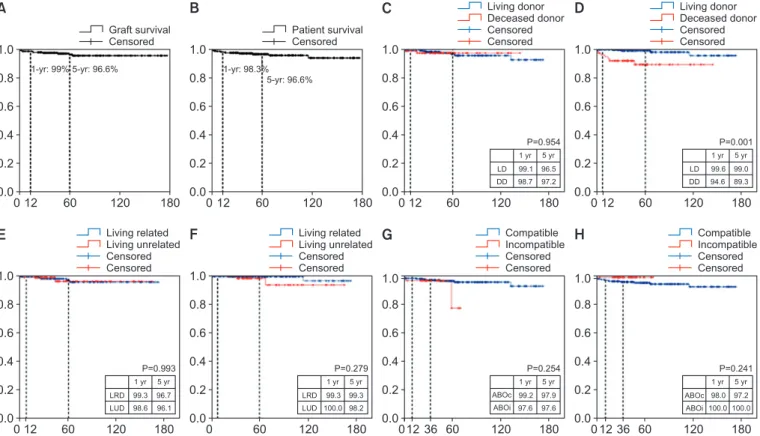
Fig. 2. Graft survival and patient survival after kidney transplantation. (A) Death-censored graft survival and (B) survival in 300 cases of kidney trans-
plantation. (C) Death-censored graft survival and (D) patient survival of living donors and deceased donors. (E) Death-censored graft survival and (F)
patient survival of living related donors and living unrelated donors. (G) Death-censored graft survival and (H) patient survival of ABO-compatible pairs
and ABO-incompatible pairs. LD, living donor; DD, deceased donor; LRD, living related donor; LUD, living unrelated donor; ABOc, ABO-compatible; ABOi,
ABO-incompatible.
accounted for the highest percentage (78 cases, 26%), followed by glomerulonephritis (73 cases, 24.3%) and IgA nephropathy (40 cases, 13.3%). Pretransplant renal re- placement was performed for 214 (71.3%) recipients. The mean duration of pretransplant renal replacement was 7.87 months for LDKT recipients and 84.14 months for DDKT recipients. Regarding HLA matching, 7.3% of transplant pairs had full HLA match while 10.7% of them had total mismatch. For induction therapy, basiliximab was admin- istered in 235 (78.3%) cases and ATG was administered in 10 (3.3%) high-risk patients. All patients received triple maintenance immunosuppressive agents (calcineurin in- hibitor, antimetabolite, and steroid).
Living versus Deceased Donor Kidney Transplantation From 225 cases of LDKT, 151 cases were from living re- lated donors and 74 cases were from living unrelated donors. Regarding donor-recipient relations, of the 151 cases of living related donors, 64 (42.4%) were siblings, 50 (33.1%) were offspring, and 28 (18.5%) were parents.
Among living unrelated donors, most donors were spous- es (71 cases, 95.9%). Three were non-relative living do- nors. Of these three donors, two were exchange donors.
No significant (P=0.954) difference in outcome in terms of recipient graft survival was observed between living donors and deceased donors. However, 5-year patient survival was significantly higher in recipients receiving a kidney from a living donor compared to a deceased do- nor (P=0.001) (Fig. 2C and D). There was no significant difference in graft survival (P=0.993) (Fig. 2E) or patient survival (P=0.279) (Fig. 2F) between living related donors and living unrelated donors. Since most living unrelat- ed donors were spouses, no significant difference was observed in graft survival (P=0.993) or patient survival (P=0.279) between living related donors and spousal do- nors (data not shown).
ABO-Incompatible Kidney Transplantation
The first case of ABO-incompatible kidney transplantation (ABOi-KT) was performed in 2013. Since then, the annual number of cases has increased to 17 in 2017. The median follow-up period of ABOi-KT was 37.7 months (data not shown). Among the 42 cases of kidney transplantation with ABOi pairs, 22 (52.4%), eight (19%), seven (16.7%), and five (11.9%) cases of donors were spouse, offspring, siblings, and parents, respectively (data not shown).
The mean number of HLA mismatch was 3.12±1.64 in ABO-compatible kidney transplantation (ABOc-KT) and
3.52±1.82 in ABOi-KT (P=0.152, data not shown). Initial anti-A/B antibody titer ranged from 1:2 to 1:256 with a median titer of 1:16 (Table 1). Except for five ABOi-recip- ients who did not receive plasmapheresis, the rest of the ABOi-recipients received rituximab, IVIG, and plasmapher- esis. Preoperative anti-A/B antibody titer after desensiti- zation ranged from negative to 1:16, with a median titer of 1:4 (Table 1). Regarding outcomes compared to ABOc-KT, 3-year graft survival rate and patient survival rate were analyzed since median follow-up after ABOi-KT was only 34 months. ABOi-KT showed no inferiority in terms of graft survival (1-year or 3-year, P=0.254) (Fig. 2G) and patient survival (1-year or 3-year, P=0.241) (Fig. 2H).
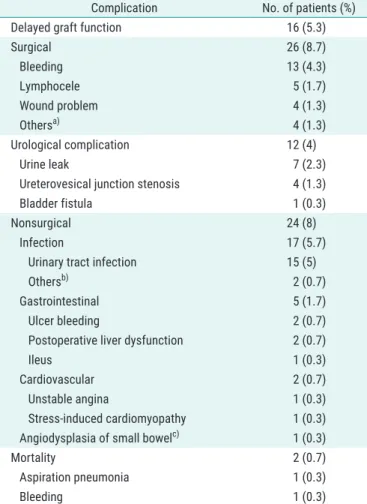
Table 2. Postoperative complications within 4 weeks after kidney
transplantation
Complication No. of patients (%)
Delayed graft function 16 (5.3)
Surgical 26 (8.7)
Bleeding 13 (4.3)
Lymphocele 5 (1.7)
Wound problem 4 (1.3)
Others
a)4 (1.3)
Urological complication 12 (4)
Urine leak 7 (2.3)
Ureterovesical junction stenosis 4 (1.3)
Bladder fistula 1 (0.3)
Nonsurgical 24 (8)
Infection 17 (5.7)
Urinary tract infection 15 (5)
Others
b)2 (0.7)
Gastrointestinal 5 (1.7)
Ulcer bleeding 2 (0.7)
Postoperative liver dysfunction 2 (0.7)
Ileus 1 (0.3)
Cardiovascular 2 (0.7)
Unstable angina 1 (0.3)
Stress-induced cardiomyopathy 1 (0.3) Angiodysplasia of small bowel
c)1 (0.3)
Mortality 2 (0.7)
Aspiration pneumonia 1 (0.3)
Bleeding 1 (0.3)
a)
Others include each case of arterial thrombosis, arterial anastomosis dehiscence, surgery-related radiculopathy, and embolic infarction;
b)Others includes herpes esophagitis and bacteremia without infection focus;
c)
Angiodysplasia was pathologically confirmed in one patient.
Postoperative Complications after Kidney Transplantation Postoperative complications were defined as adverse events that occurred within 4 weeks after operation (Table 2). De- layed graft function occurred in 16 cases (5.3%). Surgical complications including bleeding, wound complication, lymphocele, arterial thrombosis, anastomosis dehiscence, surgery-related radiculopathy, perirenal fluid collection, and embolic infarction were observed in 26 cases (8.7%).
Urological complications including urine leak, ureteral or ureterovesical junction stenosis, and bladder fistula were observed in 12 cases (4.0%). Nonsurgical complications including infections, gastrointestinal complications, and cardiovascular events occurred in 24 cases (8.0%). There was a case of small bowel angiodysplasia that caused life-threatening bleeding, which was treated with thalid- omide as reported previously [11]. Two deaths due to as- piration pneumonia and bleeding were observed within 4 weeks after operation.
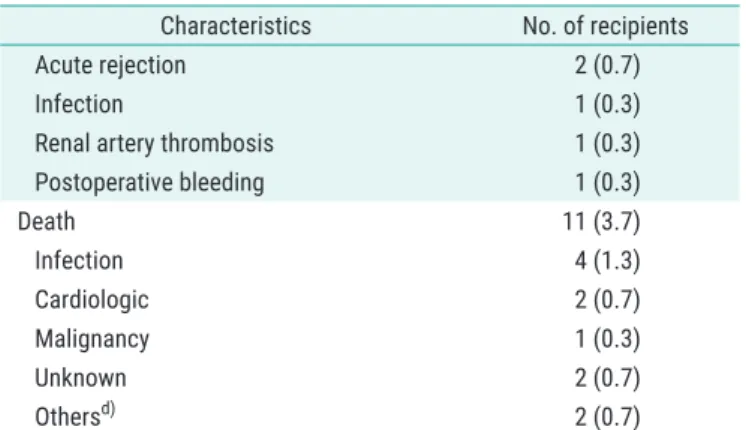
Outcomes and Complications
Outcomes and complications at postoperative 4 weeks after kidney transplantation are shown in Table 3. Infec- tion was the most common complication. Urinary tract infection was the leading cause of bacterial infection (66 cases), followed by pneumonia (7 cases) and prostatitis (3 cases). Other complications included septic arthritis, Nocardiosis, and acute gastroenteritis. Escherichia coli (35 cases), Klebsiella pneumonia (18 cases), Enterococcus faecalis (9 cases), and Enterococcus aerogenes (3 cases)
Table 3. Overall outcomes of kidney transplantationCharacteristics No. of recipients
Infection
Bacteria 79 (26.3)
Urinary tract infection 66 (26.3)
Pneumonia 7 (2.3)
Prostatitis 3 (1.0)
Others
a)3 (1.0)
Bacterial pathogen
Escherichia coli 35 (11.7)
Klebsiella pneumonia 18 (6.0)
Enterococcus faecalis 9 (3.0)
Enterococcus aerogenes 3 (1.0)
Pseudomonas aeruginosa 2 (0.7)
Other enterococcus 2 (0.7)
Virus 73 (24.3)
Cytomegalovirus 32 (10.7)
BK virus 22 (7.3)
Herpes zoster 9 (3.0)
Influenza 8 (2.7)
Parainfluenza 1 (0.3)
HSV 1 (0.3)
Fungus 10 (3.3)
Pneumocystis jirovecii 8 (2.7)
Others
b)2 (0.7)
Rejection
Suspected rejection 54 (18)
Steroid pulse therapy 45 (15)
Rituximab 2 (0.7)
Anti-thymocyte antibody 1 (0.3)
No treatment 6 (2)
Biopsy proven 38 (12.7)
Acute T-cell mediated 27 (9.0)
Borderline 8 (2.7)
Antibody mediated 3 (1.0)
Malignancy 8 (2.7)
Renal cell carcinoma
c)1 (0.3)
Cholangiocarcinoma 1 (0.3)
Ductal carcinoma in situ of breast 1 (0.3) Medullary carcinoma of thyroid 1 (0.3) Papillary carcinoma of thyroid 1 (0.3)
Kaposi sarcoma of skin 1 (0.3)
Squamous cell carcinoma of skin 1 (0.3)
Graft loss 18 (6.0)
Death 11 (3.3)
With function 7 (2.3)
Noncompliance 3 (1.0)
Table 3. Continued
Characteristics No. of recipients
Acute rejection 2 (0.7)
Infection 1 (0.3)
Renal artery thrombosis 1 (0.3)
Postoperative bleeding 1 (0.3)
Death 11 (3.7)
Infection 4 (1.3)
Cardiologic 2 (0.7)
Malignancy 1 (0.3)
Unknown 2 (0.7)
Others
d)2 (0.7)
HSV, herpes simplex virus.
a)
Others includes septic arthritis, Nocardiasis, and acute gastroenteritis;
b)
Others includes lung abscess and cervicofacial actinomyces;
c)Renal
cell carcinoma was found in native kidney;
d)Others includes bleeding and
ischemic colitis.
were found to be the most common pathogens. The most common viral pathogen was CMV (32 cases), followed by BK virus (22 cases), varicella-zoster virus (9 cases), and influenza (8 cases). P. jirovecii infection was observed in eight patients. Other fungal infections including lung abscess and cervicofacial abscess were observed in two patients.
Rejection was suspected in 54 cases, of which 38 cas- es were biopsy proven. Acute cellular rejection was the most common type (71.1%), followed by antibody mediat- ed rejection (7.9%). Among clinical rejections, a total of 48 patients underwent treatment. The most common treat- ment was steroid pulse therapy (45 patients), followed by administration of rituximab (2 patients) and anti-thymo- cyte antibody (1 patient). Among biopsy-proven rejections, 36 cases were rescued while two cases had graft failure
due to acute cellular rejection and acute T-cell-mediated rejection, respectively.
Seven cases of de novo malignancy were found during follow-up, including ductal carcinoma in situ of the breast (1 case), cholangiocarcinoma (1 case), renal cell carcinoma (1 case), papillary carcinoma of the thyroid (1 case), med- ullary carcinoma of the thyroid (1 case), Kaposi sarcoma of the skin (1 case), and squamous cell carcinoma of the skin (1 case).
Patient and Graft Survival
During a median follow-up period of 52 months, graft fail- ure was observed in 18 patients (Table 3). The most com- mon cause was death, followed by noncompliance and acute rejection. Seven deaths were determined as death with functioning graft. Death-censored graft survival rates
Table 4. Independent risk factors affecting rejection
Variable Univariate analysis Multivariate analysis
HR (95% CI) P-value HR (95% CI) P-value
Donor age 1.015 (0.988–1.042) 0.275
Donor sex (female) 1.190 (0.634–2.236) 0.588
Deceased donor 1.220 (0.604–2.463) 0.579
Recipient age 1.014 (0.989–1.040) 0.267
Recipient medical history
Diabetes 2.237 (1.171–4.274) 0.015 2.266 (1.128–4.552) 0.022
Hypertension 1.050 (0.460–2.401) 0.907
Recipient sex (female) 0.912 (0.480–1.735) 0.779
Dialysis 0.203
Hemodialysis 1.409 (0.651–3.050) 0.384
Peritoneal dialysis 2.567 (0.910–7.236) 0.075
Duration of dialysis 1.003 (0.997–1.009) 0.387
Graft weight 0.997 (0.990–1.005) 0.486
Gw/Rw ratio 0.766 (0.532–1.102) 0.151
Number of graft artery 0.879 (0.485–1.591) 0.670
Number of graft vein 0.512 (0.071–3.692) 0.506
ABO incompatibility 1.123 (0.466–2.708) 0.796
HLA mismatch 1.173 (0.964–1.428) 0.111
Delayed graft function 4.886 (1.720–13.878) 0.003
Postoperative complication
Surgical 1.293 (1.094–1.527) 0.003
Urological 7.622 (1.965–29.567) 0.003 4.595 (0.964–21.900) 0.056
Infectious 7.480 (2.716–20.601) <0.001 5.243 (1.7422–15.780) 0.003
Bacterial infection 1.843 (0.939–3.619) 0.076
Viral infection 3.478 (1.789–6.761) <0.001 2.995 (1.472–6.095) 0.002
Malignancy 2.255 (0.424–11.987) 0.340
HR, hazard ratio; CI, confidence interval; Gw, graft weight; Rw, recipient weight; HLA, human leukocyte antigen.
at 1 year and 5 years were 99.0% and 96.6%, respectively.
Patient survival rates at 1 year and 5 years were 98.3%
and 96.6%, respectively (Fig. 2A and B). As of December 2019, there were a total of 11 deaths during follow-up. The most common cause of death was infection, including two cases of pneumonia, one case of urinary tract infection, and one case of infective endocarditis. The second most common cause of mortality was cardiovascular event, including one case of hypertrophic myocarditis and one case of cardiac arrest. One death was due to malignancy (cholangiocarcinoma). Two deaths were due to an un- known cause. One death was due to bleeding and another death was due to ischemic colitis.
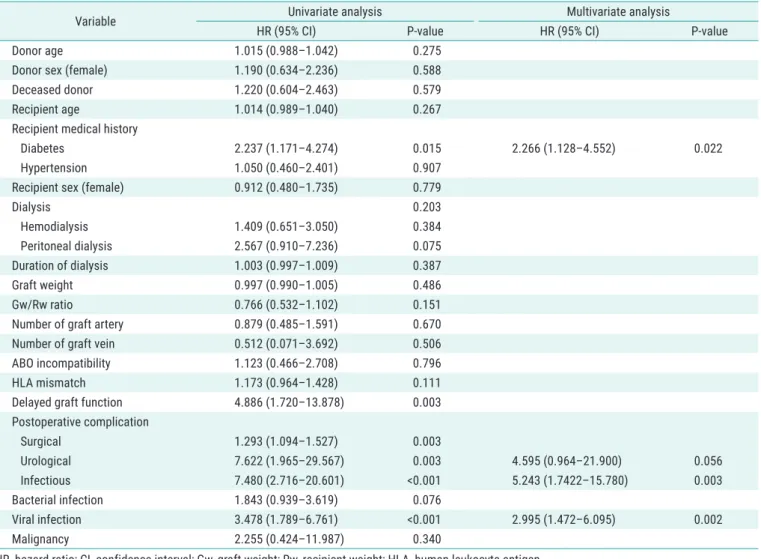
Independent Risk Factors Affecting Rejection
Univariate and multivariate analyses were performed to determine independent risk factors affecting rejection.
Univariate analysis revealed that predisposing diabetes of the recipient, peritoneal dialysis, delayed graft function, postoperative surgical complication, postoperative urolog- ical complication, postoperative infectious complication, bacterial infection and viral infection were risk factors affecting rejection. In multivariate analysis, predisposing diabetes of the recipient, postoperative urological com- plication, postoperative infectious complication and viral infection were shown to be independent risk factors af- fecting rejection (Table 4).
Independent risk factors affecting each type of re- jection were analyzed using univariate and multivariate
Table 5. Independent risk factors affecting death-censored graft survival