Received: June 18, 2012 ; Accepted: June 24, 2012 Corresponding author: Qtae Jo
Tel: +82 (55) 640-4700 e-mail: [email protected] 1225-3480/24451
Potential Influence of Climate Change on Shellfish Aquaculture System in the Temperate
Region
Qtae Jo, Young Baek Hur, Kee Chae Cho, Chang Young Jeon and Deok Chan Lee Southeast Sea Fisheries Research Institute, NFRDI, Tongyeong, Kyungnam-650-943, Korea
ABSTRACT
Aquaculture is challenged by a number of constraints with future efforts towards sustainable production. Global climate change has a potential damage to the sustainability by changing environmental surroundings unfavorably.
The damaging parameters identified are water temperature, sea level, surface physical energy, precipitation, solar radiation, ocean acidification, and so on. Of them, temperature, mostly temperature elevation, occupies significant concern among marine ecologists and aquaculturists. Ocean acidification particularly draws shellfish aquaculturists’ attention as it alters the marine chemistry, shifting the equilibrium towards more dissolved CO2 and hydrogen ions (H+) and thus influencing signaling pathways on shell formation, immune system, and other biological processes. Temperature elevation by climate change is of double-sidedness: it can be an opportunistic parameter besides being a generally known damaging parameter in aquaculture. It can provide better environments for faster and longer growth for aquaculture species. It is also somehow advantageous for alleviation of aquaculture expansion pressure in a given location by opening a gate for new species and aquaculture zone expansion northward in the northern hemisphere, otherwise unavailable due to temperature limit. But in the science of climate change, the ways of influence on aquaculture are complex and ambiguous, and hence are still hard to identify and quantify. At the same time considerable parts of our knowledge on climate change effects on aquaculture are from the estimates from data of fisheries and agriculture. The consequences may be different from what they really are, particularly in the temperature region. In reality, bivalves and tunicates hung or caged in the longline system are often exposed to temperatures higher than those they encounter in nature, locally driving the farmed shellfish into an upper tolerable temperature extreme. We review recent climate change and following environment changes which can be factors or potential factors affecting shellfish aquaculture production in the temperate region.
Key Words: Climate change, damage, benefit, shellfish aquaculture
Introduction
Global change encompasses changes in the characteristics of inter-related climate variables in space and time, and derived changes in terrestrial processes, including human activities that affect the environment (Green et al., 2011). As such, projected global change in aquatic systems may include systems
of groundwater, reservoir, river, coast, and ocean. The concern of climate change has been on the elevated temperature collectively called global warming (Handisyde et al., 2006; IPCC, 2007).
The global warming is the current rise and projected continuation of temperature on average both in atmosphere and oceans initiated by anthropogenic activities, especially those that elevate concentrations of greenhouse gases in the atmosphere (NAS, 2008). According to IPCC report (IPCC, 2007), scientists directly measured the global surface temperature increase about 0.74°C during the last 100 years and estimated potential future warming with a likely range from 2.0-5.4°C. In fact, global warming is 종설 [Review]
a heterogeneous process, since it affects different parts of the earth differently. Globally, however, mean temperatures of water bodies are projected to increase by up to 4°C by the end of this century according to plausible global change scenarios (IPCC, 2007).
Climate change is global happening but its damage may differ region by region. However, most studies have focused on terrestrial and oceanic systems. For instance, data from observation and prediction provide abundant evidence that freshwater systems are more vulnerable and thus have bigger damage potential (Parmesan, 2006; Bates et al., 2008), but detailed information on the freshwater system are less available. Similarly, study subjects of global change are mostly focusing on bigger issues: damages in ocean ecosystem (Alheit and Niquen, 2004), agricultural production, fisheries resources (Niquen and Bouchon, 2004; Perry et al., 2005; Lehodey et al., 2006), food security (Jones and Thornton, 2003;
Gregory et al., 2005), and human health and safety (Patz et al., 2005; Flegel, 2009; Olson et al., 2009).
The damage study on aquaculture is less specified (Handisyde et al., 2006), thus, detailed information is still lacking.
The ongoing warming trend affects physical, chemical, and biological properties of aquatic ecosystems, with implications for water quality and for aquatic life (Stenevik and Sundby, 2007; Wernberg et al., 2011; Paalvast and van der Velde, 2011). In the innate cellular and physiological level, the changing water temperature may affect the metabolic rates of aquatic organisms, and for some species there may be shifts beyond their critical threshold for survival (Lorenzena et al., 2009). At the same time, temperature elevation may provide new surroundings for newly invading species to survive and complete their life cycles otherwise unavailable due to temperature limit, although this may come at the expense of indigenous species extinction through competition (Dukes and Mooney, 1999; Vitousek et al., 1997; Rosenzweig et al., 2008). Overall, climate change will have pervasive effects on the physical structure and connectivity of aquatic ecosystems, food webs and biodiversity, biogeochemical characteristics,
and overall metabolic properties (Wolf, 1988a,b;
Jonassen et al., 1999; Hjeltnes et al., 1993).
The CO2-driven change in seawater pH and carbonate chemistry can potentially lead to complex biological effects in calcium-carrying shellfish such as bivalves, crustaceans and other calcifiers. Even though there is a lack of systematic understanding on how decreased ocean pH would affect the more general organismal stress responses of the shellfish, a number of biological damages are identified, all of which can be integrated into overall loss of shellfish viability (Hernroth et al., 2012). Of them, immune suppression (Bibby et al., 2008), shell formation (Talmage and Gobler, 2009), abnormal growth and reproduction (Hernroth et al., 2004; Martin and Courtney, 2010), and protein formation and other biological damages (Welladsen et al., 2010; Bamber, 2011; Range et al., 2012; Hernroth et al., 2012) are of particular concern in aquaculture industry for the species.
Question is exacerbating effect of parameters induced by climate change. This is significant because ocean acidification will not act alone but rather in synchrony with other predicted environmental shifts such as temperature elevation. An empirical model by Findlay et al. (2010a,b) suggests that combined effects of warming and ocean acidification will have much stronger effects than single factors would have on the barnacle Semibalanus improvisus. Hernroth et al.
(2012) studied cellular responses to stress through evaluating protein carbonyls and lipid oxidation in lobster hepatopancreata and found that acidified water significantly increased protein carbonyls, indicating stress-induced protein alterations. They also found that the extracellular pH of lobster hemolymph was reduced by approximately 0.2 units in the acidified water, indicating either limited pH compensation or buffering capacity. To the worse, the negative effects of ocean acidification on the nephropidae immune response and tissue homeostasis were more pronounced at higher temperatures, which may potentially affect disease severity and spread (Harvell et al., 2009).
Handisyde et al. (2006) compiled data of the
impacts of climate change on aquaculture production.
In their compilation, drivers of climate related change in aquaculture production system are largely grouped as follows: changes in air and inland water temperature, solar radiation, and oceanographic factors such as sea surface temperature, acidification, currents, wind velocity, wave action, sea level rise, and rise in frequency or intensity extreme events. Of them, ocean acidification becomes particularly important issue in shellfish Aquaculture, raising a recent significant branch of science (Hall-Spencer et al., 2008).
Mechanism behind the issue is complicated. Marine crustaceans for example, have capacity to build solid shells at lower pH levels (Kroeker et al., 2008; Ries et al., 2009), however, there is a lack of understanding on how decreased ocean pH would affect the more general stress responses of crustaceans. Such studies have been conducted on the relationships between climate change and immune suppression in other marine species including bivalves (Bibby et al., 2008;
Hernroth et al., 2012).
The present study reviews potential damage of recent climate change on the farmed shellfish, focusing on the exacerbating effects of the elevated water temperature. We also reviewed the advantageous aspects of the global warming on water temperature management as a driver for fast growth and increasing growing season as an alleviator of aquaculture expansion pressure.
Climate change issues in aquaculture
1. Disease
Water temperature can be a direct factor in modulating immune function in aquatic organisms (Hrubec et al., 1996). Both of increase and decrease in water temperature can take the role influencing immune system (Devlin and Nagahama, 2002;
Dutertre et al., 2010). In patho-physiological studies, cooler temperatures, for example, decrease antibody production (Burreson and Frizzell, 1986; Klesius, 1990), and also inhibit non-specific immune functions (Scott et al., 1985). Similarly, suppressed antibody production was found in the rainbow trout exposed to
elevated water temperature (Van Ginkel et al., 1985).
The other side of global warming in disease outbreak is that it may impose increasing degree of risks for farmed animal health if increasing water temperature leads to an increase in the incidence of diseases. Essentially, this could take place through a temperature-driven effect on the epidemiology of the disease. For example, higher temperature may boost the rate of disease spread through positive effects on fitness of pathogenic agents in a weakened host.
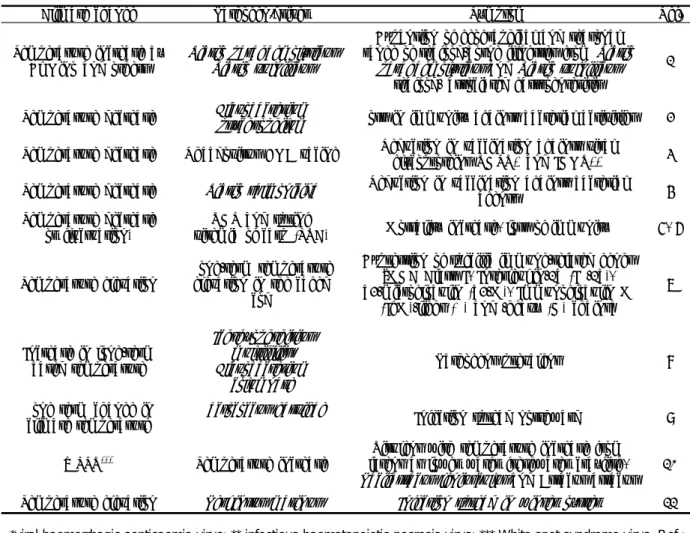
Increased temperature may also lengthen the transmission season leading to higher total prevalence of infection and more widespread epidemics for shellfish (Chu, 1996; Cook et al., 1998). Temperature change-driven pathophysiology in aquatic organisms is summarized in Table 1.
2. Ocean Acidification
Climate change-driven ocean acidification alters the seawater chemistry, shifting the equilibrium towards more dissolved CO2 and hydrogen ions (H+). Scientists calculated ocean pH decrease in last hundred with 0.1 unit representing an increase in [H+] of about 30%
(Orr et al., 2005; Harley et al., 2006). Due to the slow vertical mixing of the ocean waters, the overload of H+ is retained in the surface strata for a prolonged period of time and a further, approximately 0.4 unit decrease in pH is predicted by 2100, based on realistic scenarios for future CO2 emissions (IPCC, 2007).
Ocean acidification is a potential threat to bivalve aquaculture. It has been predicted that many marine organisms are capable of controlling extracellular pH through active ion transport and therefore may be more tolerant of acidification. However, calcifying organisms are typically more affected by ocean acidification than non-calcifiers (Hendriks et al., 2010;
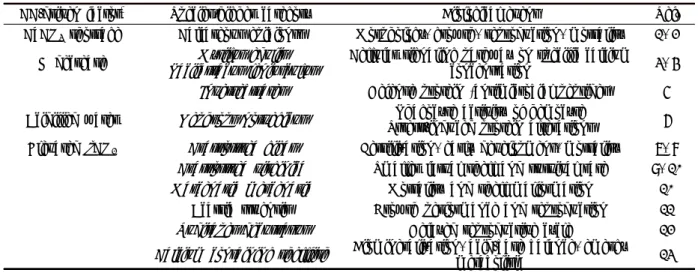
Kroeker et al., 2010). Table 2 summarizes ocean acidification damage to the shellfish and other calcifier. The acidification results in reduction in saturated calcium carbonate (CaCO3) which is a key building component for animals with shells. Shortage of calcium carbonate could directly affect organismal fitness, impacting factors such as growth rate, reproduction, and mortality (Hall-Spencer et al., 2008;
Climate change Pathogen/driver Symptom Ref.
Temperature increase by El Nino and others
Vibrio parahaemolyticus Vibrio vulnificus
Expansion of geographical and seasonal range of seafood-borne illnesses from Vibrio
parahaemolyticus and Vibrio vulnificus seafood- associated gastroenteritis
1
Temperature decrease Flavobacterium
psychrophilum Loss in immunity against bacterial activities 2 Temperature decrease Rhabdovirus DNA vacine Reduction in vaccination against viral
glycoproteins VHSV* and IHNV** 3 Temperature decrease Vibrio salmonicida Reduction in vaccination against bacterial
agents 4
Temperature decrease or fluctuation)
VHS and spring
viremia of carp (SVC) Mortality increase, loss of immunity 5, 6
Temperature elevation
Long-term temperature elevation in the caged
cod
Expression of specific immune-related genes [MHC Class I, Interleukin-1b (IL-1b), b2-microglobulin (b2-M), Immunoglobulin M
(IgM)-light (L) and -heavy (H) chains]
7
Increase in long-term based temperature
Ichthyophthirius multifiliis, Flavobacterium
columnare
Pathogens prevalent 8
Long term change in
climate temperature Lactococcus garvieae Infection spread northward 9
WSSV*** Temperature increase
Virulent with temperature increase from latent at lower water freshwater crayfish, Pacifastacus leniusculus and Astacus astacus
10
Temperature elevation Perkinsus marinus Infection spread in winter oyster 11
*viral haemorrhagic septicaemia virus; ** infectious haematopoietic necrosis virus; *** White spot syndrome virus. Ref.:
1, Martinez-Urtaza et al. (2008); 2, Holt et al. (1993); 3, Lorenzen et al. (2009); 4, Hjeltnes et al. (1993); 5, Wolf (1988a); 6, Wolf (1988b); 7, Perez-Casanova et al. (2008); 8, Karvonen et al. (2010); 9, Marcos-López et al. (2010);
10, Jiravanichpaisal et al. (2004); 11, Cook et al. (1998).
Table 1. Effects of climate change on the disease outbreak or pathophysiology of the aquatic organisms
Martin et al., 2008). Decrease in pH directly influences on growth, mortality, behavior both for adult, juvenile, and larval bivalves (Welladsen et al., 2010; Bamber, 2011; Range et al., 2012).
Scientific data confirm that a number of marine lives have a capacity dealing with measured pH unit changed by climate change (Kroeker et al., 2008; Ries et al., 2009; Matozzo and Martin, 2011). Pansch et al.
(2012) point out complexity of acidification effects on invertebrates following the previous studies (Dupont et al., 2010; Hendriks et al., 2010; Kroeker et al., 2010) stating that the first comprehensive meta-analyses detected predominantly negative but highly variable responses of invertebrates to ocean
acidification. The damaging effects appear to be species and habitat-specific.
Question is exacerbating effect of parameters induced by climate change. This is significant because ocean acidification will not act alone but rather in synchrony with other predicted environmental shifts such as temperature elevation. An empirical model by Findlay et al. (2010a,b) suggests that combined effects of warming and OA will have much stronger effects than single factors would have on the barnacle Semibalanus improvisus. Hernroth et al. (2012) studied cellular responses to stress through evaluating protein carbonyls and lipid oxidation in lobster hepatopancreata and found that acidified water
CC-driven factor* Species/higher category Biological event Ref.
CaCO3 shortage Calcareous epibionts Morphology, growth, reproduction, mortality 1, 2 H decrease Mytilus edulis
Pacifastacus leniusculus Cellular signaling pathway on specific calcium
concentration 3, 4
Invertebrtates Defense protein (antimicrobial peptides) 5 Acidified water Nephrops norvegicus Phagocyte activity of hemocyte
Stress-induced protein alterations 6 Elevated pCO2 Crassostrea gigas Fertilization, early development, mortality 7, 8
Crassostrea virginica Smaller larval shell and survival rate 9, 10 Marcenaria mercenaria Mortality and shell malformation 10
Acartia tsuensis Growth performance and reproduction 11 Ruditapes decussatus Delayed reproductive cycle 12 Calcium containing shellfish Biomineralization, acid-base balance, emergy
metabolism 13
*Climate change driven factor.
Ref.: 1, Hall-Spencer et al. (2008); 2, Martin et al. (2008); 3, Bibby et al. (2008); 4, Chaga et al. (1995); 5, Cerenius and Söderhäll (2004); 6, Hernroth et al. (2012); 7, Parker et al. (2010); 8, Kurihara et al., (2007); 9, Talmage and Gobler (2009); 10, Talmage and Gobler (2011); 11, Kurihara and Ishimatsu, (2008)); 12, Range et al. (2011); 13, Council (2010).
Table 2. Damaging effects of climate change-driven ocean acidification on shellfish and others calcifiers
significantly increased protein carbonyls, indicating stress-induced protein alterations. They also found that the extracellular pH of lobster hemolymph was reduced by approximately 0.2 units in the acidified water, indicating either limited pH compensation or buffering capacity. To the worse, the negative effects of ocean acidification on the nephropidae immune response and tissue homeostasis were more pronounced at higher temperatures, which may potentially affect disease severity and spread (Harvell et al., 2009).
3. Growth performance
Unlike most changes by climate change, global warming effects on aquaculture are of both sides, positive and negative. In most case aquatic animals cannot survive drastic temperature changes in a short time, but can tolerate the same changes if it occurs more gradually as does the climate change (IPCC, 2007). Even if the climate change generally refers to as a water temperature elevation on average, it also accompanies with local decrease in water temperature. Fish way to acclimation to lower temperature is the same as in the way to higher temperature: they can do normal physiological process
if it is not beyond their tolerance (Wolf, 1988a,b;
Hjeltnes et al., 1993). Therefore, estimated damage by decreased temperature remains as a minor concern.
Gradual increase in water temperature elevation is one of the major concerns in the area of aquaculture.
According to climate change sciences, it is likely to be the most influencing parameter on a variety of life phenomena including physiology, phenology, behavior, and population dynamics which all are related to aquaculture system and management. Numerous studies on the potential effects of global warming on biological organisms and processes established a link between global change and changes in life cycles, physiology and behavior for a variety of lives (Brown et al., 1999; Root et al., 2003). Of them, phenology, defined as the timing of seasonal activities, has been suggested as an indicator of ecosystem responses to global climate change (Parmesan, 2006).
In the sense of Aquaculture, the phenological phenomena are crucially important for species, in which timing of the breeding is totally dependent on wild conditions. Conditions at wintering areas might accelerate or delay migration, and so trigger a mismatch between timing of migration and resource availability at the breeding sites (Taylor, 2008). Under
rapid climate change, this potential mismatch might be beyond the capacity to overcome (Bradley et al., 1999; Both and Visser, 2001), especially for species with limited plasticity, in other words, limited ability to adapt to novel environmental conditions (Visser et al., 2004).
It is well documented that temperature plays an important role in modulating immune function in fish (Hrubec et al., 1996). Cooler temperatures decrease antibody production (Burreson and Frizzell, 1986;
Klesius, 1990), and also inhibit non-specific immune functions (Scott et al., 1985). The effects of elevated temperatures, in spite of general expectation of their overall damage on fish life (Devlin and Nagahama, 2002; Dutertre et al., 2010), have not been studied as thoroughly, but have been shown to suppress antibody production in rainbow trout (Van Ginkel et al., 1985).
Nitrogen waste products and acidification are factors affecting health-related physiology of aquatic organisms, thus are a matter of concern in aquaculture management. The toxicity of ammonia and pH increases with increase of temperature, toxicity of pH being more significantly influenced by temperature variation (Kimlu and Eroldogan, 2004).
In the laboratory study, chemical toxicity and bioaccumulation are significantly affected by temperature (Howe et al., 1994). Interactive effects between toxicity-modifying factors which are influenced by temperature need to be considered as a future study subject.
In spite of a sheer number of studies concluding the relationship between climate change and its damage to animal life processes, uncertainty still remains. For example, Mazaris et al. (2008) found that with increasing spring surface water temperature there was a trend towards earlier nesting, but there was no significant relationship between water temperature and nesting season. Sorte et al. (2011) studied geographic variation in temperature tolerance of mussel Mytilus edulis inhabiting coasts of east and west of the United States, and found that the population of the mussel experienced higher habitat temperature was less susceptible to a given amount of the climate change.
Fish generally show temperature optima for growth and survival (Gadomski and Caddell, 1991). The optimum temperature for fish growth is usually higher than the temperature the species encounter in nature (Imsland et al., 1996; Jonassen et al., 1999), and is stage-specific with juveniles preferring higher temperature to adults (McCauley and Huggins, 1979;
Pedersen and Jobling, 1989). Increased temperature, in some aspect, can be advantageous for aquaculture production. But temperature change beyond the adaptable range will have an impact on the suitability of farmed species in a given location. An alarming aspect of recent global warming on aquaculture is that many of the aquaculture species are maintained just below their upper tolerable temperature which might be shifted to damageable temperature by minor warming progress by climate change.
4. Farming area expansion
Shift in global biodiversity is one of the expected happenings by climate change, drawing attention towards defining the biological impacts of climate change (Harley et al., 2006). Climate change together with changes by anthropogenic variants such as increasing deposition of nitrogen and pollutants, and habitat disturbance, can affect species distribution and resource dynamics in both terrestrial and aquatic ecosystems and consequently can interact with biological invasions (Vitousek et al., 1997; Dukes and Mooney, 1999; Rosenzweig et al., 2008).
It is hard to make a clear elucidation for the mechanism between climate change and biodiversity in the ecosystem, but there are a number of observations bridging the two parameters reasonably (Occhipinti-Ambrogi, 2007; Richardson and Poloczanska, 2008; Wernberg et al., 2011). In many cases the effect of climate change and invasive species have been implicated in the decline and even collapse of several marine ecosystems (Harris and Tyrrell, 2001;
Stachowicz et al., 2002; Frank et al., 2005). To the worse, if many adverse factors are working in combination, it may result in unexpected and irreversible consequences for the native communities (Occhipinti-Ambrogi and Savini, 2003; Whitfield et al.,
2007; Wernberg et al., 2011).
From an aquaculture point of view, the shift in biodiversity can be a new opportunity. The advantageous aspect might be potential introduction of foreign species into aquaculture business.
Aquaculture activity for foreign species establishes a new population on the new coasts (Ruesink et al., 2005; Wrange et al., 2010; Moehler et al., 2011). The new population, in turn, will support further development of the aquaculture industry if the industry is fundamentally dependent on the wild seed.
The case study for the introduction of Crassostrea gigas in the northern European waters exhibits the explanation. The transplantation of the oyster was successful even up to northern Europe, but larval recruitment was only successful in the area of southern Europe (Goulletquer, 1995). The larval failure of recruitment was attributed to lower water temperature (Drinkwaard, 1999). However, in case that the target species for aquaculture are totally controlled in captivity from seed production to on-growth, they may be good candidate for aquaculture as a new species.
Although not all introduced species establish and become invasive in the new environments with deleterious ecological or socio-economic effects, many warrant concern and potential management.
Introduced species can change populations, communities, and ecosystems in dramatic ways in a relatively short period of time. These were known to be linked to loss of biodiversity (Clavero and Garcia-Berthou, 2005; Venter et al., 2006). This is the most alerting aspect of introduction of foreign species for aquaculture purpose together with potential transmission of exotic pathogens. Unfortunately, recent publications have proposed that transmission of exotic viral pathogens to cultured and native shrimp stocks may be possible via frozen prawn products prepared and packaged for human consumption (Flegel, 2009).
In many countries where aquaculture industries are established, the activities are highly location-specific.
For this reason, aquaculture activities in some locations have been challenged by other sectors
including tourism, urbanization, and other emerging industries. Even in the given farming areas, aquaculture expansion pressure has been evident. In Korean waters, for example, southern coasts of the peninsula have dominated aquaculture production for longer period of time. The sheltering topography and agreeable water temperature are working factors that confine aquaculture activities in the areas. Recent technology enables aquaculture activities out of the sheltered areas, but temperature still remains as a confining parameter.
One of the benefits of the temperature rise is to find new candidate site for the existing farmed species, otherwise unavailable due to temperature limit. The beneficial effects will be more significant if the target species are highly economic. Earlier work done by McCauley and Beitinger (1992) calculated the benefit of global temperature elevation for aquaculture.
They estimated that 1°C rise in temperature in temperate region would shift optimum range for channel catfish aquaculture 240 km north.
The northward farming site expansion by global warming in the temperate region is achievable at the expense of the opposite site in the region.
Aquaculture of the cold tolerant Japanese scallop Patinopecten yessoensis in the East Sea (Sea of Japan), one of the most rapidly warming water body (Belkin, 2009), can be a good example. There has been a conspicuous shift of the species wild distribution on the Korean coasts of the East Sea (Sea of Japan) since 1980s. The southern limit of the scallop has been shifted to about 1° northward for about 20 years from 36°04'N in 1980s to 37°13'N in 2000s (see NFRDI, 2006; Kosaka and Ito, 2006). The scallop also makes a representative species of aquaculture acclimation against higher temperature (NFRDI, 2006; Luo, 1991).
Discussion
The climate change modifies the distribution and partitioning of contaminants in water bodies through several factors such as rise in temperature, decrease in oxygen through water scarcity, acidification and remobilization of pollutants in sediments due to
flooding (Carere et al., 2011). The environmental changes accompany other indirect effects associated with the change which may affect, in most cases, negatively aquatic organisms. In reality, the damage effects driven by global warming are diverse. Brian et al. (2011) found that the toxicities of mixture of chemical pollutants to fish egg vitellogenin and its gene expression are temperature-dependent, reminding the implications of global climate change for wild fish reproduction.
Aquaculture productivities for shellfish bivalves and tunicates fail to correspondingly follow the way of technology and management applied: instead, mortality and decreased productivity are locally frequent for oysters, clams, tunicates in Korean waters. Are the damaging factors related to recent mortalities and decreased productivity of farmed shellfish? Despite the scarcity of direct evidence, there is a widespread assumption that they might damage farmed shellfish, at least, by ocean acidification (Cooley et al., 2012). In theory, as in the most of the previous studies related to ocean acidification-driven damage to shellfish biological processes (see Table 2), the damaged biological properties could be responsible for increasing the vulnerability of the shellfish to pathogens, which may reduce survival rates both in natural habitats and aquaculture facilities.
Pathogens are opportunistic, constantly threatening their hosts and thus, shellfish survival requires robust immune system against the pathogens. Shellfish have an open or semi-open circulatory system making the rapid reaction of immune defenses and coagulation mechanisms critical (Cerenius and Söderhäll, 2011).
Temperature changes are known to alter a number of host immune functions in aquatic life (Vargas-Albores et al., 1998; Wang et al., 2008; Seppälä and Jokela, 2011). At the same time, rise in temperature can be an exacerbating factor when incorporated with existing risk parameters. In the study of pollutant toxicity of fish for example, it has been anticipated that the level of damage posed by pollutants may be exacerbated at higher temperatures. In general, the projected rise in average temperatures may increase chemical toxicity because aquatic organisms are more
susceptible to metal and pesticide toxicity at higher temperatures (Cairns et al., 1975) and fish uptake of chemicals is temperature-dependent (Heugens et al., 2003).
Some laboratory studies reported are arguing the suggested damages of shellfish by climate change.
Range et al. (2012) for example reported that most juvenile mussel, Mytilus galloprovicialis are clearly capable to survive, form their shells, and grow when reared under realistic scenarios of CO2 increase.
However, it is still reasonable to recognize the warning damage of climate change-driven ocean acidification to shellfish aquaculture business. The damage can be direct or indirect, causing overall loss of physiological strength. For example, Liu and He (2012) observed loss of physiological viability for farmed shellfish, pearl oyster Pinctada fucata, noble scallop Chlamys nobilis, and the green-lipped mussel Perna viridis in Chinese waters, which can be a driving parameter of mortality during the species aquaculture.
In this regards, 'transition decade' identified by Cooley et al. (2012) becomes significant, warning that future aquaculture production can not be guaranteed if present ocean chemistry is a significant determinant of today's shellfish production. It is, thus, suggesting that how soon we should implement strategies, such as increased aquaculture of resilient species to help maintain current per capita shellfish harvests.
The rise in temperature obviously damages life processes for aquatic lives. Simultaneously, however, it forms an opportunity for aquaculture. Representative example is an opportunity to provide farmed species with better environments for faster and longer growth. It is also somehow opportunistic for reducing the aquaculture expansion pressure in a given location by providing opportunities for alternative species introduction and farming zone expansion northward. But the northward expansion of farming site does not simply mean the total expansion (Cognie et al., 2006; Dutertre et al., 2010). In reality, it may be achievable at the expense of corresponding loss at the opposite site.
Issue related to aquaculture Influence on aquaculture
Beneficial aspect
Enhancement in enzymatic activities Expanded growing season
Expanded aquaculture zone Enhanced primary productivity Potential introduction of exotic species
Enhancing growth Inducing Better FCR Enhancing growth
Reducing aquaculture expansion pressure Beneficial for filter-feeders
Introducible of tropic species
Damaging aspect
Physiological disorder in reproduction Damaging immune system
Biological invasion
Increase in harmful algal bloom Loss of areas available for aquaculture
Flooding from intensive rainfall Stronger and frequent extreme weather Exposure to higher temperature Decrease in oxygen concentration
Failure in reproduction integrity Susceptible to disease
Damaging existing ecosystem surrounding aquaculture facilities
Damaging aquaculture industry directly and indirectly
Losing farming site for cold species and/or needing new capital for construction of new
farming facility
Inducing turbidity and changing salinity Damaging farming facility
Exacerbating overall damage effect Influencing physiological viability Data: Modified from Handisyde et al. (2006)
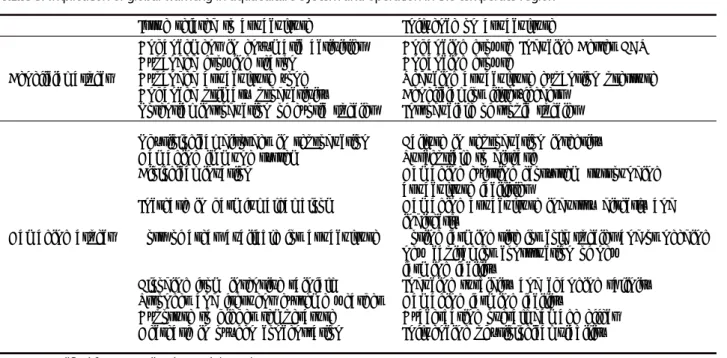
Table 3. Implication of global warming in aquaculture system and operation in the temperate region
A special care should be given to avoid potential damage of the introduced species. The temperature elevation can open a gate for a new thriving environment for new species. However climate change together with changes by anthropogenic variants can affect habitat integrity which can interact with biological invasions (Dukes and Mooney, 1999;
Rosenzweig et al., 2008). In many cases the effect of climate change and invasive species have been implicated in the decline and even collapse of several marine ecosystems (Harris and Tyrrell, 2001;
Stachowicz et al., 2002; Frank et al., 2005). To the worse, if many adverse factors are working synergistically, the combination may result in unexpected and irreversible consequences for the native communities (Occhipinti-Ambrogi and Savini, 2003; Whitfield et al., 2007). Seaweed forest destruction by invasion of tropic corals and outgrowth of sea urchins in the Korean coastal waters of the East Sea (Sea of Japan) is representative example.
Therefore, it is highly suggested to carry out an appropriate risk assessment in advance of any proposed stock transfers or introductions for aquaculture purpose (Rosenfield 1992; Wolff and Reise, 2002; Ruesink et al. 2005). Table 3 summarizes
the two aspects of climate change-driven global warming effects on aquaculture (data, modified from Handisyde et al., 2006).
Species may differ in the response to the threats that may be posed by rising temperature due to their different acclimatization capacity. A number of studies confirm that the vulnerability of species to climate change is basically linked with contents of genomes, protein coding genes, and gene regulatory mechanism (Lavoie et al., 1995; Gourgou et al., 2010; Somero, 2010). Animal sensitivity of expression pattern of proteins involved in molecular chaperoning, proteolysis, energy metabolism, oxidative damage, cytoskeleton, and deacetylation can be different population by population in a species, with the less sensitive population being more tolerable to wide range of temperature variation (Tomanek and Zuzow, 2010). Studies at molecular level can help reveal how much change in sequence is needed to adapt proteins to warmer temperatures, thus providing insights into potential rates of acclimatization capacity.
Successful aquaculture operation of Patinopecten yessonesis in Korean and Chinese waters can be a good example to cope with threat of recent climate change. In Korean waters, wild distribution of the
cold-tolerant scallop has been continuously narrowed by northward shift of southern limit line due to temperature rise. Aquaculture activities in the areas left behind the wild distribution line put a damper on further growth attributed to frequent outbreaks of summer mortality (NFRDI, 2006). Hatchery seeds-oriented scallops exhibited wider acclimatization capacities over wild seeds-oriented ones. Jo et al.
(2008) speculated wild selection of hatchery seeds with higher chaperoning capacities for protein stability via two ways: a) maternal selection and transfer of the traits which probably were gained from the prolonged lantern cage life in the upper temperature extreme and b) larval growth in higher hatchery temperature.
Can the two ways be a stimulus to do self-selection of strains with wider acclimatization capacity? The question can be answered, in part, from the Chinese scallop industry. China is one of the leading countries producing P. yessonesis from aquaculture (FAO, 2009).
In early 1980s, the scallop was first introduced onto the Chinese coasts of the Yellow Sea from Japan for aquaculture purpose. The scallop aquaculture in the Yellow Sea with upper temperature extreme of 28°C or over was unsuccessful until the species gained tolerance against the upper temperature (Guo and Luo, 2006). The tolerance was associated with genetic variation from their mother population. Chinese population was genetically different from Japanese one after long acclimation activities in the Yellow Sea (Li et al., 2007).
Establishment of permanent population of Crassostrea gigas in the North Sea can give another tip for hardening effect. The East Asian origin oysters have invaded and stabilized their own population in the North Sea. The successful stabilization of the species in the sea owes a great deal to aquaculture activity. It was mass spatfalls of the oyster during warm summers in 1976 and 1982 that made the permanent population in the Dutch coasts of the North Sea (Drinkwaard, 1999). Once established, the population further spread northward (Wehrmann et al., 2000; Smaal et al., 2009; Moehler et al., 2011).
Introduction of alien species, despite possessing
some attractive culture characteristics, has raised several issues related to ecosystem integrity such as new type of waste offload, genetic interactions, disease transfer, alterations of coastal habitats, and disturbance of wildlife (Carlton, 1996; Mack et al., 2000; Grigorakis and Rigos, 2011; Rius et al., 2011).
Economic aspect of the new species in aquaculture can be another issue as the species are to be exposed to colder environment. Therefore, at a canonistic and legal basis, the establishment of a legal guideline for future aquaculture for new species is also strongly suggested to ensure viability in terms of ecosystem and economy.
Acknowledgement
The research was performed as a part of a project entitled “Shellfish Aquaculture Technology Development”
funded by Southeast Sea Fisheries Research Institute, NFRDI (RP-2012-AQ-097).
References
Alheit, J. and Niquen, M. (2004) Regime shifts in the Humboldt Current ecosystem. Progress in Oceanography, 60: 201-222.
Bamber, R.N. (2011) The effects of acidic seawater on three species of lamellibranch mollusk. Journal of Experimental Marine Biology and Ecology, 143:
181-191.
Bates, B., Kundzewicz, Z.W., Wu, S. and Palutikof, J.P.
(2008) Climate Change and Water. Technical Paper VI of the Intergovernmental Panel on Climate Change. Intergovernmental Panel on Climate Change Secretariat, Geneva, pp. 210.
Belkin, I.M. (2009) Rapid warming of large marine ecosystems. Progress In Oceanography, 81: 207-213.
Bibby, R., Widdicombe, S., Parry, H., Spicer, J. and Pipe, R. (2008) Effects of ocean acidification on the immune response of the blue mussel Mytilus edulis.
Aquatic Biology, 2: 67-74.
Both, C. and Visser, M.E. (2001) Adjustment to climate change is constrained by arrival date in a long-distance migrant bird. Nature, 411: 296-298.
Bradley, N.L., Leopold, A.C., Ross, J. and Huffaker, W.
(1999) Phenological changes reflect climate change in Wisconsin. Proceedings of National Academy of Science U.S.A., 96: 9701-9704.
Brian, J.V., Beresford, N., Margiotta-Casaluci, L. and Sumpter, J.P. (2011) Preliminary data on the influence of rearing temperature on the growth and reproductive status of fathead minnows Pimephales promelas. Journal of Fish Biology, 79: 80-88.
Brown, J.L., Li, S.H. and Bhagabati, N. (1999) Long-term trend toward earlier breeding in an American bird: a response to global warming?
Proceedings of National Academy of Science U.S.A., 96: 5565-5569.
Burreson, E.M. and Frizzell, L.J. (1986) The seasonal antibody response in juvenile summer flounder (Pardichthys dentatus) to the hemoflagellate Trypunoplusmu bullocki. Veterinary Immunology and Immunopathology, 12: 395-402.
Cairns, J., Heath, A.G. and Parker, B.C. (1975) The effects of temperature upon the toxicity of chemicals to aquatic organisms. Hydrobiologia, 47: 135-171.
Carere, M., Miniero, R. and Cicero, M.R. (2011) Potential effects of climate change on the chemical quality of aquatic biota. Trends in Analytical Chemistry, 30: 2011-1021.
Carlton, J.T. (1996) Pattern, process, and prediction in marine invasion ecology. Biological Conservation, 78:
97-106.
Cerenius, L. and Söderhäll, K. (2004) The prophenoloxidase-activating system in invertebrates.
Immunological Review, 198: 116-126.
Cerenius, L. and Söderhäll, K. (2011) Coagulation in invertebrates. Journal of Innate Immunology, 3: 3-8.
Chaga, O., Lignell, M. and Söderhäll, K. (1995) The haemopoietic cells of the freshwater crayfish Pacifastacus leniusculus. Animal Biology, 4: 59-70.
Chu, F.L.E., (1996) Laboratory investigations of susceptibility, infectivity, and transmission of Perkinsus marinus in oysters. Journal of Shellfish Research, 15: 57-66.
Clavero, M. and Garcia-Berthou, E. (2005) Invasive species are a leading cause of animal extinctions.
Trends in Ecology and Evolution, 20: 110.
Cognie, B., Haure, J. and Barille, L. (2006) Spatial distribution in a temperate coastal ecosystem of the wild stock of the farmed oyster Crassostrea gigas (Thunberg). Aquaculture, 259: 249-259.
Cook, T., Folli, M., Klinck, J., Ford, S. and Miller, J.
(1998) The relationship between increasing sea-surface temperature and the northward spread of Perkinsus marinus (Dermo) disease epizootics in oysters. Estuarine, Coastal and Shelf Science, 46:
587-597.
Cooley, S.R., Lucey, N., Kite-Powell, H. and Doney S.C., (2012) Nutrition and income from molluscs today imply vulnerability to ocean acidification tomorrow.
Fish and Fisheries, 13: 182-215.
Devlin, R.H. and Nagahama, Y. (2002) Sex determination and sex differentiation in fish: an overview of genetic, physiological, and environmental influences. Aquaculture, 208: 191-364.
Drinkwaard, A.C. (1999) Introductions and developments of oysters in the North Sea area: a review. Helgolander Meeresuntersuchungen, 52: 301-308.
Dukes, J.S. and Mooney, H. (1999) Does global change increase the success of biological invaders? Trends
in Ecology and Evolution, 14: 135-139.
Dupont, S., Ortega-Martinez, O. and Thorndyke, M.
(2010) Impact of near-future ocean acidification on echinoderms. Ecotoxicology, 19: 449-462.
Dutertre, M., Beninger, P.G., Barille, L., Papin, M. and Haure, J. (2010) Rising water temperatures, reproduction and recruitment of an invasive oyster, Crassostrea gigas, on the French Atlantic coast.
Marine Environmental Research, 69: 1-9.
FAO (2009) Food and Agriculture Organization of the United Nations. The state of world Fisheries and Aquaculture 2009, FAO Fisheries and Aquaculture Department, Rome.
Findlay, H.S., Burrows, M.T., Kendall, M.A., Spicer, J.I.
and Widdicombe, S. (2010b) Can ocean acidification affect population dynamics of the barnacle Semibalanus balanoides at its southern range edge?
Ecology, 91: 2931-2940.
Findlay, H.S., Kendall, M.A., Spicer, J.I. and Widdicombe, S. (2010a) Post-larval development of two intertidal barnacles at elevated CO2 and temperature. Marine Biololgy, 157: 725-735.
Flegel, T.W. (2009) Review of disease transmission risks from prawn products exported for human consumption. Aquaculture, 290: 179-189.
Frank, K.T., Petrie, B., Choi, J.S. and Leggete, W.C.
(2005) Trophic cascades in a formerly cod-dominated ecosystem. Science, 308: 1621-1623.
Gadomski, D.M. and Caddell, S.M. (1991) Effects of temperature on early-life-history stages of California halibut Paralichthys californicus. Fishery Bulletin, 89: 567-576.
Goulletquer, P. (1995) Cycle de reproduction naturelle de l’huitre creuse Crassostrea gigas. Groupe de travail sur la Reproduction des Mollusques Bivalves d’Aquaculture Marine, IFREMER, Nantes, France.
Gourgou, E., Aggeli, I.K., Beis, I. and Gaitanaki, C.
(2010) Hyperthermia-induced Hsp70 and MT20 transcriptional upregulation are mediated by p38-MAPK and JNKs in Mytilus galloprovincialis (Lamarck); a pro-survival response. Journal of Experimental Biology, 213: 347-357.
Green, T.R., Taniguchi, M., Kooi, H., Gurdak, J.J., Allen, D.M., Hiscock, K.M., Treidel, H. and Aureli, A. (2011) Beneath the surface of global change:
Impacts of climate change on groundwater. Journal of Hydrology, 405: 532-560.
Gregory, P.J., Ingram, J.S.I. and Brklacich, M. (2005) Climate change and food security. Biological Science, 29: 2139-2148.
Grigorakis, K. and Rigos, G. (2011) Aquaculture effects on environmental and public welfare - The case of Mediterranean mariculture. Chemosphere, 855:
899-919.
Guo, X. and Luo, Y. (2006) Scallop culture in China.
In: Scallops: Shumway S.E. and Parsons G.J. (eds).
Biology, Ecology and Aquaculture. Elsevier Press, Amsterdam, the Netherlands, pp. 1143-1161.
Hall-Spencer, J.M., Rodolfo-Metalpa, R., Martin, S., Ransome, E., Fine, M., Turner, S.M., et al. (2008) Volcanic carbon dioxide vents show ecosystem effects of oceanacidification. Nature, 454: 96-98.
Handisyde N.T., Ross L.G., Badjeck M.C., and Allison E.H. (2006) "The Effects of Climate change on World Aquaculture: A global perspective".
Department for International Development, UK.
http://www.aqua.stir.ac.uk/GISAP/pdfs/Climate_full.pdf Harley, C.D.G., Hughes, A.R., Hultgren, K.M., Miner,
B.G., Sorte, C.J.B., Thornber, C.S., et al. (2006) The impacts of climate change in coastal marine systems. Ecology Letters, 9: 228-241.
Harris, L.G. and Tyrrell, M.C. (2001) Changing community states in the Gulf of Maine: synergism between invaders, overfishing and climate change.
Biological Invasions, 3: 9-21.
Harvell, D., Altizer, S., Cattadori, I.M., Harrington, L.
and Weil, E. (2009) Climatechange and wildlife diseases: when does the host matter the most?
Ecology, 90: 912-920.
Hendriks, I.E., Duarte, C.M. and Álvarez, M. (2010) Vulnerability of marine biodiversity to ocean acidification: a meta-analysis. Estuarine Coastal and Shelf Science, 86: 157-164.
Hernroth, B., Sköld, H.N., Wiklander, K., Jutfelt, F. and Baden, S. (2012) Simulated climate change causes immune suppression and protein damage in the crustacean Nephrops norvegicus. Fish and Shellfish Immunology. (in press)
Heugens, E.H.W., Jager, T., Creyghton, R., Kraak, M.H.S., Hendriks, A.J., van Straalen N.M., et al.
(2003) Temperature-dependent effects of cadmium on Daphnia magna: accumulation versus sensitivity.
Environmental Science and Technology, 37, 2145-2151.
Hjeltnes, B. and Roberts, R.J. (1993) Vibriosis. In:
Bacterial diseases of fish. Inglis V, Roberts RJ and Bromage NR, eds. Blackwell Scientific Publications, Oxford, UK, pp. 109-122 (1993).
Holt, R.A., Rohovec, J.S. and Fryer, J.L. (1993) Bacterial cold-water disease. In: Inglis, V., Roberts, R.J. and Bromage, N.R. (eds.). Bacterial diseases of fish. Blackwell Scientific Publications; Oxford, UK, pp. 3-23.
Howe, G.E., Marking, L.L., Bills, T.D., Rach, J.J. and Mayer, F.L. Jr (1994) Effects of water temperature and pH on toxicity of terbufos, trichlorfo, 4-nitrophenol and 2,4-dinitrophenol to the amphipod Gammarus pseudolimnaeus and rainbow trout (Oncorhynchus mykiss). Environmental Toxicology and Chemistry, 13: 51-66.
Hrubec, T.C., Robertson, J.L., Smith, S.A. and Tinker, M.K. (1996) The effect of temperature and water quality on antibody response to Aeromonas salmonicida in sunshine bass (Morone chrysops x Morone saxatilis). Veterinary Immunology and Immunopathology, 50: 157-166.
Imsland, A.K., Sunde, L.M., Folkvord, A. and
Stefansson, S.O. (1996) The interaction between temperature and size on growth of juvenile turbot.
Journal of Fish Biology, 49: 926-940.
IPCC, (2007) Climate Change 2007: The Physical Science Basis. In: Qin, S. Manning, D., Chen, M., Marquis, M. and Averyt, K. (eds.). Contribution of Working Group I to the Fourth Assessment Report of the Intergovernmental Panel on Climate Change.
Solomon Cambridge Univ. Press, Cambridge, UK, pp. 433-497.
Jiravanichpaisal, P., Soderhall, K. and Soderhall, I.
(2004) Effect of water temperature on the immune response and infectivity pattern of white spot syndrome virus (WSSV) in freshwater crayfish. Fish and Shellfish Immunology, 17: 265-275.
Jo, Q., Kim, S.K., Lee, C., Gong, Y.G., Rahman, M.M., Kim, D.K., Lee, J.S. and Park, K.J. (2008) Survival and growth performance of the Japanese scallop Patinopecten yessoensis seeds produced in the upper tolerant temperature. World Aquaculture Society abstract, p. 295.
Jonassen, T.M., Imsland, A.K. and Stefansson, S.O.
(1999) The interaction of temperature and size on growth of juvenile Atlantic halibut. Journal of Fish Biology, 54: 556-572.
Jones, P.G. and Thornton, P.K. (2003) The potential impacts of climate change on maize production in Africa and Latin America in 2055. Global Environment Change, 13: 51-59.
Karvonen, A., Rintammaki, P., Jokela, J. and Valtonen, E.T. (2010) Increasing water temperature disease risks in aquatic systems: Climate change increases the risk some, but not all, diseases. International Journal of Parasitology, 40: 1483-1488.
Kimlu, M.K. and Eroldogan, O.T. (2004) Effects of temperature on acute toxicity of ammonia to Penaeus semisulcantus juvenile. Aquaculture, 241:
479-489.
Klesius, P.H. (1990) Effect of size and temperature on the quantity of immunoglobulin in channel catfish, Ictulurus punctutus. Veterinary Immunology and Immunopathology, 24: 187-195.
Kosaka, Y. and Ito, H. (2006) Japan. In: Shumway, S.E.
and Parsons, G.J. (eds.). Scallops: Biology, Ecology and Aquaculture, Elsevier Press, Amsterdam, the Netherlands, pp. 1093-1141.
Kroeker, K.J., Kordas, R.L., Crim, R.N. and Singh, G.G.
(2008) Meta-analysis reveals negative yet variable effects of oceanacidification on marine organisms.
Ecology Letters, 13: 1419-1434.
Kroeker, K.J., Kordas, R.L., Crim, R.N. and Singh, G.G.
(2010) Review and synthesis: meta-analysis reveals negative yet variable effects of ocean acidification on marine organisms. Ecology Letters, 13:
1419-1434.
Kurihara, H., Kato, S. and Ishimatsu, A. (2007) Effects of increased seawater pCO2 on early development of the oyster Crassotrea gigas. Aquatic Biology, 1: 91-98.
Kurihara, H. and Ishimatsu, A. (2008) Effects of high CO2 seawater on the copepod (Acartia tsuensis) through all life stages and subsequent generations.
Marine Pollution Bulletin, 56: 1086-1090.
Lavoie, J.N., Lambert, H., Hickey, E., Weber, L.A. and Landry, J. (1995) Modulation of cellular thermoresistance and actin filament stability accompanies phosphorylation-induced changes in the oligomeric structure of heat shock protein 27.
Molecular and Cellular Biology, 15: 505-516.
Lehodey, P., Alheit, J., Barange, M., Baumgartner, T., Beaugrand, G., Drinkwater, K., et al. (2006) Climate variability, fish and fisheries. Journal of Climate, 19: 5009-5030.
Li, Q., Xu, K. and Yu, R. (2007) Genetic variation in Chinese hatchery populations of the Japanese scallop (Patinopecten yessoensis) inferred from microsatellite data. Aquaculture, 269: 211-219.
Liu, W. and He, M. (2012) Effects of ocean acidification on the metabolic rates of three species of bivalve from southern coast of China. Chinese Journal of Oceanography and Limnology, 30: 2006- 2016.
Lorenzena, E., Einer-Jensena, K., Rasmussena, J.S., Kjæra, T.E., Collet, B., Secombesb, C.J. and Lorenzena, N. (2009) The protective mechanisms induced by a fish rhabdovirus DNA vaccine depend on temperature. Vaccine, 27: 3870-3880.
Luo, Y. (1991) Scallop. In: Shumway, S.E. (ed.).
Scallops: Biology, Ecology and Aquaculture. Elsevier, Amsterdam, the Netherlands, pp. 809-824.
Mack, R.N., Simberloff, D., Lonsdale, W.M., Evans, H., Clout, M. and Bazzaz, F.A. (2000) Biotic invasions:
causes, epidemiology, global consequences, and control. Ecological Applications, 10: 689-710.
Marcos-López, M., Gale, P., Oidtmann, B.C. and Peeler, E.J. (2010) Assessing the impact of climate change on disease emergence in freshwater fish in the United Kingdom. Transboundary and Emerging Diseases, 57: 293-304.
Martin, S., Rodolfo-Metalpa, R., Ransome, E., Rowley, S., Buia, M.C., Gattuso, J.-P., et al.(2008) Effects of naturally acidified seawater on seagrass calcareous epibionts. Biological letters, 4: 689-692.
Martinez-Urtaza, J., Lozano-Leon, A., Varela-Pet, J., Trinanes, J., Pazos, Y. and Garcia-Martin, O. (2008) Environmental determinants of the occurrence and distribution of Vibrio parahaemolyticus in the rias of Galicia, Spain. Applied and Environmental Microbiology, 74: 265-274.
Matozzo, V. and Marin, M.G. (2011) Bivalve immune responses and climatechanges: is there a relationship? Information System Journal, 8: 70-77.
Mazaris, A.D., Kallimanis, A.S., Sgardelis, S.P. and Pantis, J.D. (2008) Do long-term changes in sea surface temperature at the breeding areas affect the breeding dates and reproduction performance of Mediterranean loggerhead turtles? Implications for climate change. Journal of Experimental Marine Biology and Ecology, 367: 219-226.
McCauley, R. and Beitinger, T. (1992) Predicted effects of climate warming on the commercial culture of the channel catfish. Ictalurus punctatus. Geojournal, 28: 61-66.
McCauley, R.W. and Huggins, N.W. (1979) Ontogenetic and non-thermal seasonal effects on thermal preferenda of fish. American Zoologist, 19, 267-271.
Moehler, J., Wegner, K.M., Reise, K. and Jacobsen, S.
(2011) Invasion genetics of Pacific oyster Crassostrea gigas shaped by aquaculture stocking practices.
Journal of Sea Research, 66: 256-262.
NAS (2008) Understanding and Responding to climate change. 2008 Report of United States National Academy of Sciences. http://americasclimatechoices.org/
climate_change_2008_final.pdf.
NFRDI (2006) The Final Report of Fisheries Studies for Research Evaluation (Fisheries Life Sciences:
Aquaculture Sciences), NFRDI, Korea, pp. 105-155.
(in Korean)
Niquen, M. and Bouchon, M. (2004) Impact of El Nino events on pelagic fisheries in Peruvian waters. Deep Sea Research, 51: 563–574.
Occhipinti-Ambrogi, A. (2007) Global change and marine communities: Alien species and climate change. Marine Pollution Bulletin, 55: 342–352.
Occhipinti-Ambrogi, A. and Savini, D. (2003) Biological invasions as a component of global change in stressed marine ecosystems. Marine Pollution Bulletin, 46: 542-551.
Olson, S.H., Gangnon, R., Elguero, E., Durieux, L., Guegan, J.F., Foley, J.A. and Patz, J.A. (2009) Links between climate, malaria, and wetlands in the Amazon Basin. Emerging Infectious Disease, 15:
659-662.
Orr, J.C, Fabry, V.J, Aumont, O., Bopp, L., Doney, S.C., Feely, R.A. et al. (2005) Anthropogenic ocean acidification over the twenty-first century and its impact on calcifying organisms. Nature, 437:
681-686.
Paalvast, P. and van der Velde, G. (2011) New threats of an old enemy: the distribution of the shipworm Teredo navalis L. (Bivalvia: Teredinidae) related to climate change in the Port of Rotterdam area, the Netherlands. Marine Pollution Bulletin, 62:
1822-1829.
Pansch, C., Nasrolahi, A., Appelhans, Y.S. and Wahl, M.
(2012) Impacts of ocean warming and acidification on the larval development of the barnacle Amphibalanus improvises. Journal of Experimental Marine Biology and Ecology, 420-421: 48-55.
Parmesan, C. (2006) Ecological and evolutionary responses to recent climate change. Annual Review of Ecology, Evolution, and Systematics, 37: 637-669.
Patz, J.A.D., Campbell-Lendrum, T., Holloway, J. and Foley, A. (2005) Impact of regional climate change on human health. Nature, 438: 310-317.
Pedersen, T. and Jobling, M. (1989) Growth rates of large, sexually mature cod, Gadus morhua, in