대만 건강보험청구데이터(NHIRD)를 이용한 전통 동아시아 의학(TEAM) 임상연구의 현황
정창운⋅조희근*⋅설재욱†
대한한의사협회 한의학정책연구원, 청연의학연구소*, 청연한방병원†
Current Status of Clinical Study on Traditional East Asian Medicine Using Taiwan Health Insurance Claim Data
Chang-Woon Jeung, K.M.D., Hee-Geun Jo, K.M.D.*, Jae-Uk Seol, K.M.D.
†Research Institute of Korean Medicine Policy, The Association of Korean Medicine, Chung-yeon Medical Institute*, Chung-yeon Korean Medical Hospital
†본 연구는 청연의학연구소의 연구비 지원으로 수행되었습니다.
RECEIVED March 23, 2017 ACCEPTED April 7, 2017
CORRESPONDING TO
Hee-Geun Jo, Chung-yeon Medical Institute, 64 Sangmujungang-ro, Seo-gu, Gwangju 61949, Korea
TEL (062) 371-1075 FAX (062) 371-1074 E-mail [email protected]
Copyright © 2017 The Society of Korean Medicine Rehabilitation
Objectives The study of the clinical effects of traditional east asian medicine (TEAM) us- ing Taiwan national health insurance claim dataset (NHIRD) is useful in Korean Medicine research. We reviewed the clinical studies of TEAM using NHIRD as a whole through this study.
Methods We comprehensively searched PUBMED and NHIRD DB for clinical effects of TEAM study using NHIRD from inception to 17, January 2017. As a result, 40 studies in- vestigating the contribution of TEAM intervention to health benefit have been confirmed.
We analyzed publication time, target disease, sample size, outcome measurement and main result of 40 searched studies.
Results The number of TEAM studies using NHIRD grdually increasing. The topics of the team study using NHIRD covered a wide range of subjects including cardiovascular dis- ease, tumor, gynecological disease, diabetes and kidney disease. The studies have shown large samples and reported significant effects on severe diseases.
Conclusions The results of this study suggest that the study of Korean Medicine using Big data will be useful for decision making related to health care in Korea. However, consid- ering the limited domestic Korean health insurance data, it will be necessary to activate the big data research of Korean Medicine through the establishment of a separate cohort in Korea. (J Korean Med Rehabil 2017;27(2):67-75)
Key words National Health Insurance Research Database, Korean Medicine, Traditional East Asian Medicine, Big data, Epidemiology
서론»»»
근래에 들어 일상화된 의무기록의 전산화(EMR)와 정 보통신기술의 빠른 발전을 통해, 지속적으로 누적되어온 진료 관련 데이터들은 새로운 의학적 발견의 창구로 인식 되고 있다1). 특히, IBM의 왓슨(WatsonⓇ)과 같은 의사결
정시스템이 임상진료에 자리를 잡으면서, 방대한 의학 전 문 데이터베이스와 전산의무기록의 조합을 통해 환자에 게 더 나은 의학적 의사결정에 대한 가능성이 시사되고 있다2). 이미 딥 러닝(Deep Learning)기술을 통해 진단분 야에서 기존에 비해 더 나은 진단의 정확도가 기대되는 것에서 볼 수 있듯3) 최근의 기술혁신은 의학적 의사결정
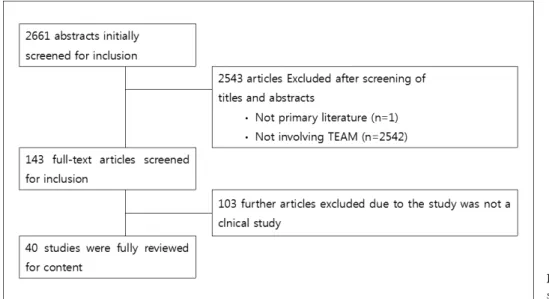
Fig. 1. Flow chart depiciting studies included in the review.
(decision making)분야에서도 향상을 가져올 것으로 기대 되고 있다.
한편, 현재 대한민국 정부는 정부 3.0이라는 기치 하에 공공분야의 다양한 데이터베이스들을 가공하여 민간에 제공하고 있으며, 여기에 보건의료 데이터로서 다양한 국 민 보건의료관련 데이터셋들이 포함된다4). 이와 관련하여 국내 서양의학계에서는 건강보험공단, 건강보험심사평가 원에서 생산되는 보험청구자료를 사용하여 약물의 부작 용 평가5,6) 등에 활용하고 있다. 국내 한의계에서도 빅데 이터 등을 통한 임상정보화에 대한 포럼이 개최되는 등 관심은 높아지는 추세이나7) 실제 임상진료에서의 의무기 록의 적절한 표준화 여부 및 수량 등의 연구 환경은 모두 미흡한 실정이다. 또한, 활용 가능한 이차자료원의 조사 대상과 항목이 상이하여 일관성을 담보하기 어려울 뿐 아 니라, 침구치료 외 비급여 진료 내역에 대한 데이터베이 스 자체가 부족한 형편이기도 하다. 이러한 문제점을 고 려할때 주로 건강보험 적용 대상질환인 근골격계 질환에 대한 접근8) 이외에 건강보험 데이터베이스를 이용한 한 의약 관련 임상의학적 지견을 도출할 수 있는 연구의 환 경은 대단히 척박한 상황이다9).
한편, 국내와 유사한 전국민건강보험 의료관리체계를 두 고 있는 대만에서는 국내보다 앞선 2003년이래 전민건강보 험연구자료고(全民健康保險硏究資料庫, National Health Insurance Research Database)라는 이름의 데이터베이스 를 민간에 제공해왔으며, 이를 활용한 연구는 2015년 6월 1일 현재 2,638편이 발표되어 있을만큼10) 연구에서 중요
정보원으로서 가치가 인정되고 있다11). 특히, 국내의 건 강보험 데이터베이스와는 달리 대만의 데이터베이스는 대만 진료환경에서의 개별적 한약 처방내역까지 수록되 어 있어, 전통의학 연구를 위한 데이터베이스로서 큰 가 치를 가지고 있다. 이와 동시에 대만의 전통의학 임상에 서는 고전에 기반한 유명 처방들이 대거 건강보험 보장12) 이 이뤄지고 있어, 국내 한의약 현실과의 적합성이 상대 적으로 높게 기대된다는 강점이 기대된다. 그럼에도 불구 하고 일부 보고서에서 산발적으로 언급된 것 이외에 대만 에서의 건강보험 데이터베이스를 활용한 전통 동아시아 의학(Traditional East Asian Medicine, 이하 TEAM) 연구 는 국내에 거의 소개되지 않고 있는 형편이다.
저자들은 상기와 같은 문제의식을 갖고 대만에서 지금 까지 수행된 건강보험기반 TEAM 연구중 한의약 중재의 임상효과를 주제로 하여 이의 효과를 관찰한 연구를 주로 수집, 분석하였다. 또한 분석의 결과를 요약함으로써 국 내 한의약 임상의료 및 한의약 정책수립에서의 의사결정 의 기반자료로 활용할 수 있도록 소개하려는 목적으로 본 연구를 진행하였다.
대상 및 방법 »»»
1. 논문검색
대만전민건강보험연구자료고(全民健康保險硏究資料庫,
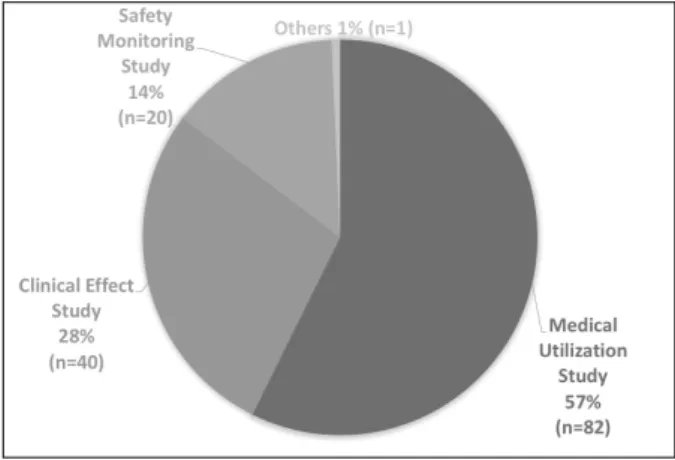
Fig. 2. Classification of literature in the field of TEAM study which was published using NHIRD.
Fig. 3. Research on TEAM inter- vention using NHIRD.
National Health Insurance Research Database)13)에서 권 장하고 있는 PUBMED검색어인 ‘National health in- surance database Taiwan’를 중심으로, PUBMED데이터 베이스를 통해 2017년 1월 17일까지 검색된 문헌중 TEAM중재를 직접적으로 평가한 연구를 선정하고, 별도 의 hand search와 대만건강보험공단에 등록된 2015년까 지의 관련 연구목록리스트10)를 통해 보완하였다.
2. 검색어
검색식은 다음과 같이 구성하였다. (“national health programs”[MeSH Terms] OR (“national”[All Fields] AND
“health”[All Fields] AND “programs”[All Fields]) OR
“national health programs”[All Fields] OR (“national”[All Fields] AND “health”[All Fields] AND “insurance”[All Fields]) OR “national health insurance”[All Fields]) AND (“Database”[Journal] OR “database”[All Fields] OR
“Database (Oxford)”[Journal] OR “database”[All Fields]) AND (“taiwan”[MeSH Terms] OR “taiwan”[All Fields])
결과»»»
문헌검색의 결과, NHIRD를 이용한 TEAM 관련 연구는 총 143건이었다. 선정된 문헌들은 중재 현황을 분석한 단
순 실태연구, 중재에 따른 건강상 이득을 평가한 임상효 과 연구, 중재에 따른 부작용을 평가한 감시 연구, 기타 주제의 연구로 분류하였으며, 이들 중 임상효과 연구에 대하여 구체적으로 내용을 검토하였다(Fig. 1).
이 중 단순히 의료 이용실태를 검토한 연구인 단순실 태연구는 82건, TEAM의료를 통한 건강상 이득을 평가한 임상효과 연구는 40건, TEAM의료에 따르는 부작용과 약 물사용 문제점 감시를 수행한 감시연구는 20건, 기타 연 구 1건이 확인되었다(Fig. 2).
시계열에 따른 문헌발표 추세를 검토한 결과 2006년 처음 발표된 이래 2013년까지 연 10건수준으로 발표되다
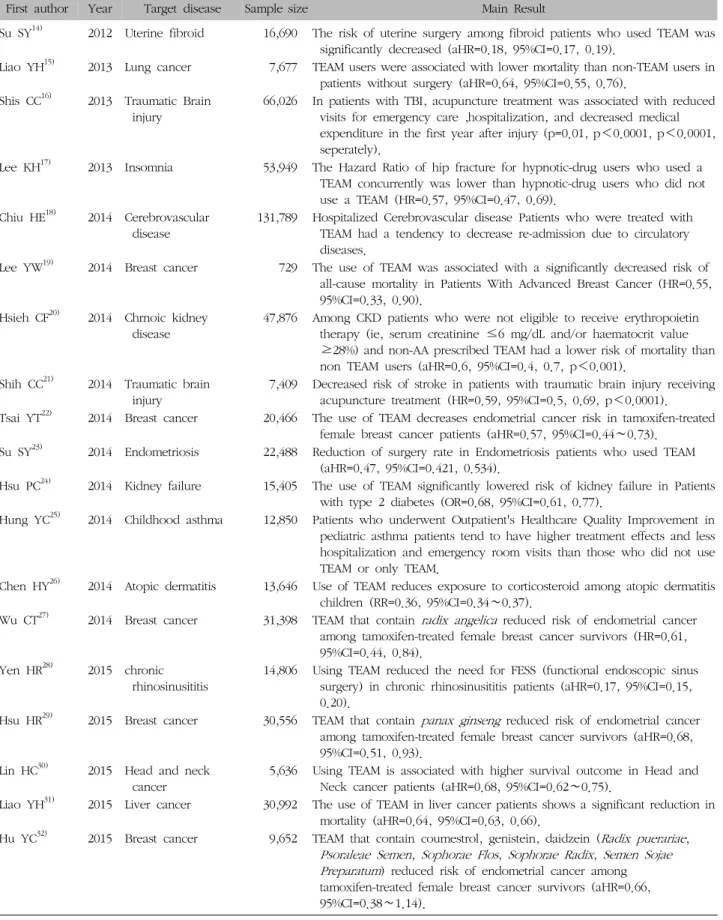
Table I. Key Information on Clinical Effects of TEAM Study Using NHIRD
First author Year Target disease Sample size Main Result
Su SY
14)2012 Uterine fibroid 16,690 The risk of uterine surgery among fibroid patients who used TEAM was significantly decreased (aHR=0.18, 95%CI=0.17, 0.19).
Liao YH
15)2013 Lung cancer 7,677 TEAM users were associated with lower mortality than non-TEAM users in patients without surgery (aHR=0.64, 95%CI=0.55, 0.76).
Shis CC
16)2013 Traumatic Brain injury
66,026 In patients with TBI, acupuncture treatment was associated with reduced visits for emergency care ,hospitalization, and decreased medical expenditure in the first year after injury (p=0.01, p<0.0001, p<0.0001, seperately).
Lee KH
17)2013 Insomnia 53,949 The Hazard Ratio of hip fracture for hypnotic-drug users who used a TEAM concurrently was lower than hypnotic-drug users who did not use a TEAM (HR=0.57, 95%CI=0.47, 0.69).
Chiu HE
18)2014 Cerebrovascular disease
131,789 Hospitalized Cerebrovascular disease Patients who were treated with TEAM had a tendency to decrease re-admission due to circulatory diseases.
Lee YW
19)2014 Breast cancer 729 The use of TEAM was associated with a significantly decreased risk of all-cause mortality in Patients With Advanced Breast Cancer (HR=0.55, 95%CI=0.33, 0.90).
Hsieh CF
20)2014 Chrnoic kidney disease
47,876 Among CKD patients who were not eligible to receive erythropoietin therapy (ie, serum creatinine ≤6 mg/dL and/or haematocrit value
≥28%) and non-AA prescribed TEAM had a lower risk of mortality than non TEAM users (aHR=0.6, 95%CI=0.4, 0.7, p<0.001).
Shih CC
21)2014 Traumatic brain injury
7,409 Decreased risk of stroke in patients with traumatic brain injury receiving acupuncture treatment (HR=0.59, 95%CI=0.5, 0.69, p<0.0001).
Tsai YT
22)2014 Breast cancer 20,466 The use of TEAM decreases endometrial cancer risk in tamoxifen-treated female breast cancer patients (aHR=0.57, 95%CI=0.44∼0.73).
Su SY
23)2014 Endometriosis 22,488 Reduction of surgery rate in Endometriosis patients who used TEAM (aHR=0.47, 95%CI=0.421, 0.534).
Hsu PC
24)2014 Kidney failure 15,405 The use of TEAM significantly lowered risk of kidney failure in Patients with type 2 diabetes (OR=0.68, 95%CI=0.61, 0.77).
Hung YC
25)2014 Childhood asthma 12,850 Patients who underwent Outpatient's Healthcare Quality Improvement in pediatric asthma patients tend to have higher treatment effects and less hospitalization and emergency room visits than those who did not use TEAM or only TEAM.
Chen HY
26)2014 Atopic dermatitis 13,646 Use of TEAM reduces exposure to corticosteroid among atopic dermatitis children (RR=0.36, 95%CI=0.34∼0.37).
Wu CT
27)2014 Breast cancer 31,398 TEAM that contain radix angelica reduced risk of endometrial cancer among tamoxifen-treated female breast cancer survivors (HR=0.61, 95%CI=0.44, 0.84).
Yen HR
28)2015 chronic rhinosinusititis
14,806 Using TEAM reduced the need for FESS (functional endoscopic sinus surgery) in chronic rhinosinusititis patients (aHR=0.17, 95%CI=0.15, 0.20).
Hsu HR
29)2015 Breast cancer 30,556 TEAM that contain panax ginseng reduced risk of endometrial cancer among tamoxifen-treated female breast cancer survivors (aHR=0.68, 95%CI=0.51, 0.93).
Lin HC
30)2015 Head and neck cancer
5,636 Using TEAM is associated with higher survival outcome in Head and Neck cancer patients (aHR=0.68, 95%CI=0.62∼0.75).
Liao YH
31)2015 Liver cancer 30,992 The use of TEAM in liver cancer patients shows a significant reduction in mortality (aHR=0.64, 95%CI=0.63, 0.66).
Hu YC
32)2015 Breast cancer 9,652 TEAM that contain coumestrol, genistein, daidzein ( Radix puerariae ,
Psoraleae Semen , Sophorae Flos , Sophorae Radix , Semen Sojae
Preparatum ) reduced risk of endometrial cancer among
tamoxifen-treated female breast cancer survivors (aHR=0.66,
95%CI=0.38∼1.14).
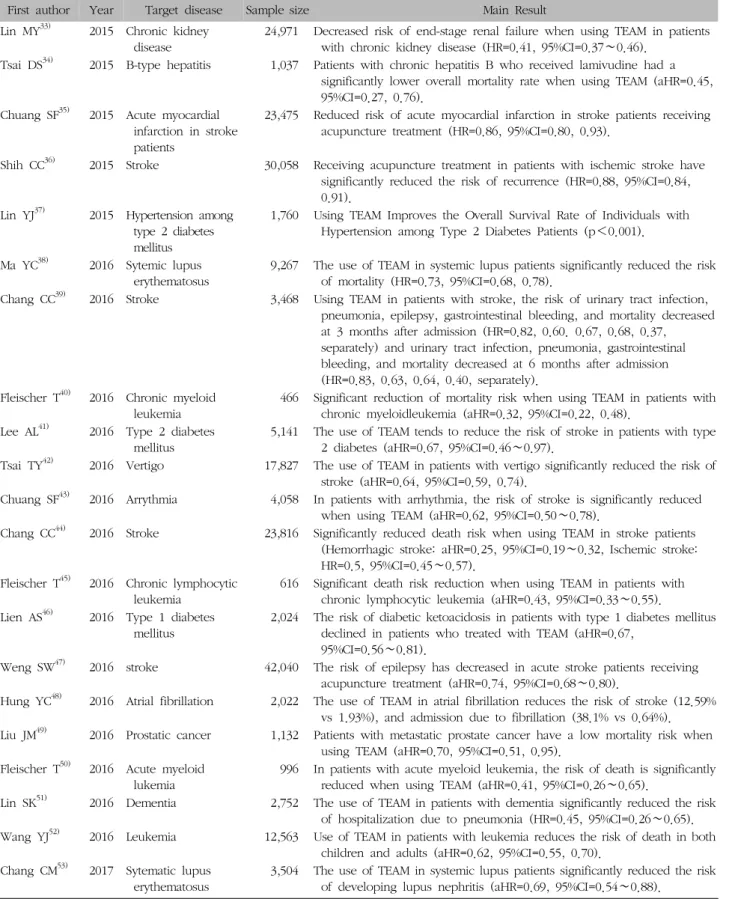
Table I. Continued
First author Year Target disease Sample size Main Result
Lin MY
33)2015 Chronic kidney disease
24,971 Decreased risk of end-stage renal failure when using TEAM in patients with chronic kidney disease (HR=0.41, 95%CI=0.37∼0.46).
Tsai DS
34)2015 B-type hepatitis 1,037 Patients with chronic hepatitis B who received lamivudine had a significantly lower overall mortality rate when using TEAM (aHR=0.45, 95%CI=0.27, 0.76).
Chuang SF
35)2015 Acute myocardial infarction in stroke patients
23,475 Reduced risk of acute myocardial infarction in stroke patients receiving acupuncture treatment (HR=0.86, 95%CI=0.80, 0.93).
Shih CC
36)2015 Stroke 30,058 Receiving acupuncture treatment in patients with ischemic stroke have significantly reduced the risk of recurrence (HR=0.88, 95%CI=0.84, 0.91).
Lin YJ
37)2015 Hypertension among type 2 diabetes mellitus
1,760 Using TEAM Improves the Overall Survival Rate of Individuals with Hypertension among Type 2 Diabetes Patients (p<0.001).
Ma YC
38)2016 Sytemic lupus erythematosus
9,267 The use of TEAM in systemic lupus patients significantly reduced the risk of mortality (HR=0.73, 95%CI=0.68, 0.78).
Chang CC
39)2016 Stroke 3,468 Using TEAM in patients with stroke, the risk of urinary tract infection, pneumonia, epilepsy, gastrointestinal bleeding, and mortality decreased at 3 months after admission (HR=0.82, 0.60. 0.67, 0.68, 0.37, separately) and urinary tract infection, pneumonia, gastrointestinal bleeding, and mortality decreased at 6 months after admission (HR=0.83, 0.63, 0.64, 0.40, separately).
Fleischer T
40)2016 Chronic myeloid leukemia
466 Significant reduction of mortality risk when using TEAM in patients with chronic myeloidleukemia (aHR=0.32, 95%CI=0.22, 0.48).
Lee AL
41)2016 Type 2 diabetes mellitus
5,141 The use of TEAM tends to reduce the risk of stroke in patients with type 2 diabetes (aHR=0.67, 95%CI=0.46∼0.97).
Tsai TY
42)2016 Vertigo 17,827 The use of TEAM in patients with vertigo significantly reduced the risk of stroke (aHR=0.64, 95%CI=0.59, 0.74).
Chuang SF
43)2016 Arrythmia 4,058 In patients with arrhythmia, the risk of stroke is significantly reduced when using TEAM (aHR=0.62, 95%CI=0.50∼0.78).
Chang CC
44)2016 Stroke 23,816 Significantly reduced death risk when using TEAM in stroke patients (Hemorrhagic stroke: aHR=0.25, 95%CI=0.19∼0.32, Ischemic stroke:
HR=0.5, 95%CI=0.45∼0.57).
Fleischer T
45)2016 Chronic lymphocytic leukemia
616 Significant death risk reduction when using TEAM in patients with chronic lymphocytic leukemia (aHR=0.43, 95%CI=0.33∼0.55).
Lien AS
46)2016 Type 1 diabetes mellitus
2,024 The risk of diabetic ketoacidosis in patients with type 1 diabetes mellitus declined in patients who treated with TEAM (aHR=0.67,
95%CI=0.56∼0.81).
Weng SW
47)2016 stroke 42,040 The risk of epilepsy has decreased in acute stroke patients receiving acupuncture treatment (aHR=0.74, 95%CI=0.68∼0.80).
Hung YC
48)2016 Atrial fibrillation 2,022 The use of TEAM in atrial fibrillation reduces the risk of stroke (12.59%
vs 1.93%), and admission due to fibrillation (38.1% vs 0.64%).
Liu JM
49)2016 Prostatic cancer 1,132 Patients with metastatic prostate cancer have a low mortality risk when using TEAM (aHR=0.70, 95%CI=0.51, 0.95).
Fleischer T
50)2016 Acute myeloid lukemia
996 In patients with acute myeloid leukemia, the risk of death is significantly reduced when using TEAM (aHR=0.41, 95%CI=0.26∼0.65).
Lin SK
51)2016 Dementia 2,752 The use of TEAM in patients with dementia significantly reduced the risk of hospitalization due to pneumonia (HR=0.45, 95%CI=0.26∼0.65).
Wang YJ
52)2016 Leukemia 12,563 Use of TEAM in patients with leukemia reduces the risk of death in both children and adults (aHR=0.62, 95%CI=0.55, 0.70).
Chang CM
53)2017 Sytematic lupus erythematosus
3,504 The use of TEAM in systemic lupus patients significantly reduced the risk
of developing lupus nephritis (aHR=0.69, 95%CI=0.54∼0.88).
2014년에는 연구가 증가하는 추세를 나타내었다(Fig. 3).
연구의 주요 대상이 된 질환은 유방암이 9건으로 가장 많았고, 뒤를 이어 뇌졸중 8건, 전립선암 5건, 2형당뇨 4 건, 소아천식 4건, 알레르기비염 4건, 자궁근종 3건, 치매 3건등 이었다. 그 외에 간암, 감기, 갱년기장애, 고혈압, 대장암, 두드러기, 쇼그렌증후군, 아토피피부염, 외상성뇌 손상, 요로결석, 우울장애, 월경곤란증, 자궁내막증, SLE 등이 연구 대상이었다. 임상의학적으로 볼 때 TEAM의 임상효과와 관련하여 유용한 정보를 제공하는 것으로 판 단되는 연구들의 발표 추이 40건을 별도로 정리하면 다음 과 같다(Table I).
고찰»»»
상기와 같이 대만의 데이터베이스를 이용한 TEAM 연 구의 개황 및 결과를 정리하였다. 먼저, 상기 방법론을 택하는 분석대상 문헌 중 임상효과를 주제로 하는 연구는 전반적으로 증가추세임을 알 수 있었다. 이어, 이들 연구 들을 통하여 외상성뇌손상, 뇌졸중, 부정맥, 심방세동 등 심뇌혈관질환에서 한의약의 이용이 예후 개선 및 2차사 건, 사망위험 감소의 효과가 보고되었음을 확인하였다.
또한, 사망위험 감소의 측면에서는 폐암, 유방암, 두경부 암, 간암, 백혈병, 전립선암 등 혈액종양내과질환에서 유 의미한 결론이 도출되었다. 이외에에도 2형당뇨, 만성신 질환, SLE, B형간염 등 만성 난치성질환에 있어서는 한의 약 이용이 신부전 등의 진행 및 합병증으로 인한 사망위 험 감소효과가 있음을 보였다. 자궁근종, 자궁내막증, 만 성 부비동염 환자에서는 한의약 이용을 통해 수술 위험이 감소되는 경향성이 있으며 아토피피부염에서는 스테로이 드 노출이 감소하는 경향성 등이 보고되었다.
이상의 결과물을 살펴보면, 다수의 무작위 대조시험에 서 확인되고 있는 한의약을 통한 연명기간 연장 등의 임 상적 효과는 전국민의료보험 자료 등 빅데이터를 이용한 현실세계 보건의료에서의 결과물을 통해 보다 잘 지지될 수 있을 것으로 보인다. 또한, 국책기관에서 한의약의 보 건의료 정책에서의 활용 필요성에 대한 의사결정시 추가 적인 근거를 제공할 수 있다. 그런 측면에서, 본 연구의 결과물은 심뇌혈관질환에서의 재발, 합병증, 사망위험 감 소는 국가 심뇌혈관질환 예방관리사업 등 분야에서도 국 가적인 한의학적 중재의 활용 필요성을 여러 각도에서 제
공한다고 볼 수 있다.
데이터베이스를 활용한 연구는 비교적 단기간의 저비 용 연구로도 일정한 결론을 도출할수 있다는 점에서 매력 적이나, 이에 대한 비판도 상존하고 있다54). 다만, 동아시 아에서 한의학 및 이와 유사한 전통 동의시아 의학이 폭 넓게 사용되고 있는 국가가 일본, 중국 및 한국 등으로 제한되어 있음을 고려한다면, 기반이 되는 임상연구의 수 행량이 충분하지 않은 한의약 연구 분야에서 대규모 인구 를 대상으로 한 대만건강보험기반의 연구 결과물들은 충 분한 유용성이 있다. 특히, 대규모 관찰연구 및 무작위대 조시험(RCT) 등 한의약의 유효성을 설명하는 과학적 근 거가 모두 채우지 못하는 지점에 대한 빅데이터를 통한 접근은 실제 한의약의 유효성에 관련된 현실세계(real world)의 정보를 보다 잘 반영하여 보여줄 수 있는 장점 을 갖는 것으로 생각된다. 이미 WatsonⓇ을 통한 의사결 정지원을 주요 사업분야로 확장하고 있는 IBM은 이미 2010년 중국에서 중의약 분야의 진료 평가를 위해 이를 활용하기로 하였다55). 이를 감안한다면 향후 중국 중의의 료기관에서의 전자의무기록(EMR)을 통해 생성된 데이터 베이스들의 연구 발표가 활성화 되는 경우, 대만에서의 연구만큼 중요 자료원이 될것으로 예상할 수 있다.
이와 더불어 현재 의무기록 기반의 무작위대조시험에 대한 관심이 늘어나고 있으며56), 최근의 WatsonⓇ과 같은 인공지능 시스템은 기존의 임상시험과, 현실기반의 의무 기록을 종합하여 새로운 가설을 생성, 검증할 가능성이 있다고 알려져 있다. 잘 설계된 프레임을 통해 현실진료 에서 얻어진 대규모 데이터 축적이 이루어진다면, 기존에 드러나지 않았던 한의학적 중재들의 새로운 효과에 대한 관찰연구 수행은 물론이고, 변증 및 전통 고전의서의 추 상적 개념과 같은 명료하게 규명되지 않고 있는 한의학의 일부 구성요소들을 재정의하여 활용하는데 유용할 것으 로 기대된다.
국내에서도 본 연구에서 논의한 방법론과 관련하여 건 강보험공단을 통해 다양한 원자료들이 공개되고 있으나, 서양의학분야와는 달리 한의약 분야의 공적보험상 보장 영역은 매우 협소한 문제점이 있다. 때문에, 공단의 데이 터베이스를 통해서는 한의학적 중재에서 가장 큰 비중을 차지하는 한약 투여의 임상, 보건적 효과를 규명하기 매 우 어렵다. 또한, 국내 건강보험공단 데이터들은 개인정 보보호를 위한 1년 이상 장기추적을 허용하지 않고 있으
므로, 대만에서와 같은 장기 추적 연구는 사실상 불가능 하다고 보아야 한다. 이런 현실을 고려하면, 국내 한의계 에서는 빅데이터 방법론을 적용한 별도의 코호트 연구를 설계하고 이를 바탕으로 환자 구성 분포, 이용율, 이용 빈 도, 치료 내역 등과 같은 단순 현황의 파악, 한양방 진료 현황의 비교, 한의진료가 환자의 질환 예후에 미치는 영 향, 한의진료가 의료경제학적으로 가지는 효과 및 해외에 서 수행되고 있는 연구들의 국내 의료환경에서의 검증 등 주제에 대한 탐구를 수행하는 것이 보다 효율적 전략인 것으로 여겨진다57).
본 연구는 다음과 같은 다수의 한계점을 갖고 있다. 먼 저, 체계적 문헌고찰이 아닌 단순검색을 바탕으로 수행한 연구이기 때문에 잠재적으로 검토의 대상이 되지 못한 문 헌이 존재할 수 있다는 점을 들 수 있겠다. 또한, 대만의 건강보험공단 자료들은 질환의 중증도, 임상적 상황 등 구체적인 임상정보에 대하여 설명할 수 없을 뿐 아니라 건강보험공단이라는 정보원에서 수집된 자료의 특성상 코딩에러 등과 같은 비표본 오차가 존재할 수 있다. 또한, 본 연구의 검토대상이 된 일차연구들은 후향적 분석이라 는 설계를 갖고 있다. 따라서, 전향적 무작위 대조 시험 과 같은 표준적인 임상시험과는 달리 확고한 인과관계를 검증하는 역할보다는, 보다 가설을 정제하는 역할에 부합 하는 정도로 제한적으로 받아들여야 한다. 또한, 대만의 한약 투약의 형태가 국내와 다른 것도 한국 의료현장에서 의 적용에 제한을 야기하는 요인이 된다. 이런 여러 한계 점에도 불구하고, 본 연구에서 확인된 주요 질환들에 대 한 잠재적인 한의약 접근의 필요성은 향후 임상시험 등 근거창출을 위한 양질의 가설설정 및 의료정책결정에 있 어서 타당성 기반 자료로 제시될 수 있는 가치를 가지고 있다고 할 것이다.
결론적으로, 본 연구에서는 대만의 건강보험공단 자료 를 이용한 TEAM 연구의 발표는 2006년 이래 지속적인 증가추세를 보이는 가운데 해당 방법론 관련 임상효과 연 구들을 내용 분석을 통하여 심뇌혈관질환, 혈액종양내과 질환, 만성난치성질환 등 중증질환에서 한의약의 이용이 사망 등과 같은 중대한 위험을 감소시킬 수 있음을 확인 하였다. 이러한 결과물들은 국내에서의 보건의료 분야의 주요 질환과 관련된 정책의사결정시 한국 한의약이 기여 할 수 있는 가능성을 빅데이터 방법론을 동원한 연구를 통해서도 보다 세심하게 검토할 필요가 있다는 점을 시사
한다. 다만, 제한적인 수준의 국내 한의약 국내 건강보험 공단 자료의 실정을 고려할 때 국내에서는 별개의 코호트 구축을 통한 한의약 빅데이터 연구가 보다 효율적인 전략 이 될 수 있을 것이다.