• 검색 결과가 없습니다.

Double-culture Method Enhances the in Vitro Inhibition of Atopy-inducing Factors by Lactococcus lactis

N/A
N/A
Protected

Academic year: 2021

Share "Double-culture Method Enhances the in Vitro Inhibition of Atopy-inducing Factors by Lactococcus lactis"

Copied!
9
0
0

로드 중.... (전체 텍스트 보기)

전체 글

(1)

Double-culture Method Enhances the in Vitro Inhibition of Atopy-inducing Factors by Lactococcus lactis

Yu Ran Jo

1

, Sang Mo Kang

1

and Hyun Pyo Kim

2

*

1

Department of Biological Engineering, Konkuk University, Seoul 143-701, Korea

2

Department of Biomedical Science, Jungwon University, Chungbuk 367-700, Korea Received April 19, 2015 /Revised July 15, 2015 /Accepted July 22, 2015

We analyzed whether lactic acid bacteria could control the expression of IL-4 and IL-13 in activated mast cells and whether these bacteria could inhibit the activity of transcription factors such as GATA-1, GATA-2, NF-AT1, NF-AT2, and NF-κB p65. We previously described a technique for identi- fication of lactic acid bacteria with anti-atopy functionality by confirming increased expression of CD4+/CD25+/foxp3+ in T cells. We also confirmed that a double-culture method increased the anti- bacterial activity of these lactic acid bacteria against Staphylococcus aureus (S. aureus). In the present study, we characterized the effect of lactic acid bacteria cultured by this double-culture method on inhibition of allergic inflammatory reactions of RBL-2H3 mast cells, a cellular model of atopic dermatitis. The strongest anti-allergic effects of the lactic acid bacteria were seen in the following or- der: Lactococcus lactis broth cultured with medium containing Lactobacillus plantarum culture super- natant > Lc. lactis > Lc. lactis broth cultured with medium containing Lb. plantarum culture supernatant

> Lb. plantarum. Thus, Lc. lactis cultured in medium containing Lb. plantarum culture supernatant had the strongest inhibitory effect on the differentiation of mast cells during allergic reactions, which may be mediated through the selective regulation of expression of relevant genes.

Key words : Anti-allergy, anti-atopy, lactic acid bacteria, Lactobacillus plantarum, Lactococcus lactis

*Corresponding author

*Tel : +82-43-830-8606, Fax : +82-43-830-8579

*E-mail : [email protected]

This is an Open-Access article distributed under the terms of the Creative Commons Attribution Non-Commercial License (http://creativecommons.org/licenses/by-nc/3.0) which permits unrestricted non-commercial use, distribution, and reproduction in any medium, provided the original work is properly cited.

Journal of Life Science 2015 Vol. 25. No. 7. 810~818 DOI : http://dx.doi.org/10.5352/JLS.2015.25.7.810

Introduction

Immunity can be largely categorized as innate immunity and adaptive immunity, and atopic dermatitis is associated with abnormal innate and adaptive immune responses. In chronic lesions of atopic dermatitis, IFN-γ, IL-5, IL-12, and GM-CSF are up-regulated, and Th1 inflammatory cytokines such as IL-12 and IL-18 play an important role in maintain- ing chronic state. In contrast, Th2 inflammatory cytokines such as IL-4 and IL-13 are critical to acute lesions of atopic dermatitis. In general, atopic dermatitis is caused by an im- balance of Th1/Th2 reactions and is worsened by increase of IgE due to the suppression of Th1 cells by Th2 cytokines [26, 27]. When the activated mast cells are exposed to the allergen again, it contributes to chronic allergic reactions through the increased transcription of cytokine genes such as IL-4 and IL-13 [31]. Therefore, if the expression of IL-4

and IL-13 could be controlled, it may be possible to alleviate the allergic reaction or suppress the progression of the acute allergic reaction to the chronic state. It is known that the expression of Th2 cytokines is specifically controlled by tran- scription factors such as NF-AT, NF-κB p65, and GATA which are selectively expressed in mast cells [16, 44].

The anti-allergic effect of lactic acid bacteria, especially on atopic dermatitis, was demonstrated in animal model and cell culture system [14]. Additionally, a previous report showed that babies from mothers who ingested Lactobacillus GG before and after delivery had significantly reduced onset of atopic dermatitis up to 4 years old [19].

Although probiotics is used to treat some diseases, poor un- derstanding of the mechanism of action and strain specific functionality limits the general use of them.

The improvement of living environment and medication

are applied for alleviating allergic symptoms, however, there

is no prominent and qualified treatment without adverse ef-

fect and with prolonged efficacy yet. Many clinical studies

evaluated the effect of lactic acid bacteria on immunological

diseases such as allergy and atopic dermatitis. Some studies

reported that intake of fermentation products from

Lactobacillus rhamnosus, Bifidobacterium lactis, Lb. acidophillus,

and Lb. casei had strain-specific therapeutic effects on allergy

(2)

[25, 40]. Various studies also showed that probiotics, killed lactic acid bacteria, and lactic acid bacteria lysates induced anti-cancer effect [29], improved absorption of lactose and milk proteins [15], lower serum cholesterol levels [42], treat- ment for rheumatoid arthritis [5], and intestinal regulation [20].

In our previous report [18], we screened functional lactic acid bacteria having immuno-stimulating activity and an- ti-allergic effect by using FACS analysis and developed me- dia composition for optimal culture condition. We also test- ed antimicrobial activity of lactic acid bacteria against Staphylococcus aureus. Based on the increase of CD4+/

CD25+/foxp3+ T cell subpopulation, the immuno-stimulat- ing effect of Lactobacillus plantarum ATCC 8014 (Lb. planta- rum) was higher than that of Lactococcus lactis subsp. lactis ATCC 11454 (Lc. lactis). The antimicrobial activity against Starphylococcus aureus was stronger in Lc. Lactis compared to Lb. plantarum. No increase in antimicrobial activity was observed when Lb. plantarum was cultured in medium con- taining Lc. lactis culture supernatant. In contrast, the anti- microbial activity against S. aureus was increased when Lc.

lactis was cultured in medium containing Lb. plantarum cul- ture broth. The maximal antimicrobial activity of lactic acid bacteria was shown when Lc. Lactis was cultured in a steri- lized medium containing 10% of Lb. plantarum culture supernatant. The growth of S. aureus exposed to these bac- teria was suppressed by 1.29-fold compared to Lc. lactis cul- tured in a conventional medium. This supernatant-added culture method was reported for the first time in the pre- vious report [18].

In the present study, we analyzed whether the homoge- nate of lactic acid bacteria cultured with the culture method in the previous study [18] could control the expression of IL-4 and IL-13 in activated mast cells (RBL-2H3 cell) using real-time PCR and ELISA. We also investigated whether the homogenate could inhibit the expression of transcription fac- tors such as NF-AT1, NF-AT2, NF-κB p65, GATA-1, and GATA-2 by western blot analysis. We experimentally proved the signal transduction mechanism of lactic acid bacteria to inhibit the activity of the mast cells by suppressing the ex- pression of IL-4 and IL-13.

Materials and Methods

Cell culture

RBL-2H3 cells, a rat mast cell line, were obtained from

the Korea Cell Line Bank (Seoul, Korea). These cells were grown in minimal essential medium (MEM, Gibco-BRL, NY, USA) supplemented with 10% fetal bovine serum (FBS, Gibco-BRL, NY, USA). The media contained penicillin (100 U/ml, Gibco-BRL, NY, USA) and streptomycin (100 µg/ml, Gibco-BRL, NY, USA). Cells were grown at 37°C in a hu- midified 5% CO

2

incubator. RBL-2H3 cells were seed in a 100 mm culture dish and then cultured for 24 hr. A non- treated group was used as a normal group, and a group treated with 50 ng/ml of phorbol 12-myristate 13-acetate (PMA) only and 0.5 µM of ionomycin was used as a PI-con- trol group. After culturing, the positive control group (PI-cy- closporin A(CsA)) was treated with 10 µg/ml CsA, and the experimental group (PI-LAB) was treated with 10 µg/ml lac- tic acid bacteria homogenate. Cyclosporin A is a strong im- munosuppressive agent against the T-cell immunity by in- hibiting the secretion of IL-1 and IL-2 and by suppressing the proliferation of T helper cell [11, 38]. After 1 hr in- cubation they were stimulated with 50 ng/ml of PMA and 0.5 µM of ionomycin, and washed with cool PBS 6 hr later.

The cells were then collected using a scraper and the super- natant was removed by centrifuge.

The culture method for lactic acid bacteria MRS broth supplemented with 10% of either culture me- dium or supernatant of Lb. plantarum was autoclaved. The Lc. lactis was inoculated at a content of 1% into the pres- sured-sterilized broths and was standing-cultured at 35℃ in an incubator for 24 hr to obtain Lb.p-cult.+Lc. lactis and Lb.p-sup.+Lc. lactis. To prepare the medium containing Lb.

plantarum supernatants, the Lb. plantarum cultured medium was centrifuged at 10,000 rpm for 10 min and then added.

Preparation of lactic acid bacteria

The lactic acid bacteria cultured in MRS broth for 24 hr

was centrifuged at 9,000 rpm for 10 min, and the collected

lactic acid bacteria were washed twice not to be influenced

by the low pH generated by the lactic acid. The lactic acid

bacteria were then completely broken down by sonication

five times for 20 min (output control : 2, duty cycle (%) :

30, and 20 kHz) using an ultrasonic processor (Branson

Ultrasonics Model 450, Fisher, MA, USA). Insoluble materi-

als were then removed by centrifuging at 9,000 rpm for 10

min. The collected supernatant was filtered with a 0.45-µm

syringe filter to obtain a cytoplasmic fraction.

(3)

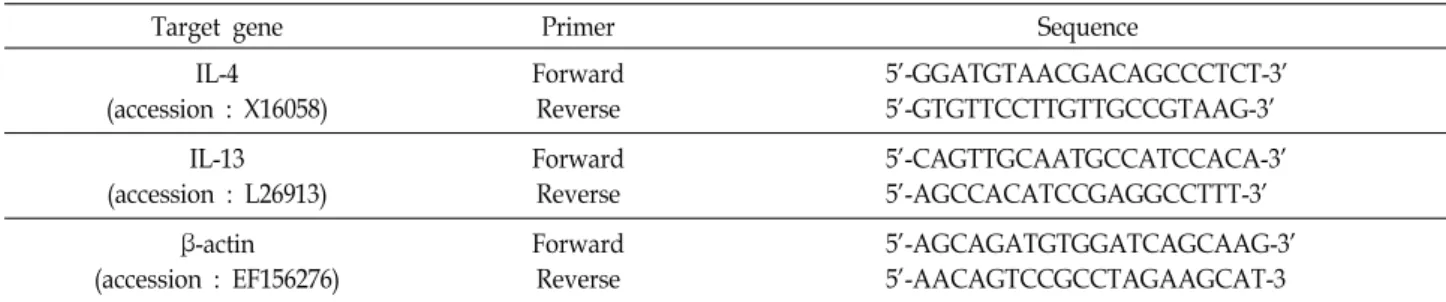
Table 1. Primer sequences for real-time PCR analysis

Target gene Primer Sequence

IL-4 (accession : X16058)

Forward Reverse

5'-GGATGTAACGACAGCCCTCT-3' 5'-GTGTTCCTTGTTGCCGTAAG-3' IL-13

(accession : L26913)

Forward Reverse

5'-CAGTTGCAATGCCATCCACA-3' 5'-AGCCACATCCGAGGCCTTT-3' β-actin

(accession : EF156276)

Forward Reverse

5'-AGCAGATGTGGATCAGCAAG-3' 5'-AACAGTCCGCCTAGAAGCAT-3 Western blot

Cells were treated with a hypotonic buffer using a nuclear extract kit (Abcam, Cambridge CB4, UK) on ice for 15 min and then centrifuged to collect the cytoplasmic fraction. The nuclear remaining in the tube were treated with complete lysis buffer on ice for 30 sec and then centrifuged to obtain the nuclear fraction.

The obtained protein was quantified by BCA protein quantitative analysis. Antibodies for Western blot are an- ti-NF-AT1, anti-NF-AT2, anti-NF-κB p65, anti-GATA-1, an- ti-GATA-2, and lamin B antibodies (Thermo Fisher Scientific, MA, USA). The band densities were calculated using Image J software and then used to calculate the inhibition of atopic dermatitis.

Real-time PCR

Total RNA was extracted using Trizol reagent (Invitrogen, CA, USA). The RNA was added to cDNA synthesis cocktails (deoxynucleotide triphosphate (dNTP), TaKaRa, Tokyo, Japan; moloney murine leukemia virus reverse transcriptase Promega, WI, USA; RNase inhibitor, Promega, WI, USA;

RNAzolB, Tel-Test, FL, USA=1:1:1). Primers for IL-4, IL-13, and β-actin were diluted to the proper concentration and added. SYBR Green (SYBR master mix, Applied Biosystems, CA, USA) and cDNA were mixed and real-time PCR (Quantitative Real-Time PCR, Applied Biosystems, CA, USA) was performed under cycling conditions of 95℃ for 3 min, followed by 40 cycles of 95℃ for 15 sec, 60℃ for 15 sec, and 72℃ for 20 sec (Table 1) [12].

ELISA

100 μl of the antibody was added to a microwell for coat- ing and incubated at 4℃ for 16 hr using a rat IL-4 ELISA kit (BD bioscience, CA, USA) and a IL-13 ELISA kit (Biosource, CA, USA) according to the manufacturer’s instructions. Each of wells was washed with a wash buffer, 200 μl of assay diluents was added to allow blocking for

1 hr, and then the assay was incubated at room temperature.

A standard and the supernatant were diluted by 20 fold.

The microplate was then washed, and then 100 μl of each of the diluted standard and the supernatant was added.

After the well was blocked for 2 hr, it was incubated at room temperature. The microplate was washed and 100 μl of a working detector was added to each of wells, and the wells were then blocked for 1 hr at room temperature. The micro- plate was then washed, 100 μl of substrate solution was add- ed to each of the wells, and the wells were then incubated at room temperature in a dark room for 30 min. 50 μl of a stop solution was added to each of the wells, and the wells were measured at an absorbance of 450 nm using a micro- plate spectrophotometer (ELISA reader, Molecular Devices, CA, USA) [20, 32].

Statistical analysis

The experimental groups were statistically analyzed by unpaired Student's t-test in statistical analysis software.

Significance was defined as p<0.05.

Results

Inhibition of NF-AT transcription factors

Expression of IL-4 and IL-13 is controlled by various tran-

scription factors such as NF-AT1, NF-AT2, GATA-1 and

GATA-2 [12, 22]. The transcription factor NF-AT is present

in a non-activated, i.e., phosphorylated, state in the cyto-

plasm, and its dephosphorylation is caused by activation of

calcineurin, which increases the concentration of Ca

2+

in re-

sponse to stimulation of an antigen receptor. Dephosphory-

lated NF-AT is transferred into the nucleus and bound to

an antigen receptor response element present in the IL-2 pro-

moter in activated T cells to induce the expression of various

cytokines (e.g., IL-3, IL-4, IL-5, GM-CSF, TNF-α, and IFN-γ)

and cell surface molecules (e.g., CD40L, FasL, and IL-2Ra)

which are essential for inducing an immune reaction in im-

(4)

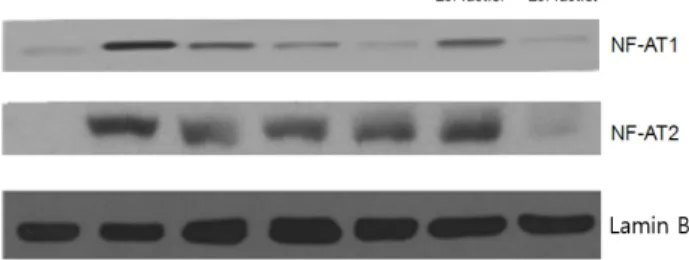
Fig. 1. Effect of Lc. lactis cultured with medium containing Lb.

plantarum culutre supernatants on NF-AT signaling in RBL-2H3 cells induced with PI. Abbreviations: Lb. p-cult + Lc. lactis, Lc. lactis culture broth with a medium con- taining Lb. plantarum culture broth; Lb. p-sup + Lc. lactis, Lc. lactis culture broth with a medium containing Lb.

plantarum supernatants. RBL-2H3 cells were pretreated with cyclosporin A or lactic acid bacteria extract for 1 hr, and then stimulated with PMA-ionomycin for 6 hr.

After lysis buffer was added, one part of the lysate was subjected to Western blotting with NF-AT protein.

Another part of the lysate was directly subjected to SDS-PAGE and immunoblotting with the indicated antibodies. NF-AT proteins were selected as positive controls for anti-NF-AT1 and anti-NF-AT2 respectively.

Fig. 2. Effect of Lc. lactis cultured with medium containing Lb.

plantarum culture supernatants on NF- κ B p65 signaling in RBL-2H3 cells induced with PI. Abbreviations were the same as Fig. 1. RBL-2H3 cells were pretreated with cyclo- sporin A or lactic acid bacteria extract for 1 hr, and then stimulated with PMA-ionomycin for 6 hr. After lysis buf- fer was added, one part of the lysate was subjected to western blotting with NF-κB p65 protein. Another part of the lysate was directly subjected to SDS-PAGE and immunoblotting with the indicated antibodies. NF-κB p65 proteins were selected as positive controls for an- ti-NF-κB p65.

munocytes [9, 45]. However, excessive activation of NF-AT causes transplantation rejection, autoimmune diseases, and cardiovascular disorders, so it is necessary to suppress the immune reaction to treat such diseases. The effect of lactic acid bacteria on the expression of NF-AT1 and NF-AT2 in mast cells was analysed by western blot. After treatment with homogenate of the lactic acid bacteria, the expression of NF-AT1 protein in the experimental group stimulated with PI showed the greatest inhibition in the Lc. lactis group (63.1%) and the inhibition of the expression of NF-AT2 pro- tein was greatest in the Lb. p-sup. + Lc. lactis group (68.8%).

It is likely that the allergic inflammatory reaction was con- trolled by inhibition of NF-AT1 and NF-AT2 expression (Fig.

1).

Inhibition of NF-κB p65 transcription factor It is known that a κB binding motif is present in the 5’

of most inflammation-mediating cytokine genes whose ex- pression could be controlled by the NF-κB transcription factor. Thus, the NF-κB pathway is a converging pathway for the expression of inflammation-mediating cytokines [3, 42]. NF-κB is a complex of proteins consisting of p50 and p65 heterodimers and is maintained at a non-activated state by binding with an inhibitor of NF-κB. When this complex is dissociated by external stimulation, NF-κB moves into the

nucleus and binds to a κB element (GGGAATTCCC) in a promoter region of specific genes, thereby inducing the tran- scription of the genes. Representative inflammation-media- ting factors whose transcription is activated through this pathway include TNF-α, IL-2, IL-6, IL-8, lymphotoxin, GM-CSF, β-IFN, and adhesion molecules [2, 6, 8, 10]. To de- termine the effect of the homogenate of lactic acid bacteria, the expression of NF-κB p65 proteins was measured by west- ern blot analysis. The result displayed that the expression of NF-κB p65 proteins in the experimental group stimulated with PI after treatment with Lb. p-sup. + Lc. lactis was largely down-regulated as compared with the control group (30.0%).

Thus, lactic acid bacteria suppresses allergic inflammatory reactions by controlling the signal transduction mechanism of NF-κB (Fig. 2).

Inhibition of GATA transcription factors

It is important to systematically express genes for cor- rectly mature cells. GATA transcription factor groups are species-specific transcription factors that play such a role in controlling the expression of GATA-1 and GATA-2 genes.

GATA transcription factors have DNA-binding regions and well-maintained zinc finger regions, and these factors cause transcriptional activation by binding to a (A/T)·GATA(A/

G) sequence. Their expression is limited to specific tissues

and cells; for example, GATA-1 is expressed in red blood

cells, megakaryocytes, and mast cells [16, 32, 35]. GATA

plays an important role in the expression of IL-13 in T cells

as well as the expression of IL-4 and IL-5. In addition, GATA

(5)

Fig. 3. Effect of Lc. lactis cultured with medium containing Lb.

plantarum culutre supernatants on GATA-1 and GATA-2 signaling in RBL-2H3 cells induced with PI. Abbrevia- tions were the same as Fig. 1. RBL-2H3 cells were pre- treated with cyclosporin A or lactic acid bacteria extract for 1 hr, and then stimulated with PMA-ionomycin for 6 hr. After lysis buffer was added, one part of the lysate was subjected to western blotting with GATA protein.

Another part of the lysate was directly subjected to SDS-PAGE and immunoblotting with the indicated antibodies. GATA proteins were selected as positive con- trols for anti-GATA-1 and anti-GATA-2.

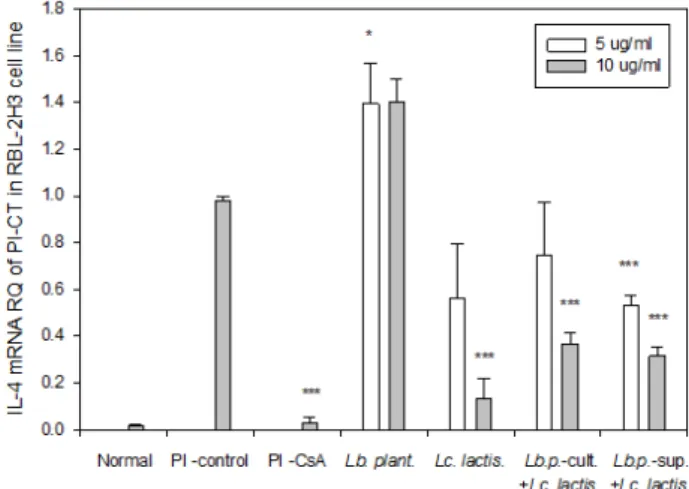
Fig. 4. Suppressive effects of Lc. lactis cultured with medium containing Lb. plantarum culture supernatants on IL-4 mRNA RQ of PI-CT in RBL-2H3 cell line. Abbreviations were the same as Fig. 1. RBL-2H3 cells were pretreated with 10 μg/ml cyclosporin A or 5 or 10 μg/ml lactic acid bacteria extract for 1 hr, and then stimulated with PMA-ionomycin for 6 hr. IL-4 mRNA expression was evaluated by real-time PCR. The amount of SYBR green was measured at the end of each cycle. The cycle num- ber at which the emission intensity of the sample rises above the baseline is referred as to the RQ (relative quantitative) and is proportional to the target concen- tration. Values are expressed as the mean±S.E. from two independent experiments (* p<0.05, ** p<0.01, *** p<0.001).

promotes the transcriptional activation of IL-13 gene in com- bination with the activation of STAT6 and NF-κB [33, 37].

To confirm the effect of lactic acid bacteria on the expression of GATA-1 and GATA-2 in mast cells, GATA-1 and GATA-2 proteins were measured by western blot analysis. The result showed that the expression of GATA-1 proteins was sup- pressed in the Lc. lactis group stimulated with PI after treat- ment with lactic acid bacteria (89.0%), and that the ex- pression of GATA-2 proteins was largely suppressed in the Lb. p-sup. + Lc. lactis group (66.5%). Therefore, lactic acid bacteria suppresses allergic inflammatory reactions by in- hibiting the expression of the transcription factors GATA-1 and GATA-2, which blocks the signal transduction mecha- nism of GATA (Fig. 3).

Inhibition of IL-4 cytokine production

Th2 cytokines are over-expressed in the acute skin lesions of atopic dermatitis. Th2 cytokines induce allergic reactions and also suppress innate immune reactions. In addition, IL-4 generated by the Th2 immune response inhibits recovery af- ter the damage of skin wall, the synthesis of ceramides, and the expression of peptide antibiotics. In addition, IL-4 has been reported to inhibit the expression of desmoglein 3, lor- icrin, and involucrin, thereby directly deteriorating the func- tion of the skin wall [1, 13, 21, 23]. Hypersensitive immunity is basically caused by the production of IgE in response to

allergens. IL-4 is essential to produce IgE in allergic reaction.

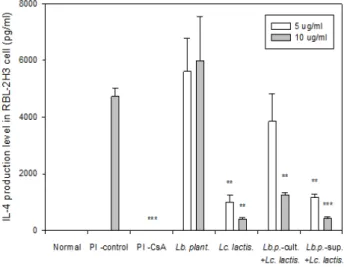
Because IL-4 is produced by T helper 2 cells, Th2 immune reactions play an important role in inducing hypersensitive immunity in response to exogenous antigens. IL-4 ex- pression is controlled through NF-κB and NF-AT tran- scription factors [46]. After RBL-2H3 cells were stimulated with PI after treatment with the lactic acid bacteria homoge- nate and CsA, their expression of IL-4 mRNA was measured by real-time RT-PCR. The expression of IL-4 mRNA was de- creased by 86.4% in the Lc. lactis 10 µg/ml group. As meas- ured by ELISA, IL-4 production was significantly reduced by 91.5% in the Lc. lactis 10 µg/ml group compared with the control group. Thus, the Lc. lactis may effectively inhibit allergic inflammatory reactions by down-regulating the pro- duction of IL-4 in mast cells. Similar results were shown in the Lc. lactis culture with medium containing Lb. plantarum supernatant (Fig. 4 and 5).

Inhibition of IL-13 cytokine production

IL-13 is correlated with the physiological changes induced

by allergic inflammation in many tissues. The mechanism

(6)

Fig. 5. Suppressive effects of Lc. lactis cultured with medium containing Lb. plantarum culture supernatants on IL-4 production level in RBL-2H3 cell. Abbreviations were the same as Fig. 1. RBL-2H3 cells were pretreated with 10 µg/ml cyclosporin A or 5 or 10 µg/ml lactic acid bac- teria extract for 1 hr, and then stimulated with PMA-ion- omycin for 24 hr. Values are expressed as the mean±S.E.

from two independent experiments (*p<0.05, ** p<0.01,

*** p<0.001).

Fig. 6. Suppressive effects of Lc. lactis cultured with medium containing Lb. plantarum culture supernatants on IL-13 mRNA RQ of PI-CT in RBL-2H3 cell line. Abbreviations were the same as Fig. 1. RBL-2H3 cells were pretreated with 10 µg/ml cyclosporin A or 5 or 10 µg/ml lactic acid bacteria extract for 1 hr, and then stimulated with PMA-ionomycin for 6 hr. IL-13 mRNA expression was analyzed by real-time PCR. The amount of SYBR green was measured at the end of each cycle. The cycle num- ber at which the emission intensity of the sample rises above the baseline is referred as to the RQ (relative quantitative) and is proportional to the target concen- tration. Values are expressed as the mean±S.E. from two independent experiments (*p<0.05, ** p<0.01, *** p<0.001).

Fig. 7. Suppressive effects of Lc. lactis cultured with medium containing Lb. plantarum culture supernatants on IL-13 production. Abbreviations were the same as Fig. 1.

RBL-2H3 cells were pretreated with 10 µg/ml cyclo- sporin A or 5 or 10 µg/ml lactic acid bacteria extract for 1 hr, and then stimulated with PMA-ionomycin for 24 hr. Values are expressed as means±S.E. from two in- dependent experiments (* p<0.05, ** p<0.01, *** p<0.001).

underlying the control of IL-13 expression in mast cells re- mains unclear, however, IL-13 expression is known to be controlled by many transcription factors including NF-AT and GATA [30]. NF-AT2 plays an important role in control- ling IL-13 transcription along with GATA. GATA-2 pro- motes IL-13 production in mast cells [22, 28]. IL-13 mRNA expression in RBL-2H3 cells treated with CsA and the homo- genate of lactic acid bacteria after stimulation with PI was analyzed by real-time PCR, which confirmed that IL-13 mRNA expression was significantly decreased by 64.8% in the Lb. p-sup. + Lc. lactis 10 µg/ml group. IL-13 protein pro- duction was significantly diminished by 94.9% in the Lb.

p-sup. + Lc. lactis 10 µg/ml group compared to the control group. Therefore, the Lc. lactis culture with medium contain- ing Lb. plantarum supernatant could effectively suppress al- lergic inflammatory reactions by significantly inhibiting the production of IL-13 in mast cells. Similar results were shown in the Lc. Lactis (Fig. 6 and 7).

Discussion

To alleviate allergy symptoms, the living environment could be improved or drugs may be used, but the effect is temporary or side effects may occur. Thus, there are no truly effective treatment methods yet. Recently, effective treat-

ment methods having few side effects and a high immune

effect have been studied. Clinical studies have found that

(7)

Table 2. Inhibitory effects of Lc. lactis cultured with medium containing Lb. plantarum culture supernatants in atopic diseases Atopy-related factors Experimental method Lb. plant. Lc. lactis Lb.p.-cult+Lc.lactis Lb.p.-sup.+Lc.lactis

NF-AT1 NF-AT2 NF-κB p65 GATA-1 GATA-2

Western blot

60.4 44.8 -13.1 50.2 -11.2

63.1 18.2 20.1 89.0 18.9

39.0 11.0 8.6 71.1 31.2

62.6 68.8 30.0 78.8 66.5 IL-4 mRNA

IL-13 mRNA Real-time PCR -43.4

-8.9

86.4 57.7

62.3 53.9

67.5 64.8 IL-4 cytokine

IL-13 cytokine ELISA -26.6

-16.6

91.5 92.8

73.8 75.8

90.8 94.9 Values are expressed as a percentage of the inhibition rate compared with the PI-control.

Inhibition(%) = (PI-contorl–sample)/PI-control ×100

Abbreviations: Lb. p-cult + Lc. lactis, Lc. lactis culture broth with a medium containing Lb. plantarum culture broth; Lb. p-sup. + Lc. lactis, Lc. lactis culture broth with a medium containing Lb. plantarum supernatants.

the effectiveness of therapies for immune disease such as atopic dermatitis could be improved through the ingestion of lactic acid bacteria, which protects from the outbreak of allergies [34, 39, 43]. It has reported that strain-specific aller- gies can be cured by eating fermentation products of lactic acid bacteria, such as Lactobacillus rhamnosus, Bifidobacterium lactis, Lactobacillus acidophillus, and Lactobacillus casei [40]. In addition, many studies reported that probiotics, and homo- genates of lactic acid bacteria are effective for preventing cancer [29], improving absorption of lactose and milk pro- teins [15], decreasing cholesterol [42], treating rheumatoid arthritis [5], and enhancing intestinal regulation [20].

Thus, in terms of the functionality of lactic acid bacteria, this study confirmed that antimicrobial and anti-allergic ac- tivity was increased by culturing the lactic acid bacteria in a medium containing the supernatant of lactic acid bacteria.

We concluded that lactic acid bacteria can effectively sup- press allergic inflammatory reactions by inhibiting activity and differentiation of mast cells and by selectively control- ling their relevant gene expressions. Based on the protein expression of transcription factors such as NF-AT, NF-κB p65, and GATA, and the expression of IL-4 and IL-13, it is suggested that the lactic acid bacteria homogenate inhibits allergic inflammatory reactions in the order of Lb. p-sup. + Lc. lactis group, Lc. lactis, Lb. p-cult. + Lc. lactis group, and Lb. plantarum by inhibiting the productions of IL-4 and IL-13 in activated mast cells. In particular, the expression of IL-4 and IL-13 mRNA is likely reduced through the blockade of GATA and NF-AT signal transduction, which is mediated by the inhibition of GATA-1, GATA-2, NF-AT1, and NF-AT2 NF-κB p65 transcription factors. This effect is similar to that

observed in antimicrobial activity (anti-S. aureus) in a pre- vious report [18]. Accordingly, it can be considered that when Lc. Lactis is cultured in a medium containing Lb. planta- rum supernatant, it could repress the activity and differ- entiation of mast cells by regulating related gene expression.

Table 2 shows a summary of anti-atopic effects of lactic acid bacteria based on the culture method in this study (lactic acid bacteria sample 10 µg/ml). In the future, we are going to evaluate the anti-atopic effect from this experiment in animal models.

Refernces

1. Albanesi, C., Fairchild, H. R., Madonna, S., Scarponi, C., De Pità, O., Leung, D. Y. and Howell, M. D. 2007. IL-4 and IL-13 negatively regulate TNF-alpha- and IFN-gamma-in- duced beta-defensin expression through STAT-6, suppressor of cytokine signaling (SOCS)-1, and SOCS-3. J. Immunol. 179, 984-992.

2. Alkalay, I., Yaron, A., Hatzubai, A., Orian, A., Ciechanover, A. and Ben-Neriah, Y. 1995. Stimulation-dependent I kappa B alpha phosphorylation marks the NF-κB inhibitor for deg- radation via the ubiquitin-proteasome pathway. Proc. Natl.

Acad. Sci. USA 92, 10599-10603.

3. Baeuerle, P. A. and Baltimore, D. 1988. IκB: a specific in- hibitor of the NF-κB transcription factor. Science 242, 540-546.

4. Baeuerle, P. A. and Baltimore, D. 1996. NF-κB: ten years after. Cell 87, 13-20.

5. Beaulieu, J., Girad, D., Dupont, C. and Lemieux, P. 2009.

Inhibition of neutrophil infiltration by a malleable protein matrix of lactic acid bacteria-fermented whey proteins in vivo. Inflamm. Res. 58, 133-138

6. Brockman, J. A., Scherer, D. C., McKinsey, T. A., Hall, S.

M., Qi X., Lee, W. Y. and Ballard, D. W. 1995. Coupling

(8)

of a signal response domain in I kappa B alpha to multiple pathways for NF-kappa B activation. Mol. Cell. Biol. 15, 2809-2818.

7. Burgos-Ramos, E., Canelles, S., Perianes, C. A., Arilla, F. E., Argente, J. and Barrios, V. 2012. Adipose tissue promotes a serum cytokine profile related to lower insulin sensitivity after chronic central leptin infusion. PLoS One 7, e46893.

8. Chen, Z. J., Parent, L. and Maniatis, T. 1996. Site-specific phosphorylation of IκBα by a novel ubiquitination-depend- ent protein kinase activity. Cell 84, 853-862.

9. Crabtree, G. R. 1999. Generic signals and specific outcomes:

signaling through Ca2+, calcineurin, and NF-AT. Cell 96, 611-614.

10. Finco, T. S. and Baldwin, A. S. 1995. Mechanistic aspects of NF-κB regulation: the emerging role of phosphorylation and proteolysis. Immunity 3, 263-272.

11. Granlund, H., Erkko, P., Sinisalo, M. and Reitamo, S. 1995.

Cyclosporin in atopic dermatitis: time to relapse and effect of intermittent therapy. Br. J. Dermatol. 132, 106-112.

12. Harigae, H., Takahashi, S., Suwabe, N., Ohtsu, H., Gu, L., Yang, Z., Tsai, F. Y., Kitamura, Y., Engel, J. D. and Yamamoto, M. 1998. Differential roles of GATA-1 and GATA-2 in growth and differentiation of mast cells. Genes Cells 3, 39-50.

13. Hatano, Y., Terashi, H., Arakawa, S. and Katagiri, K. 2005.

Interleukin-4 suppresses the enhancement of ceramide syn- thesis and cutaneous permeability barrier functions induced by tumor necrosis factor-alpha and interferon-gamma in hu- man epidermis. J. Invest. Dermatol. 124, 786-792.

14. Hayashi, A., Kimura, M., Nakamura, Y. and Yasui, H. 2009.

Anti-atopic dermatitis effects and the mechanism of lactic acid bacteria isolated from Mongolian fermented milk. J.

Dairy Res. 76, 158-164.

15. Heyman, M., Terpend, K. and Menard, S. 2005. Effects of specific lactic acid bacteria on the intestinal permeability to macromolecules and the inflammatory condition. Acta Paediatr. Suppl. 94, 34-36

16. Hirasawa, N., Sato, Y., Fujita, Y. and Ohuchi, K. 2000.

Involvement of a phosphatidylinositol 3-kinase-p38 mitogen activated protein kinase pathway in antigen-induced IL-4 production in mast cells. Biochem. Biophys. Acta. 1456, 45-55.

17. Hirasawa, R., Shimizu, R., Takahashi, S., Osawa, M., Takayanagi, S., Kato, Y., Onodera, M., Minegishi, N., Yama- moto, M., Fukao, K., Taniguchi, H., Nakauchi, H. and Iwama, A. 2002. Essential and instructive roles of GATA factors in eosinophil development. J. Exp. Med. 195, 1379- 1386.

18. Jo, Y. R. and Kang, S. M. 2012. Lactococcus lactis culture method for enhanced depression of inducer in atopic diseases. Kor. J. Microbiol. Biotechnol. 40, 310-318.

19. Kalliomäki, M., Salminen, S., Arvilommi, H., Kero, P., Koskinen, P. and Isolauri, E. 2001. Probiotics in primary pre- vention of atopic disease: a randomised placebo-controlled trial. Lancet 357, 1076-1079.

20. Khani, S., Hosseini, H. M., Taheri, M., Nourani, M. R. and Imani Fooladi, A. A. 2012. Probiotics as an alternative strat-

egy for prevention and treatment of human diseases: a review. Inflamm. Allergy Drug Targets 11, 79-89.

21. Kim, B. E., Leung, D. Y., Boguniewicz,M. and Howell, M.

D. 2008. Loricrin and involucrin expression is down-regu- lated by Th2 cytokines through STAT-6. Clin. Immunol. 126, 332-337.

22. Klein, M., Klein, H. S., Palmetshofer, A., Serfling, E., Tertilt, C., Bopp, T., Heib, V., Becker, M., Taube, C., Schild, H., Schmitt, E. and Stassen, M. 2006. Specific and redundant roles for NFAT transcription factors in the expression of mast cell-derived cytokines. J. Immunol. 177, 6667-6674.

23. Kurahashi, R., Hatano, Y. and Katagiri, K. 2008. IL-4 sup- presses the recovery of cutaneous permeability barrier func- tions in vivo. J. Invest. Dermatol. 128, 1329-1331.

24. Lee, H. Y., Kim, M. K., Park, K. S., Shin, E. H., Jo, S. H., Kim, S. D., Jo, E. J., Lee, Y. N., Lee, C., Baek, S. H. and Bae, Y. S. 2006. Serum amyloid A induces contrary immune responses via formyl peptide receptor-like 1 in human monocytes. Mol. Pharmacol. 70, 241-248.

25. Lee, J., Seto D. and Bielory, L. 2008. Meta-analysis of clinical trials of probiotics for prevention and treatment of pediatric atopic dermatitis. J. Allergy Clin. Immunol. 121, 116-121 26. Leung, D. Y. 1999. Pathogenesis of atopic dermatitis. J.

Allergy Clin. Immunol. 104, 99-108.

27. Leung, D. Y. and Soter, N. A. 2001. Cellular and immuno- logic mechanisms in atopic dermatitis. J. Am. Acad. Dermatol.

44, S1-S12.

28. Lewin, I., Nechushtan, H., Ke, Q. and Razin, E. 1993.

Regulation of AP-1 expression and activity in antigen- stimulated mast cells: the role played by protein kinase C and the possible involvement of Fos interacting protein.

Blood 82, 3745-3751.

29. Liong, M. T. 2008. Roles of probiotics and prebiotics in colon cancer prevention: postulated mechanisms and in-vivo evidence. Int. J. Mol. Sci. 9, 854-863.

30. Masuda, A., Yoshikai, Y., Kume, H. and Matsuguchi, T.

2004. The interaction between GATA proteins and activator protein-1 promotes the transcription of IL-13 in mast cells.

J. Immunol. 173, 5564-5573.

31. Matsubara, M., Masaki, S., Ohmori, K., Karasawa, A. and Hasegawa, K. 2004. Differential regulation of IL-4 ex- pression and degranulation by anti-allergic olopatadine in rat basophilic leukemia (RBL_2H3) cells. Biochem. Pharmacol.

67, 1315-1326.

32. McNagny, K. and Graf, T. 2002. Making eosinophils through subtle shifts in transcription factor expression. J. Exp. Med.

195, 43-47.

33. Min, Y. D., Choi, C. H., Bark, H., Son, H. Y., Park, H. H., Lee, S., Park, J. W., Park, E. K., Shin, H. I. and Kim, S. H.

2007. Quercetin inhibits expression of inflammatory cyto- kines through attenuation of NF-kappaB and p38 MAPK in HMC-1 human mast cell line. Inflamm. Res. 56, 210-215.

34. Moroi, M., Uchi, S., Nakamura, K., Sata, S., Shimizu, N.,

Fujji, M., Kumagai, T., Saito, M., Uchiyama, K., Watanabe,

T., Yamaguchi, H., Yamamoto, T., Takeuchi, S. and Furue,

M. 2011. Beneficial effect of a diet containing heat-killed

(9)

초록:이중배양법에 따른 Lactococcus lactis 의 아토피 유발인자 억제 효과 증대

조유란

1

․강상모

1

․김현표

2

*

(

1

건국대학교 공과대학 생물공학과,

2

중원대학교 이공대학 의생명과학과)

유산균이 활성화된 비만세포에서 발현하는 IL-4와 IL-13을 조절할 수 있는지를 분석하였고, GATA-1, GATA-2, NF-AT1, NF-AT2, NF-κB p65 전사인자의 활성을 억제하는지를 실험적으로 규명하였다. 이전 연구에서 T cell에서 CD4+/CD25+/foxp3+ 증가를 실험하여 항아토피 기능성이 있는 유산균을 탐색하였고, Staphylococcus aureus에 대 한 항균력을 증가시키는 유산균의 이중배양법을 확인하였다. 여기서는 RBL-2H3 비만세포를 이용하여 이 배양법 으로 배양한 유산균이 아토피 피부염의 원인이 되는 allergy 염증반응에서 얼마나 억제능을 갖는지 알아보았다.

그 결과 Lc. lactis culture with medium containing Lb. plantarum supernatants > Lc. lactis > Lc. lactis culture broth with medium containing Lb. plantarum culture broth > Lb. plantarum의 순으로 나타났다. 이 cell 수준(level of mast cells)에서의 순서는 이전 연구의 level of microorganisms (anti-S. aureus)에서의 아토피 유발인자 억제능 순서와 같다. 따라서 세포수준에서도 Lb. plantarum 배양상층액을 첨가한 배지에 Lc. lactis 배양한 경우가 활성화된 비만세포의 allergy 반응으로의 분화 및 활성을 가장 잘 억제하고 관련 유전자 발현을 선택적으로 조절하는 an- ti-allergy 효과를 나타낸다고 사료된다.

Lactobacillus paracasei K71 on adult type atopic dermatitis.

J. Dermatol. 38, 131-139

35. Nerlov, C. and Graf, T. 1998. PU.1 induces myeloid lineage commitment in multipotent hematopoietic progenitors.

Genes Dev. 12, 2403-2412.

36. Ooi, L. G. and Liong, M. T. 2010. Cholesterol-lowering ef- fects of probiotics and prebiotkcs: A revkew of in vivo and in vitro findings. Int. J. Mol. Sci. 11, 2499-2522

37. Reber, L., Vermeulen, L., Haegeman, G. and Frossard, N.

2009. Ser276 Phosphorylation of NF-kB p65 by MSK1 Controls SCF Expression in Inflammation. PLoS ONE 4, e4393.

38. Salek, M. S., Finlay, A. Y., Luscombe, D. K., Allen, B. R., Berth-Jones, J., Camp, R. D., Graham-Brown, R. A., Khan, G. K., Marks, R. and Motley, R. J. 1993. Cyclosporin greatly improves the quality of life of adults with severe atopic dermatitis. A randomized, double-blind, placebo-controlled trial. Br. J. Dermatol. 129, 422-430.

39. Shah, M. M., Miyamoto, Y., Yamada, Y., Yamashita, H., Tanaka, H., Ezaki, T., Nagai, H. and Inagaki, N. 2010. Orally supplemented lactobacillus acidophilus strain L-92 inhibits passive and active cutaneous anaphylaxis as well as 2,4-dinitroflurobenzene and mite fecal antigen induced atopic dermatitis-like skin lesions in mice. Microbiol.

Immunol. 54, 523-533.

40. Sistek, D., Kelly, R., Wickens, K., Stanley, T., Fitzharris, P.

and Crane, J. 2006. Is the effect of probiotics on atopic dermatitis confined to food sensitized children? Clin. Exp.

Allergy 36, 629-633.

41. Sohn, E. H., Jang, S. A., Joo, H., Park, S., Kang, S. C., Lee, C. H. and Kim, S. Y. 2011 Anti-allergic and anti-in- flammatory effects of butanol extract from Arctium Lappa L. Clin. Mol. Allergy 9, 4.

42. Thanos, D. and Maniatis, T. 1995. NF-kappa B: a lesson in family values. Cell 80, 529-532.

43. Watanabe, T., Hamada, K., Tategaki, A., Kishida, H., Kitano, M. and Miyamoto, T. 2009. Oral administration of lactic acid bacteria isolated from traditional south Asian fer- mented milk ‘dahi’ inhibits the development of atopic der- matitis in NC/Nga mice. J. Nutr. Sci. Vitaminol. (Tokyo) 55, 271-278

44. Weiss, D. L., Hural, J., Tara, D., Timmerman, L. A., Henkel, G. and Brown, M. A. 1996. Nuclear factor of activated T cells is associated with a mast cell interleukin 4 transcription complex. Mol. Cell Biol. 16, 228-235.

45. Winter, G. and Harris, W. J. 1993. Humanized antibodies.

Immunol. Today 14, 243-246.

46. Wu, Z., Turner, D. R. and Oliveira, D. B. 2001. IL-4 gene

expression up-regulated by mercury in rat mast cells: a role

of oxidant stress in IL-4 transcription. Int. Immunol. 13,

297-304.

수치

Table  1.  Primer  sequences  for  real-time  PCR  analysis
Fig.  1.  Effect  of  Lc.  lactis  cultured  with  medium  containing  Lb.
Fig.  3.  Effect  of  Lc.  lactis  cultured  with  medium  containing  Lb.
Fig.  6.  Suppressive  effects  of  Lc.  lactis  cultured  with  medium  containing  Lb
+2

참조

관련 문서

Changes of lactic acid bacteria numbers and photodiode during fermentation mode and storage mode in S kimchi · · ·40..

- A novel lactic acid bacterium for the production of high purity l-lactic acid, Lactobacillus paracasei subspL. helveticus - Production of Lactic Acid from Water Hyacinth

During culture, culture aliquots were withdrawn to monitor bacterial growth and to meas- ure β -galactosidase activity, and culture supernatants and

In this paper, we proposed a method of trend analysis using text mining and discussed the proposed method in each step such as construction of the topic tables, results of

Given these quantities, Gordon method implies that the cost of capital of a firm increases with its growth rate.. The second method is based on

The index is calculated with the latest 5-year auction data of 400 selected Classic, Modern, and Contemporary Chinese painting artists from major auction houses..

1 John Owen, Justification by Faith Alone, in The Works of John Owen, ed. John Bolt, trans. Scott Clark, &#34;Do This and Live: Christ's Active Obedience as the

Frame: a single word written around the circumference of a square, in the fashion of a 'Perfect' Double Acrostic.. I have also discovered that some of the Abramelin