Evaluation of Sprouted Barley as a Nutritive Feed Additive for Protaetia brevitarsis and Its Antibacterial Action against Serratia marcescens
Song Myung Ha
1,Nang-Hee Kim
2,Kwan-Ho Park
3, Eunsun Kim
3and Yongsoon Kim
3*
1Environmental Health Research Department, National Institue of Environmental Research, Incheon 22689, Korea
2Invasive Alien Species Research Team, National Institute of Ecology, Seocheon, Chungcheongnam-do 33657, Korea
3Industrial Insect Division, National Institute of Agricultural Sciences, Rural Development Association, Wanju, Jeollabuk-do 55365, Korea
Received April 15, 2021 /Revised May 18, 2021 /Accepted May 20, 2021
Interest in edible insects such as Protaetia brevitarsis has increased rapidly, and several insect producers use these insects in industrialized mass production. However, mass rearing of insects can cause insect diseases. Sprouted barley is a valuable source of nutrients and has antioxidant, antimicrobial, anti-in- flammatory, and anti-cancer effects. This study was conducted to investigate the effect of sprouted barley as a feed additive for producing healthy P. brevitarsis larvae. P. brevitarsis larvae were fed feeds with or without sprouted barley, and their body weight and larval period wewe checked weekly. To confirm the antibacterial effects of sprouted barley, in vitro bioassays were performed by counting Serratia marcescens colonies, and in vivo bioassays were performed by determining the survival rate and body weights of the S. marcescens-infected larvae. Larvae fed different feeds were analyzed for their nutrient compositions (i.e., such as proximate composition, minerals, amino acids, and heavy metals). Larvae fed 5% and 10% sprouted barley had maximum weight increases of 19.2% and 23.1%, respectively. Both treatment groups had significantly shorter larval periods than those of the control group. Sprouted barley markedly inhibited the growth of entomopathogenic S. marcescens. Further- more, larvae fed sprouted barley exhibited higher Cu, Zn, and K levels. Seventeen amino acids were present in larvae fed sprouted barley, of which, tyrosine and glutamic acid were predominant. No heavy metals were detected in any of the investigated groups. Therefore, sprouted barley may be a suitable feed additive for producing high-quality P. brevitarsis larvae.
Key words : Edible insect, growth, Protaetia brevitarsis, Serratia marcescens, spouted barley
*Corresponding author
*Tel : +82-63-238-2992, Fax : +82-63-238-3833 E-mail : [email protected]
This is an Open-Access article distributed under the terms of the Creative Commons Attribution Non-Commercial License (http://creativecommons.org/licenses/by-nc/3.0) which permits unrestricted non-commercial use, distribution, and reproduction in any medium, provided the original work is properly cited.
Journal of Life Science 2021 Vol. 31. No. 5. 475~480 DOI : https://doi.org/10.5352/JLS.2021.31.5.475
Introduction
The white-spotted flower chafer, Protaetia brevitarsis (Coleop- tera; Scarabaeidae), is used as a traditional medicine for treating diseases such as hepatic cancer, breast cancer, in- flammatory disease, liver cirrhosis, and hepatitis [20]. In 2016, the Ministry of Food and Drug Safety of Korea regis- tered P. brevitarsis larvae as a general food ingredient. Owing to increased interest, producers have launched businesses for mass production of these larvae for food and feed; how- ever, this has led to the emergence of several bacterial, viral, and fungal diseases among these insects. Insect diseases can be lethal and cause serious economic damage to farms rear- ing the insects [8, 33]. Thus, these insect diseases must be
prevented and controlled.
Serratia marcescens is an opportunistic gram-negative bac- terium in the Enterobacteriaceae family. S. marcescens was originally thought to be a non-pathogenic saprophytic water organism that formed red colonies [13]. Animal and insect infections caused by S. marcescens have been increasingly re- ported since 1960 [7, 11]. Importantly, S. marcescens was shown to be lethal to insects [15, 23, 32]; thus, production of consistently safe and high-quality insects is necessary.
Sprouted grain has been suggested as a method of pro-
ducing fresh forage grains with little water. Sprouted barley
([SB], Hordeum vulgare L.) is a young barley leaf grown to
approximately 20 cm and harvested at 10-15 days after
sowing. Barley is one of the most important crops world-
wide and is the second most consumed grain after rice in
Korea [17]. Several reports have shown that SB is a valuable
source of nutrients, such as amino acids, minerals, vitamins,
dietary fiber, and other bioactive substances such as super-
oxide dismutase, catalase, carotenoids, and chlorophyll [5,
25]. Several researchers have investigated feeding sprouted
grain to cattle, pigs, and poultry with a sustainable product
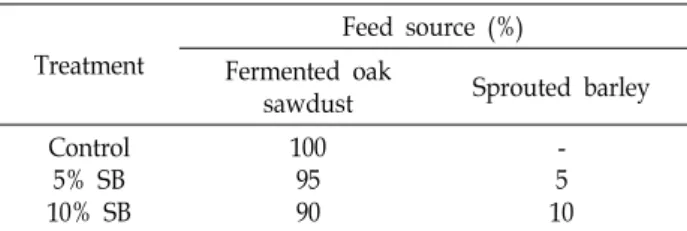
Table 1. Formulation of experimental feed concentrate composi- tion (%)
Treatment
Feed source (%) Fermented oak
sawdust Sprouted barley
Control 5% SB 10% SB
100 95 90
- 5 10
quality [1, 12, 16, 22, 31]. These studies revealed an increased performance in both lambs and cattle fed barley grain.
Additionally, the barley fodder helped reduce operating costs and improve product quality. However, SB is rarely used as a feed supplement in insect farming. Therefore, the present study was designed to evaluate the effects of SB as an insect feed supplement using 5% and 10% w/w of feed.
Materials and Methods
Insects
P. brevitarsis eggs were purchased from a private seller (Wanju-gun, Jeollabuk-do, Korea). After hatching, the larvae were reared in a laboratory regulated at 26±1℃ and 40%~
60% relative humidity. The larvae were individually reared and checked once weekly to measure their body weight and larval period. Twenty larvae were tested per group, and each treatment was repeated three times.
Feed with different SB contents
To test the effects of SB on P. brevitarsis larval growth, different amounts of SB were mixed with oak sawdust and fermented for at least 1 month (Table 1). The Korea Feed Ingredients Association recommended that the content of feed additives be added to less than 15% of the total feed.
In this study, SB was added at the levels of 5% and 10%
as an additive for insect feeds. SB was kindly provided by the National Institute of Crop Science.
S. marcescens and colony counting
The bacterial strain S. marcescens (Korean Agricultural Culture Collection [KACC] No. 10502) was obtained from the KACC (Wanju-gun, Jeollabuk-do, Korea). The strains were incubated on nutrient agar medium (Becton, Dickinson and Co., Inc., Franklin Lakes, NJ, USA). For the antibacterial assays, S. marcescens cultures treated with 1%, 5%, and 10%
SB were incubated on an orbital shaker at 200 rpm and seri- ally diluted to 10-fold. Ten microliters of the 3-fold dilution
was spread on nutrient agar. The plates were incubated overnight at 30℃ in the dark. The colony-forming numbers were determined, and the bacterial concentration in each original sample was calculated. The tests were performed in triplicate. Each data point was composed of the average of three independent samples.
S. marcescens infection of Protaetia brevitarsis Bioassays were performed by injecting healthy third-in- star P. brevitarsis larvae with 10 μl of bacterial suspension containing 10
5bacteria per larva, directly into the hemocoel.
The negative- and positive-control larvae were injected with 10 μl of nutrient broth and bacterial suspension, respectively, and fed control feed. Survival rates and larval weights were checked weekly. Each treatment included ten larvae and was repeated four times.
Proximate analysis
Proximate analysis was performed according to the stand- ard methods of the Association of Official Analytical Chemists [2] for determining moisture, crude fiber, protein, and fat content in the samples. The proximate values were reported as percentages. Moisture contents of the samples were determined by oven-drying at 105℃ to a constant weight. The Kjeldahl method was used to determine the pro- tein content with a conversion factor of 6.25. Crude fat was extracted with hexane via the Soxhlet method. Crude fiber content was determined via the digestion method, and the ash content was estimated by ashing at 550℃ for 3 hr.
Mineral, amino acid, and heavy metal compositions The mineral elements in the P. brevitarsis larvae, i.e., cop- per, zinc, potassium, magnesium, and phosphorus were de- termined using an atomic absorption spectrophotometer as per the AOAC methods. The mineral values were reported in milligrams per kilogram (mg/kg). Amino acids were de- termined using an automated Amino Acid Analyzer (Beck- man 6300, Brea, CA, USA). The amino acid compositions were expressed as percentage. Heavy metals were deter- mined using an atomic absorption spectrophotometer as per the AOAC methods. The results were expressed as mg/kg dry weight.
Statistical analysis
Values from each experiment are expressed as the mean
± standard deviation (SD) and compared with the controls.
Table 2. Growth parameters of P. brevitarsis after feeding feeds treated with different concentrations of sprouted barley
Feed
Mean ± SD Maximum larval
weight (g)
Percentage weight gain (%)
Time to reach maximum
weight (days) Survival rate (%) Pupation rate (%) Control
5% SB 10% SB
2.90±0.34a 3.45±0.12b 3.56±0.14c
119.17 123.07
82.21±21.2a 35.73±4.92b 33.67±2.31b
90.00±11.55a 95.00±10.00a 90.00±8.16a
87.50±14.43a 95.00±10.00a 90.00±8.16a Columns with different letters differed significantly. Means followed by the same letters within a column do not significantly differ (p>0.05); based on Tukey’s multiple comparisons test.
Table 3. Larval periods for each P. brevitarsis instar treated with three formulations
Feed Larval period (days, mean ± SD) 1st instar 2nd instar 3rd instar Control
5% SB 10% SB
15.53±2.58a 10.13±1.89b 10.80±2.04b
16.47±2.59a 13.75±1.65b 12.60±2.80b
92.87±5.53a 23.13±3.05b 21.60±9.53b
Comparisons between means were performed using one-
way analysis of variance, followed by Tukey’s multiple com- parisons test. The significance level was set at p<0.05.
Results and Discussion
Growth performance of larvae fed SB-added feed Table 2 shows the effect of SB as a feed additive on P.
brevitarsis larval growth. Maximum larval weights of the 5%
and 10% SB-fed groups were 3.45 g and 3.56 g, respectively.
The 5% and 10% SB-fed groups reached their maximum weights markedly earlier than did the control group. Maxim- um larval weights (p<0.001) and the days at which the max- imum larval weight (p<0.001) differed significantly. For com- mercial use in animal feed and human food, each third-in- star larva should weigh >2.0 g. Thus, insects fed SB were more efficient and cost-effective to produce. Feeds contain- ing 5% and 10% SB yielded larvae that could be used in feed and food at 6 and 5 weeks of feeding, respectively. SB improved the larval growth and weight gain compared with those of the control larvae. Thus, using SB could reduce rear- ing costs and labor supplies for insect farms.
At the end of the trial, the average survival rate for all three groups was >90% (Table 2). The pupation rates of lar- vae fed both 5% and 10% SB were higher than that of the control (Table 2); all larvae fed SB pupated 9 or 10 weeks after hatching. In the control group, pupation was delayed by 17 weeks. Survival and pupation rates did not sig- nificantly differ among the groups.
The improvements in P. brevitarsis growth performance after SB treatment were attributed to the nutrients in the SB. Researchers have reported that SB can be used to en- hance growth performance in lambs [1, 12]. Additionally, feeding SB to growing goats increased nutrient digestibility, body weight gain and feed conversion efficiency [16]. The improved performance of SB-supplemented livestock could
be due to the ability of the supplements to supply necessary nutrients. The higher performance of P. brevitarsis in the present study was consistent with these studies, although differences existed among the species. SB is a rich source of nutrients and contains enzymes that promote growth per- formance [25, 34].
Table 3 showed the larval periods for each P. brevitarsis larval instar. Larvae fed 5% and 10% SB had shorter larval periods than did the control larvae at each stage. Interestingly, the average larval periods of the third instar larvae fed 5%
and 10% SB were 75.1% and 76.7% shorter, respectively, than those of the control. Therefore, larvae fed SB grew faster, and nutrients in the SB contributed to this growth. Thus, SB could be used as a nutritive additive for P. brevitarsis to promote larval growth and reduce the labor and costs to rear the larvae.
Growth-inhibitory effect of SB against entomoph- agous S. marcescens
To evaluate the in vitro antibacterial activity of SB, bio- assays were performed by counting colonies on nutrient agar plates. Significantly fewer S. marcescens colonies grew in 5% and 10% SB agar than in the control agar (p<0.01;
Fig. 1), possibly because of the antibacterial effect of polico-
sanol in the SB. Policosanol is a natural mixture of higher
aliphatic primary alcohols (C24-C36). Many studies have re-
ported that policosanols substantially inhibit bacterial
growth [28-30].
0 500 1,000 1,500 2,000 2,500
Control 1% SB 5% SB 10% SB
CFU, 103cells ml-1
a
a
b b
Fig. 1. Effect of sprouted barley on the antibacterial activity against S. marcescens. Columns with different letters dif- fered significantly (p<0.01). Error bars represent the standard deviation of the mean (n=3).
Table 4. Survival rates and body weights of S. marcescens-infected P. brevitarsis larvae fed different feeds
Feed Survival rate (%) Larval body weight (g)
Larval body weight gain
Start of trial End of trial g/larva %
(-) Control (+) Control 5% SB 10% SB
95.0±5.0a 51.7±12.6c 85.0±5.0ab 75.0±15.0a
1.52±0.04 1.51±0.08 1.46±0.12 1.54±0.04
2.39±0.07 2.33±0.37 2.43±0.19 2.68±0.17
0.87±0.04 0.82±0.34 0.98±0.20 1.14±0.20
57.1±1.8 54.1±21.7 67.7±16.5 74.8±14.3
S. marcescens inhabits soil and exhibits entomopathogenic
characteristics [15, 23, 32]. In Korea, S. marcescens is the most common bacterium to cause bacterial diseases in P. brevi- tarsis on domestic insect farms. To confirm the in vivo anti- bacterial activity of SB, S. marcescens was injected into the hemocoels of third-instar P. brevitarsis larvae fed feeds sup- plemented with or without SB (Table 4). Approximately 50%
of the positive-control larvae, which were infected with S.
marcescens and fed control feed, died 4 weeks postin- oculation, revealing that inoculation of entomopathogenic S.
marcescens could kill P. brevitarsis larvae. S. marcescens may secrete toxins and damage the larvae during the inoculation period. Despite the bacterial infection, larvae fed SB ex- hibited a survival rate of >70%. Components in the SB seemed to confer the nutrition and immunity required for the infected larvae to survive. Weight gained by the larvae fed control feed was 54%-57%. The final body weights of the infected larvae fed 5% and 10% SB increased by 68%
and 75%, respectively. Arabinoxylan polysaccharides and γ -aminobutyric acid (GABA) in the SB causes the im- munomodulatory activity [17, 18]. Immunomodulatory com- pounds can interact with the immune system and enhance specific host response mechanisms [9, 18, 34]. Thus, the im- mune enhancement associated with these functional in-
gredients might occur in infected larvae fed SB. Further studies on the mechanisms of immunomodulatory mole- cules would help determine their functional roles or involve- ment in insect immune responses.
Nutrient composition of P. brevitarsis with different feeds
The Korean Ministry of Food and Drug Safety registered P. brevitarsis larvae as a general food ingredient in 2016. To guarantee the safety of their use in foods and feeds, we ana- lyzed larval nutrient compositions in different feeds. Table 5 presented the proximate larvla compositions. Crude pro- tein contents in the 5% and 10% SB (59.29% and 55.03%) were significantly higher than those in the control feed (43.68%; 5% SB, p<0.01; 10% SB, p<0.05). Crude protein in meat is ~22% and varies according to source (e.g., beef and pork) [26]. Edible insects are considered a good protein source [4, 6]. Larvae fed SB-added feeds had much higher protein concentrations than did other meats. Crude fat was high in the larvae fed 5% SB (3.49%) and 10% SB (3.03%).
Crude fiber percentages differed significantly at 5.13% in the control larvae and 6.83% in the larvae fed 10% SB (p<0.001).
Therefore, SB might be a nutritional feed source for P.
brevitarsis.
Table 5 showed the mineral compositions. Larvae fed SB had higher copper levels than did the controls. Zinc and potassium levels varied significantly (p<0.001) in larvae fed 5% and 10% SB compared with those of the controls.
Animals need copper for growth and nerve fiber health [14, 27]. Zinc is essential for animal nutrition and physiology [14, 24]. Potassium is a major mineral in intracellular fluid and is important for body health and cellular functions in hu- mans and animals [21]. The high levels of copper, zinc, and potassium in the 5% and 10% SB may enhance P. brevitarsis larval growth.
Table 6 showed the larval amino acid profiles. The highest
essential amino acid concentrations were for tyrosine at
1.48% (5% SB) and 1.66% (10% SB). The lowest were for me-
thionine (0.27% for 5% SB; 0.28% for 10% SB); however, the
larvae fed SB-added feeds showed higher methionine con- tents than those of the controls. Methionine is important for animal growth [10]. For non-essential amino acids, the high- est concentrations were for glutamic acid at 1.71% (5% SB) and 1.79% (10% SB). Cysteine had the lowest concentrations (0.22% for both 5% and 10% SB), but the rate of increase in its contents in both groups was the highest of all amino acids compared with those of the controls. Cysteine can be synthesized from methionine, and increased cysteine con- tents were likely due to the increased methionine contents.
Adding SB would improve the nutritional value of the larvae as food and feed sources, because these amino acids can sup- port larval growth performance.
However, as the use of insects as food sources has in- creased, concerns have been raised regarding food in- securities such as chemical hazards. Heavy metals can pose serious health hazards to humans and contribute to mortal- ity. No heavy metals, such as arsenic, cadmium, or lead, were detected in any tested samples (Table 5), thus indicat- ing that larvae fed SB are safe and immediately available as food and feed sources.
Acknowledgment
This study was supported by a grant from the National Institute of Agricultural Sciences, Rural Development Admi- nistration, Korea (Project No.: PJ014215012021).
The Conflict of Interest Statement
The authors declare that they have no conflicts of interest with the contents of this article.
References
1. Al-Saadi, M. J. and Al-Zubiadi, I. A. H. 2017. Effects of sub- stitution barley by 10%, 30% of sprouted barley on rumen characters, digestibility and feed efficiency in diet of Awassi male lambs. Intl. J. Sci. Res. 5, 2228-2233.
2. AOAC. 2016. Official Methods of Analysis of the AOAC International. 18th ed. AOAC International, Rockville, MD, USA.
3. Ata, M. 2016. Effect of hydroponic barley fodder on Awassi Lambs performance. J. Biol. Agric. Healthcare 6, 2224-3208.
4. Bednářová, M., Borkovcová, M., Mlček, J., Rop, O. and Zeman, L. 2013. Edible insects–Species suitable for en- tomophagy under condition of Czech Republic. Acta. Univ.
Agric. et Silvic Mendelianae Brun. 61, 587-593.
5. Brezinová Belcredi, N., Ehrenbergerová, J., Fiedlerová, V.,
Bĕláková, S. and Vaculová, K. 2010. Antioxidant vitamins in barley green biomass. J. Agric. Food Chem. 58, 11755-11761.
6. Bukkens, S. G. F. 1997. The nutritional value of edible insects. Ecol. Food Nutr. 36, 287-319.
7. Dodson, W. H. 1968. Serratia marcescens septicaemia. Arch.
Intern. Med. 121, 145-150.
8. Eilenberg, J., Vlak, J. M., Nielsen-LeRoux, C., Cappellozza, S. and Jensen, A. B. 2015. Diseases in insects produced for food and feed. JIFF 1, 87-102.
9. Ferreira, S. S., Passos, C. P., Madureira, P., Vilanova, M. and Coimbra, M. A. 2015. Structure-function relationships of im- munostimulatory polysaccharides: a review. Carbohydr. Polym.
135, 378-396.
10. Gill, C. 2003. Pig and poultry:Value-added ingredients or more amino acids? Feed Int. 24, 27-29.
11. Haddy, R., Mann, B., Nadkarni, D., Cruz, R., Elshoff, D., Buendia, F., Domers, T. and Oberhen, A. 1996. Nosocomial infection in the community hospital: Severe infection due to Serratia species. J. Fam. Pract. 2, 273-277.
12. Hegab, K. K. and Mahmoud, A. E. M. 2019. Effect of sprout- ed green fodder on growing lamb's performance. Egyptian J. Nutr. Feeds 22, 265-227.
13. Hejazi, A. and Falkiner, F. R. 1997. Serratia marcescens. J.
Med. Microbiol. 46, 903-912.
14. Hill, G. M. and Shannon, M. C. 2019. Copper and zinc nutri- tional issues for agricultural animal production. Bio. Trace.
Elem. Res. 188, 148-159.
15. Ishii, K., Adachi, T., Hara, T., Hamamoto, H. and Sekimizu, K. 2014. Identification of a Serratia marcescens virulence fac- tor that promotes hemolymph bleeding in the silkworm, Bombyx mori. J. Invert. Pathol. 117, 61-67.
16. Kide, W., Desai, B. and Dhekale, J. 2015. Feeding effects of maize and barley hydroponic fodder on dry matter intake, nutrient digestibility and body weight gain of Konkan Kanyal goats. J. Agric. Vet. Sci. 2, 96-101.
17. Kim, D. C., Kim, D. W., Lee, S. D. and In, M. J. 2006. Prepar- ation of barley leaf powder tea and its quality characteristics.
J. Kor. Soc. Food Sci. Nutr. 35, 734-737.
18. Kim, H., Hong, H. D. and Shin, K. S. 2017. Structure elucida- tion of an immunostimulatory arabinoxylan-type polysac- charide prepared from young barley leaves (Hordeum vul- gare L.). Carbohydr. Polym. 157, 282-293.
19. Kim, H., Kwak, B. S., Hong, H. D., Suh, H. J. and Shin, K. S. 2016. Structural features of immunostimulatory poly- saccharide purified from pectinase hydrolysate of barley leaf. Int. J. Biol. Macromol. 87, 308-316.
20. Lee, J., Hwang, I. H., Kim, J. H., Kim, M. A., Hwang, J.
S., Kim, Y. H. and Na, M. 2017. Quinoxaline-, dopamine-, and amino acid-derived metabolites from the edible insect Protaetia brevitarsis seulensis. Arch. Pharm. Res. 40, 1064-1070.
21. Miller, H. G. 1926. Potassium in animal nutrition. IV Potas- sium requirements for normal growth and maintenance. J.
Biol. Chem. 70, 587-591.
22. Naik, P. K., Dhuri, R. B., Karunakaran, M. K., Swain, B.
K. and Singh, N. P. 2014. Effect of feeding hydroponics maize fodder on digestibility of nutrients and milk pro-
초록:흰점박이꽃무지 사료첨가제로서 새싹보리의 곤충병원성 세균에 대한 항균 효과에 관한 연구
송명하
1․김낭희
2․박관호
3․김은선
3․김용순
3*
(1국립환경과학원 환경건강연구부, 2국립생태원 외래생물연구팀, 3농촌진흥청 국립농업과학원 곤충산업과)
국내에서 2016년 흰점박이꽃무지 등 일부 곤충이 식품원료로 등록되면서 곤충사육 농가가 폭발적으로 증가하 고 있다. 하지만 곤충사육 농가가 보유하고 있는 사육기술, 병해충 관리기술이 농가별로 차이가 있고, 대량으로 곤충을 사육하면서 높은 사육밀도, 병충해 감염 등으로 인해 곤충이 대량 폐사하게 됨으로써 곤충사육 농가에 심각한 경제적 손실을 입고 있다. 이에 본 연구에서는 다양한 영양성분을 함유할 뿐만 아니라 항균, 항염증 등의 효과를 가진 새싹보리를 흰점박이꽃무지 유충의 주 먹이원인 발효톱밥에 첨가하여 주 먹이원 첨가제로써 적용 가능성 및 곤충병원성 세균에 대한 항균 효과를 확인하고자 하였다. 흰점박이꽃무지 유충의 주 먹이원에 5%와 10% 새싹보리를 첨가했을 때 유충의 증체율이 19.2%와 23.1%로 높았고, 사육 기간이 대조군 대비 단축된 것으로 조사되었다. 또한 새싹보리는 곤충병원성 세균 Serratia marcescens의 성장을 저해하고, 세균에 감염된 흰점박이꽃 무지 유충의 생존율과 증체율이 건강한 유충의 수준으로 회복되는 경향을 보였다. 뿐만 아니라 새싹보리를 첨가 한 먹이원으로 사육한 유충의 영양성분 분석 결과, 조단백질, 조지방, 구리, 아연, 칼륨 등 미네랄 및 아미노산 함 량이 대조군보다 높게 나타났다. 결론적으로 흰점박이꽃무지 유충의 주 먹이원에 새싹보리를 첨가한다면 단기간 에 대량생산이 가능하고, 곤충병원성 세균 감염에 의한 폐사를 효율적으로 예방할 수 있어 안정적인 곤충 생산이 가능할 것으로 판단된다.
duction in lactating cows. Indian J. Anim. Sci. 84, 880-883.
23. Nunez-Valdez, M. E., Calderón, M. A., Aranda, E., Herna´
ndez, L., Ramı´rez-Gama, R. M., Lina, L., Rodríguez-Segura, Z., Gutiérrez Mdel, C. and Villalobos, F. J. 2007. Identifica- tion of a putative Mexican strain of Serratia entomophila pathogenic against root-damaging larvae of Scarabaeidae (Coleoptera). Appl. Environ. Microbiol. 74, 802-810.
24. Ohio EPA. 2002. Pollution Prevention Opportunities for PBT Chemicals: Zinc and Zinc Compounds. Office of Pollution Prevention 98. Columbus, Ohio, USA. Available: http://
www.epa.ohio.gov (accessed on 27 January 2010).
25. Paulickova, I., Ehrenbergerová, J., Fiedlerova, V., Gabrovská, D., Havlová, P., Holasová, M., Kopáček, J., Ouhrabková, J., Pinkrová, J., Rysová, J., Vaculová, K. and Winterová, R. 2007.
Evaluation of barley grass as a potential source of some nu- tritional substances. Czech. J. Food Sci. 25, 65-72.
26. Pereira, P. M. and Vicente, A. F. 2013. Meat nutritional com- position and nutritive role in the human diet. Meat Sci. 93, 586-592.
27. Scheiber, I., Dringen, R. and Mercer, J. F. 2013. Copper:
Effects of deficiency and overload. Met. Ions. Life Sci. 13, 359-387.
28. Sengupta, S., Nandi, I., Bhattacharyya, D. K. and Ghosh, M. 2018. Anti-oxidant and anti-bacterial properties of 1-octa- cosanol isolated from rice bran wax. J. Plant Biochem. Physiol.
6, 1-8.
29. Tanaka, Y., Jukuda, S., Kikuzaki, H. and Nakatani, N. 2002.
Antibacterial activity of aliphatic long-chain compounds against upper-airway respiratory tract bacteria. ITE Lett.
Batter. New. Technol. Med. 1, 777-780.
30. Togashi, N., Shiraishi, A., Nishizaka, M., Matsuoka, K., Endo, K., Hamasima, H. and Inoue, Y. 2007. Antibacterial activity of long-chain fatty alcohols against Staphyococcus aureus. Molecules 12, 139-148.
31. Tudor, G., Darcy, T., Smith, P. and Shallcross, F. 2003. The intake and liveweight change of droughtmaster steers fed hydroponically grown, young sprouted barley fodder (Autograss). Department of Agriculture Western Australia.
J. Food Agri. 23, 80-94.
32. Tunaz, H. and Küsek, M. 2015. Mortality effects of eicosa- noid biosynthesis ınhibitors on Spodoptera littoralis larvae co- injected with the bacteria, Serratia marcescens. Turkish J.
Entomol. 39, 121-127.
33. Vega, F. E. and Kaya, H. K. 2012. Insect pathology. 2nd ed.
Elsevier. Amsterdam, the Netherlands. pp 508.
34. Zeng, Y. W., Pu, X. Y., Yang, J. Z., Du, J., Yang, X. M., Li, X., Li, L., Zhou, Y. and Yang, T. 2018. Preventive and ther- apeutic role of functional ingredients of barley grass for chronic diseases in human beings. Oxid. Med. Cell. Longev.
doi:10.1155/2018/3232080