• 검색 결과가 없습니다.

Post-pandemic influenza A (H1N1) virus detection by real-time PCR and virus isolation

N/A
N/A
Protected

Academic year: 2021

Share "Post-pandemic influenza A (H1N1) virus detection by real-time PCR and virus isolation"

Copied!
8
0
0

로드 중.... (전체 텍스트 보기)

전체 글

(1)

Post-pandemic influenza A (H1N1) virus detection by real-time PCR and virus isolation

Ali Mohamed Zaki

1

, Shereen El-Sayed Taha

1

* , Nancy Mohamed Abu Shady

2

, Asmaa Saber Abdel-Rehim

3

, and Hedya Said Mohammed

4

1

Medical Microbiology and Immunology Department, Faculty of Medicine, Ain Shams University, Cairo, Egypt

2

Pediatrics Department, Faculty of Medicine, Ain Shams University, Cairo, Egypt

3

Internal Medicine Department, Faculty of Medicine, Ain Shams University, Cairo, Egypt

4
Chest Diseases Department, Faculty of Medicine, Ain Shams University, Cairo, Egypt

(Received December 17, 2018; Revised December 28, 2018; Accepted December 28, 2018)

*For correspondence. E-mail: [email protected];

Tel.: +20-1119997002

Influenza A (H1N1) virus caused a worldwide pandemic in 2009 –2010 and still remains in seasonal circulation. Continuous surveillance activities are encouraged in the post pandemic phase to watch over the trend of occurrence every year, this is better to be done by a rapid and sensitive method for its detection.

This study was conducted to detect proportions of occurrence of influenza A virus (H1N1) in patients with influenza-like illness.

Samples from 500 patients with influenza or influenza-like clinical presentation were tested by real-time reverse tran- scription polymerase chain reaction (RT-PCR) and virus tissue culture. Among the total 500 participants, 193 (38.6%) were females and 307 (61.4%) males. Seventy-one patients (14.2%) were positive for H1N1 virus infection with real-time RT-PCR while 52 (10.4%) were positive by tissue culture. Non-statistically significant relation was found between age and gender with the positivity of H1N1. Sensitivity and specificity of real-time RT-PCR was 98.08% and 95.54%, respectively, in comparison to virus isolation with accuracy 95.8%. This study showed that H1N1 virus was responsible for a good proportion of influenza during the post-pandemic period. Real-time RT-PCR provides rapidity and sensitivity for the detection of influenza A virus (H1N1) compared with virus isolation and thus it is recommended as a diagnostic tool.

Keywords: influenza A virus, H1N1, post pandemic, real-time

RT-PCR and tissue culture, seasonal influenza

Influenza is a respiratory illness caused by viruses belonging to the family Orthomyxoviridae. Four influenza virus genera are included in this family (influenza virus A, influenza virus B, influenza virus C, and influenza virus D) and are classified according to differences in their internal glycoproteins nucleoprotein (NP) and matrix (M). Influenza viruses contain a single-stranded negative sense segmented RNA genome.

Influenza A viruses are divided into various subtypes based on the viral surface glycoproteins hemagglutinin (HA) and neuraminidase (NA). There are 18 HA (H1 –H18) and 11 NA (N1–N11) subtypes of influenza A viruses, that possibly form 198 theoretical HA/NA combinations (Vemula et al., 2016).

Influenza A viruses gained major public health concern as

they circulate continually in human, swine, equine, and avian

populations and cause global epidemics in humans and animals

(Webby and Webster, 2003). Following the emergence of the

novel strain of Influenza A virus H1N1 in March 2009 in

Mexico, the H1N1 virus spreads rapidly throughout the world

(WHO, 2009). Although WHO announced the end of pandemic

(H1N1) 2009, influenza A (H1N1) 2009 virus still remains in

the circulation as a seasonal virus for several years, and its

behavior cannot be predicted (WHO, 2010). Surveillance of

influenza-like illness cases from tertiary care hospitals gives a

chance for analysis of the host factors and trend of infection

(2)

(Kar et al., 2016).

Seasonal influenza is an acute, contagious respiratory infection caused by seasonal influenza viruses that circulate worldwide (WHO, 2016). Differentiating influenza illness from infections caused by other respiratory pathogens according to their clinical presentation is very difficult (Demicheli et al., 2000). So, diagnosis can only be confirmed by laboratory tests.

Diagnostic methods currently used for detection of influenza viruses include rapid antigen tests, viral culture, enzyme immunoassay, and molecular tests such as real-time reverse transcription polymerase chain reaction (RT-PCR) and conventional RT-PCR (Ruest et al., 2003).

Although viral culture has been the “gold standard” for laboratory diagnosis, it requires specimen storage and transport in viral media maintained at ultralow temperatures to optimally preserve infectious viral particles (Krafft et al., 2005). This process requires time that may hinder quick clinical management and unfortunately negative viral culture does not exclude influenza infection (Chauhan et al., 2013). Accurate and rapid diagnosis is critical and of paramount importance for minimizing further spread, lower costs due to the illness, and prevent the inappropriate use of antibiotics through timely implementation of appropriate vaccines and antiviral treatment and prophylaxis where available (Centers for Disease Control and Prevention, 2002; Whiley et al., 2009). Molecular techniques such as conventional and real-time RT-PCR provide the rapidity and enhanced sensitivity for detection and typing and subtyping of influenza viruses (Dhakad et al., 2015). This study aimed to detect trend proportions of occurrence of influenza A virus (H1N1) in patients with influenza-like illness using real-time reverse transcription polymerase chain reaction (RT-PCR) and virus tissue culture.

Materials and Methods

This study was conducted, during three years period from November 2014 to December 2017, on 500 patients with uncomplicated influenza or influenza-like clinical presentation from outpatient's clinic of pediatric, chest and internal medicine clinics of Ain Shams University Hospitals.

Uncomplicated influenza: ILI (Influenza-like illness) is

characterized by sudden onset of constitutional and respiratory symptoms such as fever, cough, sore throat, rhinorrhea, bony aches and headache which usually resolves after 3–7 days although cough can persist for > 2 weeks.

The study was approved by the ethics committee and informed consent was obtained from those who agreed to participate after explaining the study and its goals to them.

Thorough history and examination were performed with emphasis on the age and sex of the patients and the duration of the symptomatic period. combined throat and nasal swabs were collected in viral transport medium and transported to the laboratory on ice. At the laboratory, samples were vortexed thoroughly and split into three aliquots.

Virus isolation

It was done on madin-darby canine kidney (MDCK) con- tinuous cell line and eagle’s minimum essential medium (MEM-E) [Biological Products Company, Vaccines & Drugs (VACSERAEVYVAC)]. The MDCK cells were cultured on T25 flasks, were supplemented with streptomycin (100 µg/ml), penicillin (100 IU/ml), L-glutamine (2 mM), 1% nonessential amino acids and 10% fetal bovine serum and were incubated at humid atmosphere with 5% CO

2

at 37ºC till confluent within three to four days. A volume of 5 × 10

3

MDCK cells was transferred to small tubes. After one day and just before inoculation of the samples, MDCK cells were washed with sterile PBS and sample was added and incubated for 1 h at 37°C then maintenance media, similar to the growth media used previously, but no fetal bovine serum was added and instead 1% lactalbumin hydrolysate (Sigma) and 0.5 μg/ml of trypsin (Sigma) was added. Cells were incubated at 37°C for 7 days and were observed daily under an inverted microscope for cytopathic effect (CPE). By the end of the week, cells were tested for the presence of the virus using the same PCR used for direct specimen detection of the virus.

RT-PCR for direct detection of influenza A virus (H1N1)

Aliquots for molecular testing were stored at -70°C until

tested. Viral genomic RNA was extracted from the supernatants

of the patient samples by using a QIAamp RNA extraction kit

(QIAGEN), according to the protocol suggested by the manu-

(3)

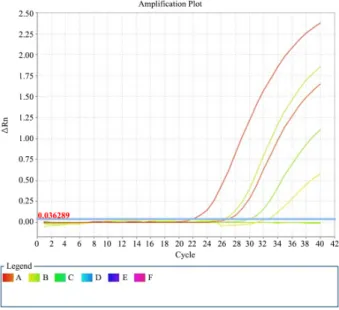
Fig. 1. Amplification plot of H1N1 positive samples.

Table 1. Relation between of influenza A (H1N1) infection and gender

Test

Sex

Total Chi square

test P value

Male Female

N % N % N %

PCR Positive 46 14.55 25 12.95 71 14.2

0.4009 0.5266

Negative 261 85.45 168 87.05 429 85.8

Culture Positive 33 10.75 19 9.84 52 10.4

0.1041 0.747

Negative 274 89.25 174 90.16 448 89.6

facturer. Clinical samples were homogenized by vortexing for 30 sec, and 140 μl was used for the extraction of viral genomic RNA. The RNA was eluted from the columns with 50 μl of elution buffer.

Real-time RT-PCR was done using Quantitect Probe RT- PCR master mix (QIAGEN). The following primers and probe prepared by (Mol Biol) were used: forward primer (H1SWS) 5'-CAT TTG AAA GGT TTG AGA TAT TCC C-3'. Backward primer (H1SWAs1) 5'-GGA CAT GCT GCC GTT ACACC-3'.

TaqMan probe (H1SWP) FAM-5'-ACA AGT TCA TGG CCC AAT CAT GAC TCG-3'-BBQ (Schweiger and Biere, 2009).

Real-time RT-PCR was done, using step one real-time machine (Applied Biosystems), in a 25-μl final volume. Briefly, 5 μl of extracted RNA was added to a master mixture composed of an enzyme mixture (heterodimeric recombinant RTs omni- script and sensiscript and hotstart Taq DNA polymerase), 400 μM each deoxynucleoside triphosphate, 20 U of RNase inhibitor (RNaseOUT; Invitrogen), and H1N1-specific primers, each at

a final concentration of 20 pmol with the following parameters for amplification: The optimized profile in the thermal cycler (step one real-time PCR from Applied Biosystems) was 50°C for 30 min and 95°C for 15 min, followed by 40 amplification cycles (with each cycle consisting of denaturation at 94°C for 30 sec, annealing and extension at 60°C for 1 min. Results were obtained in real-time by the software of the machine and appear as amplification curve with a specific threshold cycle (CT) cycle that is inversely proportional to the initial amount of sample RNA (Fig. 1).

Statistical analysis

Data were analyzed using a personal computer statistical software package version 5 (Stat Soft Inc.). Quantitative data were statistically represented in terms of minimum, maximum, mean, and standard deviation (SD). Comparison between two groups was done using independent student t-test. Qualitative data were statistically represented in terms of numbers and percentages. Comparison between different groups was done using chi-square test. The validity of real-time RT-PCR in relation to virus isolation was estimated by sensitivity, specificity, positive predictive value and negative predictive value. A P-value < 0.05 was considered statistically significant and P >

0.05 was considered non-significant.

Results

The age of the study population ranged from 1–94 years, with a Mean ± SD age 26.892 ± 18.53 years. Of the total participants, 193 (38.6%) were females and 307 (61.4%) males. Table 1 shows that 71 patients out of 500 (14.2%) were diagnosed with H1N1 virus infection with real-time RT-PCR;

whereas, 52 (10.4%) were detected by tissue culture. It also

(4)

Table 2. Distribution of influenza A (H1N1) infection by age group

Age groups (Years)

PCR positive N = 71

Culture positive N = 52

N % N %

0~15 20 28.2 18 34.6

˃ 15~30 23 32.4 14 26.9

˃ 30~45 18 25.4 13 25

˃ 45~60 7 9.8 4 7.7

˃ 60 3 4.2 3 5.8

Table 3. Relation between of influenza A (H1N1) infection and age

Test Age (years)

t

*

P value

Mean SD

PCR Positive 27.51 17.64

0.3033 0.7618 Negative 26.79 18.67

Culture Positive 26.52 19.06

0.1510 0.8800 Negative 26.93 18.47

Table 4. Clinical manifestations of influenza in the infected population

Signs and symptoms PCR positive

N = 71

Cough 65 (91.5%)

Fever 57 (80.2%)

Dyspnea 50 (70.4%)

Rhinorrhea 21 (29.6%)

Diarrhea 10 (14.1%)

Nasal congestion 8 (11.3%)

Table 7. The performance of real time RT-PCR in relation to conventional viral culture

Test Culture

Total S SP PPV NPV Accuracy

Positive Negative

PCR Positive 51 20 71

98.08% 95.54% 72.83% 99.77% 95.8%

Negative 1 428 429

Total 52 448 500

S, sensitivity; SP, specificity; PPV, positive predictive value; NPV, negative predictive value

Table 5. Comorbid conditions in the infected population

Comorbid conditions N = 29

Hypertension 9 (31.03%)

Diabetes mellitus 6 (20.69%)

Chronic lung diseases 4 (13.79%)

Cardiovascular diseases 4 (13.79%)

Current smoking 3 (10.34%)

Pregnancy 3 (10.34%)

Table 6. Seasonal distribution of influenza A (H1N1) virus infection

Season (n = 71) No %

Winter (December, January, February) 42 59.15

Spring (March, April, May) 10 14.08

Summer (June, July, August) 0 0

Autumn (September, October, November) 19 26.76

shows the distribution of cases according to sex; 46 male patients (64.8%) and 25 female patients (35.2%) were detected by real-time RT-PCR while 33 males (63.5%) and 19 females (36.5%) were detected by tissue culture. No statistically significant relation was found between gender and H1N1 infection.

Table 2 illustrates the distribution of cases according to age.

We can observe that influenza A (H1N1) primarily affected the younger population, with patients in the 0~45 years age group

accounting for about 86%. Non-statistically significant relation was found between age and H1N1 infection as shown in Table 3.

Clinical manifestations of Influenza among the infected population are summarized in Table 4; with cough being the most common symptom 65 (91.5%), followed by fever 57 (80.2%), dyspnea 50 (70.4%), rhinorrhea 21 (29.6%), diarrhea 10 (14.1%), and nasal congestion being the least common symptom 8 (11.3%).

Among the positive patients, 29 (40.84%) had comorbid conditions. Hypertension was found in (31.03%), diabetes in (20.69%), chronic lung disease (13.79%) cardiovascular diseases in (13.79%), current smokers (10.34%), and pregnancy in (10.34%) as shown in Table 5.

Seasonal distribution of influenza A (H1N1) virus infection is illustrated in Table 6. Most of the cases presented in winter followed by autumn and may extend to late springtime.

From Table 7 we can notice that there is discrepancy

between tissue culture and real-time RT-PCR results as there

are 20 patients that were negative by tissue culture while positive

(5)

with real-time RT-PCR and one patient was positive with tissue culture while negative by real-time RT-PCR. Sensitivity and specificity of real-time RT-PCR were 98.08% and 95.54%, respectively, in comparison to virus isolation with accuracy 95.8%.

Discussion

The 2009 pandemic influenza A(H1N1) virus [hereafter referred to as influenza A (H1N1) pdm09] which was detected in 2009 in the United States causing a global influenza pandemic, is now a seasonal influenza virus that co-circulates with other seasonal viruses (National Institute for Communicable Diseases, 2017).

A rapid, specific and sensitive method to detect influenza virus is very important for effective patient management and surveillance of newly emerging influenza strains, vaccine development and to detect the spread of virus in early stages, thus preventing epidemics or pandemics of influenza. Among diagnostic tools available for detecting influenza viruses, molecular tests are the most sensitive, specific and rapid.

Real-time RT-PCR is one of the important and effective molecular tests (Lopez et al., 2011).

Seventy-one patients out of 500 (14.2%) and 52 (10.4%) were diagnosed with H1N1 virus infection by real-time RT-PCR and tissue culture, respectively. This finding is similar to the findings of a study conducted by Samra et al. (2011) (17.35%), Mehta et al. (2013) (23%) and Amaravathi et al.

(2015) (17.12%). However, higher detection rates were found by Chudasama et al. (2013) who reported that 29.6% of cases having influenza-like symptoms were positive for A (H1N1) influenza. Studies performed by Tulloch et al. (2009) and Torres et al. (2010) also reported figures of 40.9% and 45.9%

as positive, respectively. Also, Cheung et al. (2017) reported that H1N1 predominated in 2013~2014 and 2015~2016 seasons in Hong Kong. Differences in attack rate may be due to geographic, demographic and socioeconomic factors, living conditions, cultural factors, health status, and genetic predis- positions.

As regards sex predominance, the current study demonstrated that male patients were predominately affected by H1N1 infection

although there was no statistically significant relation. This agrees to a study conducted by Jordi et al. (2009) on 32 critically ill patients in Spain and reported that 73.3% of them were male and 26.7% of them were female.

On the contrary, Domínguez-Cherit et al. (2009), who performed their study on 58 critically ill patients in Mexico, demonstrated that 53.4% of them were female and 46.6% were male. Furthermore, Kumar et al. (2009), studied 168 critically ill patients in Canada and found that 67.3% of them were female and 32.7% of them were male. However, Mehta et al.

(2013) and Amaravathi et al. (2015) found that cases were equally distributed in both genders. This may be due to differences in underlying diseases and conditions which predispose to flu infection. Muscatello et al. (2011) stated that sex was not associated with influenza disease.

Influenza A (H1N1) virus primarily affected the younger population (86% of cases). Still, no statistically significant relation was found between age and positivity of H1N1.

Other studies investigated the age factor in H1N1. Dudley et al. (2009) clarified that the age group of 20~39 years was the predominantly affected group. Khattab et al. (2014) found that the mean age of the patients who survived was 30.75 years, and the mean age of the patients who died was 28.9 years (range 11~60 years), therefore accounting for 91.2% of cases under the age of 40 years. Amaravathi et al. (2015) reported that the majority of cases were in the younger age group (11~40 years), accounting for 61.36% with a mean age of 31.15 years.

The prominent clinical manifestations found in this study were cough and fever and this finding was similar to studies reported in Vietnam by Hien et al. (2004), in New Zealand by Dee and Jayathissa (2010), in China by Mu et al. (2010), in India by Chudasama et al. (2013) and Amaravathi et al. (2015), in Egypt by Khattab et al. (2014).

However, Waleed (2010) reported that fever was the main complaint occurring in 93.3%, followed by muscle/joint pain 53.3%, sore throat and dry cough 40%, shortness of breath 33.3%, productive cough and vomiting 26.7%, diarrhea and headache 20%, and abdominal pain and sneezing were the least occurring symptoms, with 6.7% each. The differences in the clinical presentations could be due to difference in the number of cases included in these studies.

Of all the positive patients, 29 (40.84%) had comorbid

(6)

conditions. Hypertension was the most common comorbidity followed by diabetes, chronic lung diseases, cardiovascular diseases, current smoking, and pregnancy. This result agrees to that found in other studies performed by Puvanalingam et al.

(2011), Jagannatha et al. (2011), and by Chudasama et al.

(2011), Mehta et al. (2013), Singh and Sharma (2013), and Amaravathi et al. (2015).

Most influenza virus (H1N1) infected cases presented in winter followed by autumn and late spring. This result was concordant with studies done by Laguna-Torres et al. (2009), Puzelli et al. (2009), and Sadeq et al. (2014). This may be due to climatic parameters, such as absolute humidity, temperature, and rainfalls. This was in line with the Northern Hemisphere seasonality of influenza which affects the northern hemisphere from November to April (WHO, 2016).

Twenty real-time RT-PCR positive samples were found to be culture negative. So, the diagnostic yield for positive samples increased by 26.76%. This discrepancy was explained by Zambon et al. (2001) who stated that culture may miss up to 46% of influenza positive samples, especially in patients with an advanced clinical course of disease. Another explanation returned back to the use of antiviral medication in those patients or the presence of non-viable viruses in specimens.

The quality of the collected specimen, virus titer in the original clinical sample and following propagation in cell culture both can act as parameters in determining the sensitivity and specificity of diagnostic method and especially virus isolation since an intact virus is required (Peaper and Landry, 2014).

One culture positive sample was found to be PCR negative, which is likely a true influenza positive sample. A possible explanation for this discrepancy is very small viral load in this sample. Another possible explanation may be the presence of inhibitors in the PCR reaction as RNases are present in respiratory tract specimens that may gradually digest naked viral RNA.

Similar discrepancy and an increase in diagnostic yield were found by Angione et al. (2013). Furthermore, Seifi and Ghannad (2014) showed that 20.3% of patients were positive using PCR, in comparison with 8.9% positive results detected by cell culture. Vontas et al. (2015) reported that 34% of cases were positive by real-time RT-PCR while by virus isolation were 26%.

Sensitivity and specificity of real-time RT-PCR were 98.08%

and 95.54%, respectively, in comparison to virus isolation with accuracy 95.8%. Similar findings were found by López et al.

(2011) reported sensitivity, specificity, positive predictive value, and negative predictive value: 95.6, 82.3, 78.3, and 96.5%, respectively. Gohar (2012) found them 96.6%, 95.8%, 96.6%, and 95.8%, respectively. Also, Angione et al. (2013) who reported 100% specificity, 100% positive predictive value (PPV) and 94% negative predictive value (NPV) with an accuracy of 97.5%. In addition, other studies performed by Espy et al. (2006), Zitterkopf et al. (2006), Jain et al. (2014), and Hiergeista et al. (2016) support these findings. The efficiency and performance of RT-PCR systems are strongly dependent on the quality of the primer sets and probes applied for the amplification of nucleic acid target regions (Behzadi et al., 2016).

Conclusion

H1N1 virus was responsible for a good proportion of influenza during the post-pandemic period. Real-time RT-PCR provides rapidity and sensitivity for the detection of influenza A virus (H1N1) compared with virus isolation and thus it is recommended as a diagnostic tool.

References

Amaravathi KS, Sakuntala P, Sudarsi B, Manohar S, Nagamani R, and Rao SR. 2015. Clinical profile and outcome of recent outbreak of influenza A H1N1 (swine flu) at a tertiary care center in Hyderabad, Telangana. Ann. Trop. Med. Public Health 8, 267 – 271.

Angione SL, Inde Z, Beck CM, Artenstein AW, Opal SM, and Tripathi A. 2013. Microdroplet sandwich real-time RT-PCR for detection of pandemic and seasonal influenza subtypes. PLoS One 8, e73497.

Behzadi MA, Ziyaeyan M, and Alborzi A. 2016. A diagnostic one-step real-time reverse transcription polymerase chain reaction method for accurate detection of influenza virus type A. Arch. Med. Sci.

12, 1286 –1292.

Centers for Disease Control and Prevention. 2002. Prevention and control of influenza. Morb. Mortal. Wkly. Rep. 51, 1 –31.

Chauhan N, Narang J, Pundir S, Singh S, and Pundir CS. 2013.

(7)

Laboratory diagnosis of swine flu: a review. Artif. Cells Nanomed.

Biotechnol. 41, 189 –195.

Cheung PH, Chan C, and Jin D. 2017. To announce or not to announce:

What is known about the 2016 –2017 influenza season in Hong Kong? Emerg. Microbes Infect. 6, e78.

Chudasama RK, Patel UV, Verma PB, Amin CD, Savaria D, Ninama R, and Fichadiya N. 2011. Clinico-epidemiological features of the hospitalized patients with 2009 pandemic influenza A (H1N1) virus infection in Saurashtra region, India (September, 2009 to February, 2010). Lung India 28, 11 –16.

Chudasama RK, Patel UV, Verma PB, Banerjee A, Buch P, and Patel P. 2013. A two wave analysis of hospitalizations and mortality from seasonal and pandemic 2009 A (H1N1) Influenza in Saurashtra, India: 2009 –2011. Ann. Med. Health Sci. Res. 3, 334 –340.

Dee S and Jayathissa S. 2010. Clinical and epidemiological characteristics of the hospitalized patients due to pandemic H1N1 2009 viral infection: Experience at Hutt hospital, New Zealand. N. Z. Med.

J. 123, 45 –53.

Demicheli V, Jefferson T, Rivetti D, and Deeks J. 2000. Prevention and early treatment of influenza in healthy adults. Vaccine 18, 957 –1030.

Dhakad S, Mali PC, Kaushik S, Lal AA, and Broor S. 2015. Comparison of multiplex RT-PCR with virus isolation for detection, typing and sub-typing of influenza virus from influenza-like illness cases. Indian J. Med. Microbiol. 33, 73 –77.

Domínguez-Cherit G, Lapinsky SE, Macias AE, Pinto R, Espinosa- Perez L, de la Torre A, Poblano-Morales M, Baltazar-Torres JA, Bautista E, Martinez A, et al. 2009. Critically ill patients with 2009 influenza A (H1N1) in Mexico. JAMA 302, 1880 –1887.

Dudley JP. 2009. Age-specific infection and death rates for human A H5N1avian influenza in Egypt. Euro Surveill. 14, 19198.

Espy MJ, Uhl JR, Sloan LM, Buckwalter SP, Jones MF, Vetter EA, Yao JDC, Wengenack NL, Rosenblatt JE, Cockerill FR, et al.

2006. Real-time PCR in clinical microbiology: applications for routine laboratory testing. Clin. Microbiol. Rev. 19, 165–256.

Gohar MK . 2012. Rapid diagnosis of influenza virus infection in different age groups. Egypt. J. Med. Microbiol. 21, 115–126.

Hien TT, Liem NT, Dung NT, San LT, Mai PP, van Vinh Chau N, Suu PT, Dong VC, Mai LTQ, Thi NT, et al. 2004. Avian influenza A (H5N1) in 10 patients in Vietnam. N. Engl. J. Med. 350, 1179 – 1188.

Hiergeista A, Stenderb S, and Kastlb L. 2016. Sensitive and reliable detection of influenza A (H1N1), influenza A (H3N2) and influenza B by commercial real-time PCR assays: RIDA

®

GENE flu and RIDA

®

GENE flu LC2.0 real-time PCR. Available on https://clinical.r-biopharm.com/wp-content/uploads/sites/3/20 16-03_rida-gene-flu_e-poster-landscape_lores.pdf (accessed on Mar. 3, 2016).

Jagannatha Rao SR, Rao MJ, Swamy N, and Umapathy BL. 2011.

Profile of H1N1 infection in a tertiary care hospital. Indian J.

Pathol. Microbiol. 54, 323 –325.

Jain B, Singh AK, Dangi T, Verma AK, Dwivedi M, Mohan M, Singh KP, and Jain A. 2014. Feasibility of real time PCR over cell culture in diagnosis of influenza virus infection: An experience of grade I viral diagnostic laboratory of developing country. Int.

J. Appl. Sci. Biotechnol. 2, 97 –102.

Jordi RI, Rodríguez A, and Ibañez P. 2009. Intensive care adult patients with severe respiratory failure caused by influenza A (H1N1) in Spain. Crit. Care 13, 148.

Kar SS, Selvaraj K, Ramalingam A, and Roy G. 2016. Time trend and predictors of lab positivity among suspected cases in the post pandemic phase of H1N1: An observation from a tertiary care hospital, South India. AMJ 9, 92 –102.

Khattab AM, Wagih KM, and Tag Eldin AMA. 2014. A study of the outcome of confirmed avian flu and swine flu cases admitted to Abbassia Chest Hospital between 2006 and 2010. Egypt. J.

Bronchol. 8, 70–78.

Krafft AE, Russell KL, Hawksworth AW, McCall S, Irvine M, Daum LT, Connoly JL, Reid AH, Gaydos JC, and Taubenberger JK.

2005. Evaluation of PCR testing of ethanol-fixed nasal swab specimens as an augmented surveillance strategy for influenza virus and adenovirus identification. J. Clin. Microbiol. 43, 1768–

1775.

Kumar A, Zarychanski R, and Pinto R. 2009. Critically ill patients with 2009 influenza A (H1N1) infection in Canada. JAMA 10, 1496.

Laguna-Torres VA, Gomez J, Ocana V, Aguilar P, Saldarriaga T, Chavez E, Perez J, Zamalloa H, Forshey B, Paz I, et al. 2009.

Influenza-like illness sentinel surveillance in Peru. PLoS One 4, e6118.

Lopez RP, Catalan P, Giannella M, Garcia de Viedma D, Sandonis V, and Bouza E. 2011. Comparison of real-time RT-PCR, shell vial culture, and conventional cell culture for the detection of the pandemic influenza A (H1N1) in hospitalized patients. Diagn.

Microbiol. Infect. Dis. 69, 428 –431.

Mehta AA, Kumar VA, Nair SG, Joseph FK, Kumar G, and Singh SK.

2013. Clinical profile of patients admitted with swine-origin influenza a (H1N1) virus infection: An experience from a tertiary care hospital. J. Clin. Diagn. Res. 7, 2227 –2230.

Mu YP, Zhang ZY, Chen XR, Xi XH, Lu YF, Tang YW, and Lu HZ.

2010. Clinical features, treatment and prognosis of the initial cases of pandemic influenza H1N1 2009 virus infection in Shanghai China. QJM 103, 311 –317.

Muscatello DJ, Barr M, Thackway SV, and MacIntyre CR. 2011.

Epidemiology of influenza-like illness during pandemic (H1N1) 2009, New South Wales, Australia. Emerg. Infect. Dis. 17, 1240 – 1247.

National Institute For Communicable Diseases, NICD, Influenza NICD.

2017. Recommendation for the diagnosis, prevention, management and public health response Influenza Guidelines. Available on http://www.nicd.ac.za/wp-content/uploads/2017/03/Influenza- guidelines-final_24_05_2017 (accessed on Dec. 12, 2018).

Peaper DR and Landry ML. 2014. Rapid diagnosis of influenza: State

of the art. Clin. Lab. Med. 34, 365 –385.

(8)

Puvanalingam A, Rajendiran C, Sivasubramanian K, Ragunanthanan S, Suresh S, and Gopalakrishnan S. 2011. Case series study of the clinical profile of H1N1 swine flu influenza. J. Assoc.

Physicians India 59, 14 –18.

Puzelli S, Valdarchi C, Ciotti M, Dorrucci M, Farchi F, Babakir ‐Mina M, Perno CF, Donatelli I, Rezza G, and the Italian ARI Study Group. 2009. Viral causes of influenza-like illness: Insight from a study during the winters 2004 –2007. J. Med. Virol. 81, 2066–

2071.

Ruest A, Michaud S, Deslandes S, and Frost EH. 2003. Comparison of the directigen flu A+B test, the quickvue influenza test, and clinical case definition to viral culture and reverse transcription- PCR for rapid diagnosis of influenza virus infection. J. Clin.

Microbiol. 41, 3487 –3493.

Sadeq R, Mohtady H, Sabah SB, Gohar M, Amer F, Atef S, and Rabia R. 2014. Virological diagnosis of influenza viruses in Zagazig University Hospitals. J. Hum. Virol. Retrovirol. 1, 00012.

Samra T, Pawar M, and Yadav A. 2011. One-year experience with H1N1 infection: Clinical observation from a tertiary care hospital in Northern India Indian. Indian J. Community Med. 36, 241–

243.

Schweiger B and Biere B. 2009. TaqMan real-time PCR zur detektion von porcinen. Influenza A/H1N1-viren. [TaqMan real-time PCR for the detection of porcine influenza A/H1N1 viruses. [In German]. Berlin: Robert Koch-Institute. Available on http://

www.rki.de/cln_100/nn_200120/DE/Content/InfAZ/I/Influenz a/IPV/Schweinegrippe__PCR,templateId=raw,property=publi cationFile.pdf/Schweinegrippe_PCR.pdf (accessed on 3 May 2009).

Seifi SJ and Ghannad MS. 2014. Research article comparison of real-time polymerase chain reaction and conventional cell culture for detection of influenza A in Tabriz, Iran. Avicenna J. Clin.

Microbiol. Infect. 1, e21034.

Singh M and Sharma S. 2013. An epidemiological study of recent outbreak of influenza A H1N1 (swine flu) in Western Rajasthan region of India. J. Med. Allied Sci. 3, 48–52.

Torres JP, O’Ryan M, Herve B, Espinoza R, Acuña G, Mañalich J, and Chomalí, M. 2010. Impact of the novel A (H1N1) influenza during the 2009 autumn-winter season in large hospital settings in Santiago, Chile. Clin. Infect. Dis. 50, 860–868.

Tulloch F, Correa R, Guerrero G, Samaniego R, Garcia M, Pascale JM, Martinez A, Mendoza Y, Victoria G, de Lee MN, et al. 2009.

Profile of the first cases hospitalized due to A (H1N1) influenza 2009 in Panama City, Panama. May-June 2009. J. Infect. Dev.

Ctries 3, 811 –816.

Vemula SV, Zhao J, Liu J, Wang X, Biswas S, and Hewlett I. 2016.

Current approaches for diagnosis of influenza virus infections in humans. Viruses 8, 96.

Vontas A, Plakokefalos E, Krikelis V, and Manouras A. 2015.

Comparative analysis of real time RT-PCR and virus isolation for detection and subtyping of A(H1N1)pdm09 influenza virus.

Internet J. Microbiol. 13, DOI: 10.5580/IJMB.34912.

Waleed A. 2010. Master thesis. Study of avian flu confirmed cases admitted in Al-Abbassia Chest Hospital between 2006 –2008.

Alzhar University, Cairo, Egypt.

Webby RJ and Webster RG. 2003. Are we ready for pandemic influenza? Science 302, 1519 –1522.

Whiley DM, Bialasiewicz S, Bletchly C, Fauxa CE, Harrower B, Goulde AR, Lambert SB, Nimmoc GR, Nissen MD, and Sloots TP. 2009. Detection of novel influenza A(H1N1) virus by real-time RT-PCR. J. Clin. Virol. 45, 203 –204.

WHO. 2009. Weekly epidemiological record No. 41, (Oct. 9, 2009).

Available on http://www.who.int/wer/2009/wer8441/ (accessed on Oct. 16, 2011).

WHO. 2010. H1N1 in post-pandemic period: Director-general’s opening statement at virtual press conference (Aug. 10, 2010).

Available on http://www.who.int/mediacentre/news/statements/

2010/h1n1_vpc_20100810/en/index.html (accessed on July 1, 2013).

WHO. 2016. Influenza (Seasonal). Fact sheet Nov. 2016. Available on http:/www.who.int/mediacentre/factsheets/fs211/en/ (accessed on Dec. 19, 2016).

Zambon M, Hays J, Webster A, Newman R, and Keene O. 2001.

Diagnosis of influenza in the community: relationship of clinical diagnosis to confirmed virological, serologic, or molecular detection of influenza. Arch. Intern. Med. 161, 2116–2122.

Zitterkopf NL, Leekha S, Espy MJ, Wood CM, Sampathkumar P, and

Smith TF. 2006. Relevance of influenza A virus detection by

PCR, shell vial assay, and tube cell culture to rapid reporting

procedures. J. Clin. Microbiol. 44, 3366–3367.

수치

Fig. 1. Amplification plot of H1N1 positive samples.

참조

관련 문서

Poor clinical sensitivity of rapid antigen test for influenza A pandemic (H1N1) 2009

Since February 2009, a swine-origin H1N1 influenza virus (S-OIV) from Mexico has been spread among humans in unexpected rapidity. S-OIV is markedly different from seasonal

We aimed to compare the immune response induced by natural infection with 2009 pandemic influenza A/H1N1 (pH1N1) virus and by monovalent pH1N1 vaccination in children

In this study, a 26-year-old woman developed guttate psoriasis initially on the vaccination site three days after the injection of an inactivated split-virus influenza A/H1N1

In this study, we developed a PNA probe-mediated multiplex real-time reverse transcription-polymerase chain reaction (rRT-PCR) assay using the peptide nucleic acid (PNA)

Detection limit of reverse tran- scription loop-mediated isothermal amplification (A and B), reverse transcription-polymerase chain reaction (RT-PCR) (C) and real time RT-PCR

Rapid detection of sacbrood virus in honeybee using ultra-rapid real-time polymerase chain reaction. Precise temperature control and rapid thermal cycling in a micro

Immunocapture reverse transcription polymerase chain reaction (IC-RT-PCR) was applied to the detection of Cucumber green mottle mosaic virus (CGMMV), Kyuri green mottle