• 검색 결과가 없습니다.

Effect of Gamiondam-tang (GMODT), a Polyherbal Formula on the Pharmacokinetics Profiles of Tamoxifen in Male SD Rats (2) - Single Oral Combination Treatment of Tamoxifen 50 mg/kg with GMODT 100 mg/kg with 2.5 hr-intervals -

N/A
N/A
Protected

Academic year: 2021

Share "Effect of Gamiondam-tang (GMODT), a Polyherbal Formula on the Pharmacokinetics Profiles of Tamoxifen in Male SD Rats (2) - Single Oral Combination Treatment of Tamoxifen 50 mg/kg with GMODT 100 mg/kg with 2.5 hr-intervals -"

Copied!
11
0
0

로드 중.... (전체 텍스트 보기)

전체 글

(1)

•접수 : 2017년 8월 4일 •수정접수 : 2017년 8월 10일 •채택 : 2017년 8월 13일

교신저자 : Young Joon Lee, Department of Preventive Medicine, College of Korean Medicine, Daegu Haany University,

#1 Haanydae-ro, Gyeongsan, Gyeongbuk, 38610, Republic of Korea

전화 : +82-53-819-1296, 팩스 : +82-53-819-1576, 전자우편 : [email protected]

Sae-kwang Ku, Department of Anatomy and Histology, College of Korean Medicine, Daegu Haany University, #1 Haanydae-ro, Gyeongsan, Gyeongbuk, 38610, Republic of Korea

전화 : +82-53-819-1549, 팩스 : +82-53-819-1576 전자우편 : [email protected]

Effect of Gamiondam-tang (GMODT), a Polyherbal Formula on the Pharmacokinetics Profiles of Tamoxifen in Male SD Rats (2)

- Single Oral Combination Treatment of Tamoxifen 50 mg/kg with GMODT 100 mg/kg with 2.5 hr-intervals -

Eun-A Ryu

1)

, Su-Jin Kang

2),3)

, Chang-Hyun Song

1),3)

, Bong-Hyo Lee

3),4)

, Seong-Hun Choi

1)

, Chang-Hyun Han

5)

, Young-Joon Lee

2),3)✽

& Sae-Kwang Ku

1),3)✽

1)Department of Anatomy and Histology, College of Korean Medicine, Daegu Haany University

2)Department of Preventive Medicine, College of Korean Medicine, Daegu Haany University

3)The Medical Research Center for Globalization of Herbal Medicine, College of Korean Medicine, Daegu Haany University

4)Department of Meridian & Acupoint, College of Korean Medicine, Daegu Haany University

5)Clinical Research Division, Korea Institute of Oriental Medicine

Abstract

Objectives : In our previous study, single co-administration GMODT within 5 min significantly inhibited the oral bioavailability of tamoxifen through variable influences on the absorption and excretion of tamoxifen.

Therefore, the object of this study was to elucidate the possible effects on the pharmacokinetics of tamoxifen after single oral co-administration of GMODT with 2.5 hr-intervals.

Methods : After 50 mg/kg of tamoxifen treatment, GMODT 100 mg/kg was administered with 2.5 hr-intervals.

The plasma were collected at 30 min before administration, 30 min, 1, 2, 3, 4, 6, 8 and 24 hrs after end of GMODT treatment, and plasma concentrations of tamoxifen were analyzed using LC-MS/MS methods.

PK parameters of tamoxifen (Tmax, Cmax, AUC, t

1/2

and MRT

inf

) were analysis as compared with tamoxifen single administered rats.

Results : Two-half hr-interval co-administration with GMODT induced variable changes on the plasma tamoxifen concentrations as compared with tamoxifen single treated rats, and especially significant (p<0.05) increases of plasma tamoxifen concentrations were demonstrated at 0.5 (199.61%) and 1 hr (101.06%) after end of co-administration with GMODT, and also related significant (p<0.05) decreases of t

1/2

(-39.54%) and MRT

inf

(-43.94%) as compared with tamoxifen single formula treated rats, at dosage levels of tamoxifen 50 mg/kg and GMODT 100 mg/kg with 2.5 hr-intervals, in this experiment.

Conclusions : According to the results, GMODT critically decreased on the oral bioavailability of tamoxifen

through variable influences on the absorption and excretion of tamoxifen. Hence, the co-administration of

GMODT and tamoxifen should be avoided in the comprehensive and integrative medicine, combination

therapy of tamoxifen with GMODT on the breast cancer.

(2)

Key words : Gamiondam-tang, Pharmacokinetics, Drug-drug interactions, Rat, Tamoxifen, 2.5hr- intervals, Nolvadex

TM

I. Introduction

Tamoxifen (Nolvadex

TM

) is a nonsteroidal estrogen agonist-antagonist antineoplastic agent has been used for breast cancer

1)

. It is the usual endocrine (anti-estrogen) therapy for estrogen receptor-α (ER α)-positive breast cancer in pre-menopausal women

2),3)

. However, various side effects related to tamoxifen treatment also have been arisen as bone loss in premenopausal women who continue to menstruate after adjuvant chemotherapy

4)

, endometrial changes, including cancer, are among tamoxifen’s side effects

5)

, increased risk of thromboembolism

6)

, cause of fatty liver

7)

, reduced cognition

8)

, semantic memory scores

9)

and libido

10),11)

, and premature growth plate fusion

12)

. Tamoxifen also depress the immune response

13),14)

, and it also known that hypersensitivity to tamoxifen or any ingredient in the formulation

15),16)

.

As results of combination therapies with other drugs to improve the side effects of tamoxifen or to achieve synergic effects, various drug-drug interactions of tamoxifen have been evaluated;

because bioactivation of tamoxifen is mediated by polymorphic cytochrome P450 (CYP) enzymes;

a substrate of CYP3A4/5, 2C9, 2D6

17-20)

, it interacted with various drugs, namely, combinations containing any of the following medications, may also interact with aminoglutethimide, rifampin, medroxyprogesterone and phenobarbital – decreased plasma tamoxifen and/or N-desmethyltamoxifen concentrations

21-24)

, bromocriptine – increased plasma tamoxifen and N-desmethyltamoxifen concentrations

25)

, anticoagulants - enhanced warfarin effects

26),27)

, letrozole – decreased plasma

letrozole concentrations

28)

, respectively. However, interactions with herbal products have not been established except for some restricted natural compounds; tamoxifen enhanced warfarin effects, and it is contraindicate that co-administration of tamoxifen and warfarin

26),27)

. In addition, our previous studies have been observed the possible interactions with Korean traditional polyherbal formulas; oral co-administration of Jaeumkang- hwa-tang, a traditional yin-tonifying herbal medicine has been used for various oriental obstetrical and gynecological fields within 5min did not critically influenced on the pharmacokinetics profiles of tamoxifen after single

29)

and repeated

30)

co-administration at dosage levels of 50 mg/kg in tamoxifen and 100 mg/kg in Jaeumkanghwa- tang, respectively.

Gamiondam-tang (GMODT) consisted of 13

types of herbs - Pinelliae Rhizoma, Citri Unshii

Pericarpium, Hoelen, Bambusae Caulis In Taeniam,

Zingiberis Rhizoma Crudus, Ponciri Fructus,

Polygalae Radix, Schizandrae Fructus, Ginseng

Radix Alba, Rehmanniae Radix Preparata,

Glycyrrhizae Radix et Rhizoma, Zizyphi Semen

and Zizyphi Fructus and has been traditionally

used to treat neuropsychiatric disorders such as

neurosis and insomnia in traditional medicine

31),32)

.

It has been reported that oral administration of

GMODT improves cognitive function in aged rats

through the increase of choline acetyltransferase

expression in the basal forebrain

33)

. Others also

observed that GMODT prevents depressive

behavior in thiamine-deficient mice and this may

be closely related to the activation of cholinergic

functions in the hippocampus

34)

. In our previous

study, single co-administration GMODT within

5 min significantly inhibited the oral bioavail-

(3)

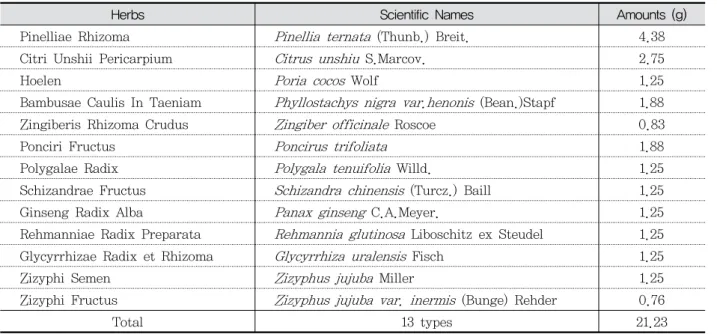
Table 1. Composition of GMODT used in this study

Herbs Scientific Names Amounts (g)

Pinelliae Rhizoma Pinellia ternata (Thunb.) Breit. 4.38

Citri Unshii Pericarpium Citrus unshiu S.Marcov. 2.75

Hoelen Poria cocos Wolf 1.25

Bambusae Caulis In Taeniam Phyllostachys nigra var.henonis (Bean.)Stapf 1.88

Zingiberis Rhizoma Crudus Zingiber officinale Roscoe 0.83

Ponciri Fructus Poncirus trifoliata 1.88

Polygalae Radix Polygala tenuifolia Willd. 1.25

Schizandrae Fructus Schizandra chinensis (Turcz.) Baill 1.25

Ginseng Radix Alba Panax ginseng C.A.Meyer. 1.25

Rehmanniae Radix Preparata Rehmannia glutinosa Liboschitz ex Steudel 1.25

Glycyrrhizae Radix et Rhizoma Glycyrrhiza uralensis Fisch 1.25

Zizyphi Semen Zizyphus jujuba Miller 1.25

Zizyphi Fructus Zizyphus jujuba var. inermis (Bunge) Rehder 0.76

Total 13 types 21.23

GMODT = Gamiondam-tang purchase from HANZUNG PHARM. CO. LTD. (Daejeon, Korea) ability of tamoxifen through variable influences

on the absorption and excretion of tamoxifen, can be influenced on the toxicity or pharmaco- dynamic of tamoxifen

35)

. It, therefore, the effects of GMODT co-administration with reasonable intervals, 2.5 hrs, on the pharmacokinetics of tamoxifen were observed as a process of the comprehensive and integrative medicine, combi- nation therapy of tamoxifen with GMODT to achieve synergic pharmacodynamics and reduce toxicity in breast cancer.

II. Materials and methods

1. Animals and husbandry

Sprague-Dawley rats (6-wk old upon receipt;

OrientBio, Seungnam, Korea) were used after acclimatization for 17 days. Animals were allocated five per polycarbonate cage in a temperature (20-25℃) and humidity (40-45%) controlled room. Light : dark cycle was 12 hr : 12 hr and feed (Samyang, Korea) and water were supplied free to access. After acclimatization, five rats

per group were selected based on the body weights.

Animal experiments were conducted according to the national regulations of the usage and welfare of laboratory animals, and approved by the Institutional Animal Care and Use Committee in Daegu Haany University (Gyeongsan, Gyeongbuk, Korea) [Approval No DHU2013-059].

2. Test articles and administration

Gamiondam-tang (GMODT; HANZUNG PHARM.

CO. LTD., Daejeon, Korea) was used in this experiment, and tamoxifen (Hangzhou Tacon Co., Ltd, Hangzhou, China) was used as control drug. Individual compositions of thirteen kinds of herbs in GMODT were listed in table 1. Tamo- xifen and GMODT were stored in a refrigerator at 4℃ to protect from light and degeneration until use. Both drugs are well dissolved (up to 20 mg/ml solutions in GMODT and up to 10 mg/ml solutions in tamoxifen) in distilled water as vehicle, respectively.

Five rats per group (two groups) were used in

this study as follows. The doses of test materials

were selected based on our previous pharmaco-

(4)

kinetics study after single co-administration of tamoxifen and GMODT within 5 min

35)

– 50 mg/kg of tamoxifen with 100 mg/kg of GMODT. 150 mins after 50 mg/kg of tamoxifen treatment, GMODT 100 mg/kg was administered. In tamoxifen single treated rats, 50 mg/kg of tamoxifen was orally administered, and then distilled water 5 ml/kg was orally administered, instead of GMODT solutions with 2.5 hr-intervals. Each tamoxifen or GMODT was single orally administered, in a volume of 5 ml/kg, dissolved in distilled water.

3. Plasma collections

All rats were anesthetized with 2 to 3% iso- flurane (Hana Pharm. Co., Hwasung, Korea) in the mixture of 70% N₂O and 28.5% O₂, and blood samples (0.5 ml) were collected into 50 IU heparinized tubes via the orbital plexus at 30 min before treatment (as a control), 30 min, 1, 2, 3, 4, 6, 8 and 24 hrs after end of oral administration. Blood samples were immediately centrifuged for 10 min at 13,000 rpm and about 0.3 ml aliquots of plasma were stored in a −150 ℃ deep freezer until analysis.

4. Sample preparation and calibrations

Primary stock solution, 1.0 mg/ml of tamoxifen in 100% MeOH (Baker, Phillipsburg, NJ, USA) and internal standard working solution, carba- mazepine (Sigma-Aldrich, Sigma, St. Louise, MO, USA) 500 ng/ml in acetonitrile were prepared.

Working standard solutions were prepared by dilution with acetonitrile. All standard solutions were stored at -20℃ in the dark when not in use, and calibrated the standard samples as 100 μl of blank plasma; working standard solutions and internal standard working solution were mixed with 200 μl of acetonitrile. In addition, 100 μl of sample plasma and internal standard working solution were mixed with 200 μl of

acetonitrile. The mixtures were mixed by vortex- mixing and centrifuged at 12,000 rpm for 10 min at 4℃. The clear supernatants (5.0 μl) were transferred to injection vials and the aliquot was injected into the LC-MS/MS system.

5. LC-MS/MS conditions

Concentrations of tamoxifen in the rat plasma samples were determined LC-MS/MS method.

Chromatographic analysis was performed using an Agilent 1100 Series HPLC (Agilent Technologies, Santa Clara, CA, USA) equipped with on-line degasser, binary pump, autosampler and column compartment. Separation of the analyte from potentially interfering material was achieved at ambient temperature using Waters Symmetry

TM

C18 columns (2.1×50 mm, 3.5 μm) (Waters Corp., Milford, MA, USA) at column oven 30℃. The mobile phase used for the chromatographic separation was composed of 50% distilled water (0.1% formic acid)/50% acetonitrile, and was delivered isocratically at a flow rate of 0.35 ml/min.

The column effluent was monitored using an

API 2000 triple-quadruple mass-spectometric

detector (Applied Biosystems, Foster City, CA,

USA). The instrument was equipped with an

electrospray interface in positive ion mode, and

controlled by the Analyst version 1.4.1 software

(Applied Biosystems, Foster City, CA, USA) (Linear

(1/x

2

, no Iterate)). Samples were introduced to

the interface through a Turbo IonSpray with the

temperature set at 500℃. A high positive voltage

of 4.0 kV was applied to the ion spray. Nitrogen

was used as the nebulizer gas, curtain gas, and

collision gas with the settings of 70, 20, and 7,

respectively. The multiple reaction monitoring

(MRM) detection method was employed for the

detection of tamoxifen; the transitions monitored

were carbamazepine (IS): m/z 237>194 (Retention

time: 0.63min), tamoxifen: 372>178 (Retention

time: 0.55 min). Calibration curves of tamoxifen

(5)

Figure 1. Plasma concentrations of tamoxifen with and without GMODT co-administration with 2.5 hr-intervals in male rats. Values are expressed as mean ± S.D. of five rats (ng/ml). GMODT = Gamiondam-tang .

* p<0.05 as compared with tamoxifen single treated rats.

were linear over the ranges studied with r

2

> 0.999. The lower limit of quantification of the tamoxifen in the rat plasma was 8 ng/ml.

6. Pharmacokinetic analysis

The plasma concentration data were analyzed using a noncompartmental method on commercial pharmacokinetics data analyzer programs (PK solutions2.0; Summit, Montrose, CO, USA)

36),37)

. The elimination rate constant (K

el

) was calculated by the log-linear regression of tamoxifen con- centration data during the elimination phase, and the terminal half-life (t

1/2

) was calculated by 0.693/K

el

. The peak concentration (Cmax) and time to reach the peak concentration (Tmax) of tamoxifen in the plasma were obtained by visual inspection of the data in the concentration- time curve. The area under the plasma concent- ration-time curve (AUC

0-t

) from time zero to the time of the last measured concentration (C

last

) was calculated using the linear trapezoidal rule

38)

. The AUC zero to infinity (AUC

0-inf

) was obtained by adding AUC

0-t

and the extrapolated area was determined by C

last

/K

el

. The mean residence time

infinity (MRT

inf

) was calculated by dividing the first moment of AUC (AUMC

0-inf

) by AUC

0-inf

.

7. Statistical analyses

All the means are presented with their standard deviation of five rats (Mean ± S.D. of five rat plasma concentrations of tamoxifen). The phar- macokinetic parameters were compared using a non-parametric comparison test, Mann-Whitney U (MW) test, on the SPSS for Windows (Release 14.0K, SPSS Inc., USA). A p-value <0.05 was considered statistically significant.

III. Results

1. Changes on the plasma concentrations of tamoxifen

Tamoxifen was detected from 30 min to 24

hrs after end of administration in the both

tamoxifen single or 2.5 hr-interval co-administered

rats with GMODT, respectively. Variable changes

on the plasma concentration of tamoxifen were

(6)

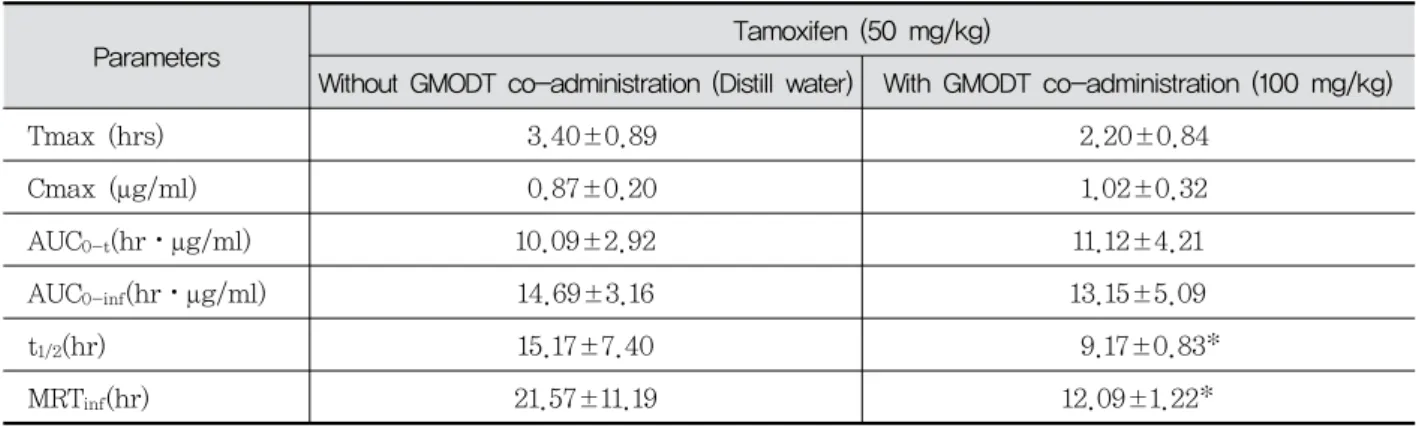
Table 2. Pharmacokinetic parameters of tamoxifen with and without GMODT co-administration with 2.5 hr-intervals in male rats

Parameters Tamoxifen (50 mg/kg)

Without GMODT co-administration (Distill water) With GMODT co-administration (100 mg/kg)

Tmax (hrs) 3.40±0.89 2.20±0.84

Cmax (μg/ml) 0.87±0.20 1.02±0.32

AUC

0-t

(hr⋅μg/ml) 10.09±2.92 11.12±4.21

AUC

0-inf

(hr⋅μg/ml) 14.69±3.16 13.15±5.09

t

1/2

(hr) 15.17±7.40 9.17±0.83*

MRT

inf

(hr) 21.57±11.19 12.09±1.22*

Values are expressed as mean ± S.D. of five rats. GMODT = Gamiondam-tang purchase from HANZUNG PHARM. CO. LTD. (Daejeon, Korea). * p<0.05 as compared with tamoxifen single treated rats. Cmax: The peak plasma concentration; Tmax: Time to reach Cmax; AUC

0-t

: The total area under the plasma concentration-time curve from time zero to time measured; AUC

0-inf

: The total area under the plasma concentration-time curve from time zero to time infinity; t

1/2

: half life; MRT

inf

: mean residence to time infinity.

demonstrated throughout all blood collecting points in co-administrated rats as compared with tamoxifen single treated rats, and especially significant (p<0.05) increases of plasma tamoxifen concentrations were demonstrated at 0.5 and 1 hr after end of co-administration with GMODT, in the present study (Fig 1).

2. Changes on the Tmax of tamoxifen

The Tmax of tamoxifen were non-significantly decreased as -35.29% in 2.5 hr-interval co-ad- ministrated rats with tamoxifen 50 mg/kg and GMODT 100 mg/kg (2.20±0.84 hr) as compared with tamoxifen single treated rats (3.40±0.89 hr), in the present study (Table 2).

3. Changes on the Cmax of tamoxifen

The Cmax of tamoxifen were non-significantly increased as 17.32% in 2.5 hr-interval co-ad- ministrated rats with tamoxifen 50 mg/kg and GMODT 100 mg/kg (1.02±0.32 μg/ml) as compared with tamoxifen single treated rats (0.87±0.20 μ g/ml), in the present study (Table 2).

4. Changes on the AUC of tamoxifen

The AUC

0-t

of tamoxifen were non-significantly increased as 10.24% in 2.5 hr-interval co-admi- nistrated rats with tamoxifen 50 mg/kg and GMODT 100 mg/kg (11.12±4.21 hr⋅μg/ml) as compared with tamoxifen single treated rats (10.09±2.92 hr⋅μg/ml). However, AUC

0-inf

of tamoxifen were also non-significantly decreased as -10.49% in 2.5 hr-interval co-administrated rats with tamoxifen and GMODT (13.15±5.09 hr

⋅μg/ml) as compared with tamoxifen single treated rats (14.69±3.16 hr⋅μg/ml), in the present study (Table 2).

5. Changes on the t

1/2

of tamoxifen

The t

1/2

of tamoxifen were significantly (p<

0.05) decreased as -39.54% in 2.5 hr-interval

co-administrated rats with tamoxifen 50 mg/kg

and GMODT 100 mg/kg (9.17±0.83 hr) as compared

with tamoxifen single treated rats (15.17±7.40

hr), in the present study (Table 2).

(7)

6. Changes on the MRT

inf

of tamoxifen

The MRT

inf

of tamoxifen were significantly (p

<0.01) decreased as -43.94% in 2.5 hr-interval co-administrated rats with tamoxifen 50 mg/kg and GMODT 100 mg/kg (12.09±1.22 hr) as compared with tamoxifen single treated rats (21.57±11.19 hr), in the present study (Table 2).

IV. Discussion

Two-half hr-interval single co-administration with GMODT induced variable changes on the plasma tamoxifen concentrations as compared with tamoxifen single treated rats, and especially significant (p<0.05) increases of plasma tamoxifen concentrations were demonstrated at 0.5 and 1 hr after end of co-administration with GMODT, and also related significant (p<0.01 or p<0.05) decreases of t

1/2

and MRT

inf

as compared with tamoxifen single formula treated rats, at dosage levels of tamoxifen 50 mg/kg and GMODT 100 mg/kg with 2.5 hr-intervals, in this experiment.

These findings are considered as direct evidences that 2.5 hr-interval single co-administration of GMODT also significantly inhibited the oral bioavailability of tamoxifen through variable influences on the absorption and excretion of tamoxifen, can be influenced on the toxicity or pharmacodynamic of tamoxifen, quite similar to those of previous single co-administration within 5 min

35)

. Hence, the co-administration of GMODT and tamoxifen should be avoided in the compre- hensive and integrative medicine, combination therapy of tamoxifen with GMODT on the breast cancer. I and my colleagues strongly suggested that candidates for breast cancer patient in the comprehensive and integrative medicine should be changed as other than tamoxifen or GMODT.
Tamoxifen was absorbed slowly following oral administration and Tmax of tamoxifen occur

about 3-6 hrs after a single dose

39-41)

but it rapidly and extensively metabolized in the liver, through a substrate of CYP3A, 2C9, 2D626 including an active major metabolite, N-desme- thyltamoxifen has biologic activity similar to that of the parent drug

42),43)

. Steady-state con- centrations of tamoxifen are attained after 3-4 weeks and those of N-desmethyltamoxifen, an active metabolite, are attained after 3-8 weeks

44)

. Tamoxifen excreted principally in feces as polar conjugates

45)

with about 5-7 days of t

1/2

in tamoxifen and 9-14 days in N-desmethyltamo- xifen

40)

. Clearance of tamoxifen is higher in female children 2-10 years of age than in women

46),47)

. In the present study, Tmax of tamoxifen in tamoxifen single oral treated rats was detected as 3.40±0.89 hr, and Cmax, AUC

0-t

, AUC

0-inf

, t

1/2

and MRT

inf

were detected as 0.87

±0.20 μg, 10.09±2.92 hr⋅μg/ml, 14.69±3.16 hr⋅μg/ml, 15.17±7.40 hr and 21.57±11.19 hr, respectively. In tamoxifen with GMODT co-ad- ministered rats with 2.5 hr-intervals, Tmax, Cmax, AUC

0-t

, AUC

0-inf

, t

1/2

and MRT

inf

of tamoxifen were detected as 2.20±0.84 hr, 1.02

±0.32 μg, 11.12±4.21 hr⋅μg/ml, 13.15±5.09 hr

⋅μg/ml, 9.17±0.83 hr and 12.09±1.22 hr as

changed as -35.29, 17.32, 10.24, -10.49, -39.54

and -43.94% as compared with tamoxifen 50

mg/kg single oral treated rats, and especially

significant decreases of t

1/2

and MRT

inf

were

detected in GMODT and tamoxifen single 2.5

hr-interval co-administrated rats as compared

with tamoxifen single formula treated rats, at

dosage levels of tamoxifen 50 mg/kg and GMODT

100 mg/kg, in this experiment. These results

are considered as direct evidences that 2.5 hr-

interval single co-administration of GMODT also

significantly inhibited the oral bioavailability of

tamoxifen through variable influences on the

absorption and excretion of tamoxifen, can be

influenced on the toxicity or pharmacodynamic

of tamoxifen, quite similar to those of previous

(8)

single co-administration within 5 min

35)

.

V. Conclusions

Based on the results of this study, GMODT critically influenced on the oral bioavailability of tamoxifen through variable influences on the absorption and excretion of tamoxifen. Hence, the co-administration of GMODT and tamoxifen should be avoided in the comprehensive and integrative medicine, combination therapy of tamoxifen with GMODT on the breast cancer.

Acknowledgments

This study was supported by grant of Korea of Health & Welfare, Republic of Korea (Project No: 20-11-0-090-091-3000-3033-320).

References

1. The BIG 1-98 Collaborative Group, Letrozole therapy alone or in sequence with tamoxifen in women with breast cancer. The New England journal of medicine, 2009;361(8):

766-76.

2. Jordan VC, Fourteenth Gaddum Memorial Lecture. A current view of tamoxifen for the treatment and prevention of breast cancer.

British journal of pharmacology, 1993;110(2):

507-17.

3. Jordan VC, Tamoxifen (ICI46,474) as a tar- geted therapy to treat and prevent breast cancer. British journal of pharmacology, 2006;

147 Suppl 1:S269-76.

4. Vehmanen L, Elomaa I, Blomqvist C, Saarto T, Tamoxifen treatment after adjuvant chemotherapy has opposite effects on bone mineral density in premenopausal patients depending on menstrual status. Journal of clinical oncology : official journal of the

American Society of Clinical Oncology, 2006;

24(4):675-80.

5. Grilli S, Tamoxifen (TAM): the dispute goes on. Annali dell'Istituto superiore di sanita, 2006;42(2):170-3.

6. Decensi A, Maisonneuve P, Rotmensz N, Bettega D, Costa A, Sacchini V, et al., Effect of tamoxifen on venous thromboembolic events in a breast cancer prevention trial.

Circulation, 2005;111(5):650-6.

7. Osman KA, Osman MM, Ahmed MH, Tamo- xifen-induced non-alcoholic steatohepatitis:

where are we now and where are we going?

Expert opinion on drug safety, 2007;6(1):1-4.

8. Paganini-Hill A, Clark LJ, Preliminary asse- ssment of cognitive function in breast cancer patients treated with tamoxifen. Breast cancer research and treatment, 2000;64(2):165-76.

9. Eberling JL, Wu C, Tong-Turnbeaugh R, Jagust WJ, Estrogen- and tamoxifen-asso- ciated effects on brain structure and function.

NeuroImage, 2004;21(1):364-71.

10. Mortimer JE, Boucher L, Baty J, Knapp DL, Ryan E, Rowland JH, Effect of tamoxifen on sexual functioning in patients with breast cancer. Journal of clinical oncology : official journal of the American Society of Clinical Oncology, 1999;17(5):1488-92.

11. Cella D, Fallowfield L, Barker P, Cuzick J, Locker G, Howell A, et al., Quality of life of postmenopausal women in the ATAC (“Arimidex”, tamoxifen, alone or in combination) trial after completion of 5 years’ adjuvant treatment for early breast cancer. Breast cancer re- search and treatment, 2006;100(3):273-84.

12. Karimian E, Chagin AS, Gjerde J, Heino T,

Lien EA, Ohlsson C, et al., Tamoxifen impairs

both longitudinal and cortical bone growth

in young male rats. Journal of bone and

mineral research : the official journal of the

American Society for Bone and Mineral

Research, 2008;23(8):1267-77.

(9)

13. Wilson SC, Knight PG, Cunningham FJ, Evidence for the involvement of central conversion of testosterone to oestradiol-17b in the regulation of luteinizing hormone secretion in the cockerel. The Journal of endocrinology, 1983;99(2):301-10.

14. Nalbandian G, Paharkova-Vatchkova V, Mao A, Nale S, Kovats S, The selective estrogen receptor modulators, tamoxifen and raloxifene, impair dendritic cell differentiation and activation. Journal of immunology (Baltimore, Md. : 1950), 2005;175(4):2666-75.

15. Berstein LM, Wang JP, Zheng H, Yue W, Conaway M, Santen RJ, Long-term exposure to tamoxifen induces hypersensitivity to estradiol. Clinical cancer research : an official journal of the American Association for Cancer Research, 2004;10(4):1530-4.

16. Rousset-Jablonski C, Thalabard JC, Gompel A, Tamoxifen contraindicated in women with hereditary angioedema? Annals of oncology : official journal of the European Society for Medical Oncology / ESMO, 2009;20(7):1281-2.

17. Kim SY, Suzuki N, Santosh Laxmi YR, Rieger R, Shibutani S, a-hydroxylation of tamoxifen and toremifene by human and rat cytochrome P450 3A subfamily enzymes. Chemical re- search in toxicology, 2003;16(9):1138-44.

18. Desta Z, Ward BA, Soukhova NV, Flockhart DA, Comprehensive evaluation of tamoxifen sequential biotransformation by the human cytochrome P450 system in vitro: prominent roles for CYP3A and CYP2D6. The Journal of pharmacology and experimental thera- peutics, 2004;310(3):1062-75.

19. Notley LM, Crewe KH, Taylor PJ, Lennard MS, Gillam EM, Characterization of the human cytochrome P450 forms involved in metabolism of tamoxifen to its a-hydroxy and a,4-dihydroxy derivatives. Chemical research in toxicology, 2005;18(10):1611-8.

20. de Vries Schultink AH, Zwart W, Linn SC,

Beijnen JH, Huitema AD, Effects of Phar- macogenetics on the Pharmacokinetics and Pharmacodynamics of Tamoxifen. Clinical pharmacokinetics, 2015;54(8):797-810.

21. Lien EA, Anker G, Lønning PE, Solheim E, Ueland PM, Decreased serum concentrations of tamoxifen and its metabolites induced by aminoglutethimide. Cancer research, 1990;50 (18):5851-7.

22. West CM, Reeves SJ, Brough W, Additive interaction between tamoxifen and rifampicin in human biliary tract carcinoma cells. Cancer letters, 1990;55(2):159-63.

23. Reid AD, Horobin JM, Newman EL, Preece PE, Tamoxifen metabolism is altered by simultaneous administration of medroxypro- gesterone acetate in breast cancer patients.

Breast cancer research and treatment, 1992;

22(2):153-6.

24. Dehal SS, Brodie AM, Kupfer D, The aromatase inactivator 4-hydroxyandrostenedione (4- OH-A) inhibits tamoxifen metabolism by rat hepatic cytochrome P-450 3A: potential for drug-drug interaction of tamoxifen and 4- OH-A in combined anti-breast cancer therapy.

Drug metabolism and disposition: the bio- logical fate of chemicals, 1999;27(3):389-94.

25. Lamberts SW, Verleun T, Hofland L, Oosterom R, Differences in the interaction between dopamine and estradiol on prolactin release by cultured normal and tumorous human pituitary cells. The Journal of clinical endo- crinology and metabolism, 1986;63(6):1342-7.

26. Ritchie LD, Grant SM, Tamoxifen-warfarin interaction: the Aberdeen hospitals drug file.

BMJ (Clinical research ed.), 1989;298(6682):

1253.

27. Tenni P, Lalich DL, Byrne MJ, Life threa- tening interaction between tamoxifen and warfarin. BMJ (Clinical research ed.), 1989;

298(6666):93.

28. Dowsett M, Pfister C, Johnston SR, Miles

(10)

DW, Houston SJ, Verbeek JA, et al., Impact of tamoxifen on the pharmacokinetics and endocrine effects of the aromatase inhibitor letrozole in postmenopausal women with breast cancer. Clinical cancer research : an official journal of the American Association for Cancer Research, 1999;5(9):2338-43.

29. Kwak MA, Park SJ, Park SH, Lee YJ, Ku SK, Effect of Jaeumkanghwatang (JEKHT), a Polyherbal Formula on the Pharmacokinetics Profiles of Tamoxifen in Male SD Rats (1) - Single Oral Combination Treatment of Tamo- xifen 50 mg/kg with JEKHT 100 mg/kg within 5 min -. J Korean Med, 2016;37(2):1-11.

30. Park SJ, Kwak MA, Park SH, Lee YJ, Ku SK, Effect of Jaeumkanghwatang (JEKHT), a Polyherbal Formula on the Pharmacoki- netics Profiles of Tamoxifen in Male SD Rats (2) - Oral Combination Treatment of Tamo- xifen 50 mg/kg with JEKHT 100 mg/kg on JEKHT 6-day Repeated Pretreated Rats with 8-day Repeated. J Soc Prev Korean Med, 2016;20(2):97-109.

31. Nakagawasai O, Yamadera F, Iwasaki K, Arai H, Taniguchi R, Tan-No K, et al., Effect of kami-untan-to on the impairment of learning and memory induced by thiamine- deficient feeding in mice. Neuroscience, 2004;

125(1):233-41.

32. Oh HK, Park SJ, Bae SG, Kim MJ, Jang JH, Ahn YJ, et al., Kami-ondam-tang, a tra- ditional herbal prescription, attenuates the prepulse inhibition deficits and cognitive impairments induced by MK-801 in mice.

Journal of ethnopharmacology, 2013;146(2):

600-7.

33. Wang Q, Iwasaki K, Suzuki T, Arai H, Ikarashi Y, Yabe T, et al., Potentiation of brain acetylcholine neurons by Kami-Untan- To (KUT) in aged mice: implications for a possible antidementia drug. Phytomedicine : international journal of phytotherapy and

phytopharmacology, 2000;7(4):253-8.

34. Nakagawasai O, Yamadera F, Iwasaki K, Asao T, Tan-No K, Niijim a F, et al., Preventive effect of kami-untan-to on performance in the forced swimming test in thiamine-deficient mice: relationship to functions of catecholaminergic neurons.

Behavioural brain research, 2007;177(2):315- 21.

35. Ryu E-A, Kang S-J, Song C-H, Lee B-H, Choi S-H, Han C-H, et al., Effect of (GMODT), a Polyherbal Formula on the Pharmacokinetics Profiles of Tamoxifen in Male SD Rats. J Korean Med, 2017;38(2):61- 72.

36. Gibaldi M, Perrier D, Pharmacokinetics. 2nd ed. Taylor & Francis. 1982.

37. Bailer AJ, Testing for the equality of area under the curves when using destructive measurement techniques. Journal of phar- macokinetics and biopharmaceutics, 1988;16 (3):303-9.

38. Chiou WL, Critical evaluation of the potential error in pharmacokinetic studies of using the linear trapezoidal rule method for the calculation of the area under the plasma level--time curve. Journal of pharmacoki- netics and biopharmaceutics, 1978;6(6):539- 46.

39. Adam HK, Gay MA, Moore RH, Measurement of tamoxifen in serum by thin-layer densi- tometry. The Journal of endocrinology, 1980;

84(1):35-42.

40. Adam HK, Patterson JS, Kemp JV, Studies on the metabolism and pharmacokinetics of tamoxifen in normal volunteers. Cancer treatment reports, 1980;64(6-7):761-4.

41. Fabian C, Sternson L, Barnett M, Clinical

pharmacology of tamoxifen in patients with

breast cancer: comparison of traditional and

loading dose schedules. Cancer treatment

reports, 1980;64(6-7):765-73.

(11)

42. Jordan VC, Bain RR, Brown RR, Gosden B, Santos MA, Determination and pharmacology of a new hydroxylated metabolite of tamoxifen observed in patient sera during therapy for advanced breast cancer. Cancer research, 1983;43(3):1446-50.

43. Murphy C, Fotsis T, Pantzar P, Adlercreutz H, Martin F, Analysis of tamoxifen and its metabolites in human plasma by gas chroma- tography-mass spectrometry (GC-MS) using selected ion monitoring (SIM). Journal of steroid biochemistry, 1987;26(5):547-55.

44. Jordan VC, Metabolites of tamoxifen in animals and man: identification, pharmaco- logy, and significance. Breast cancer research and treatment, 1982;2(2):123-38.

45. Sun D, Sharma AK, Dellinger RW, Blevins- Primeau AS, Balliet RM, Chen G, et al., Glucuronidation of active tamoxifen meta- bolites by the human UDP glucuronosylt- ransferases. Drug metabolism and disposition:

the biological fate of chemicals, 2007;35(11):

2006-14.

46. AstraZeneca Pharmaceuticals, Nolvadex (tamoxifen citrate) prescribing information.

2003.

47. Hall WA, Doolittle ND, Daman M, Bruns PK,

Muldoon L, Fortin D, et al., Osmotic blood-

brain barrier disruption chemotherapy for

diffuse pontine gliomas. Journal of neuro-

oncology, 2006;77(3):279-84.

수치

Table  1.  Composition  of  GMODT  used  in  this  study
Figure  1.  Plasma  concentrations  of  tamoxifen  with  and  without  GMODT  co-administration  with  2.5  hr-intervals  in  male  rats
Table  2.  Pharmacokinetic  parameters  of  tamoxifen  with  and  without  GMODT  co-administration  with  2.5  hr-intervals  in  male  rats

참조

관련 문서

They reported that single injection of dexamethasone, 2 to 3 hr prior to surgery, hastened the recovery profiles (clinical duration, recovery index, as

Mean arterial plasma concentration-time profiles of 4-hydroxytamoxifen after an oral administration of tamoxifen (10 mg/kg) to rats in the presence or absence

Pharmacokinetic parameters were determined following an oral administration of nateglinide (30 mg/kg) to rabbits in the presence and absence of calcium channel blockers

Mortality and clinical signs in SD rats about single oral administration after 3 weeks with callus extract ..... Hematological values in SD rats administered orally

In the present study we investigated the proliferation effect of human oral cancer KB cell treated with pulsatilla koreana extract.. We analyzed the effects of this

Magnetic field.. • Single particle motion of the plasma.

In the present study, the behavior of Mg sheet with strain rates will be observed and the effect of microstructure, texture and PB treatment on high rate tensile

plasma is treated as a single hydrodynamic fluid acted upon by electric and