• 검색 결과가 없습니다.

Surgical Treatment of Degenerative Mitral Valve Regurgitation in the Elderly: Comparison of Early and Long-Term Outcomes Using Propensity Score Matching Analysis

N/A
N/A
Protected

Academic year: 2021

Share "Surgical Treatment of Degenerative Mitral Valve Regurgitation in the Elderly: Comparison of Early and Long-Term Outcomes Using Propensity Score Matching Analysis"

Copied!
9
0
0

로드 중.... (전체 텍스트 보기)

전체 글

(1)

ISSN: 2233-601X (Print) ISSN: 2093-6516 (Online)

Received: July 16, 2018, Revised: October 1, 2018, Accepted: October 1, 2018, Published online: December 5, 2018

Corresponding author: Kyung Hwan Kim, Department of Thoracic and Cardiovascular Surgery, Seoul National University Hospital, 101 Daehak-ro, Jongno-gu, Seoul 03080, Korea

(Tel) 82-2-2072-3971 (Fax) 82-2-764-3664 (E-mail) [email protected]

© The Korean Society for Thoracic and Cardiovascular Surgery. 2018. All right reserved.

This is an open access article distributed under the terms of the Creative Commons Attribution Non-Commercial License (http://creativecommons.org/

licenses/by-nc/4.0) which permits unrestricted non-commercial use, distribution, and reproduction in any medium, provided the original work is properly cited.

Surgical Treatment of Degenerative Mitral Valve Regurgitation in the Elderly: Comparison

of Early and Long-Term Outcomes Using Propensity Score Matching Analysis

Joon Seok Lee, M.D., Kyung Hwan Kim, M.D., Ph.D., Jae Woong Choi, M.D., Ho Young Hwang, M.D., Ph.D., Ki-Bong Kim, M.D., Ph.D.

Department of Thoracic and Cardiovascular Surgery, Seoul National University Hospital, Seoul National University College of Medicine

Background: It is unclear whether mitral valve (MV) repair for degenerative mitral regurgitation (MR) pro- vides the same advantages in the elderly that it does in the general population. Methods: From 1994 to 2016, 188 elderly patients (mean age, 68.3±5.50 years) underwent MV repair (n=153) or MV replacement (n=35) for primary degenerative MR. Early and long-term outcomes were compared before and after propen- sity score matching (PSM). Results: Before PSM, there was a significant difference in operative mortality (p=0.011). Overall survival and freedom from cardiac-related death (CRD) at 5, 10, and 15 years were sig- nificantly higher in patients who underwent MV repair (p=0.039 and p=0.007, respectively). In the multi- variable analysis, MV replacement was an independent risk factor of CRD. After PSM, operative mortality was not significantly lower in patients who underwent MV repair (p=0.125). Overall survival and freedom from CRD at 5, 10, and 15 years showed no significant difference between the 2 groups in the PSM cohort (p=0.207, p=0.47, respectively). There was no significant difference in freedom from reoperation before or af- ter PSM (p=0.963 and p=0.575, respectively). Conclusion: MV repair for primary degenerative MR might be a valid option in the elderly population if successful repair is possible.

Key words: 1. Mitral valve insufficiency 2. Mitral valve annuloplsty

3. Heart valve prosthesis implantation 4. Aged

Introduction

Current European and American guidelines recom- mend mitral valve (MV) repair as the treatment of choice for primary degenerative mitral regurgitation (MR) in the general population [1,2]. However, con- troversy exists regarding whether MV repair provides

the same advantages as MV replacement in terms of operative mortality, long-term survival, and valve-re- lated complications in the elderly population [3-10].

The aim of this study was to compare the early and long-term clinical outcomes of MV repair and MV re- placement in elderly patients.

https://doi.org/10.5090/kjtcs.2018.51.6.367

(2)

Table 1. Preoperative demographic and echocardiographic data Characteristic

All study patients Matched groups

MV repair (n=153)

MV replacement

(n=35) p-value MV repair (n=31)

MV replacement (n=31) p-value

Age (yr) 68.1±5.52 69.1±5.43 0.324 68.2±5.92 68.8±5.40 0.630

Male 75 (49.0) 18 (51.4) 0.797 16 (51.6) 15 (48.3) > 0.999

Body mass index ≥25.0 kg/m

2

51 (33.3) 11 (31.4) 0.829 11 (35.4) 11 (35.4) >0.999

New York Heart Association class ≥3 66 (43.1) 28 (80.0) <0.001 25 (80.6) 24 (77.4) >0.999 Risk factors

Smoking 22 (14.4) 4 (11.4) 0.790 3 (19.3) 4 (12.9) >0.999

Diabetes mellitus 26 (17.0) 8 (22.9) 0.416 4 (12.9) 6 (19.3) 0.754

Hypertension 68 (44.4) 15 (42.9) 0.865 15 (48.3) 14 (45.1) >0.999

Stroke 9 (5.90) 4 (11.4) 0.267 2 (6.45) 3 (19.3) >0.999

Dyslipidemia 11 (7.2) 1 (2.9) 0.700 1 (3.22) 1 (3.22) >0.999

Chronic obstructive pulmonary disease 3 (2.00) 2 (5.70) 0.233 1 (3.22) 1 (3.22) >0.999

Chronic kidney disease 24 (15.7) 8 (22.9) 0.309 8 (25.8) 7 (22.5) >0.999

Coronary disease 22 (14.4) 5 (14.3) 0.989 3 (19.3) 3 (19.3) >0.999

Peripheral vascular disease 7 (4.60) 1 (2.90) >0.999 1 (3.22) 1 (3.22) >0.999

Atrial fibrillation 69 (45.1) 21 (60.0) 0.111 15 (48.3) 17 (54.8) 0.804

Emergency 2 (1.30) 2 (5.70) 0.158 1 (3.22) 0 >0.999

Euro-SCORE II 2.56±1.59 3.60±2.24 0.010 2.82±1.61 3.55±2.32 0.165

Echocardiography

Left ventricle ejection fraction (%) 60.4±8.36 56.9±10.1 0.039 58.3±10.1 58.4±8.64 0.969 Left ventricle end-systolic dimension (mm) 38.6±7.67 40.0±9.56 0.372 40.2±7.87 39.2±7.57 0.592

Tricuspid regurgitation ≥moderate 29 (19.0) 9 (25.7) 0.369 8 (25.8) 7 (22.5) >0.999

Values are presented as mean±standard deviation or number (%).

MV, mitral valve.

Methods

1) Patient characteristics

The study protocol was reviewed by the Institutional Review Board of Seoul National University Hospital and approved as a minimal-risk retrospective study (IRB approval no., H-1801-033- 913) that did not require personal agreement based on our institutional guidelines. From January 1994 to December 2016, 188 patients who were older than 60 years (mean, 68.3±5.50 years; 93 males and 95 females) underwent MV repair (n=153, 82.3%) or MV replacement (n=35, 17.7%) for primary degenerative MR at Seoul National University Hospital. Cases of degenerative MR combined with other etiologies, such as rheumatic disease, congenital conditions, is- chemia, and infection, were excluded. Six patients in whom MV repair was attempted, but was changed to MV replacement, were included in the MV repair group, as we utilized an intention-to-treat analysis.

To overcome the baseline differences between the 2

groups, propensity score matching analysis was per- formed in a 1:1 manner with 25 common variables, and 31 patients were extracted from each group.

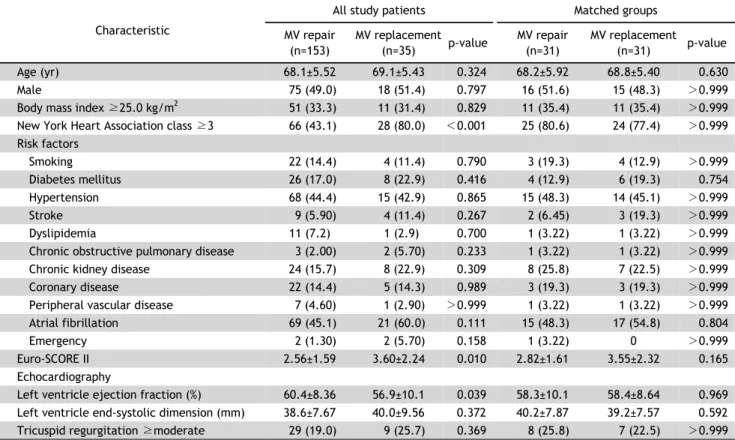
Before matching, patients who underwent MV repair were less likely to be New York Heart Association (NYHA) functional class III/IV (p<0.001) and were more likely to have a good left ventricular (LV) ejec- tion fraction (p=0.039) and Euro-SCORE II (p=0.01).

However, after propensity score matching, there were no significant differences in the preoperative demo- graphic and echocardiographic data between the 2 groups (Table 1).

2) Surgical procedures and operative data

All procedures were performed through median

sternotomy and aorto-bicaval cannulation under mod-

erate hypothermia and antegrade cold cardioplegic

arrest. Primary degenerative MR was defined as leaf-

let prolapse due to chordal elongation or rupture,

and the preoperative echocardiographic findings were

confirmed through direct surgical inspection with

(3)

Table 2. Operative data Variable

All study patients Matched groups

MV repair (n=153)

MV replacement

(n=35) p-value MV repair (n=31)

MV replacement

(n=31) p-value

Cardiopulmonary bypass time (min) 198±75.4 203±79.8 0.733 211±69.1 210±81.4 0.965

Aortic cross-clamp time (min) 127±48.4 128±60.8 0.927 138±47.2 135±60.1 0.856

Concomitant procedures

Aortic valve 15 (9.80) 6 (17.1) 0.235 3 (19.3) 5 (16.1) 0.687

Tricuspid valve 42 (27.5) 12 (34.3) 0.420 12 (38.7) 11 (35.4) >0.999

Coronary artery bypass graft 11 (7.20) 1 (2.90) 0.700 2 (6.45) 1 (3.22) >0.999

Arrhythmia 46 (30.1) 11 (31.4) 0.874 9 (29.0) 11 (35.4) 0.791

Aorta procedure 8 (5.20) 2 (5.70) >0.999 1 (3.22) 2 (6.45) >0.999

Values are presented as mean±standard deviation or number (%).

MV, mitral valve.

pathologic results showing fibromyxoid degeneration.

Four surgeons participated in this study and 2 speci- alized valve surgeons performed 162 cases (86.1%).

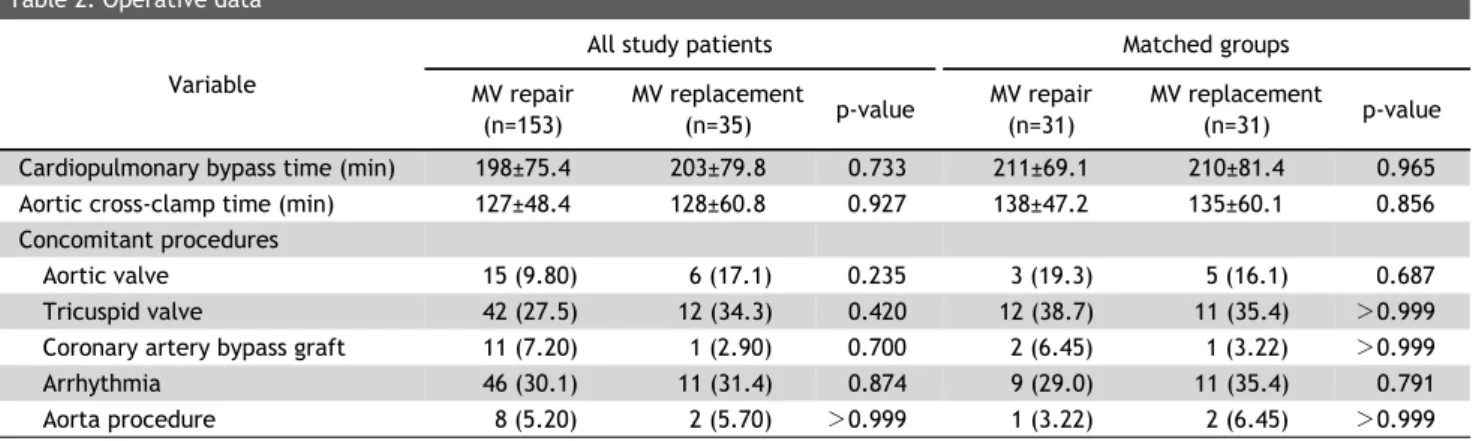
The decision of whether to perform MV repair or MV replacement was determined by the operating sur- geon, but MV repair is generally the preferred meth- od at our institution. Various repair techniques for the valve itself were used based on the surgeon’s preference, including leaflet resection and annular plication, neo-chordal formation, chordal shortening, and chordal transfer, while most of the cases were accompanied with annuloplasty (n=130, 88.4%). The subvalvular apparatus–sparing technique was per- formed in patients who underwent MV replacement whenever possible, and a tissue valve was implanted in most cases (n=36, 87.5%). The mean cardiopulmo- nary bypass (CPB) and aortic cross-clamp (ACC) times were 199±76.5 minutes and 127±50.9 minutes, respectively. Concomitant procedures were per- formed, including aortic valve procedures (n=21), tri- cuspid valve procedures (n=54), coronary artery by- pass surgery (n=12), arrhythmia surgery (n=57), and ascending aorta replacement (n=10). There were no statistically significant differences between the 2 groups in the operative data before or after propen- sity score matching (Table 2).

3) Antithrombotic and antiplatelet management Anticoagulation (warfarin sodium) was adjusted to obtain a target international normalized ratio of 2.0 to 2.5 for 3–6 months in most of the patients who underwent MV repair and bioprosthetic MV replacement. Lifelong anticoagulation was maintained

in patients who underwent mechanical MV replace- ment or who had persistent atrial fibrillation after MV repair or replacement. A specialized anti- coagulation service team, composed of experienced pharmacists, regularly followed up all patients who were prescribed oral anticoagulants.

4) Evaluation of early and long-term clinical outcomes

Patients underwent regular postoperative follow-up at the outpatient clinic at 3- or 4-month intervals.

Data about vital status and cardiac-related death were obtained via Statistics Korea and were complete for all patients. Clinical follow-up was closed on December 30, 2017, with a median follow-up dura- tion of 206.3 months (range, 1–280 months) in the MV repair group and 143.1 months (range, 1–226 months) in the MV replacement group. Operative mortality was defined as any death within 30 days after surgery or during the same hospital admission.

Low cardiac output syndrome (LCOS) was diagnosed if patients needed mechanical or continuous inotropic infusion to maintain systolic blood pressure. Postope- rative respiratory complications included pneumonia or prolonged ventilator care for more than 72 hours.

Chronic kidney disease (CKD) and acute kidney in- jury were defined as a glomerular filtration rate <60 mL/min/1.73 m

2

and an increase of >50% in serum creatinine level from the preoperative value, respectively. Mitral valve-related events (MVREs) in- cluded those identified in previous guidelines [11]:

(1) cardiac death; (2) structural valve deterioration

(SVD) and nonstructural valve dysfunction (NSVD);

(4)

Table 3. Comparison of early clinical outcomes Variable

All study patients Matched groups

MV repair (n=153)

MV replacement

(n=35) p-value MV repair (n=31)

MV replacement

(n=31) p-value

Operative mortality 6 (3.90) 6 (17.1) 0.011 1 (3.20) 5 (16.1) 0.125

Complications

Low cardiac output syndrome 19 (12.4) 12 (34.3) 0.002 6 (19.3) 9 (29.0) 0.581

Bleeding 9 (5.9) 1 (2.90) 0.691 3 (9.67) 0 0.250

Acute kidney injury 12 (7.80) 6 (17.1) 0.111 3 (9.67) 5 (16.1) 0.625

Arrhythmia 42 (27.5) 7 (20.0) 0.365 9 (29.0) 6 (19.3) 0.549

Mediastinitis 5 (3.30) 0 0.586 3 (9.67) 0 0.250

Cerebrovascular accident 5 (3.3) 3 (8.6) 0.169 1 (3.20) 3 (9.67) 0.500

Respiratory 32 (20.9) 11 (31.4) 0.182 6 (19.3) 9 (29.0) 0.549

Values are presented as number (%).

MV, mitral valve.

(3) MV reoperations; (4) composite thrombosis, em- bolism, bleeding (CTEB) events that caused hospital- ization, permanent injury, or death; and (5) con- gestive heart failure requiring readmission.

5) Statistical analysis

Statistical analysis was performed using IBM SPSS ver. 23.0 (IBM Corp., Armonk, NY, USA). Data were expressed as mean±standard deviation, median with ranges, or proportions. Comparisons between the 2 groups were performed with the chi-square or Fisher exact tests for categorical variables and the Student t-test for continuous variables. To adjust for baseline differences and selection bias between the 2 groups, propensity score matching was performed with a lo- gistic regression analysis. The underlying variables used to estimate the propensity score included the following: age, sex, body mass index ≥25 kg/m

2

, NYHA functional class≥3, smoking, diabetes mellitus, hypertension, history of stroke, dyslipidemia, chronic obstructive pulmonary disease, CKD, coronary artery disease, peripheral vascular disease, atrial fibrillation, emergency operation, LV ejection fraction, LV end- systolic dimension, tricuspid regurgitation ≥moder- ate, CPB time, ACC time, aortic valve procedure, tri- cuspid valve procedure, coronary artery bypass sur- gery, arrhythmia surgery, and ascending aorta replacement. The McNemar test and the paired Student t-test were calculated to compare the catego- rical and continuous variables between the matched groups. Survival rates were estimated using the Kaplan-Meier method, and between-group compar-

isons were performed using the log-rank test. The Cox proportional hazard model was adopted for anal- yses of risk factors for time-related events. All p-val- ues less than 0.05 were considered to indicate stat- istical significance.

Results

1) Early outcomes

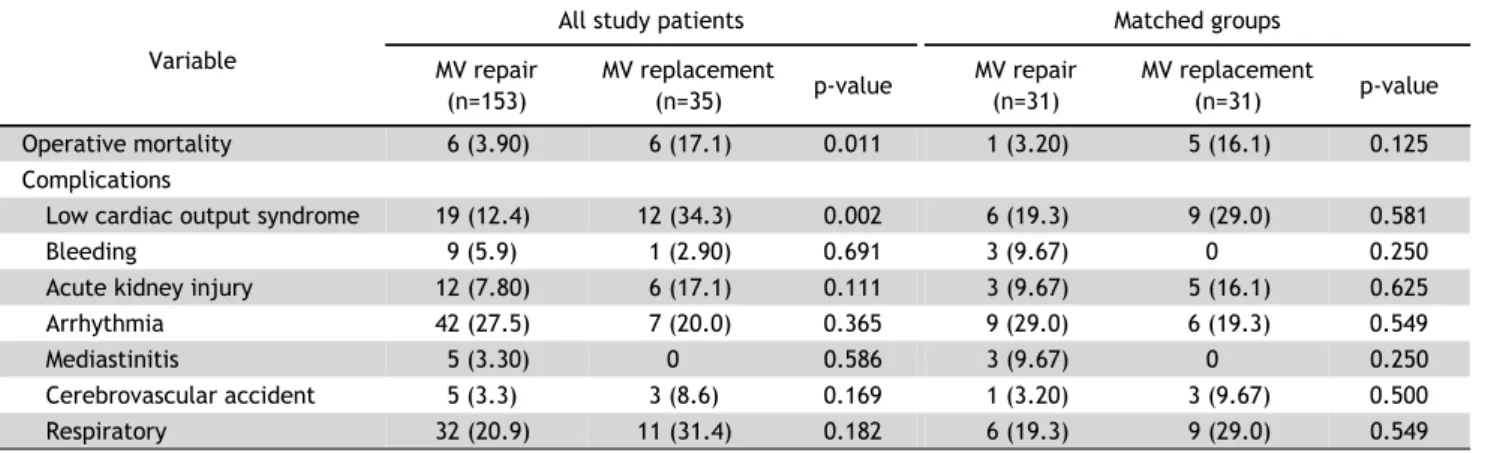
Operative mortality occurred in 12 patients (MV repair, 6 of 153 patients [3.9%]; MV replacement, 6 of 35 patients [17.1%]; p=0.011). Early postoperative morbidities included LCOS (n=31, 16.5%), post- operative bleeding requiring reoperation (n=10, 5.3%), acute kidney injury (n=18, 9.6%), arrhythmia (n=49, 26.1%), mediastinitis (n=5, 2.7%), stroke (n=8, 4.3%), and respiratory complications (n=43, 22.9%).

The incidence of LCOS was significantly higher in the MV replacement group than in the MV repair group (MV repair, n=19 [12.4%]; MV replacement, n=12 [34.3%]; p=0.002). However, after propensity score matching, there were no significant differences in op- erative mortality (MV repair, n=1 [3.20%]; MV re- placement, n=5 [16.1%]; p=0.125) or early post- operative morbidity between the 2 groups (Table 3).

2) Long-term outcomes

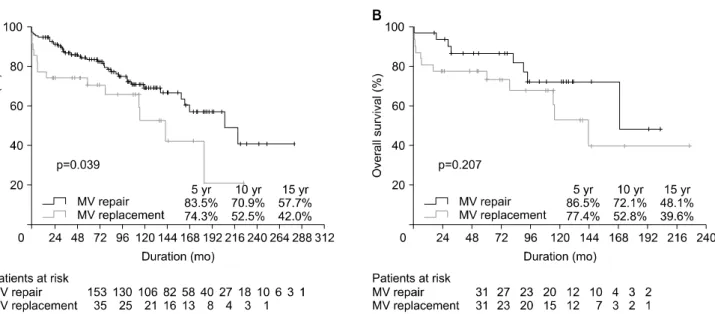
Among the 176 early survivors, late death occurred

in 44 patients, including 13 cardiac deaths. Overall

survival at 5, 10, and 15 years was 83.5%, 70.9%,

and 57.7% in patients who underwent MV repair ver-

sus 74.3%, 52.5%, and 42.0% in those who under-

(5)

Fig. 1. Comparison of overall survival in the MV repair and MV replacement groups (A) before and (B) after propensity score matching.

MV, mitral valve.

Fig. 2. Comparison of freedom from cardiac-related death in the MV repair and MV replacement groups (A) before and (B) after propen- sity score matching. MV, mitral valve.

went MV replacement, respectively (p=0.039) (Fig.

1A). The rate of freedom from cardiac death at 5, 10, and 15 years was 92.8%, 90.5%, and 87.4% in the MV repair group versus 79.9%, 63.9%, and 63.9% in the MV replacement group, respectively (p=0.007) (Fig. 2A). After propensity score matching, the 5-, 10-, and 15-year overall survival rate (86.5%, 72.1%, and 48.1% in the MV repair group versus 77.4%, 52.8%, and 39.6% in the MV replacement group, respectively;

p=0.207) (Fig. 1B) and the rate of freedom from car-

diac-related death (93.2%, 88.0%, and 88.0% in the

MV repair group versus 83.9, 65.2%, and 65.2% in

the MV replacement group, respectively; p=0.470)

(Fig. 2B) were still higher in the MV repair group, al-

though there were no statistically significant differ-

ences between the 2 groups. Cox proportional hazard

analysis was performed on cardiac-related death in

the overall cohort and demonstrated that MV replace-

ment and CKD were independent risk factors for car-

diac-related death (Table 4).

(6)

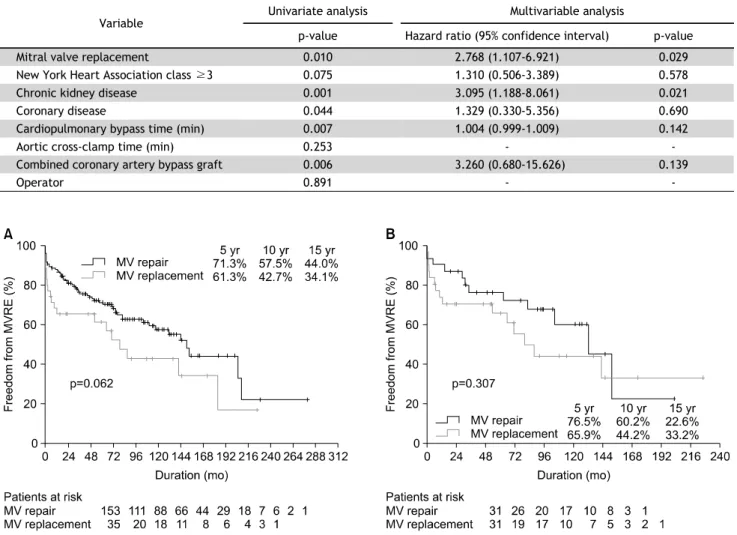
Table 4. Univariate and multivariable risk factor analysis for cardiac-related death in the overall cohort

Variable Univariate analysis Multivariable analysis

p-value Hazard ratio (95% confidence interval) p-value

Mitral valve replacement 0.010 2.768 (1.107-6.921) 0.029

New York Heart Association class ≥3 0.075 1.310 (0.506-3.389) 0.578

Chronic kidney disease 0.001 3.095 (1.188-8.061) 0.021

Coronary disease 0.044 1.329 (0.330-5.356) 0.690

Cardiopulmonary bypass time (min) 0.007 1.004 (0.999-1.009) 0.142

Aortic cross-clamp time (min) 0.253 - -

Combined coronary artery bypass graft 0.006 3.260 (0.680-15.626) 0.139

Operator 0.891 - -

Fig. 3. Comparison of freedom from MVREs in the MV repair and MV replacement groups (A) before and (B) after propensity score matching. MV, mitral valve; MVRE, mitral valve-related event.

3) Mitral valve-related events

One or more MVRE occurred in 73 patients, in- cluding 13 reoperations. In the MV repair group, there were 25 and 1 patients who experienced SVD (MR ≥3+) and NSVD, respectively, and reoperations were performed in 11 patients. All these patients un- derwent MV replacement due to SVD (n=10) and he- molytic anemia (n=1). Oral anticoagulation was main- tained for more than 6 months in 50 patients, and CTEB occurred in 16 patients (valve thrombosis [n=1]; embolism [n=9]; bleeding [n=10]). Readmission was required because of congestive heart failure in 25 patients. In the MV replacement group, SVD (MR

≥3+) and NSVD occurred in 1 and 2 patients. Redo MV replacement was performed in 2 patients due to SVD and pannus formation, respectively. An oral anti-

coagulant was maintained in 17 patients, and CTEB

occurred in 8 patients (valve thrombosis [n=1]; em-

bolism [n=2]; bleeding [n=8]). Readmission because

of congestive heart failure was required in 7

patients. The 5-, 10- and 15-year rates of freedom

from MVRE were 71.3%, 57.5%, and 44.0% in the

MV repair group versus 61.3%, 42.7%, and 34.1% in

the MV replacement group (p=0.062) (Fig. 3A). After

propensity score matching, patients who underwent

MV repair had a still higher tendency for freedom

from MVREs at 5, 10, and 15 years (76.5%, 60.2%,

and 22.6% in the MV repair group versus 65.9%,

44.2%, and 33.2% in the MV replacement group), al-

though there were no significant differences between

the 2 groups (p=0.307) (Fig. 3B). Among the MVREs,

freedom from reoperation at 5, 10, and 15 years

(7)

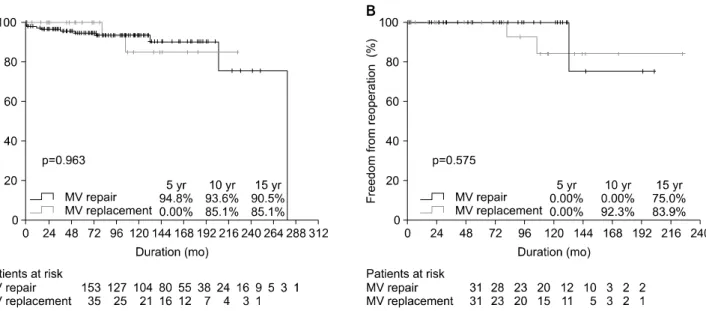
Fig. 4. Comparison of freedom from reoperations in the MV repair and MV replacement groups (A) before and (B) after propensity score matching. MV, mitral valve.

showed no significant differences before or after pro- pensity matching (p=0.963 and p=0.575, respectively) (Fig. 4A, B).

Discussion

This study demonstrated that MV repair for pri- mary degenerative MR might be a valid option in the elderly population if successful repair is possible.

Overall survival and freedom from cardiac death showed more favorable trends in the MV repair group even after propensity score matching. MV re- placement was an independent risk factor for car- diac-related death in the multivariable analysis.

Current European and American guidelines strong- ly recommend MV repair as the preferred surgical method, especially for degenerative mitral disease, in the general population [1,2]. MV repair has been as- sociated with lower operative mortality, better long-term survival, and fewer valve-related complica- tions than MV replacement [12]. However, the feasi- bility and efficacy of MV repair in the elderly pop- ulation is still debated. Although some retrospective observational studies and meta-analyses have sug- gested that MV repair might have favorable results in early and long-term outcomes even in the elderly population [3-10], data obtained from administrative American databases showed a low rate of MV repair (<50%) in those older than 65 years [13,14]. Some

operators, especially young surgeons, still considered older patients to be poor surgical candidates for MV repair for multiple reasons: (1) MV repair requires longer CPB and ischemic times, which can affect ear- ly and long-term clinical outcomes; (2) elderly pa- tients tend to have a more friable or calcified leaflet and annulus, making repair technically more difficult, increasing the possibility of failure and reoperation;

and (3) the shorter life expectancy of elderly patients may decrease the benefit of MV repair over MV re- placement [5,8,9,15].

One of the most important considerations when comparing MV repair and MV replacement in the eld- erly population is that there might be baseline differ- ences between the 2 groups. The patients who un- derwent MV repair had lower Euro-SCORE II (p=0.01), causing selection bias when comparing ear- ly and long-term clinical outcomes. To minimize this limitation, we only enrolled patients with primary degenerative MR who were older than 60 and per- formed propensity score matching using 25 variables.

After propensity score matching, the preoperative

demographic data were similar between the 2

groups. Despite the concerns that have been raised

in this regard, CPB and ACC times were not sig-

nificantly longer in the MV repair group before or af-

ter propensity score matching, which is similar to

previous studies [3-6]. The CPB and ACC times

(199±76.5 minutes and 127±50.9 minutes, re-

(8)

spectively) were markedly longer than those re- ported in previous studies [3-8]. There are several reasons for this. First, this study included 19 patients who underwent MV surgery prior to the 2000s.

Second, concomitant procedures such as aortic valve (n=21) and ascending aorta procedures (n=10), and redo surgery patients (n=3) who previously under- went cardiac procedures other than MV surgery, were included in the overall cohort [3,4]. Finally, 7 of 159 patients (5.3%) underwent MV repair but were converted to MV replacement, which is a slight- ly higher rate than reported in previous studies.

Silaschi et al. [4] and Gaur et al. [5] reported that 4 of 224 patients (1.78%) and 10 of 566 patients (1.75%) experienced MV repair failure, respectively.

CPB and ACC times were not found to be in- dependent predictors affecting cardiac-related death in the multivariate analysis.

In our study, MV repair showed better early and long-term clinical outcomes than MV replacement.

Before propensity score matching, operative mortality occurred in 12 patients (MV repair, 6 of 153 patients [3.9%]; MV replacement, 6 of 35 patients [17.1%];

p=0.011), and 11 cases experienced LCOS and car- diac-related death. The rates of overall survival and freedom from cardiac-related death were significantly higher in the MV repair group. The reduction of the rates of overall survival and freedom from car- diac-related death in the MV replacement group were mainly observed within 2 years after surgery.

Enriquez-Sarano et al. [16] explained similar results by pointing out that the postoperative LV ejection fraction was significantly lower after MV replacement due to the change in the LV geometry, resulting in LCOS and cardiac-related death, thereby affecting overall survival. Similarly to our study, Chivasso et al. [3] and Chikwe et al. [6] compared MV repair to MV replacement for degenerative MV regurgitation in octogenarians and showed on their Kaplan-Meier curve that the reduction of the survival rate in pa- tients who underwent MV replacement was mainly observed within 1 year after surgery. The survival curves for the 2 groups after 1 year were separated but parallel, highlighting the impact of initial excess mortality in the replacement group. Furthermore, previous studies [4,17,18] have reported that the LV ejection fraction after MV repair progressively im- proved until 1 year of follow-up, whereas there was

no significant improvement after MV replacement de- spite the preservation of the subvalvular apparatus.

This is a further explanation of the fact that the overall survival and cardiac-related death remained stable after 1 year postoperatively. After propensity score matching, the overall survival and freedom from cardiac-related death did not show significant differences between the 2 groups. However, the stat- istical analysis of the results still indicate that MV re- pair may play an important role in the elderly, be- cause there was a marked trend for better long-term clinical outcomes. Multivariate analysis also showed that MV replacement was an independent risk factor for cardiac-related death (p=0.029).

In contrast with younger patients, elderly patients are likely to undergo surgery not only to improve life expectancy, but also to improve their quality of life. From that perspective, the high proportions of MVREs in the MV replacement group, especially life- long anticoagulation and CTEB (MV repair, n=16 [10.5%]; MV replacement, n=8 [22.9%]) may be con- sidered an additional risk. Another major concern re- lated with MV repair is the risk of long-term SVD re- quiring a subsequent reoperation. Although the rate of SVD was higher after MV repair, the rate of reop- eration for valve dysfunction during the ob- servational period was identical before and after pro- pensity matching. Moreover, a senior surgeon did not perform annuloplasty in 17 patients undergoing MV repair if the mitral annulus was not dilated. Our cur- rent practice includes annuloplasty in all MV repair cases if possible, and it is expected that the im- proved results of MV repair might further decrease the risks of cardiac death and MVREs.

The present study had limitations that must be

noted. First, it was a retrospective, observational

study conducted at a single institution. Although we

enrolled only patients with primary degenerative MR

and performed propensity score matching, selection

bias and confounding variables might have affected

the study results. Second, the indications for per-

forming MV repair or MV replacement were not pre-

cisely defined because of the retrospective nature of

the present study. Moreover, the surgical techniques

and preferences in MV repair changed over time and

varied among the operating surgeons. Finally, the

number of patients enrolled in the present study

might be too small to draw definitive conclusions,

(9)

which would require a randomized controlled study with a large cohort.

In conclusion, MV repair might be a reasonable choice for primary degenerative MR in the elderly population if successful repair is possible. The early and long-term clinical outcomes of MV repair may be superior to those of MV replacement, and the rate of MVREs, including reoperation, was similar between the 2 groups. MV replacement was an independent risk factor for cardiac-related death in the multi- variable analysis.

Conflict of interest

No potential conflict of interest relevant to this ar- ticle was reported.

Acknowledgments

This study was supported by a Grant of the Samsung Vein Clinic Network (Daejeon, Anyang, Cheongju, Cheonan; Fund no. KTCS04-113).

References

1. Nishimura RA, Otto CM, Bonow RO, et al. 2017 AHA/ACC focused update of the 2014 AHA/ACC guideline for the management of patients with valvular heart disease: a re- port of the American College of Cardiology/American Heart Association task force on clinical practice guidelines. J Am Coll Cardiol 2017;70:252-89.

2. Baumgartner H, Falk V, Bax JJ, et al. 2017 ESC/EACTS guidelines for the management of valvular heart disease.

Eur Heart J 2017;38:2739-91.

3. Chivasso P, Bruno VD, Farid S, et al. Predictors of survival in octogenarians after mitral valve surgery for degener- ative disease: the Mitral Surgery in Octogenarians Study. J Thorac Cardiovasc Surg 2018;155:1474-82.

4. Silaschi M, Chaubey S, Aldalati O, et al. Is mitral valve re- pair superior to mitral valve replacement in elderly pa- tients?: comparison of short- and long-term outcomes in a propensity-matched cohort. J Am Heart Assoc 2016;5:

e003605. https://doi.org/10.1161/JAHA.116.003605.

5. Gaur P, Kaneko T, McGurk S, Rawn JD, Maloney A, Cohn LH. Mitral valve repair versus replacement in the elderly:

short-term and long-term outcomes. J Thorac Cardiovasc Surg 2014;148:1400-6.

6. Chikwe J, Goldstone AB, Passage J, et al. A propensity score-adjusted retrospective comparison of early and mid-term results of mitral valve repair versus replace- ment in octogenarians. Eur Heart J 2011;32:618-26.

7. Nloga J, Henaine R, Vergnat M, et al. Mitral valve surgery in octogenarians: should we fight for repair?: a survival and quality-of-life assessment. Eur J Cardiothorac Surg 2011;39:875-80.

8. Ailawadi G, Swenson BR, Girotti ME, et al. Is mitral valve repair superior to replacement in elderly patients? Ann Thorac Surg 2008;86:77-85.

9. Gillinov AM, Blackstone EH, Nowicki ER, et al. Valve repair versus valve replacement for degenerative mitral valve disease. J Thorac Cardiovasc Surg 2008;135:885-93.

10. Shang X, Lu R, Liu M, Xiao S, Dong N. Mitral valve repair versus replacement in elderly patients: a systematic re- view and meta-analysis. J Thorac Dis 2017;9:3045-51.

11. Akins CW, Miller DC, Turina MI, et al. Guidelines for re- porting mortality and morbidity after cardiac valve interventions. Ann Thorac Surg 2008;85:1490-5.

12. Lazam S, Vanoverschelde JL, Tribouilloy C, et al.

Twenty-year outcome after mitral repair versus replace- ment for severe degenerative mitral regurgitation: analy- sis of a large, prospective, multicenter, international registry. Circulation 2017;135:410-22.

13. Vassileva CM, Mishkel G, McNeely C, et al. Long-term sur- vival of patients undergoing mitral valve repair and re- placement: a longitudinal analysis of Medicare fee-for- service beneficiaries. Circulation 2013;127:1870-6.

14. Badhwar V, Peterson ED, Jacobs JP, et al. Longitudinal outcome of isolated mitral repair in older patients: re- sults from 14,604 procedures performed from 1991 to 2007. Ann Thorac Surg 2012;94:1870-7.

15. Seeburger J, Falk V, Garbade J, et al. Mitral valve surgical procedures in the elderly. Ann Thorac Surg 2012;94:

1999-2003.

16. Enriquez-Sarano M, Schaff HV, Orszulak TA, Tajik AJ, Bailey KR, Frye RL. Valve repair improves the outcome of surgery for mitral regurgitation: a multivariate analysis.

Circulation 1995;91:1022-8.

17. Okita Y, Miki S, Ueda Y, Tahata T, Sakai T, Matsuyama K.

Comparative evaluation of left ventricular performance after mitral valve repair or valve replacement with or without chordal preservation. J Heart Valve Dis 1993;2:

159-66.

18. Candan O, Ozdemir N, Aung SM, et al. Effect of mitral

valve repair versus replacement on left ventricular rota-

tional deformation: a study with speckle tracking

echocardiography. J Heart Valve Dis 2013;22:651-9.

수치

Table 1. Preoperative demographic and echocardiographic data Characteristic
Table 2. Operative data Variable
Table 3. Comparison of early clinical outcomes Variable
Fig. 1. Comparison of overall survival in the MV repair and MV replacement groups (A) before and (B) after propensity score matching
+3

참조

관련 문서

3 Mean percentages of bone implant contact ratio in the control group and experimental groups at 6 and 12 weeks after placement of the

In the analysis of soluble solids, the treatment group with material grains and the combined groups of glutinous millet and barley appeared high, and

2) In between-group comparison before and after elastic band exercise, a significant difference was found in the percentage of body fat, fat-free

We evaluated the general characteristics, mechanism of injury, Revised Trauma Score(RTS), Injury Severity Score(ISS), Trauma Injury Severity Score(TRISS). More men

The clinical outcomes were assessed by measuring the Korea shoulder society (KSS) score, Mayo elbow performance (MEP) score and the postoperative complications.

As the frequency of participation and the period of participation increased, the score for leisure satisfaction was high, and as the external motivation

In order to conduct a more detailed and dense analysis of the overall operation of the Creation & Production Center, the case of the creation

The closed loop transfer function of every possible input-output pair is proper (well posed) and BIBO stable(totally stable).... Then ( ) should be proper and BIBO stable