Pediatr Gastroenterol Hepatol Nutr 2018 April 21(2):118-126
PGHN
Original Article
Accuracy of the 2008 Simplified Criteria for the Diagnosis of Autoimmune Hepatitis in Children
José Vicente Arcos-Machancoses*, Cristina Molera Busoms*
,‡, Ecaterina Julio Tatis*, María Victoria Bovo*, Jesús Quintero Bernabeu
†,‡, Javier Juampérez Goñi
†,‡, Vanessa Crujeiras Martínez
§, and Javier Martin de Carpi*
,‡*Department of Pediatric Gastroenterology, Hepatology and Nutrition, Sant Joan de Déu Hospital (SJDH), †Department of Pediatric Gastroenterology and Hepatology, Vall d’Hebron Hospital (VHH), ‡SJDH-VHH Comprehensive Unit of Complex Hepatology and Pediatric Liver Transplantation, Barcelona, §Department of Pediatric Gastroenterology and Hepatology, University Hospital Complex of Santiago de Compostela, Santiago de Compostela, Spain
Purpose: Classical criteria for diagnosis of autoimmune hepatitis (AIH) are intended as research tool and are difficult to apply at patient’s bedside. We aimed to study the accuracy of simplified criteria and the concordance with the expert diagnosis based on the original criteria.
Methods: A cohort of children under study for liver disorder was selected through consecutive sampling to obtain the prevalence of AIH within the group of differential diagnoses. AIH was defined, based on classical criteria, through committee review of medical reports. Validity indicators of the simplified criteria were obtained in an intention to diag- nose approach. Optimal cut-off and the area under the receiver operating characteristic (ROC) curve were calculated.
Results: Out of 212 cases reviewed, 47.2% were AIH. For the optimal cut-off (6 points), the simplified criteria showed a sensitivity of 72.0% and a specificity of 96.4%, with a 94.7% positive and a 79.4% negative predictive value. The area under the ROC curve was 94.3%. There was a good agreement in the pre-treatment concordance between the classical and the simplified criteria (kappa index, 0.775).
Conclusion: Simplified criteria provide a moderate sensitivity for the diagnosis of AIH, but may help in indicating treatment in cases under suspicion with 6 or more points.
Key Words: Autoimmune hepatitis, Diagnosis, Sensitivity and specificity
Received:October 13, 2017, Revised:November 28, 2017, Accepted:December 18, 2017
Corresponding author: José Vicente Arcos-Machancoses, Department of Pediatric Gastroenterology, Hepatology and Nutrition, Sant Joan de Déu Hospital (SJDH), Passeig de Sant Joan de Déu, 2, 08950 Esplugues de Llobregat, Barcelona, Spain. Tel: +34-606940343, Fax: +34-932047960, E-mail: [email protected]
Copyright ⓒ 2018 by The Korean Society of Pediatric Gastroenterology, Hepatology and Nutrition
This is an openaccess article distributed under the terms of the Creative Commons Attribution NonCommercial License (http://creativecommons.org/licenses/by-nc/4.0/) which permits unrestricted noncommercial use, distribution, and reproduction in any medium, provided the original work is properly cited.
INTRODUCTION
Autoimmune hepatitis (AIH) is an inflammatory
liver disorder with a wide clinical spectrum, that ranges from isolated acute or chronic hyper- transaminasemia to acute liver failure (ALF) [1,2]. It
Table 1.Simplified Scoring System for Autoimmune Hepatitis Diagnosis by the International Autoimmune Hepatitis Group
Points Parameter
ANA or SMA
+1 ≥1:40
+2 ≥1:80
+2 LKM ≥1:40
+2 SLA positive*
IgG
+1 Upper normal limit
+2 >1.1 times upper normal limit Liver histology
+1 Compatible with AIH†
+2 Typical of AIH‡
+2 Absence of viral hepatitis
Adapted from Hennes et al. (Hepatology 2008;48:169-76) with permission [8].
ANA: anti-nuclear antibody, SMA: anti-smooth muscle antibody, LKM: anti-liver/kidney microsomal antibody, SLA: anti-soluble liver antibodies; IgG: immunoglobulin G, AIH: autoimmune hepatitis.
*Maximum number of points for all autoantibodies is 2. Total points are 8. †Compatible features are a picture of chronic hepatitis with lymphocytic infiltration without all the features considered typical. ‡Interface hepatitis, lymphocytic/lymphoplasmacytic infiltrates in portal tracts and extending into the lobule, emperipolesis (active penetration by one cell into and through a large cell), and hepatic rosette formation.
is characterized by several analytical features, espe- cially the presence of autoantibodies, high levels of immunoglobulin G (IgG) and, histologically, by liver lymphocytic or lymphoplasmacytic chronic infiltra- tion that is typically displayed as interface hepatitis [3]. AIH tends to naturally evolve towards liver cir- rhosis but when treated, it responds properly in the majority of patients [4].
With reference to diagnosis, the International Autoimmune Hepatitis Group (IAIHG) proposed, in 1993, a classification criteria to facilitate comparison of diagnostic definitions in clinical studies [5].
Criteria were revised in 1999 and, as a result, their specificity was improved up to 90% [6]. IAIHG re- vised diagnostic criteria have been proven suitable even in an exclusively pediatric population [7].
However, their practical application remains chal- lenging for clinical use due to its complexity, includ- ing 13 categories, some of them impractical in
children. To overcome these difficulties, the IAIHG proposed a simplified scoring system in 2008 (Table 1) [8,9]. Some validation studies have been carried out in adults in relation to the simplified criteria, demonstrating its usefulness [10-16]. However, only two studies have been published assessing its val- idity in children, with discrepant conclusions re- garding its sensitivity [17,18]. Furthermore, their study designs did not allow for the calculation of ac- curate predictive values. The aims of this study are to determine the validity indexes of simplified IAIHG criteria, to estimate the frequency of AIH in children consecutively evaluated for liver disease at our cen- ters and, according to it, to assess their diagnostic ca- pacity in this population, which could set a basis for further clinical decision analysis.
MATERIALS AND METHODS
Design
A cross-sectional diagnostic accuracy study was performed. Data were collected mainly in a retro- spective way since January 2005 but a prospective wing was included from January 2016 to January 2017 in order to increase the sample size, verify pre- viously collected information, correct missing data and reclassify patients’ first diagnosis if needed.
Study population
Patients were all under 18 years old, from Sant Joan de Déu Hospital and Vall d’Hebron Hospital that share a common Pediatric Hepatology unit. They were intended to be representative of a population in clinical or analytical situation potentially attributable to AIH. Inclusion criteria were: 1) patients with liver biopsy performed because of signs of acute or chronic hepatocellular damage, regardless of the coexistence of cholestasis and the technique for sample collection (percutaneous, laparoscopic or transjugular); 2) ALF defined according to the consensus reached by the Pediatric Acute Liver Failure Study Group [19].
Patients with the following conditions were ex- cluded: 1) children who underwent liver or hep- atocyte transplantation; 2) previous diagnosis of any
congenital or acquired liver disease; 3) previous diag- nosis of any systemic or metabolic disorder with liver involvement; 4) hepatic space-occupying lesion; 5) liver biopsy indicated for sample collection in the set- ting of fever of undetermined origin investigation; 6) infants less than six months old (to rule out alloim- mune hepatitis and other causes of young infant ALF). Participants formed a consecutive series and were identified through International Classification of Diseases, 9th revision (ICD-9) codes, cross referenc- ing with Pediatric Hepatology database and radiology reports.
The only act performed in study participants was retrieving their medical information from hospital reports. Nonetheless, informed consent was ob- tained from all individual participants included in the study. The protocol was approved by the ethics committee of Sant Joan de Déu Hospital, Barcelona (number: PIC-99-16).
Scoring systems
We considered classical revised 1999 criteria as a not completely accurate gold standard and designed the study to minimize misestimation of validity in- dexes for these reason [20]. Post-treatment scores were taken into account if possible. Therefore, we es- tablished a threshold of ≥12 to be a positive case, re- gardless its classification in probable (12 to 17) or definite AIH (>17). In a pre-treatment basis, a 10 to 15 score meant probable AIH, and >15 meant defi- nite AIH. Labelling between these two categories is based on variations in clinical manifestations and does not reflect differences in the reliability of the di- agnosis [21]. Auto-antibodies titers under 1:40 were given 1 point [3,6] and, unless specified in another way in the medical reports, alcohol intake was judged not significant. To ensure diagnostic robust- ness and reduce false positives, two conditions were considered necessary: 1) Treatment response after three months of remission induction, defined as symptoms relief and liver transaminases decrease (complete or with posterior relapse) and 2) liver his- tology describing, at least, features compatibles with AIH (chronic hepatitis with lymphocytic infiltra-
tion) [22].
During the prospective wing, in order to reduce false negatives, those cases initially labelled as non AIH by classical criteria were reviewed. They were re- classified to AIH if there was an explicit AIH diag- nosis in medical reports and the two necessary con- ditions described above were simultaneously fulfilled.
Suggested cut-offs for 2008 simplified criteria pos- itivity are 6 points (probable diagnosis) and 7 points (definite diagnosis) [8]. All the possible values (0-8) were explored in the analysis. Data were recorded around the biopsy date.
Implementation of the reference standard for di- agnosis was done before applying the simplified cri- teria so that the result of the index test was not avail- able to the assessors.
Analysis
Missing data correction and diagnosis updating were carried out prospectively when possible. The planning consisted of excluding those patients from analyses if missing data recovery were not possible and had impact on ensure the reference standard result. On the other hand, the study strategy in- cluded using of a 3×2 table with an intention to di- agnose approach to handle simplified criteria in- determinate results [23]. Sensitivity, specificity and predictive values were calculated with their 95% con- fidence interval (CI). Other validity indexes like like- lihood ratios and the Good-Turing weight of evi- dence were also obtained [24]. A receiver operating characteristic (ROC) curve was plotted, and its area under the curve calculated. An optimal cut-off value was estimated using a costs ratio of 1 to penalize false negatives and false positives equally [25].
Binary results were reported as percentages with 95% CI by Wilson method and continuous variables as median and interquartile range. The Mann- Whitney U-test was used to evaluate differences in continuous variables between groups and χ2 test for dichotomous variables. Fisher’s exact test was used when appropriate. A p-value of <0.05 was consid- ered statistically significant. Statistical analyses were performed on IBM SPSS Statistics ver. 21.0
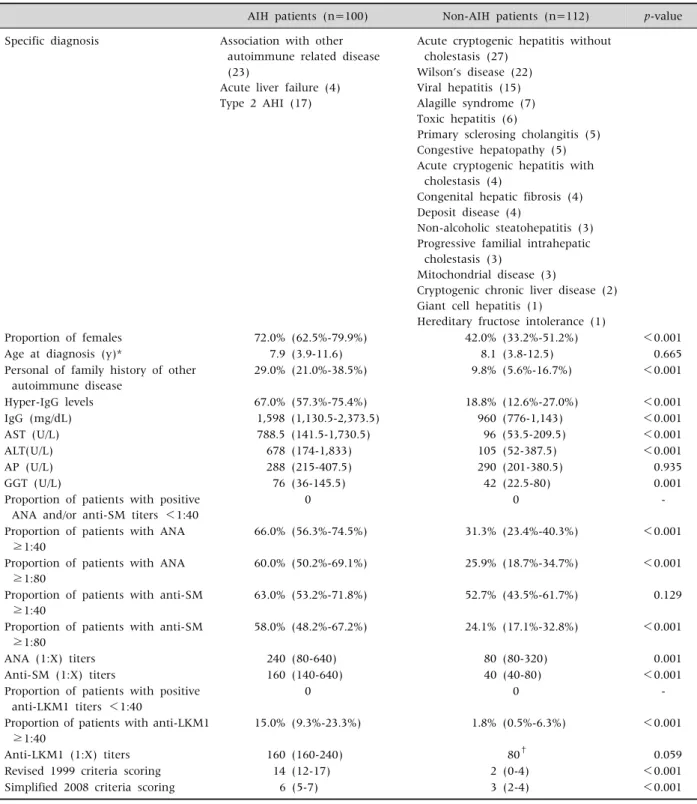
Table 2.Patients’Clinical, Analytical and Demographic Characteristics According to Final Diagnosis
AIH patients (n=100) Non-AIH patients (n=112) p-value Specific diagnosis Association with other
autoimmune related disease (23)
Acute liver failure (4) Type 2 AHI (17)
Acute cryptogenic hepatitis without cholestasis (27)
Wilson’s disease (22) Viral hepatitis (15) Alagille syndrome (7) Toxic hepatitis (6)
Primary sclerosing cholangitis (5) Congestive hepatopathy (5) Acute cryptogenic hepatitis with
cholestasis (4)
Congenital hepatic fibrosis (4) Deposit disease (4)
Non-alcoholic steatohepatitis (3) Progressive familial intrahepatic
cholestasis (3)
Mitochondrial disease (3)
Cryptogenic chronic liver disease (2) Giant cell hepatitis (1)
Hereditary fructose intolerance (1)
Proportion of females 72.0% (62.5%-79.9%) 42.0% (33.2%-51.2%) <0.001
Age at diagnosis (y)* 7.9 (3.9-11.6) 8.1 (3.8-12.5) 0.665
Personal of family history of other autoimmune disease
29.0% (21.0%-38.5%) 9.8% (5.6%-16.7%) <0.001
Hyper-IgG levels 67.0% (57.3%-75.4%) 18.8% (12.6%-27.0%) <0.001
IgG (mg/dL) 1,598 (1,130.5-2,373.5) 960 (776-1,143) <0.001
AST (U/L) 788.5 (141.5-1,730.5) 96 (53.5-209.5) <0.001
ALT(U/L) 678 (174-1,833) 105 (52-387.5) <0.001
AP (U/L) 288 (215-407.5) 290 (201-380.5) 0.935
GGT (U/L) 76 (36-145.5) 42 (22.5-80) 0.001
Proportion of patients with positive ANA and/or anti-SM titers <1:40
0 0 -
Proportion of patients with ANA
≥1:40
66.0% (56.3%-74.5%) 31.3% (23.4%-40.3%) <0.001
Proportion of patients with ANA
≥1:80
60.0% (50.2%-69.1%) 25.9% (18.7%-34.7%) <0.001
Proportion of patients with anti-SM
≥1:40
63.0% (53.2%-71.8%) 52.7% (43.5%-61.7%) 0.129
Proportion of patients with anti-SM
≥1:80
58.0% (48.2%-67.2%) 24.1% (17.1%-32.8%) <0.001
ANA (1:X) titers 240 (80-640) 80 (80-320) 0.001
Anti-SM (1:X) titers 160 (140-640) 40 (40-80) <0.001
Proportion of patients with positive anti-LKM1 titers <1:40
0 0 -
Proportion of patients with anti-LKM1
≥1:40
15.0% (9.3%-23.3%) 1.8% (0.5%-6.3%) <0.001
Anti-LKM1 (1:X) titers 160 (160-240) 80† 0.059
Revised 1999 criteria scoring 14 (12-17) 2 (0-4) <0.001
Simplified 2008 criteria scoring 6 (5-7) 3 (2-4) <0.001
Data between parentheses represent interquartile range for quantitative variables and 95% confidence interval for proportions.
AIH: autoimmune hepatitis, IgG: immunoglobulin G, AST: aspartate aminotransferase, ALT: alanine aminotransferase, AP: alkaline phosphatase, GGT: gamma glutamyl transferase, ANA: antinuclear antibodies. Anti-SM: anti-smooth muscle antibodies, Anti-LKM1:
anti-liver/kidney microsomal antibodies.
*Or at first biopsy date if diagnosis initially unclear. †Interquartile range not informative due to few patients.
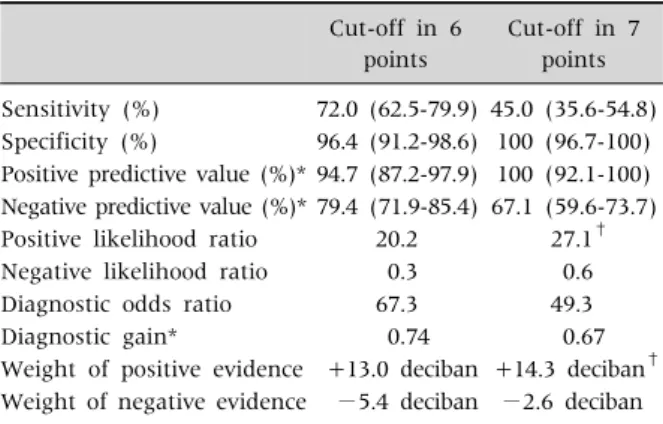
Table 3. Autoimmune Hepatitis 2008 Simplified Criteria Validity Indicators in Children
Cut-off in 6 points
Cut-off in 7 points Sensitivity (%) 72.0 (62.5-79.9) 45.0 (35.6-54.8) Specificity (%) 96.4 (91.2-98.6) 100 (96.7-100) Positive predictive value (%)* 94.7 (87.2-97.9) 100 (92.1-100) Negative predictive value (%)* 79.4 (71.9-85.4) 67.1 (59.6-73.7) Positive likelihood ratio 20.2 27.1†
Negative likelihood ratio 0.3 0.6
Diagnostic odds ratio 67.3 49.3
Diagnostic gain* 0.74 0.67
Weight of positive evidence +13.0 deciban +14.3 deciban† Weight of negative evidence −5.4 deciban −2.6 deciban Values in parentheses represent 95% confidence interval.
*For sample prevalence. †Calculated with the midpoint of the specificity confidence interval.
(IBM Co., Armonk, NY, USA).
A pilot study was conducted to initially estimate the prevalence and expected sensitivity and sensi- tivity for the cut off in 6 points. Exactly 49 out of 102 patients were classified as having AIH. Buderer for- mulae with 10% absolute accuracy and 0.05 α error [26] gave a recommended minimum sample size of 154.
Agreement between classifications with 1999 and 2008 criteria (definite AIH, probable AIH or no AIH) was studied by the kappa statistic with quadratic weighting.
RESULTS
An initial 425 patients with a variety of liver dis- eases were identified. Out of them, 207 met ex- clusion criteria. We finally intended to conduct the analysis in 218 patients, 6 of whom were also ex- cluded because data recovery was not possible due to loss to follow-up. Seventeen patients were included in the prospective wing. The prevalence of AIH in the remaining 212 subjects was 47.2% (95% CI, 40.6% to 53.9%).
Clinical and demographic characteristics accord- ing to final diagnosis are depicted in Table 2.
Proportion between type 1 and 2 AIH in our sample was nearly 5:1. None of the patients had an explicit diagnosis of overlap syndrome with primary scleros- ing cholangitis (PSC). Nevertheless, not all patients enrolled at the first years of the inclusion period had a cholangiographic evaluation performed.
Revised 1999 criteria
Following the 1999 revised criteria, 85 children were correctly diagnosed with AIH after the first liver biopsy (sensitivity, 85.0%; 95% CI, 76.7% to 90.7%) and 15 more patients were subsequently reclassified as having the same condition. Ten out of these 15 pa- tients reached classical criteria during the follow-up period, raising its sensitivity up to 95.0%, 95% CI:
88.8% to 97.8%. The remaining 5 patients were diag- nosed according to histology features, clinical pre- sentation and complete treatment response despite
not meeting classical criteria. Interestingly, they all scored 6 points in the simplified criteria. No patients were misdiagnosed as AIH by 1999 criteria (specificity, 100%; 95% CI, 96.7% to 100%).
The revised 1999 classical criteria categorized 73%
of the AIH as probable and 22% as definite.
Simplified criteria
Simplified criteria’s sensitivity with a 6 points cut-off at first diagnostic attempt was 72.0% (95%
CI, 62.5% to 79.9%). It went down to 45.0% (95% CI, 35.6% to 54.8%) when using a 7 points cut-off. In terms of specificity it showed a better performance, with 96.4% (95% CI, 91.2% to 98.6%) and 100% (95%
CI, 96.7% to 100%) with 6 and 7 points cut-off respectively. Other validity indicators are listed in Table 3. Analysis in our sample also demonstrated that 6 points are the optimal threshold to consider that a case meets simplified criteria. According to sensitivity and specificity, the indication area came from 2% to 86%, which is the range between two prevalences wherein the gain in certainty is higher than the loss of certainty [27]. Specifically, validity of 2008 criteria reaches its better overall performance in populations with AIH prevalence around 29.3%, which makes both predictive values equal at around 89.3%. In the context of the prevalence obtained in
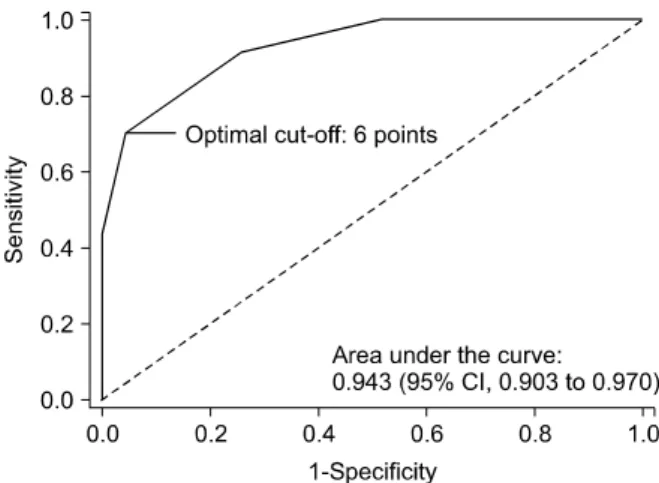
Fig. 1. Simplified criteria receiver operating characteristic curve. CI: confidence interval.
our scenario, a positive result when applying the 2008 simplified criteria is especially valuable, given a 94.7% positive predictive value (95% CI, 87.2% to 97.9%). Additionally, simplified criteria behaved as a good discrimination tool, with an area under ROC curve of 0.943 (95% CI, 0.903 to 0.970) considering it as a quantitative test (Fig. 1). The area under ROC curve of the diagnostic model at the established cut-off was 0.842 (95% CI, 0.786 to 0.888).
The simplified criteria defined 27% as probable AIH, 45% as definite AIH, and 28% were not identi- fied as AIH. Furthermore, the 2008 criteria correctly classified 108 out of 112 non-AIH cases (96.4%) but 4 children (3.6%) were misdiagnosed as probable AIH. Concerning the misclassifications by the sim- plified criteria, it obtained 28 false negatives.
Proportion of normal levels of IgG was significantly higher in these children in comparison to those with AIH correctly diagnosed by the 2008 criteria (78.6%
vs. 15.3%, p<0.001). They also showed lower auto- antibodies levels, with a proportion of children with
>1/80 titers of 50.0%, vs. 84.7% in true positive pa- tients (p<0.001). Two cases out of the 2008 criteria false negatives had normal autoantibody titers, and only one seronegative patient was found in the true positive group. Positive viral hepatitis markers were found in 28.6% misclassified patients (single in- fections by Epstein-Barr virus in 4 cases, cytomega-
lovirus in 3 and hepatitis A virus in 1), who sub- sequently evolved towards AIH, significantly more than in correctly diagnosed AIH patients (8.3%, p=0.009). No differences were found regarding pro- portion of female patients or liver histology features.
All 4 false positive patients were females, with slightly elevated IgG levels and >1/80 antinuclear antibodies titers that were classified as probable AIH by the simplified criteria. Two of them were finally diagnosed with PSC and the other 2 were classified as transient acute cryptogenic hepatitis. All of them were studied with magnetic resonance cholangiog- raphy and had AIH correctly excluded by 1999 classi- cal revised criteria.
Agreement between scores
The kappa statistic showed a good agreement be- tween diagnosis made by the 2008 simplified criteria and the 1999 revised classical criteria in a pre-treat- ment basis (0.775; 95% CI, 0.704 to 0.846) and in- cluding the treatment response item in the original diagnostic system (0.750; 95% CI, 0.676 to 0.824).
DISCUSSION
This is a diagnostic accuracy study conducted on the 2008 simplified criteria for pediatric AIH. It has been specifically designed to obtain its validity in- dicators in the clinical setting where it may be more useful: as a diagnostic test for everyday clinical prac- tice without considering response to treatment.
Thus, simplified criteria have been applied in a cross-sectional way in a population of children with a still undiagnosed liver disorder. To do so, we re- cruited patients according to the need of performing a liver biopsy, as described previously. The principle underlying this decision was the current recom- mendation, by the American Association for the Study of Liver Diseases, of conducting histological liver studies before applying any treatment provided that there are no contraindications [28]. In this re- spect, all AIH cases presenting with ALF could be bi- opsied after transfusion of fresh-frozen plasma or by transjugular access. We took this into consideration
although it has been pointed out that, in some cases, biopsy samples might not need to be collected [29].
Several studies have been carried out including both adult and pediatric patients, evaluating sim- plified criteria compared to codified descriptive cri- teria developed by the IAIHG in 1993 [6,8,10,15,30].
Some other pediatric studies used 1999 original re- vised criteria as a reference standard [17,18], argu- ing its established use in clinical and research sce- narios and the demonstrated validity in children [7].
In spite of this, there are some concerns about classi- cal criteria working as a truly gold standard. Assu- ming 100% accuracy of patients’ diagnoses of AIH when using 1999 revised criteria may be erroneous, indeed [20]. Actually, five of our AIH patients were diagnosed according to histology features, clinical presentation and complete treatment response de- spite not meeting classical criteria. All were males without personal or familial autoimmune diseases history, without hyper-IgG levels and with low pos- itive autoantibody titres. In that sense, childhood AIH diagnostic criteria proposed by Mieli-Vergani et al. [31] might have been helpful but have not been specifically validated and they will also hardly be- have as a gold standard.
IgG and serum globulin can be used interchange- ably in applying simplified criteria for AIH in chil- dren [18]. We chose to use IgG alone in our analysis because of the many missing globulin levels in our patients. The rest of the criteria items could be totally fulfilled without missing data.
We think that our study design has managed to build representative samples of AIH and non-AIH cases to assess the goodness of simplified criteria.
Three diagnoses configured more than a half of the alternative cases: acute cryptogenic hepatitis, Wilson’s disease and viral hepatitis. This differs from the non-AIH samples in the two previous studies about the utility of the simplified criteria in children.
Hiejima et al. [17] build a non-cases group where chronic hepatitis C was the main diagnosis, and Mileti et al. [18] studied 2008 criteria mainly in chil- dren with metabolic liver disease, non-alcoholic steatohepatitis and PSC. This may have had an im-
pact on simplified criteria performance, as children with PSC frequently have overlap with AIH, termed autoimmune sclerosing cholangitis (AISC), but the AIH component is not always recognized. Actually, it has been found that 50% of patients with AIH char- acteristics meeting classical and simplified criteria have bile duct disease at presentation [32]. Current guidelines include the need for a cholangiogram in children with AIH to rule out these two entities [28,31,33]. However, as a limitation, AIH patients in our sample had cholangiogram done only in up to 48% cases, especially those diagnosed in the second half of the inclusion period. The five PSC patients from Hiejima et al. [17] and 3/8 from Mileti et al. [18]
were classified as AIH. Two out of 5 from our study were so misdiagnosed by the 2008 simplified criteria.
Moreover, even though it does not necessarily imply another therapeutic option (beyond adding urso- deoxycholic acid), lack of cholangiogram in some AIH cases could imply an under-diagnose rate of AISC. Studies evaluating the IAIHG scoring systems in adults with PSC and AISC show that 1999 classical criteria and 2008 simplified criteria have similar spe- cificity [34-36]. Consequently, our results add evi- dence that performing image studies of the bile tract is advisable in the diagnostic approach of AIH, re- gardless the result of the scoring systems.
Performance parameters of the scoring systems in acute onset AIH has been another subject under discussion. Classical and simplified criteria’s utility in adult and pediatric patients have proven to be poor in ALF [15,17]. However, the 4 cases in our cohort matching the definition of ALF were correctly classi- fied by 1999 and 2008 scoring systems. All of them had mild signs of encephalopathy that recovered af- ter treatment. It is possible that clinical severity of ALF could have an impact in AIH diagnostic criteria reliability and, as a result, previous results could not be strictly inferred to our sample.
Even in this non-selected population, 2008 criteria have shown an overall appropriate performance. The specificity of 96.4% is higher than that obtained by Hiejima et al. [17] (86%) and Mileti et al. [18] (95%), in part due to an optimal classification of some PSC
patients. Notwithstanding the better accuracy than in Hiejima et al. [17] for this diagnostic group, val- idity of simplified criteria was neither appropriate.
As interpreted by Mileti et al. [18], our results also pointed out that diagnosis and management should not only be guided by the scoring system, but by the biopsy result if PSC is suspected. In terms of sensi- tivity, we obtained an intermediate result (72.0%) between that reported by Hiejima et al. [17] (55.0%) and Mileti et al. [18] (91.9%). Apart from that, in the real clinical scenario that we defined, a score over 6 points using the 2008 criteria renders a probability of 94.7% of a true AIH, indicating the good reliability of the simplified scoring system. AIH rate may be high in countries with limited frequency of viral hepatitis or non-alcoholic fatty liver disease. In a lower preva- lence setting, positive predictive value would be in- ferior, so we suggest calculating it for each popu- lation.
The reasons for misclassifications according to simplified criteria results were diverse, and some of them have already been considered for pediatric AIH diagnosis. In fact, the need for excluding PSC, AISC and Wilson’s disease, and the fact that children often exhibit lower autoantibodies titers, have been in- cluded in the pediatric-specific criteria proposed by Mieli-Vergani et al. in 2009 [31]. They have not been thought as a scoring system and, to our knowledge, have not been validated neither, which may be a sub- ject for future studies.
As a conclusion, simplified criteria have shown a moderate sensitivity and a high specificity, similar to previous reports both in adults and children. Around half the children that start with liver disease and who are studied with a liver biopsy, are finally diag- nosed of AIH. In our setting, this has meant that sim- plified criteria are a good tool to predict AIH diag- nosis and may play a role in indicating treatment even in ALF onset. Since there are only four variables to consider in the calculation, it is easier to apply compared to 1999 classical criteria, though its accu- racy is lower. Nevertheless, cholangiographic studies should be performed to exclude PSC and AISC.
REFERENCES
1. Krawitt EL. Clinical features and management of auto- immune hepatitis. World J Gastroenterol 2008;14:
3301-5.
2. Vergani D, Mieli-Vergani G. Cutting edge issues in au- toimmune hepatitis. Clin Rev Allergy Immunol 2012;42:309-21.
3. Mieli-Vergani G, Vergani D. Autoimmune hepatitis in children: what is different from adult AIH? Semin Liver Dis 2009;29:297-306.
4. Della Corte C, Sartorelli MR, Sindoni CD, Girolami E, Giovannelli L, Comparcola D, et al. Autoimmune hep- atitis in children: an overview of the disease focusing on current therapies. Eur J Gastroenterol Hepatol 2012;24:739-46.
5. Johnson PJ, McFarlane IG. Meeting report:
International Autoimmune Hepatitis Group. Hepato- logy 1993;18:998-1005.
6. Alvarez F, Berg PA, Bianchi FB, Bianchi L, Burroughs AK, Cancado EL, et al. International Autoimmune Hepatitis Group Report: review of criteria for diagnosis of autoimmune hepatitis. J Hepatol 1999;31:929-38.
7. Ebbeson RL, Schreiber RA. Diagnosing autoimmune hepatitis in children: is the International Autoimmune Hepatitis Group scoring system useful? Clin Gastroen- terol Hepatol 2004;2:935-40.
8. Hennes EM, Zeniya M, Czaja AJ, Parés A, Dalekos GN, Krawitt EL, et al. Simplified criteria for the diagnosis of autoimmune hepatitis. Hepatology 2008;48:169-76.
9. Choi G, Peters MG. The challenge of diagnosing auto- immune hepatitis: less is more. Hepatology 2008;48:
10-2.
10. Qiu D, Wang Q, Wang H, Xie Q, Zang G, Jiang H, et al.
Validation of the simplified criteria for diagnosis of au- toimmune hepatitis in Chinese patients. J Hepatol 2011;54:340-7.
11. Li Y, Peng M, Gong G. Evaluation of the revised versus the simplified scoring system in patients with auto- immune hepatitis. Exp Ther Med 2014;7:131-6.
12. Fujiwara K, Yasui S, Tawada A, Fukuda Y, Nakano M, Yokosuka O. Diagnostic value and utility of the sim- plified International Autoimmune Hepatitis Group cri- teria in acute-onset autoimmune hepatitis. Liver Int 2011;31:1013-20.
13. Liu F, Pan ZG, Ye J, Xu D, Guo H, Li GP, et al. Primary biliary cirrhosis-autoimmune hepatitis overlap syn- drome: simplified criteria may be effective in the diag- nosis in Chinese patients. J Dig Dis 2014;15:660-8.
14. Gatselis NK, Zachou K, Papamichalis P, Koukoulis GK, Gabeta S, Dalekos GN, et al. Comparison of simplified
score with the revised original score for the diagnosis of autoimmune hepatitis: a new or a complementary di- agnostic score? Dig Liver Dis 2010;42:807-12.
15. Yeoman AD, Westbrook RH, Al-Chalabi T, Carey I, Heaton ND, Portmann BC, et al. Diagnostic value and utility of the simplified International Autoimmune Hepatitis Group (IAIHG) criteria in acute and chronic liver disease. Hepatology 2009;50:538-45.
16. Muratori P, Granito A, Pappas G, Muratori L.
Validation of simplified diagnostic criteria for auto- immune hepatitis in Italian patients. Hepatology 2009;49:1782-3; author reply 1783.
17. Hiejima E, Komatsu H, Sogo T, Inui A, Fujisawa T.
Utility of simplified criteria for the diagnosis of auto- immune hepatitis in children. J Pediatr Gastroenterol Nutr 2011;52:470-3.
18. Mileti E, Rosenthal P, Peters MG. Validation and mod- ification of simplified diagnostic criteria for auto- immune hepatitis in children. Clin Gastroenterol Hepatol 2012;10:417-21.e1-2.
19. Squires RH Jr, Shneider BL, Bucuvalas J, Alonso E, Sokol RJ, Narkewicz MR, et al. Acute liver failure in children: the first 348 patients in the pediatric acute liv- er failure study group. J Pediatr 2006;148:652-8.
20. Kochar R, Fallon M. Diagnostic criteria for auto- immune hepatitis: what is the gold standard?
Hepatology 2010;51:350-1; author reply 351.
21. Czaja AJ. Comparability of probable and definite auto- immune hepatitis by international diagnostic scoring criteria. Gastroenterology 2011;140:1472-80.
22. Tiniakos DG, Brain JG, Bury YA. Role of histopathol- ogy in autoimmune hepatitis. Dig Dis 2015;33 Suppl 2:53-64.
23. Schuetz GM, Schlattmann P, Dewey M. Use of 3x2 ta- bles with an intention to diagnose approach to assess clinical performance of diagnostic tests: meta-ana- lytical evaluation of coronary CT angiography studies.
BMJ 2012;345:e6717.
24. Good IJ. Weight of evidence: A brief survey. Bayesian Stat 1985;2:249-70.
25. Zweig MH, Campbell G. Receiver-operating character- istic (ROC) plots: a fundamental evaluation tool in clin- ical medicine. Clin Chem 1993;39:561-77.
26. Buderer NM. Statistical methodology: I. Incorporating
the prevalence of disease into the sample size calcu- lation for sensitivity and specificity. Acad Emerg Med 1996;3:895-900.
27. Stalpers LJ, Nelemans PJ, Geurts SM, Jansen E, de Boer P, Verbeek AL. The indication area of a diagnostic test. Part I--discounting gain and loss in diagnostic certainty. J Clin Epidemiol 2015;68:1120-8.
28. Manns MP, Czaja AJ, Gorham JD, Krawitt EL, Mieli-Vergani G, Vergani D, et al. Diagnosis and man- agement of autoimmune hepatitis. Hepatology 2010;51:2193-213.
29. Björnsson E, Talwalkar J, Treeprasertsuk S, Neuhauser M, Lindor K. Patients with typical labo- ratory features of autoimmune hepatitis rarely need a liver biopsy for diagnosis. Clin Gastroenterol Hepatol 2011;9:57-63.
30. Czaja AJ. Performance parameters of the diagnostic scoring systems for autoimmune hepatitis. Hepatology 2008;48:1540-8.
31. Mieli-Vergani G, Heller S, Jara P, Vergani D, Chang MH, Fujisawa T, et al. Autoimmune hepatitis. J Pediatr Gastroenterol Nutr 2009;49:158-64.
32. Gregorio GV, Portmann B, Karani J, Harrison P, Donaldson PT, Vergani D, et al. Autoimmune hep- atitis/sclerosing cholangitis overlap syndrome in child- hood: a 16-year prospective study. Hepatology 2001;
33:544-53.
33. Czaja AJ, Freese DK; American Association for the Study of Liver Disease. Diagnosis and treatment of au- toimmune hepatitis. Hepatology 2002;36:479-97.
34. Kaya M, Angulo P, Lindor KD. Overlap of autoimmune hepatitis and primary sclerosing cholangitis: an evalu- ation of a modified scoring system. J Hepatol 2000;33:537-42.
35. Papamichalis PA, Zachou K, Koukoulis GK, Veloni A, Karacosta EG, Kypri L, et al. The revised international autoimmune hepatitis score in chronic liver diseases in- cluding autoimmune hepatitis/overlap syndromes and autoimmune hepatitis with concurrent other liver disorders. J Autoimmune Dis 2007;4:3.
36. Chandok N, Silveira MG, Lindor KD. Comparing the simplified and international autoimmune hepatitis group criteria in primary sclerosing cholangitis.
Gastroenterol Hepatol (N Y) 2010;6:108-12.