• 검색 결과가 없습니다.

Comparison of Clinical Outcomes between the Right and Left Radial Artery Approaches from the Korean Transradial Coronary Intervention Registry

N/A
N/A
Protected

Academic year: 2022

Share "Comparison of Clinical Outcomes between the Right and Left Radial Artery Approaches from the Korean Transradial Coronary Intervention Registry"

Copied!
6
0
0

로드 중.... (전체 텍스트 보기)

전체 글

(1)

INTRODUCTION

The transradial intervention (TRI) has several advantages, such as reduction of bleeding risk, improvement of patients’

convenience, and immediate ambulation, as compared with

transfemoral intervention (TFI).

1

However, the TRI is associ- ated with longer learning curve

2

and increased fluoroscopy time, compared with TFI.

3

In TRI, there are some anatomical and technical differences between the right radial approach (RRA) and the left radial approach (LRA).

4,5

The aim of this study was to evaluate the impact of the choice of the RRA or the LRA on procedural and in hospital complications, as well as 12-month clinical outcomes, in patients undergoing TRI.

MATERIALS AND METHODS

Study population

The Korean TRI registry was used for this retrospective, obser- vational study. A total of 1653 consecutive patients of 12 cen-

Comparison of Clinical Outcomes between the Right and Left Radial Artery Approaches from the Korean Transradial Coronary Intervention Registry

Ji Young Park

1

, Seung-Woon Rha

2

, Byong Geol Choi

2

, Dong Ju Oh

2

, Cheol Ung Choi

2

, Young-Jin Youn

3

, and Junghan Yoon

3

1

Division of Cardiology, Departement of Internal Medicine, Cardiovascular Center, Nowon Eulji Medical Center, Eulji University, Seoul;

2

Cardiovascular Center, Korea University Guro Hospital, Seoul;

3
Division of Cardiology, Departement of Internal Medicine, Cardiovascular Center, Yonsei University Wonju Hospital, Wonju, Korea.

Purpose: Transradial intervention (TRI) shows anatomical and technical differences between the right radial approach (RRA) and left radial approach (LRA). The aim of this study was to evaluate the efficacy and safety using LRA, compared with RRA.

Materials and Methods: A total of 1653 consecutive patients who underwent TRI from November 2004 to October 2010 were en- rolled in the Korean multicenter TRI registry. The patients were divided into two groups: the RRA group (n=792 patients) and the LRA group (n=861 patients). To adjust for any potential confounders, propensity score matched (PSM) analysis was performed (C-statistic: 0.726). After PSM, a total of 1100 patients were enrolled for analysis.

Results: After PSM, the RRA group exhibited a larger contrast volume (259.3±119.6 mL vs. 227.0±90.7 mL, p<0.001), a longer fluoro- scopic time (22.5±28.0 minutes vs. 17.1±12.6 minutes) and higher access site change (12.3% vs. 1.0%, p<0.001) than the LRA group.

Meanwhile, the LRA group showed a shorter procedure time (49.2±30.4 minutes vs. 55.4±28.7 minutes, p=0.003) than the RRA group. After PSM, in-hospital complications and 12-month cumulative clinical outcomes were similar between the two groups.

Conclusion: Of the two TRI methods, LRA was associated with better procedural efficacy, including shorter procedural time, smaller contrast volume, and less access site change than RRA. However, both methods showed similar 12-month cumulative clinical outcomes. Therefore, LRA was deemed superior to RRA in terms of procedural feasibility without a significant difference in clinical outcomes.

Key Words: Percutaneous coronary intervention, radial artery, treatment outcome

pISSN: 0513-5796 · eISSN: 1976-2437

Received: October 24, 2016 Revised: January 24, 2017 Accepted: January 25, 2017

Corresponding author: Dr. Seung-Woon Rha, Cardiovascular Center, Korea Uni- versity Guro Hospital, 148 Gurodong-ro, Guro-gu, Seoul 08308, Korea.

Tel: 82-2-2626-3020, Fax: 82-2-864-3062, E-mail: [email protected]

•The authors have no financial conflicts of interest.

© Copyright: Yonsei University College of Medicine 2017

This is an Open Access article distributed under the terms of the Creative Com- mons Attribution Non-Commercial License (http://creativecommons.org/licenses/

by-nc/4.0) which permits unrestricted non-commercial use, distribution, and repro- duction in any medium, provided the original work is properly cited.

Yonsei Med J 2017 May;58(3):521-526

https://doi.org/10.3349/ymj.2017.58.3.521

(2)

ters were enrolled in this study between November 2004 to October 2010. Patients were divided into two groups: the RRA group (n=792 patients) and the LRA group (n=861 patients).

Since the baseline characteristics between two groups were not matched due to adjust potential confounders, propensity score matched (PSM) analysis was performed using a logistic regression model. After PSM, a total of 1100 patients were en- rolled for this analysis. Detailed data on demographics, medi- cal history, coronary anatomy, procedural process, procedural events, pharmacotherapy, and clinical outcomes from the in- dex procedure were collected using a standardized reporting

form. This study received approval from each Institutional Re- view Board.

6

Study outcomes

We accessed clinical outcomes and safety outcomes at 12 months after the index procedure, which were determined before the registry was started.

6

Clinical outcomes were major adverse cardiac events (MACE), composed of all-cause mor- tality, myocardial infarction (MI), target vessel revasculariza- tion (TVR), and stroke. All-cause mortality consisted of cardi- ac and noncardiac deaths. MI was defined as a creatine kinase

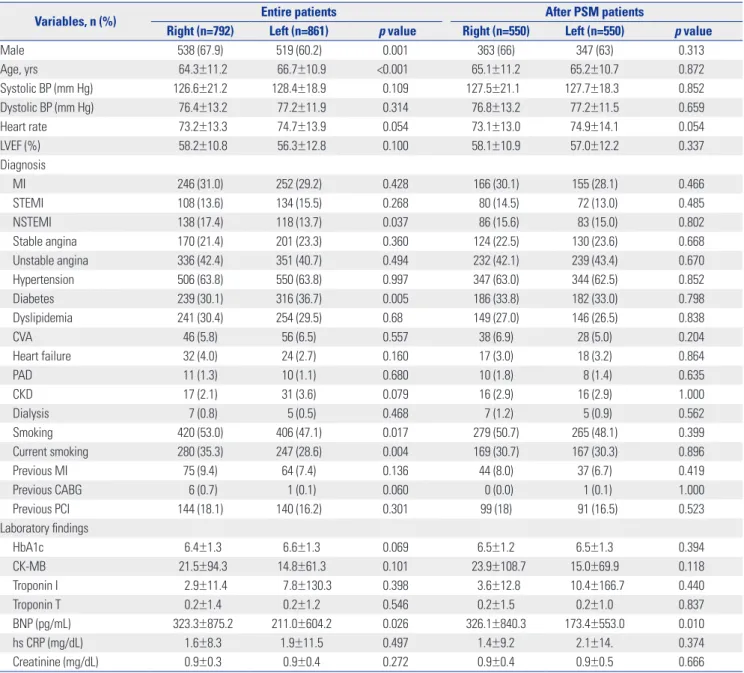
Table 1. Baseline Clinical Characteristics

Variables, n (%) Entire patients After PSM patients

Right (n=792) Left (n=861) p value Right (n=550) Left (n=550) p value

Male 538 (67.9) 519 (60.2) 0.001 363 (66) 347 (63) 0.313

Age, yrs 64.3±11.2 66.7±10.9 <0.001 65.1±11.2 65.2±10.7 0.872

Systolic BP (mm Hg) 126.6±21.2 128.4±18.9 0.109 127.5±21.1 127.7±18.3 0.852

Dystolic BP (mm Hg) 76.4±13.2 77.2±11.9 0.314 76.8±13.2 77.2±11.5 0.659

Heart rate 73.2±13.3 74.7±13.9 0.054 73.1±13.0 74.9±14.1 0.054

LVEF (%) 58.2±10.8 56.3±12.8 0.100 58.1±10.9 57.0±12.2 0.337

Diagnosis

MI 246 (31.0) 252 (29.2) 0.428 166 (30.1) 155 (28.1) 0.466

STEMI 108 (13.6) 134 (15.5) 0.268 80 (14.5) 72 (13.0) 0.485

NSTEMI 138 (17.4) 118 (13.7) 0.037 86 (15.6) 83 (15.0) 0.802

Stable angina 170 (21.4) 201 (23.3) 0.360 124 (22.5) 130 (23.6) 0.668

Unstable angina 336 (42.4) 351 (40.7) 0.494 232 (42.1) 239 (43.4) 0.670

Hypertension 506 (63.8) 550 (63.8) 0.997 347 (63.0) 344 (62.5) 0.852

Diabetes 239 (30.1) 316 (36.7) 0.005 186 (33.8) 182 (33.0) 0.798

Dyslipidemia 241 (30.4) 254 (29.5) 0.68 149 (27.0) 146 (26.5) 0.838

CVA 46 (5.8) 56 (6.5) 0.557 38 (6.9) 28 (5.0) 0.204

Heart failure 32 (4.0) 24 (2.7) 0.160 17 (3.0) 18 (3.2) 0.864

PAD 11 (1.3) 10 (1.1) 0.680 10 (1.8) 8 (1.4) 0.635

CKD 17 (2.1) 31 (3.6) 0.079 16 (2.9) 16 (2.9) 1.000

Dialysis 7 (0.8) 5 (0.5) 0.468 7 (1.2) 5 (0.9) 0.562

Smoking 420 (53.0) 406 (47.1) 0.017 279 (50.7) 265 (48.1) 0.399

Current smoking 280 (35.3) 247 (28.6) 0.004 169 (30.7) 167 (30.3) 0.896

Previous MI 75 (9.4) 64 (7.4) 0.136 44 (8.0) 37 (6.7) 0.419

Previous CABG 6 (0.7) 1 (0.1) 0.060 0 (0.0) 1 (0.1) 1.000

Previous PCI 144 (18.1) 140 (16.2) 0.301 99 (18) 91 (16.5) 0.523

Laboratory findings

HbA1c 6.4±1.3 6.6±1.3 0.069 6.5±1.2 6.5±1.3 0.394

CK-MB 21.5±94.3 14.8±61.3 0.101 23.9±108.7 15.0±69.9 0.118

Troponin I 2.9±11.4 7.8±130.3 0.398 3.6±12.8 10.4±166.7 0.440

Troponin T 0.2±1.4 0.2±1.2 0.546 0.2±1.5 0.2±1.0 0.837

BNP (pg/mL) 323.3±875.2 211.0±604.2 0.026 326.1±840.3 173.4±553.0 0.010

hs CRP (mg/dL) 1.6±8.3 1.9±11.5 0.497 1.4±9.2 2.1±14. 0.374

Creatinine (mg/dL) 0.9±0.3 0.9±0.4 0.272 0.9±0.4 0.9±0.5 0.666

PSM, propensity score matched; BP, blood pressure; LVEF, left ventricular ejection fraction; MI, myocardial infarction; STEMI, ST-segment elevation myocardial infarction; NSTEMI, non ST-segment elevation myocardial infarction; CVA, cerebrovascular accident; PAD, peripheral artery disease; CKD, chronic kidney dis- ease; CABG, coronary bypass graft; PCI, percutaneous coronary intervention; HbA1c, hemoglobin A1c; CK-MB, creatine kinase MB; BNP, B-type natriuretic pep- tide; hs CRP, high sensitivity C-reactive protein.

Continuous variables are given as the mean SD; categorical variables are given as counts, with percentages in parentheses.

(3)

value of >three times the upper normal limit. TVR was de- fined as any repeated previous percutaneous coronary inter- vention (PCI) or bypass surgery of any segment of the target vessel. Stroke was defined as a clinical neurologic deficit from hemorrhagic or ischemic neurologic insult. The safety out- comes were based on the rate of major bleeding. Major bleed- ing was defined as one of the following: bleeding requiring transfusion of >2 units of packed cells or bleeding that was fa- tal.

7

Fatal bleeding included the following: intracranial bleed- ing, one that brought about reduction in the hemoglobin level of >5 g/dL or led to substantial hypotension requiring the use of intravenous inotropic agents, one that required surgical inter- vention, or one that required transfusion of >4 units of packed cells.

8

Vascular access related bleeding was defined as one that was related to surgical or procedural interventions, such as ac- cess artery dissection, perforation, arteriovenous fistula, pseu- doaneurysm or local hematoma requiring transfusion.

Statistics

The covariates that were adjusted for exposure to approach artery included age, gender, hypertension, diabetes mellitus,

dyslipidemia, smoking, previous MI, previous coronary artery bypass graft (CABG), PCI, chronic heart failure and previous cerebrovascular accidents (CVAs), chronic kidney disease, number of treated vessels, treated vessels [left descending ar- tery, left circumflex, right coronary artery (RCA), left main, ra- mus], lesion characteristics (type B2 or C, bifurcation, diffuse, calcification), used drug-eluting stents type (sirolimus-eluting, paclitaxel-eluting, zotarolimus-eluting, everolimus-eluting), overlap stenting and in-hospital medication treatments (aspi- rin, clopidogrel, cilostazol, beta-blockers, angiotensin convert- ing enzyme inhibitors or angiotensin II receptor blockers, and statins). The C-statistic for the logistic regression model that was used to calculate the propensity score matching for the two groups was 0.726. After PSM, the baseline covariates were compared between the two groups. Various clinical outcomes at 1 year were estimated with the Kaplan-Meier method, and differences between groups were compared with the log-rank test in the PSM patients.

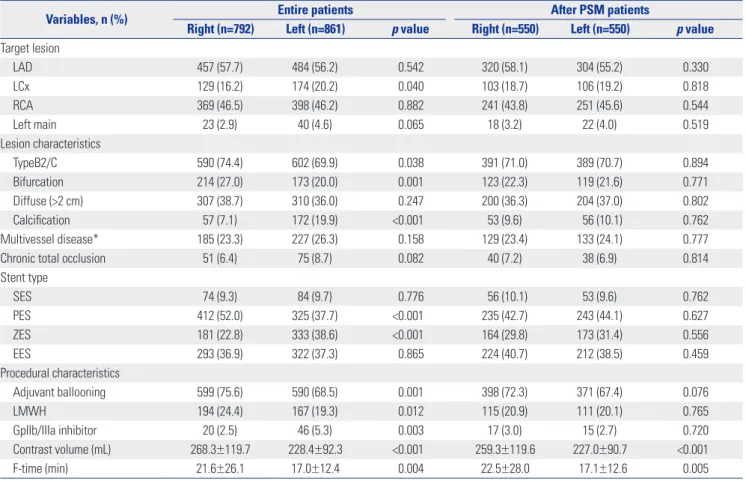
Table 2. Baseline Angiographic and Procedural Characteristics

Variables, n (%) Entire patients After PSM patients

Right (n=792) Left (n=861) p value Right (n=550) Left (n=550) p value Target lesion

LAD 457 (57.7) 484 (56.2) 0.542 320 (58.1) 304 (55.2) 0.330

LCx 129 (16.2) 174 (20.2) 0.040 103 (18.7) 106 (19.2) 0.818

RCA 369 (46.5) 398 (46.2) 0.882 241 (43.8) 251 (45.6) 0.544

Left main 23 (2.9) 40 (4.6) 0.065 18 (3.2) 22 (4.0) 0.519

Lesion characteristics

TypeB2/C 590 (74.4) 602 (69.9) 0.038 391 (71.0) 389 (70.7) 0.894

Bifurcation 214 (27.0) 173 (20.0) 0.001 123 (22.3) 119 (21.6) 0.771

Diffuse (>2 cm) 307 (38.7) 310 (36.0) 0.247 200 (36.3) 204 (37.0) 0.802

Calcification 57 (7.1) 172 (19.9) <0.001 53 (9.6) 56 (10.1) 0.762

Multivessel disease* 185 (23.3) 227 (26.3) 0.158 129 (23.4) 133 (24.1) 0.777

Chronic total occlusion 51 (6.4) 75 (8.7) 0.082 40 (7.2) 38 (6.9) 0.814

Stent type

SES 74 (9.3) 84 (9.7) 0.776 56 (10.1) 53 (9.6) 0.762

PES 412 (52.0) 325 (37.7) <0.001 235 (42.7) 243 (44.1) 0.627

ZES 181 (22.8) 333 (38.6) <0.001 164 (29.8) 173 (31.4) 0.556

EES 293 (36.9) 322 (37.3) 0.865 224 (40.7) 212 (38.5) 0.459

Procedural characteristics

Adjuvant ballooning 599 (75.6) 590 (68.5) 0.001 398 (72.3) 371 (67.4) 0.076

LMWH 194 (24.4) 167 (19.3) 0.012 115 (20.9) 111 (20.1) 0.765

GpIIb/IIIa inhibitor 20 (2.5) 46 (5.3) 0.003 17 (3.0) 15 (2.7) 0.720

Contrast volume (mL) 268.3±119.7 228.4±92.3 <0.001 259.3±119.6 227.0±90.7 <0.001

F-time (min) 21.6±26.1 17.0±12.4 0.004 22.5±28.0 17.1±12.6 0.005

PSM, propensity score matched; LAD, left anterior descending artery; LCx, left circumflex artery; RCA, right coronary artery; SES, sirolimus-eluting stent; PES, paclitaxel-eluting stent; ZES, zotarolimus-elution stent; EES, everolimus-elution stent; LMWH, low molecular weight heparin; GpIIb/IIIa inhibitor, glycoprotein IIb/IIIa inhibitors; F- time, fluoroscopic time.

Continuous variables are given as the mean SD; categorical variables are given as counts, with percentages in parentheses.

*Number of coronary arteries narrowed >2.

(4)

RESULTS

The baseline clinical characteristics of these patients are given in Table 1. After PSM, the baseline clinical characteristics were balanced between the two groups, except the RRA group had higher B-type natriuretic peptide (326.1±840.3 pg/mL vs. 173.4±

553.0 pg/mL, p=0.010) (Table 1). The baseline angiographic and procedural characteristics are given in Table 2. After PSM, the baseline angiographic and procedural characteristics were balanced between the two groups, except the RRA group had larger contrast volume (259.3±119.6 mL vs. 227.0±90.7 mL, p<0.001) and longer fluoroscopic time (22.5±28.0 minutes vs.

17.1±12.6 minutes, p=0.005) during procedure, compared with the LRA group. The procedural and in-hospital complica- tions are given in Table 3. After PSM, the RRA group had higher chance of access site change (12.3% vs. 1.0%, p<0.001) than the LRA group. However, procedural complications, including acute thrombosis, dissection, distal embolization, perforation, and side branch occlusion, were similar between the two groups. Access site complications, including hematoma, and in-hospital complication, including cardiogenic shock, acute renal failure, gastrointestinal bleeding, and contrast induced nephropathy, were similar between the two groups. The cu- mulative clinical outcomes up to 12 months are given in Table 4. After PSM, the cumulative clinical outcomes up to 12 months, including mortality, recurrent MI, repeat revascular-

ization, stent thrombosis, and MACE, were similar between the two groups. However, the RRA group showed a numerically higher incidence of CVA than the LRA group, although the dif- ference between the two groups did not reach statistical signif- icance in-hospital (0.5% vs. 0.1%, p=0.624) and up to 12 months (1.1% vs. 0.2%, p=0.124).

DISCUSSION

The TRI has reduced risk of major bleeding, improved patient comfort and convenience, and reduce inpatient time and costs, compared with TFI.

9,10

In TRI, there are clear differences in techniques, advantages, and disadvantages for the RRA and the LRA. The RRA allows for the operator to stand on the right side and has good backup force for left coronary artery. How- ever, the RRA has poor back up force for the RCA, and it is not adequate for post CABG patients and subclavian artery tortu- osity. The LRA is easy to negotiate around the arch and has good back up force for RCA. However, arm positioning of the LRA is challenging in some cases, such obese patients.

11,12

A previous study reported that the LRA is associated with a shorter learning curve, compared to the RRA.

11

In this study, we compared the baseline procedural characteristics between the RRA and the LRA groups using PSM analysis. RRA had larger contrast vol- ume (259.3±119.6 mL vs. 227.0± 90.7 mL, p<0.001) and longer Table 3. Procedural and In-Hospital Complications

Variables, n (%) Entire patients After PSM patients

Right (n=792) Left (n=861) p value Right (n=550) Left (n=550) p value

Procedural complications 65 (8.2) 88 (10.2) 0.158 49 (8.9) 58 (10.5) 0.360

Acute thrombosis 2 (0.2) 3 (0.3) 1.000 1 (0.1) 2 (0.3) 1.000

Distal embolization 2 (0.2) 1 (0.1) 0.610 2 (0.3) 0 (0.0) 0.500

Perforation 3 (0.3) 1 (0.1) 0.355 1 (0.1) 1 (0.1) 1.000

Side branch occlusion 24 (3.0) 42 (4.8) 0.055 19 (3.4) 30 (5.4) 0.108

No reflow 20 (2.5) 20 (2.3) 0.789 18 (3.2) 10 (1.8) 0.126

Access site complications

Access site change 80 (10.1) 10 (1.1) <0.001 68 (12.3) 6 (1.0) <0.001

Hematoma 7 (0.8) 10 (1.1) 0.576 4 (0.7) 4 (0.7) 1.000

Minor hematoma (<4 cm) 7 (0.8) 10 (1.1) 0.576 4 (0.7) 4 (0.7) 1.000

Major hematoma (≥4 cm) 0 (0.0) 0 (0.0) 1.000 0 (0.0) 0 (0.0) 1.000

In-hospital complications

Cardiogenic shock 20 (2.5) 19 (2.2) 0.670 15 (2.7) 12 (2.1) 0.559

Acute renal failure 0 (0.0) 4 (0.4) 0.126 0 (0.0) 4 (0.7) 0.124

Acute heart failure 9 (1.1) 9 (1.0) 0.859 6 (1.0) 6 (1.0) 1.000

Cerebrovascular accident 4 (0.5) 2 (0.2) 0.435 3 (0.5) 1 (0.1) 0.624

Gastrointestinal bleeding 5 (0.6) 8 (0.9) 0.493 3 (0.5) 4 (0.7) 1.000

Transfusion 29 (3.6) 41 (4.7) 0.267 17 (3.0) 27 (4.9) 0.124

Transfusion (pint) 4.3±7.6 2.3±1.8 0.172 4.5±9.7 2.2±2.0 0.358

Contrast reaction 5 (0.6) 12 (1.3) 0.125 2 (0.3) 6 (1.0) 0.287

Contrast induced nephropathy 5 (0.6) 11 (1.2) 0.180 2 (0.3) 5 (0.9) 0.452

PSM, propensity score matched.

Continuous variables are given as the mean SD; categorical variables are given as counts, with percentages in parentheses.

(5)

fluoroscopic time (22.5±28.0 minutes vs. 17.1±12.6 minutes, p=0.005) during the procedure, compared with LRA.

In this study, the RRA group had higher chance of access site change (12.3% vs. 1.0%, p<0.001), which seems to be due to dif- ficulty in catheter manipulation, which is particularly trouble- some for operators with less experience. However, procedural complications, including acute thrombosis, dissection, distal embolization, perforation, and side branch occlusion, were similar between the two groups. Also access site complications, including hematoma, and in-hospital complication, including cardiogenic shock, acute renal failure, gastrointestinal bleed- ing, and contrast induced nephropathy, were similar between the two groups. Therefore, we suggest that although RRA had larger contrast volume and longer fluoroscopic time during procedure, compared with LRA, both are safe and effective treatments.

In this study, after PSM, the mortality, recurrent MI, repeat revascularization, stent thrombosis, and MACE, were similar between the two groups. However, although the incidence of CVA (stroke and transient ischemic attacks) was numerically

not statistically significant in-hospital (0.5% vs. 0.1%, p=0.624) and up to 12 months (1.1% vs. 0.2%, p=0.124).

In RRA, catheters have to pass the opening of the right bra- chiocephalic artery and bend sharply into the ascending aorta, which may disrupt atherosclerotic plaques with subsequent embolization.

13

Also, the longer duration of angiography with RRA contribute an additional embolic source, compared with LRA.

13,14

Stroke event rates in the general population were 0.4%, and similar results have also been obtained in previous stud- ies where the trans-femoral approach was used: Fuchs, et al.

15

reported a stroke event rate of 0.38%. A similar stroke rate was observed in the reports from Emory University (0.05–0.38%)

16

and the Cleveland Clinic (0.3%).

17

Lund, et al.

14

reported that TRI generated significantly more particulate microemboli than TFI. Therefore, in the present study, we suggest that the choice of the LRA may be helpful to reduce the incidence of CVA during TRI.

The present study has several limitations. First, the present study was an observational study and was multicenter based retrospective in design. Because of the design of this study, a Table 4. Cumulative Clinical Outcomes Up to 12 Months

Variables, n (%) Entire patients After PSM patients

Right (n=792) Left (n=861) p value Right (n=550) Left (n=550) p value Outcomes at 30 days

Total death 22 (2.7) 29 (3.3) 0.488 14 (2.5) 12 (2.1) 0.691

Cardiac death 21 (2.6) 25 (2.9) 0.756 14 (2.5) 11 (2.0) 0.544

Non-cardiac death 1 (0.1) 4 (0.4) 0.376 0 (0.0) 1 (0.1) 1.000

Recurrent MI 1 (0.1) 1 (0.1) 1.000 1 (0.1) 1 (0.1) 1.000

NSTEMI 1 (0.1) 1 (0.1) 1.000 1 (0.1) 1 (0.1) 1.000

Revascularizations 6 (0.7) 5 (0.5) 0.659 5 (0.9) 3 (0.5) 0.726

TLR 6 (0.7) 5 (0.5) 0.659 5 (0.9) 3 (0.5) 0.726

TVR 6 (0.7) 5 (0.5) 0.659 5 (0.9) 3 (0.5) 0.726

Stent thrombosis 6 (0.7) 6 (0.6) 0.885 5 (0.9) 3 (0.5) 0.726

Outcomes at 12 months

Total death 31 (3.9) 52 (6.0) 0.048 21 (3.8) 26 (4.7) 0.456

Cardiac death 23 (2.9) 36 (4.2) 0.162 15 (2.8) 16 (2.9) 0.855

Non-cardiac death 8 (1.0) 16 (1.8) 0.150 6 (1.0) 10 (1.8) 0.314

Recurrent MI 3 (0.3) 5 (0.5) 0.728 3 (0.5) 3 (0.5) 1.000

STEMI 0 (0.0) 1 (0.1) 1.000 0 (0.0) 1 (0.1) 1.000

NSTEMI 3 (0.3) 4 (0.4) 1.000 3 (0.5) 2 (0.4) 1.000

Revascularizations 33 (4.1) 46 (5.3) 0.263 25 (4.5) 27 (4.9) 0.776

TLR 23 (2.9) 36 (4.1) 0.162 17 (3.0) 23 (4.1) 0.334

TVR 33 (4.1) 43 (4.9) 0.422 25 (4.5) 27 (4.9) 0.776

Stent thrombosis 6 (0.7) 7 (0.8) 0.899 5 (0.9) 3 (0.5) 0.726

CVA 9 (1.1) 2 (0.2) 0.024 6 (1.1) 1 (0.2) 0.124

MACE 61 (7.7) 97 (11.2) 0.014 44 (8.0) 53 (9.6) 0.339

MACCE 70 (8.8) 97 (11.2) 0.102 50 (9.1) 53 (9.6) 0.756

PSM, propensity score matched; MI, myocardial infarction; STEMI, ST-segment elevation myocardial infarction; NSTEMI, non ST-segment elevation myocardial infarction; TLR, target lesion revascularization; TVR, target vessel revascularization; CVA, cerebrovascular accident; MACE, major adverse cardiovascular events;

MACCE, major adverse cerebrovascular events.

Continuous variables are given as the mean SD; categorical variables are given as counts, with percentages in parentheses.

(6)

this study was not randomized, the operator or center can act as a bias to analyze outcomes of this study. Procedure time, amount of contrast media, and even CVA complication rate could be quite different per operator or center. However, un- fortunately, the distributions of RRA and LRA per center were not analyzed, and center or operator factor cannot be ruled out. Therefore, in a future study on the approaching method of PCI, center or operator factors must be mentioned.

In reality, there are some obstacles to performing LRA PCI, because it is difficult for operators to puncture the LRA from the right side of the patient, especially if the patient is obese.

Further, the left arm should be abducted to the greatest possi- ble extent towards the operator and placed on a comfortable support for operator’s convenience. Therefore, if a crateriza- tion room can be set up for operator to be standing on the left side of the patient, LRA could be considered much easier.

In conclusion, while procedural efficacy, including proce- dural time and contrast volume, were increased and vascular access site change was more frequent in RRA, the incidence of procedural, in-hospital complications, and cumulative clinical outcomes up to 12 months were similar between the two procedures. Therefore, we suggest that LRA seems to be more effective vascular access route than RRA for TRI, although the safety of the two is similar, at least for 12 months.

REFERENCES

1. Doyle BJ, Rihal CS, Gastineau DA, Holmes DR Jr. Bleeding, blood transfusion, and increased mortality after percutaneous coronary intervention: implications for contemporary practice. J Am Coll Cardiol 2009;53:2019-27.

2. Spaulding C, Lefèvre T, Funck F, Thébault B, Chauveau M, Ben Hamda K, et al. Left radial approach for coronary angiography: re- sults of a prospective study. Cathet Cardiovasc Diagn 1996;39:365-70.

3. Brasselet C, Blanpain T, Tassan-Mangina S, Deschildre A, Duval S, Vitry F, et al. Comparison of operator radiation exposure with opti- mized radiation protection devices during coronary angiograms and ad hoc percutaneous coronary interventions by radial and fem- oral routes. Eur Heart J 2008;29:63-70.

4. Won H, Her AY, Kim BK, Kim YH, Shin DH, Kim JS, et al. Percuta- neous coronary intervention is more beneficial than optimal medical therapy in elderly patients with angina pectoris. Yonsei Med J 2016;57:382-7.

5. Choi YJ, Kim JB, Cho SJ, Cho J, Sohn J, Cho SK, et al. Changes in the practice of coronary revascularization between 2006 and 2010 in the Republic of Korea. Yonsei Med J 2015;56:895-903.

6. Shin JS, Tahk SJ, Yang HM, Yoon MH, Choi SY, Choi BJ, et al. Impact of female gender on bleeding complications after transradial cor- onary intervention (from the Korean Transradial Coronary Inter- vention registry). Am J Cardiol 2014;113:2002-6.

7. Jolly SS, Yusuf S, Cairns J, Niemelä K, Xavier D, Widimsky P, et al.

Radial versus femoral access for coronary angiography and inter- vention in patients with acute coronary syndromes (RIVAL): a ran- domised, parallel group, multicentre trial. Lancet 2011;377:1409-20.

8. Effects of recombinant hirudin (lepirudin) compared with hepa- rin on death, myocardial infarction, refractory angina, and revas- cularisation procedures in patients with acute myocardial isch- aemia without ST elevation: a randomised trial. Organisation to Assess Strategies for Ischemic Syndromes (OASIS-2) Investigators.

Lancet 1999;353:429-38.

9. Rao SV, Ou FS, Wang TY, Roe MT, Brindis R, Rumsfeld JS, et al.

Trends in the prevalence and outcomes of radial and femoral ap- proaches to percutaneous coronary intervention: a report from the National Cardiovascular Data Registry. JACC Cardiovasc Interv 2008;1:379-86.

10. Jolly SS, Amlani S, Hamon M, Yusuf S, Mehta SR. Radial versus femoral access for coronary angiography or intervention and the impact on major bleeding and ischemic events: a systematic re- view and meta-analysis of randomized trials. Am Heart J 2009;

157:132-40.

11. Sciahbasi A, Romagnoli E, Trani C, Burzotta F, Pendenza G, Tom- masino A, et al. Evaluation of the “learning curve” for left and right radial approach during percutaneous coronary procedures. Am J Cardiol 2011;108:185-8.

12. Kim SM, Kim DK, Kim DI, Kim DS, Joo SJ, Lee JW. Novel diagnos- tic catheter specifically designed for both coronary arteries via the right transradial approach. A prospective, randomized trial of Tiger II vs. Judkins catheters. Int J Cardiovasc Imaging 2006;22:295-303.

13. Jurga J, Nyman J, Tornvall P, Mannila MN, Svenarud P, van der Lin- den J, et al. Cerebral microembolism during coronary angiography:

a randomized comparison between femoral and radial arterial access. Stroke 2011;42:1475-7.

14. Lund C, Nes RB, Ugelstad TP, Due-Tønnessen P, Andersen R, Hol PK, et al. Cerebral emboli during left heart catheterization may cause acute brain injury. Eur Heart J 2005;26:1269-75.

15. Fuchs S, Stabile E, Kinnaird TD, Mintz GS, Gruberg L, Canos DA, et al. Stroke complicating percutaneous coronary interventions:

incidence, predictors, and prognostic implications. Circulation 2002;106:86-91.

16. Weintraub WS, Mahoney EM, Ghazzal ZM, King SB 3rd, Culler SD, Morris DC, et al. Trends in outcome and costs of coronary in- tervention in the 1990s. Am J Cardiol 2001;88:497-503.

17. Batchelor WB, Anstrom KJ, Muhlbaier LH, Grosswald R, Wein-

traub WS, O’Neill WW, et al. Contemporary outcome trends in

the elderly undergoing percutaneous coronary interventions: re-

sults in 7,472 octogenarians. National Cardiovascular Network

Collaboration. J Am Coll Cardiol 2000;36:723-30.

수치

Table 1. Baseline Clinical Characteristics
Table 2. Baseline Angiographic and Procedural Characteristics

참조

관련 문서

The study expounds the differences in the rearing attitudes between Yanbian and Korean mothers and Jeju-do mothers through the comparative analysis of

Comparison of clinical risk factors and distribution of age, sex of patients aged ≧80 years and &lt;80 years... Comparison of the stroke subtype and thrombolysis of

President Obama) has encouraged Japan to take steps to address the legitimate grievances of the comfort women and the

For this study—our third on global workforce trends, follow- ing studies in 2014 and 2018—Boston Consulting Group and The Network surveyed some 209,000 people in 190 countries

Basic aspects of AUTOSAR architecture and methodology Safety mechanisms supported by AUTOSAR.. Technical safety concepts supported by AUTOSAR Relationship to ISO

GDP impact of COVID-19 spread, public health response, and economic policies. Virus spread and public

1 John Owen, Justification by Faith Alone, in The Works of John Owen, ed. John Bolt, trans. Scott Clark, &#34;Do This and Live: Christ's Active Obedience as the

Second, the analysis of the differences in sports participation time showed statistically significant differences in the operation of the competition and