Received May 16, 2019, Revised June 24, 2019, Accepted for publication July 31, 2019
Corresponding author: Mihn-Sook Jue, Veterans Health Service Medical Center, 53 Jinhwangdo-ro 61-gil, Gangdong-gu, Seoul 05368, Korea. Tel:
82-2-2225-1388, Fax: 82-2-2225-4374, E-mail: [email protected] ORCID: https://orcid.org/0000-0002-8253-6188
This is an Open Access article distributed under the terms of the Creative Commons Attribution Non-Commercial License (http://creativecommons.
org/licenses/by-nc/4.0) which permits unrestricted non-commercial use, distribution, and reproduction in any medium, provided the original work is properly cited.
Copyright © The Korean Dermatological Association and The Korean Society for Investigative Dermatology
Ann Dermatol Vol. 31, No. 6, 2019 https://doi.org/10.5021/ad.2019.31.6.595
ORIGINAL ARTICLE
Efficacy and Safety of Alitretinoin Therapy in Korean Elderly Patients with Chronic Hand Eczema:
A Retrospective Single Center Study
Mingyul Jo, Ho Song Kang1, Min-Soo Kim, Hyang-Joon Park2, Mihn-Sook Jue
Department of Dermatology, Veterans Health Service Medical Center, 1Division of Dermatology, Department of Medicine,
Hanyang University Graduate School, Seoul, 2Department of Dermatology, Gachon University of Medicine and Science, Incheon, Korea
Background: Chronic hand eczema (CHE) tends to be re- fractory to conventional therapy. Previous clinical trials have found that alitretinoin is an effective and well-tolerated treat- ment for CHE. However, there is a relative lack of data on the effectiveness of alitretinoin in elderly patients. Objective:
The aim of this study was to investigate the efficacy and safety of oral alitretinoin in elderly patients with moderate to severe CHE in Korea. Methods: We retrospectively investigated 46 CHE patients who were treated with either 10 mg or 30 mg of alitretinoin between June of 2016 and July of 2018. The physician’s global assessment (PGA) was used to evaluate treatment efficacy. All adverse events were retrospectively evaluated with respect to laboratory testing, including com- plete blood cell count, fasting blood chemistry, lipid profile, and liver and thyroid function tests. Results: The mean pa- tient age in this study was 71.0±5.1 years. The treatment pe- riod was over eight weeks. A total of 38 of 46 patients (82.6%) exhibited clinical improvement with PGA ratings of ‘clear’ or
‘almost clear.’ There were 13 patients (28.3%) who experi- enced an adverse effect, with the most common being head- ache (13.0%) and gastrointestinal symptoms (8.7%) fol- lowed by xerosis (6.5%). A total of 13 patients developed or
exhibited worsening hypertriglyceridemia (28.3%). Conclusion:
Alitretinoin can be considered a safe and effective treatment option in elderly patients with moderate to severe CHE. (Ann Dermatol 31(6) 595∼600, 2019)
-Keywords-
Alitretinoin, Efficacy, Elderly, Hand eczema, Korea, Safety
INTRODUCTION
Chronic hand eczema (CHE) is an inflammation of hand skin that persists for more than three months. CHE is a common inflammatory skin condition that has a signi- ficant and negative impact on the affected individual and society1. The lifetime prevalence of CHE in the general population is approximately 15%, with 5% to 7% devel- oping severe CHE2,3. Mild cases of CHE are typically man- aged with emollients and topical steroids4. On the other hand, severe CHE can be debilitating because it is often refractory to emollients and topical steroids. There are a few treatment options available for patients who do not re- spond adequately to topical corticosteroids; however, there is limited evidence from clinical trials on their efficacy.
Alitretinoin (9-cis retinoic acid) is a newly developed reti- noid with anti-inflammatory properties that received its first national regulatory approval in the UK and recently li- censed by the USA Food and Drug Administration as a systemic agent for severe CHE refractory to topical cortico- steroid therapy5,6. Although there have been many studies on the epidemiology of CHE, most of these studies have focused on patients between the ages of 10 and 60 years, with limited data on elderly patients. With increasing adult lifespans, the proportion of the elderly population can be
expected to increase, along with a concomitant increase in the incidence of CHE in the elderly. In addition, due to age-associated changes in the skin barrier, the risk of con- tact dermatitis is likely to increase7. Therefore, there is an emerging need to study CHE in the elderly population.
Although alitretinoin has been approved for the treatment of CHE, and several studies have demonstrated its effec- tiveness in CHE4,8-12, there is limited data regarding its safety and efficacy in elderly patients. In the present study, we considered that the elderly, a group predisposed to fragile skin and easy bruising, may experience unaccept- able side effects from long-term maintenance with potent topical steroids. Alitretinoin may be particularly helpful in this patient population. Thus, the purpose of this study was to investigate the efficacy and safety of oral alitreti- noin in elderly patients with CHE in Korea.
MATERIALS AND METHODS
Study design
This retrospective study was conducted in the Department of Dermatology at the Veterans Health Service Medical Center and was approved and monitored by the Institutio- nal Review Board (IRB) of the Veterans Health Service Medical Center, Korea (IRB no. 2018-02-016). CHE was defined as hand eczema that had persisted for at least three months. Patients who were diagnosed with moder- ate to severe CHE refractory to topical steroid treatment were included in this study. We reviewed the medical re- cords of 46 CHE patients over 60 years old who were treated with alitretinoin between June 2016 and July 2018. Baseline severity was classified into five categories (clear, almost clear, mild, moderate, and severe) according to the Physician’s global assessment (PGA)4. Laboratory monitoring was performed for all patients while they were being treated with alitretinoin. Blood lipids, thyroid func- tion, and liver function parameters were used to identify laboratory abnormalities. Eighteen patients with mild hy- pertriglyceridemia were included in this study and they were carefully monitored for dyslipidemia. One patient who had undergone a thyroidectomy due to thyroid can- cer was included in this study. She was treated with ali- tretinoin during continuous follow-up with regular endo- crinology consultation. The recommended start and main- tenance dose of alitretinoin was 30 mg/d. If adverse events occurred, a dose reduction to 10 mg/d was allowed. Pa- tients were also permitted to use medium potency topical corticosteroids and emollients while being treated with alitretinoin.
Clinical assessment of efficacy and safety
A medical record review was performed retrospectively utilizing clinical photography. We also investigated treat- ment characteristics, including prescription period, treat- ment effectiveness, side effects, and laboratory abnorma- lities. Treatment efficacy was evaluated retrospectively eight weeks after initiation of treatment according to PGA score, the primary efficacy parameter. A response was de- fined as a PGA assessment of either “clear” or “almost clear”.
Laboratory tests (complete blood cell count, fasting blood chemistry, lipid profile and thyroid function test) were per- formed before initiation of treatment and after 8 weeks of treatment. Triglyceride concentrations were categorized as lower than 150 mg/dl (normal), 150 to lower than 499 mg/dl (mild hypertriglyceridemia), 500 to lower than 886 mg/dl (moderate hypertriglyceridemia), 886 mg/dl or high- er (severe hypertriglyceridemia). Normal low density lip- oprotein cholesterol (LDL-C) concentrations were defined as lower than 100 mg/dl13.
Statistical analysis
Data from all available patients were analyzed descrip- tively. Response rates according to baseline severity and types of hand eczema were analyzed using Fisher’s exact test. The statistics program IBM SPSS Statistics ver. 18.0 (IBM Corp., Armonk, NY, USA) was used to analyze data.
A p<0.05 was considered statistically significant.
RESULTS
Patients
A total of 46 patients aged 60 or older with CHE were in- cluded in this study. Among the 46 patients involved in the study, 41 were male and 5 were female. The mean age was 71.0±5.1 years. Patient demographics and char- acteristics are shown in Table 1. Patients were classified into hyperkeratotic, vesicular (pompholyx), or fingertip hand eczema groups according to the German guide- lines14. In total, 71.7% (33/46) of patients presented with hyperkeratotic type hand eczema. Ten patients (21.7%) exhibited vesicular type hand eczema and four patients (8.7%) exhibited fingertip type CHE. One patient had both hyperkeratotic and vesicular type hand eczema.
According to the baseline PGA score, 33 patients (71.7%) were classified as moderate and 13 patients (28.3%) were classified as severe.
Efficacy
The average treatment period was 180.4±114.6 days.
Among a total of 46 patients, 38 (82.6%) responded to
Table 1. Patient demographics
Characteristic Value
Mean age (yr) 71.0±5.1
Sex
Male 41 (89.1)
Female 5 (10.9)
Past medical history*
Hypertension 30 (65.2)
Diabetes mellitus 19 (41.3)
Chronic kidney disease 3 (6.5)
Dyslipidemia 18 (39.1)
Fatty liver 5 (10.9)
Hypothyroidism 1 (2.2)
Average disease duration (mo) 48.5±49.5 Average prescription period (d) 180.4±114.6 Clinical subtypes*
Hyperkeratotic 33 (71.7)
Vesicular 10 (21.7)
Fingertip 4 (8.7)
PGA at baseline
Clear 0
Almost clear 0
Mild 0
Moderate 33 (71.7)
Severe 13 (28.3)
Reason for discontinuation
Ineffectiveness 3 (6.5)
Adverse events 5 (10.9)
Cleared hand eczema 8 (17.4)
Others 6 (13.0)
Values are presented as mean±standard deviation or number (%). PGA: physician’s global assessment. *Multiple nominations possible.
Table 2. Summary of PGA after alitretinoin treatment
Summary of PGA Number (%)
Total patients 46 (100)
Outcome
Clear 21 (45.6)*
Almost clear 17 (37.0)*
Mild 3 (6.5)
Moderate 5 (10.9)
PGA: physician’s global assessment. *Responseresponders, defined as ‘clear’ or ’almost clear’ hands.
Fig. 1. Evaluation of physician’s global assessment (PGA) ac- cording to severity of chronic hand eczema (CHE) at baseline.
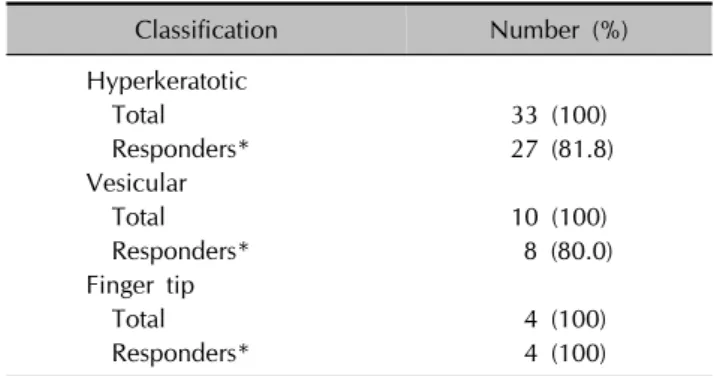
Table 3. Responding patients according to type of chronic hand eczema after alitretinoin treatment
Classification Number (%)
Hyperkeratotic
Total 33 (100)
Responders* 27 (81.8)
Vesicular
Total 10 (100)
Responders* 8 (80.0)
Finger tip
Total 4 (100)
Responders* 4 (100)
*Defined as ‘clear’ or ’almost clear’ hands.
treatment, with PGA ratings of ‘clear’ or ‘almost clear’
(Table 2). According to baseline severity (Fig. 1), patients with moderate CHE (84.8%, 28/33) exhibited better clin- ical improvement than those with severe CHE (76.9%, 10/13), although the difference was not statistically sig- nificant (p=0.6689). With respect to CHE type (Table 3), the response rate was highest in the fingertip type (100%, 4/4), followed by hyperkeratotic (81.8%, 27/33) and vesic-
ular types (80.0%, 8/10). However, the response rate to alitretinoin according to CHE type was not statistically sig- nificant (p=1). Eight patients (17.4%) discontinued ali- tretinoin treatment because of cleared HE (clear/almost clear). Three patients (6.5%) stopped treatment because of ineffectiveness.
Safety
A total of 13 patients experienced an adverse event (28.3%, 13/46). Adverse events resulted in discontinua- tion of therapy in five patients (10.9%, 5/46), which con- sisted of headache (4.3%, 2/46), xerosis (4.3%, 2/46), and gastrointestinal (GI) symptoms (2.2%, 1/46) (Table 4). Ab- normalities in laboratory tests were limited to typical reti- noid effects and were observed in 13 patients (Table 5), all of which exhibited an elevated triglyceride level (28.3%, 13/46), with three of them also exhibiting an elevated LDL-C level range from 46 to 51 mg/dl above their pre- measured baseline. In eight patients with a normal trigly- ceride level at baseline, mild hypertriglyceridemia was ob-
Table 4. Adverse events during treatment with alitretinoin
Adverse event* Total Discontinued
Headache 6 (13.0) 2
Nausea/vomiting 4 (8.7) 1
Dryness 3 (6.5) 2
Dizziness 1 (2.1) 0
Values are presented as number (%) or number only. *Multiple nominations possible.
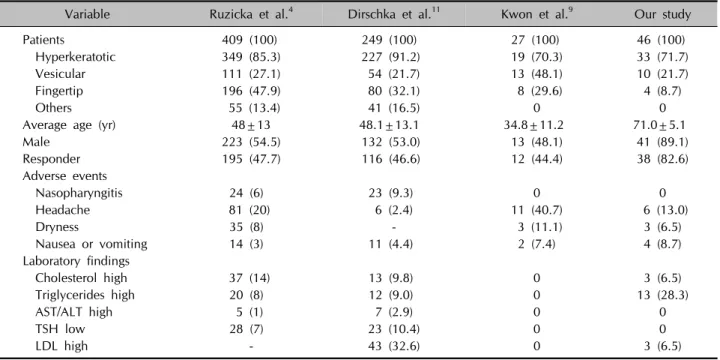
Table 6. Comparison of clinical trials of alitretinoin treatment for chronic hand eczema
Variable Ruzicka et al.4 Dirschka et al.11 Kwon et al.9 Our study
Patients 409 (100) 249 (100) 27 (100) 46 (100)
Hyperkeratotic 349 (85.3) 227 (91.2) 19 (70.3) 33 (71.7)
Vesicular 111 (27.1) 54 (21.7) 13 (48.1) 10 (21.7)
Fingertip 196 (47.9) 80 (32.1) 8 (29.6) 4 (8.7)
Others 55 (13.4) 41 (16.5) 0 0
Average age (yr) 48±13 48.1±13.1 34.8±11.2 71.0±5.1
Male 223 (54.5) 132 (53.0) 13 (48.1) 41 (89.1)
Responder 195 (47.7) 116 (46.6) 12 (44.4) 38 (82.6)
Adverse events
Nasopharyngitis 24 (6) 23 (9.3) 0 0
Headache 81 (20) 6 (2.4) 11 (40.7) 6 (13.0)
Dryness 35 (8) - 3 (11.1) 3 (6.5)
Nausea or vomiting 14 (3) 11 (4.4) 2 (7.4) 4 (8.7)
Laboratory findings
Cholesterol high 37 (14) 13 (9.8) 0 3 (6.5)
Triglycerides high 20 (8) 12 (9.0) 0 13 (28.3)
AST/ALT high 5 (1) 7 (2.9) 0 0
TSH low 28 (7) 23 (10.4) 0 0
LDL high - 43 (32.6) 0 3 (6.5)
Values are presented as number (%) or mean±standard deviation. AST: aspartate aminotransferase, ALT: alanine aminotransferase, TSH: thyroid-stimulating hormone, LDL: low-density lipoprotein, -: not mentioned.
Table 5. Reported abnormal laboratory findings Laboratory abnormality* Number (%)
Triglyceride elevation 13 (28.3)
LDL cholesterol elevation 3 (6.5)
Liver enzyme elevation 0 (0)
Thyroid dysfunction 0 (0)
LDL: low-density lipoprotein. *Multiple nominations possible.
served after alitretinoin treatment. Moderate hypertrigly- ceridemia was observed in one patient who had a normal triglyceride level at baseline. Four patients with mild hy- pertriglyceridemia at baseline exhibited an elevated trigly- ceride level from 240 up to 340 mg/dl above their pre- measured baseline. There were no instances of liver en- zyme elevation or thyroid dysfunction.
DISCUSSION
The efficacy and side effects of alitretinoin have been stud- ied in several large, well-designed trials (Table 6)4,9,11. Ac- cording to a meta-analysis based on these studies, ali- tretinoin was well tolerated and showed good efficacy in treatment of CHE15. Although many of these studies have demonstrated a high therapeutic efficacy of alitretinoin in CHE, data on the efficacy and safety of alitretinoin in the elderly is lacking. Indeed, the mean ages of patients in
previous studies on alitretinoin have typically been in the 40s to 50s, while the average age in this study was 71 years4,6,11,12,15.
In our study of 46 patients, 38 (82.6%) responded to treat- ment with alitretinoin, which was almost twice the re- sponse rate of previous studies4,5,9,11. We explain the supe- rior effectiveness of alitretinoin observed in our study as follows. First, compared with previous studies, the mean age of the patients included in this study was 20 to 30 years older, and most patients were male. As these were the most significant differences between our study and previous studies, they may be at least partially associated with the difference in efficacy. For example, polyphar- macy and physiological changes to liver and kidney func- tion, which are commonly seen in elderly patients, might affect alitretinoin metabolism, thereby increasing its efficacy.
Although alitretinoin does not exhibit increased efficacy with weight-adjusted dosing, it is possible that decreased lean body mass and increased body fat mass associated
with aging may have affected its efficacy16. Second, ali- tretinoin is an oral agent, and drug adherence is reported to be higher with oral agents than with topical agents in the elderly because it is easier to access regularly17,18. Thus, the higher efficacy observed in elderly CHE patients may have been due to better medication adherence. This result is especially important in the context of elderly pa- tients who, as opposed to oral medications, exhibit a rela- tively low adherence to topical treatment compared with younger patients.
The adverse events of alitretinoin observed in our study were consistent with the well-known class effects of oral retinoids and RXR-agonists, including headache, GI symp- toms, mucocutaneous events, dizziness, and hyperlipi- demia (Table 4, 5). Six patients experienced headaches (6/46, 13.0%), with two patients discontinuing treatment as a result. However, when these patients resumed treat- ment with alitretinoin after their headaches had subsided, they no longer complained of the same adverse event.
Two others showed improvement of headache without taking analgesics. Compared with the study conducted by Kwon et al.9, which included patients in the youngest age group among previous clinical trials, headaches and mu- cocutaneous symptom occurred less frequently, however, GI symptoms occurred more in our patients. The patients included in our study were also taking multiple drugs and their medications often included anti-inflammatory drugs, such as NSAIDs. Use of such analgesics by our patients for treatment of unrelated conditions, such as osteoarthritis may have obscured headache incidence while exacerbat- ing GI symptoms. Therefore, when prescribing alitretinoin in elderly patients, it may be important to emphasize that alitretinoin should be taken with food not only to increase efficacy, but also to reduce GI discomfort.
Laboratory abnormalities were frequently observed in our patients, but were limited to dyslipidemia. Specifically, baseline dyslipidemia was observed in 18 (39.1%) of the patients included in our study, and was newly developed or worsened in 14 patients (30.4%). The incidence of dys- lipidemia was considerably higher than that seen in pre- vious studies where the mean age was in the late 40s, sug- gesting that lipid profiles should be monitored more close- ly in elderly patients being treated with alitretinoin. In 2015, after analyzing clinical data from several previous stud- ies4,6,10,12, Schmith et al.19 conducted five hundred clinical trial simulations to evaluate the efficacy and safety of ali- tretinoin treatment. The results of that study showed that elderly patients experience higher efficacy, faster response, and increased probability of hypertriglyceridemia in re- sponse to treatment with alitretinoin, which was con- sistent with the results of our study. Therefore, clinicians
should consider utilizing a shorter treatment duration with alitretinoin in elderly patients to avoid the risk of hypert- riglyceridemia.
Prescribing medication for elderly patients has several challenges. Pharmacologically, drug absorption through the GI tract decreases with increasing age. However, while hepatic metabolism and glomerular filtration rates also de- crease with increasing age, drug bioavailability increases20. In addition, multi-drug regimens and multiple medical problems, which are commonly seen in the geriatric pop- ulation, expose patients to an increased risk of adverse ef- fects of drug-drug interactions20. Thus, the suitability of systemic alitretinoin treatment in elderly patients is a po- tential concern. The patients included in this study were all aged 60 years or older, and thus our results suggest that it is safe to use alitretinoin in the elderly.
This study had several limitations. The first and most sig- nificant limitation was the retrospective study design, which precluded standardization of regular follow-up, laboratory monitoring, and treatment duration. A second limitation of this study was that the assessment of disease severity was made using only the PGA score. However, a previous study demonstrated that there is good agreement between PGA score and modified total lesion symptom score9. Therefore, we considered that the assessment of severity through PGA score alone should have adequately re- flected the severity of the actual disease. Third, our study consisted of a relatively small sample size compared to previous studies. Nevertheless, this study represents the first clinical trial to evaluate the efficacy and safety of ali- tretinoin treatment in elderly patients over 60 years of age.
Additional studies may be needed to confirm the efficacy and side effects of alitretinoin treatment in elderly patients.
In conclusion, the results of our study were consistent with previous clinical trials and demonstrated that oral ali- tretinoin leads to a clinically significant improvement in disease status in elderly patients with moderate to severe CHE refractory to topical corticosteroids. Therefore, ali- tretinoin should be considered as an effective and safe op- tion for the treatment of moderate to severe CHE in the elderly.
CONFLICTS OF INTEREST
The authors have nothing to disclose.
ORCID
Mingyul Jo, https://orcid.org/0000-0002-6904-1703 Ho Song Kang, https://orcid.org/0000-0003-4257-2560 Min-Soo Kim, http://orcid.org/0000-0001-6133-6243
Hyang-Joon Park, http://orcid.org/0000-0002-2143-0080 Mihn-Sook Jue, http://orcid.org/0000-0002-8253-6188
REFERENCES
1. Van Coevorden AM, Coenraads PJ, Svensson A, Bavinck JN, Diepgen TL, Naldi L, et al.; European Dermato-Epidemi- ology Network (Eden). Overview of studies of treatments for hand eczema-the EDEN hand eczema survey. Br J Dermatol 2004;151:446-451.
2. Thyssen JP, Johansen JD, Linneberg A, Menné T. The epi- demiology of hand eczema in the general population--pre- valence and main findings. Contact Dermatitis 2010;62:75- 87.
3. Diepgen TL, Agner T, Aberer W, Berth-Jones J, Cambazard F, Elsner P, et al. Management of chronic hand eczema.
Contact Dermatitis 2007;57:203-210.
4. Ruzicka T, Lynde CW, Jemec GB, Diepgen T, Berth-Jones J, Coenraads PJ, et al. Efficacy and safety of oral alitretinoin (9-cis retinoic acid) in patients with severe chronic hand eczema refractory to topical corticosteroids: results of a randomized, double-blind, placebo-controlled, multicentre trial. Br J Dermatol 2008;158:808-817.
5. King T, McKenna J, Alexandroff AB. Alitretinoin for the treatment of severe chronic hand eczema. Patient Prefer Adherence 2014;8:1629-1634.
6. Ruzicka T, Larsen FG, Galewicz D, Horváth A, Coenraads PJ, Thestrup-Pedersen K, et al. Oral alitretinoin (9-cis-retinoic acid) therapy for chronic hand dermatitis in patients re- fractory to standard therapy: results of a randomized, double- blind, placebo-controlled, multicenter trial. Arch Dermatol 2004;140:1453-1459.
7. Prakash AV, Davis MD. Contact dermatitis in older adults: a review of the literature. Am J Clin Dermatol 2010;11:373- 381.
8. Politiek K, Christoffers WA, Coenraads PJ, Schuttelaar MA.
Alitretinoin and acitretin in severe chronic hand eczema;
results from a retrospective daily practice study. Dermatol Ther 2016;29:364-371.
9. Kwon HI, Kim JE, Ko JY, Ro YS. Efficacy and safety of alitretinoin for chronic hand eczema in Korean patients.
Ann Dermatol 2016;28:364-370.
10. Fowler JF, Graff O, Hamedani AG. A phase 3, randomized,
double-blind, placebo-controlled study evaluating the efficacy and safety of alitretinoin (BAL4079) in the treatment of severe chronic hand eczema refractory to potent topical corticosteroid therapy. J Drugs Dermatol 2014;13:1198-1204.
11. Dirschka T, Reich K, Bissonnette R, Maares J, Brown T, Diepgen TL. An open-label study assessing the safety and efficacy of alitretinoin in patients with severe chronic hand eczema unresponsive to topical corticosteroids. Clin Exp Dermatol 2011;36:149-154.
12. Bissonnette R, Worm M, Gerlach B, Guenther L, Cambazard F, Ruzicka T, et al. Successful retreatment with alitretinoin in patients with relapsed chronic hand eczema. Br J Der- matol 2010;162:420-426.
13. Rosenson RS, Kastelein JJP. Hypertriglyceridemia [Internet].
Waltham, MA: UpToDate; 2019 [updated 2019 May 13;
cited 2019 July 30]. Available from: https://www.uptodate.
com/contents/hypertriglyceridemia.
14. Diepgen TL, Elsner P, Schliemann S, Fartasch M, Köllner A, Skudlik C, et al.; Deutsche Dermatologische Gesellschaft.
Guideline on the management of hand eczema ICD-10 Code: L20. L23. L24. L25. L30. J Dtsch Dermatol Ges 2009;
7 Suppl 3:S1-S16.
15. Al-Dhubaibi MS, Settin AA. The effectiveness of alitretinoin for the treatment of chronic hand eczema: a meta-analysis.
Int J Health Sci (Qassim) 2018;12:70-79.
16. Schmitt-Hoffmann AH, Roos B, Schoetzau A, Leese PT, Meyer I, van de Wetering J, et al. Oral alitretinoin: a review of the clinical pharmacokinetics and pharmacodynamics.
Expert Rev Clin Pharmacol 2012;5:373-388.
17. Krejci-Manwaring J, McCarty MA, Camacho F, Carroll CL, Johnson K, Manuel J, et al. Adherence with topical treat- ment is poor compared with adherence with oral agents:
implications for effective clinical use of topical agents. J Am Acad Dermatol 2006;54(5 Suppl):S235-S236.
18. Tanei R. Atopic dermatitis in the elderly. Inflamm Allergy Drug Targets 2009;8:398-404.
19. Schmith GD, Singh R, Gomeni R, Graff O, Hamedani AG, Troughton JS, et al. Use of longitudinal dose-response modeling to support the efficacy and tolerability of alitre- tinoin in severe refractory chronic hand eczema (CHE). CPT Pharmacometrics Syst Pharmacol 2015;4:255-262.
20. Pesante-Pinto JL. Clinical pharmacology and the risks of polypharmacy in the geriatric patient. Phys Med Rehabil Clin N Am 2017;28:739-746.