J Korean Acad Nurs Adm Vol. 19 No. 4, 501-512, September 2013 http://dx.doi.org/10.11111/jkana.2013.19.4.501
중환자실 간호사의 임상등급 (clinical ladder)별 간호역량 측정도구 개발
박지은
1·김소선
2마산대학교 간호학과·연세대학교 간호대학 대학원1, 연세대학교 간호대학·간호정책연구소2
Development of a Nursing Competency Scale according to a Clinical Ladder System for Intensive Care Nurses
Park, Ji Eun
1· Kim, So Sun
21Department of Nursing, Masan University · Graduate School, College of Nursing, Yonsei University
2College of Nursing ․ The Nursing Policy Research Institute, Yonsei University
Purpose: This study was done to develop a nursing competency scale according to a clinical ladder system for in- tensive care nurses. Methods: Index of content validation was done by 20 clinical experts and 80 nurses in Intensive Care Units (ICU). Results: The process and results of study are as follows. First, 12 nursing competencies were used in the establishment of the clinical ladder system (Jang, 2000). Second, the first draft of the competency lists was developed. It was based on the clinical nurses' behavioral indicators of nursing competency by Jang (2000), and was modified and supplemented through various literature reviews including competency standards for specialist intensive care nurses in Australia and consultation with 2 clinical nurses with over 10 years experience in the ICU.
Third, the draft was examined by 20 clinical experts for content validity. Finally, the final draft was analysed using clinical validity where 20 nurses in each ladder participated. The final number of items was fixed at 309. Conclusion:
The tool represents expected nursing competency of nurses working in ICU. Intensive care nurses can recognize their strengths and weaknesses, and identify directions for their professional growth by analysing results of their com- petency evaluation using this tool.
Key Words: Intensive care nurse, Clinical ladder, Nursing competency
주요어: 중환자실 간호사, 임상등급, 간호역량 Corresponding author: Park, Ji Eun
Department of Nursing, Masan University, 2640 Hammadae-ro, Naesue-up, MasanHoiwon-gu, Changwon 630-729, Korea Tel: +82-55-230-1267, Fax: +82-,55-230-1441 E-mail: [email protected]
- 이 논문은 제 1저자 박지은의 석사학위논문을 바탕으로 추가 연구하여 작성한 것임.
- This article is an addition based on the first author's master's thesis from Yonsei University.
투고일: 2013년 6월 18일 / 수정일: 2013년 7월 5일 / 게재확정일: 2013년 7월 25일
This is an open access article distributed under the terms of the Creative Commons Attribution Non-Commercial License (http://creativecommons.org/license/
by-nc/3.0), which permits unrestricted non-commercial use, distribution, and reproduction in any medium, provided the original work is properly cited.
서 론
1. 연구의 필요성
중환자실은 생명의 위기에 처해 있는 환자를 위한 특수 의 료기기와 개방된 병실구조, 다양한 의료요원을 접해야 하는 독특한 환경과 함께 기계 환기 보조에 대한 의존, 죽음과 미래
에 대한 두려움, 감각의 변화, 수면의 박탈 등의 문제들이 공존
하는 복잡한 상황 속에 있다(Hupcey, 2000; Woodrow,
1997). 따라서 중환자 간호는 환자의 생리적 요구뿐만 아니라
중환자에게서 호발되는 정서적 문제를 사정하여 적절한 간호
중재를 수행함과 동시에 타부서 직원 및 의료팀과도 효율적인
의사소통을 통한 협력체제를 구축하여 최상의 간호를 제공할
수 있는 체계적 역량을 요구한다(Benner, Tranner, & Chesla,
1992).
이와 더불어 소비자 중심의 의료서비스 제공과 의료비 절감 을 위한 외래 중심의 건강관리가 강조되고 임상지침서를 활용 한 조기퇴원의 추세로 중환자실의 입실기준이 상향조정됨에 따라 환자의 중증도는 과거에 비하여 현저하게 높아지고 있 다. 이에 중환자실 간호사는 날로 높아져 가는 환자의 중증도 와 평균수명의 연장에 따른 질병의 복잡성, 그리고 이와 관련 된 다양한 기기 및 장비 관리를 위한 역량을 필요로 한다(Kim, 1991). 따라서 중환자 개개인의 간호요구에 부합되는 간호사 의 훈련과 배정은 간호관리자의 중요한 업무가되었을 뿐만 아 니라 간호사의 경력이나 훈련배경에 근거한 보상체계도 함께 고려할 요소로 대두되었다.
간호사의 훈련과 보상은 경력 간호사에 의한 질적인 간호제 공과 함께 이들이 임상에서 계속 환자 곁을 지키게 하는 계기 와 동기부여로 작용하여 간호사의 직무만족도를 좌우하는 가 장 중요한 요인으로 작용하고 있다(Buchan, 1997; Corley et al., 1994; Goodloe et al., 1996; Gustin et al., 1998; Tors- tad & Bjork, 2007). 그러나 대부분의 임상 현장은 역량을 갖 춘 일반 간호사들에 대한 인정이나 보상이 체계화되어 있지 않아 관리자로 전향하는 것이 유일한 승진의 수단으로 간호사 의 전문성을 유지하는데 제한이 있다(Park, 2001). 이와 같은 미흡한 보상체제와 승진 기회는 간호사의 이직사유로 작용하 며 잦은 이직은 일반 대중이나 타 의료인에게 전문직업인으로 서의 헌신부족으로 비추어져 간호에 대한 부정적인 이미지를 초래할 수 있다. 따라서 효율적인 간호인력 관리와 간호사의 역량 개발 및 만족도 재고를 위해 임상등급 개발에 대한 체계 적인 접근이 필요하다(Benner, 1984; Dectert et al., 1984).
외국의 경우 이미 오래 전부터 임상등급(clinical ladder) 또는 경력 사다리(career ladder)개념을 사용하여 이에 의한 평가 및 보상체제가 이루어지고 있으나, 우리나라의 경우 경 력과는 무관하게 간호사의 근태상황, 부서에서 요구되는 능 력, 태도 등을 획일적으로 측정하는 근무평정제도가 대부분이 다(Park, 2001).
Jang, K. S. (2000)는 간호조직 및 간호인적자원개발 차원 에서 일반병동 간호사들의 임상등급(clinical ladder)에 따른 간호역량의 구체적 목록을 개발하였고 Jang, B. H. (2000)는 중환자간호의 질평가와 중환자실 간호사의 임상실무수행능 력의 기초자료 제공을 위해 수간호사, 책임간호사, 일반간호 사 등의 직급별 업무실태를 조사한 후 중환자실 간호 표준을 개발하였으나 경력별 간호역량을 구체화한 연구는 미비한 실 정이다.
이에 본 연구자는 중환자실 간호 업무를 토대로 하여 중환 자실 간호사의 임상등급에 따른 간호역량 측정도구 개발을 시 도하였다.
2. 연구목적
본 연구의 목적은 중환자실 간호사의 임상등급별로 요구되 는 간호역량 측정도구를 개발하기 위함이다.
연 구 방 법 1. 연구설계
본 연구는 중환자실 간호사의 임상등급별 간호역량 측정도 구를 개발하는 방법론적 연구이다.
2. 연구절차
1) 개념적 준거틀 형성
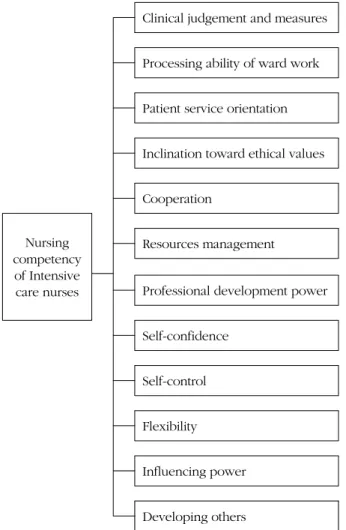
개념적 준거틀은 Benner (1984)의 Dreyfus 기술습득모형 을 선택하였고 이를 기초로 간호역량 관련 문헌, 기존도구 등 을 고찰한 결과 Jang, K. S. (2000)이 개발한 간호사의 임상 등급에 따른 13개의 간호역량 범주를 수용하였다. 13개의 범 주 중환자 이해와 환자 지향성에 관한 간호역량 내용이 유사 하다는 지적에 따라 간호학 교수 3인의 자문을 받아 이를 환 자 지향성으로 통합하여 12개의 간호역량범주를 도출하였다 (Figure 1).
2) 1차 예비측정도구 도출
Jang, K. S. (2000)의 1등급(신입~1년), 2등급(2~3년), 3 등급(4~6년), 4등급(7년 이상)에 따른 12개 간호역량 범주별 행동 진술을 토대로 문헌을 고찰하여 범주별 측정항목을 도출 한 후 중환자실 경력 10년 이상의 간호사 2인과 간호학 교수 3 인으로부터 자문을 받아 중환자실 상황을 반영하는 서술문으 로 수정․보완하였다. 도출된 중환자실 간호역량은 다시 중환 자 간호표준과의 일관성을 위해 중환자실 간호표준에 준하여 내용을 재 기술한 후 1차 예비 측정도구를 결정하였다.
3) 2차 예비측정도구 도출
1차 예비 도구는 3차 의료기관인 A병원 중환자실에서 근무
하는 간호사를 각 등급별로 2인씩 선정하여 총 8명을 대상으 로 자신의 역량을 직접 측정하게 하고 이들의 의견을 분석하 여 수정 ․ 보완 한 후 2차 예비 측정도구를 작성하였다.
2차 예비 측정도구는 다시 3차 의료기관인 서울 S병원과 수 원 A병원 간호부를 방문하여 연구의 목적을 설명한 후 승인을 거쳐 중환자실 임상 경력 7년 이상으로 구성된 임상전문가 집 단 20명을 통해 2차 예비 측정도구에 대한 내용 타당도를 검 증하였다. 타당도 검증은 「매우 타당하지 않다」를 1점, 「타 당하지 않다」를 2점, 「타당하다」를 3점, 「매우 타당하다」를 4점으로 한 점수를 산정하였고, 각 문항에 대해 3~4점을 부여 한 전문가의 비율을 계산한 내용 타당도 지수(Content Vali- dity [CVI])가 70% 이상의 합의(Lee, Lim, & Park, 1998; Lynn, 1986)를 도출한 항목으로 2차 예비 도구를 완성하였다. 전문 가가 10명인 경우 80% 이상의 합의가 이루어져야 하나 20인 의 임상전문가의 각 항목에 대한 다양한 견해와 이해차이로 연구자에 의해 합의 기준을 70%로 선정하였다.
4) 등급별 임상적용 타당도 조사
완성된 2차 예비측정도구로 3차 의료기관인 부산 B병원의 간호부를 방문하여 조사의 목적을 설명한 후 승인을 거쳐 2013년 4월 15일부터 26일까지 2주간 각 등급별 중환자실 간 호사 20명씩 총 80명을 대상으로 임상적용 타당도 조사를 실 시하였다. 내용타당도 지수를 산출하여 결과를 분석하였으며 80% 이상의 합의가 이루어진 항목을 도출하였다.
5) 최종 측정도구 개발
임상적용 타당도 조사 결과를 반영하여 최종 측정도구를 완 성하였다.
연 구 결 과
1) 개념적 준거틀 형성
개념적 준거틀 마련을 위해 Benner (1984)의 Dreyfus 기 술습득모형과 간호역량 관련 문헌, 기존도구 등을 고찰한 결 과, 대부분 간호사의 역량은 직접간호수행능력에 그 초점을 두고 있었다. 하지만 간호역량은 단순한 지식과 기술 수행이 아니라 실무 상황 속에서 개별적 간호사가 가지고 있는 지식, 기술, 태도, 가치, 믿음을 총망라하는 것으로 계속적인 과정 속에서 평가되어져야 할 것이다. 이러한 맥락 속에서 간호사 가 획득한 다양한 형태의 지식을 통합적으로 실천하는 능력으 로 Carper (1978)의 간호학적 앎 즉 지식의 패턴을 간호역량 의 관점으로 본 Jang, K. S. (2000)의 간호사 임상경력개발 모 형을 기반으로 개념적 준거틀을 형성하였다.
본 연구의 간호역량범주는 Jang, K. S. (2000)이 개발한 간 호사들의 임상등급에 따른 간호역량 범주에 기초하였으나 과 학적․윤리적․인격적․심미적 간호역량 범주의 추상성의 문제점 을 고려하여 이를 생략하고, 13개의 간호역량 범주를 수용하 였다. 13개의 범주 중환자 이해와 환자 지향성에 관한 간호역 량 내용이 유사하다는 지적에 따라 간호학 교수 3인의 자문을 받아 이를 환자 지향성으로 통합하였다. 결과적으로 ‘전문성 개발력’, ‘자원관리’, ‘병동업무처리력’, ‘윤리적 가치 지향성’,
‘협력’, ‘자신감’, ‘자기조절’, ‘유연성’ ‘환자 지향성’, ‘임상적 판단과 대처’, ‘영향력’, ‘타인육성’ 의 12개 간호역량범주를 도출하였다.
2) 1차 예비측정도구 도출 (1) 예비측정항목 도출
Jang, K. S. (2000)이 제시한 임상등급별에 따른 12가지 간
Clinical judgement and measuresProcessing ability of ward work Patient service orientation Inclination toward ethical values Cooperation
Nursing competency
of Intensive care nurses
Resources management
Professional development power Self-confidence
Self-control Flexibility Influencing power Developing others
Figure 1. Nursing competency of intensive care nurses.
호역량명에 해당하는 행동 진술을 기반으로 각종 문헌 및 호 주 중환자실 전문간호사(specialist)의 간호역량 등을 고찰하 여 중환자실 간호사의 간호 업무를 중심으로 예비측정항목을 작성하였다. 이를 토대로 중환자실 경력 10년 이상의 간호사 2인으로부터 자문을 받아 각 항목의 서술 방식을 보다 중환자 실 상황에 적절하고 중환자실 임상 현장에 익숙한 용어로 항 목을 정련화하여 수정 또는 삭제된 내용은 다음과 같다.
임상적 판단과 대처 범주의 4등급 중 「응급 상황 발생 시 의 사가 올 때까지 환자 곁을 떠나지 않고 환자나 보호자를 안심 시키면서 필요한 자원을 효과적으로 동원하여 매우 능숙하게 주도적으로 위기를 관리한다」는 중환자실 특성상 간호사가 항시 환자 곁에서 간호하고 있기 때문에 「응급 상황 발생 시 물적/인적 자원을 효과적으로 동원하여 매우 능숙하게 주도 적으로 위기를 관리한다(예, reintubation이 가능한 상황에 대비해 intubation 기구를 준비한다; 응급 상황 동안 모든 환 자 돌보기 위해 간호사를 재구성한다)」로 수정하였다.
환자 지향성과 환자 이해 역량 범주의 통합으로 인하여 환 자 지향성 1등급 중 「불편해서 부를 때는 즉시 가서 도와준 다」란 항목과 환자 이해 1등급 중 「병실에서 서두르는 인상을 주지 않고 따뜻한 표현을 건네고 환자의 말을 끝까지 들어준 다」는 환자 이해 1등급의 「환자가 얘기할 때에는 하던 일을 일시 중단하고 귀기울여 듣는 태도를 자주 보인다」와 중복되 어 앞의 두 항목은 삭제하였다. 환자이해 중「바쁠 때 환자가 도움을 청할 경우라도 그냥 보내지 않고 상황을 이해시킨 뒤 사후 약속을 하고 꼭 지킨다」는 환자 지향성 범주 2등급의 「환 자가 요구했던 것을 잊지 않고 기억하고 있다가 해결해 준다」
와 유사하여 삭제되었다. 환자 이해 범주 3등급의 「환자와 가 족의 개인적인 독특한 특성들을 충분히 수용하고 거리를 두지 않는다」는 「독립성을 북돋우는 전략들을 이용하고 환자 및 가족의 개별성을 지지한다(예, 환자/가족의 불안을 규명하고 현재와 앞으로의 간호에 대해 토의하는 기회를 제공한다)」로 수정 ․ 보완하였다.
병동 업무 처리력 1등급의 「의사의 새로운 처방이나 변경 에 따른 후속 조치가 서투르다」, 자원 관리 1등급의 「의약품 의 수량과 유효기간 등을 정확히 기록하고 관리하는데 시간이 비교적 많이 걸리고 미비점이 드러난다.」, 자신감 1등급의
「업무의 미숙함으로 자신 있게 행동하지 못하고 항상 부족하 다고 느낀다」, 영향력 1등급의 「자신 있게 적극적으로 설득 하기를 꺼린다」, 타인육성 1등급의 「환자교육이나 상담에 자 신 있게 임하지 못한다」 등 총 5개 항목은 객관적 측정의 어려 움을 이유로 삭제하였다.
윤리적 가치지향성 1등급의 「무의식 환자라도 다른 환자에 게 하는 것처럼 정성을 들인다」는 환자지향성 2등급의 「환자 와 공감하면서 환자의 의식의 유무에 상관없이 간호수행 시 설명해 주고 대화를 자주 나눈다」와 내용상 유사하여 삭제되 었다.
이어 간호학 교수와의 협의 하에 삭제 또는 추가된 항목은 다음과 같다. 윤리 지향성 2등급의 「직무와 관련되어 알게 된 환자의 비밀을 지킨다」, 3등급의 「환자에게 들어가는 소모품 의 낭비를 줄여서 환자와 가족의 비용을 줄이려고 노력한다」, 유연성 3등급의 「환자, 가족, 동료들에게 항상 예의바르고 전 문적인 태도로 대한다」는 간호사로서의 기본 의무임으로 기 술에서 삭제되었다. 자기조절 3등급의 「스트레스 해소기법을 이용하여 자신의 스트레스를 해결한다」는 객관화가 어렵고, 자신감 4등급의 「타인들이 동의하지 않는 경우에도 행동을 취하거나 결정을 내리고 책임을 진다」는 민주주의 원리에 어 긋난다는 이유를 들어 삭제되었다. 그리고 현재 대부분의 병 원에서 경력 3년 이상인 간호사를 대상으로 프리셉터 교육을 실시하고 있으므로 타인육성 3등급에 「프리셉터로서 역할을 수행한다」라는 항목을 추가하였다
(2) 예비측정항목과 중환자실 간호표준 연계
Jang, B. H. (2000)는 중환자 간호 향상과 질평가를 위해서 근거가 되는 중환자간호 실무 표준을 설정하고 이에 따른 기 준, 지표를 개발하고 실무 표준을 중환자 간호 서비스의 조직- 정책 ․ 인력 ․ 환자간호관리 ․ 환경, 자료수집, 진단, 계획, 중재, 평가, 연구, 윤리, 질 관리, 전문직 발전으로 구분하였다. 중환 자실 표준과 중환자실 간호사에게 요구되는 역량간의 관련성 을 확인하기 위하여 Jang, B. H. (2000)의 중환자실 간호 표 준에 도출한 예비측정항목을 연결하였다. 도출한 모든 간호역 량 예비측정항목은 1개 또는 2개 이상의 중환자실 실무 표준 과 연계되었다. 그러나 본 연구는 간호관리자를 제외한 일반 간호사를 대상으로 함에 따라 중환자실 실무표준 중 「중환자 실 간호관리자에 대한 자격과 간호에 대한 지도지침이 규정되 어 있다」, 「중환자실 간호관리자가 중환자실 운영과 장비 구 입에 필요한 예산수립에 참여한 근거가 기록되어 있다」는 제 외하였다.
(3) 1차 예비측정도구 완성
1차 예비측정도구는 상위 등급으로 갈수록 역량 수준이 높
아지며 역량 항목 배열은 내려가는 형식의 계단 모양을 나타
내도록 하였다. 또한 다음 등급에서 전 단계 등급의 역량이 전
제되는 경우는 화살표로 표시하였고 부가되는 역량은 따로 기 술하였다. 전문성 개발력 ․ 자신감 ․ 타인육성에 속하는 등급별 역량은 등급 상승 시 요구되는 전제조건이 아니라 각 등급마 다 새로이 부가되는 역량으로 등급별 계단 형식으로 제시되지 않았다.
3) 2차 예비측정도구 도출
1차 예비측정도구를 3차 의료기관인 A병원 중환자실에서 근무하는 간호사를 각 등급별로 2인씩 총 8명을 선정한 후 시 범적용을 위해 자신의 역량을 직접 측정하게 하고 이들의 의 견을 분석하여 2차 예비측정도구를 도출하였다. 그 결과는 다 음과 같다.
임상적 판단과 대처 2등급의 「기초 관찰 사항(baseline observation)을 위해 신체 사정 시 체계적 접근을 이용한다」
는 각 등급별 간호사의 역량 수준에 근거하고 중환자실 경력 8 년 이상인 간호사의 의견을 수렴하여 1등급 역량으로, 3등급 의 「환자 사정과 관계된 자료를 모으기 위해 광범위하고 다양 한 전략들을 사용한다(예, 신체 사정, 환자/보호자 인터뷰, 검 사결과, 이전 기록지 등)」는 2등급으로 수정하였다.
환자 지향성 2등급의 「환자가 요구했던 것을 잊지 않고 기 억하고 있다가 해결해 준다」와 「환자에게 친절하고 부드러운 태도로 다가간다」는 1년 미만 간호사 2인이 자신의 역량으로 평가하였을 뿐만 아니라 중환자실 특성상 한 명의 간호사가 소수의 환자를 돌보며 항시 관찰가능하므로 1등급으로 수정 하였다.
윤리적 지향성 3등급의 「환자 사망 시 가족들의 애도를 함 께 수용하면서 사후 처리에 따뜻한 태도로 임한다」는 일반 병 동에서 근무하는 간호사보다 사망 환자를 자주 접하는 중환자 실의 특성을 감안하여 2등급 역량으로 이동하였다.
4) 임상전문가 집단의 내용 타당도 검증
중환자실 경력 7년 이상의 간호사 20명을 대상으로 한 2차 예비측정도구에 대한 임상전문가 내용 타당도 조사결과 총 313개 항목 중 312개 항목에서 70% 이상의 합의율을 보였으 며, 임상적 대처와 판단 1등급의 「명백한 변화 징후나 문제 발 견 시 초기 대응과 보고를 하고 정확하게 기록으로 남긴다」만 69%의 합의를 나타내었다.
70% 이상 합의율을 보인 항목 중 가장 높은 합의를 나타낸 항목은 임상적 판단과 대처의 4등급의 「환자에 대한 간호 및 임상 상태를 정확하고 포괄적으로 기록한다」, 「간호상황의 중요성에 따라 문제의 우선순위를 정한다」, 영향력 4등급의
「평소에 환자 및 가족과의 신뢰를 쌓는 것이 이들을 설득시키 는데 중요하다는 점을 충분히 인식하여 이를 활용한다」로서 모두 98%의 합의율을 보였다.
가장 낮은 합의를 나타낸 항목은 협력 1등급의「함께 일하 면서 자신의 몫은 당당하게 해낸다」로 70%의 합의율을 보였 다. 임상적 판단과 대처 1등급의 「기초관찰 사항(baseline observation)을 위해 신체 사정 시 체계적 접근을 이용한다」, 2등급의 「환자의 현 상태에 대해 환자 및 가족이 이해할 수 있 도록 명백한 설명을 할 수 있고 질문하도록 격려한다」, 전문 성 개발력 1등급의 「획득한 일반적인 간호 지식과 기술을 지 침에 따라 안전하게 활용하며 그 결과로부터 스스로 피드백을 얻는다」, 윤리적 가치 지향성 2등급의 「치료나 간호방법에 대한 충분한 설명으로 환자의 선택이나 결정에 도움을 준다」
는 모두 73%로 낮은 합의율을 보였다. 임상적 판단과 대처 2 등급의 「기초 사항(baseline)으로부터 차이를 찾기 위해 신 체 사정을 자주 실시한다(예, 환자의 체위에 따른 변화와 관계 된 활력 징후의 변동에 대해 관찰한다)」와 「중환자 간호에 필 요한 자원을 사정하고 활용한다」는 74% 합의율을 나타냈다.
영향력 2등급의 「간호 목표 달성에 대한 협력을 얻어내기 위 해 환자, 가족 및 의사에게 이전에 성공적이었던 자신의 경험 을 활용하여 설득한다」와 전문성 개발력 4등급의 「중환자실 위원회를 구성하여 정책 및 프로토콜 개발활동을 주도한다.」
는 75%, 임상적 판단과 대처 3등급의「 환자의 신체적/정신적 한계 속에서 독립적일 수 있도록 돕는다(예, 심장 수술 후 운 동 프로그램 과정을 자가 모니터하게 한다)」는 76%, 전문성 개발력 4등급의 「사례연구회를 주도하거나 임상연구를 잡지 나 학술지에 발표한다」, 유연성 2등급의 「자기와 다른 견해 이지만 그 타당성을 인정하고 수긍하는 여유를 보인다」와 자 원 관리 3등급의「중환자실 소독품(ventilator circuit, manual resuscitator)의 소독을 의뢰하고 소독 소모품 청구를 지시하 고 조정한다.」는 78%의 합의율을 나타내었다.
4등급에 속하는 항목 중 전문성 개발력의「사례연구회를 주 도하거나 임상연구를 잡지나 학술지에 발표한다.」와「중환자 실 위원회를 구성하여 정책 및 프로토콜 개발활동을 주도한 다.」를 제외한 모든 항목은 80% 이상의 합의율을 보였다.
임상적 판단과 대처 1등급의 「기초관찰 사항(baseline ob-
servation)을 위해 신체 사정 시 체계적 접근을 이용한다」에
대하여 20명의 전문가 중 7명이 신규간호사의 중환자실 적응
시기와 지식의 실무적용의 한계로 1등급에서 기대하기 어려
운 역량이라는 지적이 있어 2등급으로 재조정하였다. 이에 따
라 임상적 판단과 대처 2등급의 「기초 사항(baseline)으로부
터 차이를 찾기 위해 신체 사정을 자주 실시한다(예, 환자의 체위에 따른 변화와 관계된 활력 징후의 변동에 대해 관찰한 다)」는 3등급으로 상향 조정하였다.
임상적 판단과 대처 2등급의 「중환자 간호에 필요한 자원 을 사정하고 활용한다」에 대해 5명의 전문가는 2~3년 경력 간호사는 병원 전반적인 체제나 자원에 대한 정보에 대한 충 분하고 정확한 인식이 부족하므로 3등급으로 이동시키는 것 이 타당하다는 의견을 제시하여 3등급으로 조정하였다. 또한 2등급의 「환자의 현 상태에 대해 환자 및 가족이 이해할 수 있 도록 명백한 설명을 할 수 있고 질문하도록 격려한다」는 우리 나라 의료 환경 상 환자 상태에 대한 설명은 의사와의 경계상 의 모호함과 이로 인한 마찰을 고려하여 「환자의 현 상태에 대해 환자 및 가족의 이해를 돕기 위해 질문하도록 격려한다」
로 수정하는 것이 좋다는 지적에 따라 이를 수용하였다.
전문성 개발력 1등급의 「획득한 일반적인 간호 지식과 기 술을 지침에 따라 안전하게 활용하며 그 결과로부터 스스로 피드백을 얻는다」에서 ‘스스로 피드백을 얻는다’는 부분에 대 해 4명의 전문가가 특히 중환자 간호의 1등급 역량에서는 스 스로 피드백을 얻게 하는 것보다 선배 간호사의 자원을 활용 하는 것이 좋다는 의견을 제시하여 이를 「획득한 일반적인 간 호 지식과 기술을 지침에 따라 안전하게 활용하며 그 결과로 부터 피드백을 얻기 위해 선배 간호사로부터 도움을 청하는 노력을 보인다」로 수정하였다.
협력 1등급의 「함께 일하면서 자신의 몫은 당당하게 해낸 다」는 전문가 8명으로부터 이 시기는 여러 면에서 미숙하고 도움이 필요하므로 2등급으로 이동시키는 것이 타당하다는 의견이 있어 재검토 후 2등급으로 상향 조정하였다.
영향력 2등급의 「간호 목표 달성에 대한 협력을 얻어내기 위해 환자, 가족 및 의사에게 이전에 성공적이었던 자신의 경 험을 활용하여 설득한다」는 2등급 간호사의 경험적 제한이 있을 수 있으므로 3등급으로 이동시키는 것이 제시되어 3등급 으로 조정하였다.
5) 등급별 임상적용 타당도 조사
총 12개 간호역량범주, 312개 간호역량 항목으로 구성된 측정도구(1등급: 24항목, 2등급: 44항목, 3등급: 91항목, 4등 급: 153항목)를 이용하여 중환자실 간호사를 각 등급별로 20 명씩 총 80명을 선발하여 임상적용 타당도 조사를 실시하였 다. 각 등급별 총 항목에 대한 CVI는 86%(1등급), 94%(2등 급), 96%(3등급), 96%(4등급)로 나타났다. 그러나 CVI 분석 결과에서 1등급 유연성 항목의 「상대방의 반응이나 상황변화
에 따른 고려가 부족하고 정해진 업무 완수방식을 고수한다.」
는 65%, 윤리적 가치 지향성 2등급ㆍ3등급의 「환자에게 부당 하다고 여겨지면 정당한 설명과 함께 의사의 치료처방 수행을 거부한다」는 각각 75%를 보여 측정도구에서 삭제됨에 따라 총 309개 의 항목이 도출되었다.
6) 최종 측정도구 개발
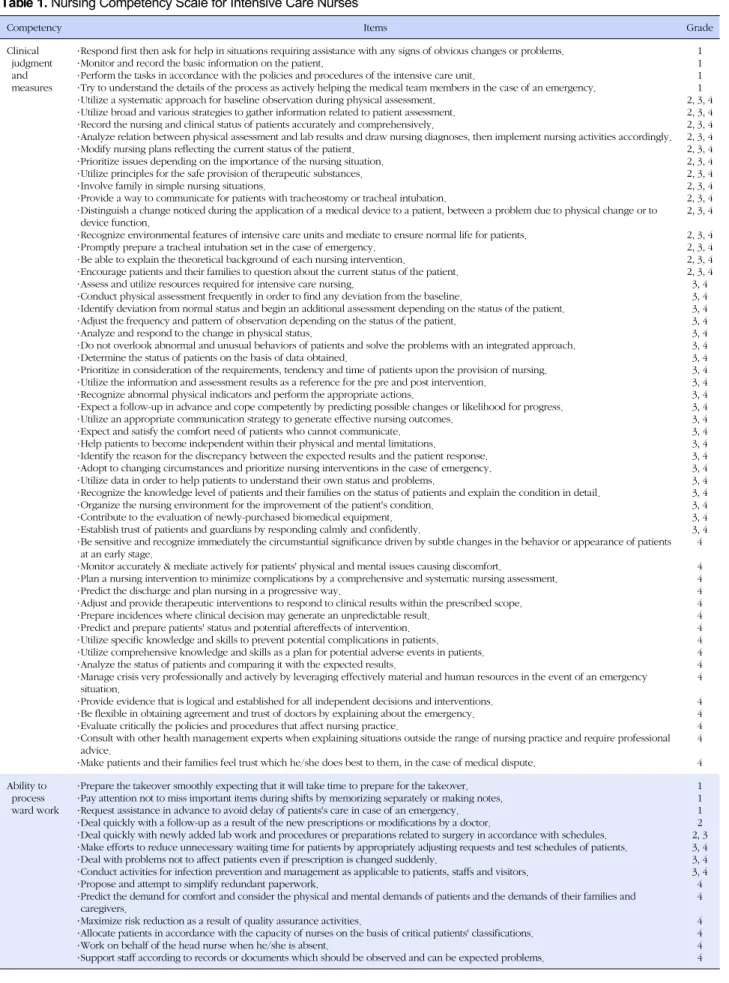
이상의 과정을 거쳐 확정된 항목은 총 309개이며 등급별로 는 1등급: 23항목, 2등급: 43항목, 3등급: 90항목, 4등급: 153 항목이다(Table 1).
논 의
본 연구에서는 중환자실 간호사의 간호역량 범주를 Jang, K. S.(2000)이 Carper (1978), Chinn 과 Kramer (1995)의 앎의 4가지 패턴 즉 과학적 ․ 윤리적 ․ 인격적 ․ 심미적 영역을 고려하여 개발한 임상적 판단과 대처, 병동 업무 처리력, 환자 지향성, 전문성 개발력, 자원관리, 윤리적 가치 지향성, 협력, 자신감, 자기 조절, 유연성, 영향력, 타인육성을 개념적 기틀 로 하였으며 이를 다시 ANA의 임상간호표준(Standards of Clinical Nursing Practice)인 간호 표준(Standards of Care)과 전문직 간호 표준(Standards of Professional Performance)과 비교․분석하였다.
간호표준(Standards of Care)은 사정(assessment) 진단 (diagnosis) 성과 정의(outcome identification), 계획(plan- ning), 중재(intervention), 평가(evaluation)의 6가지 항목 으로 구성되어 있으며, 이는 간호과정에 바탕을 둔 실무활동 (activities)과 행위(behaviors)를 반영한 것이다(Dean-Baar, 1993). 간호과정은 본 연구에서 범주화한 ‘임상적 판단과 대 처’에 해당되는 부분으로 중환자실 간호역량 중 가장 비중이 큰 필수적인 역량이며, Kwon (2001)의 중 환자실 간호역량 중요도 조사에서도 ‘임상적 판단과 대처’가 가장 중요한 역량 으로 나타났다.
간호전문직 표준(Standards of Professional Performance)
은 간호과정외에 전문직에 종사하는 간호사로서 부가적으로
수행하여야 할 필수적인 영역이다, 이는 간호서비스의 질
(quality of care), 업무수행 평가(performance appraisal),
교육(education), 동료와의 관계(collegiality), 윤리(ethics), 협
력(collaboration), 연구(research), 자원 활용(resource utili-
zation) 등 8가지 항목(Dean-Baar, 1993)으로 본 연구의 전
문성 개발력, 타인육성, 윤리적 가치 지향성, 협력, 자원 관리
Table 1. Nursing Competency Scale for Intensive Care Nurses
Competency Items Grade
Clinical judgment and measures
․ Respond first then ask for help in situations requiring assistance with any signs of obvious changes or problems.
․ Monitor and record the basic information on the patient.
․ Perform the tasks in accordance with the policies and procedures of the intensive care unit.
․ Try to understand the details of the process as actively helping the medical team members in the case of an emergency.
․ Utilize a systematic approach for baseline observation during physical assessment.
․ Utilize broad and various strategies to gather information related to patient assessment.
․ Record the nursing and clinical status of patients accurately and comprehensively.
․ Analyze relation between physical assessment and lab results and draw nursing diagnoses, then implement nursing activities accordingly.
․ Modify nursing plans reflecting the current status of the patient.
․ Prioritize issues depending on the importance of the nursing situation.
․ Utilize principles for the safe provision of therapeutic substances.
․ Involve family in simple nursing situations.
․ Provide a way to communicate for patients with tracheostomy or tracheal intubation.
․ Distinguish a change noticed during the application of a medical device to a patient, between a problem due to physical change or to device function.
․ Recognize environmental features of intensive care units and mediate to ensure normal life for patients.
․ Promptly prepare a tracheal intubation set in the case of emergency.
․ Be able to explain the theoretical background of each nursing intervention.
․ Encourage patients and their families to question about the current status of the patient.
․ Assess and utilize resources required for intensive care nursing.
․ Conduct physical assessment frequently in order to find any deviation from the baseline.
․ Identify deviation from normal status and begin an additional assessment depending on the status of the patient.
․ Adjust the frequency and pattern of observation depending on the status of the patient.
․ Analyze and respond to the change in physical status.
․ Do not overlook abnormal and unusual behaviors of patients and solve the problems with an integrated approach.
․ Determine the status of patients on the basis of data obtained.
․ Prioritize in consideration of the requirements, tendency and time of patients upon the provision of nursing.
․ Utilize the information and assessment results as a reference for the pre and post intervention.
․ Recognize abnormal physical indicators and perform the appropriate actions.
․ Expect a follow-up in advance and cope competently by predicting possible changes or likelihood for progress.
․ Utilize an appropriate communication strategy to generate effective nursing outcomes.
․ Expect and satisfy the comfort need of patients who cannot communicate.
․ Help patients to become independent within their physical and mental limitations.
․ Identify the reason for the discrepancy between the expected results and the patient response.
․ Adopt to changing circumstances and prioritize nursing interventions in the case of emergency.
․ Utilize data in order to help patients to understand their own status and problems.
․ Recognize the knowledge level of patients and their families on the status of patients and explain the condition in detail.
․ Organize the nursing environment for the improvement of the patient's condition.
․ Contribute to the evaluation of newly-purchased biomedical equipment.
․ Establish trust of patients and guardians by responding calmly and confidently.
․ Be sensitive and recognize immediately the circumstantial significance driven by subtle changes in the behavior or appearance of patients at an early stage.
․ Monitor accurately & mediate actively for patients' physical and mental issues causing discomfort.
․ Plan a nursing intervention to minimize complications by a comprehensive and systematic nursing assessment.
․ Predict the discharge and plan nursing in a progressive way.
․ Adjust and provide therapeutic interventions to respond to clinical results within the prescribed scope.
․ Prepare incidences where clinical decision may generate an unpredictable result.
․ Predict and prepare patients' status and potential aftereffects of intervention.
․ Utilize specific knowledge and skills to prevent potential complications in patients.
․ Utilize comprehensive knowledge and skills as a plan for potential adverse events in patients.
․ Analyze the status of patients and comparing it with the expected results.
․ Manage crisis very professionally and actively by leveraging effectively material and human resources in the event of an emergency situation.
․ Provide evidence that is logical and established for all independent decisions and interventions.
․ Be flexible in obtaining agreement and trust of doctors by explaining about the emergency.
․ Evaluate critically the policies and procedures that affect nursing practice.
․ Consult with other health management experts when explaining situations outside the range of nursing practice and require professional advice.
․ Make patients and their families feel trust which he/she does best to them, in the case of medical dispute.
1 1 1 1 2, 3, 4 2, 3, 4 2, 3, 4 2, 3, 4 2, 3, 4 2, 3, 4 2, 3, 4 2, 3, 4 2, 3, 4 2, 3, 4 2, 3, 4 2, 3, 4 2, 3, 4 2, 3, 4 3, 4 3, 4 3, 4 3, 4 3, 4 3, 4 3, 4 3, 4 3, 4 3, 4 3, 4 3, 4 3, 4 3, 4 3, 4 3, 4 3, 4 3, 4 3, 4 3, 4 3, 4 4 4 4 4 4 4 4 4 4 4 4 4 4 4 4 4 Ability to
process ward work
․ Prepare the takeover smoothly expecting that it will take time to prepare for the takeover.
․ Pay attention not to miss important items during shifts by memorizing separately or making notes.
․ Request assistance in advance to avoid delay of patients's care in case of an emergency.
․ Deal quickly with a follow-up as a result of the new prescriptions or modifications by a doctor.
․ Deal quickly with newly added lab work and procedures or preparations related to surgery in accordance with schedules.
․ Make efforts to reduce unnecessary waiting time for patients by appropriately adjusting requests and test schedules of patients.
․ Deal with problems not to affect patients even if prescription is changed suddenly.
․ Conduct activities for infection prevention and management as applicable to patients, staffs and visitors.
․ Propose and attempt to simplify redundant paperwork.
․ Predict the demand for comfort and consider the physical and mental demands of patients and the demands of their families and caregivers.
․ Maximize risk reduction as a result of quality assurance activities.
․ Allocate patients in accordance with the capacity of nurses on the basis of critical patients' classifications.
․ Work on behalf of the head nurse when he/she is absent.
․ Support staff according to records or documents which should be observed and can be expected problems.
1 1 1 2 2, 3 3, 4 3, 4 3, 4 4 4 4 4 4 4
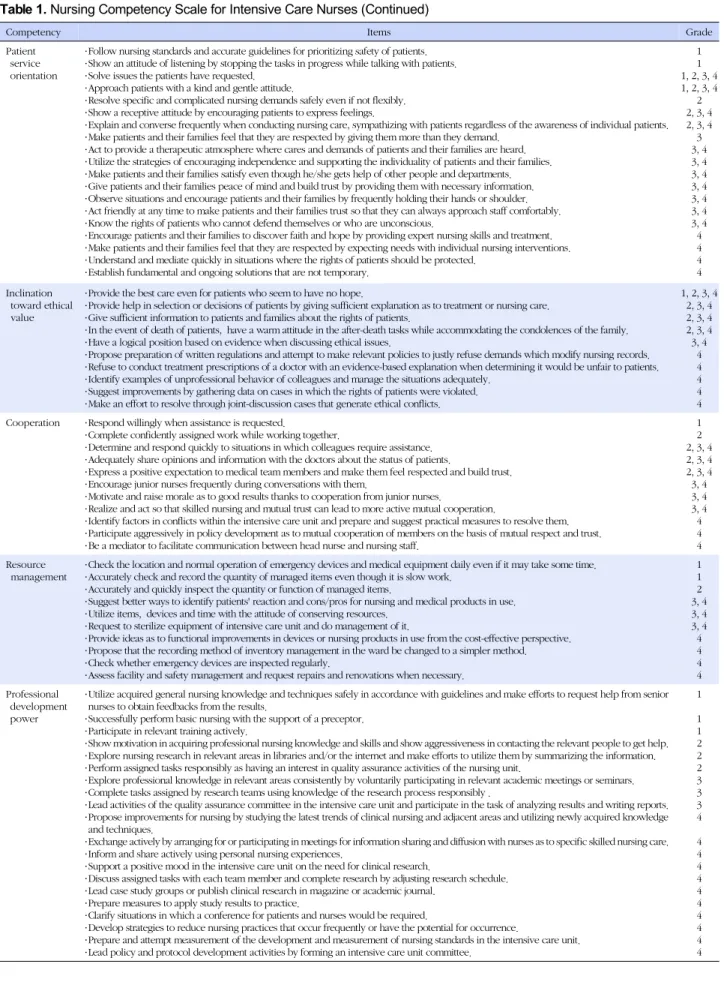
Table 1. Nursing Competency Scale for Intensive Care Nurses (Continued)
Competency Items Grade
Patient service orientation
․ Follow nursing standards and accurate guidelines for prioritizing safety of patients.
․ Show an attitude of listening by stopping the tasks in progress while talking with patients.
․ Solve issues the patients have requested.
․ Approach patients with a kind and gentle attitude.
․ Resolve specific and complicated nursing demands safely even if not flexibly.
․ Show a receptive attitude by encouraging patients to express feelings.
․ Explain and converse frequently when conducting nursing care, sympathizing with patients regardless of the awareness of individual patients.
․ Make patients and their families feel that they are respected by giving them more than they demand.
․ Act to provide a therapeutic atmosphere where cares and demands of patients and their families are heard.
․ Utilize the strategies of encouraging independence and supporting the individuality of patients and their families.
․ Make patients and their families satisfy even though he/she gets help of other people and departments.
․ Give patients and their families peace of mind and build trust by providing them with necessary information.
․ Observe situations and encourage patients and their families by frequently holding their hands or shoulder.
․ Act friendly at any time to make patients and their families trust so that they can always approach staff comfortably.
․ Know the rights of patients who cannot defend themselves or who are unconscious.
․ Encourage patients and their families to discover faith and hope by providing expert nursing skills and treatment.
․ Make patients and their families feel that they are respected by expecting needs with individual nursing interventions.
․ Understand and mediate quickly in situations where the rights of patients should be protected.
․ Establish fundamental and ongoing solutions that are not temporary.
1 1 1, 2, 3, 4 1, 2, 3, 4
2 2, 3, 4 2, 3, 4 3 3, 4 3, 4 3, 4 3, 4 3, 4 3, 4 3, 4 4 4 4 4 Inclination
toward ethical value
․ Provide the best care even for patients who seem to have no hope.
․ Provide help in selection or decisions of patients by giving sufficient explanation as to treatment or nursing care.
․ Give sufficient information to patients and families about the rights of patients.
․ In the event of death of patients, have a warm attitude in the after-death tasks while accommodating the condolences of the family.
․ Have a logical position based on evidence when discussing ethical issues.
․ Propose preparation of written regulations and attempt to make relevant policies to justly refuse demands which modify nursing records.
․ Refuse to conduct treatment prescriptions of a doctor with an evidence-based explanation when determining it would be unfair to patients.
․ Identify examples of unprofessional behavior of colleagues and manage the situations adequately.
․ Suggest improvements by gathering data on cases in which the rights of patients were violated.
․ Make an effort to resolve through joint-discussion cases that generate ethical conflicts.
1, 2, 3, 4 2, 3, 4 2, 3, 4 2, 3, 4 3, 4
4 4 4 4 4 Cooperation ․ Respond willingly when assistance is requested.
․ Complete confidently assigned work while working together.
․ Determine and respond quickly to situations in which colleagues require assistance.
․ Adequately share opinions and information with the doctors about the status of patients.
․ Express a positive expectation to medical team members and make them feel respected and build trust.
․ Encourage junior nurses frequently during conversations with them.
․ Motivate and raise morale as to good results thanks to cooperation from junior nurses.
․ Realize and act so that skilled nursing and mutual trust can lead to more active mutual cooperation.
․ Identify factors in conflicts within the intensive care unit and prepare and suggest practical measures to resolve them.
․ Participate aggressively in policy development as to mutual cooperation of members on the basis of mutual respect and trust.
․ Be a mediator to facilitate communication between head nurse and nursing staff.
1 2 2, 3, 4 2, 3, 4 2, 3, 4 3, 4 3, 4 3, 4 4 4 4 Resource
management
․ Check the location and normal operation of emergency devices and medical equipment daily even if it may take some time.
․ Accurately check and record the quantity of managed items even though it is slow work.
․ Accurately and quickly inspect the quantity or function of managed items.
․ Suggest better ways to identify patients' reaction and cons/pros for nursing and medical products in use.
․ Utilize items, devices and time with the attitude of conserving resources.
․ Request to sterilize equipment of intensive care unit and do management of it.
․ Provide ideas as to functional improvements in devices or nursing products in use from the cost-effective perspective.
․ Propose that the recording method of inventory management in the ward be changed to a simpler method.
․ Check whether emergency devices are inspected regularly.
․ Assess facility and safety management and request repairs and renovations when necessary.
1 1 2 3, 4 3, 4 3, 4 4 4 4 4 Professional
development power
․ Utilize acquired general nursing knowledge and techniques safely in accordance with guidelines and make efforts to request help from senior nurses to obtain feedbacks from the results.
․ Successfully perform basic nursing with the support of a preceptor.
․ Participate in relevant training actively.
․ Show motivation in acquiring professional nursing knowledge and skills and show aggressiveness in contacting the relevant people to get help.
․ Explore nursing research in relevant areas in libraries and/or the internet and make efforts to utilize them by summarizing the information.
․ Perform assigned tasks responsibly as having an interest in quality assurance activities of the nursing unit.
․ Explore professional knowledge in relevant areas consistently by voluntarily participating in relevant academic meetings or seminars.
․ Complete tasks assigned by research teams using knowledge of the research process responsibly .
․ Lead activities of the quality assurance committee in the intensive care unit and participate in the task of analyzing results and writing reports.
․ Propose improvements for nursing by studying the latest trends of clinical nursing and adjacent areas and utilizing newly acquired knowledge and techniques.
․ Exchange actively by arranging for or participating in meetings for information sharing and diffusion with nurses as to specific skilled nursing care.
․ Inform and share actively using personal nursing experiences.
․ Support a positive mood in the intensive care unit on the need for clinical research.
․ Discuss assigned tasks with each team member and complete research by adjusting research schedule.
․ Lead case study groups or publish clinical research in magazine or academic journal.
․ Prepare measures to apply study results to practice.
․ Clarify situations in which a conference for patients and nurses would be required.
․ Develop strategies to reduce nursing practices that occur frequently or have the potential for occurrence.
․ Prepare and attempt measurement of the development and measurement of nursing standards in the intensive care unit.
․ Lead policy and protocol development activities by forming an intensive care unit committee.
1 1 1 2 2 2 3 3 3 4 4 4 4 4 4 4 4 4 4 4
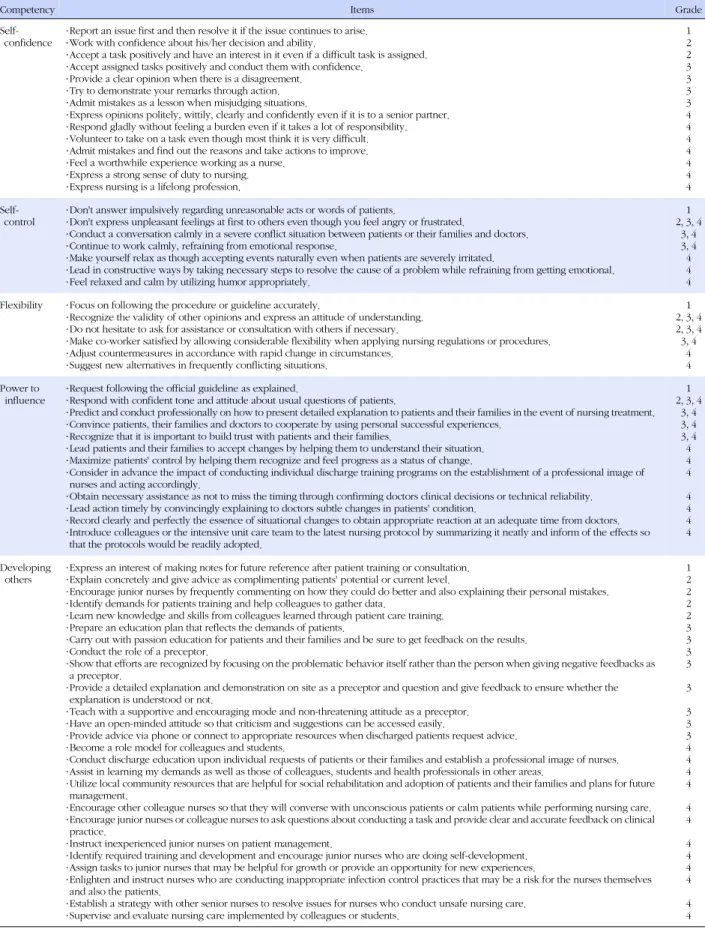
Table 1. Nursing Competency Scale for Intensive Care Nurses (Continued)
Competency Items Grade
Self- confidence
․ Report an issue first and then resolve it if the issue continues to arise.
․ Work with confidence about his/her decision and ability.
․ Accept a task positively and have an interest in it even if a difficult task is assigned.
․ Accept assigned tasks positively and conduct them with confidence.
․ Provide a clear opinion when there is a disagreement.
․ Try to demonstrate your remarks through action.
․ Admit mistakes as a lesson when misjudging situations.
․ Express opinions politely, wittily, clearly and confidently even if it is to a senior partner.
․ Respond gladly without feeling a burden even if it takes a lot of responsibility.
․ Volunteer to take on a task even though most think it is very difficult.
․ Admit mistakes and find out the reasons and take actions to improve.
․ Feel a worthwhile experience working as a nurse.
․ Express a strong sense of duty to nursing.
․ Express nursing is a lifelong profession.
1 2 2 3 3 3 3 4 4 4 4 4 4 4 Self-
control
․ Don't answer impulsively regarding unreasonable acts or words of patients.
․ Don't express unpleasant feelings at first to others even though you feel angry or frustrated.
․ Conduct a conversation calmly in a severe conflict situation between patients or their families and doctors.
․ Continue to work calmly, refraining from emotional response.
․ Make yourself relax as though accepting events naturally even when patients are severely irritated.
․ Lead in constructive ways by taking necessary steps to resolve the cause of a problem while refraining from getting emotional.
․ Feel relaxed and calm by utilizing humor appropriately.
1 2, 3, 4
3, 4 3, 4 4 4 4 Flexibility ․ Focus on following the procedure or guideline accurately.
․ Recognize the validity of other opinions and express an attitude of understanding.
․ Do not hesitate to ask for assistance or consultation with others if necessary.
․ Make co-worker satisfied by allowing considerable flexibility when applying nursing regulations or procedures.
․ Adjust countermeasures in accordance with rapid change in circumstances.
․ Suggest new alternatives in frequently conflicting situations.
1 2, 3, 4 2, 3, 4 3, 4
4 4 Power to
influence ․ Request following the official guideline as explained.
․ Respond with confident tone and attitude about usual questions of patients.
․ Predict and conduct professionally on how to present detailed explanation to patients and their families in the event of nursing treatment.
․ Convince patients, their families and doctors to cooperate by using personal successful experiences.
․ Recognize that it is important to build trust with patients and their families.
․ Lead patients and their families to accept changes by helping them to understand their situation.
․ Maximize patients' control by helping them recognize and feel progress as a status of change.
․ Consider in advance the impact of conducting individual discharge training programs on the establishment of a professional image of nurses and acting accordingly.
․ Obtain necessary assistance as not to miss the timing through confirming doctors clinical decisions or technical reliability.
․ Lead action timely by convincingly explaining to doctors subtle changes in patients' condition.
․ Record clearly and perfectly the essence of situational changes to obtain appropriate reaction at an adequate time from doctors.
․ Introduce colleagues or the intensive unit care team to the latest nursing protocol by summarizing it neatly and inform of the effects so that the protocols would be readily adopted.
1 2, 3, 4
3, 4 3, 4 3, 4 4 4 4 4 4 4 4
Developing others
․ Express an interest of making notes for future reference after patient training or consultation.
․ Explain concretely and give advice as complimenting patients' potential or current level.
․ Encourage junior nurses by frequently commenting on how they could do better and also explaining their personal mistakes.
․ Identify demands for patients training and help colleagues to gather data.
․ Learn new knowledge and skills from colleagues learned through patient care training.
․ Prepare an education plan that reflects the demands of patients.
․ Carry out with passion education for patients and their families and be sure to get feedback on the results.
․ Conduct the role of a preceptor.
․ Show that efforts are recognized by focusing on the problematic behavior itself rather than the person when giving negative feedbacks as a preceptor.
․ Provide a detailed explanation and demonstration on site as a preceptor and question and give feedback to ensure whether the explanation is understood or not.
․ Teach with a supportive and encouraging mode and non-threatening attitude as a preceptor.
․ Have an open-minded attitude so that criticism and suggestions can be accessed easily.
․ Provide advice via phone or connect to appropriate resources when discharged patients request advice.
․ Become a role model for colleagues and students.
․ Conduct discharge education upon individual requests of patients or their families and establish a professional image of nurses.
․ Assist in learning my demands as well as those of colleagues, students and health professionals in other areas.
․ Utilize local community resources that are helpful for social rehabilitation and adoption of patients and their families and plans for future management.
․ Encourage other colleague nurses so that they will converse with unconscious patients or calm patients while performing nursing care.
․ Encourage junior nurses or colleague nurses to ask questions about conducting a task and provide clear and accurate feedback on clinical practice.
․ Instruct inexperienced junior nurses on patient management.
․ Identify required training and development and encourage junior nurses who are doing self-development.
․ Assign tasks to junior nurses that may be helpful for growth or provide an opportunity for new experiences.
․ Enlighten and instruct nurses who are conducting inappropriate infection control practices that may be a risk for the nurses themselves and also the patients.
․ Establish a strategy with other senior nurses to resolve issues for nurses who conduct unsafe nursing care.
․ Supervise and evaluate nursing care implemented by colleagues or students.
1 2 2 2 2 3 3 3 3 3 3 3 3 4 4 4 4 4 4 4 4 4 4 4 4
와 연계되었다.
이상과 같이 본 연구에서의 간호역량 범주는 간호표준과 간 호전문직 표준과의 연계성 확인을 통하여 간호의 지식이나 기 술측면 외에도 윤리적(윤리적 가치 지향성, 협력), 인격적(자 신감, 자기조절, 유연성), 심미적(환자 가치 지향성, 임상적 판 단과 대처, 영향력, 타인육성)부분까지 포함하여 간호사가 전 문직업인으로 갖추어야 할 제 역량을 제시하였고 임상경력에 따라 요구되는 등급별 역량을 구분하여 구체화함으로써 다음 등급에서 요구하는 역량을 대비할 수 있는 방향을 제공하는 이점이 있다.
본 연구에서 제시한 전문성 개발력 4등급의 「사례연구회를 주도하거나 임상연구를 잡지나 학술지에 발표한다」와 「중환 자실 위원회를 구성하여 정책 및 프로토콜 개발 활동을 주도 한다」, 윤리 가치 지향성 3등급의 「윤리적 문제에 대한 토의 시 근거 있는 논리적 자세로 임한다」, 타인육성 4등급 「환자 및 가족의 사회복귀와 적응에 도움이 되는 지역사회 자원을 활용하고 추후 관리를 계획한다」등의 항목에 대해 일부 임상 전문가들이 중환자실 간호사에게는 현실적으로 수행하기 어 려운 역량이라는 의견을 제시하였으나 환자 및 중심적이고 이 상적인 간호서비스라는 차원에서 지향하고 노력해야 할 역량 이라는 문헌과 다른 임상전문가들의 자문으로 유지하도록 하 였다. 따라서 현재 중환자 간호가 비록 환자의 생리적 안정을 최우선 시 하고 있으나 최신 연구결과나 임상적 가이드라인에 준한 근거실무와 함께 중환자실에서 흔히 발생하는 윤리적 딜 레마, 지역사회 자원의 활용, 그리고 사회복귀 문제도 강조되 어야 할 역량이라고 할 수 있겠다.
전문가의 내용 타당도 검증 후 상위 등급으로 이동한 5개 항목은 우리나라의 중환자실 간호사의 인적, 물리적 구성을 반영한 결정이다. 이는 중환자실의 특성 상 업무 및 환경에 대 한 적응에 보다 많은 시간을 요하기 때문에 신규간호사의 경 우 보통 4주간의 프리셉터십으로 진행되는 일반 병동 간호사 와는 달리 9주간에 걸친 훈련을 필요로 하는 상황과 같은 맥락 으로 해석할 수 있다. 또한 경력자의 경우는 신규간호사에 비 하여 중증도가 높은 환자를 담당하므로 환자간호에 보다 높은 수준의 다양한 간호기술 및 의사결정에 대한 숙련도를 요구하 기 때문에 신규간호사에 대한 등급이 상승하면 경력간호사의 등급도 자연히 상향조정이 된다. Kim (2001)은 간호사의 임 상적 의사결정에 대한 숙련도는 단순히 경력에 의한 지식의 축적이 아니라 유사한 상황에 대한 경험의 정도로 결정되는 것이라 하여 등급에 추가되는 새로운 역량이 아닌 전 단계에 서부터 지속적으로 개발되어야 역량으로 기술하였다.
Chi와 Eun (2006)은 수술실 간호사의 임상 경력에 따른 전 문적 간호역량에 대한 표준설정과 인적자원관리를 위한 기초 자료를 제시하고자 수술실 간호사의 임상등급에 따른 간호역 량을 파악하였다. 이 연구 또한 본 연구와 같이 간호역량범주 12개를 제시하고 있으며, 역량범주 중 ‘환자지향성’은 제외되 었고 수술실 환경을 고려하여 ‘안전관리’가 추가되었다. 수술 실 간호사의 업무수행능력을 간호역량별로 살펴보면, ‘안전관 리’가 가장 높게 나타났으며, 그 다음으로 ‘협력’, ‘자기조절’,
‘전문성개발력’, ‘자원관리’, ‘윤리적 가치지향성’, ‘유연성’,
‘병동업무 처리능력’, ‘영향력’, ‘임상적 판단과 대처’, ‘자신 감’ 순으로 낮게 나타났다. 이를 임상등급에 따른 업무수행능 력 차이로 보면 특히 ‘전문성 개발력’, ‘협력’, ‘타인육성’, ‘영 향력’, ‘임상적 판단과 대처’, ‘안전관리’, ‘유연성’ 역량은 경 력이 많을수록 능력이 높아지는 것으로 조사되었다. 이는 간 호사가 근무하는 각 분야에서 등급별로 요구되는 간호역량범 주에 차이가 있을 수 있다는 것을 반영한다. 따라서 본 연구에 서 개발된 측정도구의 간호역량범주를 근거로 중환자실 간호 사의 임상등급별 수행능력을 조사해 봄으로써 각 등급에 해당 하는 간호사가 인식하는 주요 간호역량이 무엇인지 파악할 수 있을 것이며, 이는 더 나아가 간호사 교육 프로그램 계획 시 등 급별로 차별화되고 보다 실제적인 교육 시행을 위한 기초 정 보가 될 수 있을 것으로 사료된다.
Youk (2003)의 응급실 간호사를 각 임상등급으로 구분하
고 이에 기대되는 간호역량과 간호역량에 따른 세부역량 및
행동지표를 개발한 연구와 비교해 보면 본 연구와 동일하게
12개의 간호역량을 4단계의 임상등급으로 나누어 보았으나,
각 간호역량범주에 따른 세부 역량을 구분하고 이에 따른 등
급별 1개의 행동지표만을 제시하고 있다. 또한 이와 유사한 연
구로 Kim (2005)은 수술실 간호사의 임상등급에 따른 간호역
량을 개발하여 수술 간호의 질을 향상시킬 수 있는 제도적 기
초자료를 제공하고자 수술실 간호사의 임상등급별 간호역량
의 행동지표 및 행동진술과 행동진술의 구체적인 예를 개발하
였다. 이는 앞에서 언급한 Chi와 Eun (2006)의 연구와도 유사
하지만 내용이 보다 더 세분화되어 행동지표 및 행동진술과
행동진술의 예를 제시하였다. 본 연구와 같이 12가지 간호역
량범주를 동일하게 사용하면서 이에 따른 48개의 행동지표,
116개의 행동진술, 211개의 구체적 예로 구성되어 있다. Youk
(2003)과 Kim (2005)의 연구 모두 각 등급별 상이한 행동지
표 및 행동진술을 제시하고 있으나 본 연구는 상위등급으로
갈수록 역량 수준이 높아지며 다음 등급에서 전 단계 등급의
역량이 전제되는 경우 전 단계와 동일한 역량이 제시되고 새
로이 현 등급 수준에 맞는 역량이 부가적으로 추가되는 점에 대해서 구성상의 차이를 보인다. 이러한 근거로 본 연구의 각 등급별 역량 항목은 상위 등급으로 갈수록 그 문항수가 증가 됨을 나타낸다. 따라서 본 연구는 현 등급의 역량이 완성되기 위해서 어떤 기본역량이 기반이 되어야 하는지를 스스로 인식 하게 해 주고, 등급이 상향되면서 자신에게 요구되는 간호수 준 또한 향상되어져야 한다는 책임감을 느끼게 할 수 있는 유 용성이 있다.
또한 대부분의 등급별 간호역량 개발 연구는 전문가 내용 타당도 검증에 거치고 있는 반면 본 연구는 전문가 내용 타당 도를 검증한 후 등급별 간호사 각 20명씩 80명을 대상으로 임 상적용 타당도 조사를 함으로써 도구의 타당성에 대한 내실을 기한 강점이 있다고 사료된다.
이와 같이 간호역량 개발과 관련된 대부분의 연구는 본 연 구와 같이 12가지 간호역량 범주를 근간으로 하고 있으며, 이 는 간호대상자인 인간에 대한 접근이 총체적인 관점에서 이루 어져야 한다는 간호학문의 인간 이해를 바탕으로 간호사에게 요구되는 역량 또한 지식, 기술, 태도, 가치, 믿음을 총망라하 는 통합적 접근으로 다루어지는 것이 합당하다고 볼 수 있다.
본 연구에서 개발된 중환자실 간호사의 임상등급에 따른 간호역량 측정도구는 각 등급별 간호사에게 요구되는 역량의 제시로 자신이 속한 등급에서 속한 강점 및 약점을 파악할 수 있어 이를 근거로 자신의 전문성 개발의 방향을 설정할 수 있 고 다음 등급 진입 시 요구되는 역량을 미리 준비할 수 있는 길 잡이 역할도 한다. 또한 공정한 수행능력 평가의 근간이 되며 임상등급별 역량 발휘에 따른 보상으로 동기부여 및 사기진작 의 도구로도 활용 가능하다.
본 측정도구를 통한 역량평가 결과를 활용하여 등급별로 필 요한 계속 교육 프로그램을 개발, 운영한다면 안전하고 양질 의 간호서비스를 제공할 수 있는 최고 수준의 간호인력 양성 에 크게 기여하리라 사료된다.
결 론
본 연구는 등급별로 요구되는 간호역량을 제시하여 각 등급 에서 요구하는 역량에 준하여 자신의 강점과 약점을 파악하도 록 하고 중환자실 간호사로서 추후 개발 되어야 할 영역을 확 인할 수 있도록 1등급(신입~1년), 2등급(2~3년), 3등급(4~ 6 년), 4등급(7년 이상)별 간호역량을 측정할 수 있는 도구를 개 발하였다.
Jang, K. S.(2000)이 제시한 임상적 판단과 대처, 병동 업
무 처리력, 환자 지향성, 전문성 개발력, 자원 관리, 윤리적 가 치 지향성, 협력, 자신감, 자기 조절, 유연성, 영향력, 타인육 성 등의 역량 목록을 토대로 문헌 분석, Jang, B. H. (2000)의 중환자실 간호사의 업무 분석, 호주의 중환자실 전문간호사 (specialist)의 간호역량 고찰, 중환자실 경력 10년 이상을 가 진 임상간호사 2인의 자문을 통해 예비 측정도구 목록을 작성 하였다.
예비측정도구 목록과 Jang, B. H. (2000)의 중환자 간호 표준과 연결 작업 시행 후, 1차 예비 측정도구를 작성하였다.
이는 상위 등급으로 갈수록 역량 수준이 높아지며 역량 항목 배열은 내려가는 형식의 계단 모양을 나타내고, 화살표로 이 전 등급의 역량이 다음 등급으로 이어져 추가됨을 표시하고 화살표 없이 새로이 시작되는 항목은 해당 등급에 부가되는 역량으로 구성되었다.
1차 예비측정도구는 상급종합병원인 A병원 중환자실에 근 무하는 간호사를 각 등급(1등급에서 4등급)별로 2인씩 총 8명 을 선정하여 해당 등급에 기술된 자신의 역량을 직접 측정하 게 하고 이들의 의견을 분석한 후 2차 예비측정도구를 작성하 였다.
임상 전문가 20인으로부터 2차 예비측정도구에 대한 내용 타당도를 검증한 결과를 반영하여 각 항목의 수정ㆍ이동으로 도구를 재정비하였다. 정련화된 2차 예비측정도구를 가지고 각 등급별 중환자실 간호사 20명씩 총 80명을 대상으로 임상 적용 타당도 조사를 실시하여 CVI 80% 미만 항목은 삭제하고 다시 수정 ‧ 보완한 후 중환자실 간호사의 임상등급에 따른 최 종 간호역량 측정도구를 완성하였다.
본 연구에서 개발된 도구는 등급별로 기대되는 간호역량을 제시하여 중환자실 간호사에 대한 수행능력 평가도구로 사용 할 수 있을 뿐만 아니라 중환자실 간호사에게 등급별로 필요 한 교육을 제공할 수 있는 근거가 된다. 이의 결과로 우수한 경 력자를 보상하고 보유할 수 있어 안전한 양질의 간호를 제공 하여 간호에 대한 환자의 만족도 제고와 의료비 절감의 효과 도 꾀할 수 있을 것이다. 본 연구결과를 토대로 하여 다음과 같 이 제언하고자 한다.
첫째, 중환자실뿐만 아니라 일반 병동, 수술실 등의 타 간호 부서도 간호역량 측정도구를 개발하여 부서별 차별화, 특성화 된 수행능력개발이 필요하다.
둘째, 등급별 교육 프로그램 개발과 연계될 수 있도록 교육 팀과 연계하여 등급별 구체적인 지식 및 기술에 대한 교육내 용 및 교육성과에 대한 평가지 개발이 요구된다.
셋째, 등급별 수행능력 평가에 따른 보상이 연계될 수 있도
록 임상등급제도 개발을 제언한다.
REFERENCES
Benner, P. (1984). From beginner to expert: Excellence and pow- er in clinical nursing practice. Menlo Park: Addison-Wesley.
Benner, P., Tanner, C., & Chesla, C. (1992). From beginner to ex- pert gaining a differential clinical world in critical care nurs- ing. Advanced Nursing Science, 14(3), 13-28.
Buchan, J. (1997). Clinical ladders: The ups and downs. Interna- tional Nursing Review, 44 (2), 41-46.
Carper, B. A. (1997). Fundamental patterns of knowing in nurs- ing. Advances in Nursing Science, 1(1), 13-23.
Chinn, P. L., & Kramer, M. K. (1995). Theory and nursing: A sys- temic approach. St. Louis: Mosby.
Choi, J. S., & Eun, Y. (2006). A study on the clinical competence according to clinical ladder of operating room nurses. Jour- nal of Academic Society Nursing Education, 12 (1), 60-69.
Corley, M. C., Farley, B., Geddes, N., Goodloe, L., & Green, P.
(1994). The clinical ladder: Impact on nurse satisfaction and turnover. Journal of Nursing Administration, 24 (2), 42-48.
Dean-Baar, S. L. (1993). Application of the new ANA framework for nursing practice standards and guidelines. Journal of Nursing Care Quality, 8(1), 33-42. http://dx.doi.org/10.1097/
00001786-199310000-00005
Deckert, B., Oldenburg, C., Pattison, K. A., & Swartz, S. L. (1984).
Clinical ladders. Nursing Management, 15 (3), 54-60.
Goodloe, L. R., Sampson, R. C., Munjas, B., Whitworth, T. R., Lantz, C. D., Tangley, E., et al. (1996). Clinical ladder to professio- nal advancement program: An evolutionary process. Journal of Nursing Administration, 26 (6), 58-64.
Gustin, T. J., Semier, J. E., Holcomb, M. W., Gmeiner, J. L., Brum- berg, A. E., Martin, P. A., et al. (1998). A clinical advance- ment program: Creating an environment for professional growth. Journal of Nursing Administration, 28 (10), 33-39.
http://dx.doi.org/10.1097/00005110-199810000-00008 Hupcey, J. E. (2000). Feeling safe: The psychosocial needs of ICU
patients. Journal of Nursing Scholarship, 32, 361-367.
Jang, B. H. (2000). A study on critical care practice and develop- ment of standards for critical care nursing practice. Unpub- lished master's thesis, Yonsei University, Seoul, Korea.
Jang, K. S. (2000). A study on establishment of clinical career de- velopment model of nurses. Unpublished doctorial dis- sertation, Yonsei University, Seoul, Korea.
Kim, D. W. (2001). Modes on nursing care decision making in novice critical care nurses: Changes through experience.
Unpublished doctorial dissertation, Seoul National Univer- sity, Seoul, Korea.
Kim, G. J. (1991). The role of critical care nurses. Nursing life, 9, 46-67.
Kim, H. Y. (2005). A development of nursing competency for op- erating room nurses using a clinical ladder system. Unpub- lished master's thesis, Chonnam National University, Gwang- ju, Korea.
Kwon, E. K. (2001). Evaluation of clinical competency weight and content validity of behavioral indicators for developing nursing performance appraisal. Unpublished master's the- sis, Inha University, Inchun, Korea.
Lee, E. O., Lim, N. Y., & Park, H. A. (1998). Nursing medical re- search and statistics. Seoul: Soomoonsa.
Lynn, M. R. (1986). Determination and quantification of content validity. Nursing Research, 35, 382-386.
Park, H. O. (2001). A study on the analysis of performance ap- praisal tools for nurses. Unpublished master's thesis, Yonsei University, Seoul, Korea.
Torstad, S., & Bjork, I. T. (2007). Nurse leaders' view on clinical ladders as a strategy in professional development. Journal of Nursing Management, 15, 817-824. http://dx.doi.org/10.
1111/j.1365-2934.2007.00769.x
Woodrow, P. (1997). Nursing perspectives for intensive care. In- tensive and Critical Care Nursing, 13, 151-155.
Youk, S. Y. (2003). Nursing competency and indicator develop- ment by emergency nurse's clinical ladder. Journal of Kore- an Academy on Nursing Administration, 9, 481-494.