• 검색 결과가 없습니다.

Impact of Lifestyle Diseases on Postoperative Complications and Survival in Elderly Patients with Stage I Non-Small Cell Lung Cancer

N/A
N/A
Protected

Academic year: 2021

Share "Impact of Lifestyle Diseases on Postoperative Complications and Survival in Elderly Patients with Stage I Non-Small Cell Lung Cancer"

Copied!
8
0
0

로드 중.... (전체 텍스트 보기)

전체 글

(1)

ISSN: 2233-601X (Print) ISSN: 2093-6516 (Online)

This article was presented at the 47th Annual Meeting of the Korean Society for Thoracic and Cardiovascular Surgery, Jeongseon, Korea, October 22 –24, 2015.

Received: September 30, 2016, Revised: December 15, 2016, Accepted: December 21, 2016, Published online: April 5, 2017

Corresponding author: Pil Jo Choi, Department of Thoracic and Cardiovascular Surgery, Dong-A University Medical Center, DONG-A University College of Medicine, 26 Daesingongwon-ro, Seo-gu, Busan 49201, Korea

(Tel) 82-51-240-5195 (Fax) 82-51-248-1510 (E-mail) [email protected]

© The Korean Society for Thoracic and Cardiovascular Surgery. 2017. All right reserved.

This is an open access article distributed under the terms of the Creative Commons Attribution Non-Commercial License (http://creativecommons.org/

licenses/by-nc/4.0) which permits unrestricted non-commercial use, distribution, and reproduction in any medium, provided the original work is properly cited.

Impact of Lifestyle Diseases on Postoperative Complications and Survival in Elderly Patients

with Stage I Non-Small Cell Lung Cancer

Sang Seok Jeong, M.D., Pil Jo Choi, M.D., Ph.D., Jung Hoon Yi, M.D., Sung Sil Yoon, M.D.

Department of Thoracic and Cardiovascular Surgery, Dong-A University College of Medicine

Background: The influence of lifestyle diseases on postoperative complications and long-term survival in pa- tients with non-small cell lung cancer (NSCLC) is unclear. The aim of this study was to determine whether lifestyle diseases were significant risk factors of perioperative and long-term surgical outcomes in elderly pa- tients with stage I NSCLC. Methods: Between December 1995 and November 2013, 110 patients aged 65 years or older who underwent surgical resection of stage I NSCLC at Dong-A University Hospital were retro- spectively studied. We assessed the presence of the following lifestyle diseases as risk factors for post- operative complications and long-term mortality: diabetes, hypertension, chronic obstructive pulmonary dis- ease, stroke, and ischemic heart disease. Results: The mean age of the patients was 71 years (range, 65 to 82 years). Forty-six patients (41.8%) had hypertension, making it the most common lifestyle disease, fol- lowed by diabetes (n=23, 20.9%). The in-hospital mortality rate was 0.9% (n=1). The 3-year and 5-year sur- vival rates were 78% and 64%, respectively. Postoperative complications developed in 32 patients (29.1%), including 7 (6.4%) with prolonged air leakage, 6 (5.5%) with atrial fibrillation, 5 (4.5%) with delirium and atelectasis, and 3 (2.7%) with acute kidney injury and pneumonia. Univariate and multivariate analyses showed that the presence of a lifestyle disease was the only independent risk factor for postoperative complications. In survival analysis, univariate analysis showed that age, smoking, body mass index, extent of resection, and pathologic stage were associated with impaired survival. Multivariate analysis revealed that re- section type (hazard ratio [HR], 2.20; 95% confidence interval [CI], 1.08 to 4.49; p=0.030) and pathologic stage (HR, 1.89; 95% CI, 1.02 to 3.49; p=0.043) had independent adverse impacts on survival. Conclusion:

This study demonstrated that the presence of a lifestyle disease was a significant prognostic factor for post- operative complications, but not of survival, in elderly patients with stage I NSCLC. Therefore, postoperative complications may be influenced by the presence of a lifestyle disease.

Key words: 1. Non-small-cell lung carcinoma 2. Lifestyle

3. Postoperative complications 4. Survival

https://doi.org/10.5090/kjtcs.2017.50.2.86

(2)

Introduction

Chronic diseases, frequently classified as a major component of non-communicable diseases, usually af- fect middle-aged or elderly individuals after pro- longed exposure to an unhealthy lifestyle, which is often related to the economic transition, rapid urban- ization, and 21st-century lifestyles, with behaviors such as tobacco use, harmful consumption of alcohol, an unhealthy fast food diet, insufficient physical ac- tivity, and extended working hours. Physiologically stressed lifestyles increase the prevalence of risk fac- tors, such as hypertension, dyslipidemia, diabetes, respiratory diseases, and obesity, which act in paral- lel and synergistically on various metabolic pathways in the body [1]. The chronic accumulation of these adverse effects can lead to lethal disease.

The World Health Organization suggested that around 56 million deaths occurred worldwide in the year 2012, of w hich 38 million (68%) w ere due to non-communicable diseases. If cancers are excluded, ischemic heart disease (IHD), stroke, chronic ob- structive pulmonary disease (COPD), and diabetes are the chief causes of deaths [2]. In the Republic of Korea, the prevalence of hypertension, diabetes, IHD, stroke, and COPD among people aged 65 years or older are 56.7%, 22.6%, 6.8%, 6.9%, and 30.2%, re- spectively [3].

Lifestyle factors can cause various types of cancers.

The emergence of the lung cancer epidemic in the 20th century w as driven by smoking. Additionally, many other risk factors of lung cancer have been re- ported, including diet (cured meat or deep-fried cooking), alcohol, and insufficient exercise [4]. In some countries, a decline in cigarette smoking rates resulting from strong public health policies has re- duced the incidence of lung cancer, but lung cancer remains the leading cause of cancer-related mortality around the w orld. Numerous studies about the im- pact of comorbidities on the treatment of lung cancer have presented various validated scales to assess co- morbidities, such as the Charlson Comorbidity Index (CCI). However, few studies have focused specifically on lifestyle diseases.

The frequency with which early-stage lung cancers are diagnosed has increased owing to advances in high-resolution computed tomography and the great- er prevalence of computed tomographic screening

[5]. Therefore, we performed this study to evaluate the impact of lifestyle diseases on postoperative com- plications and long-term survival in elderly patients with pathologic stage I non-small cell lung cancer (NSCLC).

Methods

The medical records of 110 patients who under- went curative resection for stage I NSCLC at a single institute between December 1995 and November 2013 were reviewed. All of them were 65 years or older, and underwent lobectomy or pneumonectomy with mediastinal lymph node dissection. We excluded patients with a history of other malignant disease, neoadjuvant treatment, sublobar resection, or un- common histologic subtypes other than adenocar- cinoma or squamous cell carcinoma. The pathologic stage of all tumors was assessed according to the seventh edition of the TNM (tumor-node-metastasis) classification of the International Union Against Cancer.

In all patients, the preoperative diagnostic workup included a medical history, physical examination, plain chest radiography, electrocardiography, routine laboratory tests, pulmonary function test, and com- puted tomography of the chest. If the tissue diag- nosis was confirmed, additional staging procedures, such as a bone scan, brain magnetic resonance imag- ing, and positron emission tomography-computed to- mography were performed.

Patients were followed with regular visits to the outpatient clinic or through telephone contact. Follow - up was completed in all patients through June 2015.

The median follow-up time was 40.4 months (range, 0.4 to 222.3 months). Overall survival was measured from the date of surgery to the date of death or the last follow-up contact.

Postoperative complications were defined as any deviation from the normal postoperative course oc- curring in the initial 30 days after surgery. These complications included air leakage, atrial fibrillation, delirium, atelectasis, acute kidney injury (AKI), pneu- monia, and acute respiratory distress syndrome (ARDS). Air leakage was defined as a leak that per- sisted for more than 7 days after surgery.

The relationships of the following variables with

postoperative complications and overall survival were

(3)

Table 1. Characteristics of the 110 patients with completely re- sected stage I non-small cell lung cancer

Characteristic Value

Sex

Male 76 (69.1)

Female 34 (30.9)

Age (yr) 70.73±3.78

65 –69 47 (42.7)

70 –74 44 (40.0)

≥75 19 (17.3)

Presence of a lifestyle disease

No 47 (42.7)

Yes 63 (57.3)

Smoking

Non 36 (32.7)

Current/past 74 (67.3)

FEV

1

, (L) 2.21±0.59

FEV

1

(%) 95.0±18.8

Body mass index (kg/m

2

) 23.2±2.9

Surgical technique

Thoracotomy 65 (59.1)

Video-assisted thoracoscopic surgery 45 (40.9)

Operative time (min) 239 (95 –495)

Tumor location

Upper lobe (including middle lobe) 64 (58.2)

Lower lobe 46 (41.8)

Tumor laterality

Right-sided 70 (63.6)

Left-sided 40 (36.4)

Resection type

Lobectomy 96 (87.3)

Bilobectomy/pneumonectomy 14 (12.7)

Tumor size (cm) 2.8 (0.5 –5.0)

Pathologic stage

IA 71 (64.5)

IB 39 (35.5)

Histologic type

Adenocarcinoma 68 (61.8)

Squamous cell carcinoma 42 (38.2)

Values are presented as number (%), mean±standard deviation, or mean (range).

FEV

1

, forced expiratory volume in the first second.

Table 2. Details of lifestyle diseases

Type of lifestyle disease No. of patients (%)

Hypertension 46 (41.8)

Diabetes 23 (20.9)

Ischemic heart disease 15 (13.6)

Chronic obstructive pulmonary disease 10 (9.1)

Stroke 6 (5.5)

evaluated: age, sex, smoking, each individual lifestyle disease, the presence of a lifestyle disease, forced ex- piratory volume in 1 second, body mass index (BMI), surgical technique, operative time, tumor size, tumor site, extent of resection, pathologic stage, and histo- logic subtype. The following highly prevalent life- style-related and chronic diseases were analyzed: hy- pertension, diabetes, IHD, stroke, and COPD. The var-

iable ‘presence of a lifestyle disease’ applied to pa- tients w ith 1 or more of the above 5 lifestyle diseases.

Categorical data were analyzed using the chi- square test or the Fisher exact test. The Student t-test was used to analyze continuous variables.

Survival curves were estimated by the Kaplan-Meier method, and compared using the log-rank test.

Univariate and multivariate analyses for postoperative complications and survival were performed by means of a binary logistic regression model and a Cox pro- portional hazard model. Variables that had p-values

<0.2 or <0.05 in the univariate analysis were se- lected for inclusion in the multivariate analysis of postoperative complications and overall survival, respectively. All statistical analyses were carried out in IBM SPSS Statistics ver. 20.0 (IBM Corp., Armonk, NY, USA). p-values <0.05 were considered to indicate statistical significance.

Results

Among 110 patients, there were 76 males and 34 females. Sixty-three patients (57.3%) had lifestyle diseases, and 36 patients (32.7%) were non-smokers.

Their mean age was 70.7 years (range, 65 to 82

years). Adenocarcinoma (61.8%) was more frequent

than squamous cell carcinoma (38.2%). Seventy-one

patients (64.5%) had stage IA lung cancer, and 39

patients (35.5%) were diagnosed with stage IB

disease. The following types of pulmonary resection

were performed: lobectomy (87.3%) and bilobectomy

or pneumonectomy (12.7%). Forty-five patients

(40.9%) underwent video-assisted thoracoscopic sur-

gery (VATS). Upper-lobe (including middle-lobe) tu-

mors were more common (58.2%) than lower-lobe

tumors (41.8%). Right-sided tumors occurred in 70

cases (63.6%), and left-sided tumors in 40 cases

(36.4%). The median tumor size was 2.8 cm (range,

0.5 to 5.0 cm). Further details of the patients’ base-

line characteristics are shown in Table 1.

(4)

Table 3. Details of postoperative complications

Type of complication No lifestyle disease (n=47) Lifestyle disease (n=63) No. of total patients (%)

Air leak 4 3 7 (6.4)

Atrial fibrillation - 6 6 (5.5)

Delirium 1 4 5 (4.5)

Atelectasis 1 4 5 (4.5)

Acute kidney injury 1 2 3 (2.7)

Pneumonia 1 2 3 (2.7)

Acute respiratory distress syndrome 1 1 2 (1.8)

Asthma aggravation - 2 2 (1.8)

Wound infection 1 - 1 (0.9)

Pulmonary edema - 1 1 (0.9)

No. of total patients (%) 9 (19.1) 23 (36.5) 32 (29.1)

Some patients had more than one complication.

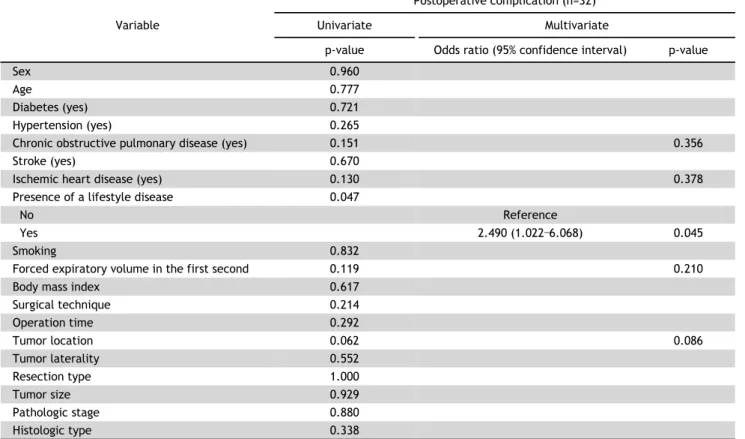
Table 4. Univariate and multivariate analysis of postoperative complications in 110 patients

Variable

Postoperative complication (n=32)

Univariate Multivariate

p-value Odds ratio (95% confidence interval) p-value

Sex 0.960

Age 0.777

Diabetes (yes) 0.721

Hypertension (yes) 0.265

Chronic obstructive pulmonary disease (yes) 0.151 0.356

Stroke (yes) 0.670

Ischemic heart disease (yes) 0.130 0.378

Presence of a lifestyle disease 0.047

No Reference

Yes 2.490 (1.022 –6.068) 0.045

Smoking 0.832

Forced expiratory volume in the first second 0.119 0.210

Body mass index 0.617

Surgical technique 0.214

Operation time 0.292

Tumor location 0.062 0.086

Tumor laterality 0.552

Resection type 1.000

Tumor size 0.929

Pathologic stage 0.880

Histologic type 0.338

Variables with a p-value of<0.2 were entered into the multivariate analysis.

Sixty-three patients (57.3%) had lifestyle diseases.

The most common lifestyle disease was hypertension (n=46, 41.8%), and the second most frequent disease was diabetes (n=23, 20.9%), followed by IHD (13.6%), COPD (9.1%), and stroke (5.5%) (Table 2).

The 30-day postoperative mortality rate w as 0.9%

(n=1). The cause of death was pneumonia. The num- ber of postoperative cases of mortality was too low to identify any statistically significant associations.

The details of the postoperative complications are

shown in Table 3. The most common complications

were air leakage (6.4%) and atrial fibrillation (5.5%),

(5)

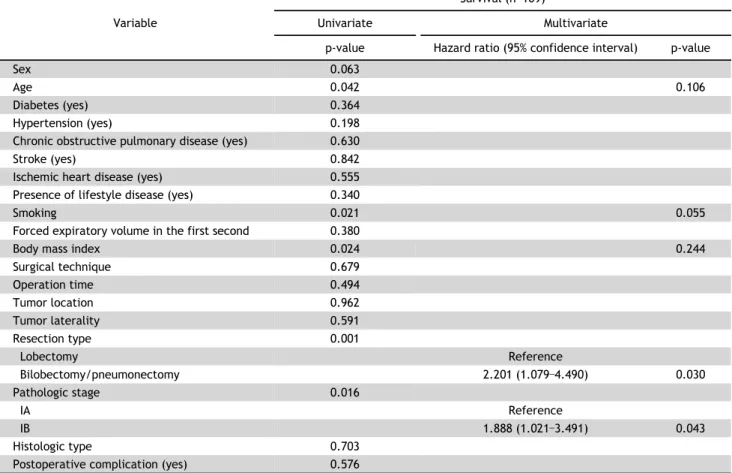
Table 5. Univariate and multivariate analysis for overall survival in 109 patients

Variable

Survival (n=109)

Univariate Multivariate

p-value Hazard ratio (95% confidence interval) p-value

Sex 0.063

Age 0.042 0.106

Diabetes (yes) 0.364

Hypertension (yes) 0.198

Chronic obstructive pulmonary disease (yes) 0.630

Stroke (yes) 0.842

Ischemic heart disease (yes) 0.555

Presence of lifestyle disease (yes) 0.340

Smoking 0.021 0.055

Forced expiratory volume in the first second 0.380

Body mass index 0.024 0.244

Surgical technique 0.679

Operation time 0.494

Tumor location 0.962

Tumor laterality 0.591

Resection type 0.001

Lobectomy Reference

Bilobectomy/pneumonectomy 2.201 (1.079 –4.490) 0.030

Pathologic stage 0.016

IA Reference

IB 1.888 (1.021 –3.491) 0.043

Histologic type 0.703

Postoperative complication (yes) 0.576

followed by delirium (4.5%), atelectasis (4.5%), AKI (2.7%), pneumonia (2.7%), and ARDS (1.8%).

In the univariate and multivariate analyses of post- operative complications, no lifestyle disease showed any association with postoperative complications (Table 4). Instead, the presence of a lifestyle disease was related with an increased incidence of post- operative complications (odds ratio, 2.49; 95% con- fidence interval [CI], 1.02 to 6.07; p=0.045). No other factors were found to be significantly related with postoperative complications.

The 3-year and 5-year overall survival rates were 78.3% and 63.6%, respectively. When evaluating risk factors for overall survival in the univariate analysis, age, smoking, BMI, resection type, and stage w ere significantly associated with impaired survival. In the multivariate analysis, the resection type (hazard ratio [HR], 2.20; 95% CI, 1.08 to 4.49; p=0.030) and pathologic stage (HR, 1.89; 95% CI, 1.02 to 3.49;

p=0.043) were independent poor prognostic factors.

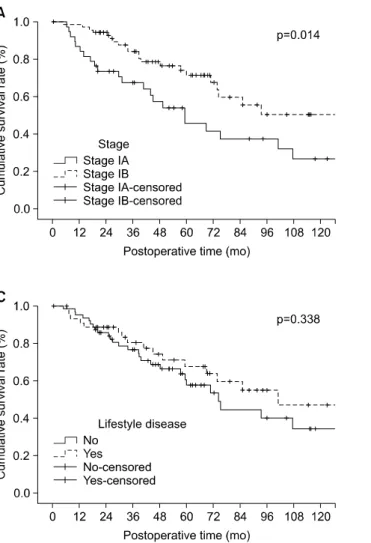
All of the individual lifestyle diseases and the pres- ence of a lifestyle disease were not factors that sig- nificantly affected overall survival (Table 5). The Kaplan-Meier curves showed differences in the sur- vival rate according to the resection type (p=0.001) and pathologic stage (p=0.014) (Fig. 1A, B). However, the overall survival curves according to the presence of a lifestyle disease showed no significant difference (p=0.338) (Fig. 1C).

Discussion

Recent changes in lifestyle have increased the

prevalence of lifestyle diseases. The prevalence of co-

morbidities, including lifestyle diseases, is higher in

older patients than in younger patients, and the in-

cidence of lung cancer is also higher in older pop-

ulations [6]. Various validated scales to assess co-

morbidities in patients with lung cancer include the

CCI, the Cumulative Illness Rating Scale for Geriatrics,

(6)

Fig. 1. (A) Overall survival curves according to the pathologic stage. (B) Overall survival curves according to the resection type.

(C) Overall survival curves according to the presence of a life- style disease.

the Simplified Comorbidity Score, the Adult Comor- bidity Evaluation, and the Older American Resources and Services Comorbidity Scale. However, these scales may not be specific to patients with cancer or may be cumbersome to use [7]. No study has yet been carried out to evaluate the relationships betw een life- style diseases and postoperative complications or survival in patients with lung cancer. Therefore, we investigated the association between lifestyle diseases and postoperative outcomes in elderly patients with stage I NSCLC.

According to various recent studies on the co- morbidities of lung cancer patients, hypertension, COPD, IHD, stroke, and diabetes are highly prevalent.

These diseases are closely associated with lifestyle factors, and tend to progress to chronic conditions.

Therefore, in the present study, these 5 diseases were defined as lifestyle diseases, and their frequen- cies were as follows: hypertension (41.8%), diabetes

(20.9%), IHD (13.6%), COPD (9.1%), and stroke (5.5%).

Many studies have described the prognostic im- pacts of comorbidities on postoperative complications after NSCLC surgery. Pei et al. [8] reported that each lifestyle disease influenced postoperative complica- tions. Okami et al. [9] studied the risk factors for complications after surgery in patients aged 80 years or older with clinical stage I NSCLC, and reported that the presence of comorbidities (excluding hyper- tension) was a factor associated with operative risks.

On the contrary, Shiono et al. [10] reported that the

presence of comorbidities, including lifestyle diseases,

did not affect postoperative complications in elderly

patients. In the present study, postoperative compli-

cations were not associated with any specific lifestyle

disease, but rather with the presence of a lifestyle

disease. Postoperative complications have been ar-

gued to be closely associated with the postoperative

systemic inflammatory response, but the correct

(7)

mechanism has not yet been clearly identified [11].

The frequency of postoperative complications is also thought to increase as the postoperative systemic in- flammatory response worsens due to the operation in patients with a lifestyle disease, because these dis- eases are chronic inflammatory diseases. However, in this study, no statistically significant associations were observed between undergoing VATS and the in- cidence of postoperative complications, although VATS is generally accepted as a surgical technique that can reduce the postoperative inflammatory response. An analysis with a larger sample size may show a stat- istically significant association.

In summary, to prevent postoperative complica- tions, optimization of the patient’s preoperative con- dition regarding lifestyle diseases, the administration of preoperative medications to relieve inflammation, and minimally invasive surgery (VATS) can be con- sidered. By doing this, the postoperative systemic in- flammatory response will be reduced, and con- sequently, postoperative complications will also be decreased.

The effects of comorbid conditions, including life- style diseases, on survival have drawn significant re- search interest, although the results have been inconsistent. Some studies have shown comorbidities to be independent prognostic factors for lung cancer survival [12,13]. Battafarano et al. [14] investigated the impact of comorbidities on long-term survival af- ter surgical resection in 451 patients with stage I NSCLC. They classified the severity of comorbidities using the modified Kaplan-Feinstein index, and con- firmed that patients with moderate and severe co- morbidities were approximately twice as likely to die as were patients with no comorbidities. Moro-Sibilot et al. [15] showed a significant impact of comorbid- ities on survival after resection of 588 patients with pathologic stage I NSCLC. They showed that in- dependent prognostic values were associated with stroke and the CCI. According to the report of Birim et al. [16], in w hich comorbid conditions, the CCI, and survival were assessed in patients who under- went curative resections for NSCLC, the CCI was found to be a better prognostic factor than the in- dividual comorbid conditions. Comorbidities poten- tially affect lung cancer survival in several ways.

Certain conditions, including COPD, stroke, and IHD were found to have an independent negative effect

on survival. In addition, comorbid conditions could camouflage cancer symptoms and cause a delay in the diagnosis. Additionally, the presence of comorbid- ities could prevent a complete diagnostic evaluation, leading to less accurate staging. Comorbidities also influence treatment selection, preventing patients from receiving aggressive lung cancer treatment [12,17]. However, in this study, lifestyle diseases did not show a significant relationship with the survival of lung cancer patients. This result seems to arise from the features of lifestyle diseases and lung cancer. The deleterious effects of lifestyle diseases can diminish the function of vital organ systems slowly over time [12]. In contrast, lung cancer is one of the most aggressive forms of cancers, with a gen- erally poor prognosis. The overwhelming fatality of lung cancer might offset the effect of lifestyle dis- eases on survival.

The biases and limitations of this study are as follow s. First, patient selection bias may have been inevitable due to the fact that this was a single-in- stitute retrospective study. Second, the relatively small number of cases included in the analysis could limit the accuracy of the results. Third, an assess- ment of comorbidity severity was not been included in this study. Considering such limitations and biases, the clinical application of the presence of a lifestyle disease as a predictive variable for postoperative complications, as proposed in this study, may be controversial.

In summary, we investigated the effect of lifestyle

diseases on the morbidity and overall survival of

lung cancer patients in 2 ways: (1) the morbidity

rate and overall survival rate were compared in lung

cancer patients with and without lifestyle diseases,

and (2) the morbidity rate and overall survival rate

of lung cancer patients with any 1 of the 5 lifestyle

diseases were compared with the corresponding

rates in patients with no lifestyle diseases. The 5 life-

style diseases were hypertension, diabetes, IHD,

stroke, and COPD. The results of this study showed

that the presence of a lifestyle disease w as a sig-

nificant prognostic factor for postoperative complica-

tions, but not of survival rates in elderly stage I

NSCLC patients. Therefore, postoperative complica-

tions may be influenced by the presence of a lifestyle

disease.

(8)

Conflict of interest

No potential conflicts of interest relevant to this article are reported.

Acknowledgments

This study was supported by a Grant of the Samsung Vein Clinic Network (Daejeon, Anyang, Cheongju, Cheonan; Fund No. KTCS04-067).

References

1. Senapati S, Bharti N, Bhattacharya A. Modern lifestyle dis- eases: chronic diseases, awareness and prevention. Int J Curr Res Acad Rev 2015;3:215-23.

2. World Health Organization. Global status report on non- communicable diseases 2014 [Internet]. Geneva: World Health Organization; 2014 [cited 2016 Sep 28]. Available from: http://apps.who.int/iris/bitstream/10665/148114/

1/9789241564854_eng.pdf?ua=1.

3. Oh YH. The health status of older Koreans and policy considerations. Health Welf Policy Forum 2015;223:29-39.

4. Molina JR, Yang P, Cassivi SD, Schild SE, Adjei AA.

Non-small cell lung cancer: epidemiology, risk factors, treatment, and survivorship. Mayo Clin Proc 2008;83:

584-94.

5. Okada M, Koike T, Higashiyama M, Yamato Y, Kodama K, Tsubota N. Radical sublobar resection for small-sized non-small cell lung cancer: a multicenter study. J Thorac Cardiovasc Surg 2006;132:769-75.

6. Janssen-Heijnen ML, Schipper RM, Razenberg PP, Cromme- lin MA, Coebergh JW. Prevalence of co-morbidity in lung cancer patients and its relationship with treatment: a population-based study. Lung Cancer 1998;21:105-13.

7. Gajra A. Assessment of comorbidity in lung cancer: how,

why, and in whom? J Geriatr Oncol 2016;7:64-7.

8. Pei G, Zhou S, Han Y, Liu Z, Xu S. Risk factors for post- operative complications after lung resection for non-small cell lung cancer in elderly patients at a single institution in China. J Thorac Dis 2014;6:1230-8.

9. Okami J, Higashiyama M, Asamura H, et al. Pulmonary re- section in patients aged 80 years or over with clinical stage I non-small cell lung cancer: prognostic factors for overall survival and risk factors for postoperative complications. J Thorac Oncol 2009;4:1247-53.

10. Shiono S, Abiko M, Sato T. Postoperative complications in elderly patients after lung cancer surgery. Interact Cardiovasc Thorac Surg 2013;16:819-23.

11. McSorley ST, Watt DG, Horgan PG, McMillan DC. Postopera- tive systemic inflammatory response, complication se- verity, and survival following surgery for colorectal cancer. Ann Surg Oncol 2016;23:2832-40.

12. Tammemagi CM, Neslund-Dudas C, Simoff M, Kvale P.

Impact of comorbidity on lung cancer survival. Int J Cancer 2003;103:792-802.

13. Piccirillo JF, Tierney RM, Costas I, Grove L, Spitznagel EL Jr. Prognostic importance of comorbidity in a hospi- tal-based cancer registry. JAMA 2004;291:2441-7.

14. Battafarano RJ, Piccirillo JF, Meyers BF, et al. Impact of comorbidity on survival after surgical resection in pa- tients with stage I non-small cell lung cancer. J Thorac Cardiovasc Surg 2002;123:280-7.

15. Moro-Sibilot D, Aubert A, Diab S, et al. Comorbidities and Charlson score in resected stage I nonsmall cell lung cancer. Eur Respir J 2005;26:480-6.

16. Birim O, Kappetein AP, Bogers AJ. Charlson comorbidity index as a predictor of long-term outcome after surgery for nonsmall cell lung cancer. Eur J Cardiothorac Surg 2005;28:759-62.

17. Islam KM, Jiang X, Anggondowati T, Lin G, Ganti AK.

Comorbidity and survival in lung cancer patients. Cancer

Epidemiol Biomarkers Prev 2015;24:1079-85.

수치

Table 2. Details of lifestyle diseases
Table 4. Univariate and multivariate analysis of postoperative complications in 110 patients
Table 5. Univariate and multivariate analysis for overall survival in 109 patients
Fig. 1. (A) Overall survival curves according to the pathologic  stage. (B) Overall survival curves according to the resection type

참조

관련 문서

Purpose: This study was performed to identify the association between family support, ADL and depression among hospitalized older patients with chronic

This study focuses on the overall survival(OS) and the re-recurrence free survival (RFS) rates for patients according to the Milan criteria status at the time of recurrence as

In the present study we investigated the proliferation effect of human oral cancer KB cell treated with pulsatilla koreana extract.. We analyzed the effects of this

Conclusion: We found that aroma foot reflex massage enhance on sleep, reduce depression levels in elderly with dementia patients. therefore this intervention can be utilized

In this study, we determined the Ce of remifentanil for preventing emergence cough following extubation in male and female elderly patients and evaluated the

In elderly metastatic colon cancer patients, the treatment results of combination therapy with targeted treatment showed similar results to those reported in clinical trials

Overall survival in elderly extensive-stage small cell lung cancer patients received no less than four cycles of the first-line chemotherapy according to

In conclusion, there was no difference between the preoperative culture and postoperative culture of the oral cavity in patients undergoing TOET, and there were