• 검색 결과가 없습니다.

Extended Use of Hypothermia in Elderly Patients with Malignant Cerebral Edema as an Alternative to Hemicraniectomy

N/A
N/A
Protected

Academic year: 2021

Share "Extended Use of Hypothermia in Elderly Patients with Malignant Cerebral Edema as an Alternative to Hemicraniectomy"

Copied!
7
0
0

로드 중.... (전체 텍스트 보기)

전체 글

(1)

Copyright © 2016 Korean Stroke Society

This is an Open Access article distributed under the terms of the Creative Commons Attribution Non-Commercial License (http://creativecommons.org/licenses/by-nc/4.0/) which permits unrestricted non-commercial use, distribution, and reproduction in any medium, provided the original work is properly cited.

Extended Use of Hypothermia in Elderly Patients with Malignant Cerebral Edema as an Alternative to

Hemicraniectomy

Han-Yeong Jeong, a* Jun-Young Chang, b* Kyu Sun Yum, a Jeong-Ho Hong, c Jin-Heon Jeong, d Min-Ju Yeo, e Hee-Joon Bae, a Moon-Ku Han, a Kiwon Lee f

a

Department of Neurology, Seoul National University Bundang Hospital, Seongnam, Korea

b

Department of Neurology, Gyeongsang National University Changwon Hospital, Changwon, Korea

c

Department of Neurology, Keimyung University Dongsan Medical Center, Daegu, Korea

d

Department of Intensive Care Medicine and Neurology, Dong-A University Hospital, Busan, Korea

e

Department of Neurology, Chungbuk National University, Chungju, Korea

f

Department of Neurology and Neurosurgery, University of Texas Houston Medical School and Memorial Hermann Texas Medical Center, Houston, United States

Correspondence: Moon-Ku Han Department of Neurology, Seoul National University Bundang Hospital, 82 Gumi-ro 173beon-gil, Bundang-gu, Seongnam 13620, Korea

Tel: +82-31-787-7464 Fax: +82-31-787-4059 Email: [email protected] Received: April 12, 2016 Revised: May 3, 2016 Accepted: May 4, 2016

*Han-Yeong Jeong and Jun-Young Chang contributed equally to this research as first author.

The authors have no financial conflicts of interest.

Background and Purpose The use of decompressive hemicraniectomy (DHC) for the treatment of malignant cerebral edema can decrease mortality rates. However, this benefit is not sufficient to justify its use in elderly patients. We investigated the effects of therapeutic hypothermia (TH) on safety, feasibility, and functional outcomes in elderly patients with malignant middle cerebral artery (MCA) infarcts.

Methods Elderly patients 60 years of age and older with infarcts affecting more than two-thirds of the MCA territory were included. Patients who could not receive DHC were treated with TH. Hypo- thermia was started within 72 hours of symptom onset and was maintained for a minimum of 72 hours with a target temperature of 33°C. Modified Rankin Scale (mRS) scores at 3 months following treatment and complications of TH were used as functional outcomes.

Results Eleven patients with a median age of 76 years and a median National Institutes of Health Stroke Scale score of 18 were treated with TH. The median time from symptom onset to initiation of TH was 30.3± 23.0 hours and TH was maintained for a median of 76.7± 57.1 hours. Shivering (100%) and electrolyte imbalance (82%) were frequent complications. Two patients died (18%). The mean mRS score 3 months following treatment was 4.9± 0.8.

Conclusions Our results suggest that extended use of hypothermia is safe and feasible for elderly patients with large hemispheric infarctions. Hypothermia may be considered as a therapeutic alter- native to DHC in elderly individuals. Further studies are required to validate our findings.

Keywords Cerebral infarction; Hypothermia; Hemicraniectomy; Elderly; Brain edema

Original Article

Introduction

Large hemispheric infarction is a devastating type of stroke accounting for up to 10% of all supratentorial ischemic strokes and has mortality rates of up to 80%.

1,2

The severe mass effect

produced by progressive swelling of the infarcted brain tissue

and the subsequent inevitable elevation of intracranial pressure

typically result in poor neurological outcomes.

3

Conventional

medical management, including osmotic therapy, hyperventila-

tion, and barbiturate coma, has not been shown to improve

(2)

long-term functional outcomes.

4-6

A pooled analysis of three randomized, controlled trials has shown that early decompres- sive hemicraniectomy (DHC) is beneficial for the treatment of malignant cerebral edema.

7-10

However, approximately 40% of patients with large hemispheric infarctions are older than 60 years

11,12

and the upper age limit in the above analysis was 60.

Recently, a randomized trial demonstrated that DHC improved outcomes and reduced mortality rates in patients older than 60 with large middle cerebral artery (MCA) infarctions.

13

The 6-month mortality rate was lower for patients who underwent hemicraniectomy (33%) than for those who underwent the best possible medical therapy with standardized intensive care (70%).

However, DHC was less effective in reducing the mortality rate in older patients than in younger ones (33% vs. 50%).

Older patients with multiple underlying comorbidities may not tolerate general anesthesia or surgical treatment, which presents a major challenge for clinicians in their decision-making process.

Moreover, due to cultural difference in attitudes toward surgery in Korea, some patients or caregivers often refuse to receive ma- jor surgery, even if it is not contraindicated in their case.

The Cochrane Collaboration Review analyzed eight trials of cooling therapy for the treatment of acute ischemic stroke and reported that therapeutic hypothermia (TH) had no clear benefit in reducing the rates of mortality or functional dependency and was associated with increased risks for cardiac arrhythmias and infections, which have limited its use in clinical practice.

14-16

However, the hypothermic state may activate a number of po- tentially neuroprotective mechanisms, possibly reducing neuro- logical injury and decreasing cytotoxic edema by preserving cerebrovascular autoregulation.

17-19

The concept of TH has also been suggested to be a promising approach in reducing global cerebral edema and intracranial hypertension due to acute isch- emic and hemorrhagic brain injury.

5,20

Hypothermia treatment may be an alternative therapeutic op- tion for patients with large cerebral infarctions who cannot re- ceive DHC. Our study aimed to investigate whether TH can safely reduce or halt the progression of malignant cerebral edema in an elderly population with large hemispheric infarctions.

Methods

Patients

DHC was the first-line therapy for patients with large hemi- spheric infarcts. However, those patients who declined DHC were then counseled about the use of TH as an alternative treatment option. Written informed consent was obtained from all caregiv- ers prior to patient enrollment into TH treatment. This investiga- tion was approved by the institutional review board.

Patient population

We retrospectively reviewed the clinical and radiographic data from elderly patients aged 60 years or older who were diagnosed with a large acute hemispheric infarction and were treated with TH between February 2011 and August 2012. Seoul National University Bundang Hospital’s stroke data registry was used for analysis. Patients were enrolled if they met all of the following criteria: age ≥ 60 years, with acute ischemic stroke, hospital ad- mission within 12 hours of stroke symptom onset, and initial National Institutes of Health Stroke Scale (NIHSS) score > 10.

Specific neuroimaging criteria included the following: large hemispheric infarction involving more than two-thirds of the MCA territory, involvement of the basal ganglia on diffusion- weighted magnetic resonance imaging scans within 12 hours of symptom onset, and parenchymal hypodensity involving more than two-thirds of the MCA territory with a midline shift evident on computed tomography (CT) scans within 72 hours of onset.

Patients were ineligible if they demonstrated any of the fol- lowing exclusion criteria: severe cardiac dysarrhythmia or a cor- rected QT (QTc) interval > 450 ms, platelet count < 75,000/mm

3

, known coagulopathy (prothrombin time international normal- ized ratio > 1.3) or active bleeding, severe sepsis and septic shock, preexisting illness with a life expectancy of < 6 months, previous modified Rankin Scale (mRS) score > 4, concurrent monoamine oxidase inhibitor usage, or pregnancy.

21

Data collection

We reviewed clinical data, including patient demographics, di- agnosis, Trial of ORG 10172 in Acute Stroke Treatment classifica- tion, vascular risk factors (hypertension, diabetes mellitus, hyper- lipidemia, smoking, previous stroke, and previous cardiac disor- ders including arrhythmia), stroke severity as measured by NIHSS score at baseline and discharge, and long-term functional out- come 3 months following treatment as measured by the mRS.

Radiologic data included an initial magnetic resonance imag- ing scan on admission and follow-up computed tomography (CT) scans before and after TH. The follow-up CT scans were used to detect any hemorrhagic transformation and to quantify the magnitude of the midline shift 1 day and 3 days after complet- ing TH. Hemorrhagic transformation was categorized into four different subtypes (hemorrhagic infarction 1 or 2, and parenchy- mal hemorrhage 1 or 2) according to the European Cooperative Acute Stroke Study I and II criteria.

22,23

The progression of cere- bral edema was quantified by measuring lateral displacement of the calcified pineal gland from the midline on CT scans.

24

Physiological data included heart rate, blood pressure, and

body temperature, which were measured every hour. Timeline

data consisted of admission and discharge date, stroke onset,

(3)

time of symptom onset to TH initiation, and time to target tem- perature. Laboratory data included white blood cell count, he- matocrit and hemoglobin levels, platelet count, electrolytes (so- dium, potassium, chloride, and phosphate), glucose, creatinine, albumin, creatinine kinase, aspartate transaminase, alanine transaminase, prothrombin time, activated partial thromboplas- tin time, and arterial blood gas. Urinalysis, electrocardiography, and chest radiography were also performed. Daily chest radio- graphs and microbiological pancultures (urine, blood, and spu- tum) were reviewed for infection status. Adverse events were adapted from the National Acute Brain Injury Study,

25

which in- cluded cardiovascular complications, infections, electrolyte im- balances, and bleeding complications or coagulopathies, pulmo- nary edema, and liver function abnormalities.

Clinical assessment

Neurological deficits on admission and discharge were as- sessed using the NIHSS score. The functional status of each pa- tient was assessed 3 months after treatment using mRS scoring.

All clinical assessments were recorded by cerebrovascular neu- rologists. Complications arising from TH were recorded to deter- mine safety and feasibility outcomes.

Hypothermia treatment

All patients were admitted to the neurological intensive care unit and treated according to the standardized institutional hy- pothermia protocol after obtaining informed consent. Patients were cooled with an external cooling device using cold water- circulating wrapping garments (Arctic Sun Temperature Man- agement System; Medivance, Louisville, CO, USA) and subse- quent use of 500 mL to 1 L of cold (4.0°C) saline infused intrave- nously within 30 to 60 minutes after enrollment. Core tempera- ture was measured with an esophageal probe. After the core temperature reached the target temperature of 33°C, the Arctic Sun system automatically maintained the target temperature by regulating the temperature of the circulating water. Core tem- perature was continuously monitored and was recorded every hour. Invasive monitoring equipment, such as an arterial line or a central venous line, was used for those who needed close hemo- dynamic monitoring.

All patients treated with TH were intubated and adequately sedated. We adopted the Columbia University Anti-shivering Protocol,

26

which included both universal and patient-specific therapies. Initially, acetaminophen (650 mg every 4 hours) and buspirone (30 mg every 8 hours) were used as anti-shivering agents, and a skin counter-warming system (Bear Hugger, Ari- zant Healthcare Inc.; Eden Prairie, MN, USA) was applied. If shiv- ering developed, meperidine (50-100 mg bolus followed by 12.5-

50 mg/h) or propofol infusions (75-300 mg/h) were used. If shiv- ering persisted, a dexmedetomidine infusion (loading dose 1 µg/

kg over 10 minutes, followed by an infusion of 0.3-1.5 µg/kg/h) was used, and finally, a continuous infusion of vecuronium (0.1 mg/kg/h) was administered for refractory shivering cases.

All patients underwent follow-up CT scans before and after TH to visually assess the degree of cerebral edema. After obtaining stable clinical and CT findings for 24 hours, a passive and slow rewarming process was initiated. The rate of rewarming was set at 0.1°C/h.

Results

Patient characteristics

A total of 199 patients with MCA infarctions between Febru- ary 2011 and August 2012 were screened. Thirty-four patients had malignant MCA infarctions. Five patients (15%) underwent DHC, 13 (38%) received conservative treatment, 16 (47%) were treated with TH, and 11 (32%) were eligible for our study. Base- line patient characteristics are summarized in Table 1. The medi- an age was 76 (range, 64-82 years) and the median NIHSS score was 18 (range, 13-22) upon admission. Six (55%) of the 11 pa- tients underwent intravenous or intra-arterial thrombolysis.

Based on Trial of ORG 10,172 in Acute Stroke Treatment subtype classification, 6 (55%) of 11 patients had a cardioembolism, 3 (27%) had large artery atherosclerosis, and 2 (18%) were of un- determined etiology. One patient had two potential causes of stroke (large artery atherosclerosis and cardioembolism), and the

Table 1. Characteristics of patients who underwent therapeutic hypo- thermia for a large hemispheric infarction

Characteristics N= 11

Age, median (range), (year) 76 (64-82)

Male, n (%) 6 (55)

Initial NIHSS, median (range) 18 (13-22)

Thrombolysis (IV or IA), n (%) 6 (55)

Stroke subtype, n (%)

Cardioembolism 6 (55)

Large artery atherosclerosis 3 (27)

Undetermined cause 2 (18)

Risk factors, n (%)

Hypertension 9 (82)

Diabetes mellitus 6 (55)

Hyperlipidemia 2 (18)

Atrial fibrillation 6 (55)

Coronary artery disease 4 (36)

Previous stroke 3 (27)

Smoking 5 (45)

Time to hypothermia, median (range), (hour) 30.3 (4-72)

Mortality, n (%) 2 (18)

IV, intravenous; IA, intra-arterial.

(4)

other patient was not fully evaluated due to death (undeter- mined etiology, negative evaluation). Nine (82%) of 11 patients exhibited hypertension and 3 (27%) had previously experienced stroke. Premorbid mRS scores were 0 for 9 patients, 2 for 1 pa- tient, and 3 for 1 patient. Hemorrhagic transformation was de- tected in 5 (45%) of 11 patients before the initiation of hypo- thermia, and 4 (80%) out of these 5 patients experienced an ad- ditional mass effect due to hemorrhagic transformation (paren- chymal hemorrhage 1 or 2).

Feasibility of therapeutic hypothermia

TH was initiated at a median of 30.3± 23.0 hours after stroke onset (Table 2). The median time to reach core target tempera- ture (33°C) after cold saline infusion was 4.0± 2.4 hours. TH was

maintained for a median of 76.7± 57.1 hours (range, 46-254 hours).

Outcomes

The mean mRS score 3 months after treatment was 4.9± 0.8 for all patients and 4.7± 0.7 for survivors (Table 3). There were two deaths (18%) due to either progression of cerebral edema (case 2) or sudden cardiac arrhythmia after rewarming (case 10).

Table 2. Basic characteristics, vascular pathology, stroke severity, and feasibility of therapeutic hypothermia for patients with a large hemispheric in- farction

Patient

no. Age Sex Arterial occlusion

site Lesion site HT Stroke

subtype Initial

NIHSS Prestroke

mRS Thrombolysis Hypothermia (hour) Onset to Tx Duration

1 69 F Lt dICA MCA - CE 16 0 IV/IA 72 72

2 64 F Lt pICA MCA - UD 22 0 - 71 46

3 80 F Rt pMCA MCA HI-2 UD 17 3 - 36 75

4 82 M Rt pMCA MCA PH-2 CE 21 0 - 36 77

5 76 M Rt pMCA MCA - CE 18 0 IV/IA 30 72

6 74 M Lt pMCA MCA PH-2 CE 21 2 - 31 73

7 66 M Lt dICA MCA - LAA 20 0 IV/IA 14 143

8 79 F Rt pICA MCA+ACA HI-2 CE 16 0 IV 4 125

9 66 M Lt pICA MCA - LAA 22 0 IV 14 254

10 80 F Rt dICA MCA HI-2 LAA 13 0 IV/IA 16 107

11 80 M Rt pMCA MCA - CE 17 0 - 12 104

Median 76.0 18.0 30.3 76.7 (SD) (6.7) (2.9) (23.0) (57.1) HT, hemorrhagic transformation; NIHSS, National Institute of Health Stroke Scale; mRS, modified Rankin Scale; onset to Tx, time of onset to initiation of hy- pothermia; Lt, left; Rt, right; dICA, distal internal carotid artery; pICA, proximal internal carotid artery; pMCA, proximal middle cerebral artery; ACA, anterior cerebral artery; HI, hemorrhagic infarction; PH, parenchymal hemorrhage; CE, cardioembolism; UD, undetermined etiology; LAA, large artery atherosclerosis;

IV, intravenous thrombolysis; IA, intra-arterial thrombolysis.

Table 3. Efficacy of therapeutic hypothermia for large hemispheric in- farction

Patient no.

mRS Pineal gland displacement (mm) Prestroke 3 months First day Post-hypothermia Change

1 0 5 5.5 6.0 0.5

2 0 6 12.0 - -

3 3 4 2.5 2.5 0

4 0 5 9.5 8.5 -1.0

5 0 3 3.5 3.5 0

6 2 5 2.5 2.5 0

7 0 5 6.5 5.0 -1.5

8 0 5 3.5 11.0 7.5

9 0 5 6.9 12.5 5.6

10 0 6 0.0 - -

11 0 5 0.0 0.0 0

mRS, modified Rankin Scale.

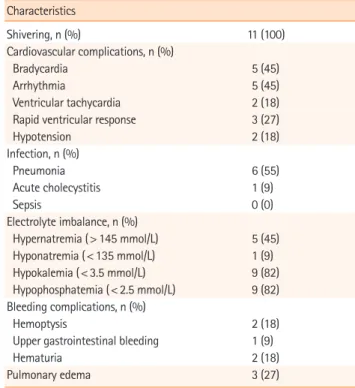
Table 4. Complications of therapeutic hypothermia Characteristics

Shivering, n (%) 11 (100)

Cardiovascular complications, n (%)

Bradycardia 5 (45)

Arrhythmia 5 (45)

Ventricular tachycardia 2 (18)

Rapid ventricular response 3 (27)

Hypotension 2 (18)

Infection, n (%)

Pneumonia 6 (55)

Acute cholecystitis 1 (9)

Sepsis 0 (0)

Electrolyte imbalance, n (%)

Hypernatremia (> 145 mmol/L) 5 (45) Hyponatremia (< 135 mmol/L) 1 (9) Hypokalemia (< 3.5 mmol/L) 9 (82) Hypophosphatemia (< 2.5 mmol/L) 9 (82) Bleeding complications, n (%)

Hemoptysis 2 (18)

Upper gastrointestinal bleeding 1 (9)

Hematuria 2 (18)

Pulmonary edema 3 (27)

(5)

One (9%) of the 11 patients treated with TH achieved a favorable functional outcome (mRS 3).

All patients who exhibited pineal gland displacement > 5 mm on the first day of TH experienced poor outcomes (mRS 5 or 6) and the degree of the lateral displacement of the pineal gland was more significant in those who died (case 2: 12-mm pineal gland displacement). Two (33%) of 6 patients with < 5 mm of pineal gland displacement exhibited an mRS of 3 or 4 three months after treatment, suggesting that the magnitude of pineal gland displacement on the first day of TH corresponded with mortality and functional outcome.

Safety and complications

Shivering was observed in all TH patients (Table 4). Bradycar- dia was frequently noted during the cooling phase (45%, n= 5), but was transient in nature and asymptomatic in all cases. Five patients (45%) who had preexisting atrial fibrillation developed further cardiac arrhythmias during hypothermia, 2 (18%) devel- oped a non-sustained ventricular tachycardia, and 3 (27%) ex- perienced atrial fibrillation with rapid ventricular responses. No patient required urgent anti-arrhythmic therapy. Hypotension was noted in 2 (18%) cases and was thought to be due to hypo- thermia-induced diuresis and relative intravascular volume de- pletion. Six (55%) patients developed pneumonia, but responded favorably to appropriate antibiotic therapies.

Electrolyte imbalances were detected in most patients during TH. Serum sodium was altered in 55% of patients (hypernatre- mia, n= 5; hyponatremia, n= 1). Hypokalemia was observed in 82% of patients (n= 9) and 1 patient developed rebound hyper- kalemia during the rewarming phase. Hypophosphatemia was also a common side effect (82%, n= 9). Minor bleeding compli- cations, such as hemoptysis (n= 2) and hematuria (n= 2), were observed, but were easily controlled. No major coagulopathy was induced by TH.

Discussion

Our results suggest that TH is well-tolerated and feasible for clinical use for extended periods (i.e., > 72 hours) in patients old- er than 60 years of age with large acute hemispheric infarctions.

In a pooled analysis of three European trials of hemicraniecto- my (DESTINY, DECIMAL, and HAMLET) involving younger patients (age < 60 years), mortality rates for conservative treatment and surgery were 77% and 22%, respectively, at 12 months after treatment.

7

In patients older than 60 years of age (median, 70 years; range, 61-82 years), hemicraniectomy reduced 6-month mortality by 33% and 1-year mortality by 43%, as compared to 70% and 76% in a control group.

13

Our overall 18% mortality

rate in elderly patients treated with TH is comparable to the re- sults of a previous pooled analysis of DHC (22%) in young pa- tients, but slightly higher than that of a study by Georgiadis et al.,

27

who reported a 12% mortality rate in 17 patients who re- ceived DHC. The above randomized controlled trials were con- ducted with relatively young patients (< 60 years old in most cases) and the mortality rate of patients who underwent DHC was notably high at approximately 20-25%.

8-10

Although our study is not appropriately powered, our results indicate that TH may be a safe and feasible alternative to DHC in elderly patients with malignant hemispheric edema, especially given the inevita- ble risks and potential complications associated with surgery.

The feasibility and safety of hypothermia were previously demonstrated in the literature.

15,16

The ICTuS trial showed that hypothermia using an endovascular method decreased acute post-ischemic cerebral edema.

20

The authors of that trial demon- strated the feasibility and safety of combining endovascular hy- pothermia with intravenous thrombolysis.

28

Although the dura- tion of hypothermia was limited to 72 hours in the previous studies, we opted to continue cooling for much longer durations (up to 254 hours) in a larger number of patients. One patient (case 9) initially underwent TH for 155 hours with clinical suc- cess in halting malignant edema. Rebound intracranial pressure crises and edema were not infrequent and were observed during the passive rewarming phase. As a result, TH was restarted for an additional 99 hours for the patient who developed a recurrence of cerebral edema, as indicated by clinical and radiographic data.

As observed in previous studies, our results demonstrate that TH is associated with a number of specific complications, such as pneumonia, bradycardia, arrhythmia, and hypokalemia, which require intensive monitoring and management in the neurologi- cal intensive care unit. In our study, the rate of complications due to TH increased as the duration of hypothermia increased, although all complications were well-tolerated. Six of 11 pa- tients developed pneumonia and an increased rate of pneumonia was observed as the duration of hypothermia increased.

Our study provides a number of useful findings. First, a longer duration of TH (more than 72 hours) appeared to be feasible in these patients. Moderate hypothermia was induced effectively and maintained for more than 72 hours in all patients. Second, the timing of TH may be important. It is likely that the patient in case 2 died due to a delayed implementation of therapy. We also observed a relationship between the magnitude of pineal gland displacement (on the first day of stroke) and functional outcome:

no patients with a pineal gland displacement > 10 mm experi-

enced a positive outcome. However, it remains unknown wheth-

er a positive outcome could have been observed if TH was initi-

ated prior to the onset of significant edema and/or severe pineal

(6)

gland displacement.

Our study has a number of limitations. The predominant limi- tations are that this is a single-center, retrospective, observa- tional study with a small sample size. A larger, multicenter, pro- spective study with more extensive data that exclude all poten- tial confounders is warranted to further investigate the utility of TH in elderly individuals.

Conclusions

Our study provides data that are useful for the clinical deci- sion-making process. When considering surgery for an elderly patient with a malignant MCA infarction, hypothermia may po- tentially be a reasonable alternative, particularly for those who may not be able to tolerate the risks of surgery. Based on our re- sults and the available literature, a larger randomized controlled trial of hypothermia is required to validate our findings in an el- derly population.

References

1. Hacke W, Schwab S, Horn M, Spranger M, De Georgia M, von Kummer R. ‘Malignant’ middle cerebral artery territory infarc- tion: clinical course and prognostic signs. Arch Neurol 1996;

53:309-315.

2. Heinsius T, Bogousslavsky J, Van Melle G. Large infarcts in the middle cerebral artery territory. Etiology and outcome pat- terns. Neurology 1998;50:341-350.

3. Frank JI. Large hemispheric infarction, deterioration, and intra- cranial pressure. Neurology 1995;45:1286-1290.

4. Hofmeijer J, van der Worp HB, Kappelle LJ. Treatment of space- occupying cerebral infarction. Crit Care Med 2003;31:617-625.

5. Bardutzky J, Schwab S. Antiedema therapy in ischemic stroke.

Stroke 2007;38:3084-3094.

6. Juttler E, Schellinger PD, Aschoff A, Zweckberger K, Unterberg A, Hacke W. Clinical review: therapy for refractory intracranial hypertension in ischaemic stroke. Crit Care 2007;11:231.

7. Vahedi K, Hofmeijer J, Juettler E, Vicaut E, George B, Algra A, et al. Early decompressive surgery in malignant infarction of the middle cerebral artery: a pooled analysis of three randomised controlled trials. Lancet Neurol 2007;6:215-222.

8. Hofmeijer J, Kappelle LJ, Algra A, Amelink GJ, van Gijn J, van der Worp HB. Surgical decompression for space-occupying ce- rebral infarction (the Hemicraniectomy After Middle Cerebral Artery infarction with Life-threatening Edema Trial [HAMLET]):

a multicentre, open, randomised trial. Lancet Neurol 2009;8:

326-333.

9. Vahedi K, Vicaut E, Mateo J, Kurtz A, Orabi M, Guichard JP, et

al. Sequential-design, multicenter, randomized, controlled trial of early decompressive craniectomy in malignant middle cere- bral artery infarction (DECIMAL Trial). Stroke 2007;38:2506- 2517.

10. Juttler E, Schwab S, Schmiedek P, Unterberg A, Hennerici M, Woitzik J, et al. Decompressive Surgery for the Treatment of Malignant Infarction of the Middle Cerebral Artery (DESTINY):

a randomized, controlled trial. Stroke 2007;38:2518-2525.

11. Uhl E, Kreth FW, Elias B, Goldammer A, Hempelmann RG, Lief- ner M, et al. Outcome and prognostic factors of hemicraniec- tomy for space occupying cerebral infarction. J Neurol Neuro- surg Psychiatry 2004;75:270-274.

12. Holtkamp M, Buchheim K, Unterberg A, Hoffmann O, Schielke E, Weber JR, et al. Hemicraniectomy in elderly patients with space occupying media infarction: improved survival but poor functional outcome. J Neurology Neurosurg Psychiatry 2001;

70:226-228.

13. Juttler E, Unterberg A, Woitzik J, Bosel J, Amiri H, Sakowitz OW, et al. Hemicraniectomy in older patients with extensive middle-cerebral-artery stroke. N Engl J Med 2014;370:1091- 1100.

14. Den Hertog HM, van der Worp HB, Tseng MC, Dippel DW.

Cooling therapy for acute stroke. Cochrane Database Syst Rev 2009:CD001247.

15. Krieger DW, De Georgia MA, Abou-Chebl A, Andrefsky JC, Sila CA, Katzan IL, et al. Cooling for acute ischemic brain damage (cool aid): an open pilot study of induced hypothermia in acute ischemic stroke. Stroke 2001;32:1847-1854.

16. De Georgia MA, Krieger DW, Abou-Chebl A, Devlin TG, Jauss M, Davis SM, et al. Cooling for Acute Ischemic Brain Damage (COOL AID): a feasibility trial of endovascular cooling. Neurol- ogy 2004;63:312-317.

17. Hemmen TM, Lyden PD. Multimodal neuroprotective therapy with induced hypothermia after ischemic stroke. Stroke 2009;

40(Suppl):S126-S128.

18. Polderman KH. Mechanisms of action, physiological effects, and complications of hypothermia. Crit Care Med 2009;37 (Suppl):S186-S202.

19. Linares G, Mayer SA. Hypothermia for the treatment of isch- emic and hemorrhagic stroke. Crit Care Med 2009;37(Suppl):

S243-S249.

20. Guluma KZ, Oh H, Yu SW, Meyer BC, Rapp K, Lyden PD. Effect of endovascular hypothermia on acute ischemic edema: mor- phometric analysis of the ICTuS trial. Neurocrit Care 2008;8:

42-47.

21. Dellinger RP, Levy MM, Rhodes A, Anane D, Gerlach H, Opal

SM, et al. Surviving Sepsis Campaigr Guidelines Committee in-

cluding The Pediatric Subgroup. Surviving Sepsis Campaign:

(7)

international guidelines for management of severe sepsis and septic shock. Intensive Care Med 2012;39:165-228.

22. Hacke W, Kaste M, Fieschi C, Toni D, Lesaffre E, von Kummer R, et al. Intravenous thrombolysis with recombinant tissue plas- minogen activator for acute hemispheric stroke. The European Cooperative Acute Stroke Study (ECASS). JAMA 1995;274:

1017-1025.

23. Hacke W, Kaste M, Fieschi C, von Kummer R, Davalos A, Meier D, et al. Randomised double-blind placebo-controlled trial of thrombolytic therapy with intravenous alteplase in acute isch- aemic stroke (ECASS II). Second European-Australasian Acute Stroke Study Investigators. Lancet 1998;352:1245-1251.

24. Ropper AH. Lateral displacement of the brain and level of con- sciousness in patients with an acute hemispheral mass. N Engl J Med 1986;314:953-958.

25. Clifton GL, Miller ER, Choi SC, Levin HS, McCauley S, Smith KR Jr, et al. Lack of effect of induction of hypothermia after acute brain injury. N Engl J Med 2001;344:556-563.

26. Choi HA, Ko SB, Presciutti M, Fernandez L, Carpenter AM, Lesch C, et al. Prevention of shivering during therapeutic tem- perature modulation: the Columbia anti-shivering protocol.

Neurocrit Care 2011;14:389-394.

27. Georgiadis D, Schwarz S, Aschoff A, Schwab S. Hemicraniecto- my and moderate hypothermia in patients with severe isch- emic stroke. Stroke 2002;33:1584-1588.

28. Hemmen TM, Raman R, Guluma KZ, Meyer BC, Gomes JA,

Cruz-Flores S, et al. Intravenous thrombolysis plus hypother-

mia for acute treatment of ischemic stroke (ICTuS-L): final re-

sults. Stroke 2010;41:2265-2270.

수치

Table 1. Characteristics of patients who underwent therapeutic hypo- hypo-thermia for a large hemispheric infarction
Table 3. Efficacy of therapeutic hypothermia for large hemispheric in- in-farction

참조

관련 문서

&#34;Guidelines for the early management of adults with ischemic stroke: a guideline from the American Heart Association/American Stroke Association Stroke

In addition, if the patients had a high MPV level (cut-off value of 7.95 fL) without low-dose aspirin therapy, they were at risk for ischemic stroke, especially in

The locations of aneurysms were middle cerebral artery in 15 patients, cerebral artery in 15 patients, cerebral artery in 15 patients, cerebral artery in

The benefits and harms of intravenous thrombolysis with recombinant tissue plasminogen activator within 6 h of acute ischaemic stroke (the third

Guidelines for the early management of adults with ischemic stroke: a guideline from the American Heart Association/American Stroke Association Stroke Council,

Photodynamic therapy consists of a therapeutic approach that requires the combination of three factors: a light source with adequate wavelength, the presence

In this study, as a part of work for the MARS code applicability assessments, calculates the cooling capability of RCCS (Reactor Cavity Cooling System) - an

Based on the findings of this study, researcher concluded that externalization in narrative therapy needs to improve the therapeutic alliance and achieve