Citation: Balasubramanian B, Lee SI, Shanmugam S, Kathannan S, Lee IS, Kim IH. 2017. Effect of dietary supplementation of fermented Rhus verniciflua on growth performance, apparent total tract digestibility, blood profile, and fecal microflora in weanling pigs . Korean Journal of Agricultural Science 44:067-076.
DOI: https://doi.org/10.7744/kjoas.20170008
Editor: Jung Min Heo, Chungnam National University, Korea
Received: November 30, 2016
Revised: February 16, 2017
Accepted: February 20, 2017 Copyright: © 2017 Korean Journal of Agricultural Science.
This is an Open Access article distributed under the terms of the Creative Com- mons Attribution Non-Commercial License (http:
//creativecommons.org/licenses/by-nc/4.0/) which permits unrestricted non-commercial use, distribution, and reproduction in any medium,
OPEN ACCESS
ANIMAL
Effect of dietary supplementation of fermented Rhus verniciflua on growth performance, apparent total tract digestibility, blood profile, and fecal microflora in weanling pigs
Balamuralikrishnan Balasubramanian
1, Sang In Lee
1, Sureshkumar Shanmugam
1, Sankar Kathannan
1, Il Seok Lee
2, In Ho Kim
1*1
Department of Animal Resources and Science, Dankook University, Cheonan 31116, Korea
2
Department of General Education, Dankook University, Cheonan 31116, Korea
*Corresponding author: [email protected].
Abstract
Fermented Rhus verniciflua (FRV) as feed additives act as excellent anti-diarrheal drugs as they increase the intestinal absorption rate therefore being indirectly associated with enhancing growth performance and increasing digestibility in livestock. A total of 80 weaned pigs with an average initial body weight (BW) of 6.82 ± 1.11 kg were used to evaluate a diet supplemented with FRV meal in a 6 week feeding trial with two dietary treatments [CON - basal diet; TRT - CON + 0.2% FRV] on growth performance, apparent total tract digestibility (ATTD), blood profiles, fecal microflora, and fecal score. Our results showed that the dietary supplementation of FRV improved (p < 0.05) average daily gain and gain : feed (G : F) ratio during days 15 - 42 and the overall experiment period and also increased the ATTD of dry matter (p < 0.05) at days 14 and 42. On the contrary, there was no effect (p > 0.05) on average daily feed intake, ATTD of nitrogen and energy, and blood profiles during the entire experiment. Moreover, dietary inclusion of FRV signifi- cantly increased fecal Lactobacillus (p < 0.05) counts and reduced the diarrhea during days 22 - 42. Thus, the results suggest that FRV can be used as a potential additive to improve growth performance and dry matter and to reduce diarrhea while having beneficial effects on fecal microflora in weanling pigs.
Keywords: diarrheal score, dry matter, fermented Rhus verniciflua, growth performance, weanling pigs
Introduction
It has been well documented that weaning is the most stressful event in a pig’s lifetime due to
the sudden shift from high protein, high fat, and high lactose milk to low protein, low fat, and high
carbohydrates solid feed (Pluske et al., 1995; Turpin et al., 2016). This shift in the feed from liquid
to solid appears to have adverse effects on gastro intestinal tract function. As a consequence, there
is a substantial increase in pathogenic micro-organisms and a reduction in beneficial micro-organism which eventually contributes to intestinal and immune dysfunctions (Campbell et al., 2013). Due to an increase in the susceptibility to gram-negative bacterial infections (Nabuurs, 1995), weanling pigs are associated with growth retardation as well as an increase in both morbidity and mortality in pigs (Wilson et al., 1989). The ban on the sub-therapeutic use of antibiotics by the European Union in 2006 has driven the attention of researchers on finding alternatives from biological sources (Park et al., 2016a). Among different alternatives, the potential use of fermented phytogenic products for this purpose has been gaining momentum in recent years.
Toxicodendron vernicifluum (formerly Rhus verniciflua) a medicinal plant belonging to the anacardiaceous family, has been used as a preventive and therapeutic health measure in many East Asian countries especially, including Japan, China, and Korea (Lee et al., 2003). The sap of the lacquer tree (RV) is composed of urushiol (60 - 65%), glycoproteins (2.1 - 1.8%), flavonoids (1 - 2%), and gummy substances (6 - 7%) in addition to laccase (0.24%), stellacyanin, polysaccharides, peroxidase, and water (Yang et al., 2005). In addition to possessing anti-oxidant, anti-carcinogenic, anti-inflammatory, anti-bacterial, anti-apoptotic, immune-stimulating, and anti-viral properties, flavanoids from RV are known to overcome digestive disorders (Lee and Kim, 2000; Lee et al., 2002; Jang et al., 2005; Kim et al., 2010). The supplementation of RV in broilers improved fat digestibility and reduced serum levels of cholesterol and diglyceride with no effects on growth performance (Lohakare et al., 2006). It also improved the oxidative stability of meat in finishing pigs but without affecting carcass traits and performance (Song et al., 2008). In another study, it was indicated that the supplementation of RV meal in the diet of growing-finishing pigs improved carcass traits and decreased back fat thickness during refrigerated storage (Song et al., 2010).
However, there is still a limited amount of studies on this medicinal plant because it also contains a substance called urushiol that can cause allergic reactions or dermatitis (Kawai et al., 1992). We hypothesized that, if the RV extract was fermented, the negative effect due to urushiol could be reduced or eliminated, thereby enhancing the growth performance of animals. Thus, in this study, we investigated the efficacy of fermented Rhus verniciflua (FRV) meal as feed supplement on growth performance, apparent total tract digestibility (ATTD), blood profiles, fecal microflora, and fecal scores of weaning pigs.
Materials and Methods
The experiment was conducted at the Experimental Unit of the Dankook University (Anseodong, Cheonan, Choongnam, Korea). The protocol (Project No. PJ012067) for the current experiment was approved by the Animal Care and Use Committee of Dankook University.
Source of feed additive
The lacquer tree were initially placed in a machine where the conditions were controlled at 15 - 17% moisture, 70 -
90°C, and the water vapor pressure of 220 to 500 kPa, temperature at 115 - 125°C. Then, the materials were placed in
an attrition mill to a size of 0.15 - 0.25 mm. The main composition of the herbs used in the current experiment was
determined in accordance with the methods recommended by AOAC (2007). The lacquer tree was allowed to sun-dry
for approximately 2 months. The sawdust obtained was then passed through a 2 - 3 mm mesh-screen, and this meal
included 3.7 - 4.2% proteins, 5.1 - 6.3% fat, 63 - 79% neutral detergent fibre, and 1.3 - 2.1% ash, and the main
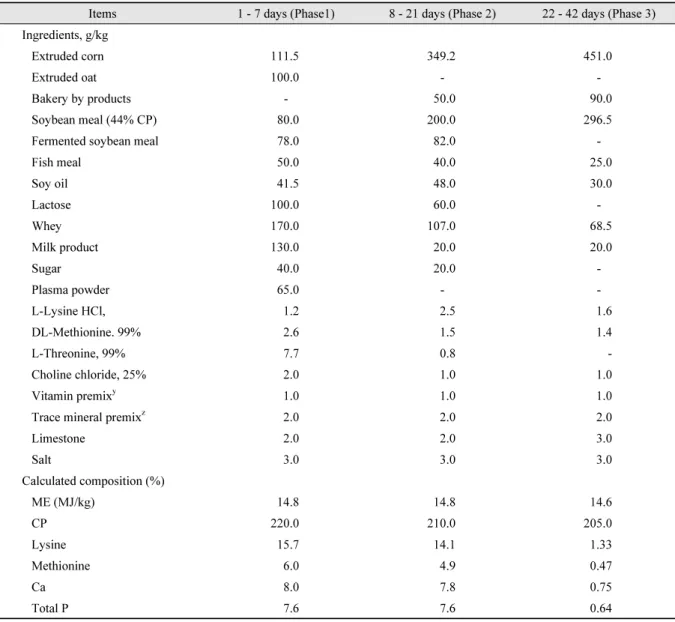
Table 1. Composition of basal diets (as-fed basis).
Items 1 - 7 days (Phase1) 8 - 21 days (Phase 2) 22 - 42 days (Phase 3) Ingredients, g/kg
Extruded corn 111.5 349.2 451.0
Extruded oat 100.0 - -
Bakery by products - 50.0 90.0
Soybean meal (44% CP) 80.0 200.0 296.5
Fermented soybean meal 78.0 82.0 -
Fish meal 50.0 40.0 25.0
Soy oil 41.5 48.0 30.0
Lactose 100.0 60.0 -
Whey 170.0 107.0 68.5
Milk product 130.0 20.0 20.0
Sugar 40.0 20.0 -
Plasma powder 65.0 - -
L-Lysine HCl, 1.2 2.5 1.6
DL-Methionine. 99% 2.6 1.5 1.4
L-Threonine, 99% 7.7 0.8 -
Choline chloride, 25% 2.0 1.0 1.0
Vitamin premix
y1.0 1.0 1.0
Trace mineral premix
z2.0 2.0 2.0
Limestone 2.0 2.0 3.0
Salt 3.0 3.0 3.0
Calculated composition (%)
ME (MJ/kg) 14.8 14.8 14.6
CP 220.0 210.0 205.0
Lysine 15.7 14.1 1.33
Methionine 6.0 4.9 0.47
Ca 8.0 7.8 0.75
Total P 7.6 7.6 0.64
y
Provided per kilogram of the complete diet: vitamin A, 11,025 IU; vitamin D3, 1,103 IU; vitamin E, 44 IU; vitamin K, 4.4 mg;
riboflavin, 8.3 mg; niacin, 50 mg; thiamine, 4 mg; d-pantothenic acid, 29 mg; choline, 166 mg; vitamin B
12, 33 µg.
z
Provided per kilogram: Fe (as FeSO
4× 7H
2O), 80 mg; Cu (as CuSO
4× 5H
2O), 12 mg; Zn (as ZnSO
4), 85 mg; Mn (as MnO
2), 8 mg;
I (as KI), 0.28 mg; and Se (as Na2SeO
3× 5H
2O), 0.15 mg.
bioactive components were flavones, fisetin, arachidic acid, and butein (Cho et al., 2012) and used for supplement to the weanling pig diets.
Experimental design, animal, housing and diets
A total of 80 weaned pigs [(Landrace × Yorkshire) × Duroc, aged 24 - 25 days] with an average initial body weight
(BW) of 6.82 ± 1.11 kg were used in a 42-day feeding trial. Pigs were randomly allotted to two experimental diets
according to their BW and gender. There were eight replicate pens per treatment with five pigs per pen. Pigs were
housed in an environmentally-controlled room. Each pen was equipped with one-sided, stainless steel self-feeder and
a nipple drinker that allowed the pigs to have access to feed and water ad libitum. Dietary treatments consisted of
CON, basal diet; TRT, and CON + 0.2% FRV. Diets were formulated to comply with National Research Council (NRC 2012) recommendations of nutrient requirements for swine (Table 1).
Sampling and measurements
Pigs were weighed at day 0, and week 2 and 6 of the experimental period, while feed intake was recorded on a per-pen basis to calculate average daily gain (ADG), average daily feed intake (ADFI), and gain : feed ratio (G : F).
Chromium oxide (Cr
2O
3, 2 g kg
-1) was added to diets as an indigestible marker to measure digestibility. Fresh fecal samples were collected directly via rectal massage from at least two pigs in each pen at days 14 and 42 of the experiment to determine the ATTD of dry matter (DM), energy (E), and nitrogen (N), according to AOAC (2007). All fecal and feed samples were stored at -20°C until analyzed. They were dried at 60°C for 72 h and ground to pass through a 1-mm screen. Chromium was analyzed by UV absorption spectrophotometry (Shimadzu UV-1201, Shimadzu, and Kyoto, Japan) using the method of Williams et al. (1962).
One gram of composite fecal sample from each pen was diluted with sterile saline (10
-7- 10
-3) and homogenized.
Counts of viable bacteria in the fecal samples were determined by plating serial 10-fold dilutions (1% peptone solution) onto MacConkey agar plates and MRS agar plates (Difco, USA) to isolate E. coli and Lactobacillus, respectively. The number of colonies of E. coli and Lactobacillus was counted after incubation at 37°C for 38 h according to the method of Balasubramanian et al. (2016a). For blood characteristics, two pigs from each pen were randomly selected and blood samples were collected via anterior vena cava puncture at days 14 and 42, and collected into vacuum tubes containing K
2EDTA (Becton, Dickinson and Co., Franklin Lakes, NJ, USA). Red blood cells (RBC), white blood cells (WBC), IgG, and lymphocyte counts of whole blood samples were determined using an automatic blood analyzer (ADVIA 120, Bayer, Tarrytown, NY, USA) according to the method described by Balasubramanian et al. (2016b). Subjective diarrhea scores were recorded every 24 h from day 0 to day 42 by the same person and were based on the following: 1 = hard, dry pellets in a small hard mass; 2 = hard, formed stool that remains firm and soft; 3 = soft, formed, and moist stool that retains its shape; 4 = soft, unformed stool that assumes the shape of the container; 5 = watery, liquid stool that can be poured (Park et al., 2016b). Scores were recorded on a pen basis following observations of individual pig and of signs of stool consistency in the pen. The score is reported as average daily diarrhea of individual pig score.
Statistical analysis
All data were subjected to the GLM procedure of SAS/STAT
®9.2 (SAS Inst. Inc., Cary, NC) as a randomized complete block design. Each pen served as the experimental unit. Duncan's multiple range test was used to compare the means of the treatments (Duncan, 1955). Variability in the data was expressed as the pooled standard errors of means (SEM) and a probability value of p < 0.05 was considered to be statistically significant.
Results and Discussion
The use of phytogenic feed additives in the livestock industry shows an increasing trend due to their potential health
benefits. Medicinal plants have positive biological activities and are recognized as natural substances (Bonneau and
Laarveld, 1999; Chen et al., 2003). Guo et al. (2004) reported that some plants have beneficial effects such as
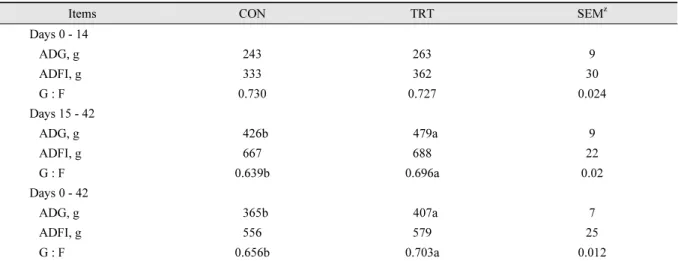
Table 2. Effect of fermented Rhus verniciflua supplementation on growth performance in weanling pigs
y.
Items CON TRT SEM
zDays 0 - 14
ADG, g 243 263 9
ADFI, g 333 362 30
G : F 0.730 0.727 0.024
Days 15 - 42
ADG, g 426b 479a 9
ADFI, g 667 688 22
G : F 0.639b 0.696a 0.02
Days 0 - 42
ADG, g 365b 407a 7
ADFI, g 556 579 25
G : F 0.656b 0.703a 0.012
y
CON: basal diet, TRT: CON + 0.2% Fermented Rhus verniciflua, ADG: average daily gain, ADFI: average daily feed intake, G : F:
gain : feed ratio.
z
SEM: Standard error of the means.
a,b: Means in the same row with different superscripts are significantly different (p < 0.05).
improving appetite and digestibility, stabilizing intestines by restraining viruses, increasing immunity by stimulating intestinal walls, and the production of digestive enzymes in animals.
The Rhus verniciflua is a plant indigenous to Korea which has traditionally been used in herbal medicines. It can be easily found on mountain terrain in many provinces of Korea (Kim, 1996). The active components were found to be garbanzol, sulfuretin, fisetin, fustin, and mollisacasidin in the methanolic extract (Park et al., 2004). In Korea, much attention has been paid to Rhus verniciflua Stokes (RVS) because of it is a well known antioxidant (Hong et al., 1999).
However, applications of RV as a food ingredient are limited due to the presence of urushiol, which causes allergic reactions (Eisen et al., 1962). Therefore, removal of urushiol is important for use of the plant in the food industry.
Processing using organic solvents, heat, and enzymes has been attempted for removal of urushiol (Jeong et al., 2016).
We supplemented FRV in weaning pig diets in the present study to evaluate their performance with an adequate diet.
The FRV supplements have been reported to have antioxidant, anti-inflammatory, anticancer, and neuro-protective effects (Choi et al., 2010; Liu et al., 2013). Upadhaya and Kim (2015) also reported that Bacillus sp.-fermented soybean meal improved ileal digestibility of amino acids and nutrients in weaning pigs. In the current study, the inclusion of FRV meal had significant effects (p < 0.05) on growth performance of ADG and G : F ratio of weaning pigs produced. Improvements in these variables occurred during days 15 - 42 and the overall experimental period;
however, no significant effect was observed (p > 0.05) on ADFI during the entire experiment (Table 2). In many
plants, some active substances are highly odorous or may taste hot or pungent, which may restrict their use for animal
feeding purposes (Zhang et al., 2012). They produce dose related depression of palatability in pigs fed these
substances (Jugl-Chizzola et al., 2006; Schone et al., 2006). However, in the current study, RVS did not affect the
ADFI throughout the experimental period. Contrary to the findings of the current study, lacquer meal supplementation
had no significant difference on growth performance in broilers (Lohakare et al., 2006) and grower-finisher pigs (Song
et al., 2008; 2010) were reported. However, in the present study, differences in growth performance for ADG and the
G : F ratio were observed throughout the experimental period. These different results may be due to interspecies
differences.
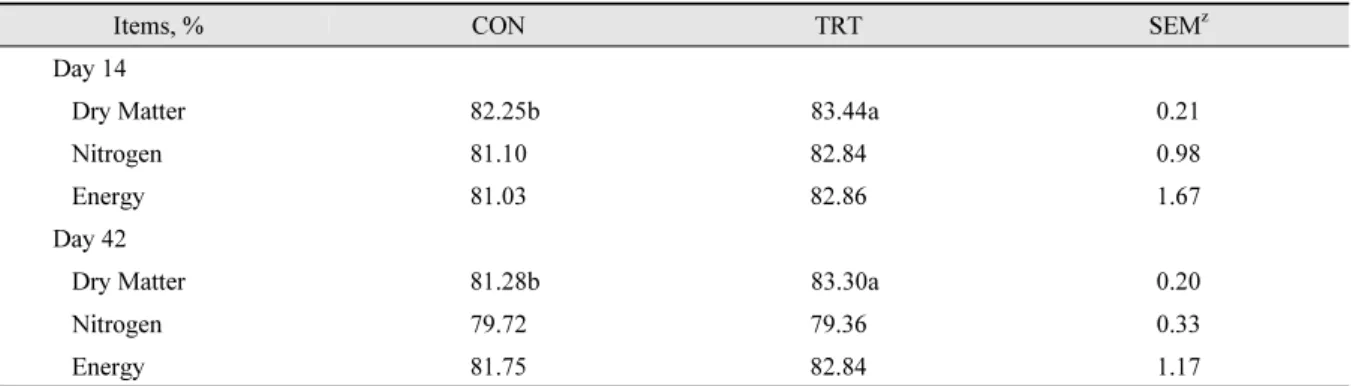
Furthermore, dietary supplementation also improved the ATTD of DM (p < 0.05) at day 14 and the end of the experiment (Table 3). In contrast, there was no effect (p > 0.05) on ATTD of N and E during entire experiment. Huang et al. (2012) reported that Chinese medicinal herb supplementation provided a healthy and functional intestine, which in turn enhanced nutrient digestibility. Improved digestive capacity in the small intestine may be considered an indirect side effect of phytogenic feed additives, stabilizing the microbial balance in the gut of monogastric animals (Hernandez et al., 2004). Various herbal feed additives have been demonstrated to improve digestive tract function by increasing the activity of digestive enzymes of gastric mucosa and the nutrient utilization of livestock (Bhatt, 2015).
The reason for improvement in growth performance and digestibility could be due to the enhancement of active materials derived from this medicinal plant and reduction or elimination of the anti-nutritive factor such as urushiol after fermentation. Similarly, Mathivanan et al. (2006) also demonstrated better growth rate in broilers fed A. niger fermented guar meal.
Table 3. Effect of fermented Rhus verniciflua supplementation on apparent total tract digestibility of nutrients in weanling pigs
y.
Items, % CON TRT SEM
zDay 14
Dry Matter 82.25b 83.44a 0.21
Nitrogen 81.10 82.84 0.98
Energy 81.03 82.86 1.67
Day 42
Dry Matter 81.28b 83.30a 0.20
Nitrogen 79.72 79.36 0.33
Energy 81.75 82.84 1.17
y
CON: basal diet, TRT: CON + 0.2% Fermented Rhus verniciflua.
z
SEM: Standard error of the means.
a,b: Means in the same row with different superscripts are significantly different (p < 0.05).
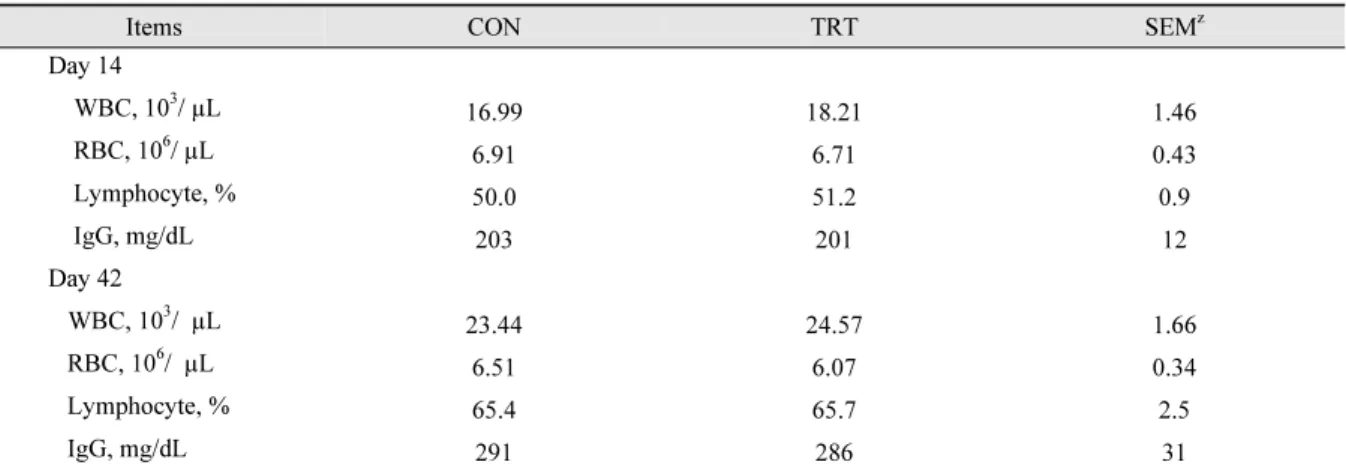
Our results revealed that immunity-related blood profiles (RBC, WBC concentration, lymphocyte percentage, and IgG) were not affected (p > 0.05) by FRV supplementation during the entire experimental period (Table 4) and stayed within the normal range (differences not significant). Therefore, these results specified that the supplementation in this study can stimulate the immune system to some extent (Dibner and Buttin, 2002). However, there are no studies so far to compare our blood profile results from pigs fed with FRV. Post-weaning diarrhea is one of the issues faced by the swine industry. In commercial practice, the use of different additives has been recommended as a way to help reduce diarrhea in piglets. With regards to fecal microbiota, the present study demonstrated a significant increase (p < 0.05) in Lactobacillus counts with FRV supplementation, but E. coli (p > 0.05) remained unaffected (Table 5). These results are in partial agreement with findings of Jeong and Kim (2015) who reported improved Lactobacillus counts in broiler fed fermented medicinal plants. In addition, Huang et al (2012) found that Chinese medicinal herbs used in their trial elicited a decrease in diarrhea scores in the first 10 days of the experimental period. Similarly, diarrhea scores (p <
0.05) showed significantly decreased effects during days 22 - 42 (Table 5) in the present study. However, Zhang et al.
(2012) demonstrated that phytogenic supplementation had no effect on diarrhea score in weanling pigs. The reasons
for this result may be that, within phytogenic feed additives, the content of active substances in products could vary
Table 4. Effect of fermented Rhus verniciflua supplementation on blood profiles in weanling pigs
y.
Items CON TRT SEM
zDay 14
WBC, 10
3/ µL 16.99 18.21 1.46
RBC, 10
6/ µL 6.91 6.71 0.43
Lymphocyte, % 50.0 51.2 0.9
IgG, mg/dL 203 201 12
Day 42
WBC, 10
3/ µL 23.44 24.57 1.66
RBC, 10
6/ µL 6.51 6.07 0.34
Lymphocyte, % 65.4 65.7 2.5
IgG, mg/dL 291 286 31
y
CON: basal diet, TRT: CON + 0.2% Fermented Rhus verniciflua, WBC: white blood cells, RBC: red blood cells, IgG:
Immunoglobulin G.
z
SEM: Standard error of the means.
Table 5. Effects of fermented Rhus verniciflua supplementation on fecal micobiota counts and fecal score in weanling pigs
x.
Items CON TRT SEM
yFecal microbial log10 cfu/g
Lactobacillus 6.86b 7.48a 0.07
E. coli 6.40 6.41 0.12
Fecal score
z0 - 21 days 2.47 2.86 0.13
22 - 42 days 3.25b 3.52a 0.16
x
CON : basal diet, TRT : CON + 0.2% Fermented Rhus verniciflua.
y
SEM : Standard error of the means.
z