• 검색 결과가 없습니다.

The Absence of Atrial Contraction as a Predictor of Permanent Pacemaker Implantation after Maze Procedure with Cryoablation

N/A
N/A
Protected

Academic year: 2021

Share "The Absence of Atrial Contraction as a Predictor of Permanent Pacemaker Implantation after Maze Procedure with Cryoablation"

Copied!
8
0
0

로드 중.... (전체 텍스트 보기)

전체 글

(1)

ISSN: 2233-601X (Print) ISSN: 2093-6516 (Online)

Received: November 9, 2016, Revised: December 23, 2016, Accepted: December 27, 2016, Published online: June 5, 2017

Corresponding author: Dong Seop Jeong, Department of Thoracic and Cardiovascular Surgery, Samsung Medical Center, Sungkyunkwan University School of Medicine, 81 Irwon-ro, Gangnam-gu, Seoul 06351, Korea

(Tel) 82-2-3410-1278 (Fax) 82-2-3410-0089 (E-mail) [email protected]

© The Korean Society for Thoracic and Cardiovascular Surgery. 2017. All right reserved.

This is an open access article distributed under the terms of the Creative Commons Attribution Non-Commercial License (http://creativecommons.org/

licenses/by-nc/4.0) which permits unrestricted non-commercial use, distribution, and reproduction in any medium, provided the original work is properly cited.

The Absence of Atrial Contraction as a Predictor of Permanent Pacemaker Implantation

after Maze Procedure with Cryoablation

Chang-Seok Jeon, M.D. 1 , Man-shik Shim, M.D. 1 , Seung-Jung Park, M.D. 2 , Dong Seop Jeong, M.D. 1 , Kyoung-Min Park, M.D. 2 , Young Keun On, M.D. 2 ,

June Soo Kim, M.D. 2 , Pyo Won Park, M.D. 1

1

Department of Thoracic and Cardiovascular Surgery and

2

Division of Cardiology, Department of Medicine, Samsung Medical Center, Sungkyunkwan University School of Medicine

Background: The absence of atrial contraction (AC) after the maze procedure has been reported to cause subsequent annular dilatation and to increase the risk of embolic stroke. We hypothesized that the lack of AC could increase the risk of permanent pacemaker (PPM) implantation in patients undergoing the maze procedure. Methods: In 376 consecutive patients who had undergone a cryo-maze procedure and combined valve operation, recovery of AC was assessed at baseline and at immediate (≤2 weeks), early (≤1 year, 4.6±3.8 months), and late (>1 year, 3.5±1.1 years) postoperative stages. Results: With a median follow-up of 53 months, 10 patients underwent PPM implantation. Seven PPM implants were for sinus node dysfunction (pauses of 9.6±2.4 seconds), one was for marked sinus bradycardia, and two were for advanced/complete at- rioventricular block. The median (interquartile range) time to PPM implantation was 13.8 (0.5–68.2) months.

Our time-varying covariate Cox models showed that the absence of AC was a risk factor for PPM im- plantation (hazard ratio, 11.92; 95% confidence interval, 2.52 to 56.45; p=0.002). Conclusion: The absence of AC may be associated with a subsequent risk of PPM implantation.

Key words: 1. Atrial contraction 2. Atrial fibrillation 3. Maze procedure 4. Valve surgery

5. Permanent pacemaker

Introduction

The Cox maze procedure is widely used for restor- ing sinus rhythm (SR) in patients with atrial fi- brillation (AF) who undergo cardiac valve surgery [1,2]. Despite a high reported success rate of 75% to 95%, a significant proportion of patients fail to re- cover atrial contraction (AC) after the maze operation

[3-7]. The absence of AC could compromise the effi- cacy of the maze procedure by limiting the atrial contribution to ventricular performance [7]. According to recently published studies, failed AC recovery was associated with an increased risk of subsequent thromboembolic stroke [8] and aggravation of tricus- pid regurgitation (TR) [9].

However, the clinical impact of AC recovery on the

https://doi.org/10.5090/kjtcs.2017.50.3.163

(2)

Table 1. Baseline characteristics

Characteristic No PPM (n=366) PPM (n=10) p-value

Demographics

Age (yr) 57 (47 –65) 63 (51 –69) 0.268

Female 209 (57) 8 (80) 0.199

Thyroid dysfunction 29 (8) 2 (20) 0.269

Hypertension 99 (27) 3 (30) 1.000

Diabetes 39 (11) 0 0.608

Previous stroke or transient ischemic attack 59 (16) 1 (10) 0.723

Chronic kidney disease 7 (2) 0 0.931

Coronary artery disease 24 (7) 0 1.000

AF characteristics

AF duration (yr) 24 (6 –60) 55 (19 –104) 0.102

Paroxysmal 40 (11) 2 (20) 0.309

Persistent 326 (89) 8 (80)

Operative procedure

AV replacement 77 (21) 4 (40) 0.231

AV plasty 11 (3) 0 (0) 1.000

MV replacement 190 (52) 6 (60) 0.753

MV plasty/mitral annuloplasty 106 (29) 3 (30) 1.000

TV replacement 8 (4) 0 1.000

TV plasty/tricuspid annuloplasty 267 (73) 10 (100) 0.069

Multivalve surgery

a)

49 (13) 3 (70) 0.148

Coronary artery bypass graft surgery 11 (3) 0 0.218

Values are presented as median (interquartile range) or number (%).

PPM, permanent pacemaker; AF, atrial fibrillation; AV, aortic valve; MV, mitral valve; TV, tricuspid valve.

a)

Indicates operation involving ≥3 sites among the AV, MV, and TV areas.

risk of subsequent permanent pacemaker (PPM) im- plantation after maze surgery has rarely been eval- uated in this patient group. Since AF and valve sur- gery are associated with sinus node dysfunction (SND) [10,11] and the risk of PPM implantation [12,13], respectively, we hypothesized that AC recov- ery failure could increase the risk of PPM im- plantation due to additional adverse effects on the cardiac conduction system.

The objective of the present study was to assess the incidence of PPM implantation and to evaluate the potential association between the absence of AC and the subsequent risk of PPM implantation in pa- tients undergoing a cryo-maze procedure combined with valve surgery for AF and valvular diseases.

Methods

1) Study population

The inclusion criteria for the present study were as follows: (1) a history of AF and valvular heart dis-

ease; and (2) having undergone a modified Cox maze III procedure using cryoablation combined with valve surgery at the Samsung Medical Center between January 2003 and December 2009. Patients with the following conditions were excluded: PPM implanta- tion prior to or during the maze procedure, complex congenital heart disease, and the cut-and-sew techni- que for the Cox maze procedure, microwave, or ra- diofrequency ablation. Patients who underwent a maze operation without valve surgery were also excluded.

A total of 396 consecutive patients underwent a

cryo-maze operation, of whom 20 were excluded for

the following reasons: nine for the absence of com-

bined valve surgery (three cases of atrial septal de-

fect closure, two for myxoma resection, one for ven-

tricular septal defect closure, one for patent foramen

ovale closure, one for patent ductus arteriosus liga-

tion, and one for left atrial [LA] rupture repair), six

for using other methods for the maze procedure (the

cut-and-sew technique, microwave, or radiofrequency

(3)

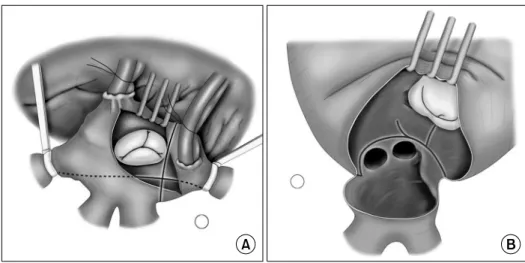
Fig. 1. Operative technique. (A) Right atrial procedure. (B) Left atrial pro- cedure.

ablation), two for PPM implantation during the maze procedure, and three for tetralogy of Fallot.

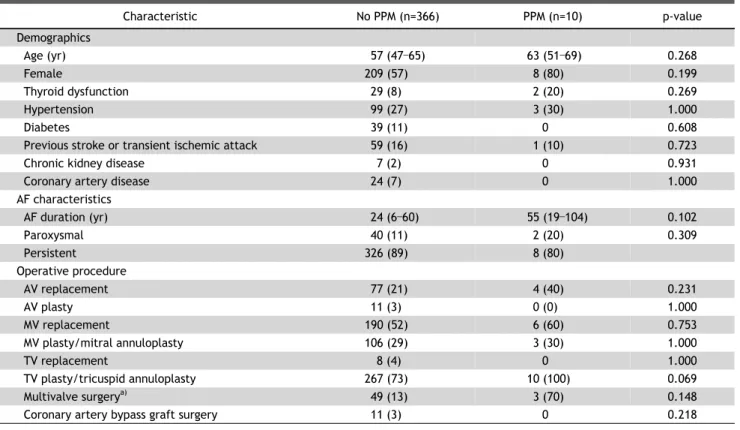
Therefore, 376 patients were ultimately enrolled in this analysis. Table 1 lists the demographics, patient characteristics, and combined procedures for all 376 patients. The study protocol was approved by the in- stitutional review board of Samsung Medical Center, and the requirement for written informed consent was waived.

2) Maze procedure

Detailed techniques of the modified Cox maze III procedure were described in our previous report [2].

In brief, cryoablation was performed using a T-shap- ed cryoprobe (Frigitronics; Cooper Surgical, Shelton, CT, USA) with cryogenerators set at –60

o

C. To create a transmural lesion, each burst of cryoablation was delivered to the endocardium for 160 seconds, and additional epicardial cryoablation was performed as needed. We isolated the pulmonary veins using linear cryolesions and the incisional atriotomy lines. The cryolesions were then extended to the mitral annulus and to the LA appendage. Suture obliteration of the LA appendage was then performed. Following the right atrial incision parallel to the right atrioven- tricular (AV) groove, a cryolesion was made from the tricuspid valve (TV) posterior annulus toward the coronary sinus and then to the left atriotomy site.

When the right atrium was large, another lesion was made from the right atriotomy site to the anterior annulus of the TV (Fig. 1).

3) Postoperative management and electrocardio- graphic follow-up

The postoperative rhythm was continuously moni- tored for 48 hours and electrical cardioversion was performed on patients who remained in AF rhythm after the operation. Warfarin was administered to all patients, whereas antiarrhythmic drugs (40 to 80 mg of sotalol or 100 to 400 mg of amiodarone per day) were only prescribed to patients who showed on- going AF after electrical cardioversion. During fol- low-up, serial electrocardiograms (1, 3, 6, 9, and 12 months) and 24-hour Holter monitoring (6 and 12 months) were carried out. If patients complained of symptoms that were suggestive of AF recurrence, electrocardiography and 24-hour Holter monitoring were repeated. The indications for PPM implantation were third-degree AV block, symptomatic sick sinus syndrome, symptomatic bradycardia, a heart rate of less than 40 beats per minute, or intra- or infra-His block on an electrophysiological study, confirmed by a staff cardiologist specializing in electrophysiology.

4) Echocardiographic follow-up and measurement of atrial contraction

Comprehensive transthoracic echocardiography was carried out using 2.5-MHz transducers (Acuson 512;

Siemens Medical Solution, Mountain View, CA, USA or

Vivid 7; GE Medical System, Milwaukee, WI, USA). We

measured AC in patients with normal SR. AC recov-

ery was assessed by measuring the peak velocity of

the transmitral A-wave prior to the maze procedure,

immediately afterwards (≤2 weeks, 4.2±1.5 days),

and before (≤1 year, 4.6±3.8 months) or after (>1

(4)

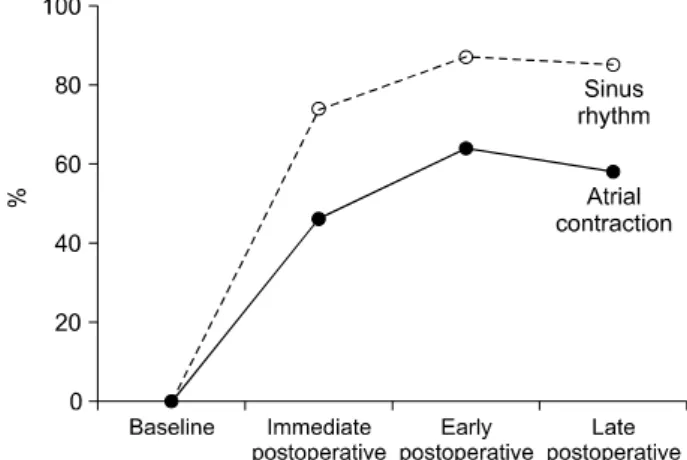
Fig. 2. Serial changes in the recovery rates of sinus rhythm and atrial contraction.

year, 3.5±1.1 years) 1 year of follow-up. We consid- ered AC to have recovered when the peak A-wave velocity was measured at 10 cm/sec or more [4].

The LA volume indexed to body surface area (LAVi) was calculated using the ellipsoid method. Each vari- able was measured as an average of at least 5 con- secutive beats. In the late stage, echocardiographic data were only available in 353 patients because 13 patients died during follow-up (five from a malig- nancy, four from heart failure, two from pulmonary infection, and two from unknown causes).

Additionally, follow-up echocardiographic examina- tions were not performed in 10 patients.

5) Statistical analysis

Continuous variables were described as the mean±

standard deviation or as the median with inter- quartile range (IQR). The distribution of continuous variables was first analyzed with the Shapiro-Wilk test for normality, and the Student t-test or the Mann-Whitney U-test was used as appropriate. The results for categorical variables were presented as percentages, and the Fisher exact test was performed to compare these results. Risk factors for PPM im- plantation after the maze operation were evaluated using a univariate Cox proportional hazards model.

Freedom from PPM implantation was estimated using Kaplan-Meier analysis, and the time-varying covariate Cox model was used to evaluate the relationship be- tween the lack of AC and PPM implantation. All stat- istical analyses were performed using PASW Statistics ver. 18.0 software for Windows (SPSS Inc., Chicago, IL, USA). All p-values were 2-sided, and p-values<

0.05 were considered to indicate statistical signi- ficance.

Results

1) Recovery of sinus rhythm and atrial contraction after the maze operation

Serial changes in the recovery rates of SR and AC are depicted in Fig. 2. The recovery rates of SR con- tinued to increase in the immediate (≤2 weeks, 4.2±

1.5 days) and early postoperative stages (≤1 year, 4.6±3.8 months), with SR recovery rates of 74% (278 of 376) and 87% (327 of 376), respectively. In the late postoperative stage (>1 year, 3.5±1.1 years), SR was noted in 85% (300 of 353) of patients, which

was only a 2% reduction in the SR recovery rate when compared to that of the early stage. A similar trend was observed in the AC recovery rate over the follow-up stages. However, the AC recovery rate was at least 20% lower than the SR recovery rate at each stage: 46% (174 of 376), 66% (241 of 376), and 58% (204 of 353), respectively. Approximately one- quarter to one-third of patients with restored SR failed to recover AC in each stage.

2) Patients with or without permanent pacemaker implantation

Over a median (IQR) follow-up of 53 (28–74) months, 10 of the 376 patients (3%) underwent PPM implantation. The indications for PPM implantation were as follows: SND with prolonged pauses (9.6±2.4 seconds, n=7), marked sinus bradycardia (n=1), and complete or advanced AV block (n=2). The median (IQR) time to PPM implantation was 13.8 (0.5–68.2) months after the maze operation.

The baseline clinical characteristics and the de- tailed valve operations performed along with the maze procedure are summarized in Table 1. There were no significant differences in the baseline factors between the PPM and non-PPM groups, although the PPM group showed a trend for a longer preoperative AF duration (p=0.102), a higher proportion of fe- males (p=0.199), and a higher frequency of multi- valve (p=0.148) or TV surgery (p=0.069).

The 2 groups also showed no significant differ-

ences in the majority of echocardiographic parame-

ters measured in each stage. However, the PPM

(5)

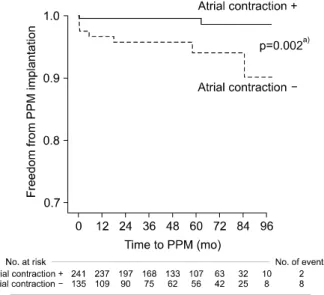
Fig. 3. Comparison of left atrial contraction between groups.

“Atrial contraction +” represents patients who recovered atrial contraction, whereas “atrial contraction –” represents those who did not recover atrial contraction. PPM, permanent pacemaker.

a)
Time-varying covariate Cox models showed that the lack of at- rial contraction (hazard ratio, 11.92; 95% confidence interval, 2.52 –56.45; p=0.002) was a risk factor for PPM implantation.

Table 2. Risk factors for permanent pacemaker implantation (univariate Cox regression analysis)

Variable Hazard ratio (95%

confidence interval) p-value

Female gender 2.97 (0.63 –13.99) 0.169

Atrial fibrillation duration (mo) 1.01 (1.00 –1.02) 0.089 Lack of AC in the early stage 6.02 (1.21 –30.08) 0.029 Lack of AC in the late stage 6.59 (1.32 –32.97) 0.022 AC, atrial contraction.

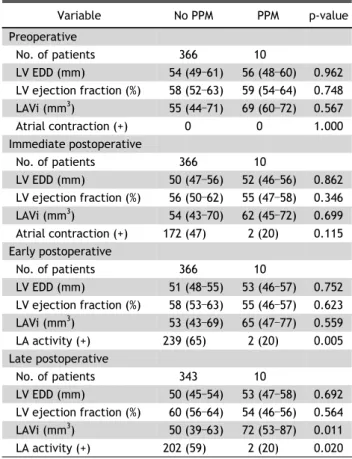
group exhibited more frequent AC recovery failure than the non-PPM group, especially in the early and late postoperative stages. Additionally, LA volume in the PPM group became significantly greater in the late postoperative stage than in the non-PPM group (p=0.011).

3) Risk factors for permanent pacemaker implan- tation

To assess the risk factors associated with PPM im- plantation, Cox proportional hazards models were constructed with risk variables in a univariate analy- sis (Table 2). Among these variables, risk factors for PPM implantation included the absence of AC in the early stage (hazard ratio [HR], 6.02; 95% confidence interval [CI], 1.21 to 30.08; p=0.029) and in the late stage (HR, 6.59; 95% CI, 1.32 to 32.97; p=0.022).

Freedom from PPM implantation is shown in Fig. 3.

Our time-varying covariate Cox models showed that the absence of AC (HR , 11.92; 95% CI, 2.52 to 56.45;

p=0.002) was a risk factor for PPM implantation.

Discussion

1) New findings

The present study is the first to demonstrate a sig- nificant association between the lack of AC recovery in the early postoperative stage and the subsequent risk of PPM implantation in patients who underwent a maze procedure combined with valve surgery.

Although some studies have evaluated AC recovery after maze operations, only serial changes in AC were described, or several risk factors for the lack of AC recovery were investigated in relatively small pa- tient populations [3-7]. Moreover, the clinical im- plications of AC recovery failure during long-term fol- low-up have been evaluated in only a few studies.

Buber et al. showed that the absence of AC resulted

in a significant increase in the risk for thromboem- bolic stroke after the maze procedure, even for pa- tients with SR [8]. In another study, restored AC af- ter the maze operation was suggested to be an in- dependent protective factor against TR progression [9]. In contrast, we demonstrated that the lack of AC was associated with a subsequent risk of PPM implantation. This was shown using one of the larg- est cohorts of patients treated with combined maze and cardiac valve surgery.

2) Lack of atrial contraction and the risk of pace- maker implantation

In our study, the failure rates for AC recovery in the early (4.6±3.8 months) and late (3.5±1.1 years) postoperative stages were 36% and 42%, respec- tively (Fig. 2). Moreover, approximately one-third of patients, including those with SR, failed to recover AC. These results are in good agreement with data from previous studies [3-8].

Several explanations may account for the signifi-

cant association between the absence of AC and the

increased risk of PPM implantation. First, ongoing AF

in patients without AC recovery could induce direct,

irreversible impairment of the sinus or AV node. As

(6)

Table 3. Echocardiographic parameters

Variable No PPM PPM p-value

Preoperative

No. of patients 366 10

LV EDD (mm) 54 (49 –61) 56 (48 –60) 0.962 LV ejection fraction (%) 58 (52 –63) 59 (54 –64) 0.748 LAVi (mm

3

) 55 (44 –71) 69 (60 –72) 0.567

Atrial contraction (+) 0 0 1.000

Immediate postoperative

No. of patients 366 10

LV EDD (mm) 50 (47 –56) 52 (46 –56) 0.862 LV ejection fraction (%) 56 (50 –62) 55 (47 –58) 0.346 LAVi (mm

3

) 54 (43 –70) 62 (45 –72) 0.699 Atrial contraction (+) 172 (47) 2 (20) 0.115 Early postoperative

No. of patients 366 10

LV EDD (mm) 51 (48 –55) 53 (46 –57) 0.752 LV ejection fraction (%) 58 (53 –63) 55 (46 –57) 0.623 LAVi (mm

3

) 53 (43 –69) 65 (47 –77) 0.559

LA activity (+) 239 (65) 2 (20) 0.005

Late postoperative

No. of patients 343 10

LV EDD (mm) 50 (45 –54) 53 (47 –58) 0.692 LV ejection fraction (%) 60 (56 –64) 54 (46 –56) 0.564 LAVi (mm

3

) 50 (39 –63) 72 (53 –87) 0.011

LA activity (+) 202 (59) 2 (20) 0.020

Values are presented as median (interquartile range) or number (%), unless otherwise stated.

PPM, permanent pacemaker; LV, left ventricle; EDD, end-diastolic diameter; LAVi, left atrial volume index; LA, left atrial.

ongoing AF deteriorates the automaticity of the sinus node, the expression of ion channels that allow for pacemaker current (I

f

) in the sinus node is down- regulated [14], and spontaneous sarcoplasmic retic- ulum Ca

2+

release (the Ca

2+

clock) becomes defective [15]. Moreover, the absence of AC is known to cause atrial pressure elevation, atrial and annular dilatation, and aggravation of TR [9,16]. Therefore, the AV node and the bundle of His located around the tricuspid annulus could be overstretched and greatly distorted as anatomical remodeling becomes aggravated. This change, along with injury caused by the valve oper- ation, could further reduce the functionality of these structures. Finally, elevated atrial pressure and on- going AF could induce atrial fibrosis [17,18], espe- cially perinodal fibrosis, which predisposes patients to SND. Recently, using late gadolinium-enhanced magnetic resonance imaging, Akoum et al. [19] dem- onstrated that fibrosis around the sinus node, right atrium, and LA was more extensive in patients with SND than in those without SND. In our study, 8 of the 10 patients with PPM implantation did not expe- rience AC recovery in the immediate and late post- operative stages (Table 3). Additionally, the increase in LA volume was more prominent in the PPM group than in the non-PPM group during follow-up.

3) Clinical implications

Syncope with traumatic complications such as head trauma can be problematic in patients undergoing maze and valve surgeries, as anticoagulation therapy is frequently continued [7,20]. Therefore, based upon the results of the present study, close follow-up might be necessary to prevent bradycardia-related syncope when a persistent absence of AC is obser- ved. This is especially relevant in female patients who undergo combined multivalve surgery.

On the other hand, the baseline fibrotic burden in the atrium before the maze procedure is known to affect the failure rate of AC recovery because ex- tensive fibrotic tissue can cause electromechanical uncoupling between neighboring atrial myocytes [17,21]. Our results show that patients without AC in the early stage exhibited a significantly longer AF du- ration (59±57 months versus 34±40 months, p<

0.001) and a greater baseline LAVi (63±20 mm

3

ver- sus 56±20 mm

3

, p=0.014) than those with AC. This suggests a higher baseline fibrosis burden in the

non-AC group. Therefore, further studies might be needed to determine whether earlier maze and valve surgery would lead to better outcomes for AF pa- tients with moderate to severe valve disease.

4) Study limitations

The present study is inherently limited due to its retrospective, observational design. In addition, si- nus/AV node function or the extent of atrial/peri- nodal fibrosis was not compared based on the lack of AC recovery. Therefore, prospective studies are needed to more definitively show the clinical im- plications of the absence of AC on the risk of PPM implantation.

The low incidence of PPM implantation (n=10, 3%)

may be questioned. This might be related to the very

strict reimbursement policy in Korea. However, be-

cause of the small sample number, we could not con-

(7)

duct multivariable analysis. Therefore, the statistical power of this study is weak and was insufficient to demonstrate an independent relationship between AC and PPM.

However, our patient group made up one of the largest cohorts in which this question has been stud- ied, and was rigorously followed with identical treat- ment plans (>95%) by a single cardiac surgeon at our institution.

5) Conclusion

The absence of AC might result in additional ad- verse effects on the cardiac conduction system in pa- tients undergoing the maze procedure combined with valve surgery. Therefore, close follow-up may be needed to prevent bradycardia-related syncope when AC does not recover during follow-up. In addition, further studies are needed to determine the optimal time and extent of surgical interventions to control AF. This would minimize the detrimental effects of AC recovery failure on atrial function in patients with AF and valvular diseases.

Conflict of interest

No potential conflicts of interest relevant to this article are reported.

Acknowledgments

This study was supported by a Grant of the Samsung Vein Clinic Network (Daejeon, Anyang, Cheongju, Cheonan; Fund no. KTCS04-073).

References

1. Cox JL, Schuessler RB, Boineau JP. The development of the Maze procedure for the treatment of atrial fibrillation. Semin Thorac Cardiovasc Surg 2000;12:2-14.

2. Kim H, Park PW, Sung K, et al. Mid-term results of the Cox maze III procedure combined with open mitral commissur- otomy for the treatment of rheumatic mitral stenosis.

Circ J 2010;74:1332-8.

3. Tinetti M, Costello R, Cardenas C, Piazza A, Iglesias R, Baranchuk A. Persistent atrial fibrillation is associated with inability to recover atrial contractility after MAZE IV surgery in rheumatic disease. Pacing Clin Electrophysiol 2012;35:999-1004.

4. Yuda S, Nakatani S, Kosakai Y, Yamagishi M, Miyatake K.

procedure in patients with mitral valve disease. J Am Coll Cardiol 2001;37:1622-7.

5. Jessurun ER, van Hemel NM, Kelder JC, et al. The effect of maze operations on atrial volume. Ann Thorac Surg 2003;

75:51-6.

6. Reyes G, Benedicto A, Bustamante J, et al. Restoration of atrial contractility after surgical cryoablation: clinical, electrical and mechanical results. Interact Cardiovasc Thorac Surg 2009;9:609-12.

7. Lonnerholm S, Blomstrom P, Nilsson L, Blomstrom-Lundqvist C. Long-term effects of the maze procedure on atrial size and mechanical function. Ann Thorac Surg 2008;85:916-20.

8. Buber J, Luria D, Sternik L, et al. Left atrial contractile function following a successful modified Maze procedure at surgery and the risk for subsequent thromboembolic stroke. J Am Coll Cardiol 2011;58:1614-21.

9. Kim HK, Kim YJ, Kim KI, et al. Impact of the maze oper- ation combined with left-sided valve surgery on the change in tricuspid regurgitation over time. Circulation 2005;112(9 Suppl):I14-9.

10. Lee JM, Kalman JM. Sinus node dysfunction and atrial fi- brillation: two sides of the same coin? Europace 2013;15:

161-2.

11. Barrett TW, Abraham RL, Jenkins CA, Russ S, Storrow AB, Darbar D. Risk factors for bradycardia requiring pace- maker implantation in patients with atrial fibrillation.

Am J Cardiol 2012;110:1315-21.

12. Dawkins S, Hobson AR, Kalra PR, Tang AT, Monro JL, Dawkins KD. Permanent pacemaker implantation after iso- lated aortic valve replacement: incidence, indications, and predictors. Ann Thorac Surg 2008;85:108-12.

13. Jokinen JJ, Turpeinen AK, Pitkanen O, Hippelainen MJ, Hartikainen JE. Pacemaker therapy after tricuspid valve operations: implications on mortality, morbidity, and quality of life. Ann Thorac Surg 2009;87:1806-14.

14. Yeh YH, Burstein B, Qi XY, et al. Funny current down- regulation and sinus node dysfunction associated with at- rial tachyarrhythmia: a molecular basis for tachycardia- bradycardia syndrome. Circulation 2009;119:1576-85.

15. Joung B, Lin SF, Chen Z, et al. Mechanisms of sinoatrial node dysfunction in a canine model of pacing-induced at- rial fibrillation. Heart Rhythm 2010;7:88-95.

16. Izumi C, Miyake M, Takahashi S, et al. Progression of iso- lated tricuspid regurgitation late after left-sided valve surgery. Clinical features and mechanisms. Circ J 2011;75:

2902-7.

17. Burstein B, Nattel S. Atrial fibrosis: mechanisms and clin- ical relevance in atrial fibrillation. J Am Coll Cardiol 2008;

51:802-9.

18. Her AY, Choi EY, Shim CY, et al. Prediction of left atrial fibrosis with speckle tracking echocardiography in mitral valve disease: a comparative study with histopathology.

Korean Circ J 2012;42:311-8.

19. Akoum N, McGann C, Vergara G, et al. Atrial fibrosis quan-

(8)

ciated with sinus node dysfunction requiring pacemaker implant. J Cardiovasc Electrophysiol 2012;23:44-50.

20. Shin HW, Kim YN, Bae HJ, et al. Trends in oral anti- coagulation therapy among Korean patients with atrial fi- brillation: the Korean Atrial Fibrillation Investigation.

Korean Circ J 2012;42:113-7.

21. Gramley F, Lorenzen J, Koellensperger E, Kettering K, Weiss C, Munzel T. Atrial fibrosis and atrial fibrillation:

the role of the TGF- β1 signaling pathway. Int J Cardiol

2010;143:405-13.

수치

Table 1. Baseline characteristics Characteristic No PPM (n=366) PPM (n=10) p-value Demographics   Age (yr) 57 (47 –65) 63 (51 –69) 0.268   Female 209 (57) 8 (80) 0.199   Thyroid dysfunction 29 (8) 2 (20) 0.269   Hypertension 99 (27) 3 (30) 1.000   Diabetes
Fig. 1. Operative technique. (A) Right atrial procedure. (B) Left atrial  pro-cedure.
Fig. 2. Serial changes in the recovery rates of sinus rhythm and  atrial contraction.
Fig. 3. Comparison of left atrial contraction between groups.
+2

참조

관련 문서

The reason why the Ni-HM secondary battery is not widely used is not necessarily the development technology of the negative electrode material but problem

With the increase of the dental implant procedure, there are many cases of Maxillary Sinus Floor Elevation Surgery(MSFES). Additionally, its side effect has

The purpose of this study was to identify the frequency and related factors of advanced airway management for patients with cardiac arrest by the

 Procedure for creating the equipment failure rate data segment of a CPQRA analysis data base.  Define

With these results, we can suggest the hypothesis that increased cardiac output in the patients who administered ketamine increased muscle blood flow, and this is the

2 0 50 , max.. 1) 1) When the section modulus is calculated, standard breadth depending on a is used for effective breadth for simplicity. But effective breadth in accordance

(Background) Gallbladder wall thickening(GWT) and gallbladder contraction are often observed in patients with acute hepatitis.. The incidence of acute hepatitis A

As a conclusion, a few factors can be recorded in the design of database and stored procedure for e-commerce. The research uses a basic design for e-