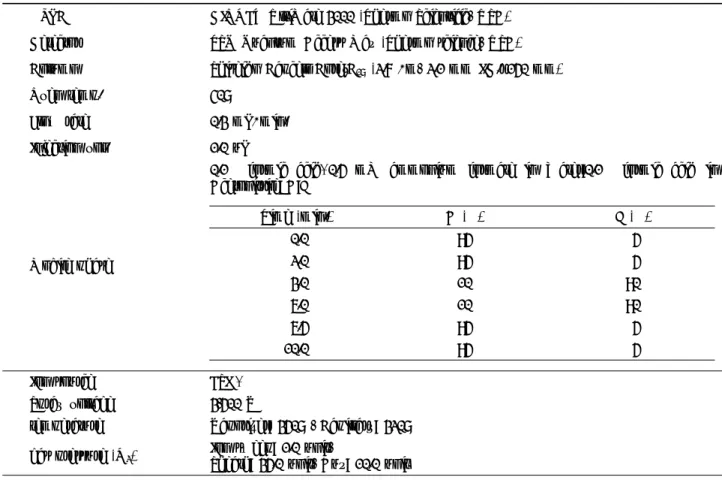
Abstract
BACKGROUND:Greenhouse crops are one of agricultural products consumed largely in Korea. Cucumber is a typical example as main vegetables of greenhouse crops. Thus, pesticide residue analysis is an important requirement to guarantee pesticide safety of cucumber. This work was aim to investigate the residues of penthiopyrad and pyriofenone in cucumber after harvest.
METHODS AND RESULTS: Cucumber was subjected to treat with penthiopyrad and pyriofenone at a level of recommended dose 0, 1, 2, 3, 5, 7 and 10 days before harvest under greenhouse conditions. The samples were extracted with organic solvent by using a homogenizer and purified on solid phase cartridge column followed by LC-MS/MS analysis. The recovery levels of penthiopyrad and pyriofenoneranged from approximately 81 to 93% with the method limit of 0.005 mg/kg and coefficient of variation less than 10%. Penthiopyrad and pyriofenone were detected at a
level less than maximumresidue limit in cucumber at 10 days before. The half-lives of penthiopyrad and pyriofenone were determined to 2.4 ~ 2.6 days.
CONCLUSION:Penthiopyrad and pyriofenone are suggested to use in cucumber 10 days before harvest to reach their levels less than maximum residue limit.
Key words: Biological half-life, Cucumber, Penthiopyrad, Pyriofenone, Pre-harvest residue limits (PHRLs)
서 론
오이는2015년 전체271,040 ton의 높은 생산량을 가진 작 물로 연중 생산 출하를 위하여 전체 생산량의· 85% (240,212
이상이 시설재배로 생산되고 있다 시
ton) (MAFRA, 2016).
설재배는 재배환경을 인위적으로 조절하여 작물의 연중 생산·
출하를 가능하게 하였으나 생육 시기를 조절하기 위한 온난 다습한 환경은 병해충의 발병을 증가시키는 요인으로 작용하 였다(Lee
et al
., 2005).오이에 발생하는 주요 병해충은 잿빛곰팡이병 노균병 흰, , 가루병 온실가루이 균핵병 응애류 등으로 오이의 전반적인, , , , 부위에 발병하며 지속적으로 발생하기 때문에 이를 방제하기 위해 농가에서는 화학적 방제법인 농약에 의존하고 있다(Lee
*Corresponding author: Jang-Hyun Hur Phone: +82-33-257-6441; Fax: +82-33-241-6640;
E-mail: [email protected]
Korean J Environ Agric. 2017;36(1):43-49. Korean Online ISSN: 2233-4173
Published online 2017 March 29. https://doi.org/10.5338/KJEA.2017.36.1.07 Print ISSN: 1225-3537
시설 내 오이(
Cucumis sativus
L.) 재배 중 Penthiopyrad 및 의 잔류특성과 생산단계 잔류허용기준 설정 Pyriofenone임수빈1, 김지윤1, 허경진1,2, 김희곤1, 허장현1,2*
1강원대학교 농업생명과학대학 환경융합학부, 2강원대학교 친환경농산물안전성센터
Establishment of Pre-Harvest Residue Limits and Residue Characteristics of
Penthiopyrad and Pyriofenone in Cucumber ( Cucumis sativus L.) Under Greenhouse Condition
Su-Bin Leem1, Ji-Yoon Kim1, Kyung-Jin Hur1,2, Hee-Gon Kim1 and Jang-Hyun Hur1,2* (1School of Natural Resources and Environmental Science, College of Agriculture and Life Sciences, Kangwon National University, Chuncheon 24341, Korea, 2Environment Friendly Agricultural Products Safety Center, Chuncheon 24341, Korea) Received: 10 February 2017 / Revised: 1 March 2017 / Accepted: 24 March 2017
Copyright ⓒ 2017 The Korean Society of Environmental Agriculture
This is an Open-Access article distributed under the terms of the Creative Commons Attribution Non-Commercial License (http://creativecommons.org/licenses/by-nc/3.0) which permits unrestricted non-commercial use, distribution, and reproduction in any medium, provided the original work is properly cited.
ORCID Su-Bin Leem
http://orcid.org/0000-0002-9807-597X
Jang-Hyun Hur
http://orcid.org/0000-0003-0526-9028
43
Research Article Open Access
et al
., 2009; Namet al
., 2010).관행재배에서 오이에 주로 사용되는 농약은penthiopyrad 및pyriofenone 외64종으 로 연속수확 작물의 특성상 병해충의 완전방제가 어려워 농, 가당 10종의 농약을 혼용하여 사용하고 있다(Leeet al
., 병해의 확산방지 및 내성방지를 위해 사용된 농약은 2005).발병 초기에 예방적으로 살포되거나 교차적으로 사용하여 오 이의 품질유지 및 수량향상에 기여하고 있다(Kim and park, 2002).
오이에 등록된 penthiopyrad 및pyriofenone은 신속한 약효발현 및 병원균의 포자형성 저해작용이 강력한 신규물질 로 오이에 발생하는 병해충에 대하여 기존 약제가 내성이나 저항성을 나타낼 때 효능이 뛰어나다고 알려져 있다(KCPA, 국내에서는 오이에 대한 두 약제의 잔류허용기준 2015).
을
(Maximum Residue Limit, MRL) 0.5 mg/kg, 0.7 으로 설정하여 유통되는 농산물의 안전성을 확보하고 mg/kg
자 노력하고 있다 한편으로는 유통되는 농산물뿐만 아니라. 유통 전 생산과정에서의 농산물 안전기준인 생산단계 잔류허 용기준(Pre-Harvest Residue Limit, PHRL)을 적용하여 출 하 전 농산물의 안전성을 강화하고자 하였다 생산단계 잔류. 허용기준의 도입은 수확 전 작물 재배 시기의 잔류량을 예측 하고 일자별 잔류량을 산출함으로써 잔류허용기준 초과 가능, 성을 사전에 방지할 수 있어 매년 생산단계 잔류허용기준을 추가하여 농산물의 안전관리에 기여하고 있다(Park.
et al
., 2011; Haet al
., 2012; MAFRA, 2016).따라서 본 연구는 오이 중 살균제 penthiopyrad 및 의 생산단계부터 출하단계까지 경시적 잔류특성 pyriofenone
을 파악함으로써 생물학적 반감기를 산출한 후 생산단계에서, 잔류허용기준 설정을 위한 유통 전 농산물에 대한 안전성평 가의 기초자료로 활용하고자 수행하였다.
재료 및 방법
시험농약 및 시험포장
시험농약은 유효성분 함량이 20%인penthiopyrad 유제
상표명 크린캡 경농 주 및 인 액상수화
( : , ( )) 10% pyriofenone
제 상표명 옵션 동부팜한농 주 를 시중에서 구입하여 사용( : , ( )) 하였고 본 연구의 공시작물인 오이는 백다다기 품종을 선정, ‘ ’ 하였다 경상북도 구미시 도개면 가산 리 포장 와 약. 1 ( 1) 21 거리상에 위치한 경상북도 상주시 진천로 포장 의 포장
Km ( 2)
을 임차하여 시험을 수행하였다 포장별. 50 m²의 시험구획을
두고 약제처리를 위해 반복 배치하였으며 각 처리구 사이에3 , 교차오염 방지를 위한1 m의 완충구간를 두어2016년 월4 2 일부터 월4 15일까지14일간 시험을 수행하였다 두 약제의. 살포용액은 작물보호지침서의 안전사용기준에 따라 제조하였 으며 동력식분무기를 사용하여 기준량 회 균일하게 살포하, 1 였다(Table 1, KCPA, 2015).
시약 재료 및 기구,
본 연구의 공시약제인penthiopyrad 및pyriofenone의 표준품은Dr. Ehrenstorfer GmbH (Germany)에서 구입하 여 사용하였으며 순도는 각각, 98.2%, 97.33%으로 화학구조 식은 Fig. 1과 같다(Turner, 2015). 추출 및 분석을 위해
사 에서 구입한 및
Junsei Chemical (Japan) acetonitrile
을 사용하였으며 및 는
dichloromethane , methanol water
사 에서 급을 구입하여 사용하였다
Merck (Germany) GR . Sodium
는 사
sulfate anhydrous, sodium chloride DAE JUNG 에서 구입하였으며 시료의 정제를 위한
(Korea) , NH2 solid
는
phase extraction (SPE) cartridge (1 g) Phenomenex 사(USA)로부터 구입하여 사용하였다. Homogenizer와vacuum
는 각각 일본의 사와 사로부
rotary evaporator Nissei EYELA 터 구입하여 사용하였다 잔류분석을 위해. HPLC, DIONEX
를 사용하였고 UltiMate 3000 (Thermo Scientific, USA) ,
를 장착하여 TSQ Quantum Max (Thermo Science, USA)
사용하였다.
시료채취 및 잔류분석
농약살포 후 시간 후를 일차로 하여2 0 0, 1, 2, 3, 5, 7, 10 일차에 상품성이 있는 시료를 대상으로 처리구당2 kg이상 Pesticides Formulation A.Ia) (%) Dilution Safe use guidelines
MRLd) (mg/kg) PHIb) (day) MNAc)(time)
Penthiopyrad ECe) 20 4,000 2 3 0.5
Pyriofenone SCf) 10 2,000 2 3 0.7
a)A.I.: Active ingredient,b)PHI: Pre-harvest interval,c)MNA: Maximum number of application,d)MRL: Maximum residue limit, MFDS, e)EC: Emulsifiable concentrate,f)SC: Suspension concentrate
Table 1. Safe use guidelines for penthiopyrad and pyriofenone in Cucumis sativus L
Penthiopyrad Pyriofenone
Fig. 1. Chemical structure of penthiopyrad and pyriofenone.
채취하여 밀봉한 후 즉시 분석 장소로 운반하였다 드라이아. 이스를 첨가한 후 각 처리구 별로 세절 및 혼합하였으며, , -20℃ 이하의 냉동고에 보관하여 분석시료로 사용하였다.
및 의 추출용매는 잔류분석 시
Penthiopyrad pyriofenone
보편적으로 사용되는acetonitrile을 선정하였다 시료. 20 g에
를 첨가한 후 로 분간 고속
acetonitrile 100 mL , homogenizer 3
(10,000 rpm)마쇄․ 추출한 후, acetonitrile을 유거하여 감압 ․ 농축하였다 여액은 증류수. 100 mL와 포화식염수50 mL를 첨가한 separatory funnel에서 dichloromethane으로 50, 회 분배하여 극성 불순물을 제거하였다 분배액을
50 mL 2 .
층을 통과시켜 탈수하고 감압 anhydrous sodium sulfate , ․ 농축 한 뒤dichloromethane 5 mL로 재용해 하였다. Penthiopyrad 및pyriofenone의 정제는SPE법을 적용하였으며, NH21 g
이 충진된cartridge를 이용하였다. Dichloromethane 5 mL 로pre-washing하여 활성화 시킨cartridge에 추출액전량을 loading하고 혼합용매, (dichloromethane:methanol=95:5, v/v) 를5 mL전개시킨 후, penthiopyrad및pyriofenone을 용 출시켰다 이 용출액을 감압. ․ 농축하고acetonitrile 2 mL로 재용해한 후 필터링, (0.2 μm membrane filter)하였으며,
에 주입하여 상의 면적
LC-MS/MS chromatography peak 을 기준으로 잔류농약을 정량하였다(Table 2, 3).
분석법 검증
분석과정의 적합성을 판단하기 위하여 수행한 회수율 시 험은 분석정량한계(Method Limit of Quantification,
의
MLOQ) 10 (0.05 mg/kg),배 50 (0.25 mg/kg)배 수준으 HPLC DIONEX UltiMate 3000 (Thermo Scientific, USA)
Detector TSQ Quantum Access Max (Thermo science, USA) Column Shiseido Capcell Core-C18 (2.7 μm, 2.1 mm I.D.×150 mm)
Oven temp. 40℃
Flow rate 0.3 mL/min.
Injection vol. 1.0 uL
Mobile phase
0.1% formic acid+0.5 mM ammonium formate in Water:0.1% formic acid in Acetonitrile=A:B
Time (min.) A (%) B (%)
0.0 95 5
2.0 95 5
3.0 10 90
6.0 10 90
6.5 95 5
10.0 95 5
Ion source ESI +
Spray voltage 3,500 V
temperature Vaporizer: 350 , Capillary: 320℃ ℃ gas pressure (N2) Ion sweep: 1.0 unit,
Sheath: 35.0 unit, Aux: 10.0 unit
Table 2. Analytical conditions for the determination of penthiopyrad and pyriofenone in Cucumis sativus L
Compound Precursor ion Product ion CE Q1 PW Q3 PW Retention time
Penthiopyrad 360.158
177.068 30 0.7 0.7
7.77 min.
256.061 19 0.7 0.7
276.067 13 0.7 0.7
Pyriofenone 366.100
166.110 35 0.7 0.7
8.17 min.
184.060 23 0.7 0.7
209.120 23 0.7 0.7
Table 3. Selected Reaction Monitering (SRM) condition of penthiopyrad and pyriofenone
로 수행하였다 무처리 오이 시료. 20 g에penthiopyrad 및
표준용액 을 정확히
pyriofenone 1 mg/kg, 5 mg/kg 1 가하여 반복 처리하였으며 균일하게 혼합하여 분간
mL 3 , 30
방치한 후 상기의 분석과정을 수행하여 회수율을 산출한 결 과 분석법의 신뢰성을 확보하였다.
결과 및 고찰
표준검량선 작성
잔류 농약의 정량분석을 위해 표준품 penthiopyrad
및 을 에 녹여
(98.2%) pyriofenone (97.33%) acetonitrile 을 조제하였다 이 후 최소검 1,000 mg/kg stock solution .
출량(Minimum Detectable Amount, MDA) 수준인 0.05
부터 까지 동일용매의 단계별 희석을 통
mg/kg 2.0 mg/kg
해 표준용액을 조제한 후 무처리 시료로 재용해하여 matrix 한 표준검량선을 작성하였다 표준검량선의 결정계
matched .
수(R2)는 두 약제 모두0.99 이상으로 높은 직선성을 나타내 었으며 잔류농약 정량분석의 적합함을 확인하였다, (Table 4).
분석정량한계 및 회수율
분석정량한계는 시료 전처리 및 분석과정을 통틀어 분석 물질을 정량할 수 있는 한계치를 의미한다(Lee
et al
., 2009).오이 중penthiopyrad및pyriofenone에 대한 분석정량한계 는0.005 mg/kg이었으며 두 약제의, MRL로 설정되어있는 수준을 정량하는데 적합한 수준으로 0.5 mg/kg, 0.7 mg/kg
판단되었다 분석과정 적합성의 판단 및 검증을 위하여 수준. 2 으로 반복 시험 수행한 결과 모두 유 (10×MLOQ, 50×MLOQ) 3
효회수율 범위인 70~120% 및 변이계수 표준편차 평균치( / 이하의 수준을 만족하였다
x100) 10% (Table 5). LC-MS/MS 를 사용하여 상기 분석 방법으로 분석한 penthiopyrad 및
의 머무름 시간은 각각
pyriofenone 7.77min., 8.17 min.이 었다.
시설 내 기상조건 및 중량
오이 재배 기간 동안 포장1, 포장 의 시설재배 평균기온2 및 습도 범위는 각각 19.8~26.9 ,℃ 17.6~24.8℃ 및 로 기록되었으며 농약살포 후 63.8%~88.1%, 46.5%~88.6% ,
수확한 오이의 개체중량은 포장1, 2에서 각각 179.1~234.2 이었다 오이는 시설재배지의 온습도와 크 g, 165.0~209.7 g .
게 상관없이 높은 증체율을 보인 연구결과를 근거로 오이의 증체율변화는 생육환경의 영향이 적음을 확인하였다(Lee
et al
., 2009).잔류특성과 생물학적 반감기
본 연구에서는 시설재배 오이 중 penthiopyrad 및 의 일자별 잔류량을 측정하여 약제의 잔류특성 pyriofenone
을 파악하였다. Penthiopyrad의 포장 과 포장 에서의 초1 2 기 부착량은 각각 0.122 mg/kg, 0.117 mg/kg이었으며,
의 경우 포장 에서 포장 에서
pyriofenone 1 0.091 mg/kg, 2 이었다 농약의 초기부착량 결정요인은 작물의 0.107 mg/kg .
종류 및 표면특성 재배형태 및 재배방식 살포농약성분의 이, , 화학적 특성과 제제형태 및 농약 살포방법 등으로 알려져 있 다(Kanazawa, 1992). Moon 등(2016)의 살포기기에 따른 농약 사용 후 부착량에 대한 연구결과에 의하면 동력식분무 기 사용 시 스피드스프레이어보다 상대적으로 초기 부착량이 낮다고 보고하였다 또한 과채류에 속하는 사과 복숭아 등. , 형태적으로 움푹패인 부위를 가진 작물에 대하여 상대적으로 높은 부착량을 보인 결과가 보고된 바 있으며 비표면적이 큰, 포도의 경우 비표면적이 작은 과채류보다 높은 부착량을 나 타낸다는 연구결과가 있다(Kim
et al
., 2003; Leeet al
., 오이의 경우 형태적으로 움푹패인 특정부위가 없으며2004). ,
상대적으로 비표면적이 작은 작물로 본 연구결과 초기 부착 량이 낮게 검출된 것으로 판단되며 농약 살포방법 및 살포기, 기 또한 부착량에 영향을 준 것으로 사료된다(Moon
et al
., 2016).Pesticide Linear equation R2
Penthiopyrad y=23,312,661.04x+51,749,80821 0.9987
Pyriofenone y=43,761,803.01x+237,167.5128 0.9997
Table 4. Linear equation of calibration curve for the quantification of the pesticide residues in Cucumis sativus L.
Pesticide Fortification level (mg/kg) Recovery (%)
MLOQa) (mg/kg)
1 2 3 AVG±C.V.b)
Penthiopyrad 0.05 92.8 94.9 95.4 94.3±1.5
0.005
0.25 94.9 93.1 93.2 93.7±1.1
Pyriofenone 0.05 87.3 89.8 83.4 86.8±3.8
0.005
0.25 81.2 82.7 81.0 81.7±1.1
a)Method of Limit of Quantification, b)Coefficient of variation
Table 5. Recovery rate and MLOQ for penthiopyrad and pyriofenone in Cucumis sativus L
두 약제 처리10일 경과 후의 포장 과 포장 의 잔류량1 2 은penthiopyrad의 경우0.008 mg/kg, 0.007 mg/kg이었 으며, pyriofenone의 경우0.008 mg/kg, 0.010 mg/kg으 로 시간이 경과함에 따라 잔류량이 감소하는 경향을 확인하 였다 오이는 약제 처리 후. 10일차에 증체율이20배 이상 증 가된다는 연구결과에 근거하여 오이의 비대생장이 잔류량의 희석효과로 잔류량 감소가 나타난 것으로 사료된다(Lee
et al
., 2009). 비대생장에 의한 잔류량의 희석효과를 비교하기 위하여 과실류인 사과 복숭아와 박과채소류인 애호박에 동일, 약제를 처리한 연구결과를 참고하였다 비대생장 하지 않는. 사과 복숭아의 경우 동일 약제를 처리하였을 때 시간 경과에, 따른 농약잔류 분해속도가 느린 경향을 보여 비대생장에 의 한 희석효과를 확인할 수 있었다(Kimet al
., 2003; Leeet al
., 2003; Parket al
., 2011). 본 연구에서 경시적 잔류특성 을 파악함으로써 두 약제의 잔류감소곡선이 큰 폭의 기울기 로 나타나는 것을 확인하였다(Fig. 2).각 시험포장에서 수행한 연구를 통해 산출된 잔류량의 평 균치로 식품의약품안전처에서 제공한 회귀분석 검정표에 대 입하여 잔류감소 회귀식을 계산한 후 값을 이용해 생물학k 적 반감기를 0.639/k식으로 산출하였다(Kim
et al
., 2013;산출결과 및 의
MFDS, 2016). penthiopyrad pyriofenone 반감기는 포장 과 포장 에서 각각1 2 2.6 , 2.5일 일 및2.5 ,일
일로 포장간의 반감기 차이는 크지 않았다 오이 중
2.4 .
및 의 반감기는 일과 일로 나타
boscalid amisulbrom 1.9 3.6
난Lee등(2008)과Hwang등(2012)의 연구결과로 보아 본,
연구결과 나타난 반감기와 유사한 것을 확인하여 오이의 경 우 대체적으로 짧은 반감기 추이를 갖는 것으로 사료된다 오. 이의 경우 생육특성과 매끄러운 형태를 가져 농약부착이 상 대적으로 불리하게 작용되며 연속수확재배의 특성상 수확시, 기와 약제처리시기가 짧으므로 연속재배작물인 오이에 분해 가 빠르게 일어나는 저잔류성 약제를 선택하여 처리한 것으 로 사료된다(Kim
et al
., 2002). 본 연구의 대상약제인및 의 경우 에서 가수분
penthiopyrad pyriofenone pH 4~9
해에 안정하나 빠르게 광분해하는 특성을 가지고 있어 오이 의 짧은 반감기 추이에 영향을 미쳤다고 사료된다(RDA,
또한 등 의 연구결과에서 작물의 반감기요
2013). Lee (2005)
소는 약제의 이화학적 특성에 따른 초기부착량 및 작물의 증 체율의 영향이 크다는 결과를 참고하여 본 연구결과 두 약제, 의 저잔류성 특성과 빠른 증체율이 생산단계 중 두 약제의 반 감기 추이에 주된 영향을 주었을 것으로 판단된다(Lee
et al
., 2009; Hwanget al
., 2012; Hanet al
., 2013).설정 Pre-Harvest Residue Limit (PHRL)
생산단계 잔류허용기준(Pre-Harvest Residue Limit, PHRL) 은 생산단계부터 출하단계까지 농약잔류소실 양상과 생물학 적 반감기를 산출하여 파악한 후 생산단계 농산물에 대한 사, 전 분석을 통하여 출하 이전에 잔류농약의 안전성을 평가하 는 기준이다 즉 수확 시 잔류량을 예측하여 출하 시점에. , 을 초과할 가능성이 있는 농산물을 판별하여 폐기처분 MRL
또는 출하연기의 조치를 사전에 방지하고 출하 가능일자를
A B
Fig. 2. Half life curve of penthiopyrad and pyriofenone during cultivation of Cucumis sativus L. (A: Penthiopyrad, B:
Pyriofenone)
A B
Fig. 3. Recommended PHRL of penthiopyrad and pyriofenone inCucumis sativusL. cultivation period (A: Penthiopyrad, B: Pyriofenone).
산정하는데 필요한 기준으로 활용된다(Park
et al
., 2005).본 연구는 오이 생산단계 중penthiopyrad및pyriofenone 을 처리한 각 포장의 일자별 잔류량을 분석하여 잔류감소 회 귀식을 산출하였다 신뢰구간을 적용한 회귀식은 포장. 1, 포 장 에서 각각2 y=0.1433e-0.266x(R2=0.9461), y=0.1535e-0.274x(R2
및
=0.9379) y=0.0999e-0.277x(R2=0.9543), y=0.1245e-0.287x(R2
이었으며 이를 바탕으로 곡선을 작성하였
=0.9184) , PHRL
다. PHRL 곡선을 바탕으로 한 두 약제의 수확10일전 생 산단계 잔류허용기준이 각각 3.44 mg/kg, 4.63 mg/kg 수 준 이하로 나타난다면 오이 수확 시 잔류량은 penthiopyrad 및 pyriofenone의 MRL인0.5 mg/kg, 0.7 mg/kg 수준 이하로 나타날 것으로 사료된다(Fig. 3). 본 연구결과 산출된 생산단계 잔류허용기준을 활용한다면 국내 오이 생산농가의 출하 전 안전농산물 생산에 기여함에 따라 소비자에게 안전 한 농산물을 제공할 수 있을 것으로 판단된다.
요 약
본 연구는 시설재배 작물인 오이의 생산단계 중 penthiopyrad 및 pyriofenone의 시간경과에 따른 잔류량 을 감소식으로 회귀식을 계산한 후 생물학적 반감기를 산출, 함으로써 생산단계 잔류허용기준을 설정하여 농가의 안전한 농산물생산에 기여하고자 수행하였다. Penthiopyrad 및 pyriofenone는 작물보호지침서의 안전사용기준에 준하여 기 준량 회 처리하였고 각각 포장 과 포장1 , 1 2지역으로 나누어 처리하였다 약제살포 시간 후를 일차로하여. 2 0 0, 1, 2, 3, 5, 일차에 시료를 채취하였다 두 약제 모두 추출 및 정제
7, 10 . 를
위해 acetonitrile, dichloromethane, SPE NH2 cartridge 를 사용하였고 LC-MS/MS를 이용하여 분석하였으며 분석, 정량한계는 0.005 mg/kg이었다 분석정량한계의. 10 , 50배 배 수준으로 농약을 처리하여 수행한 결과penthiopyrad및
의 회수율은 각각
pyriofenone 92.8 95.4%, 81.0 89.8%∼ ∼ 이었으며 표준편차는 두 약제 모두, 10% 미만이었다 오이. 중 두 약제에 대한 포장 1, 포장 2의 생물학적 반감기는
의 경우 각각 일과 일 의
penthiopyrad 2.6 2.5 , pyriofenone 경우 각각 2.5일과 2.4일로 나타났다. Penthiopyrad 및
의 잔류량을 바탕으로 오이 수확 일 전 잔류
pyriofenone 10
량이3.44 mg/kg, 4.63 mg/kg이하로 나타난다면 수확 시 두 약제의 잔류량은 MRL (Penthiopyrad: 0.5 mg/kg, 수준 이하일 것으로 사료된다 본
Pyriofenone: 0.7 mg/kg) .
연구결과를 바탕으로 오이 중penthiopyrad 및pyriofenone 의 생산단계 잔류허용기준이 설정된다면 오이 재배농가에서 유통단계 뿐만 아니라 생산단계에서 안전한 농산물을 생산하 는데 기여할 것으로 사료된다.
Acknowledgement
This work was supported by Korea institute of planning and evaluation for technology in food,
agriculture, forestry and fisheries (IPET) through (Agri-Bio industry technology development program), funded by ministry of agriculture, food and rural affairs (MAFRA) (314086-3) also, that was part of the
“Establishment of Pre-Harvest Residue Limit of Pesticides for Agriculture products in 2016“, Ministry of Food and Drug Satety, Republic of Korea.
References
Ha, H. Y., Ra, D. S., Shin, W. C., Im, G. J., & Park, J. E.
(2012). Survey of pesticide use in fruit vegetables, fruits, and rice cultivation areas in Korea. The Korean Journal of Pesticide Science, 16(4), 395-400.
Han, Y. H., Lee. C. Y., Park. K. D., Park. K. W. & Lee. K.
S. (2013). Residues of new fungicide, isopyrazam on cucumber and oriental melon. Korean Jounal of Pesticide Science, 17(1), 13-19.
Hwang, K. W., Kim, T. W., Yoo, J. H., Park, B. S., &
Moon, J. K. (2012). Dissipation pattern of amisulbrom in cucumber under greenhouse condition for establishing pre-harvest residue limit. The Korean Journal of Pesticide Science, 16(4), 288-293.
Kanazawa, J. (1992). Environmental Sciences of Pesticide, pp.55-56, Cooperative Publication, Japan.
Kim, K. J., Kim, D. S., Heo, S. J., Ham, H. J., & Hur, J. H.
(2013). Establishment of pre-harvest residue limit (PHRL) of emamectin benzoate during cultivation of amaranth. The Korean Journal of Pesticide Science, 17(2), 77-83.
Kim, Y. G. & Park. C. K. (2002). Control technology of pest in cucumber for exportance. The Korean Society for Bio-Environment Control Simpojium and other publications, pp. 61-82.
Kim, Y. S., Park, J. H., Park, J. W., Lee, Y. D., Lee, K. S.,
& Kim, J. E. (2002). Persistence and Dislodgeable Residues of Chlorpyrifos and Procymidone in Lettuce Leaves under Greenhouse Condition. Korean Journal of Environmental Agriculture, 21(2), 149-155.
Kim, Y. S., Park, J. H., Park, J. W., Lee, Y. D., Lee, K. S.,
& Kim, J. E. (2003). Residue levels of chlorpyrifos and chlorothalonil in apples at harvest. Korean Journal of Environmental Agriculture, 22(2), 130-136.
Korea Crop Protection Association (2015). 2015 Guideline of test for pesticide registration, pp. 87-318.
Lee, E. Y., Noh, H. H., Park, Y. S., Kang, K. W., Lee, K.
H., Park, H. K., Yun. S. S., Jin. C. W., Han. S. K. &
Kyung, K. S. (2009). Residual characteristics of Neonicotinoid Insecticide dinotefuran and thiacloprid
in cucumber. The Korean Journal of Pesticide Science, 13(2), 98-104.
Lee, H. D., Ihm. Y. B., Kwon. H. Y., Kim. J. B., Kyung. K.
S., Park. S. S., Oh. B. Y., Im. G. J. & Kim. J. E. (2005).
Characteristics of Pesticide residue in/on cucurbitaceous fruit vegetables applied with foliar spraying under greenhouse. The Korean Society of Pesticide Science, 9(4), 359-364.
Lee, H. D., Kyung, K. S., Kwon, H. Y., Ihm, Y. B., Kim, J. B., Park, S. S., & Kim, J. E. (2004). Residue characteristics of hexaconazole and chlorothalonil in several fruits. The Korean Journal of Pesticide Science, 8(2), 107-111.
Lee, M. G., Hwang, J. M., & Lee, S. R. (2005). The usage status of pesticides for vegetables under greenhouse cultivation in the southern area of Korea. The Korean Journal of Pesticide Science, 9(4), 391-400.
Lee, J. H., Park, H. W., Keum, Y. S., Kwon, C. H., Lee, Y.
D., & Kim, J. H. (2008). Dissipation pattern of boscalid in cucumber under greenhouse condition. The Korean Journal of Pesticide Science, 12(1), 67-73.
Lee, J. H., Jeon, Y. H., Shin, K. S., Kim, H. Y., Park, E. J., Kim, T. H., & Kim, J. E. (2009). Biological half-lives of fungicides in Korean melon under greenhouse condition.
Korean Journal of Environmental Agriculture, 28(4), 419-426.
Lee, Y. J., Go, G. Y., Won, D. J., Gil, G. H. and Lee, G. S.
(2003) Residue Patterns of Procymidone, Chlorpyrifos and Cypermethrin in Peaches During Cultivation and Storage Period. Korean Journal of Environmental Agriculture, 22(3), 220-226.
Moon. S. H., Kwon. H. Y., Hong. S. M., Kim. S. S., Son K. A. & Lim. C. H. (2016). Comparison of pesticide residue amounts in apple trees applied by different sprayers and spray volumes. The Korean Society of Pesticide Science, 20(3), 264-270.
Nam, M. H., Chio. J. P., Kim. H. J., Lee. J. J., Lim. K. H., Kim. Y. G., Kim. H. T. & Jeun. Y. C. (2010). Controlling activity of Bacillus subtilis KB-401 against cucumber powdery mildew caused by Sphaerotheca fusca.
Korean Jounal of Pesticide Science, 14(1), 49-53.
Park, D. S., Seong, K. Y., Choi, K. I., & Hur, J. H. (2005).
Field tolerance of pesticides in the strawberry and comparison of biological half-lives estimated from kinetic models. The Korean Journal of Pesticide Science, 9(3), 231-236.
Park. H. K., Noh. H. H., Lee. G. H., Lee. J. Y., Park. Y. S., Kang. K. W., Lee. E. Y., Yun. S. S., Jin. C. W. & Kyung.
K. S. (2011). Residual characteristic of chlorpyrifos in squash and estimation of its residues before harvest.
The Korean Journal of Pesticide Science. 15(4), 463-470.
Turner, J. A. (2015). The Pesticide Manual: A World Compendium. pp.855-984, British Crop Protection Council, UK.